人民币国际化

Search documents
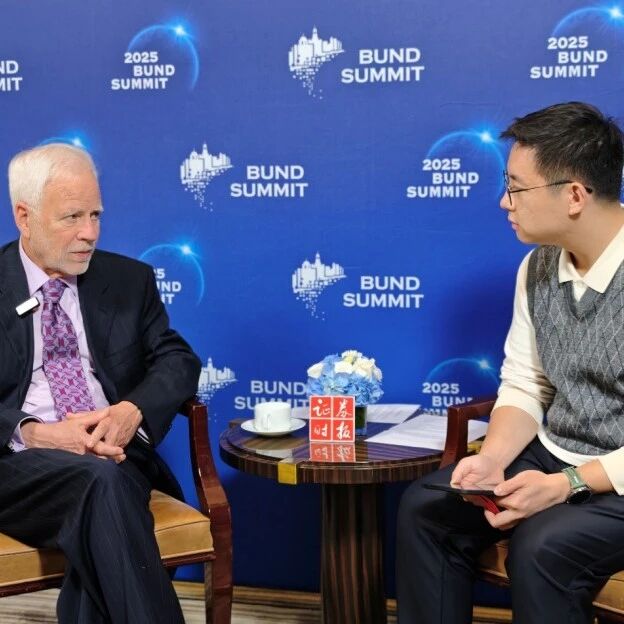
专访加州大学伯克利分校政治经济学教授巴里·艾肯格林:未来“去美元化”或会加速 人民币国际化在做正确的事
证券时报· 2025-10-26 14:19
Core Viewpoint - The international monetary system is undergoing significant changes, with increasing skepticism about the dollar's safe-haven status and a shift towards a more diversified cross-border payment system [1][8]. Group 1: International Monetary System Changes - Barry Eichengreen emphasizes that the international monetary system will continue to evolve towards a more digital direction [1]. - The dollar's share in global foreign exchange reserves has decreased from slightly over 70% at the beginning of the century to just below 60% currently, indicating a gradual trend of "de-dollarization" [7]. - Eichengreen expresses concerns that U.S. government actions may undermine the dollar's status as a safe haven, potentially accelerating the de-dollarization process [1][8]. Group 2: U.S. Economic Policy and Inflation - Eichengreen notes that the Federal Reserve has a dual mandate to maintain low and stable inflation and high employment, with current inflation levels above the 2% target [3]. - He raises doubts about the effectiveness of the Fed's anticipated interest rate cuts, suggesting that inflation may remain above 2% due to ongoing tariff policies [4]. - The recent volatility in the U.S. Treasury market is attributed to government policies that have led to a weaker dollar and increased yields [6]. Group 3: Cryptocurrency and Digital Payments - Eichengreen categorizes cryptocurrencies into unstable types like Bitcoin, which do not significantly impact the international financial system, and stablecoins, which may face regulatory challenges [9]. - He highlights ongoing initiatives to digitize payment systems, such as the collaboration between SWIFT and banks to test tokenized deposits and the development of cross-border payment systems in Southeast Asia [9]. - A robust regulatory framework for cryptocurrencies is deemed essential to prevent misuse and ensure stability in the financial system [10]. Group 4: Renminbi Internationalization - Eichengreen supports the cautious advancement of Renminbi internationalization, focusing initially on cross-border trade settlements and establishing a global clearing system [11]. - He advises that the Chinese authorities should continue to promote the use of Renminbi in international contexts while maintaining patience, as this process is not instantaneous [11].

盛松成:经济高质量发展需平衡好消费和投资 | 立方大家谈
Sou Hu Cai Jing· 2025-10-26 10:53
Group 1: Economic Development Strategy - The "15th Five-Year Plan" aims for an average annual GDP growth of over 4.5% to achieve a per capita GDP exceeding $20,000 by 2035, indicating a focus on both qualitative and quantitative growth [3] - The emphasis on "building a modern industrial system" and "accelerating high-level technological self-reliance" highlights the deepening of China's innovation-driven development strategy [4] - The integration of technological and industrial innovation is crucial, with a focus on enhancing the productive service industry, which currently accounts for just over 30% of GDP, compared to 47.5% in the U.S. [4] Group 2: Domestic Demand Expansion - The central government has shifted its macroeconomic policy focus towards boosting consumption and improving investment efficiency, marking a significant policy transition [5] - The relationship between consumption and investment is emphasized as a necessary balance, with the aim of creating a virtuous cycle that stimulates economic growth [5][6] - The government is promoting effective investment and consumption through measures such as tax reforms to incentivize local governments to boost consumption [6] Group 3: International Trade and Currency Policy - The plan includes expanding high-level openness and enhancing cooperation, with China's foreign direct investment (FDI) and outward direct investment (ODI) entering a dual investment phase [7] - The diversification of trade partners is evident, with the share of exports to the top three trading partners decreasing from 50.8% in 2019 to 45.5% in 2024, while exports to Belt and Road countries have increased to 47% [7] - The use of the renminbi for international settlements has reached 30% in trade, with some regions like Guangdong exceeding 50%, indicating a trend towards currency internationalization [7][8]
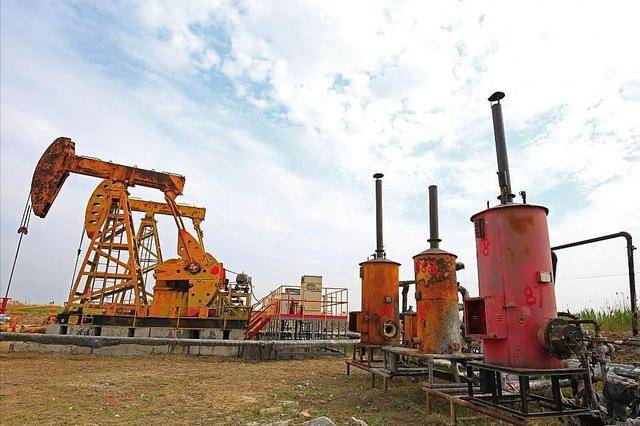
特朗普突然出手!制裁俄罗斯石油巨头,这次中国也不能置身事外!
Sou Hu Cai Jing· 2025-10-26 07:21
美国财政部宣布,制裁不仅仅包括俄罗斯石油公司和卢克石油公司,还包括其在俄罗斯的所有子公司以及持股超过50%的相关实体。俄罗斯石油公司是全球 第二大石油生产商,这意味着俄罗斯的四大石油巨头已全部被美国列入黑名单。财政部长贝森特指出,这一措施旨在"削弱克里姆林宫的资金来源",并暗示 未来可能会有更多制裁措施。 与此同时,欧盟也启动了第19轮制裁,提前将俄罗斯液化天然气进口禁令推至2027年,并加大了对俄外交官活动的限制。这一系列突然出台的制裁措施,不 仅让全球能源市场出现剧烈波动,也使中国成为地缘政治博弈中的焦点。 俄罗斯石油公司和卢克石油公司控制着俄罗斯近一半的原油出口量,其业务覆盖从勘探、生产到运输的全链条。根据彭博社的数据显示,2024年这两家公司 将占俄罗斯原油总产量的63%,而出口收入占俄联邦预算的24%。美国的制裁包括冻结在美国的资产,禁止美国企业和个人与这些公司进行交易,还威胁要 对任何"协助俄罗斯军事工业"的外国金融机构实施二级制裁。意味着全球与这两家企业有业务往来的机构,包括印度炼油厂和中国银行,都可能面临法律风 险。 and STREETS Particolor 8 12 fi g - 20 ...

全球第五最活跃货币,如何看SWIFT人民币排名新变化?
券商中国· 2025-10-26 02:19
Core Viewpoint - The RMB Tracker report by SWIFT indicates that the renminbi (RMB) has become the fifth most active global payment currency as of September 2025, with a share of 3.17%, reflecting a 15.53% increase in payment amounts compared to August 2025 [1] Group 1: RMB Internationalization Progress - The RMB's global payment currency ranking fluctuates between fourth and sixth place this year, with a decline from a peak of 4.74% in July 2022 to 3.17% in September 2025 [1] - The internationalization of the RMB is a long-term process and cannot be achieved overnight, as indicated by market experts [1] Group 2: Limitations of SWIFT's Data - SWIFT's statistics are limited to payment messages among its member institutions, which does not include domestic RMB transactions within China, leading to an underestimation of the RMB's international usage [2][3] - The majority of cross-border RMB transactions are conducted through the Cross-Border Interbank Payment System (CIPS), which is also excluded from SWIFT's statistics [3] Group 3: Impact of Market Conditions - The decline in the RMB's share in SWIFT's rankings from April to August 2025 is attributed to reduced offshore RMB foreign exchange trading due to low volatility in the RMB exchange rate, which led to decreased trading activity [5] - The RMB's share in SWIFT's rankings showed a slight recovery in September compared to August, despite the overall downward trend since its peak [4] Group 4: Multi-Dimensional Measurement of Currency Internationalization - The internationalization of a currency encompasses various dimensions beyond payment functionality, including valuation, investment, and reserve functions [6] - As of mid-2025, foreign entities held RMB-denominated financial assets totaling 10.4 trillion yuan, reflecting a year-on-year growth of 5.2% [6] - The RMB's share in the foreign exchange market has increased to 8.5% as of April 2025, up from 7% in 2022, ranking fifth among global currencies [7]

特朗普对俄出重拳!制裁石油缓解美元焦虑,中国却意外成大赢家
Sou Hu Cai Jing· 2025-10-26 02:17
如今人民币作为全球排名前五的货币,与位居第四的英镑正在不断缩小差距。目前,其全球日交易量已 攀升至8170亿美元,在全球交易中的占比提升逾8个百分点。 持续对中国实施打压的美国,其豆农协会竟也表态,愿意采用人民币进行结算。这一转变,既出人意 料,又凸显出经济利益考量下的现实选择。 印度与俄罗斯在石油交易领域持续深化对接,且交易结算方式正逐步向人民币倾斜,双方不断推进以人 民币进行石油交易,展现出贸易结算格局的新动态。 这些种种现象表明,去美元化在不断的进行中,而人民币却在世界贸易中不断地发展壮大。即便最新消 息特朗普开始制裁俄油,很多中印企业出现了暂停采购俄油,但这种情况依旧改变不了中国人民币在不 断发展的道路。 美国的制裁只是暂时的,未来货币多元化必将取代美元的霸权地位。此前 俄印石油结算突然改用人民 币,全程未参与谈判的中国为何成最大赢家?答案藏在十年未雨绸缪的布局里。 国际财经圈近期热议一桩关键变局:俄罗斯与印度的石油交易结算货币,出现了超出市场预期的转向。 更值得关注的是,这场双边谈判的"局外人"中国,反倒成为变局中收益最显著的一方,这背后的逻辑并 非偶然。 变局的信号源自路透社近日披露的11则独家消 ...
打响独立的第一枪!安世中国做出决定,拒绝美元结算
Sou Hu Cai Jing· 2025-10-25 17:28
Core Viewpoint - The article discusses a significant confrontation between a Chinese company, Anshi Semiconductor, and the Dutch government, highlighting the resilience of Chinese enterprises in the face of geopolitical pressures and the implications for global supply chains in the semiconductor industry [1][5][10]. Group 1: Company Response - Anshi Semiconductor, after the Dutch government's takeover, declared its independence and shifted all transactions from USD to RMB, showcasing its strategic maneuvering in the semiconductor market [3][7]. - The company issued a letter to clients and employees, emphasizing the stability of its supply chain and asserting its rights against any illegal directives from the Dutch government [5][8]. - Anshi's actions have led to significant concern among European automakers, as they rely heavily on the company's chips, particularly in the automotive sector [7][8]. Group 2: Geopolitical Context - The Dutch government's actions were influenced by the United States, which has been wary of China's rise in the semiconductor industry, indicating a broader geopolitical struggle [5][10]. - The situation revealed that the core production capabilities of Anshi are primarily located in China, particularly in Dongguan, which is critical for the assembly and testing of automotive chips [8][10]. - The Dutch government’s realization that it had underestimated the importance of the Chinese operations led to urgent attempts to mitigate the fallout from its actions [10][11]. Group 3: Market Implications - Anshi's decision to reject USD transactions is seen as a significant move towards financial independence from Western systems, potentially influencing other companies to follow suit [7][11]. - The article suggests that if more Chinese companies adopt RMB for transactions, it could challenge the dominance of the USD in global trade [11][13]. - The semiconductor industry is highlighted as a critical battleground, with the article emphasizing that control over core production processes is essential for maintaining influence in the market [8][13].

全球支付货币份额排名更新:美元为47.8%,人民币9月上升一位
Sou Hu Cai Jing· 2025-10-25 14:51
2025年9月,SWIFT最新全球货币支付份额排行榜出炉,多数货币排名维持稳定,人民币却成为例外,其支付份额以3.17%的占比反超加拿大元的3.12%,重 新回到第五位,这一变动引发市场对人民币国际化进程的新一轮关注。 从具体数据看,美元仍以47.8%的绝对优势稳居榜首,其主导地位源于全球贸易结算的核心地位及金融资产定价的垄断性,美股、黄金、期货等国际大宗商 品交易几乎均以美元计价,这种"金融+贸易"的双重绑定使其支付份额长期占据半壁江山。 欧元以22.77%的份额位列第二,但较上月下滑显著,与美元差距扩大至25.02%。这一变化与欧洲经济存在感减弱形成呼应,无论是制造业竞争力还是金融 创新力,欧洲均呈现相对衰落态势,欧元作为区域货币的局限性愈发明显。 英镑则以7.38%的份额保持第三,伦敦作为全球外汇交易中心的地位,为英镑在国际支付货币中的位置其提供了支撑,这种"金融枢纽"效应使英镑支付份额 远超其经济体量占比。 日元以3.69%位列第四,日本新首相高市早苗上任后可能推行的宽松货币政策,虽对日元汇率构成压力,却可能通过利差效应刺激日元借贷需求,投资客借 入日元兑换美元投资美元资产,客观上增加了日元在金融领域 ...
稀土一断,美欧全抓狂了!马克龙要动用“核选项”,美国也有狠招
Sou Hu Cai Jing· 2025-10-25 11:01
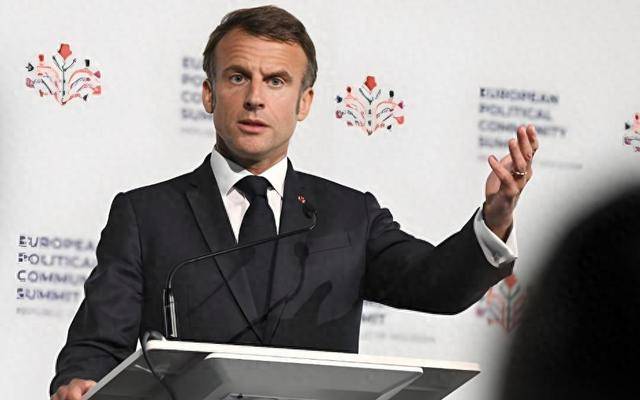
Core Points - The EU summit in Brussels on October 23 saw French President Macron's strong stance on China's rare earth export controls, urging the EU to consider activating the Anti-Coercion Instrument (ACI) to retaliate against China [1][3] - The "nuclear option" proposed by Macron would grant the EU significant retaliatory powers, including imposing high tariffs and restricting investments from countries deemed to be engaging in "economic coercion" [3][5] - Despite the potential deterrent effect of the ACI, it has never been effectively utilized since its inception, as demonstrated by the EU's decision to compromise with the US during a previous trade dispute [5][7] Rare Earth Dependency - The EU's dependency on China for rare earth elements is significantly higher than anticipated, with 82% of its rare earth demand met through imports from China, and 95% dependency in the refining and processing stages [7][19] - In 2025, China accounted for 64% of global rare earth production and controlled 78% of the refining capacity, making it challenging for the EU to find alternative suppliers in the short term [7][19] - Germany's trade with China has surpassed that with the US, with a trade volume of €163.4 billion in the first eight months of 2025, highlighting the economic interdependence between the EU and China [7][19] Economic Implications - The potential activation of the "nuclear option" could severely disrupt the EU's manufacturing sector due to rare earth shortages, leading to significant economic repercussions [7][19] - The European Automobile Manufacturers Association warned that if the rare earth shortage is not resolved within 60 days, 60% of EU electric vehicle factories and 40% of wind energy equipment factories could face shutdowns, potentially reducing the EU's GDP growth by 0.8 percentage points in 2025 [20][19] - The US has also reacted strongly to China's rare earth controls, considering severe sanctions that could impact both economies, but the feasibility and consequences of such actions remain uncertain [9][11][12]
美国祭出最后绝招?如果中国不提供稀土:美国敢将中国踢出SWIFT?
Sou Hu Cai Jing· 2025-10-25 09:18
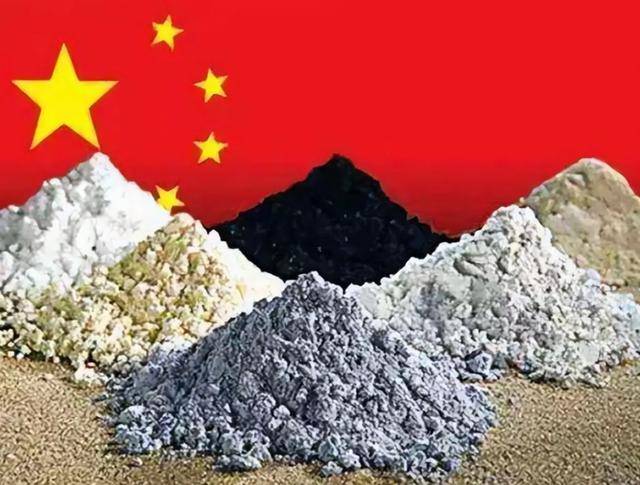
Group 1 - China has implemented export controls on rare earth elements, citing national security concerns, which are part of a long-term strategy rather than a spontaneous decision [1][3] - The export controls target products with excessive rare earth content, including magnets and technologies, with China controlling 70% of global rare earth mining and 90% of processing [3][9] - The U.S. relies on China for over 70% of its rare earth imports, which are critical for various industries, including electric vehicles and defense [3][9] Group 2 - U.S. officials have criticized China's actions as "power grabs" in the global supply chain, yet they acknowledge the need for reliable supply rather than complete decoupling [5][21] - The U.S. plans to impose a 100% tariff on rare earth imports in response to China's export controls, effective from November 1 [6][28] - China's response to U.S. tariffs emphasizes the legality and necessity of its measures, arguing that the U.S. is applying double standards [8][21] Group 3 - The U.S. is exploring financial measures, including the potential exclusion of China from the SWIFT system, which could significantly disrupt cross-border transactions [12][18] - However, the complexity of the situation makes it challenging for the U.S. to implement such measures without causing global financial instability [16][21] - China's financial institutions are preparing alternative solutions, such as using other currencies for transactions, which could undermine the dollar's dominance [16][23] Group 4 - The U.S. aims to build an independent rare earth supply chain through strategic partnerships, but domestic reserves are minimal, relying heavily on imports from Australia and Canada [24][28] - China's long-term strategy includes the development of its cross-border payment system, CIPS, which operates independently of SWIFT and is gaining traction globally [26][33] - The ongoing U.S.-China competition in rare earths and finance is expected to continue, with both sides maintaining their positions while exploring negotiation opportunities [31][33]
未来五年怎么干?央行、金融监管总局、外汇局发声
第一财经· 2025-10-25 09:08
Core Viewpoint - The article discusses the recent meetings held by the People's Bank of China (PBOC), the National Financial Regulatory Administration, and the State Administration of Foreign Exchange, focusing on the implementation of the spirit of the 20th Central Committee's Fourth Plenary Session, outlining key tasks for monetary policy, financial regulation, and foreign exchange management. Group 1: Monetary Policy - The PBOC emphasized the construction of a scientific and robust monetary policy system, macro-prudential management, and systemic financial risk prevention mechanisms as key tasks [5][6] - The PBOC aims to balance short-term and long-term goals, support economic growth while maintaining the health of the financial sector, and dynamically improve the monetary policy framework [6][7] - The PBOC plans to enhance the effectiveness of financial support for high-quality economic development and promote the internationalization of the Renminbi [6][7] Group 2: Financial Regulation - The National Financial Regulatory Administration highlighted the importance of risk prevention and the establishment of mechanisms to address key risk areas, ensuring no systemic financial risks occur [9] - The administration aims to enhance the forward-looking, precise, effective, and coordinated nature of financial regulation, focusing on the "five major regulatory" areas [9] Group 3: Foreign Exchange Management - The State Administration of Foreign Exchange outlined tasks to support high-quality economic development, maintain foreign exchange market stability, and promote the internationalization of the Renminbi [11][12] - The administration plans to expand high-level institutional openness in the foreign exchange sector and improve the monitoring and early warning systems for cross-border capital flows [12]