货币政策

Search documents
央行加量续作6个月期买断式逆回购
Sou Hu Cai Jing· 2026-01-14 10:01
Core Viewpoint - The People's Bank of China (PBOC) is set to conduct a 900 billion yuan reverse repurchase operation on January 15, 2024, to maintain ample liquidity in the banking system, reflecting a continuation of a moderately accommodative monetary policy [1] Group 1: Monetary Policy Actions - The PBOC will implement a fixed quantity, interest rate bidding, and multi-price bidding method for the reverse repurchase operation, with a term of 6 months (181 days) [1] - The central bank has established a monthly pattern for liquidity injections, including 3-month reverse repos around the 5th, 6-month reverse repos around the 15th, and 1-year Medium-term Lending Facility (MLF) around the 25th [1] - In January, there are 1.1 trillion yuan in 3-month reverse repos and 600 billion yuan in 6-month reverse repos maturing, with the PBOC conducting an equal amount of renewal for the 3-month reverse repos [1] Group 2: Economic Implications - The chief macro analyst at Dongfang Jincheng, Wang Qing, indicates that the PBOC will use both reverse repos and MLF to inject medium-term liquidity into the market, reflecting a commitment to maintaining liquidity [1] - The significant rebound of the official manufacturing PMI index in December 2025 into the expansion zone suggests that demand may see a decrease in the short term due to the effectiveness of growth-stabilizing policies and resilient external demand [1] - The ongoing liquidity injections through reverse repos in January may lead to a delay in expectations for a reserve requirement ratio (RRR) cut by the PBOC [1]
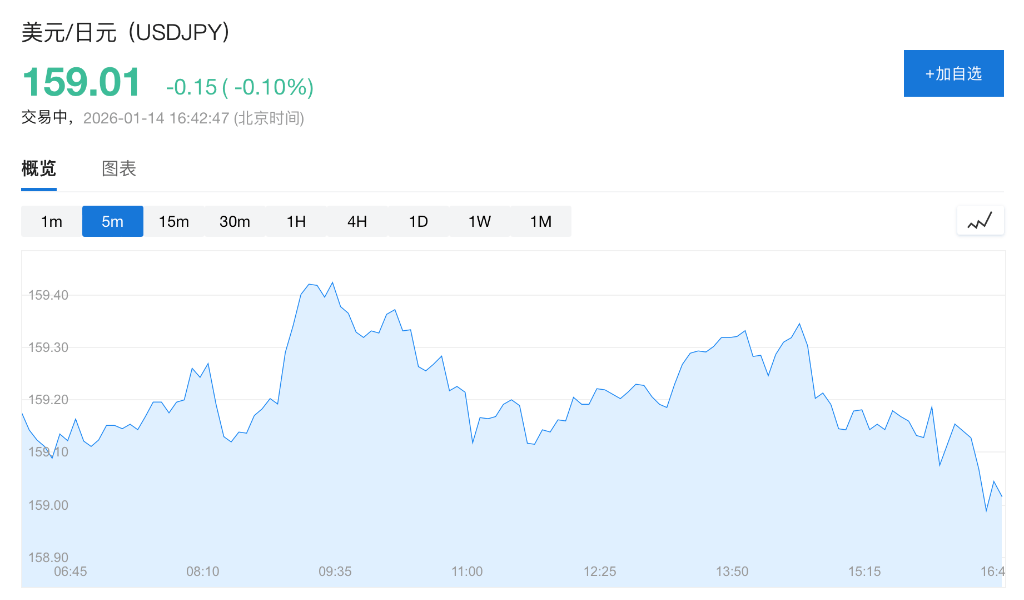
邦达亚洲:日本央行加息预期降温 美元日元突破159.00
Xin Lang Cai Jing· 2026-01-14 09:48
Group 1: Monetary Policy Insights - The President of the St. Louis Federal Reserve, Musalem, believes there is little reason to further loosen monetary policy in the short term, as the Fed's policy rate is at a "near-neutral" level, neither stimulating nor significantly restraining the economy [1][6] - Musalem estimates the current real policy rate, excluding inflation, to be around 1%, indicating that a shift to a clearly accommodative stance is not wise at this time [1][6] - He supports the Fed's decision to cut rates in December and expects the U.S. economy to grow at or slightly above its potential growth rate this year [1][6] Group 2: Inflation and Economic Outlook - Richmond Fed President Tom Barkin described the December inflation data as "encouraging," noting that inflation typically rises significantly at the beginning of the year, and he hopes for moderate inflation levels in the coming months [2][7] - The Consumer Price Index (CPI) for December showed a year-on-year increase of 2.7%, which Barkin found reassuring as it did not rebound as some had anticipated [2][7] - Barkin emphasized the delicate balance of the current economic situation, with inflation above target but not accelerating, and unemployment rates remaining stable [2][7] Group 3: Labor Market Trends - Musalem highlighted a decline in the proportion of companies planning to hire employees this year, while the percentage of firms intending to reduce their workforce has increased [1][6]
日本财务大臣片山皋月:不会排除对汇率采取任何措施,美元兑日元一度回落至159下方
Sou Hu Cai Jing· 2026-01-14 08:57
Core Viewpoint - Japan's Finance Minister, Shunichi Suzuki, indicated that no measures regarding the exchange rate will be ruled out, suggesting a potential response to currency fluctuations [1] Group 1: Currency and Monetary Policy - The Japanese yen experienced a short-term appreciation, with the USD/JPY exchange rate dropping below 159 following the announcement [1] - Bank of Japan Governor Kazuo Ueda stated that the central bank will continue to raise interest rates when conditions allow, maintaining the current monetary policy path [1] - Ueda emphasized that if the economic and inflation outlook improves, the central bank will adjust the degree of monetary easing accordingly [1] Group 2: Economic Outlook - Most economists expect the Bank of Japan to maintain its current policy during the meeting on January 23, with many predicting the next interest rate hike may not occur until around June [1] - The depreciation of the yen has increased import costs, complicating Ueda's goal of achieving stable price growth [1]

分析师:美元兑日元强势反映市场信心转移而非短期反弹
Xin Lang Cai Jing· 2026-01-14 07:37
Core Viewpoint - The current strength of the USD/JPY exchange rate reflects a shift in market confidence rather than a short-term rebound [1][2] Group 1: USD/JPY Exchange Rate Dynamics - The USD/JPY spot exchange rate recently broke a 52-week high, reaching 159.3 [1][2] - The dollar is favored due to the resilience of the U.S. economy, with traders viewing the Federal Reserve as a credible central bank capable of maintaining restrictive monetary policy when necessary [1][2] - The yen remains under pressure from growth concerns, as investors perceive the Bank of Japan's normalization policy as "slow and cautious" [1][2] Group 2: Future Outlook and Risks - Despite the potential for the currency pair to trend higher, there is an increase in policy risks [1][2] - If the yen weakens further, Tokyo authorities may intervene in the currency market [1][2] - The latest increase in the USD/JPY exchange rate is 0.1%, bringing it to 159.29 [1][2]
KCM Trade分析师Tim汇评 | 特朗普对鲍威尔“忍无可忍”——但市场是否有所反应?
Sou Hu Cai Jing· 2026-01-14 07:18
Group 1: Federal Reserve and Political Tensions - The ongoing hostility between President Trump and Federal Reserve Chairman Jerome Powell has escalated, with the DOJ investigating Powell, raising questions about the independence of the Fed [1] - Market reactions indicate that investors are more focused on current economic fundamentals rather than the legal proceedings against Powell, suggesting that the outcome of these lawsuits may be less impactful than the President's choice for Powell's successor [1] Group 2: Financial Market Uncertainties - Trump's proposal to cap credit card interest rates at 10% and impose a 25% tariff on countries doing business with Iran adds new uncertainties to the financial markets, potentially overshadowing positive earnings reports from banks [3] - Gold prices have reached historical highs (approximately $4634) as it is viewed as a hedge against geopolitical and policy uncertainties, with expectations of a rate cut by the Fed further enhancing its appeal [3] Group 3: Oil Market Dynamics - Ongoing protests in Iran and the potential for U.S. intervention have led to a rise in oil prices, with U.S. crude surpassing $60 per barrel, indicating that the impact of potential supply disruptions from Iran currently outweighs the increase in supply from Venezuela [4] - A forecast of a global oil market in oversupply suggests that further geopolitical escalation may be necessary for sustained increases in oil prices [4] Group 4: Currency Market Trends - The U.S. dollar has strengthened, particularly against the Japanese yen, influenced by expectations of fiscal stimulus from Japan's ruling party ahead of upcoming elections [6] - Recent U.S. CPI data shows inflation at 2.7% (annualized), with market participants hoping for moderate PPI data to support expectations for further easing of monetary policy by the Fed [6]
特朗普挑战百年美联储:打不还手的鲍威尔反击,三位前主席四位前财长发声谴责
Sou Hu Cai Jing· 2026-01-14 06:20
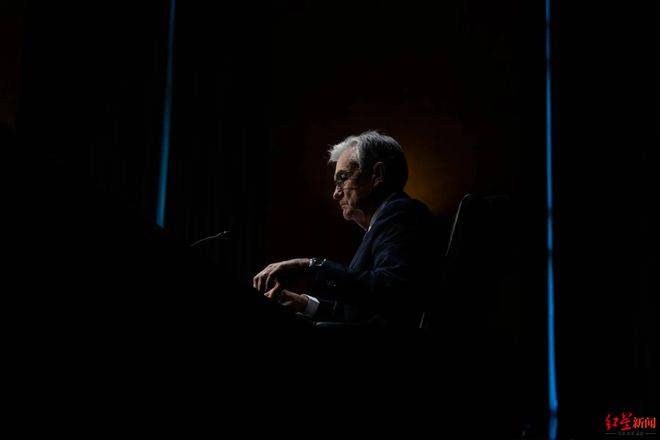
Core Viewpoint - The article discusses the escalating conflict between the Trump administration and Federal Reserve Chairman Jerome Powell, particularly focusing on the Department of Justice's investigation into Powell, which has raised concerns about political interference in monetary policy [1][6]. Group 1: Investigation and Reactions - U.S. Treasury Secretary Mnuchin expressed his outrage and concern over the DOJ's investigation into Powell, warning that political interference could lead to market panic regarding inflation and currency collapse [1][6]. - Powell publicly countered the investigation, stating that it was a pretext for the Trump administration to exert political pressure on the Federal Reserve to lower interest rates [1][6]. - Former Federal Reserve chairs and Treasury secretaries condemned the DOJ's actions, emphasizing that such investigations threaten the independence of the Federal Reserve and could have severe negative implications for inflation and the economy [6][4]. Group 2: Market Response - The market reacted with volatility; gold prices surged to historic highs due to fears of currency collapse, while major stock indices initially dipped before recovering to reach new highs by the end of the trading day [3][6]. - The investigation's initiation by U.S. Attorney for D.C. was criticized for being conducted without notifying the Treasury Department, suggesting a lack of coordination within the administration [3][4]. Group 3: Political Dynamics - The investigation appears to be part of a broader power struggle, with indications that it may have been influenced by Trump loyalists within the DOJ [4][6]. - Republican divisions are emerging, as key Senate Banking Committee members have stated they will oppose any Federal Reserve nominations until Powell's legal issues are resolved, complicating Trump's plans for control over the Fed [6][4]. - Powell's term as a Fed governor extends until 2028, which may hinder Trump's ability to easily replace him, as the decision-making process at the Fed involves a committee rather than a single individual [6][4]. Group 4: Powell's Stance - Powell remains resolute in his commitment to maintaining the integrity of the Federal Reserve, emphasizing the importance of independence from political pressures [8][6]. - The ongoing conflict has revealed the complexities of the relationship between the Trump administration and the Federal Reserve, with Powell's determination to resist pressure becoming increasingly evident [8][6].
美国2025年12月CPI点评:美国12月通胀整体温和,但仍不足以推动1月降息
Dong Fang Jin Cheng· 2026-01-14 04:10
Group 1: Inflation Overview - December inflation in the U.S. showed a moderate performance, confirming the downward trend in inflation despite concerns over November's data distortion due to government shutdown effects[4] - The overall CPI year-on-year growth remained stable at 2.7%, while the core CPI year-on-year growth was steady at 2.6%, both aligning with expectations[4] - The decline in energy prices, which fell from 4.2% in November to 2.3% in December, significantly contributed to the moderate inflation figures[5] Group 2: Price Dynamics - The prices of used cars, a key indicator, dropped from 3.6% in November to 1.6% in December, indicating a significant easing in core inflation pressures[5] - Food prices increased from 2.6% in November to 3.1% in December, driven by higher dining out costs and seasonal consumption effects[6] - Medical service prices rebounded to 3.5%, reflecting resilience in service consumption despite overall inflation moderation[6] Group 3: Future Inflation Outlook - The inflation trajectory for 2026 is expected to show moderate declines, influenced by tariff costs being passed to end prices, but countered by falling housing prices and energy prices due to oversupply[7] - The impact of tariffs is anticipated to peak in the first half of 2026, with inflation likely to rise initially before declining in the latter half of the year[7] Group 4: Federal Reserve Policy Implications - The moderate inflation data in December is unlikely to prompt the Federal Reserve to lower interest rates in January, as current policy rates are near neutral levels[8] - The labor market remains stable, with no significant deterioration, which does not support the case for further rate cuts[10] - Concerns regarding the independence of the Federal Reserve due to ongoing investigations may also deter premature rate cuts, as this could undermine market confidence[10]
瑞郎维稳避险属性双重博弈
Jin Tou Wang· 2026-01-14 03:01
Core Viewpoint - The Swiss Franc (CHF) is experiencing a stable performance against the Euro and slight fluctuations against the US Dollar, supported by the Swiss National Bank's (SNB) zero interest rate policy and its role as a safe-haven currency, despite pressures from export challenges and US policy constraints [1][2]. Group 1: Currency Performance - As of January 14, 2026, the CHF is trading in the range of 0.8750-0.8800 against the USD, influenced by the SNB's zero interest rate policy and safe-haven demand, while facing pressure from exports and US policy [1]. - The CHF is stable against the Euro, anchored in the 1.08-1.09 range, due to the SNB's foreign exchange interventions and zero interest rate policy [1]. - The CHF has appreciated nearly 2% year-to-date against the USD, although its appreciation potential is limited by US trade policies [1]. Group 2: Economic Outlook - The Swiss Economic Association forecasts a slowdown in GDP growth from 1.2% in 2025 to 1.0% in 2026, with declines in sales for technology and watchmaking sectors, and an increase in unemployment from 2.8% to 3.0% [2]. - The SNB's ability to operate is constrained by US policies, as Switzerland has been labeled a currency manipulator and is now subject to tariff considerations, creating political risks for the SNB's market interventions [2]. Group 3: Monetary Policy and Market Sentiment - The zero interest rate policy is a key stabilizing factor for the CHF, with the SNB maintaining this rate since June 2025 to prevent excessive appreciation and support core export industries [1]. - Market participants are closely monitoring SNB policies, US trade developments, and safe-haven sentiment in the short term, while focusing on export and real estate data in the long term [2]. - The average inflation rate for 2026 is projected at 0.4%, which is unlikely to drive policy adjustments [2].
印尼盾逼近历史低点 印尼央行入市干预
Jin Rong Jie· 2026-01-14 03:00
Core Viewpoint - The Indonesian central bank is intervening in the foreign exchange market due to ongoing concerns about the country's fiscal health, which has led the Indonesian rupiah to approach historical lows [1] Group 1: Central Bank Actions - The central bank is actively taking measures in the market to ensure that the exchange rate fluctuates in line with fundamentals and healthy market mechanisms [1] - The central bank's executive director, Erwin Hutahepy, emphasized the commitment to optimizing market-oriented monetary policy tools to enhance the effectiveness of monetary policy transmission and maintain adequate liquidity [1] Group 2: Currency Performance - The Indonesian rupiah is currently only about 0.5% away from the historical low reached in April of the previous year [1] - Concerns regarding Indonesia's fiscal health have resurfaced, contributing to the pressure on the currency [1]
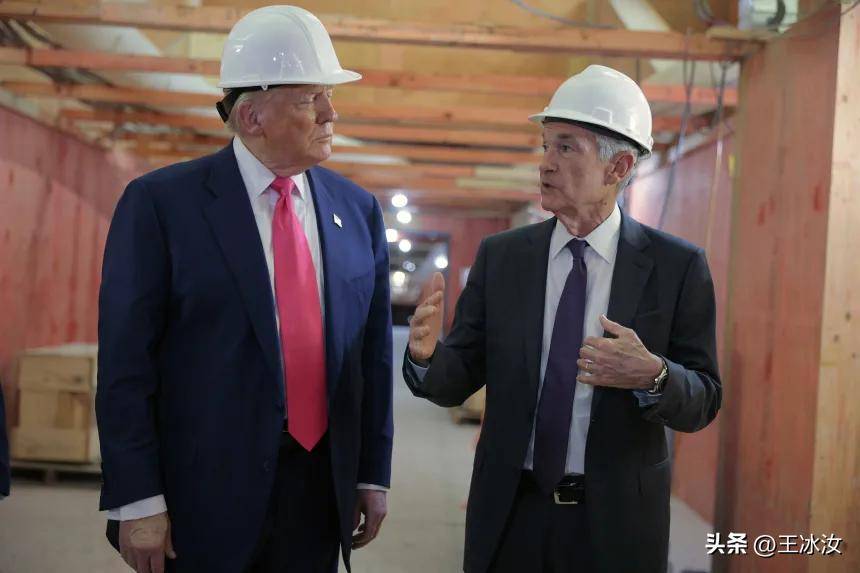
卸任100天前被搞,鲍威尔连夜录视频:特朗普不只是公报私仇
Sou Hu Cai Jing· 2026-01-14 02:58
Core Viewpoint - The investigation into Federal Reserve Chairman Jerome Powell by the Washington D.C. federal prosecutor's office is seen as a significant political maneuver that threatens the independence of the Federal Reserve, stemming from a renovation project that has escalated into a broader power conflict in U.S. politics [1][5][10]. Group 1: Investigation Details - The investigation was initiated to determine if there was any misuse of funds related to the renovation of the Federal Reserve's headquarters, which has not been updated since the 1930s [1]. - The initial budget for the renovation was approximately $2 billion, which has now ballooned to between $2.5 billion and $2.6 billion, resulting in a cost overrun of about $700 million [3]. - The investigation is being led by newly appointed federal prosecutor, Jeanne Pirro, a long-time ally of Trump, raising concerns about the political motivations behind the inquiry [5]. Group 2: Political Implications - The investigation is perceived as part of a broader strategy by the Trump administration to undermine the Federal Reserve's independence, with Trump having publicly criticized Powell for not lowering interest rates [9][10]. - There are fears that the investigation could lead to a systematic dismantling of the Federal Reserve's autonomy, as indicated by statements from former Fed chairs and current lawmakers [12][14]. - Potential candidates to replace Powell, such as Kevin Hassett, are viewed as more aligned with Trump's economic policies, which prioritize growth over inflation control [16]. Group 3: Responses and Reactions - Powell has publicly defended the integrity of the Federal Reserve and emphasized the importance of accountability within the rule of law, rejecting any notion that he would yield to political pressure [16]. - The investigation has sparked a significant backlash from both Republican and Democratic former officials, who argue that it represents an unprecedented attack on the Federal Reserve's independence [12].