
美元/日元

Search documents
邦达亚洲:日本央行加息预期降温 美元日元刷新11日高位
Xin Lang Cai Jing· 2026-02-25 13:50
Group 1 - Japanese Prime Minister Fumio Kishida has pressured the Bank of Japan regarding monetary policy, leading to a rapid decline in the yen [1][6] - Kishida expressed concerns about potential further interest rate hikes during a meeting with Bank of Japan Governor Kazuo Ueda, showing a notably stronger stance compared to their previous meeting in November [1][6] - The Bank of Japan attempted to downplay the implications of political interference, stating that Kishida did not make any specific requests during the meeting [1][6] Group 2 - Boston Federal Reserve President Susan Collins indicated that due to recent economic data showing improvements in the labor market, interest rates are likely to remain unchanged for some time [2][7] - Collins noted that the labor market is showing signs of unusual stability and emphasized the need for more evidence that inflation is moving towards the 2% target [2][7] - She mentioned that after a cumulative easing of 175 basis points over the past year and a half, the current interest rate is close to a neutral level, which neither stimulates nor suppresses the economy [2][7] Group 3 - Gold prices experienced fluctuations, briefly falling below the 5100 mark, with current trading around 5210, influenced by profit-taking and hawkish comments from Federal Reserve officials [3][8] - Concerns over geopolitical tensions and trade uncertainties have limited the downside potential for gold prices [3][8] Group 4 - The USD/JPY exchange rate rose, breaking the 156.00 mark and reaching an 11-day high, trading around 155.70, supported by hawkish comments from Federal Reserve officials and Kishida's opposition to interest rate hikes [4][9] - The focus for the USD/JPY pair is on the resistance level around 156.50 and support at 155.00 [4][9] Group 5 - The USD/CAD exchange rate also increased, reaching a 12-day high and trading around 1.3680, driven by the strengthening of the US dollar due to hawkish comments from Federal Reserve officials and positive economic data [5][10] - The pair is expected to face resistance around 1.3750 and support at 1.3600 [5][10]
邦达亚洲:美元回落油价攀升 美元加元失守1.3600
Xin Lang Cai Jing· 2026-02-10 12:11
Group 1: Federal Reserve Insights - Federal Reserve Governor Stephen Milan stated that the Fed's balance sheet needs to be reduced, but this should not prevent large-scale asset purchases during economic crises [1][6] - Milan emphasized that reducing the balance sheet will decrease the Fed's presence in financial markets and provide policymakers with options for future crises [1][6] - He mentioned that while he supports a gradual reduction of the balance sheet, it cannot be implemented immediately due to regulatory hurdles [1][6] Group 2: Currency Market Analysis - Goldman Sachs analysts believe that Japan's more expansionary fiscal stance is likely to weaken the yen rather than support it, as increased government spending amplifies Japan's structural yield disadvantage [2][7] - The firm anticipates that the implied volatility of the USD/JPY exchange rate will rise again as investors refocus on the interplay between fiscal policy, yield differentials, and political risks [2][7] - Goldman Sachs suggests that the USD/JPY could move towards and potentially break the 160 level, with the risk of official intervention becoming a key consideration if the exchange rate remains in that range [2][8] Group 3: Gold Market Dynamics - Gold prices surged significantly, reaching a three-day high, with current trading around 5040, driven by renewed expectations of Fed rate cuts and heightened geopolitical tensions [3][9] - The ongoing accumulation of gold reserves by central banks also provides support for gold prices [3][9] - Market participants are advised to monitor resistance around 5100 and support near 4950 [3][9] Group 4: USD/JPY and USD/CAD Trends - The USD/JPY pair experienced a pullback after reaching a high, falling below the 156.00 mark and trading around 155.30, influenced by profit-taking and a weaker dollar index due to Fed rate cut expectations [4][10] - The USD/CAD pair declined, dropping below the 1.3600 level and trading around 1.3560, primarily due to the dollar index falling below 97.00 amid Fed rate cut expectations and rising oil prices due to geopolitical tensions [5][11]

邦达亚洲:地缘紧张局势重燃 黄金受益大幅反弹
Xin Lang Cai Jing· 2026-02-09 14:23
Group 1: Japanese Government and Central Bank Statements - The Japanese government, represented by Deputy Minister Atsushi Mimura, emphasizes a high level of urgency in monitoring market movements and maintaining close communication with the market [1][7] - Satsuki Katayama's remarks indicate a dual approach of reassuring the market while warning that Japan can take decisive actions, including intervention, if there are rapid fluctuations deviating from fundamentals [1][7] - A Bank of Japan board member, Masu Kazuyuki, asserts that further increases in the policy interest rate are necessary to complete the normalization of monetary policy, which may elevate market expectations for an earlier rate hike [2][8] Group 2: Economic Implications - The interest rate hikes are seen as essential to align Japan's monetary policy with that of other major economies, addressing the persistent weakness of the yen, which has been a core reason for rising import costs affecting businesses and households in Japan [2][8] - The yen's depreciation has been a significant factor in increasing operational costs for Japanese companies and impacting the living standards of residents [2][8] Group 3: Market Data and Trends - Attention is drawn to upcoming economic data, including the Eurozone's February Sentix Investor Confidence Index and the U.S. January Conference Board Employment Trends Index [3][8] - Gold prices rebounded significantly, trading around 5030, supported by short covering and dovish comments from Federal Reserve officials, alongside heightened risk aversion due to U.S.-Iran tensions [4][9] - The USD/JPY pair experienced slight gains amid concerns over Japanese political uncertainty, with current trading around 156.50, while the USD/CAD pair declined to 1.3650 due to profit-taking and a weaker dollar index [5][11]
策略师:高市早苗的压倒性胜利可能给长债收益率带来上行压力
Xin Lang Cai Jing· 2026-02-09 05:52
Group 1 - The core viewpoint is that the overwhelming victory of Japanese Prime Minister Fumio Kishida may lead to upward pressure on long-term Japanese government bond yields due to potentially more aggressive fiscal spending, which could increase fiscal and inflation risks [1] - The market is currently assessing the impact of the Liberal Democratic Party's victory on currency dynamics, indicating potential short-term volatility in the yen [1] - With the Federal Reserve remaining on hold and the Bank of Japan not expected to raise interest rates until the second quarter, the USD/JPY exchange rate may approach the 160.00 level again [1]
邦达亚洲:日本政治不确定担忧萦绕 美元日元刷新8日高位
Xin Lang Cai Jing· 2026-02-05 06:20
Group 1: Employment Data - In January, the U.S. private sector added 22,000 jobs, significantly below the market expectation of 45,000 and revised down from December's 41,000 to 37,000 [1][6] - The education and healthcare sectors contributed 74,000 jobs, while several industries, including professional and business services, saw a reduction of 57,000 positions and manufacturing cut 8,000 jobs [1][6] - Wage growth remained stable, with employee salaries increasing by 4.5% year-on-year, indicating a persistent "low hiring, low firing" state in the job market since late 2025 [1][6] Group 2: Monetary Policy Insights - Lucy Ellis, Chief Economist at Westpac, warned that the Reserve Bank of Australia (RBA) may be forced to raise interest rates for the second consecutive time in March, being the first major central bank to enter a tightening cycle in 2026 [2][7] - Ellis noted that if data leading up to the March meeting shows stronger momentum, a rate hike could occur sooner than expected, although her core prediction remains for May [2][7] - The RBA's inflation trajectory is deemed unacceptable, prompting a desire for quicker inflation reduction [2][7] Group 3: Market Reactions - Gold prices experienced slight gains due to renewed expectations of Federal Reserve rate cuts, supported by the weak "small non-farm" report [3][8] - The U.S. dollar index's rebound limited gold's upward movement, with current trading around 4890, facing resistance near 5000 and support at 4800 [3][8] - The USD/JPY pair rose to a new eight-day high, trading around 156.90, influenced by the dollar index's strength and concerns over the Japanese elections [4][9] - The AUD/USD pair saw a slight decline, trading at approximately 0.6970, affected by profit-taking and the dollar index's rebound, with resistance at 0.7050 and support at 0.6900 [5][10]
邦达亚洲:美元下挫油价攀升 美元加元刷新15个月低位
Xin Lang Cai Jing· 2026-01-30 06:55
Group 1: Global Gold Demand Trends - The World Gold Council's 2025 Global Gold Demand Trends Report indicates that global gold demand will reach 5002 tons in 2025, setting a new historical high [1][6] - The total monetary value of gold demand is projected to hit $555 billion, driven by ongoing geopolitical tensions and economic uncertainties [1][6] - The report highlights that the fourth quarter of 2025 will see record-breaking gold demand, contributing to a strong overall performance for the year [1][6] Group 2: Gold Price Dynamics - The average annual price of gold is expected to soar to $3431 per ounce in 2025, reflecting a 44% year-on-year increase [1][6] - The report attributes the robust demand to three core driving forces, although specific details on these forces are not provided in the excerpts [1][6] Group 3: Economic Indicators from Japan - Japan's core CPI (excluding fresh food) rose by 2.0% year-on-year in January, below the expected 2.2% and previous value of 2.3% [2][7] - The overall CPI, excluding fresh food and energy, increased by 2.4%, also falling short of the anticipated 2.6% [2][7] - A significant decline in energy prices, particularly a 14.8% drop in gasoline prices, is noted as a major factor contributing to the easing inflationary pressures [2][7]
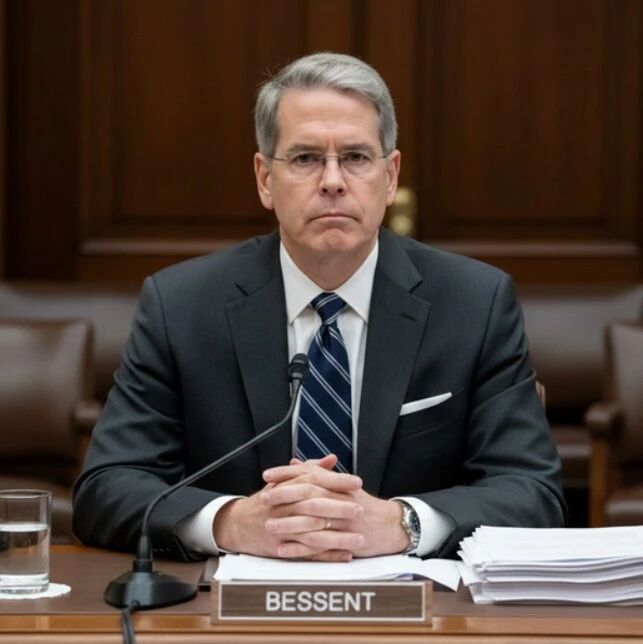
贝森特表态“不干预”,市场抛售日元更“无所顾忌”了?
华尔街见闻· 2026-01-29 09:29
Core Viewpoint - The article discusses the recent statements by U.S. Treasury Secretary Janet Yellen, which have diminished the market's expectations of U.S. intervention in the foreign exchange market, particularly affecting the USD/JPY currency pair [1][8]. Group 1: Market Reactions - Following Yellen's statement on January 28, the USD/JPY pair rebounded sharply from around 152.7 to approximately 153.8, indicating a significant market reaction to the reduced intervention expectations [1]. - The "policy risk premium" associated with USD/JPY has been compressed, making shorting the yen a more attractive trade [2]. Group 2: Japanese Intervention Evidence - There is insufficient evidence to suggest that Japan has intervened in the currency market, as data from the Bank of Japan shows no significant buying of yen during recent declines in the USD/JPY pair [3][4]. - The focus has shifted from potential intervention to the sustainability of Japan's economic fundamentals [4]. Group 3: Key Economic Factors - Three main factors are influencing the pricing of USD/JPY: 1. **Fiscal Policy**: The upcoming Japanese elections and the ruling party's tax cut promises raise questions about funding sources, which could impact the yen's value if not clearly articulated [5]. 2. **Inflation Expectations**: Rising domestic inflation expectations have been correlated with a weaker yen, even in the absence of widening interest rate differentials [6]. 3. **Monetary Policy**: The yen's depreciation may compel the Bank of Japan to reconsider its monetary policy stance, particularly if the USD/JPY approaches the 150 level [7]. Group 4: Summary of Key Judgments - Yellen's "no intervention" statement has weakened the short-term defensive mechanisms for the yen [8]. - In the absence of clear intervention evidence, the market is more willing to test the upside potential of USD/JPY [8]. - Mid-term pricing will increasingly depend on Japan's fiscal, inflation, and monetary policy responses [8].


邦达亚洲:加拿大央行如期利率维稳 美元加元小幅下行
Xin Lang Cai Jing· 2026-01-29 08:54
Group 1: Canadian Central Bank and Economic Outlook - The Bank of Canada announced to maintain the benchmark interest rate at 2.25%, aligning with market expectations and economists' forecasts [1][6] - Governor Macklem indicated high uncertainty regarding the duration of the current pause on interest rate changes and the direction of future policy adjustments [1][6] - Macklem noted that the Canadian economy is adapting to structural challenges posed by U.S. protectionism, making it difficult to predict the timing and direction of the next interest rate change [1][6] Group 2: U.S. Treasury and Currency Market - U.S. Treasury Secretary Scott Bentsen denied any consideration of selling dollars to buy yen to assist Japan in stabilizing its currency, reaffirming a long-standing "strong dollar policy" [1][6] - Bentsen's statements quickly quelled market speculation about potential U.S.-Japan currency intervention, emphasizing that the strengthening of the dollar should rely on structural improvements rather than administrative interventions [1][7] Group 3: Market Data and Economic Indicators - Key economic data to watch includes the Eurozone's January Economic Sentiment Index, January Consumer Confidence Index final value, U.S. November Trade Balance, initial jobless claims for the week ending January 24, November Factory Orders month-on-month, and November Wholesale Inventories final value [2][7]
邦达亚洲:美元下挫油价攀升 美元加元大幅下挫
Xin Lang Cai Jing· 2026-01-28 06:57
Group 1 - The core expectation is that the Federal Reserve may only lower interest rates twice in the next two years, despite President Trump's upcoming appointment of a new Fed chair [1][6] - The average expectation among respondents is for two rate cuts of 25 basis points each this year, bringing the target range for the federal funds rate down to 3%–3.25% [1][6] - Trump's pressure on the Fed to lower rates significantly is noted, with his desire for rates to be among the lowest globally, aiming for a rate of 1% in a context of approximately 2% inflation [1][6] Group 2 - The U.S. Consumer Confidence Index unexpectedly dropped to its lowest level since May 2014, impacting market confidence in the labor market and growth prospects [2][7] - The index fell from a revised 94.2 to 84.5, marking a significant decline and below all economists' forecasts [2][7] - The drop in consumer confidence is seen as a key driver in reversing recent trends in the bond market, with expectations for two rate cuts by the Fed being reinforced [2][7] Group 3 - Gold prices surged to a new historical high, trading around 5260, supported by a weak dollar and heightened risk aversion due to trade tensions [3][8] - The dollar index is nearing a four-year low, influenced by Trump's comments on the dollar and concerns over a potential government shutdown [3][8] Group 4 - The USD/JPY pair fell significantly, reaching a 13-week low around 152.70, driven by trade tensions and concerns over the Fed's independence [4][9] - The USD/CAD pair also declined, hitting a six-month low around 1.3590, influenced by multiple negative factors including rising oil prices [5][10]
邦达亚洲:市场的避险情绪升温 黄金高开高走
Xin Lang Cai Jing· 2026-01-19 09:35
Group 1 - The core point of the article is the announcement by U.S. President Trump regarding a 10% tariff on goods exported to the U.S. from Denmark, Norway, Sweden, France, Germany, the UK, the Netherlands, and Finland starting February 1, 2026, with a potential increase to 25% if an agreement to purchase Greenland is not reached by June 1, 2026 [1][6] - The European Union's major member countries condemned the tariff threat as an act of extortion, with France proposing a series of unprecedented economic countermeasures [1][6] - The EU's options include imposing tariffs on U.S. imports valued at €93 billion, which had been suspended for six months since August of the previous year [1][6] Group 2 - Japan's Finance Minister warned that all options, including direct currency intervention, are available to address the recent weakness of the yen, stating that bold actions will be taken if necessary [1][6] - The comments from the Finance Minister boosted the yen, contrasting with the U.S. Treasury Secretary's preference for the Bank of Japan to use policy measures rather than intervene in the foreign exchange market [1][6] - The Finance Minister emphasized that recent market movements do not reflect the fundamentals, indicating a potential for intervention discussions in upcoming meetings [1][6]
