
地缘政治风险

Search documents
太意外!突袭委内瑞拉当天,特朗普“宴请”马斯克!什么信号?
券商中国· 2026-01-06 01:19
特朗普与马斯克关系"破冰"! 当地时间1月4日,特斯拉CEO马斯克在社交平台发文称,他3日晚间与美国总统特朗普共进晚餐。美国福克斯 新闻称,此次晚餐在特朗普位于佛罗里达州的海湖庄园度假村举行,这标志着两人在去年公开关系转冷后首次 修复裂痕。 值得关注的是,特朗普和马斯克在海湖庄园"共进晚餐"的时间似乎与马斯克旗下"星链"称要为委内瑞拉提供一 个月免费宽带服务的时间一致。 当地时间1月5日,美国总统特朗普在接受采访时表示,美国"并未与委内瑞拉交战",并称美方当前的行 动目标并非战争,而是打击毒品犯罪和非法移民问题。在政治方面,特朗普称,委内瑞拉在未来30天内 不会举行新的总统选举。他表示,在国家局势稳定之前"不可能举行选举",美国需要"先把这个国家修复 好"。他预计,美国将对委内瑞拉进行一段时间的深度介入,以推动国家恢复秩序。 隔夜,美股能源股 大幅走强。 特朗普表示大型美国石油公司将投资委内瑞拉后, 标普500能源板块指数 上涨2.7%,其中权重股埃克森美孚和雪佛龙均大幅上涨。 高盛的美国地缘政治风险投资组合(包括40% 的国防股、40%的石油生产商和20%的油轮)在2026年初大幅上涨。此外, 军工股同样走 ...


中国期货每日简报-20260106
Zhong Xin Qi Huo· 2026-01-06 01:17
1. Report Industry Investment Rating - No information about the report industry investment rating is provided in the given content. 2. Core Viewpoints - On January 5, equity index futures rose while CGB futures fell; PT, PD, and LC led the gains, while energy and chemical commodities declined [2][4][11][13]. - For platinum, in the short - term, prices may exhibit wide - range volatile trends due to the erosion of the Federal Reserve's independence and geopolitical risks; in the long - term, a bullish view is maintained because of high supply concentration and expanding demand [18][19][20]. - For palladium, short - term spot shortages and the Fed's rate - cut cycle provide bottom support, but in the medium - to - long - term, attention should be paid to the price pullback risk after the U.S. investigation into Russian palladium [26][27][28]. - For crude oil, the oversupply fundamentals are hard to reverse, but short - term geopolitical disruptions will cause weekly price fluctuations, and time spreads are expected to perform strongly [32][33]. 3. Summary According to the Directory 3.1 China Futures 3.1.1 Overview - On January 5, equity index futures rose (IC rose by 3.1%, IM rose 2.7%) and CGB futures fell (TL dropped 0.1%). Among commodity futures, palladium, lithium carbonate, and platinum led the gains, while sodium hydroxide, crude oil, and coking coal led the declines [11][12][13]. 3.1.2 Daily Raise - **Platinum**: On January 5, it rose 6.5% to 583.95 yuan per gram. Short - term price volatility is affected by the Fed's situation and geopolitical risks, and a long - term bullish view is held [17][18][19]. - **Palladium**: On January 5, it rose 8.9% to 452.85 yuan per gram. Short - term supply shortages and the Fed's rate - cut cycle support the price, but medium - to - long - term risks exist [25][26][27]. 3.1.3 Daily Dropped - **Crude Oil**: On January 5, it fell 3.4% to 421.7 yuan per barrel. OPEC+ is expected to maintain stable production in Q1, and short - term geopolitical dynamics are the key trading focus. The oversupply situation is hard to reverse, but time spreads may benefit [31][32][33]. 3.2 China News 3.2.1 Macro News - South Korean President Lee Jae - myung embarked on his first state visit to China since taking office on January 4 [39][41]. - The Ministry of Commerce and eight other government departments jointly issued a circular on implementing the Green Consumption Promotion Initiative on January 5 [40][41]. 3.2.2 Industry News - Guidance on improving the long - term performance assessment of annuity funds, with a total scale exceeding 7 trillion yuan, has been issued, which will promote long - term investment of annuity funds [42][43].
美委地缘局势升级,沥青、原油走势“此起彼伏”
Xin Lang Cai Jing· 2026-01-06 01:12
Group 1 - The core event is the arrest of Venezuelan President Maduro and his wife by the U.S. military, marking a shift from economic sanctions to direct regime change efforts, escalating tensions significantly [2][10] - On the first trading day after the New Year holiday, WTI and Brent crude oil futures prices fell by nearly 1%, while the domestic SC main contract dropped close to 3.4% [2][10] - In contrast, asphalt futures experienced a significant jump, with the main contract rising over 3200 yuan/ton, peaking at a 6.3% increase before closing with a nearly 4% gain [2][10] Group 2 - The domestic futures market showed a divergence between BU and SC, with previous indications suggesting that the U.S.-Venezuela conflict would have limited impact on oil price premiums, failing to reverse the downward trend in oil prices [3][11] - Historical data indicates that the sustained impact of geopolitical conflicts on oil prices depends on whether they cause large-scale, long-term supply disruptions [3][11] - According to EIA data, Venezuela's oil production is projected to be between 970,000 and 1,040,000 barrels per day by 2025, accounting for only 0.94% to 0.96% of global supply, meaning that even a supply disruption would not significantly drive oil prices higher [3][11] Group 3 - Asphalt emerged as the strongest performer among oil futures due to the U.S. military action on January 3, which severely impacted Venezuelan oil exports and heightened concerns over asphalt raw material supply shortages [5][13] - Venezuela's heavy crude oil has a high asphalt yield of 60% and is favored by Chinese independent refineries due to its low price [5][13] - In 2025, Chinese independent refineries are expected to import approximately 393,000 barrels per day of Venezuelan crude oil, with imports typically accounting for 50% to 70% of Venezuela's export volume [5][13]

中信证券:美国突袭委内瑞拉 原油直面扰动 建议关注油气生产企业
智通财经网· 2026-01-06 00:50
Core Viewpoint - The U.S. military operation in Venezuela aims to control the country's oil resources, leading to significant geopolitical and market implications [2] Group 1: Geopolitical Impact - The U.S. launched a military operation in Venezuela, resulting in the detention of President Maduro and his wife, causing political instability [2] - Venezuela holds the world's largest proven oil reserves at 303.4 billion barrels, making its oil a strategic asset in the geopolitical landscape [2] - The operation is expected to lead to a short-term disruption in global oil supply, with Venezuela's oil exports effectively halted [1][4] Group 2: Oil Supply and Price Outlook - Venezuela's oil production is projected to face a short-term supply shock, with a potential supply gap of around 1 million barrels per day [1] - Geopolitical tensions may drive oil prices higher in the short term, but the overall market remains in a supply surplus, with prices expected to stabilize between $60 and $70 per barrel [5] - If the U.S. successfully stabilizes Venezuela and reforms its oil industry, production could rebound to 2-3 million barrels per day within 5-7 years [3] Group 3: Impact on Companies - U.S. oil companies like Chevron may benefit from the situation, as they are positioned to expand production in Venezuela [3] - Chinese oil companies face significant risks due to potential contract terminations and operational disruptions amid the political turmoil [3] - The production of asphalt, sulfur, and petroleum coke, which are byproducts of Venezuela's heavy crude oil, may see price increases due to supply chain disruptions [6]



中信证券:预计短期油价将上行,建议关注油气生产企业
Sou Hu Cai Jing· 2026-01-06 00:50
Core Viewpoint - The geopolitical turmoil in Venezuela following the U.S. raid on Caracas has led to significant disruptions in the country's oil exports, which may impact global oil supply and prices [1] Oil Market Impact - Venezuela, holding the largest proven oil reserves globally, has seen its oil exports nearly halted, creating a potential supply gap of around 1 million barrels per day [1] - The ongoing accumulation of land storage tanks and offshore floating storage may accelerate the pace of oil production cuts [1] - Geopolitical risks are expected to drive oil prices higher in the short term, although the global oil market remains in a supply surplus, with prices projected to fluctuate between $60 to $70 per barrel [1] Investment Opportunities - Companies involved in oil and gas production, as well as those producing asphalt, sulfur, and petroleum coke, are recommended for attention due to the anticipated market changes [1]
美国突袭委内瑞拉,原油直面扰动
Ge Long Hui· 2026-01-06 00:45
Group 1 - The U.S. military operation in Venezuela aims to control the country's oil reserves, which are the largest in the world, with proven reserves of 303.4 billion barrels as of the end of 2022 [2][3] - Venezuela's oil exports have effectively halted, leading to a potential short-term supply disruption of approximately 1 million barrels per day, which may drive oil prices higher [1][4] - The geopolitical situation may lead to increased oil prices in the short term, but the overall market remains in a supply surplus, with prices expected to stabilize between $60 and $70 per barrel in the medium term [5][6] Group 2 - U.S. oil companies, particularly Chevron, are positioned to benefit from the situation, with Chevron exporting about 120,000 barrels of oil per day to the U.S. Gulf Coast [3] - Chinese oil companies face significant risks due to the instability in Venezuela, which may lead to contract cancellations and operational challenges, although the overall impact on their business is expected to be limited [3][4] - The production of asphalt, sulfur, and petroleum coke, which are by-products of Venezuela's heavy sour crude, is expected to see price increases due to supply shortages and rising production costs [6][7]
帮主郑重:“铜博士”发高烧,原油黄金齐躁动,背后是同一个大故事
Sou Hu Cai Jing· 2026-01-06 00:31
Group 1 - The global commodity market is experiencing significant movements driven by geopolitical events, particularly in oil, copper, and precious metals [1][3] - Oil prices have risen above $58 per barrel due to political instability in Venezuela, which adds geopolitical risk premium to the already complex global energy supply [3] - Copper prices have reached a historic high of over $13,000 per ton, with a 20% increase since November, driven by strong expectations for U.S. economic recovery and increased demand in manufacturing and infrastructure [3][4] Group 2 - The rise in gold and silver prices is influenced by the uncertainty stemming from the Venezuelan situation, which has heightened market risk aversion [4] - Analysts suggest that if the conflict in Venezuela resolves quickly, the support for gold may be temporary, but the overall rise in gold prices reflects broader concerns about macroeconomic uncertainties [4][5] - The collective movements in commodities illustrate a macroeconomic landscape characterized by intertwined growth expectations and uncertainties, indicating a complex market environment [5]

从大跌到大涨!油价上演日内深V反转,地缘风险溢价终于还是得到体现
Xin Lang Cai Jing· 2026-01-05 23:19
Core Viewpoint - The oil market is experiencing volatility due to geopolitical tensions, particularly involving Venezuela and Iran, which are injecting risk premiums into oil prices [4][9][24]. Market Dynamics - On Monday, WTI crude oil futures rose by $1, or 1.74%, closing at $58.32 per barrel, while Brent crude oil futures increased by $1.01, or 1.66%, to $61.76 per barrel [21]. - The market initially expected a high opening but saw a significant drop during the Asian trading session before rebounding sharply [4][19]. - Geopolitical factors, including U.S. military actions in Venezuela and tensions with Iran, are influencing market sentiment and price movements [4][9][19]. Venezuela's Oil Situation - Venezuela has the largest oil reserves globally, but its production has drastically declined due to mismanagement, nationalization, and sanctions, averaging about 1.1 million barrels per day last year, which is only 1% of global supply [9][25]. - Recent military actions by the U.S. have led to speculation that restrictions on Venezuelan oil exports may be relaxed, causing a surge in U.S. energy company stock prices [9][24][26]. - Analysts suggest that any significant recovery in Venezuelan oil production will require substantial investment, estimated in the hundreds of billions, and may take years to materialize [5][10][20]. Investment Opportunities - Chevron, the only major U.S. oil company currently operating in Venezuela, saw its stock rise by 7.3%, with other refiners experiencing gains between 5% and 16% [9][24][27]. - Oilfield service companies also saw stock increases, indicating potential benefits from improved production capabilities in Venezuela [10][27]. - If political transitions occur and new investments are introduced, Venezuela's oil production could potentially increase to 2.5 million barrels per day over the next decade [10][25][28].
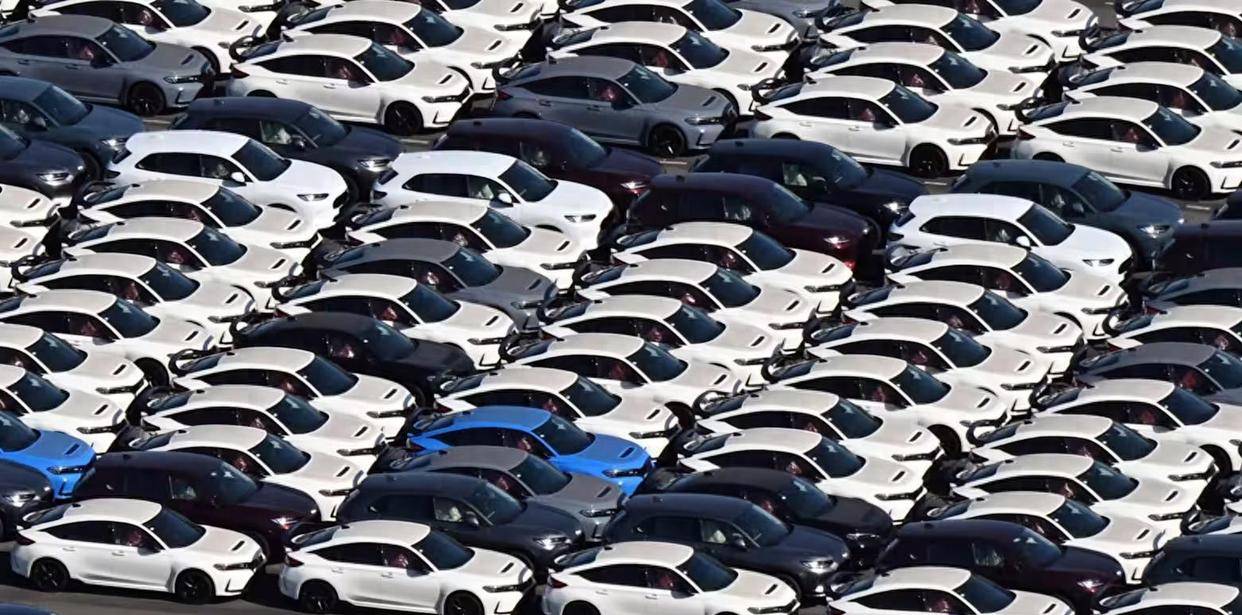
折腾一整年,日本送来“特别账单”,特朗普看后直皱眉:这钱真难收
Sou Hu Cai Jing· 2026-01-05 22:54
Core Insights - The article discusses the impact of increased tariffs on Japanese auto parts suppliers due to U.S. trade policies, highlighting the challenges faced by small and medium-sized enterprises (SMEs) in the industry [1][30][68] - It emphasizes the structural issues within the Japanese automotive supply chain, where larger manufacturers exert significant pressure on smaller suppliers, leading to a precarious financial situation for many [30][33][68] Group 1: Tariff Impact - By 2025, U.S. tariffs on Japanese auto parts have risen from 2.5% to 15%, creating substantial cost pressures on suppliers [1] - A survey indicated that only about 40% of 32 surveyed auto parts manufacturers successfully passed on the additional costs to customers, while the remaining 60% struggled to do so [1][30] - The Japanese government has begun enforcing laws to protect suppliers, which has slightly improved the situation, with the cost transfer rate increasing from 30% to 40% over six months [1][30] Group 2: Supplier Dynamics - The automotive supply chain in Japan is characterized by a pyramid structure, with major manufacturers like Toyota and Honda at the top, followed by large suppliers and numerous SMEs at the bottom [1][30] - Many SMEs operate on thin profit margins of 3% to 5%, making it difficult to absorb the additional 15% export costs without risking bankruptcy [1][30] - Larger suppliers like NTN have begun to adopt more aggressive pricing strategies to mitigate risks, while others remain hesitant [2][4][30] Group 3: Strategic Responses - Some companies are considering relocating production to the U.S. to avoid tariffs, while others are investing in existing U.S. facilities to increase capacity [20][23][30] - Internal optimization strategies are being employed by some firms to reduce the impact of tariffs, but these methods have limitations and may not be sustainable in the long term [28][30] - The article notes a shift in supplier relationships, with increased skepticism about the long-term viability of partnerships due to the pressure from larger manufacturers [33][34] Group 4: Broader Industry Challenges - The article highlights the broader geopolitical risks affecting the supply chain, including semiconductor shortages and disruptions in rare earth supplies, which further complicate the situation for Japanese suppliers [30][68] - The traditional Just-in-Time (JIT) production model is becoming a liability in the current uncertain environment, prompting a reevaluation of supply chain strategies [39][40] - The ongoing pressure from U.S. tariffs and geopolitical tensions is reshaping the global automotive supply chain, with potential long-term consequences for the industry [30][68]
Why Geopolitical Chaos Isn’t Pushing Prices Higher
Yahoo Finance· 2026-01-05 22:00
If you’ve been watching global headlines lately, it would be easy to assume oil prices would be sky-high: a major oil-reserve country mired in crisis, sanctions on perennial producers, regional conflicts simmering, and social unrest in several exporters. And yet Brent and WTI have been languishing around $60 a barrel, a level that, a decade ago, most analysts would have dismissed as impossible in such conditions What’s happening? At first glance, the logic of oil pricing should be straightforward: suppl ...