对等关税

Search documents
特朗普对等关税正在逼近,白宫幕僚爆料更多细节
凤凰网财经· 2025-03-24 12:59
市场高估关税范围 特朗普的国家经济委员会主任Kevin Hassett表示,市场高估了对等关税的涉及范围。 日前,美国总统特朗普计划于4月2日宣布对等关税政策。 据彭博社报道,4月2日的新关税措施要比特朗普动不动放出来的威胁更加具有针对性,对于担心爆发全面关税战的市场来说,可以略松一口气。 白宫官员透露,尽管此次措施将显著扩大美国关税覆盖范围,但部分国家可能获得豁免。至少目前而言,美国政府不打算像特朗普曾经威胁的那样在宣布 对等关税的同时宣布针对具体行业的关税。 不过,特朗普本人希望看到关税立竿见影的效果,打算关税被宣布当天就立即生效。这些措施可能会进一步加剧美国与盟友的紧张关系,引发一些报复行 为,让局势有螺旋式升级的威胁。白宫官员透露,只有那些不对美国征收关税且与美国存在贸易顺差的国家才不会被纳入对等关税计划。 与特朗普政府许多政策进程一样,目前情况仍有很大不确定性,在特朗普正式宣布之前,任何决定都不是最终决定。上周一位白宫幕僚反复提到有关如何 实施关税计划的内部"磋商",一些最经常发出的鹰派信号都来自特朗普本人,反映出他对将大幅提高进口税作为财政收入来源的浓厚兴趣。 根据白宫内部讨论方案,新关税将针对存 ...
伦敦金区间震荡 特朗普称两种关税都会实施
Jin Tou Wang· 2025-03-24 07:18
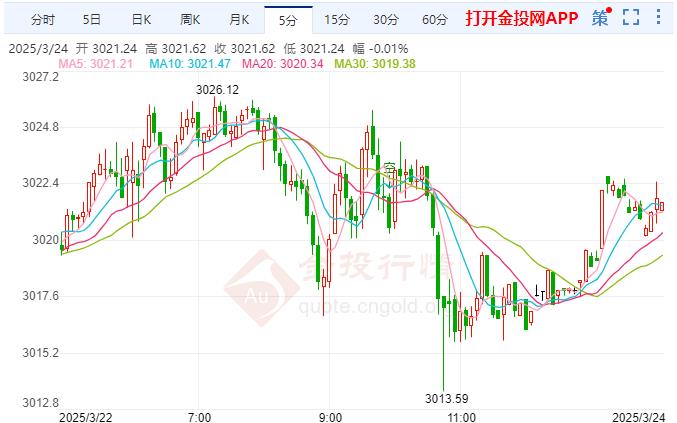
伦敦金区间震荡 特朗普称两种关税都会实施 周一(3月24日)欧市盘中,伦敦金区间震荡,目前交投于3022.92美元/盎司,跌幅0.02%,今日金 价开盘报3021.53美元/盎司,最高上探3026.12美元/盎司,最低触及3013.54美元/盎司。 【要闻聚焦】 美国总统特朗普表示,他将于4月2日对进口到美国的外国商品征收广泛的对等关税,并额外对特定 行业产品加征关税。 这一表态表明,尽管早期的关税举措已引发金融市场动荡并加剧盟友关系紧张,特朗普仍计划推进 更为激进的关税政策。 金价回落,因交易商关注美元从数月低点反弹,并了结部分获利。如果金价成功测试2995-3005美 元支撑位,则将迈向下一个支撑位2930-2940美元。 特朗普此前曾表示,他的政府正在制定所谓的"对等关税"——即对每个国家的进口商品征收基于其 自身关税和非关税壁垒计算得出的关税税率。 但特朗普同时表示,他希望保护美国关键行业,包括汽车、钢铁、铝、微处理器和制药行业。目前 尚不清楚这些行业关税是否会被纳入对等关税体系,还是会作为额外关税征收。 特朗普说:"4月2日是我们国家的解放日。我们正在收回那些非常愚蠢的总统们因为无知而拱手送 出的财 ...

世界应减轻的或是美国风险,而非中国
日经中文网· 2025-03-14 02:46
Core Viewpoint - The article discusses the implications of the Trump administration's high tariff policies and the potential risks they pose to global economic security, particularly in relation to supply chains and trade relationships with countries like China and Vietnam [1][4][5]. Group 1: Tariff Policies and Trade Deficits - The Trump administration has initiated high tariffs, including a 25% tariff on imports from Canada and Mexico, and increased tariffs on Chinese products from 10% to 20% [1]. - In 2024, China is projected to have a trade deficit with the U.S. of $295.4 billion, leading the list of countries with significant trade deficits [2]. - Vietnam, as the third-largest country with a trade surplus with the U.S., is expected to see its surplus increase by 20% in 2024, reaching $123.4 billion [2]. Group 2: Responses from Affected Countries - Countries like Vietnam are diversifying their export destinations to mitigate the impact of the tariff wars, having signed various trade agreements such as CPTPP and RCEP [3]. - India has resumed negotiations for a free trade agreement with the UK and aims to finalize an agreement with the EU within the year, responding to criticisms of high tariffs [3]. Group 3: Implications for Global Trade Agreements - The U.S. has created barriers to China's entry into CPTPP, with existing members needing unanimous consent for new members, complicating China's potential accession [6]. - The shifting stance of the U.S. on tariffs has raised uncertainties, as seen in the temporary suspension of additional tariffs on products meeting USMCA requirements [6][7]. - The global economic order is at a crossroads, with the U.S. high tariff policies potentially leading to significant changes in international trade dynamics [7].
交运行业周报(2025/2/10-2/16)-20250319
Guoxin Securities Co., Ltd· 2025-03-13 02:11
Investment Rating - The report maintains a "Positive" outlook for the transportation industry, expecting the industry index to outperform the market index by 5% over the next six months [6]. Core Insights - The Shanghai Composite Index fell by 1.19% last week, while the Shenwan Transportation Industry Index rose by 0.24%, underperforming the market by 0.95 percentage points, ranking 22nd among 31 Shenwan primary industries [2]. - The railway and highway sectors saw an increase of 0.90%, and the airport sector increased by 0.17%. Conversely, the shipping and port sector declined by 1.30% [2]. - Among the three major sectors, the largest gains were in public transport (+4.37%), road freight (+4.24%), and raw material supply chain services (+2.71%). The largest declines were in warehousing logistics (-1.79%), shipping (-1.56%), and ports (-0.83%) [2]. - As of February 16, 2025, the Shenwan Transportation sector's PE (TTM) was 16.47 times, positioned at the 66.76 percentile over the past five years [3]. Summary by Sections Market Review - The report provides a comprehensive overview of the market performance, highlighting the fluctuations in the transportation sector and individual stock performances [2]. Industry Key News - The National Development and Reform Commission is initiating a pilot project for logistics data openness to eliminate "information islands" [8]. - The postal and express delivery sector reported a month-on-month increase of approximately 45.05% in cumulative delivery volume [8]. - Hainan Province plans to introduce 18 measures to invigorate the general aviation and low-altitude economy [8]. - ASEAN countries' tourist groups can enter Yunnan's Xishuangbanna without a visa starting February 10 [8]. - The recovery trajectories of Chinese airports vary under complex circumstances [8]. Industry Data - The report includes detailed data on various segments such as aviation airports, shipping ports, logistics, and railways and highways, providing insights into their performance metrics [8].
特朗普2.0宏观形势展望:夜半临深池
Shenwan Hongyuan Securities· 2025-03-12 02:13
Investment Rating - The report does not explicitly provide an investment rating for the industry Core Insights - The return of Trump with stronger political capital enhances governance efficiency, as he won all seven swing states in the 2024 election with margins exceeding polling expectations [6] - Key voter concerns in swing states include inflation and immigration, with 28% of voters prioritizing inflation as the main issue [10] - Trump's cabinet is more hawkish and loyal, potentially leading to aggressive policies in economic, immigration, and foreign affairs [15] - The cabinet consists of various factions, including conservatives, MAGA loyalists, reformists, and Wall Street representatives, each with differing policy priorities [17] Summary by Sections 1. Trump's Strong Return - Trump's political capital is at its highest since Roosevelt, allowing for rapid cabinet appointments and policy advancements [6][8] - Swing states have shifted towards Trump, indicating a strong voter base [7] 2. Overview of Trump's 2.0 Policy Layout - Key issues for voters include inflation, immigration, and employment, with a focus on trade and immigration policies as tools for domestic policy negotiations [10][31] - The administration has signed numerous executive orders, particularly in trade and immigration, to address pressing domestic issues [31] 3. Economic Impact of Trump's 2.0 - The U.S. faces a challenging monetary policy environment, balancing between employment and inflation, with CPI rising from 2.4% to 3.0% [22][23] - The federal deficit is projected to remain high, with government debt levels exceeding historical averages, raising concerns about fiscal sustainability [24] - Strong dollar policies may conflict with manufacturing repatriation efforts, as high inflation and a strong dollar reduce competitiveness for U.S. exports [25] - Tariff policies are expected to generate significant revenue, with estimates suggesting potential tariff income of around $111 billion from proposed tariffs on Canada, Mexico, and China [56]
深度 | 对等关税,影响了谁?——特朗普经济学系列之十三【财通宏观•陈兴团队】
陈兴宏观研究· 2025-03-09 12:33
Core Viewpoint - The article discusses Trump's proposal for a "fair reciprocal trade plan" aimed at imposing equal tariffs on trade partners to address perceived trade imbalances and enhance U.S. economic security and job creation [1][4][20] Group 1: Reasons for Proposing "Reciprocal Tariffs" - Trump believes that many countries impose unequal tariffs on U.S. goods, putting American companies at a competitive disadvantage [4] - The proposal aims to correct trade imbalances and create more jobs in the U.S. [4] - Key considerations for imposing reciprocal tariffs include high tariffs imposed by other countries, unfair taxes like digital service taxes, non-tariff barriers, and currency manipulation [5][20] Group 2: Assessment of Tariff Inequality - The concept of "excess tariffs" is defined as the extent to which tariffs imposed by other economies on U.S. imports exceed those imposed by the U.S. on their exports [7] - Contrary to expectations, most economies do not impose significantly higher tariffs on U.S. goods, with China facing the highest tariffs from the U.S. [7][9] - As of February, the U.S. tariffs on China were 12% higher than those China imposes on U.S. goods, indicating that China is disproportionately affected [7][9] Group 3: Impact on Specific Industries - If reciprocal tariffs are specifically targeted at China, industries such as textiles, light manufacturing, and electronics may be significantly impacted [11][12] - The textile and apparel industry is particularly vulnerable, with China's tariffs on U.S. imports exceeding those imposed by the U.S. [11][13] - Key products like computers and accessories, toys, and fans are likely to face higher tariffs, with an example being a 25% tariff on U.S. laptops imported into China [13] Group 4: Advantages for Chinese Industries - If reciprocal tariffs are applied uniformly across all trade partners, many Chinese export industries could benefit due to lower tariffs compared to those imposed by other countries [14][15] - The electronics and machinery sectors are highlighted as having significant potential advantages, as they represent a large share of China's exports to the U.S. [15][19] - Industries such as power equipment, knitting, and chemical fibers also show strong potential advantages in the context of reciprocal tariffs [18][19]

刚刚!特朗普,突传重磅消息!
券商中国· 2025-03-07 13:43
特朗普的关税政策,有点混乱! 在当地时间周五播出的一档采访节目中,美国总统特朗普表示,对墨西哥和加拿大的关税可能会高于本周早些 时候征收的25%的税率,这给贸易政策带来了进一步的不确定性。特朗普还表示,关税将从4月2日起全部对等 实施。 一天之前,即当地时间周四,特朗普宣布,对墨西哥、加拿大两国加征的25%关税措施将暂缓执行直至4月2 日。同一天,特朗普称,"印度是一个关税非常高的国家。"有外媒指出,鉴于与美国相比印度征收的关税较 高,预计印度将受到对等关税的沉重打击。 值得关注的是,特朗普时断时续的关税策略,扰乱了资本市场。周四,即使暂缓对墨加商品征税后,美国股市 仍未能反弹,标普500指数收盘大跌1.78%,纳指跌2.61%,大型科技股纷纷下挫;周五,欧洲股市也纷纷调 整,截至21点,德国DAX30跌幅超过1.7%,法国CAC40指数跌超1%。 另外,特朗普的关税大棒还导致一家公司的股价暴跌。周五美股盘前,慧与科技(HPE)股价大跌20%,这 家AI服务器制造商表示,在竞争激烈的市场中,其年度利润预测将受到美国关税的打击。 特朗普又有新动态 特朗普表示,对墨西哥和加拿大的关税可能会高于本周早些时候征收的2 ...

中信建投 美国关税政策解读及展望
2025-03-07 07:47
Summary of Key Points from the Conference Call Industry or Company Involved - The discussion primarily revolves around the **U.S. tariff policies** and their implications for **U.S.-China trade relations**. Core Points and Arguments - The U.S. has escalated tariffs on Chinese goods, with most facing a total tariff of up to **45%**, including an initial **25%** tariff and an additional **20%** tariff, significantly impacting U.S.-China trade relations [2][3][8] - The U.S. government frequently utilizes the **International Emergency Economic Powers Act (IEEPA)** as a legal basis for imposing tariffs, allowing the president to act swiftly without lengthy investigations or public consultations, which has sparked controversy [2][5][13] - The U.S. has requested **Canada** and **Mexico** to impose a **25%** tariff on Chinese goods in exchange for a mere **2%** tariff on their products, potentially leading to price increases and supply chain shifts in these countries, posing challenges to the **U.S.-Mexico-Canada Agreement (USMCA)** [2][6] - The U.S. plans to implement **"reciprocal tariffs"**, applying the same tariff levels to all countries to address perceived unfair trade practices, which may include a **17%** value-added tax in import tariffs, affecting global trade dynamics [2][7][10] - If the U.S. revokes China's **Most-Favored-Nation (MFN)** status, it would significantly raise the tariff costs for Chinese goods entering the U.S. market, diminishing their competitiveness and causing substantial disruptions in U.S.-China trade relations [2][8][18] Other Important but Possibly Overlooked Content - The U.S. has introduced new regulations on **smart connected vehicles** and high-tech products, banning products from hostile nations (like China) based on the identity of the controlling entity, not just the country of origin [3][15] - Chinese investments in the U.S. face national security scrutiny, and the investment environment is complicated by U.S. restrictions on certain capital flows into China [3][24][25] - The U.S. tariff policies have led to concerns about **trade diversion**, where production capacity from high-tariff countries seeks alternative markets, prompting other nations to adopt protective measures [20] - Future key dates to monitor include the implementation of new tariffs on **April 2** and the results of the **232 investigation** concerning steel and aluminum, which may lead to further trade protection measures [21] - The complexity of implementing product-specific tariffs is highlighted, as it involves numerous countries with varying trade relationships, making a uniform approach more feasible [22] This summary encapsulates the critical insights from the conference call regarding U.S. tariff policies and their broader implications for international trade, particularly concerning China.

特朗普疯狂输出暴击市场,美股创下今年以来最大跌幅
美股研究社· 2025-03-04 10:56
Core Viewpoint - The article discusses President Trump's announcement of a 25% tariff on goods from Canada and Mexico, signaling a potential trade war and a shift in U.S. trade policy [2][3]. Group 1: Tariff Announcement - Trump stated that starting Tuesday, a 25% tariff will be imposed on goods from Canada and Mexico, indicating no room for negotiation with these countries [2]. - The tariffs are part of Trump's broader strategy to reshape global trade and address issues like drug smuggling and immigration [2][3]. Group 2: Canadian Response - Canada is preparing retaliatory tariffs on U.S. goods worth CAD 155 billion, with an initial focus on products valued at CAD 30 billion [4]. - Canadian officials expressed frustration over the unclear demands from Trump regarding border security and drug trafficking [3][4]. Group 3: Economic Impact - The tariffs could affect approximately $1.5 trillion in imports, with a 25% tariff on most goods from Canada and Mexico, while Canadian energy products will face a 10% tariff [5]. - Concerns have been raised about inflation, with estimates suggesting that car prices in the U.S. could rise by up to $12,000 due to increased costs from tariffs [5][6]. Group 4: Market Reaction - Following Trump's announcement, U.S. stock markets experienced significant declines, with the Dow Jones dropping 1.48% and the S&P 500 falling 1.76%, marking the largest drop of the year [6]. - The Canadian dollar and Mexican peso also fell sharply, reflecting market anxiety over the potential trade conflict [6]. Group 5: Broader Trade Implications - Trump indicated that additional tariffs would be imposed on countries that devalue their currencies, further complicating international trade relations [6]. - The article highlights the potential for a broader economic impact, with analysts noting that the current environment is tense and uncertain for investors [7].
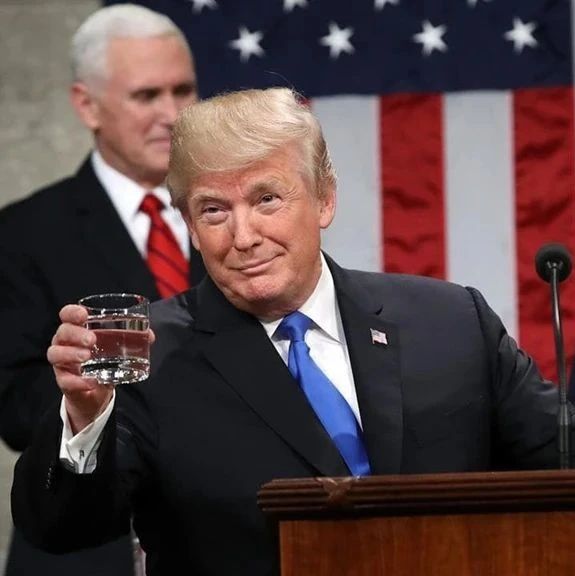
特朗普誓言3月4日起对墨西哥和加拿大征收25%关税,对中国再加10%关税
制裁名单· 2025-02-28 00:57
Group 1 - Trump announced a 25% tariff on products exported to the U.S. from Mexico and Canada, effective March 4, in addition to a 10% tariff on Chinese imports, raising the total tariff on China to 20% [1][3] - The U.S. is facing a significant opioid crisis, with 72,776 deaths attributed to synthetic opioids, primarily fentanyl, in 2023, highlighting the urgency of Trump's trade measures [1] - Trump's administration clarified that the April 4 deadline mentioned for tariffs is related to "reciprocal tariffs" aimed at balancing import tax rates with other countries [1][2] Group 2 - Trump emphasized the strong stance of the EU on trade issues and reiterated the lack of progress in combating drug trafficking from Mexico and Canada [2] - As part of the reciprocal tariffs, European countries will also face a 25% tariff, and Trump is considering additional tariffs on automobiles, computer chips, and pharmaceuticals [3] - The White House's chief economic advisor stated that new tariffs will be determined after a study is completed by April 1 [3]