
地缘政治

Search documents
有色金属日报-20251124
Wu Kuang Qi Huo· 2025-11-24 02:43
1. Report's Industry Investment Rating No information provided in the report. 2. Core Viewpoints of the Report - **Copper**: The probability of the Fed cutting interest rates in December has increased. The copper price has support below, and it is expected to fluctuate in the short term. The reference operating range for the main Shanghai copper contract today is 85,500 - 87,000 yuan/ton, and for the LME copper 3M contract is 10,680 - 10,900 dollars/ton [4][5]. - **Aluminum**: Although the downstream is gradually entering the off - season, the overall global aluminum ingot inventory is low, and the aluminum price is still strongly supported. After the shock adjustment, the aluminum price may further strengthen. The reference operating range for the main Shanghai aluminum contract today is 21,300 - 21,600 yuan/ton, and for the LME aluminum 3M contract is 2,770 - 2,830 dollars/ton [6][7]. - **Lead**: The supply of lead ingots is relatively loose, and the lead price is still oscillating in a wide range. Recently, major global financial assets have shown weakness, and the lead price is expected to operate weakly in the short term [8][9]. - **Zinc**: The zinc industry is still in an over - supply cycle, and the structural risk has receded. Recently, major global financial assets have shown weakness, and the zinc price is expected to operate weakly in the short term [10][11]. - **Tin**: The short - term tin supply and demand are in a tight balance. Considering the inhibitory effect of high prices on tin consumption and the marginal alleviation of the shortage at the mine end, the tin price is expected to fluctuate. It is recommended to wait and see. The reference operating range for the domestic main contract is 280,000 - 300,000 yuan/ton, and for the overseas LME tin is 36,000 - 38,000 dollars/ton [12][13]. - **Nickel**: The short - term pressure on the nickel fundamentals is obvious, and the price may continue to be under pressure. It is not recommended to chase short or bottom - fish. Wait for the nickel iron price to stabilize before further observation. The short - term reference operating range for the Shanghai nickel price is 113,000 - 118,000 yuan/ton, and for the LME nickel 3M contract is 13,500 - 15,500 dollars/ton [15][16][18]. - **Lithium Carbonate**: The short - term demand and inventory reduction have been well - priced. The current lithium price is at a high level this year. It is necessary to pay attention to potential disturbances such as supply release and slowdown in demand growth. The reference operating range for the main lithium carbonate contract on the Guangzhou Futures Exchange today is 88,800 - 94,600 yuan/ton [20][21]. - **Alumina**: The overseas ore price is expected to decline after the rainy season. The over - capacity pattern at the alumina smelting end is difficult to change in the short term, but the current price is close to the cost line of most manufacturers, and the follow - up production reduction expectation is strengthened. It is recommended to wait and see in the short term. The reference operating range for the domestic main contract AO2601 is 2,600 - 2,900 yuan/ton [23][24]. - **Stainless Steel**: The stainless - steel market is still in an over - supply situation, demand is weak, and costs are moving down. The stainless - steel price is expected to continue the weak downward trend [26][27]. - **Cast Aluminum Alloy**: The cost side of the cast aluminum alloy has strong price support, while the demand side performance is relatively average. The price is expected to fluctuate in the short term [29][30]. 3. Summary of Each Metal's Content Copper - **Market Information**: On Friday, the LME copper 3M contract rose 0.86% to 10,778 dollars/ton, and the Shanghai copper main contract closed at 86,180 yuan/ton. LME copper inventory decreased by 2,900 tons to 155,025 tons. The domestic Shanghai Futures Exchange weekly copper inventory slightly increased, and the daily warehouse receipts decreased by 0.5 to 50,000 tons. The domestic copper spot import loss was about 500 yuan/ton, and the refined - scrap price difference narrowed [4]. - **Strategy Viewpoint**: The Fed's attitude has turned dovish, and the probability of an interest - rate cut in December has rebounded. The copper raw material supply remains tight, and the downstream start - up rate is relatively strong. The copper price has strong support below and is expected to fluctuate in the short term [5]. Aluminum - **Market Information**: The aluminum price rebounded after a decline. On Friday, the LME aluminum slightly rose 0.05% to 2,808 dollars/ton, and the Shanghai aluminum main contract closed at 21,390 yuan/ton. The Shanghai aluminum weighted contract position decreased by 42,000 to 612,000 lots, and the futures warehouse receipts slightly decreased to 69,000 tons. The domestic aluminum ingot and aluminum rod inventories in three major regions decreased, and the aluminum rod processing fee increased. The LME aluminum inventory increased by 4,000 tons to 548,000 tons [6]. - **Strategy Viewpoint**: The global equity market correction and geopolitical tensions have made the market cautious. The overall global aluminum ingot inventory is relatively low, and there are supply disruption expectations. After the shock adjustment, the aluminum price may further strengthen [7]. Lead - **Market Information**: Last Friday, the Shanghai lead index fell 0.31% to 17,165 yuan/ton. The LME lead 3S fell 17.5 dollars to 1,997.5 dollars/ton. The SMM1 lead ingot average price was 17,075 yuan/ton, and the refined - scrap price difference was 25 yuan/ton. The Shanghai Futures Exchange lead ingot futures inventory was 30,000 tons, and the domestic social inventory slightly decreased to 36,400 tons [8]. - **Strategy Viewpoint**: The supply of lead ingots continues to increase, the domestic battery enterprise start - up rate remains stable, and the export of lead - acid batteries continues to decline. The lead price is expected to operate weakly in the short term [9]. Zinc - **Market Information**: Last Friday, the Shanghai zinc index rose 0.03% to 22,395 yuan/ton. The LME zinc 3S fell 0.5 dollars to 2,989.5 dollars/ton. The SMM0 zinc ingot average price was 22,440 yuan/ton. The Shanghai Futures Exchange zinc ingot futures inventory was 72,900 tons, and the domestic social inventory slightly decreased to 152,700 tons [10]. - **Strategy Viewpoint**: The zinc ore import decreased significantly in October, and the zinc ore supply is tight due to the winter stockpiling demand of smelters. But in the long run, the zinc industry is still in an over - supply cycle. The zinc price is expected to operate weakly in the short term [11]. Tin - **Market Information**: On November 21, 2025, the Shanghai tin main contract closed at 291,310 yuan/ton, down 0.39%. The production of tin ingot smelters in Yunnan and Jiangxi is generally stable at a high level, and the raw material supply is tight. In October, the import of tin concentrate increased slightly. The demand in emerging fields provides support for the tin price, and the start - up rate of tin solder enterprises has slightly recovered. The national main tin ingot social inventory increased by 311 tons to 8,245 tons [12]. - **Strategy Viewpoint**: The short - term tin supply and demand are in a tight balance. Considering the high - price inhibitory effect on consumption and the marginal alleviation of the mine - end shortage, the tin price is expected to fluctuate. It is recommended to wait and see [13]. Nickel - **Market Information**: Last week, the nickel price continued to fall. The Shanghai nickel main contract closed at 114,130 yuan/ton on Friday, a decline of 2.70%, and the LME nickel was quoted at 14,620 dollars/ton on Friday, a weekly decline of 1.75%. The nickel ore price was stable with a weak trend, and the nickel iron price continued to fall [15]. - **Strategy Viewpoint**: The short - term pressure on the nickel fundamentals is obvious. The supply of refined nickel raw materials is further supplemented, the market demand has no increase, and the inventory continues to accumulate. The nickel price may continue to be under pressure [16][18]. Lithium Carbonate - **Market Information**: On November 21, the MMLC lithium carbonate spot index fell 6.87% to 92,211 yuan. The battery - grade and industrial - grade lithium carbonate prices both decreased significantly. The LC2601 contract closed at 91,020 yuan, down 8.04% [20]. - **Strategy Viewpoint**: The short - term demand and inventory reduction have been fully priced. The current lithium price is at a high level, and it is necessary to pay attention to potential disturbances such as supply release and slowdown in demand growth [21]. Alumina - **Market Information**: On November 21, 2025, the alumina index fell 0.65% to 2,737 yuan/ton. The Shandong spot price was 2,775 yuan/ton, with a premium of 38 yuan/ton over the 12 - contract. The overseas MYSTEEL Australia FOB price was 319 dollars/ton, and the import loss was 41 yuan/ton. The futures warehouse receipts decreased by 4,200 tons to 250,900 tons [23]. - **Strategy Viewpoint**: The overseas ore price is expected to decline after the rainy season. The over - capacity pattern at the alumina smelting end is difficult to change in the short term, but the current price is close to the cost line of most manufacturers, and the follow - up production reduction expectation is strengthened. It is recommended to wait and see in the short term [24]. Stainless Steel - **Market Information**: On Friday, the stainless - steel main contract closed at 12,290 yuan/ton, up 0.04%. The spot prices in Foshan and Wuxi markets were stable or slightly increased. The raw material prices such as nickel iron and scrap steel decreased. The futures inventory decreased by 1,726 tons to 70,365 tons, and the social inventory decreased to 1,071,700 tons [26]. - **Strategy Viewpoint**: The stainless - steel market is still in an over - supply situation, demand is weak, and costs are moving down. The stainless - steel price is expected to continue the weak downward trend [27]. Cast Aluminum Alloy - **Market Information**: On Friday, the cast aluminum alloy price fell. The main AD2601 contract closed at 20,595 yuan/ton, down 0.89%. The weighted contract position decreased to 24,300 lots, and the trading volume increased. The domestic mainstream ADC12 average price decreased by 150 yuan/ton. The domestic three - region aluminum alloy ingot inventory decreased by 300 tons to 50,600 tons [29]. - **Strategy Viewpoint**: The cost side of the cast aluminum alloy has strong price support, while the demand side performance is relatively average. The price is expected to fluctuate in the short term [30].
大越期货沪铜周报-20251124
Da Yue Qi Huo· 2025-11-24 02:32
Report Overview - Report Title: Shanghai Copper Weekly Report (11.17 - 11.21) - Author: Zhu Senlin from Dayue Futures Investment Consulting Department - Contact: 0575 - 85226759 [1] 1. Report Industry Investment Rating - No investment rating information is provided in the report. 2. Report's Core View - Last week, Shanghai copper fluctuated and adjusted. The main contract of Shanghai copper fell 1.43% to 85,600 yuan/ton. Geopolitical factors and US tariffs affected copper prices. Global instability remains, while force majeure in Indonesian copper mines and the rise of precious metals supported copper prices. In China, it's the consumption off - season, and downstream consumption willingness is average. Domestic spot trading is mainly for rigid demand. LME copper inventory was 155,025 tons, with a slight increase last week, and SHFE copper inventory increased by 1,196 tons to 110,603 tons [4]. 3. Summary by Relevant Catalogs 3.1 Market Review - Last week, the main contract of Shanghai copper fell 1.43% to 85,600 yuan/ton. Geopolitical factors and US tariffs disturbed copper prices. Global instability persists, and force majeure in Indonesian copper mines and the rise of precious metals supported copper prices. In China, it's the consumption off - season, and downstream consumption willingness is average. Domestic spot trading is mainly for rigid demand. LME copper inventory was 155,025 tons, with a slight increase last week, and SHFE copper inventory increased by 1,196 tons to 110,603 tons [4]. 3.2 Fundamental Analysis 3.2.1 PMI - No specific PMI data or analysis is provided in the report. 3.2.2 Supply - Demand Balance - In 2024, the supply - demand is in tight balance, and in 2025, there will be an oversupply. The Chinese annual supply - demand balance table shows the production, import, export, apparent consumption, actual consumption, and supply - demand balance of copper from 2018 to 2024. For example, in 2024, production was 12.06 million tons, import was 3.73 million tons, export was 0.46 million tons, apparent consumption was 15.34 million tons, actual consumption was 15.23 million tons, and the supply - demand balance was 0.11 million tons [12][15]. 3.2.3 Inventory - LME copper inventory was 155,025 tons, with a slight increase last week. SHFE copper inventory increased by 1,196 tons to 110,603 tons. Exchange inventory is in the process of destocking, and bonded area inventory remains at a low level [4][16][19]. 3.3 Market Structure 3.3.1 Processing Fees - Processing fees are at a low level [22]. 3.3.2 CFTC Position - CFTC non - commercial net long positions are flowing out [24]. 3.3.3 Futures - Spot Price Difference - No specific analysis of the futures - spot price difference is provided in the report. 3.3.4 Import Profit - No specific analysis of import profit is provided in the report. 3.3.5 Warehouse Receipts - No specific analysis of warehouse receipts is provided in the report.
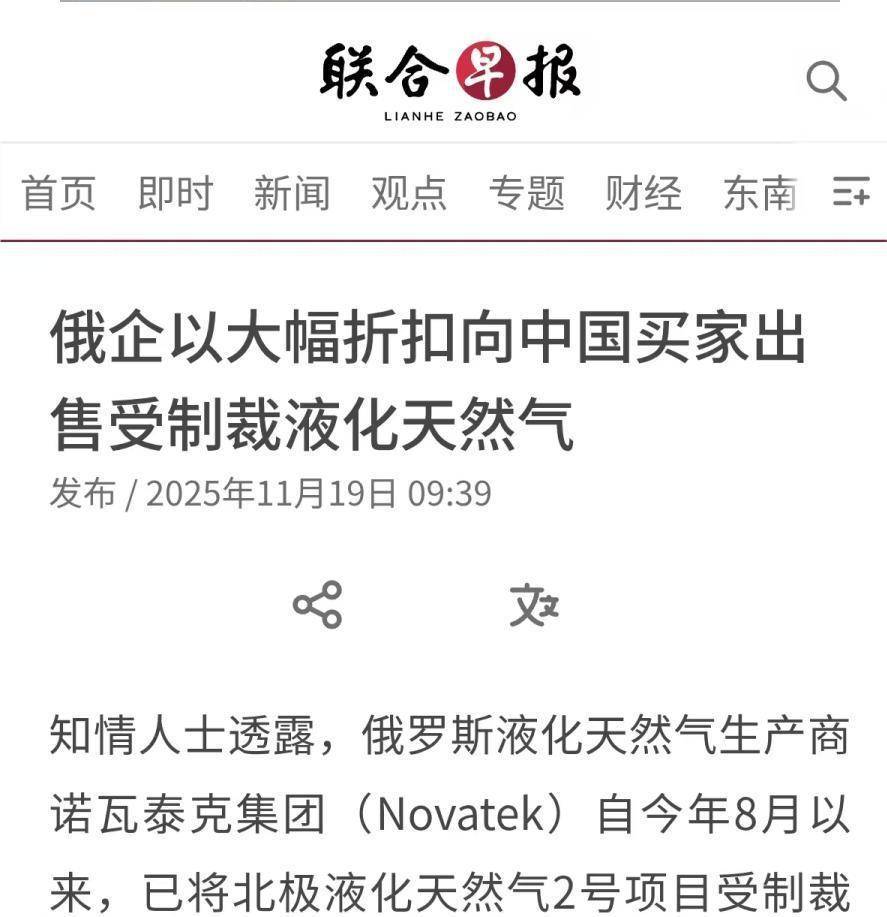
俄油价格暴跌,天然气六折卖给中国!为啥俄罗斯宁可亏本也要出手?
Sou Hu Cai Jing· 2025-11-23 16:59
Core Viewpoint - Russia is selling liquefied natural gas (LNG) at a significant loss, with prices reportedly at a 40% discount, indicating a desperate need to maintain cash flow and customer relationships amid Western sanctions [1][2][3]. Group 1: Market Dynamics - The buyer of the LNG is China, while the seller is Novatek, with the gas sourced from the Arctic LNG 2 project, which has recently commenced production [2][3]. - The project aims to produce 19.8 million tons of LNG annually, primarily for export to Asia, especially China and India [3]. - Due to U.S. sanctions, including restrictions on insurance and financing, Russia faces significant challenges in exporting its LNG, leading to a situation where production continues without any shipments [3][5]. Group 2: Strategic Implications - Russia's decision to sell at a loss is a strategic move to secure a long-term customer base in China, as other markets like the EU and India are reducing their reliance on Russian energy [6][8]. - The geopolitical landscape has shifted, with China emerging as a key player willing to purchase Russian energy despite U.S. pressures, highlighting a significant realignment in global energy supply chains [10][12]. - The ongoing collaboration between Russia and China is seen as a pragmatic response to the current geopolitical climate, with both countries benefiting from the arrangement [15][17]. Group 3: Future Outlook - The continuation of this energy partnership is contingent on the persistence of Western sanctions and the need for both countries to maintain their respective energy strategies [19][21]. - Russia's internal reports emphasize the necessity of maintaining production levels to ensure the continuity of its energy export strategy, even at a loss [19][23]. - The evolving energy landscape suggests that as long as demand remains and sanctions persist, the current pricing strategy may continue, potentially leading to further discounts to secure long-term contracts [23][25].

原油周报:俄乌和谈可能重启,国际油价回落-20251123
Xinda Securities· 2025-11-23 13:04
Investment Rating - The industry investment rating is "Positive" [1] Core Viewpoints - International oil prices have declined due to geopolitical factors, with Brent and WTI prices at $62.56 and $58.06 per barrel respectively as of November 21, 2025 [9][22] - The oil and petrochemical sector has seen a decrease of 2.99% in the past week, while the broader market (CSI 300) fell by 3.77% [10][12] - The report highlights a potential restart of peace talks between the US and Russia regarding the Ukraine conflict, which may impact oil prices [9] Summary by Sections Oil Price Review - Brent crude futures settled at $62.56 per barrel, down $1.83 (-2.84%) from the previous week, while WTI crude futures fell to $58.06, down $2.03 (-3.38%) [22] - The report notes that geopolitical tensions, including US sanctions on Russian oil, have influenced market dynamics [9] Offshore Drilling Services - As of November 17, 2025, the number of global offshore self-elevating drilling rigs was 365, a decrease of 5 from the previous week [25] Oil Supply - US crude oil production was reported at 13.834 million barrels per day as of November 14, 2025, a decrease of 28,000 barrels from the previous week [36] - The number of active drilling rigs in the US increased by 2 to 419 as of November 21, 2025 [36] Oil Demand - US refinery crude processing increased to 16.232 million barrels per day as of November 14, 2025, up by 259,000 barrels from the previous week [46] Oil Inventory - As of November 14, 2025, total US crude oil inventory was 835 million barrels, a decrease of 2.893 million barrels (-0.35%) [56] - Strategic oil inventory increased by 533,000 barrels (+0.13%) to 411 million barrels [56] Refined Oil Prices - In North America, average prices for diesel, gasoline, and jet fuel were $107.63, $81.99, and $98.74 per barrel respectively as of November 21, 2025 [78]





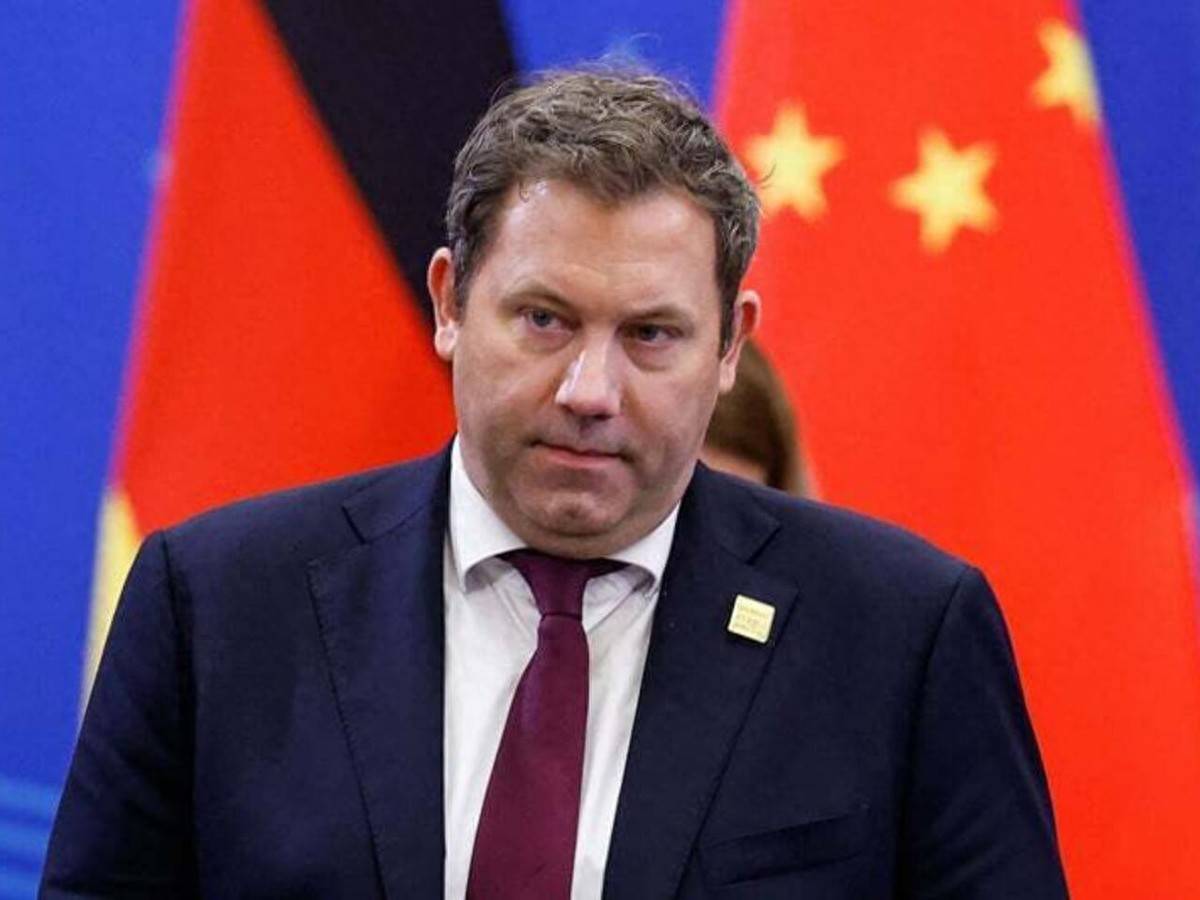
美关税彻底打疼德国!财长急访华求稀土,中国重夺最大伙伴地位!
Sou Hu Cai Jing· 2025-11-23 11:45
Group 1 - Germany's economy is facing challenges due to U.S. tariffs, leading to a shift in trade relationships, with China becoming its largest trading partner, surpassing the U.S. [3][4] - In the first three quarters of the year, Germany's trade with China grew by 0.6% to €185.9 billion, while trade with the U.S. decreased by 3.9% [3][4]. - The visit of German Finance Minister Christian Lindner to China was aimed at securing commitments for rare earth and key material supplies, which are crucial for Germany's industrial sector [3][6]. Group 2 - The shift in trade dynamics is attributed to the aggressive U.S. trade policies under Trump, which have negatively impacted German exports, particularly in the automotive and machinery sectors [4][6]. - Germany's dependency on China has increased significantly, with over 50% reliance in critical sectors such as chemicals, computers, and solar energy [6]. - China's willingness to provide rare earth materials to Germany is seen as a strategic move, emphasizing mutual benefits in the context of geopolitical tensions [8][10]. Group 3 - The evolving relationship between Germany and China reflects a pragmatic approach, moving away from ideological conflicts towards business and supply chain cooperation [6][12]. - Germany's previous disdain for Chinese products has shifted to a recognition of their importance, as they represent a vital market and supply source [10][12]. - Future relations between Germany and China are expected to be characterized by ongoing friction, but with a growing economic interdependence as Germany seeks stability amid U.S. pressures [12].
原油周报:震荡磨底之中短期低点已现-20251122
Wu Kuang Qi Huo· 2025-11-22 14:03
震荡磨底之中 短期低点已现 原油周报 2025/11/22 徐绍祖 (能源化工组) 从业资格号:F03115061 交易咨询号:Z0022675 严梓桑 (联系人) 0755-23375123 yanzs@wkqh.cn 从业资格号:F03149203 CONTENTS 目录 01 周度评估&策略推荐 02 宏观&地缘 06 原油库存 03 油品价差 07 气象灾害 04 原油供应 05 原油需求 08 另类数据 01 周度评估&策略推荐 行情回顾 图1:WTI主力合约近月走势($/桶) 55.0 60.0 65.0 70.0 75.0 80.0 85.0 2025/1/1 2025/1/8 2025/1/15 2025/1/22 2025/1/29 2025/2/5 2025/2/12 2025/2/19 2025/2/26 2025/3/5 2025/3/12 2025/3/19 2025/3/26 2025/4/2 2025/4/9 2025/4/16 2025/4/23 2025/4/30 2025/5/7 2025/5/14 2025/5/21 2025/5/28 2025/6/4 2025/6/1 ...
中美决战倒计时?美国找来2个帮手,中国已经在台海摆上“硬菜”
Sou Hu Cai Jing· 2025-11-22 09:40
Core Points - The article discusses the escalation of U.S.-China tensions, particularly focusing on trade tariffs and military exercises in the Asia-Pacific region, raising concerns about potential conflict [1][3][8] Trade Relations - Following Trump's return to the White House, a series of tariffs were imposed on Chinese goods, starting with an additional 10% on February 1, 2025, and escalating to an average tariff rate of 54% by April 2, 2025 [3] - In response, China implemented export controls on critical materials and imposed an 84% tariff on U.S. products, leading to negotiations that resulted in a temporary reduction of tariffs on both sides [5][7] Military Tensions - The U.S. conducted unprecedented military exercises with the Philippines and Japan, involving over 14,000 troops, including significant participation from U.S. and Japanese forces, in sensitive areas [8] - In contrast, the Chinese military demonstrated its capabilities by conducting operations near the Philippines, showcasing its naval strength with aircraft carrier groups [10][11] Economic Impact - The trade tensions have forced companies to restructure supply chains, leading to increased costs for consumers in the U.S. and pushing Chinese firms to seek new growth opportunities domestically and in the Belt and Road regions [7] - Despite a temporary easing of trade tensions, the geopolitical situation remains tense, with ongoing military provocations from the U.S. and its allies [11]
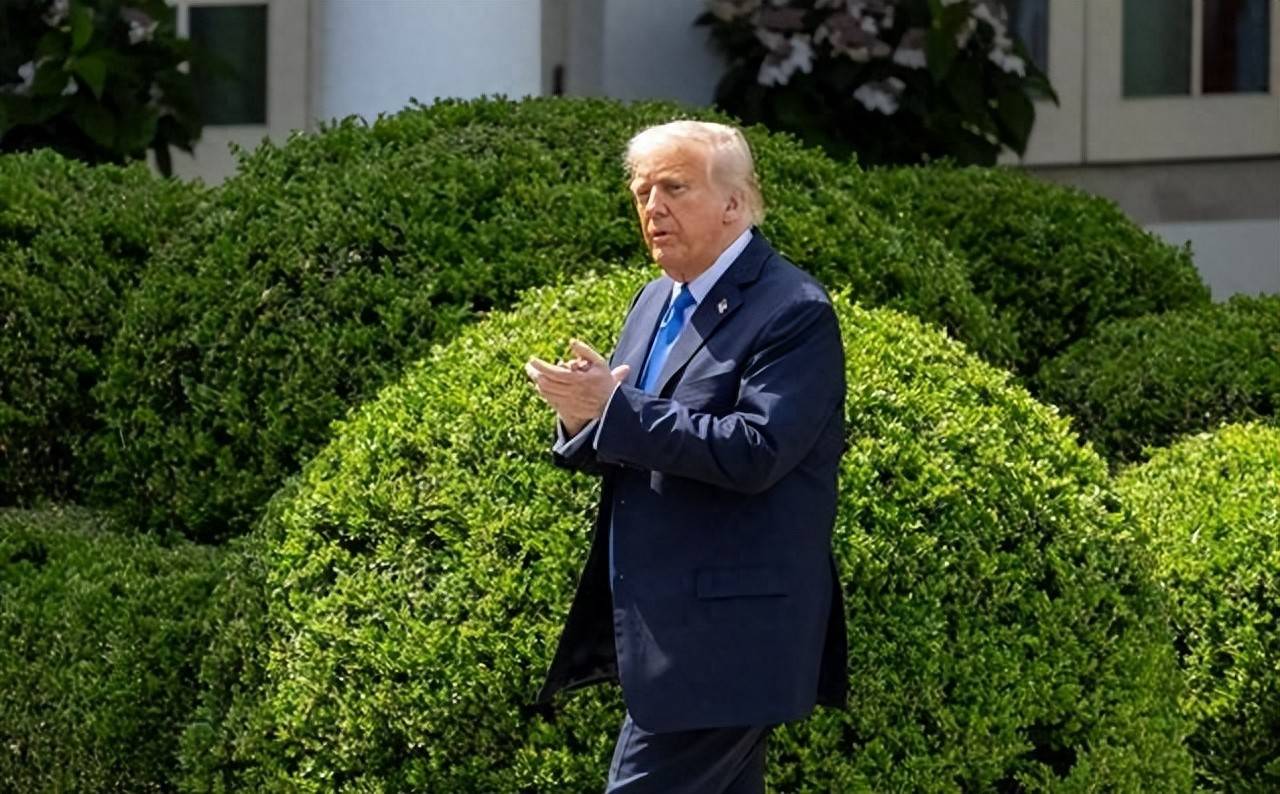
跌懵了?这场暴跌的"凶手"究竟是谁——一份写给大家的深度复盘
Xin Lang Cai Jing· 2025-11-21 13:01
Core Viewpoint - The recent market crash is described as a "perfect storm" caused by multiple factors, leading to a significant loss of investor confidence. Group 1: Market Dynamics - Northbound capital, often seen as "smart money," has been a major force in the sell-off, with over 10 billion net outflow in a single day and continuous withdrawal over several trading days [1] - Quantitative trading has exacerbated the situation, with automated strategies triggering stop-loss orders and creating a negative feedback loop during market declines [2] - Retail investors, through mutual funds, have experienced "institutionalized losses," leading to a cycle of forced selling as fund net values drop below critical thresholds [4] Group 2: Economic and Policy Factors - The macroeconomic environment is characterized by a collapse in systemic expectations, with significant declines in exports, real estate sales, and consumer spending [8] - The market is currently in a "policy shout period" with uncertainty about the effectiveness of future policies, contributing to investor anxiety [6] - The supply-demand imbalance in the market is highlighted by a surge in IPOs under the registration system, while delistings remain scarce, leading to a saturated market [10] Group 3: Historical Context - Historical market crashes, such as those in 2008, 2015, 2018, and 2022, illustrate that while each crash appears unique, quality assets tend to recover and reach new highs over time [11][12][13][14] - The current situation is noted as the most complex in the past decade, influenced by macroeconomic, geopolitical, and market ecological pressures [14] Group 4: Recommendations for Investors - Investors are advised to manage their positions carefully, considering whether they are investing in stocks or companies, and to maintain a cash reserve for market downturns [15][16] - Emphasis is placed on selecting high-quality stocks with strong fundamentals and management, akin to investing in real estate rather than trading [17] - The importance of avoiding leverage and chasing market trends is highlighted as essential for survival in a bear market [18]
中辉能化观点-20251121
Zhong Hui Qi Huo· 2025-11-21 04:01
1. Report Industry Investment Ratings - Crude Oil: Cautiously bearish [1] - LPG: Cautiously bearish [1] - L: Bearish consolidation [1] - PP: Bearish continuation [1] - PVC: Bearish continuation [1] - PX/PTA: Cautiously bullish [3] - Ethylene Glycol: Cautiously bearish [3] - Methanol: Cautiously bearish [3] - Urea: Rebound and short [3] - Natural Gas: Cautiously bullish [5] - Asphalt: Cautiously bearish [5] - Glass: Bearish continuation [5] - Soda Ash: Bearish continuation [5] 2. Core Views of the Report - The report analyzes multiple energy and chemical products, with most products showing bearish or cautiously bearish trends due to factors such as supply - demand imbalances, geopolitical disturbances, and cost - related issues. Some products like PTA and natural gas show bullish or cautiously bullish trends because of improved supply - demand and seasonal demand factors respectively [1][3][5] 3. Summaries by Related Catalogs Crude Oil - **Market Performance**: WTI decreased by 0.42%, Brent by 0.20%, and SC by 1.77%. WTI was at $59/barrel, Brent at $63.38/barrel, and SC at 455 yuan/barrel [6][7] - **Basic Logic**: Core driver is supply surplus and inventory accumulation; short - term driver is geopolitical disturbance [8] - **Fundamentals**: Saudi's September exports reached 646 million barrels/day. OPEC predicts 2025 demand increment of 130 million barrels/day and 2026 of 138 million barrels/day. US commercial crude inventory decreased by 342 million barrels to 424.1 million barrels in the week ending November 14 [9] - **Strategy**: Hold short positions. Focus on SC in the range of [445 - 455] [10] LPG - **Market Performance**: On November 20, PG main contract closed at 4382 yuan/ton, down 0.30% [12] - **Basic Logic**: Anchored to crude oil price, with downstream开工率下降 and inventory accumulation [13] - **Strategy**: Lightly short. Focus on PG in the range of [4350 - 4450] [14] L - **Market Performance**: L2601 contract closed at 6818 yuan/ton (+30) [16] - **Basic Logic**: Basis repair, domestic开工率 seasonal increase, import arrival concentration, and weak downstream demand [18] - **Strategy**: Reduce short positions in the short - term. Wait for rebound to short in the long - term. Focus on L in the range of [6800 - 6950] [18] PP - **Market Performance**: PP2601 closed at 6429 yuan/ton (-51) [21] - **Basic Logic**: Following cost decline, high inventory, and insufficient demand [22] - **Strategy**: Reduce short positions in the short - term. Wait for rebound to short in the long - term. Focus on PP in the range of [6350 - 6500] [22] PVC - **Market Performance**: V2601 closed at 4586 yuan/ton (+5) [25] - **Basic Logic**: Weak fundamentals, high inventory, but low - valuation support [26] - **Strategy**: Industry hedging at high prices. Look for low - long opportunities. Focus on V in the range of [4400 - 4650] [26] PTA - **Market Performance**: TA05 was at 4754 yuan/ton [27] - **Basic Logic**: Low processing fees, increased device maintenance, and relatively good downstream demand. Cost - side PX is strong [28] - **Strategy**: Look for opportunities to go long at low prices. Focus on TA in the range of [4670 - 4750] [29] Ethylene Glycol - **Market Performance**: EG01 was at 4013 yuan/ton [30] - **Basic Logic**: Increased domestic coal - based device maintenance, new device production, and weakening downstream demand expectations. Inventory accumulation expected in November [31] - **Strategy**: Look for opportunities to short on rebounds. Focus on EG in the range of [3790 - 3850] [32] Methanol - **Market Performance**: Not specifically mentioned [33] - **Basic Logic**: High inventory suppressing prices, high domestic and overseas device开工率, and weak demand [35] - **Strategy**: Short positions held cautiously. Look for opportunities to go long on 05 contract at low prices [3] Urea - **Market Performance**: UR01 was at 1652 yuan/ton [38] - **Basic Logic**: High supply, weakening demand, and high inventory [39] - **Strategy**: Look for opportunities to short at high prices. Focus on UR in the range of [1645 - 1675] [40] Natural Gas - **Market Performance**: On November 20, NG main contract closed at $4.753/million British thermal units, up 3.48% [43] - **Basic Logic**: Seasonal demand increase, cost - profit improvement, and supply - demand situation [44] - **Strategy**: Price is likely to rise but upside is limited. Focus on NG in the range of [4.548 - 4.901] [45] Asphalt - **Market Performance**: On November 20, BU main contract closed at 3058 yuan/ton, up 0.43% [47] - **Basic Logic**: Following crude oil price, supply - demand imbalance, and cost - profit situation [48] - **Strategy**: Hold short positions. Focus on BU in the range of [3000 - 3100] [49] Glass - **Market Performance**: FG2601 closed at 1053 yuan/ton (-16) [52] - **Basic Logic**: Supply decline difficult, weak domestic demand due to falling real - estate prices [53] - **Strategy**: Short on rebounds in the long - term. Focus on FG in the range of [1000 - 1050] [53] Soda Ash - **Market Performance**: Not specifically mentioned [54] - **Basic Logic**: Decreased demand support and high - production cycle [5] - **Strategy**: Reduce short positions in the short - term. Wait for rebound to short in the long - term [5]