
可持续发展

Search documents
第二届“中国之夜”活动在意大利米兰举行 蒙牛集团:搭平台聚合力 助力中国体育文化走向世界
Ren Min Ri Bao· 2026-02-10 22:25
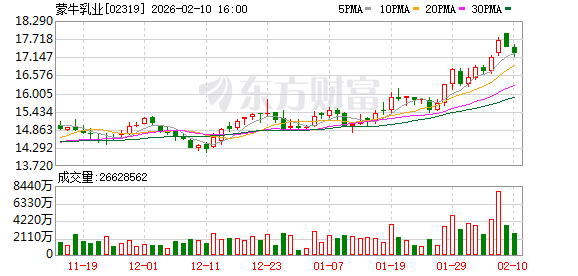
Core Viewpoint - The second "China Night" event, hosted by Mengniu Group and guided by the Chinese Olympic Committee, aims to promote Chinese sports culture and the Olympic spirit while fostering international cultural exchange [2][3]. Group 1: Promotion of Sports Culture Exchange - The "China Night" event serves as a bridge for international sports culture exchange, having been held twice from the 2024 Paris Olympics to the 2026 Milan-Cortina Winter Olympics [3]. - Mengniu Group, as an Olympic global partner, embodies the Olympic motto of "Faster, Higher, Stronger - Together" by promoting health and nutrition through its products at the Olympic venues [3]. Group 2: Commitment to Sustainability - Mengniu Group and TCL Group launched the "Green Partnership Guardian Plan" to promote sustainable practices and contribute to global health [4]. - Since 2009, Mengniu has planted 98 million desert plants, transforming over 220 square kilometers of desert into a green oasis [4]. Group 3: Nutritional Support for Athletes - Mengniu Group provides high-quality dairy products, including whole milk, lactose-free yogurt, and butter, to support the nutritional needs of athletes at the Milan Winter Olympic Village [5][6]. - The products cater to diverse dietary requirements, ensuring athletes receive essential nutrients for high-intensity performance [6]. Group 4: Cultural Exchange through Art - The event featured performances that highlighted the beauty of cultural integration between China and Italy, including a rendition of Puccini's opera and traditional Chinese songs [7]. - A unique "China-Italy family banquet" showcased cultural elements from both nations, enhancing the event's cultural significance [7]. Group 5: Brand Storytelling and Global Presence - Mengniu's advertisement "Opening" emphasizes the brand's journey and commitment to excellence, showcasing its growth from a small company to a leading global dairy brand [9]. - The advertisement reflects the spirit of Chinese enterprises in the global economy, reinforcing Mengniu's role in promoting the Olympic movement and cultural exchange [9].


Property Play: Saint-Gobain North America's chief talks building materials of the future
Youtube· 2026-02-10 13:24
Core Viewpoint - Sangobane is significantly increasing its investment in North America, driven by strong market fundamentals and a pressing need for residential construction and renovations [1][2]. Investment Strategy - The company has invested €7 billion in North America over the past five to six years, focusing on acquisitions and organic growth, including new plant expansions in Montreal, Florida, and Georgia [1][2]. - Sangobane's market capitalization is approximately €45 billion, indicating a robust financial position to support its expansion efforts [1]. Market Demand - There is a need for nearly 4 million new homes in the U.S. to meet population growth, alongside substantial renovation requirements in the commercial sector [1][2]. - Over 50% of Sangobane's business is derived from renovation and remodeling, which provides a buffer against fluctuations in new home construction [2]. Construction Efficiency - The company offers solutions like One Precision Assemblies, which allow for faster home construction by pre-assembling walls and roofing, potentially tripling the number of homes a builder can construct [2]. - Local manufacturing capabilities enable Sangobane to address supply chain challenges effectively, ensuring timely delivery of materials [1][2]. Commercial Sector Insights - Approximately 30-35% of Sangobane's North American business is in the commercial sector, where there is a growing emphasis on occupant comfort and building performance [2]. - The company is actively involved in enhancing the acoustic and environmental performance of commercial buildings, which is increasingly important for attracting tenants [2]. Sustainability Commitment - Sangobane is focused on sustainability, aiming to reduce greenhouse gas emissions associated with the built environment, which accounts for 40% of global emissions [7][8]. - The company is committed to using recycled materials and energy-efficient processes in its manufacturing, with a goal of maintaining cost competitiveness while improving sustainability [9][12]. Future Outlook - The company anticipates a surge in demand for renovations as a significant portion of the housing stock is over 40 years old and requires updates [24]. - Sangobane is preparing for a demographic shift where younger generations will enter the housing market, further driving the need for new homes [25].


聚焦交通强国建设与可持续转型《中国交通运输行业企业可持续发展报告(2025)》蓝皮书出版发布
Xin Lang Cai Jing· 2026-02-10 09:49
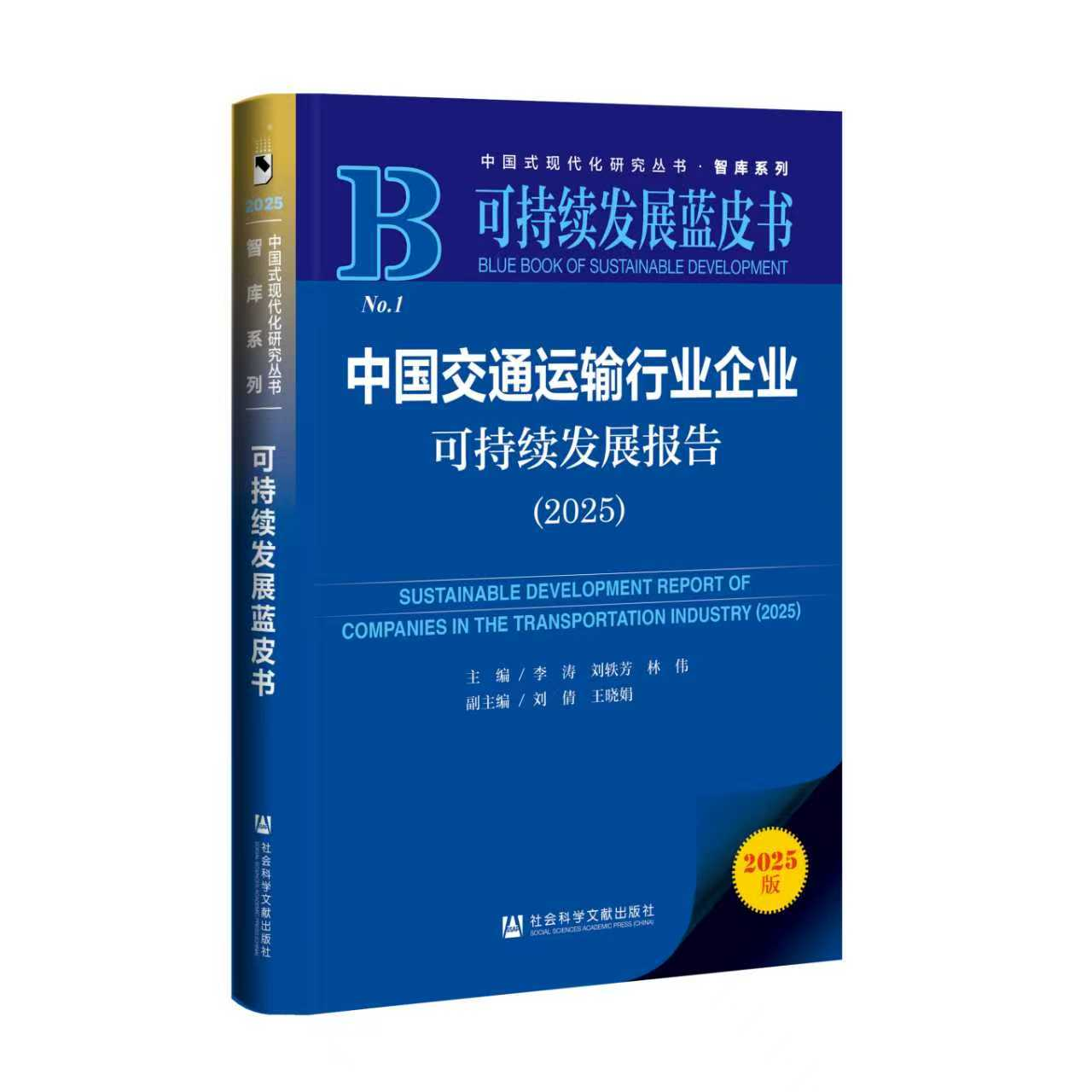
Core Insights - The "Sustainable Development Blue Book: Sustainable Development Report of China's Transportation Industry Enterprises (2025)" evaluates the progress, challenges, and future paths of sustainability in the transportation sector, based on a sample of 244 listed companies [3][9] - The transportation industry in China is transitioning from an "element-driven, scale expansion" model to an "innovation-driven, quality and efficiency" model, which is crucial for achieving national carbon neutrality goals [3][9] - As of April 2025, 156 companies have disclosed sustainability reports, achieving a disclosure rate of 64%, indicating a growing awareness of sustainability in the industry [3][9] Industry Challenges - The transportation sector exhibits a "layered" performance across its sub-sectors, with the aviation sector leading in sustainability disclosures, while logistics still has significant room for improvement [4][10] - There are issues with the comparability and verifiability of disclosed information, with some companies facing challenges such as non-uniform disclosure standards and lack of third-party verification, leading to "greenwashing" risks [4][10] - Despite over 90% of sampled companies achieving a BB rating or above in sustainability performance for 2024, many still struggle with translating strategic goals into actionable management practices [4][10][11] Recommendations for Development - The report suggests a three-pronged action framework focusing on standards, finance, and technology to enhance sustainability in the transportation sector [5][11] - Establishing a unified ESG indicator system and accounting standards is essential to address the quantification challenges of carbon emissions and value chain responsibilities [5][11] - Financial tools such as green bonds and transition finance should be leveraged to reduce transformation costs, while technology should support initiatives like shore power usage and clean fuel alternatives [5][11]
绿色激活发展新动能(编辑手记)
Ren Min Ri Bao· 2026-02-10 07:15
《人民日报》(2026年02月10日03版) 责编:秦雅楠、王瑞景 中国与中亚开展绿色合作理念契合、优势互补,顺应全球绿色发展大势,是中国推动全球可持续发展的 缩影。中国以实际行动推动全球南方向新向绿而行,共逐"各国建设绿色家园"之梦,携手创造更多绿色 发展奇迹。(龚鸣) 在中亚地区漫长而寒冷的冬季,记者外出采访遭遇深入骨髓的"冷",写下的故事却是沁人心脾的"暖"。 在中亚各大城市用电紧张的季节,来自中国的绿色能源技术为当地人民生活增添暖意、为城市发展提振 信心。 近年来,在元首外交战略引领下,中国—中亚机制平稳运行,经贸合作向新向优,高质量共建"一带一 路"走深走实。尤为值得一提的是,"绿色"已成为中国中亚合作新底色。在第二届中国—中亚峰会成果 清单上,绿色矿产、绿色基础设施、绿色技术、清洁能源等被多次提及。中国与中亚国家绿色合作潜力 不断释放,激活可持续发展新动能,为构建更加紧密的中国—中亚命运共同体增添勃勃生机和旺盛活 力。 ...
玲珑轮胎强势上榜!
Xin Lang Cai Jing· 2026-02-10 06:44
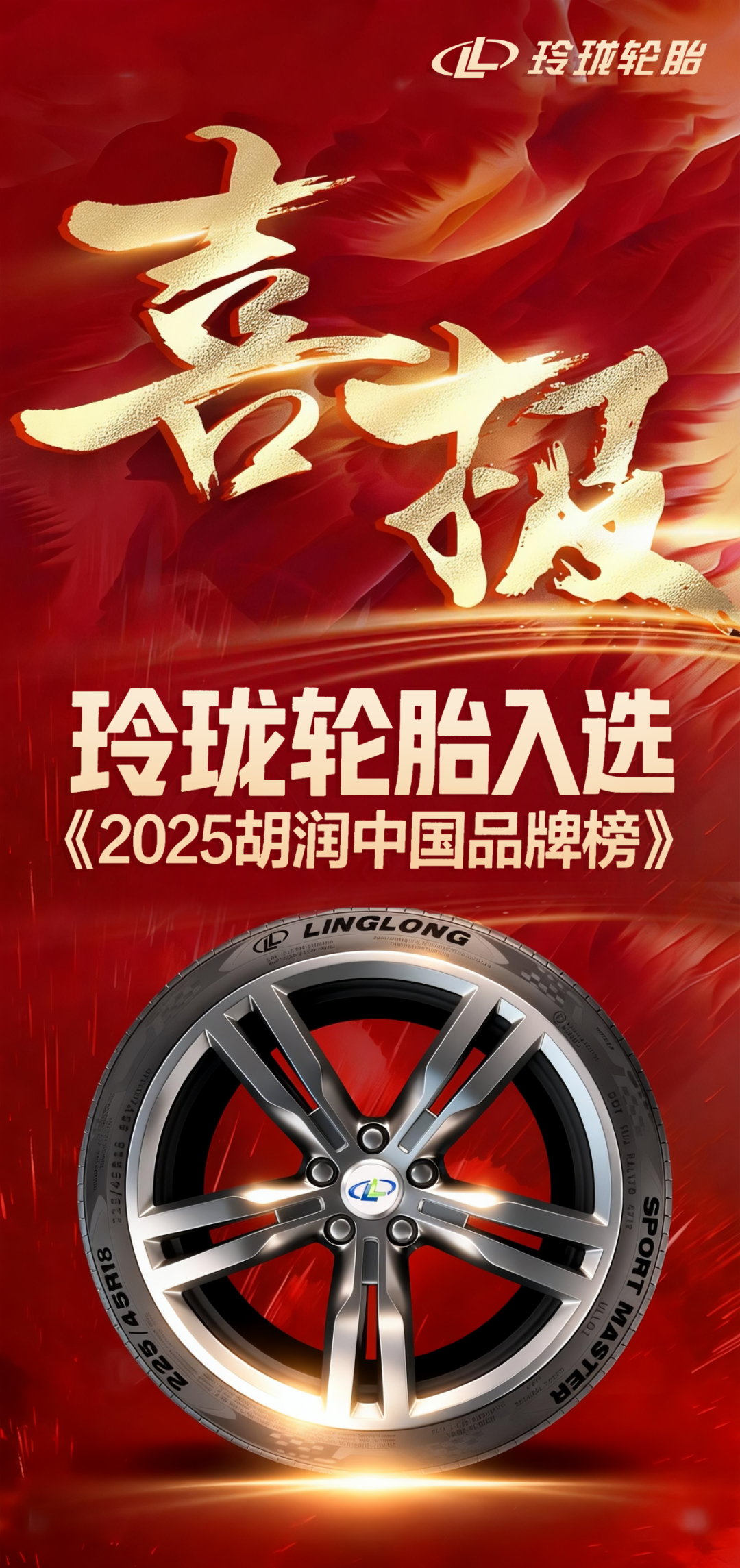
Core Insights - Linglong Tire has been recognized in the "2025 Hurun China Brand List" for its strategic foresight, product strength, responsibility, and global brand resonance, marking it as a typical example of the rising value of Chinese manufacturing in global competition and high-quality development [1][10] Global Strategy - Linglong Tire is launching a production base in Brazil in 2025, marking its third overseas factory after Thailand and Serbia, and the first entry of a Chinese tire manufacturer into the South American market [3][13] - This initiative enhances Linglong's "7+5" global strategic layout, significantly improving supply chain resilience and promoting Chinese tire manufacturing standards and management efficiency globally [3][13] Product Development - The company is committed to a high-end product strategy, launching two significant new products in 2025: the Linglong Master All-Terrain R/T tire and the Linglong Control Puncture-Resistant High-Performance tire [3][14] - Linglong has established a comprehensive high-end product system covering various segments, including urban SUVs, luxury cars, and off-road tires, which enhances brand premium capability and market presence [3][14] Sustainability Initiatives - Linglong Tire integrates sustainable development into its operations, focusing on four core areas: "Green Linglong, Smart Linglong, Harmonious Linglong, and Steady Linglong," with an emphasis on low-carbon innovation and compliance [6][16] - The company has developed a carbon footprint accounting system covering the entire product lifecycle, enhancing compliance management and adding a "responsibility premium" to the brand [6][16] Brand Communication - The company employs a three-pronged strategy of brand strategy upgrade, sports marketing penetration, and content enhancement to strengthen brand communication [8][18] - Linglong has established clear positioning for its six international brands, focusing on sustainability and youthfulness, while deepening partnerships with top global sports clubs to enhance emotional connections with consumers [8][18]

食角新赏 | “杏仁+”饮品迭代上新,抹茶、椰子等元素叠加强化营养与口感层次
Cai Jing Wang· 2026-02-10 06:25
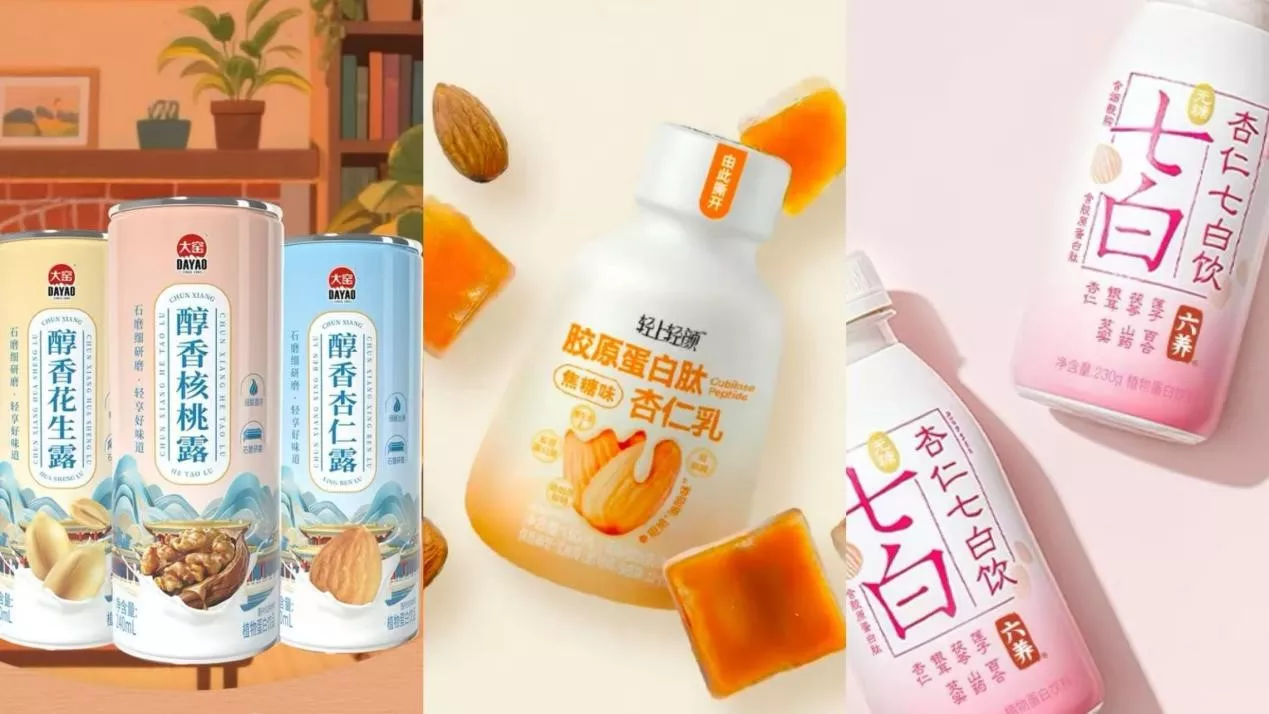
Core Insights - The almond beverage market is evolving beyond traditional almond milk, incorporating various elements like collagen peptides, coconut, and matcha, creating a new "almond +" category that presents potential opportunities [1][4] - The competition in the almond beverage sector is intensifying, with brands innovating in product forms and flavors to capture consumer attention [1][3] Product Innovation - Daoyao Beverage has launched a new product, "Chunxiang Almond Milk," which aligns with beverage consumption trends and aims to meet the demand for hot drinks during autumn and winter, thus breaking seasonal barriers [3] - The "almond +" model emphasizes combinations with other ingredients, such as collagen peptides and hyaluronic acid in products like "Light Up Light Face Almond Milk," and the blend of almond and coconut in "Huamingyuan Almond Coconut Juice" [3][4] Market Trends - The almond beverage sector is shifting from reliance on single products to a broader flavor symbol strategy, as seen with Chengde Lulu's introduction of almond + tea, almond + matcha, and almond + coffee products [4] - Sales channels for "almond +" beverages are primarily focused on online platforms, although they still lag behind traditional almond milk in sales volume [4] Consumer Preferences - The plant-based protein beverage category is experiencing a decline in market share and sales growth, with a reported decrease of approximately 0.6% in market share and a 12% drop in sales growth year-on-year [4] - Three driving forces are identified for the success of new plant-based protein beverages: seasonal flavors as a catalyst for new product launches, a combination of floral and fruity notes appealing to younger consumers, and the resonance of local memories with plant-based products [4][5] Future Outlook - The future of the plant-based protein beverage industry is expected to focus on building a "health ecosystem," with functional upgrades such as the introduction of probiotics and collagen in products [5] - Sustainable development and digital transformation are highlighted as key directions for industry advancement, with brands adopting carbon-neutral packaging and AI-driven customization models [5]
北交所周报:指数震荡调整,可持续发展信披指南修订发布-20260210
ZHONGTAI SECURITIES· 2026-02-10 05:44
Investment Rating - The industry investment rating is maintained at "Overweight" [1][27]. Core Insights - The report highlights that the overall performance of the Beijing Stock Exchange (BSE) is expected to show significant results in 2026, with a focus on high-quality development and investment opportunities in various sectors [6][25]. Summary by Sections BSE Market Overview - As of January 30, 2026, the BSE has 292 constituent stocks with an average market capitalization of 3.207 billion [4][10]. - The BSE 50 Index experienced a decline of 3.59%, closing at 1531.55 points, while the Shanghai and Shenzhen indices showed minor fluctuations [4][10]. - The average daily trading volume for the week was 28.731 billion, an increase of 7.20% from the previous week, with a turnover rate of 5.88% [4][15]. Sector Performance - The top five performing sectors on the BSE for the week were: - Oil and Petrochemicals: 33.99% - Media: 4.97% - Agriculture, Forestry, Animal Husbandry, and Fishery: 4.69% - Transportation: 2.28% - Communication: 2% [4][17]. New Stocks - One new stock was issued during the week, Meidel (920119.BJ), with updates on the status of other companies in the review process [5][22]. Key News - The BSE released a revised "Guidelines for the Preparation of Sustainable Development Reports" to enhance the quality of sustainability disclosures among listed companies [6][24]. - The first IPO of the year was accepted, with Beijing Huadian Guangda Environment Co., Ltd. aiming to raise approximately 260 million by issuing up to 32.2 million shares [6][24]. Investment Strategy - The report suggests focusing on the following sectors for investment in 2026: 1. Data Centers: KLT and Shuguang Data Creation 2. Robotics: Suzhou Axis, Audiwei, JunChuang Technology, and Fuheng New Materials 3. Semiconductors: Hualing Co. and Kaide Quartz 4. Consumer Goods: Taihu Snow, Boshenglong, Lusi Co., Kangbiter, and Thunder God Technology 5. Military Information Technology: Chengdian Guangxin and Xingtuzhihui [6][25].
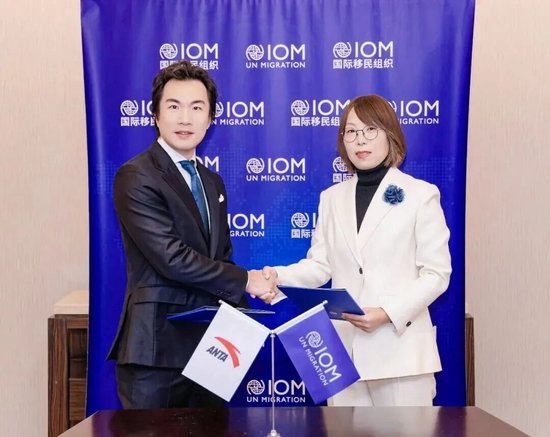
国际移民组织与安踏签署全球合作框架协议
Xin Lang Cai Jing· 2026-02-10 04:53
Core Points - The International Organization for Migration (IOM) and Anta have signed a three-year global cooperation framework agreement focusing on technology support, humanitarian aid, and sustainable development initiatives [1][6] - This collaboration aims to enhance the protection of migrant workers' rights and improve the welfare of vulnerable groups, aligning with the United Nations Sustainable Development Goals (SDGs) [1][6] - The partnership marks IOM's first collaboration with a Chinese enterprise on migrant worker rights, showcasing a positive example for responsible business practices [1][6] Company Overview - Anta Group, founded in 1991, is the third-largest sportswear company globally, involved in the design, research, manufacturing, promotion, and sales of sports products [10] - The company owns several brands, including Arc'teryx, Salomon, Wilson, and Atomic, expanding its market presence beyond its own brand [10] Industry Context - The collaboration between IOM and Anta reflects a growing trend among Chinese companies to enhance responsible supply chain compliance and deepen ESG practices as they expand internationally [1][6] - IOM has been a leading agency in the migration sector for over 70 years, advocating for safe and orderly migration that benefits both migrants and societal development [5][11]
印度两贸易协定搅动全球能化市场
Zhong Guo Hua Gong Bao· 2026-02-10 03:38
Group 1 - India has made significant progress in trade negotiations, reaching agreements with the EU and the US, marking a major shift in its foreign trade strategy [1] - The agreements involve substantial tariff reductions, with over 90% of bilateral tariffs being cut, and commitments in sectors like automotive and wine, alongside strategic cooperation in defense and technology [1] - India has pledged to procure $500 billion worth of US goods and cease oil purchases from Russia, shifting its imports to the US and Venezuela [1][2] Group 2 - India's commitment to stop purchasing Russian oil will significantly alter the global crude oil trade, as it was previously importing about 40% of its oil from Russia [2] - The shift in oil sourcing will impact India's domestic refining costs, as it transitions from cheaper Russian oil to potentially more expensive US oil or Venezuelan heavy crude [2] - The Indian chemical industry is expected to face cost pressures due to changes in feedstock sourcing, which may affect its competitiveness in export markets [2] Group 3 - The EU's stringent environmental and chemical management standards will likely influence India's industrial standards, necessitating compliance for Indian manufacturers to benefit from tariff reductions [3] - The trade agreements may drive India’s chemical industry towards higher value-added production and innovation, supported by investments from Europe in green energy and advanced materials [3] - The Indian chemical sector is at a critical transformation point, moving from scale-driven growth to value-led and innovation-driven models, influenced by sustainability and digitalization [3] Group 4 - The Indian chemical market is projected to grow from $220 billion in 2023 to between $400 billion and $450 billion by 2030, with potential to reach $850 billion to $1 trillion by 2040 [4] - The growth is driven by increasing per capita consumption of polymers, which is currently low at 15 kg, and geopolitical shifts that position India as a strategic alternative to China [4] - The demand for petrochemical products in India is expected to grow at an annual rate of 8% to 10%, outpacing GDP growth, fueled by urbanization and infrastructure development [4] Group 5 - S&P predicts that under the influence of the trade agreements, India's petrochemical demand will have a compound annual growth rate of 8% over the next decade, potentially surpassing the US to become the second-largest polyethylene market by 2034 [5]
万象更“新” 无限可“能” ——探访中国新能源项目建设运营一线
Zhong Guo Hua Gong Bao· 2026-02-10 03:22
Group 1: Biomass Gasification Project - The "Donghua Furnace" is a biomass gasification core device developed by Donghua Engineering Technology Co., which successfully produced synthesis gas from agricultural waste [4][5] - The gasification process can reduce carbon emissions by 70% to 90% compared to fossil fuels, producing high-value green chemicals and sustainable aviation fuel [4][5] - The project aims to enhance the value of agricultural waste and promote local economic development while reducing reliance on coal [6][7] Group 2: Hydrogen Production Project - The "Hydrogen Boat" project in Panzhihua is set to launch the world's first commercial production line based on "concentrated solar water electrolysis" technology, with an expected annual hydrogen output of 200 tons by December 2025 [8][9] - This innovative technology allows for a direct energy conversion from solar to hydrogen, significantly improving production efficiency [9][10] - The project has attracted interest from multiple government and corporate entities, indicating strong market potential for green hydrogen applications in industries such as metallurgy and chemicals [11][12] Group 3: Geothermal Heating in Xiong'an - Xiong'an New Area has implemented geothermal heating, replacing traditional coal heating and significantly reducing carbon emissions [15][16] - The geothermal energy system utilizes underground heat sources, achieving a heating area of 2.6 million square meters and reducing CO2 emissions by 14,140 tons annually [16][17] - The integration of geothermal heating with solar energy and smart grid technology aims to create a near-zero carbon energy microgrid [17][18] Group 4: Controlled Nuclear Fusion Research - New Hope Group is advancing controlled nuclear fusion technology, with the goal of making it a viable energy source within the next 20 years [19][20] - The team has achieved significant milestones, including the world's first megampere-level hydrogen-boron fusion discharge, positioning them at the forefront of global fusion research [20][21] - The initiative emphasizes the importance of talent development and collaboration with various research institutions to support the long-term goals of fusion energy commercialization [21]

