
宏观调控

Search documents
连平:此时降准,将发挥多重作用
Sou Hu Cai Jing· 2025-05-07 04:01
目前美国对华综合累计税率已超过100%,今后还有可能会有更多的不确定性。这将不可避免地对中国出口、消费、投资乃至于GDP产生重大冲击。初步估 算,美国对华关税每加征10%,中国出口或下降2%-2.5%,在美国关税未减免的情况下,2025年中国出口有可能下滑8%-10%;2026年出口增速可能进一步 下降15%左右。随着出口受阻,消费和投资领域也将出现连锁效应,对出口、消费、投资的变化如果不加干预,不排除极端情况下2025年中国GDP增速可能 下降1.0-1.5个百分点。同时,股票市场也出现了较大波动。 除了支持政府债券发行之外,一方面需要支持商业银行加大信贷投放,尤其是增加对出口、农业、"卡脖子"等相关行业企业的资金支持。另一方面,还需要 支持政策性银行、商业银行、证券、保险、基金等头部金融机构与大型央企集团、众多上市公司增持金融资产,稳定股市,稳定市场信心。综合来看,市场 存在较大的资金缺口。 2.年内存准率还有进一步下调的空间 存准率变动与国内经济发展需求密切相关,服务于宏观调控的政策目标。随着我国金融市场总体规模逐步扩大,货币政策总量调节的传导链条将更加复杂, 存准率对市场总量的调节难度上升。我国货币政 ...

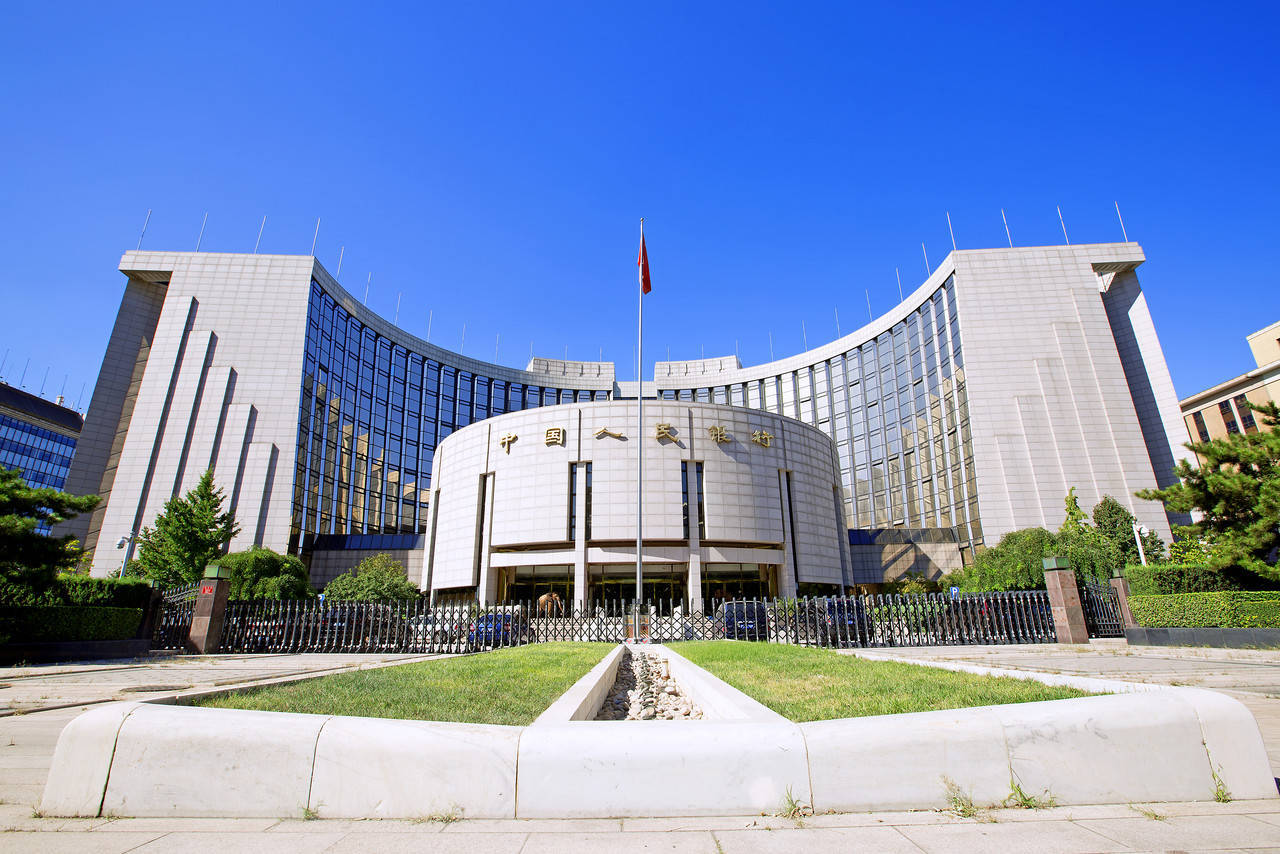
央行行长潘功胜:将加大宏观调控强度 推出三大类、十项措施
Qi Huo Ri Bao Wang· 2025-05-07 02:06
Core Viewpoint - The People's Bank of China (PBOC) is implementing a comprehensive set of monetary policy measures to stabilize the market and expectations amid external shocks, with a focus on enhancing liquidity and supporting key sectors [1][2][3][4] Group 1: Monetary Policy Measures - The PBOC will introduce ten specific measures categorized into three main types: quantity-based, price-based, and structural policies [1][2] - Quantity-based policies include a 0.5 percentage point reduction in the reserve requirement ratio (RRR), expected to provide approximately 1 trillion yuan in long-term liquidity [1] - Price-based policies involve lowering the policy interest rate by 0.1 percentage points and reducing various structural monetary policy tool rates by 0.25 percentage points [2] - Structural policies aim to enhance existing tools and create new ones to support technology innovation, consumption expansion, and inclusive finance [3] Group 2: Specific Policy Details - The RRR for auto finance and financial leasing companies will be reduced from 5% to 0% [1] - The 7-day reverse repurchase rate will decrease from 1.5% to 1.4%, likely leading to a similar drop in the Loan Prime Rate (LPR) [2] - The personal housing provident fund loan rate will be lowered by 0.25 percentage points, with the five-year and above first home rate dropping from 2.85% to 2.6% [2] - An additional 300 billion yuan will be allocated to technology innovation and technical transformation re-loans, increasing the total to 800 billion yuan [3] - A new 500 billion yuan re-loan for service consumption and elderly care will be established to encourage bank lending in these areas [3] - The total amount for capital market support tools will be combined to 800 billion yuan, optimizing the use of securities and stock repurchase loans [3] - A risk-sharing tool for technology innovation bonds will be created, allowing the PBOC to provide low-cost re-loan funds for purchasing these bonds [3]
财政部部长蓝佛安最新发声!
证券时报· 2025-05-03 11:58
Core Viewpoint - The article emphasizes the need for a more proactive fiscal policy in China, as outlined by the Central Economic Work Conference, aiming for a deficit rate of 4% in 2023, the highest in recent years, to support economic growth and stability [1][15]. Policy Goals - The fiscal policy aims to integrate economic and social development goals, increase counter-cyclical adjustments, raise the deficit rate, and optimize expenditure structure while maintaining necessary spending intensity [15][16]. - The deficit scale is set at 5.66 trillion yuan, an increase of 1.6 trillion yuan from the previous year [15]. Tools Arrangement - The government plans to utilize various fiscal tools, including government bonds, fiscal subsidies, special funds, and tax incentives, to enhance policy coordination across fiscal, monetary, employment, industrial, and regional policies [16]. - A total of 11.86 trillion yuan in new government bonds will be issued, an increase of 2.9 trillion yuan from last year, to support investment and financial stability [16]. Focus Areas - The fiscal policy will target weak links in high-quality development and economic circulation, with increased support for education, science and technology, social security, and health care, all seeing budget increases of over 5% [2][16]. - Central government transfers to local governments will be increased to 10.34 trillion yuan, a year-on-year growth of 8.4%, enhancing local financial support [2][16]. Implementation Rhythm - The government emphasizes a proactive approach to policy implementation, ensuring timely execution of confirmed policies and preparing for new policies to align with market expectations [2][16]. Economic Context - The article highlights the challenges posed by external factors, such as the U.S. imposing "reciprocal tariffs," which necessitate a robust fiscal response to mitigate adverse impacts on China's economy [3][18]. - The fiscal policy is seen as a critical tool to counteract these external risks and support sustainable economic growth [3][18]. Achievements and Future Directions - The implementation of fiscal policies has already shown positive effects, with GDP growth of 5% in the previous year and a strong start to the current year [9][18]. - The government aims to further enhance fiscal policy effectiveness through reforms and improved management practices, focusing on high-quality development and addressing key economic challenges [17][20].

直面关税战,锻造经济韧性——2025新京智库春季论坛成功举办
Xin Jing Bao· 2025-04-23 02:21
十四届全国政协委员、国务院发展研究中心原副主任余斌在2025新京智库春季论坛作主旨发言。 十四届全国政协委员、国务院发展研究中心原副主任余斌表示,应对特朗普2.0冲击,我们应当建设"民 生中国",这不仅是应对短期经济下行的必要之举,更是推动中国经济进入高质量发展阶段的战略选 择。"只有当老百姓对未来有信心、有保障,消费才可能真正释放。" 新京报讯(记者肖隆平)4月22日,由新京报社主办的主题为"直面关税战,锻造经济韧性——2025新京 智库春季论坛"在京成功举办。本次论坛汇集了国内各领域专业力量,邀请多位权威专家,立足中国, 解读趋势,助力我国经济社会高质量发展。 中国社科院旅游研究中心特约研究员、中国旅游报社原社长高舜礼表示,近年来我国旅游市场呈现快速 恢复态势,旅游发展转型升级取得较明显成绩,但个别地方仍存在过度依赖门票经济、投资开发急功近 利的问题。要想真正实现旅游高质量发展,加快旅游强国建设不仅在于游客数量和消费规模,更应注重 产业素质和服务质量,注重公平普惠,让更多人,尤其是老年人、残疾人等群体也能广泛参与和共享旅 游发展的成果。 中国社会科学院学部委员、中国社会科学院原副院长高培勇在2025新京智 ...
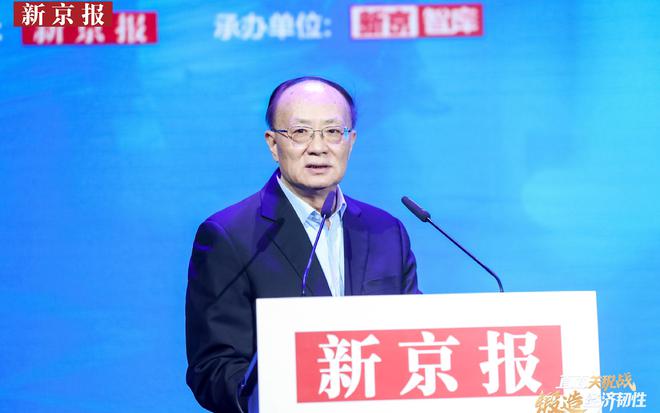
高培勇:宏观调控的政策调整和改革行动如车之两轮,缺一不可
Xin Jing Bao· 2025-04-23 02:14
从这个意义上讲,当下的宏观调控所需依托的载体是双重的,既有侧重于扩大需求的政策调整,也有侧 重于稳定预期的改革行动。所需依托的载体既然是双重的,宏观调控就要在政策与改革两个系统上同时 着力,既要通过政策调整,有效解决短期的问题和矛盾,又需立足于改革行动致力于解决长期的问题和 矛盾。 新京报讯(记者柯锐)4月22日,在新京报主办的主题为"直面关税战,锻造经济韧性——2025新京智库 春季论坛"上,中国社会科学院学部委员、中国社会科学院原副院长高培勇表示,改革与政策是宏观调 控的双引擎。在应对当下的更趋严峻复杂的外部环境的挑战中,宏观调控领域的政策调整和改革行动如 同车之两轮、鸟之两翼,缺一不可。 在高培勇看来,改革与政策可谓宏观调控的双引擎,宏观调控是依托于政策调整还是依托于改革的行 动,或者同时依托于政策调整和改革行动,当然要取决于我们要解决什么样的问题,要实现什么样的目 标。 高培勇认为,当前面对主要由预期和信心变化引致的经济波动,围绕同时实现扩大需求和稳定预期的双 重宏观调控目标,宏观调控所需依托的载体则相对复杂,不那么单一了。这是由其所需解决的问题和所 需实现的目标的相对复杂性所决定的。 "在这样的背景 ...
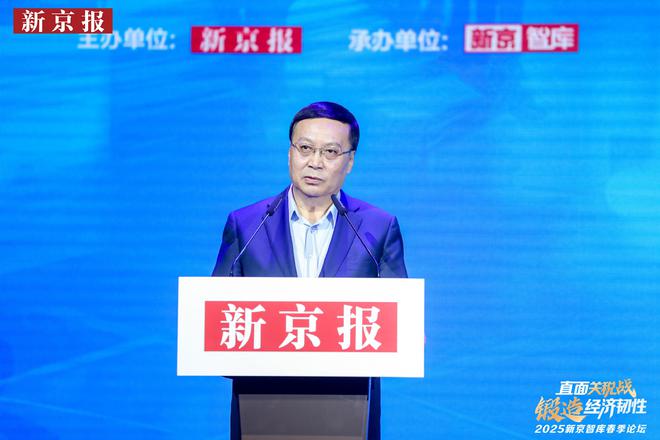
高培勇:宏观调控要在病灶和病源两个层面同时着力,标本兼治
Xin Jing Bao· 2025-04-23 02:08
新京报讯(记者柯锐)4月22日,在新京报主办的主题为"直面关税战,锻造经济韧性——2025新京智库 春季论坛"上,中国社会科学院学部委员、中国社会科学院原副院长高培勇表示,当下宏观调控所需解 决的问题至少是双重的,既有需求不足的"老"问题,也有预期偏弱的"新"问题,宏观调控要在病灶和病 源两个层面同时着力,既着眼于治标,又着重于治本,标本兼治。 高培勇表示,以往经济运行当中面对的困难和挑战多可归结于因社会总供求失衡而导致的经济波动,而 当前我们面对的经济运行当中的困难和挑战,则相对复杂得多。 虽然同样表现为经济波动,虽然同样可以从中发现社会总供求失衡的身影,但顺藤摸瓜,透过经济波动 和社会总供求失衡而深入到其本质,仔细比对之后,会发现其背后的深层原因在于预期偏弱,故而当下 宏观调控所需解决的问题便不那么单一了。 在高培勇看来,如果将有效需求不足视作病灶,那么其背后的深层病源则是预期偏弱,因预期偏弱而导 致有效需求不足,进而导致社会总供求失衡,是当下宏观调控所需解决的问题的复杂性之所在。"这意 味着当前中国宏观经济运行中的突出矛盾,较之于以往在发生变化,这就是由社会总供求失衡引致的经 济波动,延伸为由预期和信心 ...
高培勇:提高宏观调控的前瞻性有效性针对性
Xin Jing Bao· 2025-04-23 02:08
4月22日,在新京报主办的"直面关税战,锻造经济韧性——2025新京智库春季论坛"上,中国社会科学 院学部委员、中国社会科学院原副院长高培勇在题为"如何提高宏观调控的前瞻性、有效性、针对性"的 主旨演讲中表示, 在特朗普发动贸易战、发动关税战的背景下,更加严峻复杂的外部环境对我国的宏 观调控提出了新的更高的要求。如何提高宏观调控的前瞻性、针对性、有效性,这是摆在我们面前的一 个必须回答的重大课题。 坚持问题导向,以真正找准问题为前提 在高培勇看来,以往经济运行中,面对的困难和挑战多可归结于因社会总供求失衡而导致的经济波动。 在这种背景条件下,宏观调控所需解决的问题往往是相对单一的。"但是当前我们面对的经济运行中的 困难和挑战,则相对复杂得多。虽然同样表现为经济波动,虽然同样可以从中发现社会总供求失衡的身 影,但顺藤摸瓜,透过经济波动和社会总供求失衡而深入到其本质,会发现其背后的深层原因在于预期 偏弱,故而当下宏观调控所需解决的问题便不那么单一了。" 高培勇认为,在兼容扩需求和稳预期双重目标的同时,以稳预期来支撑扩需求,是当下宏观调控所需实 现目标复杂性的原因。鉴于当前有效需求不足和预期偏弱,有病灶和病源之别, ...
前两个月人民币贷款增加6.14万亿元 金融总量有望维持合理增长
Zhong Guo Jing Ji Wang· 2025-03-15 01:20
Group 1: Monetary and Credit Growth - As of the end of February, the broad money supply (M2) reached 320.52 trillion yuan, growing by 7% year-on-year [6] - The balance of RMB loans stood at 261.78 trillion yuan, with a year-on-year increase of 7.3% [3] - The total social financing stock was 417.29 trillion yuan, reflecting an 8.2% year-on-year growth [4] Group 2: Loan and Financing Structure - In the first two months of the year, RMB loans increased by 6.14 trillion yuan, with corporate loans accounting for 5.82 trillion yuan of this total [2] - The balance of inclusive small and micro loans reached 33.43 trillion yuan, growing by 12.4% year-on-year, while medium to long-term loans for manufacturing increased by 10.3% [3] - The average interest rate for newly issued corporate loans was approximately 3.3%, down about 40 basis points from the previous year [3] Group 3: Social Financing and Government Bonds - The cumulative increase in social financing for the first two months was 9.29 trillion yuan, which is 1.32 trillion yuan more than the same period last year [4] - In February, the issuance of local government bonds accelerated, with nearly 800 billion yuan issued for debt replacement, exceeding one-third of last year's total [4] - The net financing of corporate bonds has also seen rapid growth, supported by low bond market interest rates [4] Group 4: Economic Outlook and Policy Implications - Experts suggest that the financial system will continue to support the real economy's recovery and high-quality development due to stable credit growth and effective macro policies [1][2] - The central bank has indicated that it will maintain a proactive monetary policy to address uncertainties in the external environment while ensuring stable economic growth [7] - There is potential for further monetary policy adjustments to enhance support for key sectors and promote economic transformation [7]
NIFD季报:经济回升、外部环境变化与政策支持
Guo Jia Jin Rong Yu Fa Zhan Shi Yan Shi· 2025-03-12 08:40
Economic Overview - In 2024, China's GDP reached approximately 135 trillion yuan, growing by 5.0% year-on-year, with a five-year average growth rate of 4.9%[11] - The Consumer Price Index (CPI) increased by 0.2%, while the Producer Price Index (PPI) fell by 2.2%[11] - The urban unemployment rate averaged 5.1%, with 12.56 million new urban jobs created, exceeding the target of 12 million[11] Investment Trends - Fixed asset investment grew by 3.2%, with manufacturing investment increasing by 9.2% and infrastructure investment rising by 4.4%[24] - Real estate investment declined by 10.6%, marking a significant drop compared to previous years[24] Trade and Exports - China's total goods trade reached $6.16 trillion, with exports of $3.58 trillion (up 5.9%) and imports of $2.59 trillion (up 1.1%)[24] - The trade surplus was $992.2 billion, an increase of $168.9 billion from the previous year[24] Economic Forecast for 2025 - GDP growth is projected to be around 4.9%, with quarterly growth rates estimated at 5.0%, 5.2%, 4.9%, and 4.5%[43] - CPI is expected to show a gradual increase after a dip in February, while PPI may decline by approximately 2%[46] Policy Recommendations - Emphasis on macroeconomic regulation to stabilize overall demand and support structural reforms[47] - Implementation of more proactive fiscal policies and moderately loose monetary policies to enhance economic recovery momentum[47]
NIFD季报
IMF· 2025-03-12 02:52
Investment Rating - The report does not explicitly provide an investment rating for the industry Core Insights - The overall economic operation in China is stable and improving, particularly after the timely deployment of a package of incremental policies that boosted social confidence and led to a significant rebound in major economic indicators [4] - For 2025, China's GDP growth is expected to be around 4.9%, with inflation rates for CPI and PPI projected to remain stable [40][41] - The report emphasizes the importance of expanding domestic demand in light of increasing external uncertainties, particularly due to rising international trade protectionism [4][23] Summary by Sections 1. Review of China's Economic Operation in 2024 - In 2024, China's GDP reached approximately 135 trillion yuan, growing by 5.0% year-on-year, with quarterly growth rates showing fluctuations [8] - The CPI increased by 0.2%, while the PPI decreased by 2.2%, indicating ongoing downward pressure on prices [9][10] - The service sector's growth slowed significantly, contributing to the overall economic slowdown [11][34] 2. External Environment and Issues for 2025 - The report highlights the potential impact of rising tariffs and trade protectionism on China's exports, particularly from the U.S. [23][24] - It notes that the trade surplus with the U.S. was significant, and any changes in trade policy could affect China's economic growth [24] - The report anticipates that net exports will contribute less to economic growth in 2025 compared to previous years [21][39] 3. Basic Trends and Policy Discussion for 2025 - Fixed asset investment growth is expected to rebound slightly, driven by infrastructure and manufacturing investments, while real estate investment is projected to decline at a slower rate [38] - The report suggests that macroeconomic policies will be more proactive, with fiscal policies becoming more aggressive and monetary policies remaining moderately loose [42] - The anticipated GDP growth of 4.9% for 2025 is based on a combination of investment, net export changes, and a gradual increase in consumption [40][41]