贸易谈判

Search documents
韩美贸易谈判陷入“拉锯战”
第一财经· 2025-09-17 13:10
Core Viewpoint - The trade negotiations between South Korea and the United States regarding a $350 billion investment plan are facing significant challenges, with both sides having differing views on the specifics of the agreement [1]. Group 1: Negotiation Dynamics - South Korea's Minister of Trade, Industry and Energy, Kim Jong-hwan, emphasized that the current U.S. is fundamentally different from what it was 10 or 20 years ago, indicating the complexity of negotiating trade agreements under new circumstances [1]. - A senior official from the South Korean presidential office stated that the government will not rush into an agreement that severely harms the interests of South Korean companies, reinforcing the stance of not forcing companies to bear losses [1]. Group 2: Investment Agreement Details - Although a framework for the trade agreement was reached in July, specific execution plans have not yet been finalized [1]. - South Korean Prime Minister Kim Boo-kyum mentioned that the U.S. is requesting that the investment methods and profit distribution structures align with those used for Japan, which poses challenges given the scale of the South Korean economy [1].


韩媒:韩美贸易谈判陷入“拉锯战”
Xin Hua Wang· 2025-09-17 12:41
Group 1 - The core issue is the disagreement between South Korea and the United States regarding the specific plan for a $350 billion investment, leading to a protracted trade negotiation process [1] - South Korea's Minister of Trade emphasized that the current U.S. is fundamentally different from what it was 10 or 20 years ago, indicating the challenges in negotiating a trade agreement under pressure [1] - A senior official from the South Korean presidential office stated that the government will not sign an agreement that severely harms the interests of South Korean companies, reinforcing the stance of not forcing companies to bear losses [1] Group 2 - Although a trade agreement framework was reached in July, there is still no consensus on the specific execution plan [1] - The U.S. is requesting that the investment methods and profit distribution structures align with those used for Japan, which poses difficulties for South Korea due to its economic scale [1] - South Korea is engaged in negotiations to adjust the terms to better fit its actual economic conditions [1]
关税突发!美印重启谈判!
证券时报· 2025-09-17 05:20
Core Viewpoint - The trade relationship between the United States and India is showing signs of thawing as new rounds of bilateral trade agreement negotiations have been restarted, although India remains cautiously optimistic about the outcomes [2][4][6]. Group 1: Trade Negotiations - On September 16, a new round of bilateral trade agreement negotiations was initiated in New Delhi, marking a positive signal in the previously strained relationship [4]. - The U.S. delegation, led by Brendan Lynch, aims to engage with Indian officials to restart trade discussions [4]. - The negotiations were originally scheduled for late August but were postponed due to the imposition of high tariffs on Indian goods by the U.S. [5]. Group 2: Tariff Impact - The U.S. has imposed a total tariff rate of 50% on Indian imports, significantly affecting trade dynamics [5][10]. - In August, India's exports to the U.S. dropped from $8.01 billion in July to $6.86 billion, indicating the immediate impact of the tariffs [11]. - Overall, India's total exports fell to $35.1 billion in August, the lowest in nine months, with a trade deficit narrowing to $26.49 billion [12]. Group 3: Economic Projections - Analysts predict that the U.S. tariff policy could result in a loss of approximately $8 billion in exports for India, particularly affecting sectors like gems, jewelry, textiles, and chemicals [14]. - A think tank estimates that India's exports to the U.S. could decline by over 40% by 2026, potentially dropping to around $50 billion [13]. - The tariffs are expected to threaten hundreds of thousands of jobs in key export sectors, including textiles and jewelry [13].

黄金刷新历史高位-20250917
申银万国期货研究· 2025-09-17 00:47
Core Viewpoint - The article highlights the strong performance of the U.S. retail sales in August, which increased by 0.6% month-on-month, marking the 11th consecutive month of growth, suggesting robust consumer spending despite economic challenges. This may influence the Federal Reserve's decision on interest rate cuts [1][2][15]. Group 1: Key Economic Indicators - U.S. retail sales showed a month-on-month increase of 0.6% in August, surpassing the expected 0.2%, and a year-on-year growth of 2.1% [2][15]. - The Consumer Price Index (CPI) for August rose by 2.9% year-on-year, while the core inflation rate was at 3.1% [2][15]. - The Producer Price Index (PPI) unexpectedly decreased by 0.1% month-on-month, with a year-on-year increase of 2.6%, which was below the market expectation of 3.3% [2][15]. Group 2: Commodity Insights - Gold prices are expected to remain strong due to the anticipation of multiple interest rate cuts by the Federal Reserve, with a neutral expectation of three cuts within the year [2][16]. - Copper prices are likely to fluctuate within a range due to mixed factors, including tight supply and varying demand from sectors like electricity and automotive [3][17]. - Oil prices increased by 1.56% as OPEC+ countries decided to adjust their production levels, indicating a stable outlook for global economic growth [3][10]. Group 3: Policy and Regulatory Developments - The Chinese government, through the Ministry of Commerce and other departments, announced measures to expand service consumption, including optimizing student holiday arrangements and enhancing service supply [1][4]. - The ongoing trade negotiations between the U.S. and China are expected to influence market conditions, particularly regarding tariffs and inflation [2][15]. Group 4: Market Performance - The U.S. stock market showed volatility, with major indices experiencing fluctuations, indicating a period of consolidation after a prolonged uptrend [8][9]. - The bond market saw a decrease in yields, with the 10-year Treasury yield falling to 1.784%, reflecting increased expectations for interest rate cuts [9]. Group 5: Industry-Specific Developments - The real estate sector in China is facing challenges, with the launch of a direct sales platform by the China Real Estate Association aimed at improving market efficiency [6]. - The agricultural sector is experiencing mixed signals, with soybean planting area adjustments and expectations for supply improvements affecting market dynamics [20][24].

突传缓和信号!美印重启贸易谈判
Zheng Quan Shi Bao· 2025-09-16 23:53
Group 1 - The US and India have resumed bilateral trade agreement negotiations on September 16, signaling a potential thaw in their previously tense trade relations [1][2] - The US has imposed a total tariff rate of 50% on Indian imports, significantly higher than tariffs on other Asia-Pacific countries, which has led to a decline in India's exports to the US [2][4] - India's exports to the US fell from $8.01 billion in July to $6.86 billion in August, indicating the immediate impact of the US tariff policy [4][5] Group 2 - The overall export value of Indian goods decreased from $37.24 billion in July to $35.1 billion in August, marking a nine-month low [5] - The US is India's largest trading partner, with a total trade value of $78.35 billion in the first half of 2025, where India exported $56.3 billion and imported approximately $22 billion [5] - The imposition of high tariffs is expected to reduce India's exports to the US by over 40% by 2026, potentially dropping to around $50 billion [5][6] Group 3 - Key export sectors for India include textiles, jewelry, and gemstones, which are likely to face significant declines in export volumes due to the US tariffs [6] - Analysts estimate that the US tariff policy could cost the Indian economy billions of dollars, with approximately $8 billion worth of exports at risk [6] - The punitive trade measures by the US may negatively affect the stability of US-India relations, potentially inciting nationalist sentiments in India, which could pressure the Indian government to respond to the tariffs [6]
关税突发!刚刚,重启谈判!
券商中国· 2025-09-16 23:38
Core Viewpoint - The trade relationship between the United States and India shows signs of easing tensions as new rounds of bilateral trade agreement negotiations have resumed, despite previous high tariffs imposed by the U.S. on Indian imports [2][4][6]. Group 1: Trade Negotiations - On September 16, 2023, the U.S. and India restarted negotiations for a bilateral trade agreement in New Delhi, marking a positive signal in their previously strained relationship [2][4]. - The U.S. delegation, led by Brendan Lynch, aims to engage with Indian officials to discuss trade agreements, although specific details of the talks were not disclosed [4][6]. - The negotiations were initially scheduled for late August but were postponed due to the U.S. imposing additional tariffs on Indian goods [5][6]. Group 2: Impact of Tariffs - The U.S. has imposed a total tariff rate of 50% on Indian imports, significantly affecting trade dynamics, with India's exports to the U.S. dropping from $8.01 billion in July to $6.86 billion in August [2][10]. - India's overall exports fell to $35.1 billion in August, the lowest in nine months, with a trade deficit narrowing to $26.49 billion [10]. - The high tariffs have led to predictions that India's exports to the U.S. could decrease by over 40% by 2026, potentially falling to around $50 billion [10][11]. Group 3: Economic Consequences - The tariffs are expected to impact various sectors, particularly textiles, jewelry, and gems, with estimates suggesting that around $8 billion worth of Indian exports could be affected [11]. - The economic slowdown due to tariffs may result in a reduction of India's GDP growth by 0.5% to 1% [10]. - The imposition of tariffs has raised concerns about job losses in affected industries, with potential risks to tens of thousands of jobs [11].

美国招数全作废,又一新领域被中国卡脖子,现在轮到中国漫天要价!
Sou Hu Cai Jing· 2025-09-16 15:55
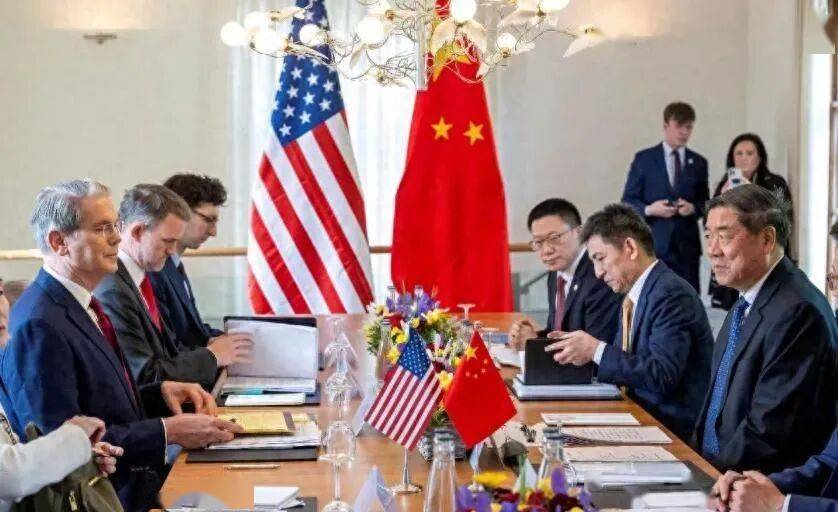
Group 1 - The ongoing trade negotiations between the US and China in Spain are facing a pessimistic outlook, with the US lacking sincerity in its approach [1] - US Treasury Secretary Bessent has stated that European countries need to take greater action in cutting off Russian oil revenue and ending the Russia-Ukraine conflict, while also threatening to impose high tariffs on China and India if Europe does not comply [1] - The US is attempting to rally its allies against China, but the feasibility of such actions is questionable given the intertwined economic relationships between these countries and China [1][2] Group 2 - A US corporate executive has indicated that using American parts instead of Chinese components would increase the cost of US-made drones by 100 times, highlighting the dependency on Chinese parts [2] - The US's previous ban on Chinese drones and components has backfired, revealing vulnerabilities in critical sectors where China holds significant leverage [2] - The balance of power in US-China relations is shifting, with China now in a position to demand more favorable terms from the US [2][5] Group 3 - Following the second round of negotiations, Bessent acknowledged progress in the trade agreement but noted that China made a "very aggressive request" that the US needs to consider further [4] - The current situation indicates that the US is in a position of needing concessions from China, reflecting a shift in negotiation dynamics [5]
集运日报:中美经贸问题举行会谈,现货价格悲观,国庆前货量堪忧,不建议继续加仓,设置好止损。-20250916
Xin Shi Ji Qi Huo· 2025-09-16 02:56
1. Report Industry Investment Rating - No specific industry investment rating is provided in the report. 2. Core Viewpoints of the Report - Amid geopolitical conflicts and tariff fluctuations, the game is challenging, so it is recommended to participate with a light position or wait and see [3]. - Near - month contracts may show weak and volatile trends due to the continuous decline of spot freight rates and the intensification of the Middle - East conflict, while far - month contracts may have strong and volatile trends due to the impact of China - US economic and trade talks [3]. - Attention should be paid to tariff policies, the Middle - East situation, and spot freight rates [3]. 3. Summary by Related Content Market Data - On September 15, the Shanghai Export Container Settlement Freight Index (SCFIS) for the European route was 1440.24 points, down 8.1% from the previous period; the SCFIS for the US West route was 1349.84 points, up 37.7% from the previous period [2]. - On September 12, the Ningbo Export Container Freight Index (NCFI) (composite index) was 903.32 points, down 11.71% from the previous period; the NCFI for the European route was 729.42 points, down 14.78% from the previous period; the NCFI for the US West route was 1216.14 points, down 9.13% from the previous period [2]. - On September 12, the Shanghai Export Container Freight Index (SCFI) announced price was 1398.11 points, down 46.33 points from the previous period; the SCFI European line price was 1154 USD/TEU, down 12.24% from the previous period; the SCFI US West route was 2370 USD/FEU, up 8.27% from the previous period [2]. - On September 12, the China Export Container Freight Index (CCFI) (composite index) was 1125.30 points, down 2.1% from the previous period; the CCFI for the European route was 1537.28 points, down 6.2% from the previous period; the CCFI for the US West route was 757.45 points, down 2.2% from the previous period [2]. - On September 15, the closing price of the main contract 2510 was 1163.1, with a decline of 1.57%, the trading volume was 17,800 lots, and the open interest was 47,800 lots, an increase of 161 lots from the previous day [3]. Economic Indicators - The eurozone's August manufacturing PMI was 50.5, the service PMI was 50.7, and the composite PMI was 51.1, showing continuous improvement [2]. - China's manufacturing PMI in August was 49.4%, up 0.1 percentage points from the previous month; the composite PMI output index was 50.5%, up 0.3 percentage points from the previous month [2]. - The US August S&P Global manufacturing PMI was 53.3, and the service PMI was 55.4, both higher than expected [2]. Geopolitical Events - On September 15, the Houthi armed forces in Yemen launched 4 drones to attack 2 Israeli targets, including 3 drones attacking Ramon Airport and 1 attacking an Israeli military target [5]. - On September 14, an air - raid alert was sounded near Ramon Airport, and the Israeli military intercepted a drone from Yemen [5]. - On September 14, Hamas suspended the cease - fire and hostage - exchange negotiations with Israel, blaming Israeli Prime Minister Netanyahu for obstructing the talks [5]. Strategy Suggestions - **Short - term Strategy**: For risk - takers, it is recommended to lightly test long positions near 1200 for the 2510 contract and increase long positions near 1600 for the 2512 contract. Pay attention to subsequent market trends, do not hold losing positions, and set stop - losses [4]. - **Arbitrage Strategy**: In the context of international situation turmoil, it is recommended to wait and see or lightly try due to large fluctuations [4]. - **Long - term Strategy**: It is recommended to take profits when the contracts rise, wait for the callback to stabilize, and then judge the subsequent direction [4]. Contract Adjustments - The daily limit for contracts 2508 - 2606 is adjusted to 18% [4]. - The margin for contracts 2508 - 2606 is adjusted to 28% [4]. - The daily opening limit for all contracts 2508 - 2606 is 100 lots [4].
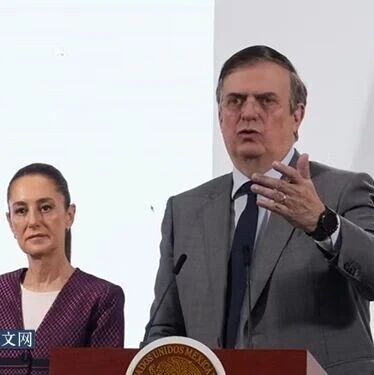
墨西哥将对中国汽车等征收最高50%关税,背后有何算盘
日经中文网· 2025-09-12 02:38
Core Viewpoint - Mexico is increasing tariffs on automobiles imported from China and other countries without trade agreements, aiming to protect domestic industries and strengthen its negotiating position with the United States [2][4][10]. Group 1: Tariff Increases - Mexico's Economy Minister, Ebrard, announced a tariff increase on cars imported from China from approximately 20% to 50% [2][4]. - The increase in tariffs will also apply to imports from countries such as South Korea, Thailand, India, Indonesia, Russia, and Turkey, while Japan is exempt due to an economic partnership agreement [4][5]. - The total number of product categories affected by the tariff increase is around 1,400, including automobiles, auto parts, clothing, and steel products [5]. Group 2: Strategic Intentions - The Mexican government aims to impose strategic tariffs on countries without trade agreements to create a fairer competitive environment [5][10]. - This move is seen as aligning with the U.S. government's stance to reduce trade deficits and prevent Chinese goods from entering Mexico through other Asian countries [6][10]. - Mexico's actions are intended to leverage its position in ongoing trade negotiations with the U.S., particularly in light of previous tariff discussions initiated by the Trump administration [10][14]. Group 3: Legislative Process - The Mexican government plans to submit a bill to Congress for the implementation of these high tariffs, with expectations of smooth passage due to the ruling coalition's majority [10][11]. - The budget proposal for 2026, which includes these tariff plans, is expected to be approved without significant obstacles [10].