
关税政策

Search documents
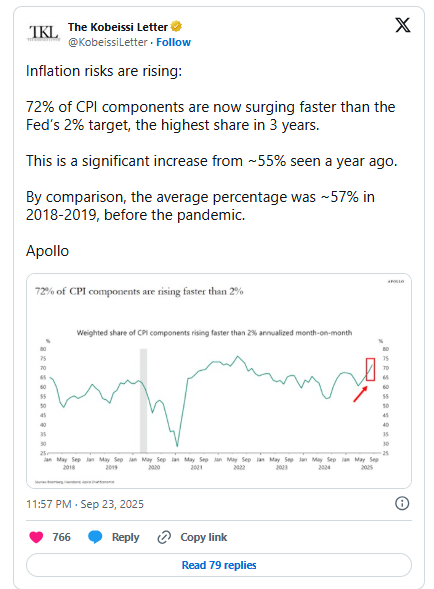
滞胀已至?超七成CPI成分涨幅超美联储目标
Jin Shi Shu Ju· 2025-09-25 08:58
Group 1 - Inflation pressures are rising, with 72% of Consumer Price Index (CPI) components currently exceeding the Federal Reserve's 2% target, marking the highest proportion in three years [2] - This percentage has significantly increased from 55% last year and is above the pre-pandemic average of 57% in 2018 and 2019 [2] - Apollo Global Management suggests that inflation in goods is rising again due to tariffs, raising concerns about a potential inflation rebound [2] Group 2 - The recent inflation surge coincides with the Federal Reserve's decision to lower interest rates from a range of 4.25%-4.50% to 4.00%-4.25% [3] - Analysts expect further rate cuts in October and December, with a possibility of a 50 basis point cut if the labor market weakens more than anticipated [3] Group 3 - The simultaneous rise in inflation and unemployment has created a dilemma for the Federal Reserve, with economists attributing this predicament to Trump's tariff policies [4] - Prominent economists, including Justin Wolfers, have indicated that stagflation is imminent, citing the current high inflation alongside rising unemployment [4] Group 4 - Former Treasury Secretary Lawrence Summers expressed concerns that the economy may be in the early stages of stagflation, noting that the full impact of tariffs has yet to be realized [6] - Summers also highlighted broader market sentiment risks, suggesting that consumer and business confidence may deteriorate further [6]

德副总理呼吁达成新贸易协定对抗美关税政策
Xin Jing Bao· 2025-09-25 06:14
Core Viewpoint - The German Vice Chancellor and Finance Minister emphasized that Europe is not in a position to influence future security policies on the continent, indicating a need for greater involvement and collaboration among European nations [1] Group 1: Challenges Facing the EU - The EU is facing numerous challenges and has significant work ahead to address these issues [1] - The Vice Chancellor expressed concerns about the current state of European security policy and the need for a unified approach [1] Group 2: Trade Policy and Relations - The Vice Chancellor criticized the trade policies of the Trump administration, asserting that they would lead to failure [1] - There is a call for new trade agreements with countries around the world to counteract the effects of the Trump administration's tariffs [1]
经典重温 | 美元:“巴别塔”的倒塌?(申万宏观·赵伟团队)
申万宏源宏观· 2025-09-25 05:14
Core Viewpoint - The article discusses the unexpected weakening of the US dollar since the implementation of Trump's tariffs on April 2, while the Chinese yuan remains under pressure. It analyzes the reasons behind the dollar's decline and the potential future trends for both the dollar and yuan [1]. Group 1: Recent Weakness of the US Dollar - Since January 10, the US dollar has been continuously weakening, with the dollar index dropping to 99.4 by April 17, a decline of 9.3%. The dollar's performance has shown a clear divergence against developed and emerging market currencies, with declines of 7.6% and 1.4% respectively [2][7]. - Prior to April 7, the primary reason for the dollar's weakness was the rising expectations of a US recession, as indicated by a drop in the Citigroup Economic Surprise Index from 14.5 to -19.5. This led to an increase in market expectations for interest rate cuts, which rose from 1.2 to 4.2 times by April 4, causing a significant drop of 62 basis points in the 10-year US Treasury yield [2][17]. - After April 7, despite a rebound in Treasury yields, the dollar continued to weaken, possibly due to overseas capital fleeing the US. This shift in market sentiment transitioned from "flight to safety" to "flight to non-US" assets [2][28]. Group 2: Future Outlook for the US Dollar - The uncertainty surrounding tariffs and other policies may continue to exert downward pressure on the US economy, potentially leading to further dollar weakness. The tariffs are expected to increase economic and trade uncertainties, impacting corporate activities and consumer confidence [3][39]. - The GTAP model suggests that the tariffs could reduce US GDP by approximately 3 percentage points. Historical patterns indicate that during recessions, the dollar typically strengthens; however, current concerns about US debt sustainability and Trump's isolationist policies may weaken the dollar's safe-haven status [3][52]. - The outflow of funds from US assets could diminish the likelihood of the dollar's typical "smile curve" behavior during a recession, as capital flows towards non-US assets increase [3][52]. Group 3: Implications for the Chinese Yuan - Despite the weakening dollar, the Chinese yuan has also depreciated, primarily due to the direct impact of tariff policies. Since April 2, while the dollar index fell by 4.1%, the onshore yuan depreciated by 0.4%, reaching a new low since the 2015 reform [4][61]. - Looking ahead, the depreciation pressure on the yuan may ease as external shocks diminish. The ongoing US economic downturn and capital outflows from the US could alleviate external pressures on the yuan [4][92]. - The People's Bank of China (PBOC) has tools to counter cyclical behaviors in the market, and the accumulation of approximately $123.9 billion in pending foreign exchange settlements since 2023 may provide a buffer for the yuan's stability [4][77].
立即调查!刚刚,特朗普怒了!
Sou Hu Cai Jing· 2025-09-25 03:52
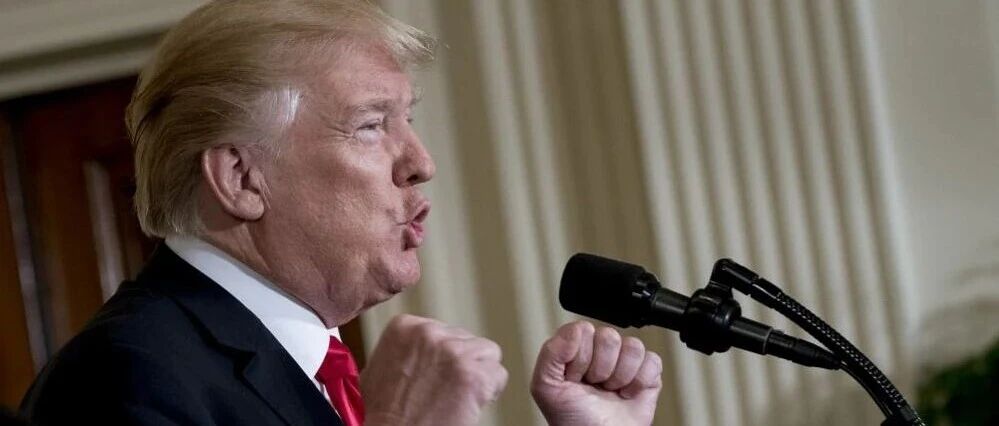
Group 1: UN Incident - President Trump expressed concerns over three "very sinister" incidents that occurred at the UN, including a malfunctioning escalator, a broken teleprompter, and audio issues during his speech [2][3] - Trump has requested an investigation from the UN Secretary-General and emphasized the need to preserve security footage from the escalator incident [2][3] - The White House press secretary suggested that these incidents may not be coincidental and indicated that the Secret Service is involved in the investigation [3] Group 2: Trade Agreement with EU - The Trump administration announced a formal implementation of a trade agreement with the EU, imposing a 15% tariff on EU-imported cars and automotive products starting August 1 [4][5] - This new tariff is significantly higher than the previous 2.5% tariff on EU cars before the global tariff imposition, indicating a substantial increase for the EU [5] - The EU's response to the agreement has been largely negative, with leaders expressing disappointment and viewing it as a capitulation to US demands [5] Group 3: Economic Indicators in Germany - The Munich-based Ifo Institute reported a decline in Germany's business climate index from 88.9 to 87.7, marking the first drop since January [6] - Key sectors such as manufacturing, services, and trade have shown decreased performance, with significant declines noted in the services sector, particularly in transportation and logistics [6] - Analysts suggest that the decline in business sentiment reflects growing concerns over the German economy's recovery, exacerbated by US tariffs and a stronger euro [6]
日本央行闪电决定出售ETF的幕后
日经中文网· 2025-09-25 02:34
Core Viewpoint - The Bank of Japan (BOJ) has decided to sell its holdings of exchange-traded funds (ETFs), a move perceived as unexpected by the market, which was carefully timed to minimize market impact [2][9]. Group 1: Decision-Making Process - The decision to sell ETFs was established as early as March 2024, prior to the lifting of the negative interest rate policy, with various options considered before settling on a gradual market sale strategy [4]. - The BOJ's approach involved private consultations with the Ministry of Finance, gradually narrowing down the options to a framework for selling ETFs in small amounts over an extended period [4][5]. Group 2: Historical Context of ETF Transactions - The BOJ began purchasing ETFs in October 2010 as part of a broader monetary easing strategy, with significant increases in purchase amounts over the years, culminating in a maximum annual purchase limit of 12 trillion yen in March 2020 [5]. - The BOJ's decision to cease new purchases in March 2024 marked a significant shift in its monetary policy, with the final sale of stocks purchased from Japanese banks expected to be completed by July 2025 [5]. Group 3: Market Reactions and Timing - Following the announcement of the ETF sale, the market experienced initial volatility, with the Nikkei index dropping over 800 points before recovering to a smaller decline by the end of the trading day [9][10]. - The timing of the decision was influenced by the political landscape, as the BOJ sought to act independently during a period of political transition in Japan, ensuring minimal interference from government entities [9]. Group 4: Future Implications - The BOJ president indicated that the process of selling ETFs could take over 100 years, suggesting a long-term strategy that would not disrupt the market significantly [10]. - The decision to sell ETFs may facilitate discussions regarding potential interest rate hikes in the future, as the BOJ navigates its monetary policy in a changing economic environment [10].

立即调查!刚刚,特朗普怒了!
券商中国· 2025-09-25 02:19
Group 1: Key Events at the United Nations - President Trump expressed concerns over three "very sinister" incidents that occurred during the UN General Assembly, including a malfunctioning escalator, a broken teleprompter, and audio issues during his speech, which he believes were not coincidental [2][3] - The White House press secretary suggested that these incidents might have been intentional acts against President Trump, prompting an investigation by the Secret Service [3] Group 2: Trade Agreement and Tariffs - The Trump administration announced a formal implementation of a trade agreement with the EU, imposing a 15% tariff on EU-imported cars and automotive products starting August 1 [4][5] - This new tariff is significantly higher than the previous 2.5% tariff on EU cars before the global tariff imposition, indicating a substantial increase in costs for EU exporters [5] - The EU's response to the agreement has been one of disappointment and criticism, viewing it as a capitulation to U.S. demands, particularly from countries heavily reliant on exports to the U.S. like Germany and Italy [6] Group 3: Economic Impact on Germany - Following the announcement of the new tariffs, Germany's business climate index fell from 88.9 to 87.7, marking the first decline since January of the year [6][7] - The decline in the business climate index reflects a decrease in satisfaction among German companies regarding their current business situation and a cautious outlook for the future, exacerbated by U.S. tariffs and a strong euro [7]
国际金融市场早知道:9月25日
Sou Hu Cai Jing· 2025-09-24 23:53
Group 1: Trade and Economic Policies - The United States has finalized a tariff agreement with the European Union, imposing a 15% tariff on EU automobiles and parts starting August 1, while certain pharmaceuticals, aircraft, and metals will be exempt from tariffs starting September 1 [1] - U.S. Treasury Secretary Becerra expressed dissatisfaction with Federal Reserve Chairman Powell for not establishing a clear agenda for interest rate cuts, advocating for a reduction of 100-150 basis points by year-end [1] Group 2: Monetary Policy and Economic Indicators - Federal Reserve official Daly fully supports the recent interest rate cut and suggests that further policy adjustments may be necessary to restore price stability while supporting the labor market [1] - Bank of England Governor Bailey indicated that there is still room for interest rate cuts, depending on the trajectory of inflation and current signs of labor market weakness [1] Group 3: Housing Market - In August, new home sales in the U.S. reached an annualized total of 800,000 units, significantly exceeding the expected 650,000 units, marking a 20.5% month-over-month increase, the fastest growth since early 2022 [1] - The inventory of unsold new homes fell to 490,000 units, the lowest level this year [1] Group 4: Global Market Dynamics - The Dow Jones Industrial Average decreased by 0.37% to 46,121.28 points, while the S&P 500 and Nasdaq Composite also saw declines of 0.28% and 0.33%, respectively [4] - COMEX gold and silver futures dropped by 1.24% and 1.11%, respectively [5] Group 5: Commodity Prices - U.S. crude oil futures rose by 2.21% to $64.81 per barrel, and Brent crude oil futures increased by 1.93% to $68.26 per barrel [6]
美国政府为扩大关税铺路:对机器人、工业机械及医疗器械进口展开调查
Zhi Tong Cai Jing· 2025-09-24 23:49
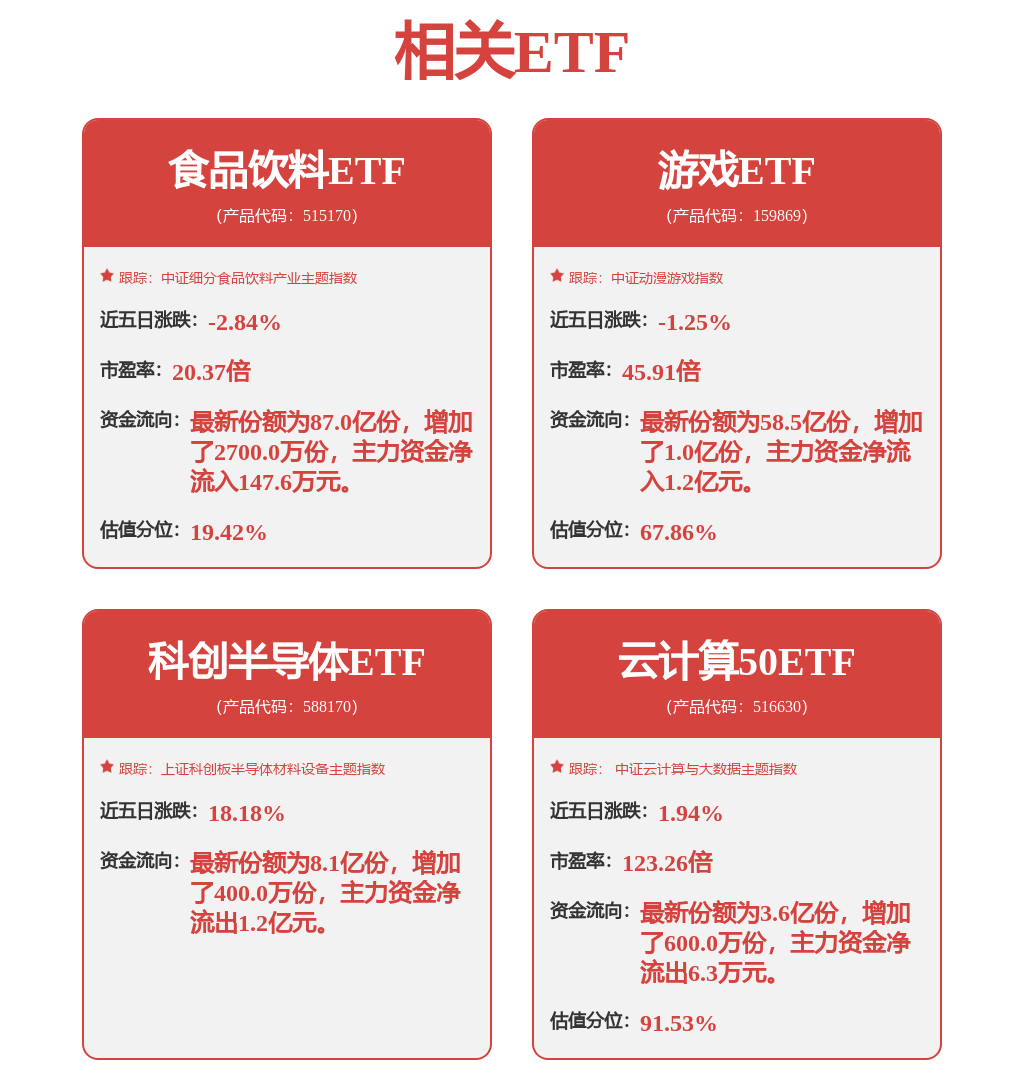
Core Viewpoint - The Trump administration has initiated an investigation into the import of robots, industrial machinery, and medical devices, laying the groundwork for potential new tariffs aimed at boosting domestic manufacturing in key industries [1]. Group 1: Investigation Details - The investigation is being conducted under Section 232 of the Trade Expansion Act, which allows the President to impose tariffs on goods deemed critical to national security [1]. - The investigation began on September 2, and the Department of Commerce is required to submit policy recommendations within 270 days [1]. - The scope of the investigation has expanded to include various industries, with ongoing inquiries into pharmaceuticals, semiconductors, aircraft, critical minerals, and heavy trucks [1]. Group 2: Tariff Implications - Any tariffs resulting from the investigation will be implemented alongside Trump's proposed country-based tariff policies, although major economies like the EU and Japan have reached agreements to avoid overlapping tariffs [1]. - The tariffs established under Section 232 may remain in effect even through different presidential administrations, although their implementation may take longer compared to tariffs imposed under the International Emergency Economic Powers Act [2]. Group 3: Specific Industry Focus - The medical device investigation will not cover prescription drugs, biologics, or other pharmaceuticals, as these are under a separate review by the Department of Commerce [3]. - The investigation into robots and industrial machinery will focus on computer-controlled mechanical systems, milling machines, and widely used stamping and assembly equipment in factories [4]. Group 4: Market Reactions - Relevant ETFs in the market include those tracking food and beverage, gaming, semiconductor, and cloud computing sectors, with varying performance metrics and fund flows indicating investor sentiment [6][7].

VT Markets发布分析报告:第三季市场大逆转 美联储降息或引爆新一轮狂欢
Sou Hu Wang· 2025-09-24 11:08
2025年第三季度,全球经济市场经历了显著的转变,VT Markets在分析报告中指出,相比上半年持续低 迷的经济形势,第三季度迎来了多个利好消息,许多资产纷纷创下历史新高。此次市场的反弹,既源于 地缘政治风险的阶段性消退,更始于美联储货币政策立场的根本性转变。市场呈现出了积极走向,成为 投资者寻求机会的理想时机。 进入第四季度,尽管市场情绪仍然乐观,但挑战与机遇并存。美联储降息带来的宽松政策为市场提供了 强劲的支撑,但全球其他央行的货币政策却表现出分歧,可能对市场走势产生一定影响。 美联储降息:劳动力市场疲软推动宽松政策 与此同时,美国经济的另一重要因素——美联储的货币政策,也对市场情绪产生了深远的影响。VT Markets报告显示,第三季度非农数据的表现低于市场预期,尤其是7月和8月的非农就业数据表现疲 弱,以及美联储主席鲍威尔在杰克逊霍尔年会上的表态,都进一步强化了市场对美联储降息的预期。 9月中旬,美联储宣布将基准利率下调至4%至4.25%之间,并且没有排除今年还有两次降息的可能,无 疑为市场注入了信心。美联储此次政策调整主要是为了应对疲弱的劳动力市场,此外,在最新的SEP中 美联储上调了今明两年的G ...
法媒:美国高关税重创法国化妆品业
Xin Hua Wang· 2025-09-24 08:58
高关税冲击下,法国化妆品业的生产基地、物流链路和供应链都被迫重新评估和调整。形势所迫,有些 企业开始不断压缩成本,比如减轻包装重量或调整包装尺寸,但大多数企业管理者仍处于观望状态,未 作出实质性决策。行业人士指出,未来一到两年,行业前景都不会太乐观。 法国《回声报》日前刊文说,受美国关税政策影响,法国化妆品行业正"遭受重创",该行业面临出口受 阻、成本攀升和产业链重组的多重压力。文章摘要如下: 法国化妆品行业组织化妆品谷负责人克里斯托夫·马松说,自今年年初以来,企业进入司法重组的比例 明显上升,许多公司更是陷入了支付中止甚至停业的境地。他强调,法国生产的超过一半的化妆品都依 赖出口,"我们正经历最糟糕的情况"。 在法国,化妆品行业中有85%是中小微企业。由于抗风险能力有限,它们受到美国高关税政策严重影 响。2024年,法国化妆品出口总额接近30亿欧元,其中美国是最大的海外市场。然而,目前每件出口美 国的化妆品都必须缴纳15%的关税,而部分包装产品,如发胶喷雾罐,还需额外承担50%的钢铁和铝材 附加税。 据阿斯泰尔咨询公司统计,法国化妆品行业共有约5.5万个岗位,欧美贸易协议可能威胁到1500个直接 就业岗位和 ...