理性消费

Search documents
中国酒业如何跨越“冰与火”?这场“武汉会议”,回答时代之问!
Sou Hu Cai Jing· 2025-10-20 16:32
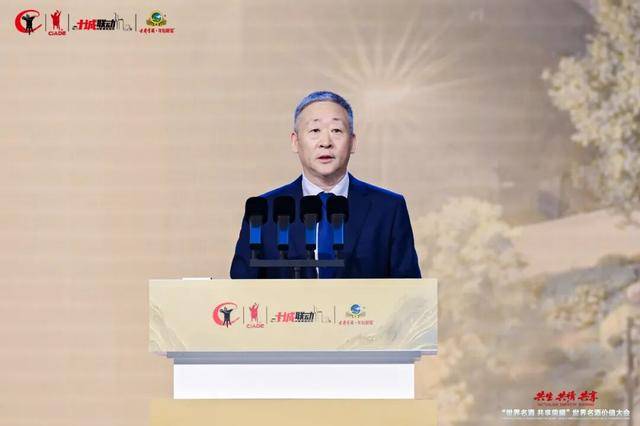
Core Insights - The Chinese liquor industry is at a historical crossroads, facing both challenges and opportunities due to rational consumption trends and the impact of artificial intelligence on industry logic [1] - The "World Famous Wine Value Conference" held in Wuhan addressed key industry questions regarding the redefinition of liquor value, the shift from scale expansion to value creation, and the globalization of Chinese liquor [1] Industry Trends - The global liquor industry is undergoing structural changes, with the high-end and luxury segments leading growth at a compound annual growth rate (CAGR) of 10.3%, particularly driven by the Asia-Pacific region [2] - The Chinese baijiu market is expanding steadily, with a CAGR of 2.3%, showcasing strong industry resilience and cultural roots [2] - Traditional business banquet markets are contracting, while personalized and emotionally connected consumption scenarios are rapidly emerging, emphasizing the need for liquor brands to adopt innovative strategies for differentiation [2] Consumer Behavior - The concept of rational consumption has gained consensus, with consumers prioritizing products that offer a balance of cost-effectiveness, quality, and emotional value [4] - The long-term development of world-famous liquors should focus on the values of "coexistence, empathy, and sharing," integrating industry with nature and society [4][5] Internationalization Challenges - China's baijiu currently holds only a 2.3% share in the international market, highlighting the need for the industry to overcome misconceptions and adopt successful strategies from international wine markets [7] - Recommendations for internationalization include aligning with international standards, innovating products and marketing strategies, and fostering collaboration among industry players [7] Innovation and Strategy - Leading companies are responding to industry changes through innovative practices, such as digital empowerment, cross-industry collaborations, and enhancing consumer experiences [10] - Anhui Gujing Group is leveraging digitalization to enhance traditional brewing processes and is actively promoting baijiu internationally [12] - Luzhou Laojiao is focusing on brand innovation through product diversification and cultural collaborations to connect with younger consumers [14] - Qingdao Beer is enhancing consumer engagement through innovative product offerings and efficient delivery systems [19] Future Directions - The conference outlined a clear roadmap for the future of Chinese liquor, emphasizing the importance of gratitude towards nature, commitment to quality, and deep emotional resonance with consumers [30] - The industry is encouraged to embrace the philosophy of "coexistence, empathy, and sharing" to navigate the challenges ahead and achieve sustainable growth [30]




最大变化是消费观念的改变
Ren Min Ri Bao· 2025-10-19 22:03
Core Insights - The most significant change in consumer spending over recent years is not the amount spent, but a shift in consumption mindset [1] Group 1: Changes in Consumer Behavior - Consumers are now more willing to invest in experiences such as travel, performances, gourmet food, and fitness, rather than just material goods [1] - There is a growing trend towards spending on smart appliances, indicating a preference for technology and innovation in purchases [1] - The approach to knowledge payment has become more rational and focused, reflecting a shift in how consumers value information services [1] Group 2: Attitude Towards New Energy Vehicles - Previously, consumers were hesitant about new energy vehicles due to concerns over range, safety, and resale value; however, personal experiences have led to a more favorable view [1] - The advantages of new energy vehicles in terms of cost of use, driving experience, and intelligence have prompted consumers to recommend them to others [1] Group 3: Rational Spending - While consumers are willing to pay for intelligence, service, and experiences, spending has become more rational and streamlined, aiming for value [1] - Consumers seek to balance quality of life with spending wisely, ensuring that expenditures are justified and meaningful [1]
“从all buy到一件不买”,这届年轻人退出双十一
Tai Mei Ti A P P· 2025-10-19 11:19
Core Viewpoint - The younger generation is increasingly rejecting the traditional shopping frenzy of "Double Eleven," opting for more rational and minimalistic consumption habits, reflecting a shift in consumer behavior from previous generations [2][3][5]. Group 1: Changing Consumer Behavior - The main consumer demographic for Double Eleven has shifted from older generations (70s and 80s) to younger generations (90s and 00s), leading to changes in shopping habits [2][3]. - Younger consumers exhibit a mix of extravagance and frugality, focusing on psychological satisfaction rather than material possession [2][3]. - Many young consumers express frustration with the current shopping strategies employed during Double Eleven, feeling manipulated by pricing tactics and complex promotional schemes [3][5]. Group 2: Experiences and Reflections - Consumers report feeling overwhelmed by the extensive pre-sale processes and the perceived need to engage in complex shopping strategies to secure discounts [3][5]. - There is a growing sentiment among young consumers that the excitement of past Double Eleven events has diminished, with many preferring to avoid participation altogether [3][5]. - The experience of shopping has transformed from a thrill to a chore, with many consumers now prioritizing the enjoyment of the shopping experience over simply finding the best deals [3][5]. Group 3: Minimalism and Rational Consumption - Many young consumers are now focused on decluttering and reducing excess, leading to a more thoughtful approach to shopping [5][6][7]. - Individuals are increasingly aware of their consumption patterns, often choosing to sell or donate unused items before making new purchases [7][8]. - The trend towards minimalism is evident as consumers express a desire to avoid impulsive buying and instead seek out experiences or products that truly add value to their lives [7][8]. Group 4: Market Dynamics - The availability of desired products during Double Eleven has become a significant concern, with many consumers reporting that popular items sell out quickly, leading to disappointment [8][9]. - The perception of value has shifted, with consumers questioning whether the discounts offered during Double Eleven are genuinely worthwhile compared to other purchasing options [8][9]. - The rise of second-hand markets and rental options is becoming more appealing to younger consumers, who are looking for cost-effective alternatives to traditional shopping [10].
这届年轻人,居然对生活如此之“拼”?
Sou Hu Cai Jing· 2025-10-17 23:12
Core Viewpoint - The "group buying" model has emerged as a popular consumption trend among young people, reflecting their desire for cost-effective living while navigating social interactions with flexibility and ease [1][10]. Group 1: Consumption Trends - Young consumers are increasingly adopting "group buying" as a way to maximize their lifestyle within limited budgets, leading to a shift in how they prioritize spending [1][3]. - The "group fitness coach" model has gained popularity due to its cost-effectiveness, allowing individuals to share expenses and access private classes [3]. - There is a noticeable shift in young people's purchasing behavior, focusing more on practicality and utility rather than superficial product attributes [3][4]. Group 2: Social Dynamics - "Group buying" serves as a low-pressure social interaction method, allowing individuals to connect without the burden of traditional social expectations [4][6]. - This model provides a flexible social structure that aligns with young people's preferences for uncomplicated relationships, enabling them to engage with others based on immediate needs [4][5]. - The approach to socializing through "group buying" helps young individuals build connections while maintaining a comfortable distance, fulfilling their need for companionship and emotional support [5][6]. Group 3: Risks and Challenges - Despite its advantages, the "group buying" model carries inherent risks, such as potential fraud and privacy concerns, as participants may face issues like untrustworthy partners or misuse of personal information [7][9]. - Consumers have reported negative experiences, including receiving damaged products or facing difficulties in asserting their rights due to the nature of group transactions [9]. - There is a call for platforms to enhance consumer protection and for regulatory bodies to establish legal frameworks that safeguard users while promoting healthy market practices [7][9].

金价大涨催生电商拒发潮,直播间购金该注意啥?
Sou Hu Cai Jing· 2025-10-17 05:57
Core Insights - International gold prices have surged over 51% this year, leading to increased consumer interest in purchasing gold products both online and offline [3] - However, this surge has also resulted in a rise in consumer complaints regarding delayed shipments and quality issues of gold products purchased online [3][4] - The rapid increase in gold prices has caused inventory shortages among merchants, contributing to delays in fulfilling orders [3] Consumer Behavior - Consumers are increasingly turning to online platforms for gold purchases, but many face challenges such as late deliveries and quality concerns [3][4] - Young consumers are adopting new purchasing strategies, such as "small-scale gold accumulation," where they buy small amounts of gold regularly to meet both aesthetic and investment needs [5][6] Regulatory and Legal Aspects - There are clear regulations regarding the quality assurance of online gold sales and consumer rights for returns and exchanges, but the complexity of online transactions makes it harder for consumers to assert their rights [4] - Consumers are advised to verify the qualifications of merchants and be cautious of additional payment conditions when purchasing gold online [4] Market Dynamics - The current market environment is characterized by volatile gold prices, prompting consumers to adopt a "buy high, not low" mentality, which necessitates a rational approach to purchasing decisions [4]

“双11”大战提前打响,今年有啥不一样?
Chang Sha Wan Bao· 2025-10-16 15:15
Core Insights - The "Double 11" shopping festival has been extended in duration and started earlier this year, with major platforms like Tmall, Douyin, and JD launching their promotions ahead of the traditional date [2][4] - There is a noticeable trend towards simplifying promotional strategies, moving away from complex discount structures to more straightforward offers such as direct discounts and cash reductions [2][3] - Consumers are becoming more rational in their purchasing behavior, focusing on essential items rather than impulse buying, indicating a shift in shopping habits [3][5] Group 1: Event Overview - The "Double 11" festival began on October 15, with various platforms initiating their promotions earlier, starting from September 30 [2] - Major platforms are adopting simpler promotional tactics, such as Tmall's 15% discount on core products and JD's direct price cuts [2] Group 2: Consumer Behavior - Consumers are increasingly prioritizing essential goods over impulse purchases, reflecting a more rational approach to shopping during the festival [3] - Many consumers express a desire to avoid the overwhelming promotional tactics that lead to impulsive buying, indicating a shift in mindset [3][5] Group 3: Market Trends - Instant retail is becoming a significant focus for platforms during "Double 11," with promotions like JD's 50% off on instant delivery items [4] - The competitive landscape of the takeaway market is intensifying, with platforms integrating instant retail into their promotional strategies [4]


听花酒的“一招鲜”,也不能吃遍天
3 6 Ke· 2025-10-16 11:53
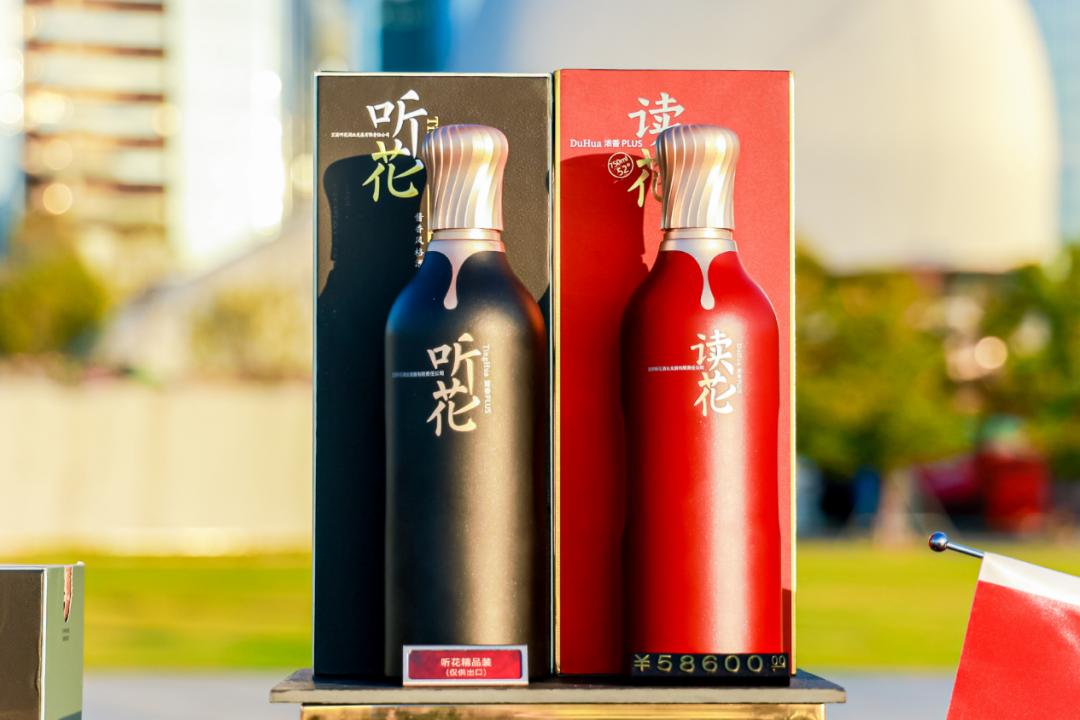
Core Viewpoint - The article discusses the resurgence of the high-priced liquor brand "Tinghua Wine" after being publicly criticized during the 2024 CCTV 315 Gala, questioning whether it can regain consumer trust in a changing market landscape [1][3][11]. Company Overview - Tinghua Wine, launched in 2020, quickly gained visibility through extensive advertising, positioning itself as a high-end product with prices reaching 5860 yuan for standard bottles and 58600 yuan for premium versions [1][3]. - Following a scandal in 2024 where its health claims were exposed as misleading, the brand faced significant backlash, leading to its removal from major online platforms [3][10]. Marketing Strategies - Despite the scandal, Tinghua Wine has attempted a comeback through aggressive marketing, including participation in events, advertisements on major platforms, and promotional campaigns during significant holidays [1][5][6]. - The company's parent, Qinghai Spring, has heavily invested in marketing, with sales expenses constituting nearly 80% of total revenue from 2021 to 2023 [8][10]. Financial Performance - After the brand's re-emergence, Qinghai Spring's stock saw a significant increase, with a reported 70% rise shortly after the announcement of Tinghua Wine's return [5]. - In Q4 2024, Tinghua Wine reported a 164% year-on-year revenue increase, although the parent company's overall revenue for the first half of 2025 showed a 9.76% decline [5][10]. Market Challenges - The white liquor market is experiencing a decline, with a reported 5.8% drop in production and a reduction in the number of large-scale enterprises [13][14]. - Consumer sentiment has shifted towards more rational purchasing decisions, making it difficult for brands like Tinghua Wine to rely solely on traditional marketing tactics [11][14]. Future Outlook - For Tinghua Wine to regain consumer trust, it must focus on product quality and innovative marketing strategies that resonate with modern consumers, rather than relying on past success through storytelling [11][14].

如何判断商家是否靠谱?消费避坑指南
Xin Lang Cai Jing· 2025-10-16 09:14
Group 1 - The core viewpoint emphasizes the increasing complexity of consumer scenarios in online shopping, training, dining, and beauty services, alongside persistent issues such as difficult returns, merchant unavailability, and false advertising, leading to potential financial losses for consumers [1] Group 2 - Verification of merchant qualifications and transparency of information is crucial before making payments. Consumers should check for business licenses, actual operating addresses, and after-sales contact information. Relevant authorities like the State Administration for Market Regulation and the National Enterprise Credit Information Publicity System are recommended for verification [1] Group 3 - Consumer feedback serves as a valuable reference for assessing a company's service quality. However, due to the prevalence of fake reviews and rating manipulation, it is advisable to cross-reference multiple sources, including consumer complaint platforms like "Black Cat Complaints," to gauge the frequency of issues and the company's responsiveness [2] Group 4 - Attention to detail in contracts, terms, and refund policies is essential to avoid disputes. Many consumer conflicts arise from overlooked clauses in contracts, particularly in service industries. Consumers should carefully read terms related to validity, refund conditions, and after-sales support before signing [3] Group 5 - In case of disputes, the appropriate resolution method should be chosen based on the nature of the issue. For minor refunds or shipping problems, platforms can be used for complaints. For unresolved issues, third-party platforms like Black Cat Complaints can be utilized, while illegal activities should be reported to consumer rights platforms or local market regulation departments [4] Group 6 - Rational consumption is about making informed decisions rather than fostering suspicion. By verifying merchant information, understanding past complaints, and comprehending contract terms, consumers can significantly mitigate risks. Taking a few extra minutes to validate information can save not only money but also time and peace of mind [5]
奢侈品折扣爆火,“越涨越买”的时代结束了
Sou Hu Cai Jing· 2025-10-16 03:00
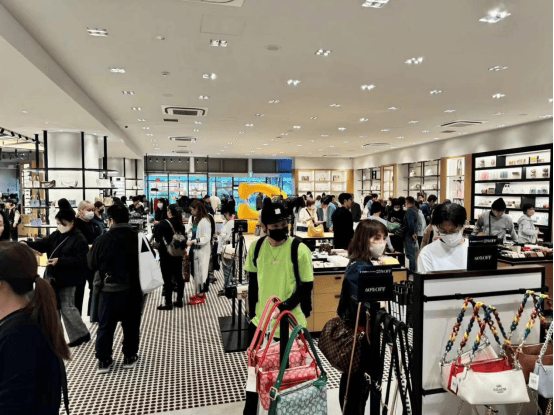
Core Insights - The luxury goods market is shifting from a perception of "the more expensive, the better" to a focus on value and cost-effectiveness, with discount platforms like outlet malls and Vipshop gaining popularity among consumers [1][3] - Young consumers, particularly those from middle-class backgrounds, are increasingly favoring discounted luxury items over traditional retail, indicating a significant change in consumer behavior [3][4] - Brands are adapting to this trend by offering more competitive pricing and engaging with discount retail channels to attract price-sensitive younger shoppers [4] Consumer Behavior - Consumers are now prioritizing savings and value, with many feeling that purchasing discounted luxury items does not diminish their social status [3] - The rise of discount luxury shopping has transformed outlets from being seen as secondary options to trendy destinations for savvy shoppers [3][4] - The number of active super VIP members on Vipshop has increased by 15%, contributing nearly half of the platform's total sales, highlighting the growing trend of rational consumption among younger demographics [3] Brand Strategy - Luxury brands are increasingly participating in discount sales events, with notable brands like Burberry, Coach, and Tory Burch seeing significant sales growth through platforms like Vipshop [3][4] - The pricing strategies employed by brands, such as offering steep discounts on high-end products, are reshaping the definition of luxury and appealing to a broader audience [4] - Newer brands like Lululemon are also entering outlet markets, indicating a shift in strategy to build better relationships with younger consumers through discounts [4]

图数室丨史上最长双十一又来了!
Xin Lang Cai Jing· 2025-10-15 10:25
双十一又提前了!国庆假期还没过完,电商大战就已全面打响,今年双十一长达38天。预售期一年比一 年早,战线越拉越长,各家为啥这么急? 电商平台、社交媒体、线下商超……人人都在抢蛋糕,一家不抢先,流量和钱包就被对手卷走。但是, 这场"抢跑"大战,真的能卷出增长吗? 当购物节变成购物季,用户疲于算计,消费越发理性。当疯狂"剁手"变理性"比价",平台这场漫长的前 置争夺战,到底谁能笑到最后? 双十一开始的时间,一年更比一年早!今年,中秋国庆假期还没过完,各大电商就已拉开双十一预热大 幕。 10月7日,快手抢先开启预售;抖音电商紧随其后,9日0点加入战局;京东于9日晚8点正式启动;小红 书11日上线,大促持续超一个月;拼多多在14日"开门迎客";淘天则于15日正式开始活动。 今年双十一,整个促销周期比去年提前一天,结束推迟一天,共计38天,超过去年的36天,被称为新 的"史上最长"。 2009年11月11日,阿里首次举办"淘宝商城促销日",当时仅有27家商家参与。当时或许谁也不曾料到, 双十一会从一个"购物节"逐渐演变为漫长的"购物季"。 2011年,京东、亚马逊、腾讯纷纷入局,将这场促销升级为"诸神混战"。2012年 ...