
美元霸权

Search documents
美国的“石油美元”算盘能实现吗?
2 1 Shi Ji Jing Ji Bao Dao· 2026-01-07 08:22
Core Viewpoint - The long-term probability of a significant increase in international oil prices is low, and the current U.S. administration may face a challenging situation regarding oil supply and demand dynamics [1][6]. Group 1: U.S. Intervention in Venezuela - The U.S. military's recent intervention in Venezuela aims to control President Maduro and facilitate U.S. oil companies' investment in the country, potentially amounting to billions of dollars for repairing oil infrastructure [2]. - Venezuela possesses the largest proven oil reserves globally, totaling 303 billion barrels, surpassing Saudi Arabia's 267 billion barrels, which could significantly alter the global oil supply landscape if properly exploited [2][3]. Group 2: Impact on Global Oil Prices - Despite the U.S. intervention, global oil prices have remained stable due to supply and demand factors, with Venezuela's current oil production being less than 1% of global output due to various constraints [2][4]. - The U.S. government's renewed focus on traditional energy sources, including oil and gas, is seen as a strategy to enhance U.S. manufacturing and solidify its global energy dominance [3][5]. Group 3: Future Oil Market Dynamics - The U.S. administration's control over Venezuelan oil resources could significantly impact global oil pricing power, potentially diminishing OPEC's influence on supply and pricing [4]. - The U.S. has proven oil reserves of 81 billion barrels, and combined with Venezuelan resources, it could become a major player in the global oil market, affecting the dollar's dominance in oil pricing [4]. Group 4: Long-term Outlook - The transition towards renewable energy and the rise of electric vehicles may limit the demand for oil, making it unlikely for oil prices to see substantial increases in the long term [6].
美元盯上AI,霸权还能复制吗
Sou Hu Cai Jing· 2026-01-07 03:15
Core Viewpoint - The concept of "AI Dollar" is emerging in the U.S. strategic circles, aiming to anchor the U.S. dollar to artificial intelligence, similar to how oil once supported it, reflecting a sense of anxiety regarding the dollar's future [1][9] Group 1: Current Status of the Dollar - The dollar remains dominant, being used in over half of international trade and holding a significant position in foreign exchange transactions and reserves [3] - Despite its current strength, the dollar is under pressure, with increasing discussions about de-dollarization due to its overuse [3][9] Group 2: Historical Context - The dollar's rise began with the Bretton Woods system, which established it as a "paper gold" backed by gold, later transitioning to being supported by oil [3][4] - The dollar's role expanded with financial derivatives, becoming the universal language of financial markets, where fluctuations in dollar interest rates can impact global asset prices [3] Group 3: AI as a New Anchor - The U.S. is focusing on AI as a new growth area, hoping to create a scenario where AI-related transactions are dollar-denominated, similar to oil [4][6] - However, AI lacks the foundational characteristics of oil, such as a concentrated source and clear transport channels, making it less likely to replicate the "petrodollar" model [6] Group 4: Challenges and Competition - AI is a technology system rather than a natural resource, with no single point of origin or irreplaceable form, leading to a multi-polar competitive landscape [6][9] - The core resources of AI—people, algorithms, and data—are highly mobile and can be localized, complicating the U.S.'s ability to maintain dominance [6] Group 5: Financial Innovations and Trust Issues - The inclusion of stablecoins and cryptocurrencies in the "AI Dollar" concept reflects an awareness of emerging payment networks outside traditional finance [6][7] - However, trust in these innovations is not guaranteed, as they still rely on the dollar's credibility, which is being undermined by its frequent use as a political tool [7][9] Group 6: Future Outlook - The dollar's challenges are not solely economic but also political, with the overuse of the dollar as a tool eroding trust [9] - The "AI Dollar" concept may represent strategic anxiety rather than a viable solution, as the world moves towards a more diversified monetary landscape [9]


中国两艘油轮“硬刚”美军封锁,人民币“杀”出全球货币新秩序!
Sou Hu Cai Jing· 2026-01-06 21:23
Core Viewpoint - The article discusses the significant shift in the global monetary system, highlighting the rise of the Chinese yuan as a potential challenger to the US dollar's dominance, particularly through China's oil trade with Venezuela [1][5]. Group 1: Energy Trade Dynamics - Two Chinese oil tankers, "Qianyang" and "Xingye," are transporting oil to Venezuela, disrupting US military blockades and reflecting a deeper strategic engagement in energy transport [1]. - The oil tankers carry a total of 320,000 tons of crude oil, with 90% of the payment settled through the China-Venezuela cross-border yuan clearing system, marking a significant move away from dollar transactions [1][2]. - Venezuela's oil exports to China are increasingly bypassing the dollar, with 83% of transactions in 2025 expected to be settled in yuan, showcasing a shift in trade practices [2]. Group 2: Financial Mechanisms and Innovations - A new closed-loop trading system based on credit allows Venezuela to circumvent US sanctions, with the Venezuelan government using yuan to purchase gold and fertilizers, thus weakening the dollar's influence [3]. - The Shanghai Oil and Gas Trading Center successfully implemented a "oil-yuan-gold" closed loop, allowing for direct conversion of yuan payments into physical gold, enhancing the yuan's credibility [4]. - By the fourth quarter of 2025, the yuan's share in Venezuela's central bank foreign exchange reserves surged from 3% in 2020 to 28%, surpassing the euro and becoming the second-largest reserve currency [4]. Group 3: Regional and Global Implications - The shift towards yuan settlements is spreading in Latin America, with countries like Brazil and Argentina also moving away from the dollar, indicating a broader trend of de-dollarization in the region [5]. - The International Monetary Fund (IMF) reported a reduction of $180 billion in dollar assets held by global central banks in 2025, with 42% of that being converted to yuan, highlighting the yuan's growing acceptance [5]. - The daily export of 460,000 barrels of Venezuelan oil to China through yuan channels supports both countries' economies, facilitating imports of Chinese goods into Venezuela and challenging the moral foundation of dollar dominance [5][6].

从马杜罗被拘捕看其隐形影响
Sou Hu Cai Jing· 2026-01-06 14:06
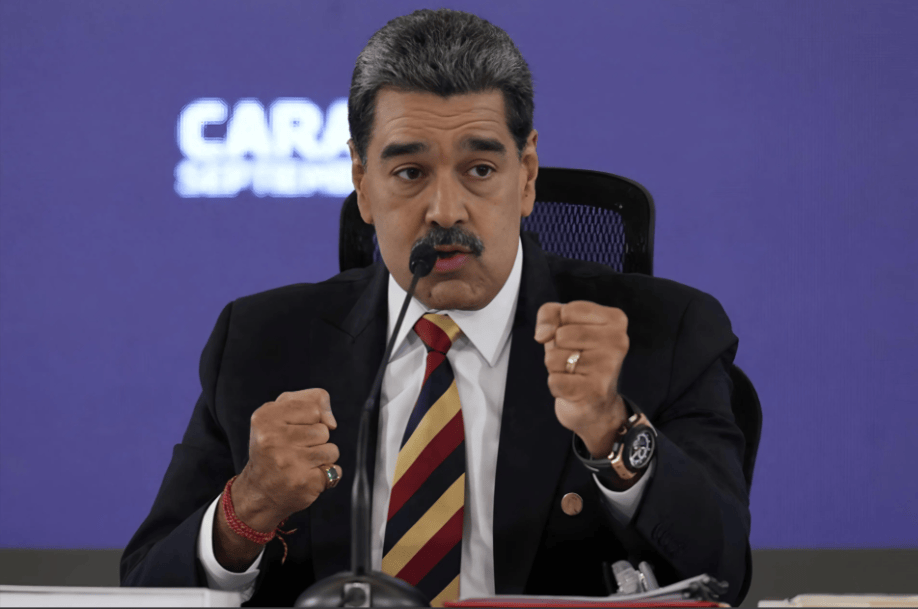
作为全球最重要的石油储备国之一,委内瑞拉在美国制裁的重压下,为打破金融封锁,自2017年起逐步推动其石油出口以人民币 计价和结算。此举不仅是应对美元流动性枯竭的权宜之计,更是对以美元为核心的全球石油—金融体系的直接挑战。任何试图绕 开美元进行大宗商品交易的行为,尤其是像石油这样的战略资源,都被视为对这套体系根基的动摇。 因此,委内瑞拉与人民币的"联姻",触动了美国最敏感的神经。这不仅仅关乎贸易结算的技术选择,更关乎全球金融权力的再分 配。无论马杜罗被拘捕的内部诱因具体如何,仍然难以完全剥离因挑战美元主导地位而加剧的地缘战略挤压的嫌疑。在全球化时 代,一个试图挣脱美元体系束缚、寻求替代性金融支柱的国家及其领导人,所面临的风险不仅是经济上的孤立,其国内政治的稳 定与领导人的安全,都可能因此被卷入大国金融战争的漩涡。 其次,拉美地区在全球化时代大国博弈中,如何站队?如何在世界舞台上获得更多话语权?何去何从?现在已经不是一个委内瑞 拉总统被拘捕了,1月4日,特朗普当天威胁哥伦比亚总统佩特罗,称对哥伦比亚发动行动"听起来不错"。佩特罗喊话特朗普,对 其发表的不当言论表示"最强烈的反对",指出其无视主权国家间关系的基本准 ...
中能观察|追问委内瑞拉剧变:石油背后,美国有何图谋?
Xin Lang Cai Jing· 2026-01-06 13:18
Core Viewpoint - The military action by the U.S. against Venezuela did not significantly impact the global oil market, highlighting deeper market dynamics and the complexities behind U.S. intentions [2][3]. Group 1: Market Reaction - Following the U.S. military action on January 3, 2026, Brent crude oil prices only slightly decreased to $60.80 per barrel on January 4, with a minor recovery the next day, indicating a lack of panic typically associated with geopolitical conflicts [1]. - Venezuela's oil production is currently below 1 million barrels per day, accounting for only 1% of global output, due to long-term sanctions and a struggling oil industry [3][4]. - The International Energy Agency (IEA) predicts a global oil supply surplus of 3.85 million barrels per day in 2026, which is a significant factor keeping oil prices stable [4]. Group 2: U.S. Strategic Intentions - The U.S. aims to control Venezuelan oil resources to benefit its refining industry, as Venezuela's heavy crude oil complements U.S. refining capabilities [10]. - The U.S. strategy is part of a broader "Western Hemisphere First" approach, aiming to reinforce its dominance in the region and maintain the dollar's status in global commodity trade [11][12]. - The U.S. seeks to attract manufacturing back by controlling oil supply, which could lower energy costs and provide economic benefits [12]. Group 3: Challenges to U.S. Plans - There are significant challenges in U.S. intentions, including the gap between willingness and actual investment capabilities, as companies are hesitant to invest in Venezuela due to political and economic uncertainties [13]. - High political and security risks are present, as the transition of power in Venezuela could lead to instability, making long-term investments risky [13]. - The global shift towards energy transition and the trend of "de-dollarization" pose fundamental obstacles to U.S. oil hegemony [14].
维勒鲁瓦警告美国政策侵蚀美元霸权 多极化货币体系或成定局
Sou Hu Cai Jing· 2026-01-06 10:05
Core Viewpoint - The comments from ECB Governing Council member Villeroy indicate that U.S. government criticism of the Federal Reserve threatens the dollar's position in the global economy [1] Group 1: Impact on Dollar's Dominance - Recent U.S. policies attacking the independence of the Federal Reserve and raising doubts about U.S. fiscal discipline are damaging key pillars of the dollar's dominance [1] - Concerns are growing that the U.S. may increasingly "weaponize" the dollar-based global payment system, prompting some regions to develop alternative payment systems [1] - These U.S. policies are undermining global investor confidence in dollar assets and may accelerate the trend of asset diversification [1] Group 2: Inflation in France - Recent data shows that France's annual inflation rate slowed to 0.7% in December, marking a seven-month low [1] - This decline in inflation is viewed positively for France's real income and maintaining favorable interest rate levels [1]
陆前进:以“AI美元”复刻“石油美元”霸权,能成吗
Sou Hu Cai Jing· 2026-01-05 23:10
Core Viewpoint - The discussion around whether artificial intelligence (AI) could become a new anchor asset for US dollar hegemony, similar to oil, is gaining traction in US strategic and industrial circles. Despite the ongoing dominance of the dollar as the primary international reserve currency, there are increasing speculations about the US attempting to leverage "AI dollars" to maintain its dollar supremacy [1]. Group 1: Historical Context of Dollar's International Role - The evolution of the dollar's role as an international currency can be divided into four stages: the Bretton Woods system where the dollar was pegged to gold, the "petrodollar" era where oil transactions were dollar-denominated, the financial derivatives phase where dollar-denominated financial products dominated, and the current phase where the dollar seeks to integrate with AI and stablecoins [2][3][4]. - The Bretton Woods system established the dollar's international currency status by linking it to gold, which led to a significant increase in demand for dollars among other countries [2]. - The "petrodollar" system emerged after the collapse of the Bretton Woods system, where oil transactions were conducted in dollars, further solidifying the dollar's position in international trade and finance [3]. Group 2: Current Developments and Future Prospects - Currently, the US is attempting to bind AI technology and digital currencies to the dollar to maintain its international monetary dominance, with initiatives like the "GENIUS Act" aimed at establishing rules for stablecoins and integrating cryptocurrencies into the financial system [4][5]. - The rise of AI and cryptocurrencies presents new challenges and opportunities for the dollar's international role, as the US seeks to leverage its technological advantages to reinforce the dollar's status [5][6]. - However, the feasibility of replicating the "petrodollar" system with AI is questioned due to the lack of unique characteristics that oil possesses, such as irreplaceability and concentrated supply chains [7]. Group 3: Global Monetary System Dynamics - The trend towards a diversified international monetary system is accelerating, with increasing calls for alternatives to the dollar as the sole reserve currency, as evidenced by the growing roles of the euro and the renminbi in global trade and finance [8][9]. - The dollar's dominance is being challenged by its "weaponization" and the negative effects of over-reliance on a single currency, prompting a global reassessment of the international monetary landscape [9].
特朗普大获全胜,金价却反常上涨,A股突破4000点,美联储如临大敌,只能偷袭不敢正面入侵,全球资本正用脚投票,加速逃离美元体系
Sou Hu Cai Jing· 2026-01-05 11:29
Group 1 - The U.S. military operation led to the swift capture of Venezuelan President Maduro and his wife, resulting in the collapse of the regime in a matter of hours [1][3] - Trump's announcement of significant investments by U.S. oil companies to restore Venezuela's oil infrastructure, while maintaining sanctions, indicates a strategic shift in how U.S. capital will flow from Venezuela's resources [4][6] - The military action reflects a change in U.S. strategy, opting for targeted strikes rather than large-scale invasions, showcasing a shift in military confidence and capability [6][8] Group 2 - Financial markets reacted with a rise in gold and silver prices, indicating increased investor anxiety over geopolitical risks, while U.S. stock futures remained stable, suggesting a lack of confidence in the strategic benefits of the U.S. action [4][6] - The significant oil reserves in Venezuela, totaling 303 billion barrels, represent a major economic asset, yet the country's wealth has historically led to challenges rather than benefits [4][10] - The international response to the U.S. action has been largely critical, with leaders from Brazil and Chile condemning the military intervention, highlighting a potential shift in global perceptions of U.S. foreign policy [8][10] Group 3 - The potential for increased capital outflow from the U.S. due to the military action raises concerns about the future of the dollar and the financial burden on the U.S. government [10][12] - The ongoing inflation issues in the U.S. could be exacerbated by rising oil prices resulting from geopolitical conflicts, posing challenges for the Federal Reserve's monetary policy [12] - The market's inclination towards investing in non-U.S. assets, such as Chinese assets, suggests a growing sentiment against the sustainability of U.S. dollar dominance [12]
跨境劫持马杜罗夫妇:“唐罗主义”的全球表演
Xin Lang Cai Jing· 2026-01-04 15:54
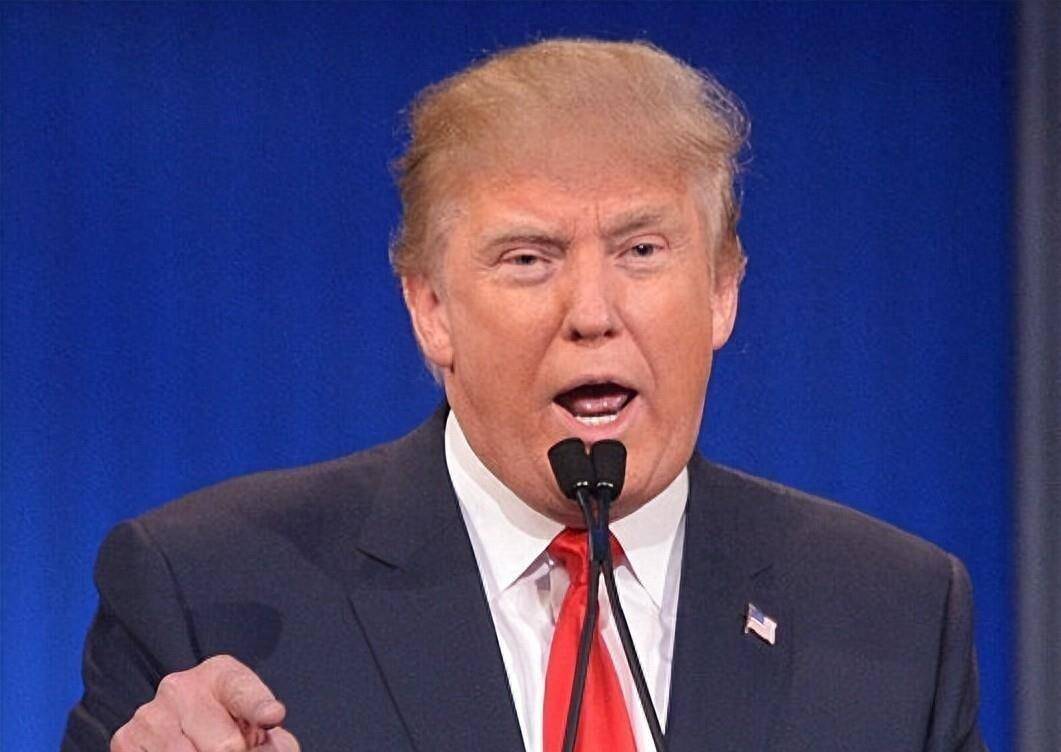
"唐罗主义"(Donroe Doctrine,"唐纳德·特朗普新版门罗主义")是特朗普政府西半球政策的核心战略, 在他的第二任期内完全成型,并得到特朗普本人认可。综合巴西瓦加斯基金会国际关系教授马蒂亚斯· 斯佩克托尔(Matias Spektor)和美国多家媒体的描述,"唐罗主义"主张放弃外交谈判,通过单边威胁 (关税大棒、军事行动)迫使美洲国家屈服。他们认为"唐罗主义"极具进攻性,特点包括:将拉美视 为"美国本土的延伸";将经贸政策"武器化",作为胁迫工具;用"两手策略"分化拉美国家,惩罚"不服 从者"。2025年12月特朗普政府公布新版《国家安全战略》,提出"门罗主义的特朗普推论",正式将"唐 罗主义"纳入官方表述。特朗普说:"'门罗主义'被我的特朗普推论重新注入活力而生机勃勃……" 将拉美明确为"美国核心利益圈"、组织欧洲等力量干涉美洲利益延续了"门罗主义",但"唐罗主义"的目 标"后院"范围更大,手段更富侵略性,直接强调"不允许任何国家变得过于强大"——目的就是实现"让 美国再次伟大"。它服务于维持美国霸权和特朗普个人强力形象的核心目标,深度融合了国内政治(移 民、选票)、经济(资源、贸易)和大国竞争 ...
美元霸权逻辑开始坍塌的信号
Sou Hu Cai Jing· 2026-01-04 13:48
Group 1: Market Dynamics - The precious metals market experienced significant volatility, with silver rising nearly 150% and gold surpassing $4,300 per ounce, marking the strongest annual performance since 1979 and indicating a systemic loss of confidence in the global monetary system centered around the US dollar [1] - The US dollar index (DXY) fell over 9% in 2025, with a 10.6% drop in the first half of the year, representing the worst performance since the collapse of the Bretton Woods system in 1973 [2] Group 2: Monetary Policy and Dollar Credibility - The decline in the dollar's purchasing power is driven by a collapse in the credibility of the Federal Reserve's policies, with three interest rate cuts since September 2025, bringing the federal funds rate down to 3.5%-3.75% [3] - There are concerns about the politicization of monetary policy under the Trump administration, which could lead to a repeat of the 1970s "Great Inflation" scenario, where a lack of discipline in monetary policy resulted in a collapse of dollar credibility and a 2,300% increase in gold prices over a decade [3] Group 3: De-dollarization Trends - Central banks globally are significantly increasing their gold reserves, with emerging economies like China, India, Turkey, and Russia leading the charge, indicating a strategic shift away from the dollar [4] - Geopolitical tensions, such as the Ukraine conflict, have heightened awareness of the risks associated with over-reliance on dollar assets, prompting a reassessment of the dollar's safety [4] Group 4: Gold and Silver as Strategic Assets - Gold's status as a non-sanctionable and non-freezable ultimate settlement asset has been elevated, while the internationalization of the renminbi is creating a parallel payment system, enhancing gold's role as a neutral medium of exchange [5] - Silver's price surge reflects both its financial attributes and a surge in industrial demand, particularly driven by its role in the electrification and green transition [7][8] Group 5: Structural Changes in Precious Metal Demand - The buying structure for precious metals has fundamentally shifted, with central bank purchases, private accumulation, and industrial demand providing stronger support compared to the past decade dominated by ETFs and futures [9] - The disconnect between "paper gold" and "physical gold" indicates a growing preference for tangible assets over financial derivatives, reflecting a loss of confidence in dollar-denominated financial assets [9] Group 6: Historical Context and Future Outlook - Current market conditions are often compared to the 1979-1980 gold bull market, but a more accurate reference may be the 1971-1974 period following the Nixon shock, where gold prices rose nearly 400% amid a vacuum in monetary order [10] - The ongoing rise in precious metals is not merely speculative but represents a collective vote of global capital against the dollar-centric monetary logic, signaling an irreversible loss of confidence in the existing unipolar currency system [10][11]