通胀率

Search documents
市场对CPI“冷却”? 金价高位震荡微跌
Jin Tou Wang· 2025-12-18 02:13
【要闻速递】 在过去三年中,月度消费者价格指数(CPI)一直是美国股票交易员关注的焦点。然而,最近投资者对 即将公布的11月通胀数据的态度发生了显著变化。他们不再像以前那样紧张不安地等待数据公布,而是 以一种相对漠然的态度面对。 这种市场情绪的转变有其合理之处。首先,美联储近期似乎更关注劳动力市场的疲软信号,而非通胀率 的小幅波动。其次,原定于12月10日发布的11月CPI报告因政府停摆而推迟至周四出炉,这导致市场对 该数据的可靠性产生了疑虑。此外,由于缺少10月的数据,这份CPI报告无法全面反映整体通胀情况。 尽管存在这些不确定性因素,但大多数分析师仍预计11月的CPI同比涨幅将保持在3%左右,这与市场预 期相符。然而,如果数据出现大幅超出或低于预期的情况,可能会对市场产生一定影响。例如,若数据 达到3.5%,可能会让交易员措手不及;反之,若数据大幅好于预期——比如2.7%或更低——则可能被 视为积极意外。 除了经济基本面因素外,政治因素也在一定程度上影响了市场对CPI数据的关注程度。随着美联储主席 鲍威尔的任期将于明年5月结束,其继任者预计将采取更加宽松的货币政策以迎合美国总统特朗普的要 求。这使得一些交 ...
法统计机构预测2025年全年经济增速为0.9%
Xin Hua Cai Jing· 2025-12-17 23:27
Economic Growth Outlook - France's GDP growth is projected to be 0.9% for the year 2025, slightly lower than 1.1% in 2024, with a potential recovery to 1.0% by mid-2026 [1] - In Q3, France's GDP grew by 0.5% quarter-on-quarter, which is considered a strong performance within the Eurozone [1] Sector Performance - The aerospace sector's supply constraints have eased, contributing to a 1.3% increase in industrial production quarter-on-quarter [1] - Manufacturing exports rose by 4.8% quarter-on-quarter, indicating robust performance in this sector [1] - Corporate investment increased by 0.8% quarter-on-quarter, while public consumption remained resilient [1] Consumer Behavior - Household consumption has stagnated due to weak expectations for the future, which remains a significant drag on economic growth [1] - The unemployment rate reached 7.7% of the labor force, marking a year-on-year increase of 0.3 percentage points, the highest level since Q3 2021 [1] Inflation and Purchasing Power - In November, France's inflation rate rose by 0.9% year-on-year, making it one of the countries with the lowest inflation rates in the Eurozone [1] - Despite upcoming increases in pensions and minimum wages in January, the growth in household purchasing power is expected to lag behind economic activity levels [1] - The savings rate is projected to decline from a peak of 18.7% a year ago to 18.0% by mid-2026 [1] External and Internal Uncertainties - There are multiple uncertainties to monitor, including the unpredictable nature of U.S. trade policies and the potential for lower international oil prices to support European recovery [2] - France's fiscal policy direction remains unclear, while signs of recovery in corporate investment are evident, but consumer spending recovery is still uncertain [2]
巴西通胀率回落至目标区间
Shang Wu Bu Wang Zhan· 2025-12-17 16:44
Core Insights - The Brazilian Consumer Price Index (CPI) rose by 4.46% year-on-year and increased by 0.18% month-on-month in November, marking the first time since September 2024 that the annual inflation rate has fallen within the Brazilian Central Bank's target range of 1.5% to 4.5% [1] - Analysts suggest that the November inflation data is unlikely to lead to an interest rate cut in the upcoming central bank meeting, but there is a possibility of a rate cut in January next year [1] Category Summaries - The largest increases in consumer spending categories were observed in personal expenditures and housing, which rose by 0.77% and 0.52% respectively [1] - Price declines were noted in categories such as household goods, communications, health and personal care, as well as food and beverages [1]
英国11月通胀率降至3.2% 创八个月新低
Sou Hu Cai Jing· 2025-12-17 14:15
英国朝野对此反应不一。英国首相斯塔默称这是"向好的一步",他也承认民众仍受生活成本压力困扰。 保守党则批评通胀仍处高位,指责工党政策加剧经济压力。 英国媒体注意到,对普通民众而言,通胀放缓的感受尚不明显。有居民表示,工资增长滞后于物价涨 幅,被迫削减非必要开支。 通胀数据利好进一步抬升市场降息预期。目前英国央行基准利率维持在4%,外界普遍预计,央行或在 本月利率决议中宣布圣诞节前降息,以提振经济。(完) 中新社伦敦12月17日电 (欧阳开宇 刘施岑)英国国家统计局17日发布数据显示,英国今年11月消费者价 格指数(CPI)同比上涨3.2%,较10月的3.6%显著回落,创下今年3月以来的最低水平,且降幅超出市场预 期。 数据显示,食品价格下跌是此次通胀降温的主因,蛋糕、饼干等品类降幅尤为明显,烟草价格走低及女 装折扣促销也助推通胀回落。剔除能源和食品的核心通胀率同步降至3.2%,显示通胀压力全面缓解。 不过,当前通胀率仍高于英国央行2%的目标。 ...
KCM Trade分析师Tim汇评 | 日本央行会说什么?
Sou Hu Cai Jing· 2025-12-17 09:05
黄金价格稳步上涨,美元走软为其提供了上涨空间,但避险需求的减弱抑制了金价。随着俄乌和平谈判似乎有 望结束冲突,以及此前占据2025年大部分时间头条的关税担忧逐渐淡出人们的视线,避险需求有限,黄金的上 涨空间也随之缩小。因此,目前黄金的上涨主要受利率驱动。需要关注的支撑位包括4280美元、4246美元和 4283美元。黄金价格若想重返历史高位,首先需要突破4345美元附近的阻力位。 以下是KCM Trade首席分析师兼福布斯顾问委员会成员Tim Waterer带来的本周汇评内容: 本周经济数据密集,积压的美国经济数据和一系列央行决议让交易员们有很多东西需要思考。 我们先来看周二(美国时间)公布的美国非农就业数据(NFP)。10月份的NFP为-10.5万人,表明就业市场持 续疲软,但由于政府停摆,该数据可能存在偏差。11月份的NFP为6.4万人,略高于预期,但仍远低于约10万人 的"中性"就业增长水平。此次公布的一系列就业数据中最引人注目的可能是失业率飙升至4.6%,这自然引起了 美联储鸽派成员的注意。总而言之,就业数据表明劳动力市场持续疲软,但可能不足以促使美联储在2026年1 月降息。 市场对美国就业数据有何 ...


芝加哥联储行长古尔斯比:美联储2026年或可进一步降息
Xin Lang Cai Jing· 2025-12-17 01:50
"展望2026年,我仍然相当乐观地认为经济将保持一个相当不错的稳定增速。如果经济能够实现这一 点,并且通胀率降至2%左右,我认为利率可以下调,古尔斯比周二在接受采访时表示。 芝加哥联储行长古尔斯比表示,预计2026年经济增长强劲,如果这种情况发生,利率应该能够进一步下 降。 "展望2026年,我仍然相当乐观地认为经济将保持一个相当不错的稳定增速。如果经济能够实现这一 点,并且通胀率降至2%左右,我认为利率可以下调,古尔斯比周二在接受采访时表示。 古尔斯比重申,他反对美联储本月初的降息决定,因为他更倾向于等待更多经济数据。 古尔斯比表示,芝加哥联储辖区的企业和消费者仍然对通胀表示担忧。 责任编辑:于健 SF069 古尔斯比重申,他反对美联储本月初的降息决定,因为他更倾向于等待更多经济数据。 古尔斯比表示,芝加哥联储辖区的企业和消费者仍然对通胀表示担忧。 责任编辑:于健 SF069 芝加哥联储行长古尔斯比表示,预计2026年经济增长强劲,如果这种情况发生,利率应该能够进一步下 降。 ...
知名经济学家:美联储再降息恐是美国经济危机的信号
Sou Hu Cai Jing· 2025-12-16 10:30
Core Viewpoint - Investors should reconsider their expectations regarding interest rate cuts, as further cuts may indicate a deteriorating economic situation rather than a positive development [2][3]. Group 1: Federal Reserve Actions - The Federal Reserve announced its third interest rate cut of the year, interpreted as a measure to prevent a collapse in the labor market [2]. - Claudia Sahm, a former Fed economist, suggests that more rate cuts could signal economic weakness, contrary to Wall Street's typical positive reaction to such cuts [2][3]. - Sahm expects that any future policy actions will come with a higher threshold for implementation due to persistent core inflation at 2.8%, above the Fed's 2% target, and rising unemployment [3]. Group 2: Labor Market Signals - The unemployment rate has risen for three consecutive months, and hiring has slowed to levels that could exert upward pressure on unemployment [6]. - Despite the rising unemployment rate, there has not been a significant surge in layoffs, which Sahm warns makes relying on initial unemployment claims as a labor market risk indicator dangerous [7]. - Sahm emphasizes that waiting too long to act on worsening labor market conditions could be detrimental [8]. Group 3: Future Outlook - Sahm anticipates that Powell will keep the possibility of further easing on the table but will stress that any additional cuts require stronger justification [9]. - If Powell indicates that the federal funds rate is nearing neutral levels, it would suggest a high threshold for further cuts, which could be interpreted as a hawkish stance [10]. - The upcoming employment report will be critical, as premature declarations of victory or an end to the rate-cutting cycle could put Powell in a difficult position [10].
亚洲货币在美国重要数据公布前盘整
Sou Hu Cai Jing· 2025-12-15 00:57
Group 1 - The article highlights that Asian currencies are stabilizing against the US dollar ahead of important economic data releases, including employment reports, from the US this week [1] - A research report from three members of the Commonwealth Bank's Global Economic and Market Research Department indicates that these data will showcase the temporary impact of the US government shutdown on the economy [1] - The report suggests that with inflation rates, excluding tariff impacts, remaining low in the 2% range, it opens the door for the Federal Reserve to consider resuming interest rate cuts starting March 2026 [1] Group 2 - FactSet data shows that the USD/JPY is stable at 155.96 yen, while the USD/KRW has increased by 0.2 to 1,476.26 won, and the AUD/USD remains unchanged at 0.6647 [1]
葡萄牙11月通胀率降至2.2% 为七个月来最低水平
Xin Hua Cai Jing· 2025-12-12 12:33
在剔除能源和未加工食品价格波动影响后,葡萄牙11月核心通胀率由10月的2.1%微降至2.0%,显示整 体物价压力持续温和。 从环比角度看,11月消费者价格较10月下降0.3%,而10月环比变动为持平,表明季节性因素及需求端 疲软可能对当月价格形成下行牵引。 部分品类价格继续呈现同比下降趋势,且降幅扩大。服装鞋类价格同比下跌1.8%,跌幅较10月的1.3% 进一步加深;通信类价格同比降幅由3.7%扩大至4.0%。 食品及非酒精饮料、医疗和教育三大类别的通胀率保持稳定,分别为3.5%、2.9%和4.3%。值得注意的 是,交通类价格通胀略有加速,同比涨幅由1.8%升至1.9%。 新华财经北京12月12日电葡萄牙11月消费者价格指数(CPI)同比上涨2.2%,较10月的2.3%进一步回 落,创下自今年4月以来的最低水平。该数据与此前公布的初步预估一致。 (文章来源:新华财经) 分项数据显示,多个主要消费类别通胀压力普遍缓解。其中,住房及公用事业价格同比涨幅由1.8%放 缓至1.4%;餐馆及酒店类价格涨幅从5.6%降至5.2%;杂项商品及服务类通胀由3.3%降至2.9%。 此外,娱乐及文化类价格涨幅小幅下降至1.4%( ...
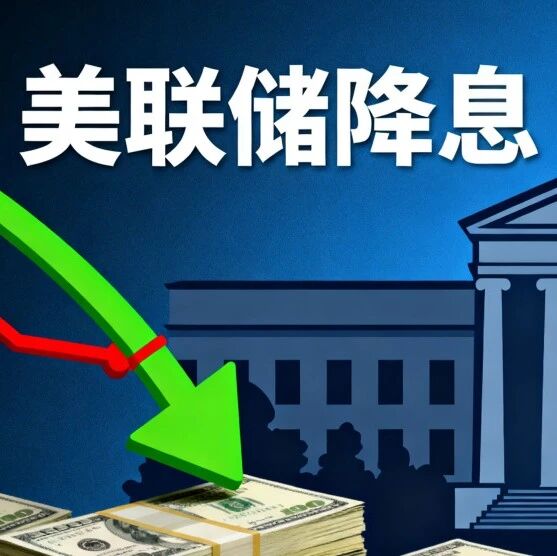
全文对比美联储12月会议声明有何变化
美股IPO· 2025-12-11 00:34
美联储12月声明对失业率的表述从上次的"失业率小幅上升但到8月仍维持在低位",改为"失业率截至9月有所上升";增加未来降息"幅度和时机"表述, 被视为暗示未来降息门槛更高;增加表述"委员会认为准备金余额已降至充足水平,并将根据需要购买短期美国国债,以维持持续充足的准备金供应"。 本次会议有三张反对票,比10月多了一张,芝加哥联储主席古尔斯比倾向于维持利率不变。 委员会力求长期内实现最大化就业和2%的通胀率。经济前景的不确定性仍处于较高水平。委员会密切关注可能影响其双重使命的风险因素,并判断就业下行风险 最近几个月有所上升。 美国总统特朗普今年9月任命的美联储理事斯蒂芬·米兰,再度投下反对票,与此前9月和10月会议一样,他认为应降息50个基点而非25个基点。 堪萨斯城联储主席施密德与10月会议一样,再度投下反对票,他倾向于此次会议维持利率目标区间不变。 芝加哥联储主席古尔斯比加入了施密德,他倾向于此次会议维持利率目标区间不变。 为支持自身目标,并考虑到风险平衡的变化,委员会决定,将联邦基金利率目标区间下调0.25个百分点,至 3.50% (3.75%) 至 3.75% (4%) 。在考虑对联邦 基金利率目标范围 ...