美联储降息周期

Search documents
美联储降息周期下的跨境汇款新变局
Sou Hu Cai Jing· 2025-09-24 02:03
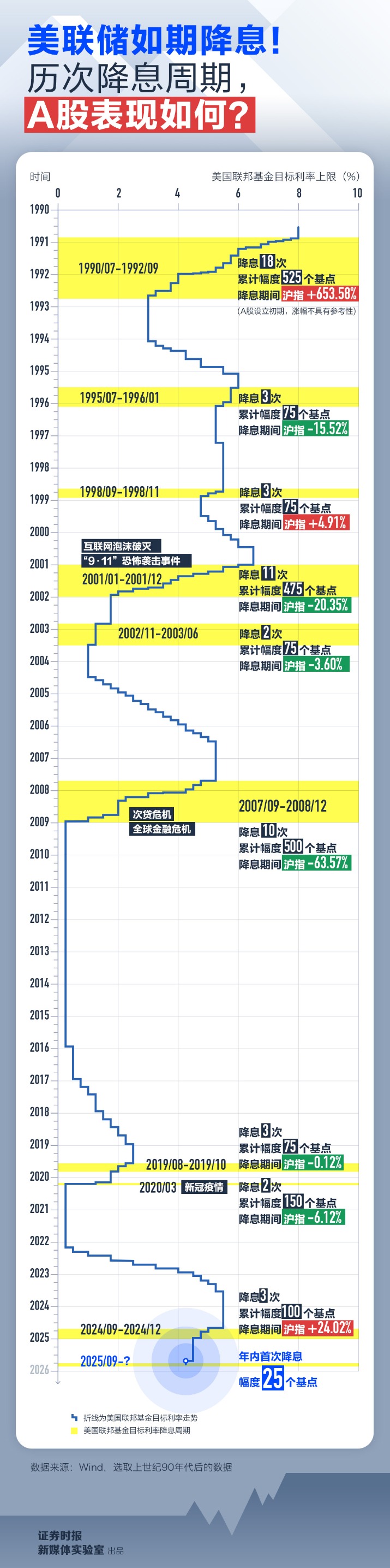
Core Viewpoint - The Federal Reserve's recent interest rate cut and its implications for the USD exchange rate and cross-border remittance costs for Chinese individuals in the U.S. [1][4] Group 1: Impact of Interest Rate Cut on Cross-Border Remittance - The Federal Reserve's decision to lower the federal funds rate by 25 basis points to 4.00%-4.25% is expected to weaken the USD, leading to increased volatility in exchange rates [1][4] - The offshore RMB to USD exchange rate surged to 7.08, marking a ten-month high, which significantly affects Chinese individuals in the U.S. who remit money back home [4] - A hypothetical monthly remittance of $10,000 could result in a loss of 1,200 RMB if the exchange rate drops from 7.20 to 7.08, highlighting the financial impact of exchange rate fluctuations [4] Group 2: Challenges Faced by Traditional Remittance Services - Traditional banks are experiencing a "double squeeze" due to narrowing interest rate spreads and rising compliance costs, leading to increased remittance costs for consumers [4] - The complexity of regulatory requirements has increased by over 30%, making the remittance process more cumbersome for users [4] - Traditional banks' fixed pricing mechanisms fail to adapt to short-term exchange rate fluctuations, potentially resulting in significant losses for users during volatile periods [5] Group 3: Innovations by Panda Remit - Panda Remit offers a digital solution that addresses the pain points of traditional remittance services by providing real-time exchange rates and rapid settlement [5][6] - The platform features transparent fee structures, with new users enjoying zero fees on their first remittance and lower fixed fees for long-term users [6] - Panda Remit ensures a speedy remittance experience, with transfers completed in as little as 2 minutes and over 90% of transactions settled within one hour [7] Group 4: Compliance and Security - Panda Remit holds financial regulatory licenses in multiple countries, ensuring compliance with anti-money laundering (AML) regulations and safeguarding user funds [8] - The service's technological innovations not only enhance speed and compliance but also significantly reduce overall costs, making it an attractive option for Chinese individuals in the U.S. [8]

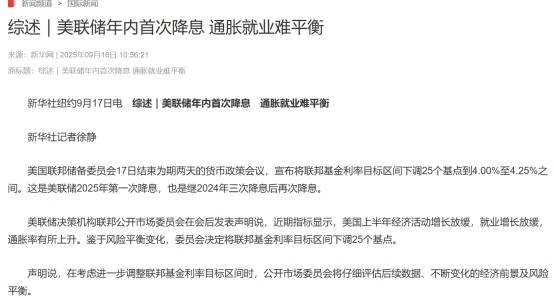
Citi's Rob Rowe: A Fed easing cycle into a soft landing is very positive for risk assets
Youtube· 2025-09-23 16:37
Core Viewpoint - The market continues to reach record highs despite macroeconomic challenges, with expectations for volatility in Q3 but a positive outlook for AI and capital expenditure into next year [1][2]. Market Predictions - The year-end target for the market is projected at around 6,600, with a potential rise to 6,900 by mid-next year and a bull case of 7,200 [2]. - The current market level is expected to remain stable, with buying opportunities during Q3 volatility [3]. Gold Market Insights - Anticipation of a Federal Reserve easing cycle, with two more rate cuts expected by year-end and possibly two additional cuts in Q1 next year, is seen as favorable for gold [4]. - Central bank purchases of gold continue, indicating ongoing diversification amid rising geopolitical concerns and a slowing economy, which are all positive factors for gold prices [5]. Labor Market and Economic Conditions - A dual economic scenario is emerging, with significant infrastructure investment alongside a weakening labor market, projected to see unemployment rise to 4.8% by year-end [6][7]. - The Fed's easing cycle is viewed as beneficial for risk assets, despite the current elevated market levels [7]. Tariff Implications - The effective tariff rate is currently around 18%, significantly up from 2.5% at the start of the current administration, with potential increases to 20% if sectoral tariffs are implemented [8][9].
有色金属月度策略-20250923
Fang Zheng Zhong Qi Qi Huo· 2025-09-23 07:18
1. Report Industry Investment Rating No relevant content provided. 2. Core Views of the Report - The Fed has entered a new round of interest - rate cut cycles, and the continued improvement of US manufacturing data is favorable for non - ferrous metals in the long - term. However, after the interest - rate cut is implemented, there will be a phased adjustment, and future trends depend on economic data [11]. - Different non - ferrous metals have different market conditions and investment strategies. For example, copper is recommended to go long on dips; zinc can be moderately long on dips; the aluminum industry chain is recommended to be short; tin short - term long positions can be appropriately taken profit; lead can be long on dips; nickel and stainless steel can be long on dips [3][4][5][6][7][8]. 3. Summary by Directory 3.1 First Part: Non - ferrous Metal Operation Logic and Investment Suggestions - **Macro Logic**: The Fed cut interest rates by 25bp, starting a new round of interest - rate cut cycles. China's one - year and five - year LPR in September remained unchanged. China's central bank adheres to an independent monetary policy and implements a moderately loose monetary policy. After the interest - rate cut, there was a phased adjustment, and future trends depend on economic data [11]. - **This Week's Focus**: The release of August PCE and September European and American manufacturing PMIs, intensive speeches by Fed officials including Powell, the release of China's September LPR, and the participation of Pan Gongsheng, Wu Qing, and Li Yunze in the "14th Five - Year Plan" series of press conferences [12]. - **Non - ferrous Metal Strategies**: Different non - ferrous metals have different operation logics, support and pressure areas, market judgments, and investment strategies. For example, copper is expected to strengthen in shock and is recommended to go long on dips; zinc will fluctuate in a range and can be long on dips; the aluminum industry chain is expected to be weak and is recommended to be short; tin will rebound in shock and short - term long positions can be reduced; lead will fluctuate upward and can be long on dips; nickel and stainless steel are recommended to be long on dips [13][14][15]. 3.2 Second Part: Non - ferrous Metal Market Review The closing prices and price changes of various non - ferrous metals are presented. For example, copper closed at 80160 with a 0.31% increase; zinc closed at 22090 with a 0.20% increase; aluminum closed at 20745 with a 0.24% decrease, etc. [16]. 3.3 Third Part: Non - ferrous Metal Position Analysis The latest position analysis of the non - ferrous metal sector shows the net long - short strength comparison, net long - short position differences, changes in net long and net short positions, and influencing factors of different varieties such as silver, gold, tin, copper, etc. [18]. 3.4 Fourth Part: Non - ferrous Metal Spot Market The spot prices and price changes of various non - ferrous metals are provided. For example, the Yangtze River Non - ferrous copper spot price is 80340 yuan/ton with a 0.24% increase; the Yangtze River Non - ferrous 0 zinc spot average price is 21960 yuan/ton with a 0.14% decrease, etc. [19][21]. 3.5 Fifth Part: Non - ferrous Metal Industry Chain Graphs related to the industry chain of various non - ferrous metals are presented, including inventory changes, processing fees, price trends, etc. For example, for copper, there are graphs of exchange copper inventory changes and SMM social copper inventory changes; for zinc, there are graphs of zinc inventory changes and zinc concentrate processing fee changes [23][27]. 3.6 Sixth Part: Non - ferrous Metal Arbitrage Graphs related to non - ferrous metal arbitrage are presented, including changes in the Shanghai - London ratio, basis spreads, and price differences between different varieties. For example, for copper, there are graphs of copper Shanghai - London ratio changes and the basis spread between Shanghai copper and London copper [56]. 3.7 Seventh Part: Non - ferrous Metal Options Graphs related to non - ferrous metal options are presented, including historical volatility, weighted implied volatility, trading volume, and open - interest changes. For example, for copper, there are graphs of copper option historical volatility and copper option weighted implied volatility [72].
现货黄金站上3745美元,黄金ETF(518880)昨日成交额超36亿,机构:黄金长期看多逻辑并未改变
2 1 Shi Ji Jing Ji Bao Dao· 2025-09-23 01:29
Group 1 - On September 22, gold ETFs (518880) rose by 1.90%, with trading volume exceeding 3.6 billion yuan by the end of the day, while gold stock ETFs (159321) increased by 3.39% [1] - Spot gold reached a record high of $3,745 per ounce on September 22, marking a 1.66% increase for the day, and spot silver also hit a new high not seen since August 2011 [1] - Ping An Securities indicated that the second half of the year remains in a loose monetary cycle, with some metal fundamentals improving, suggesting a rise in both precious and industrial metal prices [1] Group 2 - Shanghai Securities maintains a long-term bullish outlook on gold, suggesting potential for further upward movement, driven by factors such as global de-dollarization and the Federal Reserve entering a rate-cutting cycle [2] - Guoxin Securities noted that gold assets are supported by the trend of de-dollarization and ongoing central bank purchases, with short-term market sentiment bolstered by revised non-farm data and increased rate cut expectations [2] - Silver is transitioning from an industrial byproduct to a valuable asset, driven by industrial demand and financial attributes, with AI and 5G technology potentially widening the supply-demand gap [2]
海外高频 |美联储9月例会降息,全球多数股指延续上涨(申万宏观·赵伟团队)
赵伟宏观探索· 2025-09-21 16:04
Group 1 - The Federal Reserve lowered interest rates by 25 basis points to a range of 4.00-4.25% during its September meeting, while also revising up its economic and inflation forecasts, indicating a potential for three more rate cuts by 2025 [42][46] - The U.S. retail sales in August increased by 0.6%, surpassing market expectations of a decline of 0.2%, driven by improvements in online shopping and dining services [46] Group 2 - The fourth round of U.S.-China trade talks concluded with a consensus on the TikTok issue, focusing on data security and content management, but limited progress on broader trade topics [28] - As of July, the average tariff rate imposed by the U.S. on global imports was 9.75%, with a significantly higher rate of 40.36% on imports from China, contributing approximately $10.1 billion in tariff revenue [28][31]


多家银行1年期美元定期存款利率暂时维持在“3字头” 受访专家认为,在美联储降息周期下,国内银行通常会相应下调美元存款利率,但并非总是同步或等幅
Zheng Quan Ri Bao· 2025-09-18 22:39
Group 1 - The Federal Reserve announced a 25 basis point cut in the federal funds rate target range to 4.00% to 4.25%, marking the first rate cut of the year [1] - Following the Fed's rate cut, several banks in China have adjusted their personal USD time deposit rates, with many currently maintaining rates in the "3% range" for one-year deposits [1] - Nanjing Bank's new USD deposit rates effective from September 13 show a decrease, with one-year rates dropping from 4% to 3.0% for a minimum deposit of $100,000 [1] Group 2 - According to a chief economist at CITIC Securities, the likelihood of further declines in USD deposit rates is high due to the Fed's recent rate cut and potential future cuts [2] - The downward adjustment of USD deposit rates may lead to reduced interest income for depositors, prompting them to seek higher-yielding assets such as bonds or stocks [2] - Investors are advised to diversify their asset allocation in USD investments and closely monitor Fed policy changes and exchange rate fluctuations [2]

美联储降息周期大复盘:究竟是牛市的加速器,还是熊市的开端?
Ge Long Hui· 2025-09-18 13:20
Group 1 - The Federal Reserve has lowered interest rates by 25 basis points as expected, with two more rate cuts anticipated this year, totaling a 50 basis point reduction, and an additional 25 basis points in the following two years according to the latest dot plot [1] - Historically, significant bear markets in the U.S. stock market have occurred during Federal Reserve rate-cutting cycles, raising questions about whether the current rate cut is a bullish signal or a precursor to a bear market [1][24] - A review of past rate-cutting cycles from the 1990s to the present reveals varied impacts on the stock market, with some periods leading to significant gains while others resulted in substantial declines [1][23] Group 2 - The first rate-cutting cycle from July 1990 to October 1992 was initiated during a recession, with the federal funds rate dropping from 8% to 3%, leading to a recovery in GDP growth by 1992 [2][4] - The 1995-1996 rate-cutting cycle followed aggressive rate hikes in 1994, with the Fed reducing rates from 6% to 5.25% over three cuts, resulting in a 30% increase in stock indices during the subsequent months [7][9] - The 1998-1999 cycle saw a reduction from 5.5% to 4.75% amid global financial crises, with the U.S. economy remaining strong, leading to new stock market highs [12][14] Group 3 - The 2001-2003 rate-cutting cycle began in response to a recession, with rates falling from 6.5% to 1%, coinciding with a prolonged bear market where the Nasdaq experienced a maximum decline of 70% [16][19] - The 2007-2008 cycle was marked by the global financial crisis, with rates cut from 5.25% to near zero, resulting in significant stock market declines exceeding 50% [20][22] - The 2019-2020 cycle began with a series of preventive rate cuts, leading to a strong stock market performance until the COVID-19 pandemic prompted aggressive rate cuts back to near zero [22][23] Group 4 - The analysis indicates that preventive rate cuts typically do not lead to significant stock market issues, while crisis-driven cuts often result in initial market declines [23][24] - Current observations suggest that the recent rate cut is viewed as a preventive measure rather than a response to a crisis, with a generally optimistic outlook for the U.S. economy [24]
多个资源周期类细分板块近期走势向好
Zhong Guo Zheng Quan Bao· 2025-09-18 00:42
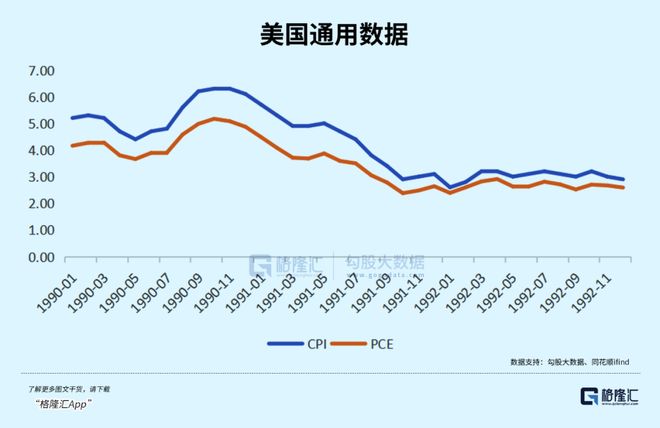
Core Insights - The recent increase in posts related to resource cyclical products on investment social platforms indicates growing interest in this sector [1] - Multiple sub-sectors within the resource cycle have shown positive performance, with several resource-themed funds reaching new net asset value highs this year [1] - The anticipated arrival of a Federal Reserve interest rate cut cycle is expected to benefit the non-ferrous metals sector, as market liquidity becomes more accommodative [1] - With the Producer Price Index (PPI) in China approaching a turning point, resource products are likely to emerge as key drivers in the next market rally, supporting a bullish outlook on cyclical investments [1]
美联储降息东风至 小盘股重回市场焦点 上演“后巨头时代”的主升浪
Zhi Tong Cai Jing· 2025-09-18 00:29
Core Viewpoint - The Russell 2000 index has shown signs of recovery and potential for growth as the Federal Reserve's interest rate cut expectations rise, indicating a shift in market sentiment towards small-cap stocks after a prolonged period of underperformance compared to the S&P 500 index [1][4][8]. Group 1: Market Performance - The Russell 2000 index rose by 2.1% to 2453.36 points during trading, briefly surpassing its historical closing high for the first time since November 2021, before retracting some gains to close up 0.2% [1][4]. - Since the low point in April, the Russell 2000 index has rebounded over 36%, reflecting a significant recovery from previous market fears [9][12]. Group 2: Federal Reserve Actions - The Federal Reserve cut the benchmark interest rate by 25 basis points, marking its first rate cut in nine months, with plans for potentially two more cuts this year [4][5]. - The Fed's policy statement shifted focus from a strong labor market to concerns about slowing job growth and rising unemployment, indicating a new phase of monetary easing [5][11]. Group 3: Investor Sentiment - There is a growing optimism among investors regarding small-cap stocks, as they are seen as undervalued compared to large-cap stocks, particularly in light of the Fed's easing policies [7][10]. - Analysts predict that small-cap stocks may outperform large-cap stocks, especially if the economy avoids recession and enters a period of declining interest rates [9][11]. Group 4: Earnings and Valuation - Small-cap companies have reported better-than-expected earnings in the second quarter, which has contributed to a more favorable outlook for their future performance [10][12]. - The expectation of lower interest rates is anticipated to significantly reduce interest expenses for small-cap firms, potentially enhancing their profitability and stock valuations [13].
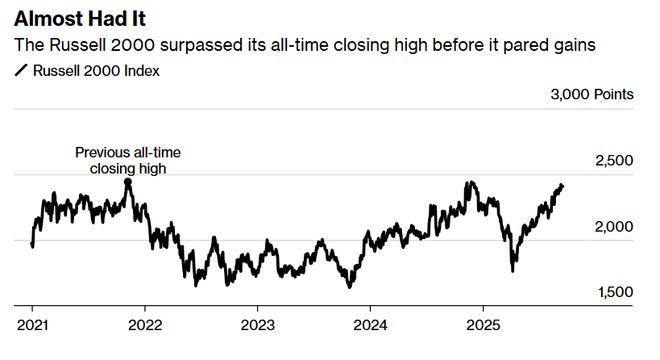
美联储如期降息25基点!历次降息周期 A股表现如何?
Zheng Quan Shi Bao Wang· 2025-09-17 23:38
Group 1 - The Federal Reserve announced a reduction in the target range for the federal funds rate from 4.25%-4.50% to 4.0%-4.25%, marking a 25 basis points cut and the first rate decrease since 2025 [1] - Historical analysis shows that during previous Federal Reserve rate cut cycles, the A-share market exhibited varying performance, with significant declines noted in certain periods [4] - For instance, during the 2001 rate cut period, the cumulative reduction was 475 basis points, and the Shanghai Composite Index fell by 20.35% [4] Group 2 - In the 2008 financial crisis, the Federal Reserve cut rates 10 times, totaling a 500 basis points reduction, while the Shanghai Composite Index experienced a dramatic decline of 63.57% [4] - The data indicates that the A-share market's performance during rate cuts has often been negative, suggesting a potential correlation between rate cuts and market downturns [4]