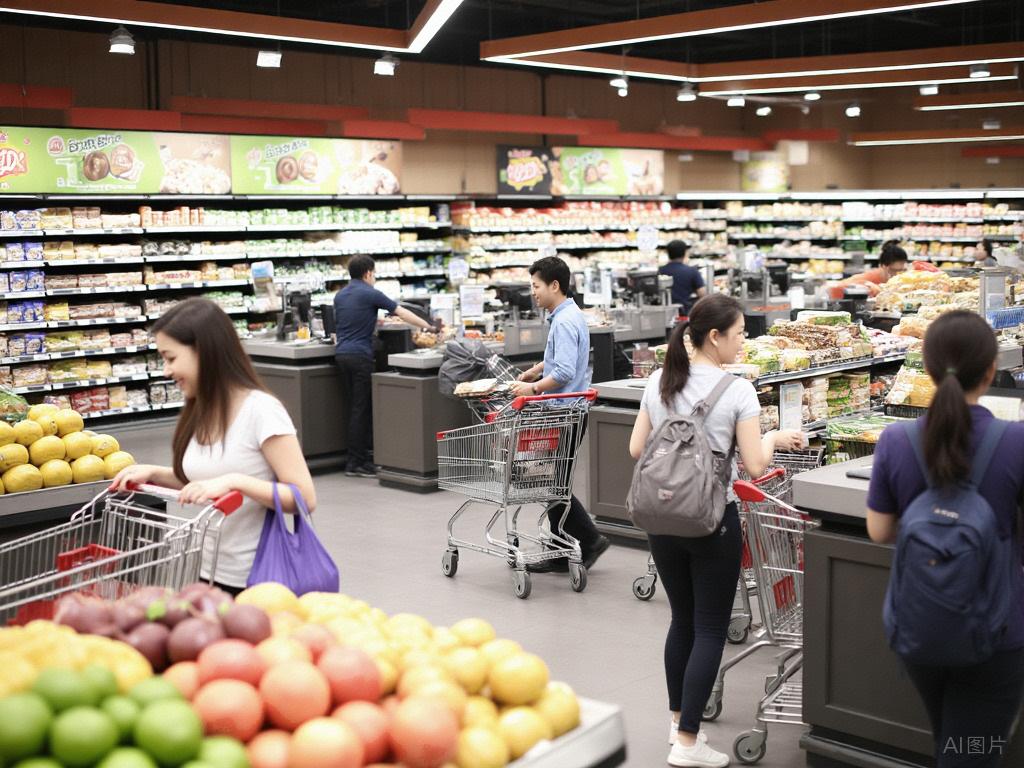
自有品牌

Search documents
匠心家居(301061):业绩表现超预期,自有品牌和新品带动盈利能力持续向上
Shenwan Hongyuan Securities· 2025-07-16 10:41
Investment Rating - The investment rating for the company is "Buy" (maintained) [6] Core Views - The company has released a mid-year performance forecast for 2025, indicating that the performance exceeded expectations. The net profit attributable to the parent company for the first half of 2025 is expected to be between 410-460 million yuan, representing a year-on-year growth of 43.7-61.2% [6] - The company is actively promoting its own brand development and expanding its store-in-store model, with over 500 Moto Gallery stores in the US and 24 in Canada by the end of Q1 2025, significantly up from 150 stores at the end of Q3 2024 [6] - The company has a significant supply chain advantage with a comprehensive industry layout, showing resilience against tariff disruptions. The company has a base in Vietnam that covers US orders and has in-house production capabilities for key components [6] - The company is leveraging its integrated supply chain and innovation capabilities to develop unique products, which are gaining market recognition. In 2024, the company added 96 new customers, including 14 from the top 100 US furniture retailers, indicating a strong growth trajectory [6] - The company is expected to continue its global expansion and upgrade its business model, with revised net profit forecasts for 2025-2026 increased to 891 million and 1.106 billion yuan, respectively, with a projected year-on-year growth of 30.4% and 24.2% [6] Financial Data and Profit Forecast - Total revenue is projected to grow from 2,548 million yuan in 2024 to 4,990 million yuan in 2027, with a compound annual growth rate (CAGR) of approximately 21.4% [2] - The net profit attributable to the parent company is expected to increase from 683 million yuan in 2024 to 1,339 million yuan in 2027, reflecting a CAGR of about 21.1% [2] - The earnings per share (EPS) is forecasted to rise from 4.10 yuan in 2024 to 6.15 yuan in 2027 [2] - The gross profit margin is expected to improve slightly from 39.4% in 2024 to 40.9% in 2027 [2] - The return on equity (ROE) is projected to increase from 19.1% in 2024 to 21.9% in 2027 [2]
连续两年亏损、负债净额超20亿元 海拍客赴港IPO:母婴垂直电商的“悬崖一跃”?
Mei Ri Jing Ji Xin Wen· 2025-07-11 14:25
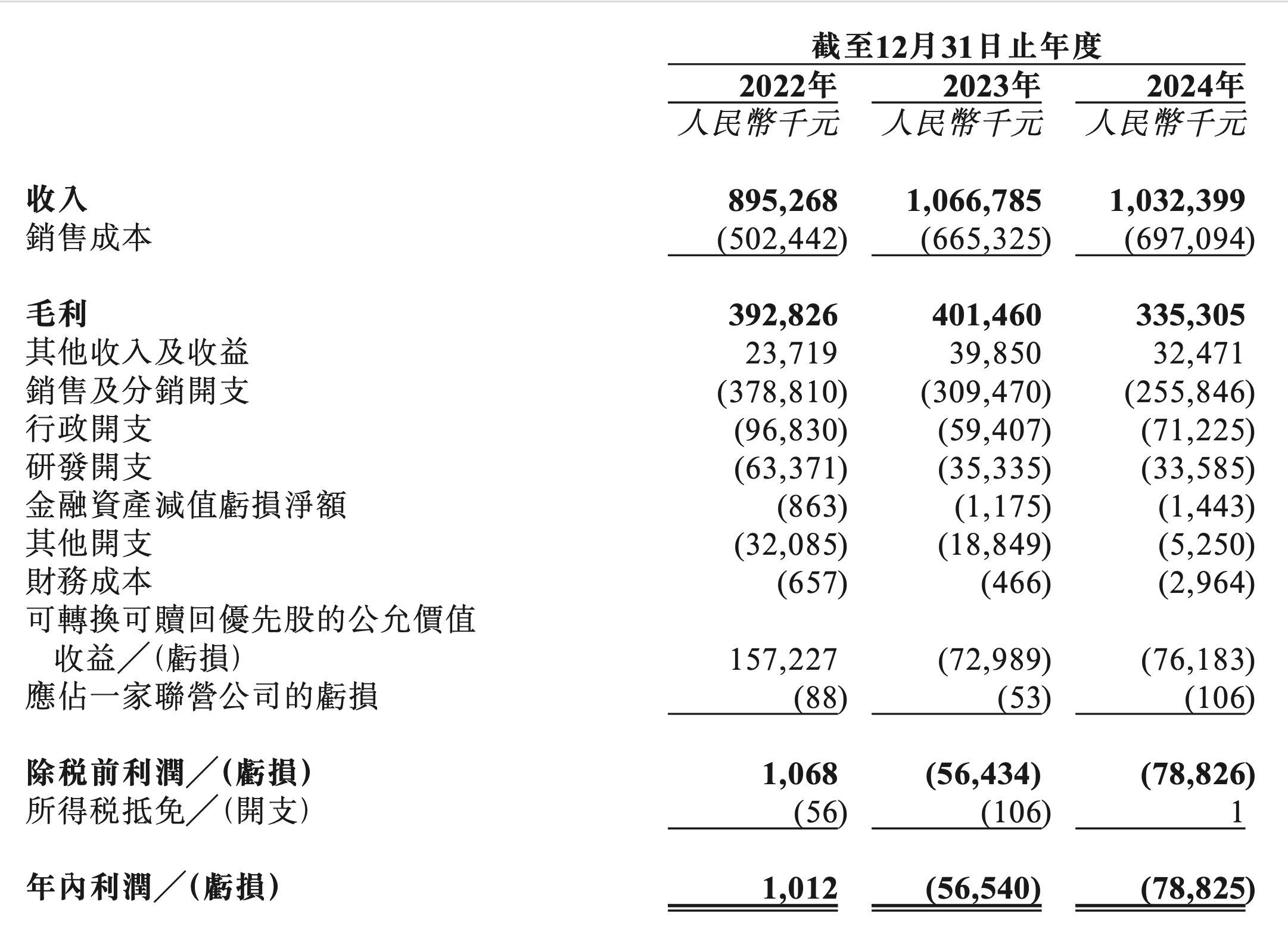
Core Viewpoint - The article discusses the challenges faced by the maternal and infant vertical e-commerce platform, Haipai Ke, as it prepares for its IPO, highlighting its financial struggles and the competitive landscape of the industry. Financial Performance - Haipai Ke's projected revenues for 2022, 2023, and 2024 are 895 million RMB, 1.067 billion RMB, and 1.032 billion RMB respectively, with net profits turning from a slight profit of 1.012 million RMB in 2022 to losses of 56.54 million RMB in 2023 and 78.825 million RMB in 2024 [1][4] - The company's total transaction volume is expected to reach 11 billion RMB in 2024, with 22.2% of revenue coming from digital platform business and 77.7% from self-operated business [5][7] - Haipai Ke's sales costs have been rising year-on-year, leading to a decline in gross margin from 43.9% in 2022 to 32.5% in 2024 [8] Business Model and Strategy - The company initially focused on connecting supply and demand for maternal and infant care products in lower-tier cities, operating a dual model of platform and self-operated business [5][9] - As of December 31, 2024, Haipai Ke has developed 92 proprietary brands and established partnerships with 153 manufacturers, with over 38,000 paying buyers for its self-operated business [5][7] Industry Context - The maternal and infant e-commerce sector has faced significant challenges, with several competitors experiencing operational difficulties or shutting down, indicating a tough market environment [12][14] - Analysts suggest that the industry is under pressure due to diminishing population dividends and high customer acquisition costs, making it difficult for vertical e-commerce platforms to compete with larger, comprehensive e-commerce platforms [13][14] Future Outlook - Haipai Ke plans to enhance its proprietary brand development, introduce selected international brands, and improve its technological capabilities and IT infrastructure to address current challenges [14]

董宇辉新账号上线,主播格局又变,直播电商战场转向实体经济
Nan Fang Du Shi Bao· 2025-07-07 06:55
Group 1 - The core viewpoint of the articles indicates that the MCN industry is shifting from a traffic-driven economy to a supply chain-driven economy, highlighting the importance of supply chain capabilities for survival and competitiveness [1][3][4] - Major MCNs are increasingly focusing on building their own brands and reducing reliance on top influencers, as seen with companies like Oriental Selection and Yao Wang [4][5][6] - The trend of relocating headquarters to areas with strong supply chain capabilities, such as the return of Xin Xuan Group to Guangzhou, emphasizes the need for proximity to manufacturing and logistics [2][3] Group 2 - The establishment of new brands, such as the sanitary napkin brand launched by Yao Wang, reflects a strategic move towards integrating supply chain management with brand development [4][5] - The introduction of self-operated apps and private domain e-commerce strategies by various MCNs indicates a shift towards direct consumer engagement and brand loyalty [17][18][19] - The exploration of new markets, including AI integration and overseas expansion, represents a significant opportunity for growth in the evolving landscape of the live commerce industry [20][21][22][23]

京东七鲜上新桂味荔枝,开发的自有品牌荔枝冰酿、气泡酒等新品受热捧
Zhong Jin Zai Xian· 2025-06-27 06:42
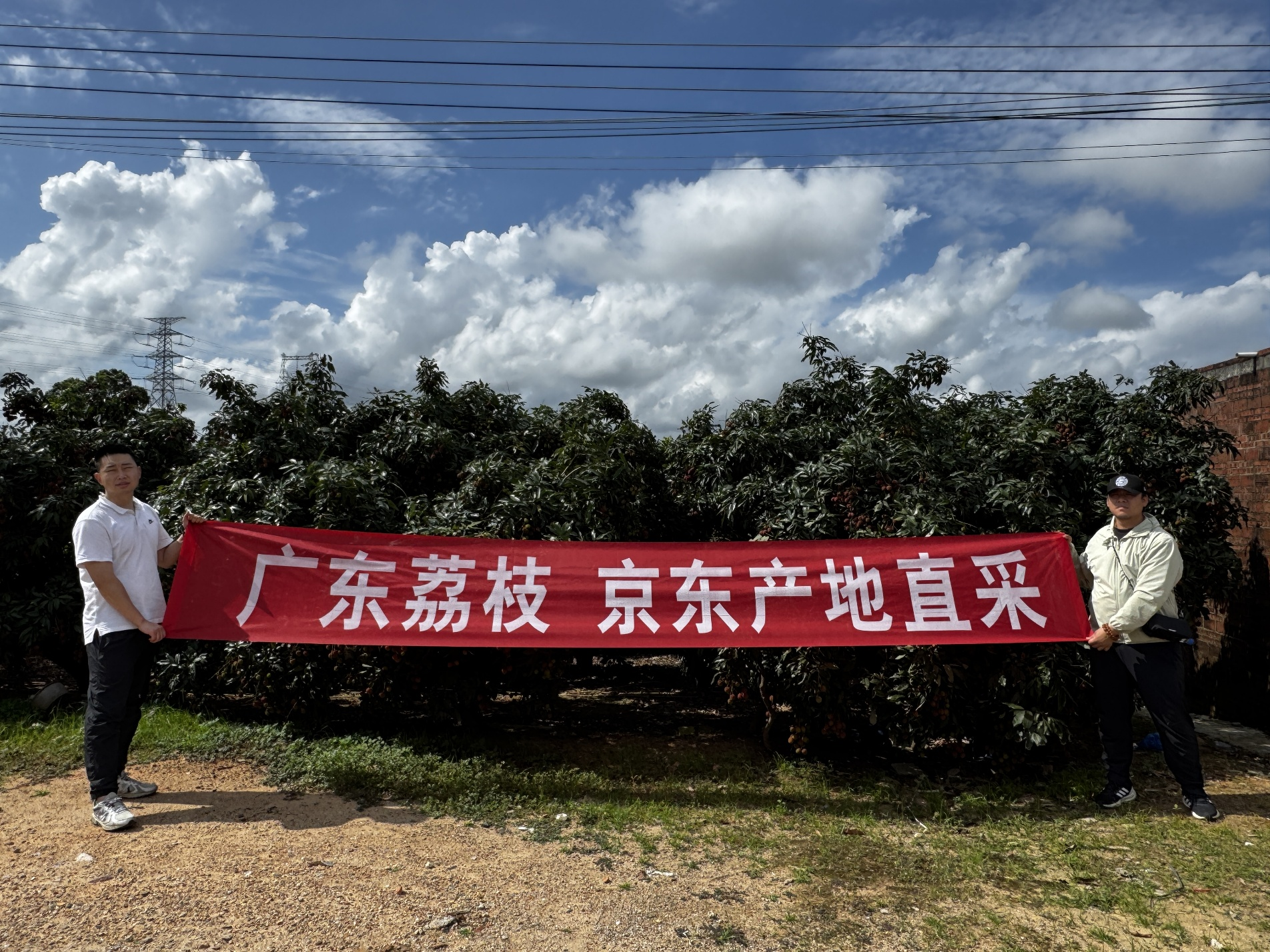
Core Insights - JD Seven Fresh has launched a variety of lychee-related products during the peak season of lychee ripeness, enhancing consumer experience with unique culinary offerings [1][3][7] Group 1: Product Innovation - The company has developed innovative products such as lychee ice brew, which preserves the fresh taste and aroma of lychee while providing a refreshing experience [3][5] - Lychee sparkling wine creatively incorporates whole lychees, offering a unique flavor profile that enhances summer gatherings [5] - The lychee rose box cake combines the sweetness of lychee with the fragrance of rose petals, providing a rich and layered taste experience [5][7] Group 2: Supply Chain and Freshness - JD Seven Fresh employs a direct sourcing model from Guangdong, ensuring same-day harvesting and shipping of lychees, maintaining temperature-controlled transport [1][7] - The introduction of frozen "Meizi Xiao" lychees utilizes freezing technology to lock in flavor and nutrition, allowing consumers to enjoy fresh lychees even outside the peak season [7] Group 3: Consumer Engagement - The company has created a direct sales area in its stores, attracting customers with fresh lychees at competitive prices, enhancing the shopping experience [3] - The efficient 1+N model (1 central store + N satellite stores) allows for rapid delivery, with products reaching consumers in as little as 30 minutes [7]

美国“1元店”挤满中产,我们的折扣店却在退潮?
3 6 Ke· 2025-06-17 02:29
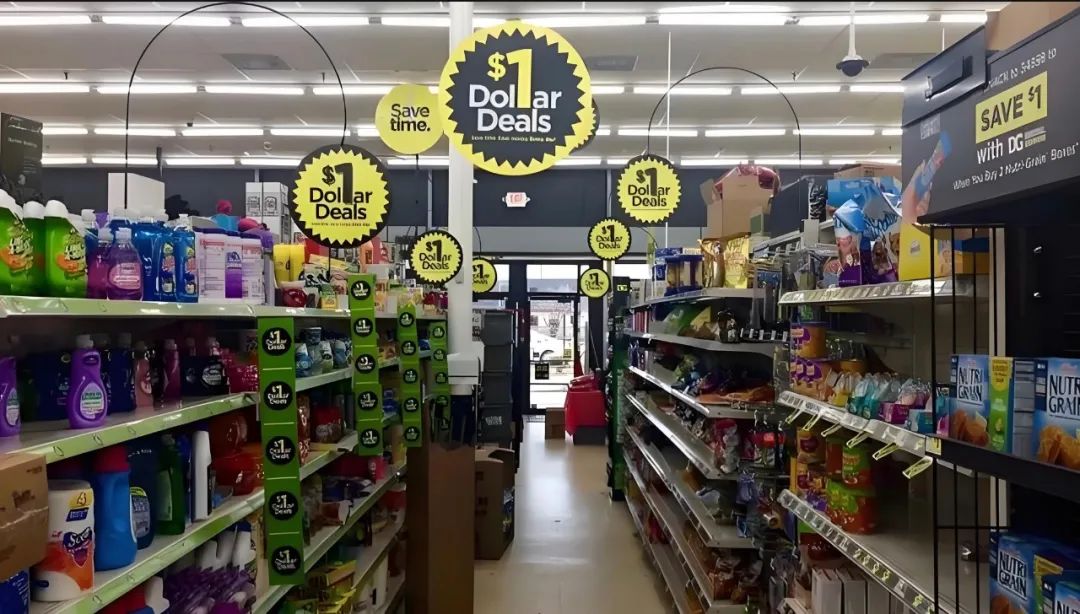
Core Insights - A notable retail signal is emerging in the U.S., where discount stores, traditionally serving low-income families, are now attracting middle and high-income households, reflecting deeper economic and social changes [1][2][4] - This trend contrasts with the rapid growth of discount retail in China and the decline of local membership-based supermarkets [1] Group 1: Discount Retail Trends in the U.S. - Discount stores, often referred to as "dollar stores," have historically provided affordable essentials for low-income families, but recent data shows an influx of higher-income customers [2][4] - Dollar General reported a record quarterly sales of $10.4 billion, with a 2.4% year-over-year increase in same-store sales, indicating a shift towards discount channels among higher-income consumers [7] - Dollar Tree also experienced significant growth, with a net sales increase of 11.3% to $4.6 billion, driven by 2.6 million new customers, primarily from higher-income brackets [7] Group 2: Economic Context and Implications - The shift towards discount retail is attributed to macroeconomic pressures, including a significant inflation rate that has altered consumer spending habits, even among middle-class families [9] - The performance of discount retailers is seen as a "reverse indicator" of economic sentiment, thriving during economic downturns while traditional retailers struggle [9] Group 3: Comparison with Chinese Discount Retail - In China, discount retail is gaining attention, with various discount stores rapidly expanding, but challenges such as reliance on clearance goods and unstable supply chains are emerging [10][12] - Chinese discount retailers often operate on a "channel arbitrage" model, lacking the robust supply chain and product differentiation seen in successful U.S. counterparts like Dollar Tree [12][14] - The operational inefficiencies and high costs associated with local membership stores have led to underperformance, highlighting a misalignment with the core principles of discount retail [14][19] Group 4: Strategic Insights for Future Growth - Successful discount retail hinges on product strength and operational efficiency, with a focus on offering better products at competitive prices [15][17] - Establishing a unique product pool and efficient operational systems will be crucial for discount retailers in China to gain consumer recognition and market share [19][20] - The long-term success of discount retail will depend on the ability to manage supply chains effectively and maintain low operational costs while delivering value to consumers [19][20]


空降永辉的佘咸平,能否通过“433” + 反腐风暴,将永辉从 “泥潭” 里拽出来?
3 6 Ke· 2025-06-13 03:09
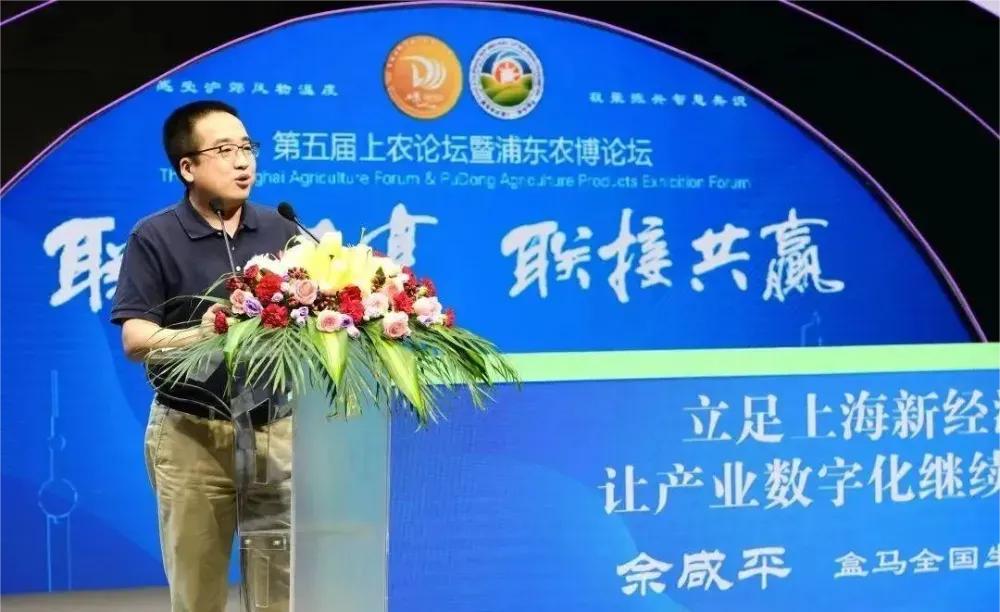
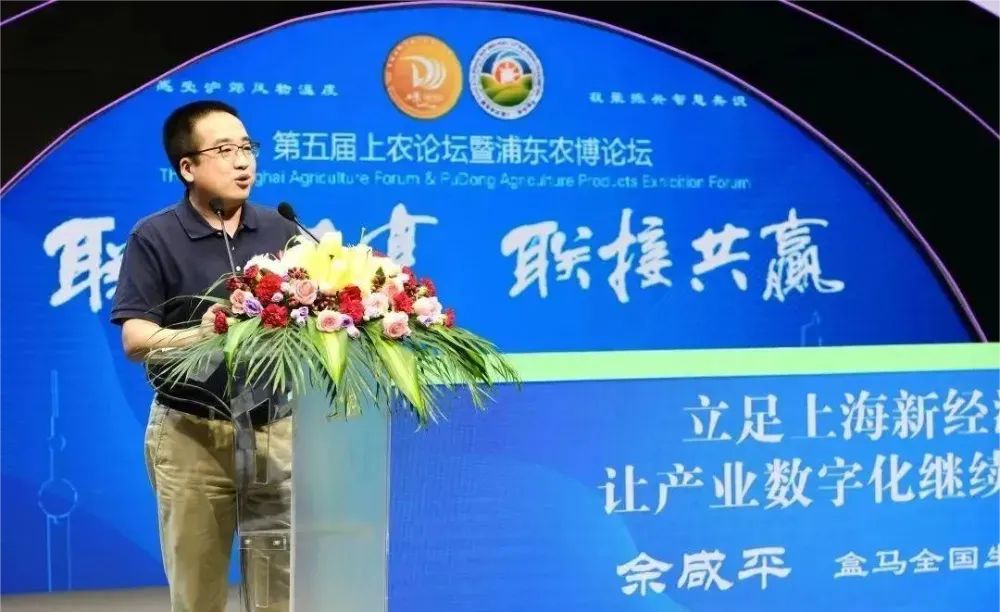
此前,我们报道过永辉力邀曾在山姆、盒马、大润发等零售巨头皆有丰富履历的佘咸平加盟,担任 CMO,而其也是属于升职跳槽。而此 CMO 岗位经永 辉组织变革后新设,职能上等同于往昔的采购总监。今天我们旧事重提,分析以下这则看似简单的人事变动背后,是否还蕴含着永辉战略转型的迫切需求 与深远布局? 先说说佘咸平个人。作为中国零售业中首席采购官岗位的资深开拓者,佘咸平的职业履历堪称一部丰富的行业奋斗史。 2002 年,他踏入山姆中国采购部,自此开启长达十三年的深耕历程。从北方区采购总监逐步晋升至全国生鲜采购总监,在山姆的岁月里,他深度参与全 球直采体系的构建,主导多个关键项目,如红旗坡苹果直采项目。他深入核心产区,从果园种植源头把控,到物流运输、终端销售全流程管理,积累了深 厚的采购与供应链管理经验,深谙如何筛选优质供应商、优化采购成本以及保障商品品质。 巅峰时期大幅下跌,缩水幅度高达三分之二。 在此严峻背景下,永辉毅然开启组织变革之旅。此前,永辉的采购体系采用区域分权模式,五个区域采购中心各自为政。这种模式虽在一定程度上能够根 据当地市场情况灵活调整采购策略,但也暴露出诸多弊端。供应链资源分散,难以形成规模效应,导致 ...

营收重返100亿,三只松鼠章燎原说第一次成功只是运气|专访
3 6 Ke· 2025-06-11 01:08
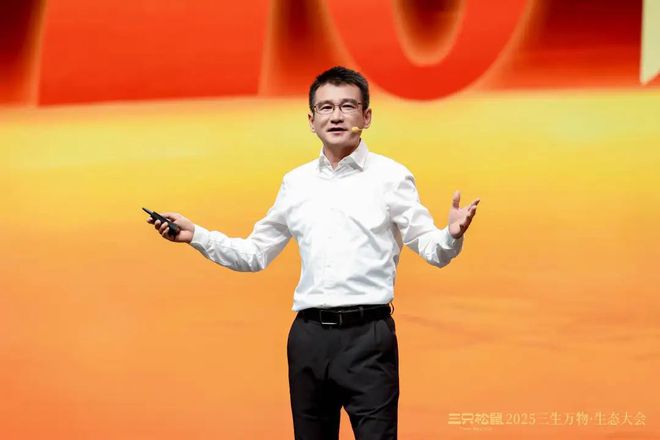
Core Viewpoint - The company has successfully navigated through a challenging period and is now focusing on becoming a comprehensive supply chain company that integrates manufacturing, branding, and retailing. Group 1: Company Recovery and Strategy - The company experienced a significant decline in revenue and profit after its peak in 2019, where it became the first in the snack industry to exceed 10 billion yuan in annual revenue [1][42] - A consensus was reached among executives that the company's products were priced too high, leading to a strategic shift towards "high-end cost-effectiveness" [2][14] - The company has successfully utilized platforms like Douyin (TikTok) to boost sales, achieving 2.2 billion yuan in sales in 2023, surpassing Tmall's 1.9 billion yuan [4] Group 2: Organizational Changes and Market Adaptation - The company adopted a "weaker" approach to management, focusing on small changes and empowering teams to make adjustments [11][12] - A new pricing and operational strategy was implemented to enhance competitiveness against lower-priced brands [15][16] - The company is expanding its product range with 33 new proprietary brands across various categories, including pet food and convenience foods [4][28] Group 3: Future Vision and Market Positioning - The founder envisions the company as a "super supply chain" entity that can serve various retail channels and consumer needs [5][17] - The company aims to establish a presence in community retail through convenience stores and lifestyle shops, capitalizing on urbanization trends [19][22] - The company recognizes the importance of adapting to market changes and is committed to continuous innovation and brand development [34][40]

从胖东来调改永辉,看商超如何做好商品差异化?
Sou Hu Cai Jing· 2025-06-10 15:43
Core Viewpoint - The retail industry in China faces significant challenges due to the prevalence of "homogeneous stores" and "identical products," which are not well-suited to the current market dynamics [2][4] Group 1: Industry Challenges - The rapid growth of the retail sector, spurred by foreign investment and new retail formats, has led to increased competition and a need for differentiation [2][4] - The shift in consumer demand from basic needs to upgraded consumption and now to a slowdown in demand highlights the inadequacy of the current retail model [2][4] - Companies like Budonglai have demonstrated that breaking the "homogeneous store" and "identical products" model is crucial for addressing market pressures and achieving transformation [2][3] Group 2: Importance of Differentiation - Differentiation in product offerings is essential for enhancing competitive advantage in the retail sector [3][5] - Recent changes in three supermarkets involved eliminating 90% of their previous product lines and introducing new private label products, showcasing the effectiveness of differentiation [3][5] - The retail market in China has ample conditions for differentiation, yet many retailers still operate under a "homogeneous" model, necessitating a reevaluation of business strategies [4][5] Group 3: Strategies for Differentiation - Two key strategies for creating product differentiation include developing new procurement methods and establishing private label brands [5][10] - The current distribution model, dominated by wholesalers, conflicts with the goal of differentiation, indicating a need for a shift in procurement practices [5][6] - Successful examples, such as the Shandong Laifeng Network, illustrate that focusing on unique product offerings can lead to impressive sales performance [8][9] Group 4: Challenges in Private Label Development - The development of private label brands has faced challenges, with many retailers struggling to establish strong brand recognition and consumer acceptance [10][12] - The focus should be on building brand identity rather than merely having private label products, as a lack of brand recognition can hinder sales [12][13] - Companies like Hema and Donglai have set examples of effectively integrating marketing and product development to enhance private label success [14][15]
永辉大动作,前山姆高管接手了
3 6 Ke· 2025-06-06 04:07
Core Viewpoint - Yonghui Supermarket is undergoing significant organizational changes, including the appointment of a Chief Procurement Officer, to enhance its supply chain efficiency and adapt to the competitive retail environment in 2025 [1][4][20]. Group 1: Personnel Changes - Yonghui appointed She Xianping as the first Chief Procurement Officer, a newly created position aimed at centralizing procurement management [1][4]. - She Xianping has extensive experience in various retail formats, including Sam's Club, Hema, and RT-Mart, which aligns with Yonghui's strategy of integrating traditional supermarkets with quality retail and membership models [2][3]. Group 2: Organizational Restructuring - The restructuring involves moving the standard product procurement headquarters from Fuzhou to Guangzhou and eliminating redundant regional procurement departments to achieve centralized management [4][12]. - The new leadership aims to unify procurement processes, which were previously decentralized, to enhance resource integration and standardization [4][12]. Group 3: Supply Chain Strategy - Yonghui plans to implement a "naked price strategy + direct procurement model," eliminating middlemen to reduce costs and improve product quality [8][21]. - The company aims to increase its private label product share to 40% over the next 3-5 years, emulating the successful model of Sam's Club [9][21]. Group 4: Supplier Relationships - Yonghui is restructuring its supplier relationships by selecting 200 core suppliers and establishing a cooperative value creation model, moving away from traditional price negotiations [11][21]. - The company is focusing on long-term partnerships with suppliers to ensure product competitiveness and align with national policies on integrated trade [11][21]. Group 5: Financial Performance - In Q1 2025, Yonghui reported a 19.32% decline in revenue and a 79.96% drop in net profit, indicating the costs associated with the ongoing reforms [18][19]. - The company is facing challenges in balancing supply chain efficiency with localized operations while striving to enhance product offerings [20][21]. Group 6: Market Positioning - Yonghui aims to differentiate itself by focusing on a limited range of 500-800 core products to provide high cost-performance ratios, catering to evolving consumer preferences for quality and convenience [13][21]. - The company is positioning itself as a "national supermarket" with a unique Chinese identity, rather than merely replicating existing models from competitors [22][23].
启承资本张鑫钊:理解消费,先从理解零售开始
3 6 Ke· 2025-06-05 01:47
国内消费品牌冲击IPO的进程,终于按下了加速键。 据不完全统计,进入2025年,已经有10余家中国消费企业相继递交赴港上市申请。在短短一个月时间内,量贩零食品牌鸣鸣很忙与国货护肤品牌林清轩先 后向港交所递交了招股书,为港股IPO回暖再添一把火。 站在鸣鸣很忙与林清轩背后的,是同一家投资机构——启承资本。 启承资本创立于2016年,是一家专注于消费领域的投资机构,投资了十月稻田、源氏木语、果子熟了、钱大妈、锅圈食汇、薛记炒货、M Stand咖啡等企 业。 2025年5月,在FBIF2025食品饮料创新论坛期间,启承资本创始合伙人张鑫钊接受了《中国企业家》的专访。 张鑫钊是中国消费投资领域的资深从业者,2006年,他从北大毕业后,先后在达晨创投、中国国际金融有限公司、京东集团战投部等多个公司任职,2016 年与常斌联合创办启承资本,迄今有15年投资经历。截至目前,启承资本所投资的零售品牌合计开出了超过35000家门店,他亦有国内投资社区零售连锁 业态最多的投资人称号。 回溯过去十年,消费投资经历了一轮 "过山车"般的行情——从炙手可热到回归理性。 身处其中,张鑫钊认为2021年前后行业所热议的"新消费"是由VC( ...