即时零售

Search documents
血拼即时零售,阿里再造“超级星期六”
Hua Er Jie Jian Wen· 2025-07-15 09:37
Core Viewpoint - The renewed competition in the food delivery market has evolved into a battle among Alibaba, Meituan, and JD.com for dominance in the trillion-yuan instant retail market, with Alibaba's Taobao Shanguo making significant strides in order volume and market share [2][3][4]. Group 1: Market Dynamics - Taobao Shanguo achieved a record of 80 million daily orders within two weeks, approaching Meituan's 150 million orders, indicating a strong competitive push [2][3]. - The competition is characterized by significant financial investments, with all three companies committing substantial resources to capture market share, raising questions about the sustainability of such a strategy [3][4][10]. - JD.com has entered the market aggressively, increasing its order volume from 5 million to 25 million in just two months, posing a direct threat to Meituan and prompting Alibaba's counterattack [4][5]. Group 2: Strategic Shifts - Taobao is undergoing a transformation from a traditional e-commerce platform to a comprehensive consumer platform, aiming to enhance user experience and integrate various business models [7][8]. - The integration of Ele.me into Alibaba's e-commerce division signifies a strategic alignment to bolster instant retail capabilities [8]. - A significant subsidy plan of 50 billion yuan has been launched to support Taobao Shanguo's growth, alongside high-profile endorsements to enhance brand visibility [8][9]. Group 3: Future Outlook - The instant retail market is seen as a critical area for Alibaba to secure high-frequency traffic and address flow anxiety, especially in light of competition from platforms like Douyin and Xiaohongshu [9][10]. - The evolving market dynamics will largely depend on the strategies and investments of Alibaba, Meituan, and JD.com, with Alibaba planning to invest 50 billion yuan, Meituan around 100 billion yuan over three years, and JD.com focusing on high-margin areas [10][11]. - The shift towards instant retail is expected to create a more advanced business model, potentially replacing traditional e-commerce due to its superior shopping experience and faster delivery times [10][11].



“全民薅羊毛”,外卖“0元购”还能持续多久?
Jin Rong Shi Bao· 2025-07-15 09:14
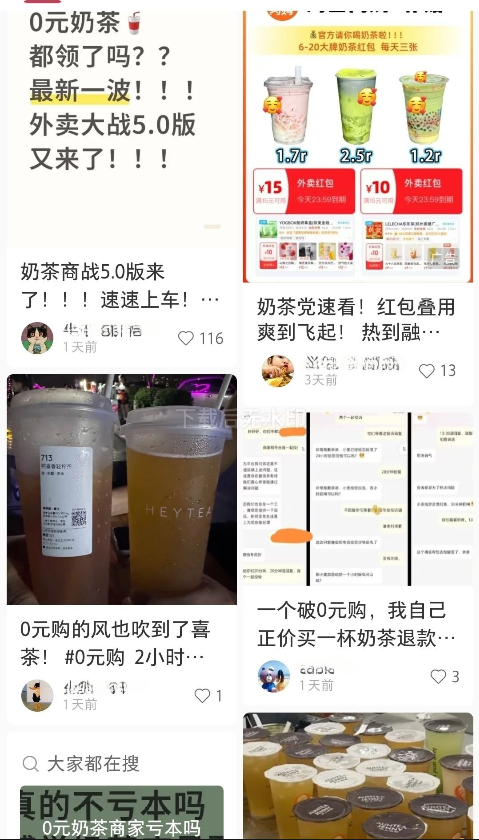
"0元喝奶茶""188元大券包,五顿我全包"……7月12日,也就是上个周六,消费者又迎来新一波外卖补贴"大放送"。美团、淘宝闪购等平台纷纷发放外卖 大额优惠券,不少消费者在社交平台晒出超低价甚至0元奶茶、咖啡等,还有网友火速发布"0元购"攻略。 7月份以来,外卖平台即轮番发放大额补贴。7月2日,淘宝闪购宣布启动规模500亿元的补贴计划,在未来12个月直补消费者及商家。美团和京东外卖也纷 纷发放补贴。消费者的直接感受是,点外卖越来越便宜了。 伴随补贴升级,各平台的订单数量也迎来大幅增长。截至7月12日23时36分,美团即时零售日订单量突破1.5亿单,平均配送时长34分钟。 7月14日,淘宝闪购联合饿了么宣布,在订单结构向全品类深度拓展的同时,日订单量再次突破8000万创新高(不含自提及0元购)。 7月13日,《金融时报》记者通过外卖平台点单,一杯连锁品牌原价17.99元的咖啡,在红包券减免下,仅需3.3元即可拿下。 | 订单已送达 | | | | --- | --- | --- | | 折 | 阳光青提气泡冰萃 | 实付 ¥1.6 | | 不额外加糖(中甜)/冰/标准/金 | | ¥17.99 | | 奖深烘 ...

50万亿大消费市场,正在打响“增长战役”
Guan Cha Zhe Wang· 2025-07-15 08:15
Core Insights - The concept of "big consumption" is distinct from "instant retail," focusing on exploring endogenous demand within a market valued at approximately 50 trillion RMB, aiming to "expand the cake" [1][4][6] - Alibaba's Taobao Flash Sale has reported a significant increase in daily order volume, surpassing 80 million, and a 15% week-on-week growth in active users, indicating a robust consumer engagement [1][2] - The integration of Taobao, Ele.me, and Fliggy under Alibaba's e-commerce group signifies a strategic shift towards becoming a comprehensive consumption platform [4][7] Market Performance - The fresh produce sector saw a 238% increase in orders from small and medium-sized businesses, while the fruit and beverage sectors experienced growth rates of 344% and 532%, respectively [2] - Since the launch of Taobao Flash Sale, over 240,000 new merchants have registered, with a nearly 150% increase in order volume and a 100% rise in average revenue per store in June [2] Employment and Income Impact - The growth in order volume has positively impacted gig workers, with a 78% year-on-year increase in the number of delivery riders and a 120% increase in crowd-sourced riders [2][6] - Active crowd-sourced riders are reportedly earning an average monthly income exceeding 12,500 RMB, reflecting the economic benefits of the new consumption model [2] Market Dynamics - The overall daily order volume in the instant retail market has risen to over 230 million, with Taobao Flash Sale and Meituan Instant Retail contributing significantly to this growth [2][3] - The shift towards "big consumption" represents a new phase in consumer behavior, moving beyond traditional necessities to a broader range of categories and consumption scenarios [4][6] Strategic Implications - The competition among digital platforms is evolving from merely increasing order volume to enhancing supply-side quality and sustainability [7][8] - The development of "big consumption" is expected to lead to a brand integration across platform, store, and product levels, creating a comprehensive branding ecosystem [8][9] Challenges and Responsibilities - Companies are urged to focus on genuine consumer needs and avoid the pitfalls of inflated demand and market superficiality [8][9] - The responsibility of platforms includes maintaining product quality and ensuring fair value distribution within the ecosystem, emphasizing sustainable growth [9]
淘宝闪购日单量突破8000万,恒生互联网ETF(159688)盘中一度涨超3.5%,阿里巴巴涨超5%
2 1 Shi Ji Jing Ji Bao Dao· 2025-07-15 07:11
Group 1 - The Hang Seng Internet Technology Index has strengthened, rising by 2.9% as of the report, with an intraday increase exceeding 3.3% [1] - The Hang Seng Internet ETF (159688) has also seen gains, up 3.15% at the time of reporting, with a peak increase of 3.55% and a turnover rate exceeding 35% [1] - Key component stocks include Kingsoft Cloud, which rose over 13%, and Alibaba-W, which increased by more than 5% [1] Group 2 - According to Guosen Securities, Alibaba's revenue for the first quarter of the fiscal year 2026 is projected to be 247.8 billion yuan, reflecting a year-on-year growth of 2% [1] - The company is expected to face short-term pressure on profits due to increased investment in instant retail, but this strategy is anticipated to enhance user engagement and purchase frequency in the long term [1] - Revenue forecasts for Alibaba from FY2026 to FY2028 are 1,062.3 billion yuan, 1,149.0 billion yuan, and 1,217.4 billion yuan, respectively, with adjusted net profit estimates of 138.8 billion yuan, 171.8 billion yuan, and 195.4 billion yuan for the same period [1] Group 3 - Huatai Securities notes that the Hong Kong stock market has experienced a rebound over the past two months, approaching the high point of the first quarter of 2025 [2] - The market may lack a strong basis for significant short-term upward movement due to factors such as interest rates, risk premiums, and earnings, alongside uncertainties in the global economy and geopolitical environment in the third quarter [2] - Despite increasing attention from domestic and foreign investors towards Chinese assets and the expansion of the Hong Kong stock market, the risk of a significant market downturn is considered relatively controllable, highlighting the importance of sector rotation [2]
外卖大战硝烟再起,赢家是谁你万万想不到
Xin Lang Cai Jing· 2025-07-15 06:33
Core Viewpoint - The ongoing battle in the food delivery market, driven by aggressive subsidies and price wars, is unsustainable and does not address the real needs of consumers or businesses [14][15][22]. Group 1: Market Dynamics - On July 5, a record of 250 million food delivery orders was placed in China, with Meituan and Ele.me leading the charge [2][3]. - The competition has escalated, with Meituan's daily orders reaching 150 million by July 12, while Ele.me and Taobao Shuangguo reported over 80 million orders on the same day [2][3]. - The battle was initially sparked by JD.com’s aggressive "100 billion subsidy" strategy, prompting Alibaba to respond with its own substantial subsidies [2][10]. Group 2: Consumer Behavior - Consumers are enjoying the benefits of the subsidy wars, sharing experiences of receiving significant discounts and promotions [4][8]. - However, the high volume of orders has led to operational challenges for businesses, with reports of overwhelmed staff and delayed deliveries [5][6]. - The perception of food delivery as a necessity is distorted, as many orders are driven by temporary discounts rather than genuine demand [8][10]. Group 3: Business Implications - The subsidy model creates inequities, favoring large chain brands over small businesses, leading some small vendors to withdraw from platforms [6][10]. - Delivery personnel are experiencing increased workloads and stress, with reports of long hours and high earnings during peak subsidy periods, but also concerns about job security once subsidies end [6][13]. - The competitive landscape is shifting from a focus on customer satisfaction and service quality to a detrimental price war, which could harm all stakeholders involved [10][11][19]. Group 4: Long-term Viability - The current price war is characterized as a "prisoner's dilemma," where all parties may end up worse off despite short-term gains [17][21]. - Experts argue that the focus should shift from price competition to innovation and quality improvement to create a sustainable market environment [22][23]. - The call for collaboration among platforms, merchants, and government entities is emphasized to foster a healthier market ecosystem [22].
订单量再创新高,外卖大战何时休?平台战损几何?
Sou Hu Cai Jing· 2025-07-15 04:41
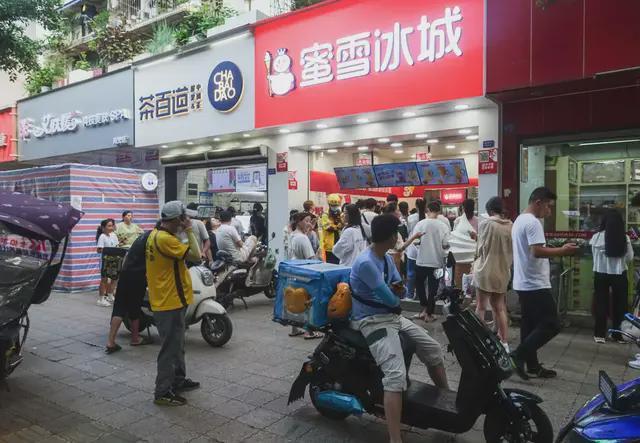
Core Insights - The intense competition among food delivery platforms has led to record-breaking order volumes, with Meituan reporting 150 million orders and Taobao Flash Sale and Ele.me surpassing 80 million orders in a single day [1][6][8] - The subsidy war, which gained significant attention over the weekend, appears to be cooling down during the weekdays, as evidenced by reduced promotional efforts and foot traffic returning to normal levels [1][5] - The competition is expected to become a regular occurrence, with Alibaba planning to establish a new promotional event called "Super Saturday" to encourage consumer participation [4][5] Company Strategies - Meituan, Taobao, and JD.com are heavily investing in the food delivery sector, with JD.com launching a "Double Hundred Plan" to support quality dining merchants, aiming for significant sales growth [5][8] - Alibaba's strategy involves integrating Ele.me and Fliggy into its e-commerce group to create a unified approach, focusing on expanding its consumer base and exploring new business models [8][9] - JD.com aims to enhance its platform's daily active users through food delivery, thereby driving growth across its e-commerce and instant retail sectors [9] Market Dynamics - The total investment in the food delivery market by major players is expected to reach over 100 billion yuan, with significant losses projected for Alibaba and JD.com in the coming year due to aggressive subsidy strategies [6][7] - Despite impressive order growth, analysts warn that the rapid increase in subsidies may lead to unsustainable business practices and potential long-term financial strain on the platforms [6][10] - The competitive landscape has intensified beyond initial expectations, with significant implications for the industry as a whole [6][7]

如何看外卖大战?
2025-07-15 01:58
Summary of Conference Call Records Industry Overview - The takeaway from the conference call indicates a significant reshaping of the instant retail market in 2025, with Meituan maintaining a leading position with a 50% market share, followed by Taobao Flash Purchase (33%) and JD.com (17%) [1][2]. Key Points and Arguments - **Intense Competition in Food Delivery**: The competition among food delivery platforms has intensified, with JD.com rapidly increasing order volume through substantial subsidies (5-10 RMB per order), impacting the profitability of Meituan, which previously earned around 1.5 RMB per order [1][4]. - **E-commerce Market Dynamics**: Alibaba's market share has dropped from 70% to 40%, with Pinduoduo and Douyin e-commerce emerging as significant competitors. Douyin's live-streaming e-commerce has diverted advertising spending, leading to a slowdown in Alibaba's GMV growth [1][5]. - **Meituan's Competitive Advantages**: Meituan leverages strong barriers in food delivery, localized marketing, and logistics efficiency (approximately 8 million delivery riders) to maintain its market position. The company also utilizes a dual circulation model to drive traffic [1][8]. - **Investment Plans by Alibaba**: Alibaba plans to invest 50 billion RMB to subsidize Taobao Flash Purchase to boost order volume [1][8]. - **Instant Retail's Limited Impact on E-commerce**: Instant retail currently accounts for only 6% of total e-commerce volume, expected to rise to 12% in five years. However, it effectively utilizes delivery capacity to reduce costs, with Meituan achieving profitability in instant retail for the first time last year [1][10]. Additional Important Insights - **Recent Order Volume Records**: On July 5, Taobao Flash Purchase initiated subsidies, achieving 80 million orders, while Meituan reached 120 million orders. By July 12, Meituan's instant retail orders surged to 150 million, setting a new record [2]. - **Market Share Expansion**: The main players in the food delivery market have expanded from Meituan and Ele.me to include Meituan, Taobao Flash Purchase, and JD.com, with Taobao Flash Purchase replacing Ele.me as a key brand within Alibaba [2][8]. - **Long-term Industry Outlook**: In the short term, increased competition may lead to higher costs and lower profit margins across the industry. However, in the long run, this competition may benefit leading companies by reducing market education costs and expanding market size [14]. - **Challenges in New Retail Development**: The prospects for new retail are limited due to supply and demand constraints, necessitating deeper exploration of product operations to enhance diversity and supply chain efficiency [15]. Conclusion - The conference call highlights the evolving landscape of the food delivery and e-commerce sectors, emphasizing the competitive strategies of major players like Meituan, Alibaba, and JD.com. The insights provided indicate both immediate challenges and long-term opportunities for growth and market share expansion within these industries.
即时零售主要玩家竞争更新
2025-07-15 01:58
Summary of Conference Call Records Industry Overview - The conference call discusses the competitive landscape of the instant retail and food delivery industry in China, focusing on major players such as JD.com, Alibaba, Meituan, and others. Key Points and Arguments JD.com - JD.com is revamping its non-food delivery business by subsidizing food delivery services to drive traffic, with a focus on high-frequency dining to improve order volume structure [1][2] - During the 618 shopping festival, JD.com achieved 29 million food delivery orders, but this number significantly declined afterward as the company aims to reduce losses [1][14] - JD.com is facing challenges in the instant retail sector, particularly in consumer electronics, and is accelerating its food delivery business to enhance competitiveness [2][25] - The company plans to reduce user subsidies and shift more costs to merchants to mitigate losses, with an expected annual loss of approximately 22 billion RMB [15] Alibaba - Alibaba has integrated Ele.me and Fliggy into its large consumer platform to seek growth through a combination of online and offline services [1][3] - The company is focusing on the Taobao Flash Purchase service, leveraging its large active user base to drive e-commerce purchases [1][17] - Following the organizational restructuring, Alibaba's EBITDA expectations have declined, necessitating close monitoring of its instant retail and e-commerce optimization strategies [2][33] Meituan - Meituan has implemented comprehensive insurance coverage for both full-time and part-time delivery riders, collaborating with the national social security bureau to create a pension scheme [4][5] - The company is expected to incur social security costs of 2 billion RMB in 2025, which will have a limited impact on per-order operating profit [5] - Meituan has upgraded its local life membership system to enhance user engagement and streamline membership acquisition [7] - The company is experiencing significant growth in food delivery orders, with a reported 150 million orders in July 2025, driven by subsidy strategies and new user acquisition [20] Competitive Landscape - The instant retail market is projected to reach a scale of 2 trillion RMB by 2030, with platforms like Meituan leading in non-food delivery services [22] - The competition among major players is intensifying, with Meituan's market share declining from 75% due to aggressive subsidy strategies from Alibaba [29] - The tea beverage market is experiencing inflated demand due to increased subsidies, raising concerns about the sustainability of this demand once subsidies decrease [13] Market Trends - The overall modernization of the food delivery industry is evident, with a market penetration rate of 30% as of 2024 [11] - The shift in consumer behavior is noted, with some consumers opting for online orders over dine-in due to price differences [12] - The competition in the non-food delivery sector is expected to grow, with platforms focusing on expanding low-frequency categories and improving supply chain efficiency [28] Investment Recommendations - For Meituan, a non-GAAP net profit of 38.4 billion RMB is anticipated for 2025, suggesting a buy recommendation below 600 billion RMB [33] - Alibaba's valuation is adjusted to 8-10 times EBITDA due to the integration of Ele.me, with a target valuation range of 1.6-2.2 trillion RMB [33] Other Important Insights - JD.com is restructuring its rider recruitment and delivery system to improve efficiency, with a current full-time rider count of approximately 150,000 [16] - The differences in social security policies between Meituan and JD.com highlight varying approaches to rider benefits, with Meituan offering broader coverage [4] - The impact of marketing strategies on user acquisition and retention is emphasized, with Alibaba leveraging partnerships for better e-commerce performance [18]
上半年出口同比增长7.2%,年内第四只基金发行失败 | 财经日日评
吴晓波频道· 2025-07-15 00:17
Group 1: Trade and Economic Performance - In the first half of the year, China's goods trade exports increased by 7.2% year-on-year, with total exports reaching 13 trillion yuan and imports at 8.79 trillion yuan, a decline of 2.7% [1] - The trade scale showed stable growth, with a diverse trading network and a shift towards higher-quality exports, particularly in electromechanical products, which accounted for 60% of total exports [1][2] - Domestic demand growth has been slow, and while exports have outperformed imports, this trend may reverse in the second half of the year due to potential impacts from U.S. trade agreements with Southeast Asian countries [2] Group 2: Financial Data and Monetary Policy - The social financing scale increased by 22.83 trillion yuan in the first half of the year, with a notable rise in RMB loans and deposits [3] - The People's Bank of China has emphasized a supportive monetary policy, although the implementation of total monetary policy has been slow, focusing more on structural tools [4] - Market expectations for further interest rate cuts or reserve requirement ratio reductions are low as the financial landscape stabilizes [4] Group 3: Robotics Industry Developments - Shanghai Zhiyuan and Hangzhou Yushu Technology won a significant contract worth 1.24 billion yuan for humanoid robot manufacturing, marking a milestone in the commercialization of humanoid robots in China [7] - The humanoid robot market is projected to reach nearly 38 billion yuan by 2030, with sales expected to grow significantly [7][8] - The large-scale production of humanoid robots is anticipated to reduce unit costs and enhance their capabilities through real-world data feedback [8] Group 4: E-commerce and Delivery Market Competition - A renewed competition in the food delivery market has led to significant promotional activities, with Meituan and JD.com launching aggressive discount campaigns [9] - The market for instant retail is projected to grow substantially, but current investments may be seen as overly aggressive if market expectations are not met [9][10] - The ongoing competition among major internet companies is more about defending existing market shares rather than expanding into new markets [10] Group 5: Luxury Goods Market Trends - Singapore has retained its position as the most expensive city for luxury goods consumption for the third consecutive year, with London and Monaco following [11] - The global luxury market is facing challenges due to economic uncertainties, with a notable decline in high-end consumer confidence [12][13] - Changes in consumer behavior and the impact of tax policies have diminished the appeal of traditional luxury markets like Hong Kong and Shanghai [12][13] Group 6: Fund Market Dynamics - The year has seen the failure of four public fund issuances, with a notable number being bond funds, reflecting challenges faced by smaller fund management companies [14][15] - The bond market has shifted from a booming phase to a more differentiated structure, increasing competition among fund managers [15]

这次外卖大战,也许会培养起喝奶茶、咖啡的习惯
Sou Hu Cai Jing· 2025-07-14 13:28
Core Insights - The article discusses the ongoing competition in the food delivery and instant retail markets, highlighting the significant impact of subsidies on consumer behavior and market dynamics [3][4][10] - It emphasizes that while instant retail is growing, the expectations for its future growth may be overly optimistic, with projections suggesting a market size of only 3 trillion by 2030 [4][10] Group 1: Market Dynamics - The instant retail market, driven by food delivery, has seen substantial growth, with Meituan's orders reaching 1.5 billion and a 150% increase in the food delivery market [4][9] - Major players like Alibaba, JD.com, and Meituan are competing aggressively, with similar strategies focused on popular items like tea and coffee, rather than transaction volume [6][9] - The competition has led to a significant increase in order volume, but many small businesses are struggling to profit due to the low margins and high costs associated with delivery [7][10] Group 2: Competitive Strategies - Meituan's strong supply chain and market share in food delivery (70-80%) give it a competitive edge in instant retail, making it difficult for other platforms to catch up [9] - The article draws parallels between the current food delivery competition and past market battles, suggesting that the strategies employed by companies will determine their long-term success [8][10] - The ongoing subsidy wars are expected to lead to increased losses for companies, with estimates suggesting losses could reach tens of billions annually [10] Group 3: Consumer Behavior - The article notes that consumer habits are shifting towards instant retail, with a growing acceptance of quick delivery services, which may lead to sustained market growth [10] - The impact of subsidies on consumer behavior is significant, as they encourage trial and adoption of new products, potentially leading to long-term changes in consumption patterns [5][10] - However, the sustainability of these habits remains uncertain, as the market may revert to previous dynamics once the subsidies are reduced or eliminated [9][10]