
电动化转型

Search documents
德财长“恼火”德国铁路公司买中国巴士,专家:折射德国焦虑其汽车产品竞争力
Huan Qiu Shi Bao· 2025-12-22 23:09
Group 1 - The core issue revolves around the German government's dissatisfaction with Deutsche Bahn's decision to order electric buses from the Chinese company BYD, reflecting concerns over the competitiveness of German automotive products [1][2] - Deutsche Bahn announced its largest bus order to date, totaling over 3,300 vehicles, with a value exceeding 1 billion euros, scheduled for delivery between 2027 and 2032 [1] - The order primarily consists of hybrid and fully electric models, with most buses supplied by the German company MAN, while BYD will provide approximately 200 electric intercity buses produced in Hungary [1] Group 2 - The announcement of this significant order coincides with the EU's relaxation of the "fuel vehicle ban," prompting discussions about the implications for the German automotive industry [2] - German Vice Chancellor and Finance Minister Christian Lindner expressed frustration over the order, emphasizing the need for a "healthy patriotism" in procurement decisions to favor German or European manufacturers [1][2] - Experts indicate that the relaxation of the "fuel vehicle ban" may provide a temporary advantage for European manufacturers, but it could also allow Chinese companies to further enhance their competitive edge in the automotive market [2]

马斯克预测某车企必死,全网破防了!
商业洞察· 2025-12-22 09:25
以下文章来源于财经三分钟 ,作者杨瑞 财经三分钟 . 4 亿中产财经资讯平台,专注深度财经商业报道。由财经媒体人杨瑞团队执笔,出品《广州租售同 权》、《北京学区房多校划片》、《国家抢占人工智能制高点》等多篇千万级刷屏文章。 作者:杨瑞 来源:财经三分钟 国外车圈的"火药味",从来都不输 国内 。 近期福特收缩电动汽车战略的消息,直接点燃了特斯拉CEO马斯克的"吐槽欲"。 在X平台上,他对网友的一条评论给出了斩钉截铁的回应,字里行间全是对传统车企转型态度的不 屑。 一位网友写道:"福特仍然认为生产电动汽车的原因是为了减少排 放,这一事实告诉你,传统汽车 对这种模式转变的理解是多么的少。自主是一股浪潮。一旦汽车实现自主化,燃油汽车的运营成本 将完全无法维持。减少排放只是一个副作用。电动汽车从根本上来说是一个更好的自动驾驶平台。 这就像在白炽灯商业化之后投资新的捕鲸船一样。" ------------------------------ 马斯克 对此回应 : "完全正确。多年前,我就说过,非自主内燃机汽车就像一边骑马一边使用翻 盖手机,但你不可能把一个好主意硬塞给传统行业。他们只会 执意消亡 。" ▲ 图源:社交平 ...



为什么说欧盟撤回,但又没完全撤回“禁燃令”
Zhong Guo Qi Che Bao Wang· 2025-12-22 08:28
Core Viewpoint - The European Commission has officially withdrawn its plan to ban the sale of new gasoline vehicles starting in 2035, opting for a more flexible emissions reduction strategy that requires a 90% reduction in CO2 emissions from new cars compared to 2021 levels by 2035, rather than the previous 100% target [2][3][4]. Emission Reduction Changes - The initial aggressive target of a complete ban on gasoline vehicles was proposed in 2021, which led to significant industry upheaval. The European Parliament passed a zero-emission agreement in February 2023, but under pressure from countries like Germany and Italy, the EU made compromises, allowing for exemptions for vehicles using synthetic fuels [3][4]. - The new proposal allows for a 90% reduction in emissions, with the remaining 10% potentially offset by using low-carbon steel, synthetic fuels, or non-food biofuels. Additionally, a three-year window from 2030 to 2032 has been established, requiring a 55% reduction in passenger car emissions and a 40% reduction for vans compared to 2021 levels [3][4]. Market Implications - The policy shift allows for various vehicle types, including plug-in hybrids and traditional gasoline vehicles, to remain in the market while still aiming for significant emissions reductions. However, the majority of vehicles sold will still need to be zero-emission to meet the 90% reduction target [4][9]. - The slow adoption of electric vehicles has been a critical factor in this policy adjustment, with European automakers like Volkswagen and Stellantis advocating for more lenient targets due to weak demand for electric vehicles [4][5]. Competitive Landscape - European automakers are facing competitive pressure from companies like Tesla and Chinese manufacturers, prompting the need for policy adjustments to protect local market shares. The German government has been a key advocate for this policy change, emphasizing a "technology-neutral" approach to maintain industrial competitiveness [5][6]. - The decision to retain the internal combustion engine market while offsetting emissions through other means is seen as a pragmatic approach that aligns with current market conditions [5][6]. Legislative Process - The new proposal requires approval from EU member states and the European Parliament, indicating that the coordination process may be complex and contentious due to differing national interests [6]. Support for Small Electric Vehicles - The EU has introduced a new regulatory category for small electric vehicles (M1E), aimed at promoting urban commuting solutions. This category includes vehicles under 4.2 meters in length, with incentives for manufacturers producing these models [9][10]. - The EU plans to set more lenient requirements for safety and range for M1E vehicles and will implement a "super credit" system, allowing manufacturers to earn additional carbon credits for each small electric vehicle sold, thereby easing overall emissions reduction pressures [10][11]. Corporate Strategy - Companies like Stellantis and Renault are positioned to benefit significantly from the new M1E category, as they have been advocating for differentiated regulatory policies for small vehicles. Stellantis has noted a drastic reduction in affordable small car models due to regulatory costs, highlighting the need for additional support [10][11]. - The EU's push to increase the electric vehicle procurement ratio in corporate fleets is seen as a crucial lever to boost electric vehicle demand, as corporate fleets account for a significant portion of vehicle sales in the EU [12]. Overall Assessment - While the EU has abandoned the "one-size-fits-all" ban on internal combustion vehicles, it has not relinquished its core emissions reduction goals. The new approach seeks a balance between industrial protection and environmental objectives, although internal disagreements among member states and increasing global competition in the electric vehicle sector present challenges for successful implementation [13].

德国铁路公司订购中国电动公交车,德财长:让我十分恼火
Guan Cha Zhe Wang· 2025-12-22 04:43
Group 1 - The German railway company (DB) announced a procurement plan for 200 electric buses from China, which has sparked criticism from German Finance Minister Lars Klingbeil, who advocates for "rational domestic protectionism" [1][2] - Klingbeil expressed his frustration over DB's decision to purchase Chinese electric buses while also procuring buses from German manufacturer MAN, emphasizing the need for a domestic focus in such orders [1][2] - DB's procurement plan includes a total of 3,300 hybrid or fully electric buses, with a total order value exceeding €1 billion, and the Chinese buses will be produced at BYD's factory in Hungary [1] Group 2 - The German railway and transport union has also criticized DB's decision, with union chairman Martin Burkert stating that the government had previously called for more "domestic patriotism," making the procurement decision seem contradictory [2] - Klingbeil acknowledged the leading position of China in the electric vehicle transition, noting that the future of transportation is undoubtedly electric, and German automakers need to catch up [3] - Recent analysis from consulting firm EY revealed that the combined EBIT of major German automakers Volkswagen, BMW, and Mercedes-Benz fell to approximately €1.7 billion in Q3 2025, a 76% year-on-year decline, marking the lowest level since 2009 [8]

德国汽车业“裁员潮”何时休?
Zhong Guo Qi Che Bao Wang· 2025-12-22 04:42
Group 1 - The core point of the news is the significant layoffs in the German automotive industry, particularly the announcement by MAN Truck & Bus to cut 2,300 jobs, reflecting the ongoing challenges faced by the sector amid a transition to electric vehicles and increasing competition from Asian manufacturers [2][3]. - The layoffs at MAN Truck & Bus represent about 20% of its workforce in Germany, with the cuts primarily affecting three key production sites: Munich, Salzgitter, and Nuremberg [3]. - The German automotive industry is experiencing a broader trend of job losses, with a reported decrease of approximately 48,700 jobs by September 2025, marking a 6.3% decline and the lowest employment level since 2011 [4]. Group 2 - The profitability of major German automakers is declining, with Volkswagen reporting a loss of €1.3 billion in Q3 2025, a stark contrast to a profit of €2.833 billion in the same period last year [5][6]. - Mercedes-Benz is also facing challenges, with a 31% drop in net profit to €1.19 billion in Q3, and plans to cut 30,000 jobs as part of a cost-saving initiative [6]. - The automotive supply chain is under severe pressure, with job losses in the parts sector exceeding 11.1%, significantly higher than the 3.8% decline in vehicle manufacturing jobs [8]. Group 3 - The ongoing layoffs are a response to multiple factors, including increased investment in electric vehicle technology, declining sales of traditional combustion engine vehicles, and rising raw material costs [7]. - Many traditional parts manufacturers are struggling due to their focus on single product lines and low diversification, making them vulnerable to industry fluctuations [10]. - The transition to electric vehicles is causing a mismatch in skill requirements, leading to the elimination of traditional jobs while new positions in battery technology and software development are not being filled quickly enough [12]. Group 4 - The current crisis in the German automotive industry is a reflection of broader challenges facing the European automotive sector, including slow progress in electrification and competitive pressures from Chinese manufacturers [12][13]. - The European Commission is expected to announce a package of measures to support the automotive industry, addressing issues such as slow electrification and increased tariffs from the U.S. [13].

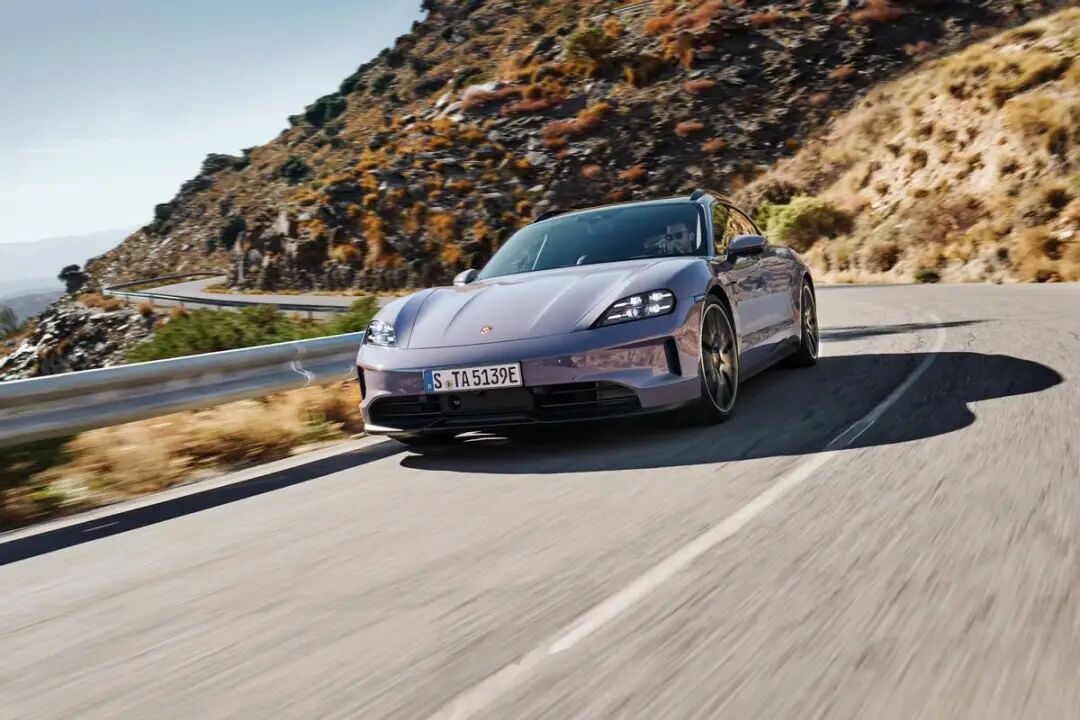
保时捷CEO反思败局,考虑在华国产电动车
3 6 Ke· 2025-12-22 01:15
"从今天的角度来看,我们在几年前的产品组合设置不够灵活。" "我们在Macan车型上判断失误了。" "对保时捷而言,在美国进行生产是不划算的,因为单个车型系列的销售实在太低了。" 近日,大众集团CEO奥博穆在接受媒体采访时,罕见地对保时捷近年来的市场表现与战略布局进行了深刻反思。他将当前困境的主要原因,指向了保时捷 长期坚持的德国生产、全球出口模式。 "保时捷对德国本土有着清晰的承诺,但这恰恰是导致当前局面的关键所在。我们百分之百的产品仍从欧洲出口,而如今,中国豪华车市场在短时间内剧 烈收缩超过80%,美国则面临高昂的关税壁垒。这两个最大的单一市场,贡献了保时捷全球销量的一半以上。这样的双重打击,给我们带来了巨大的财务 压力。" 投入产出比的失衡更令人担忧。在投入巨额研发与生产成本推动电动化转型后,保时捷的纯电车型并未带来预期回报,不仅销量下滑,利润率也不及燃油 车型。 今年8月,保时捷宣布对旗下高性能电池子公司Cellforce进行重组,放弃自研电池的生产计划;9月,又正式宣布将放缓电动化进程,未来将推出更多燃油 及插电混动车型。这一系列战略收缩,无异于承认了电动化路线的失速。 出路,或许就在东方。 面对挑 ...
欧洲人也是搞笑,禁了燃油车现在来后悔了
3 6 Ke· 2025-12-21 23:45
Core Viewpoint - The European Union has proposed to delay the ban on the sale of all fuel vehicles, originally set for 2035, allowing car manufacturers to sell hybrid vehicles and use various methods to offset carbon emissions, which has sparked significant reactions from the automotive industry [3][21]. Group 1: Industry Reactions - Traditional automakers like Volkswagen and BMW expressed relief at the EU's decision, feeling that their legacy technologies are preserved [5]. - In contrast, companies that have already transitioned to electric vehicles, such as Polestar and Volvo, criticized the decision, arguing it undermines climate goals and European competitiveness [5][21]. - Polestar's CEO, Michael Lohscheller, described the postponement of the 2035 target as a "terrible idea," emphasizing the negative impact on climate and competition [5][21]. Group 2: Historical Context and Plans - In 2021, the EU announced ambitious plans to ban fuel vehicles by 2035 and significantly reduce carbon emissions, which energized the automotive industry [7][9]. - Major automakers committed to electric vehicle production, with Renault's CEO pledging to produce 1 million electric vehicles by 2030 and Volkswagen investing €73 billion in electric vehicle technology by 2025 [9][21]. Group 3: Challenges Faced - By 2023, several EU member states, led by Germany, Italy, and Portugal, opposed the 2035 ban, citing insufficient charging infrastructure and the need for a delay [9][11]. - The EU's initial plans for charging infrastructure were not met, with only 150,000 charging stations added from 2021 to 2022, 88% of which were slow chargers [9][11]. - The failure of European battery manufacturer Northvolt, which declared bankruptcy in 2024, highlighted the challenges in establishing a local supply chain for electric vehicle components [16][19]. Group 4: Shift in Strategy - The EU's recent proposal allows for a 90% reduction in emissions instead of 100% and introduces a carbon credit system, enabling manufacturers to offset emissions through the use of low-carbon steel and synthetic fuels [21]. - This shift indicates a retreat from the original goal of banning fuel vehicles, reflecting the pressures of commercial realities and the need to maintain competitiveness in the automotive market [21][23]. - The EU's change in direction has led to a reconsideration of electric vehicle plans by automakers outside Europe, including Ford [21][23].
一线观察丨欧盟放松“禁燃令”,欧洲的绿色承诺不要了?
Xin Hua She· 2025-12-21 01:30
在欧洲汽车产业电动化推进不及预期、竞争压力持续加大的背景下,欧盟委员会日前提议放宽2035 年"禁售燃油车"相关要求,将新车"零排放"目标调整为"减排90%"。这意味着,部分燃油车届时在特定 条件下仍可进入市场。 业内人士认为,这一调整是欧盟近五年来在绿色政策上的最大一次"重大退让"。这或许能为欧洲的 电动化转型争取缓冲空间,减轻企业压力,但难以从根本上解决欧洲在汽车工业转型中面临的不利局 面。 ...
欧洲人也是搞笑,禁了燃油车现在来后悔了。
Sou Hu Cai Jing· 2025-12-20 12:12
Core Viewpoint - The European Union has proposed to delay the 2035 ban on the sale of all fuel vehicles, allowing car manufacturers to sell hybrid vehicles and use various methods to offset carbon emissions, which has sparked significant reactions from the automotive industry [3][21]. Group 1: Industry Reactions - Traditional automakers like Volkswagen and BMW expressed relief at the EU's decision, feeling that their legacy technologies are preserved [5]. - In contrast, companies that have already transitioned to electric vehicles, such as Polestar and Volvo, criticized the decision, arguing it undermines climate goals and European competitiveness [5][12]. - The CEO of Polestar, Michael Lohscheller, described the postponement of the 2035 target as a "terrible idea," emphasizing the negative impact on climate and competition [5]. Group 2: Historical Context and Plans - In 2021, the EU announced an ambitious plan to ban fuel vehicles by 2035 and significantly reduce carbon emissions, which initially boosted confidence among member states and automakers [6]. - The plan included infrastructure development, such as establishing charging stations every 60 kilometers and hydrogen refueling stations every 150 kilometers [6]. - Major automakers like Renault and Volkswagen committed substantial investments to support electric vehicle development, with Volkswagen pledging €73 billion by 2025 [6]. Group 3: Challenges Faced - By 2023, several EU countries, led by Germany, Italy, and Portugal, opposed the 2035 ban, citing insufficient charging infrastructure and the poor performance of European automakers in the electric vehicle market [10][12]. - The EU's initial plans faced setbacks, with only 150,000 charging stations added from 2021 to 2022, and 88% of these being slow chargers [10]. - The failure to establish a robust local supply chain for electric vehicle components, particularly batteries, has been highlighted, with the bankruptcy of Northvolt, a key battery manufacturer, serving as a significant example [16][19]. Group 4: Shift in Strategy - The EU's recent proposal allows for a 90% reduction in emissions instead of the original 100% target and permits the continued sale of hybrid vehicles, reflecting a shift in strategy due to commercial realities [21]. - This change has led to a broader reconsideration of electric vehicle plans among automakers, including those outside Europe, such as Ford, which have also adjusted their strategies in light of the EU's new direction [21][23]. - The EU's retreat from its initial goals has raised concerns about its ability to compete in the global electric vehicle market, particularly against countries like China, which have made significant advancements in electric vehicle technology [23][25].

欧盟放松“禁燃令”,欧洲的绿色承诺不要了?
Xin Lang Cai Jing· 2025-12-20 09:51
Core Viewpoint - The European Commission has proposed to relax the 2035 ban on the sale of fuel vehicles, adjusting the new car "zero-emission" target to a "90% reduction" in emissions, allowing some fuel vehicles to enter the market under specific conditions [1] Group 1: Policy Changes - The adjustment represents the largest retreat in green policy by the EU in the past five years [1] - This change aims to provide a buffer for the electric transition in Europe and alleviate pressure on companies [1] Group 2: Industry Implications - The relaxation of the emissions target may not fundamentally resolve the challenges faced by the European automotive industry in its transition [1]