地缘政治

Search documents
突发!特朗普宣布:伊以达成全面停火!油价再度闪崩
Jin Shi Shu Ju· 2025-06-23 23:24
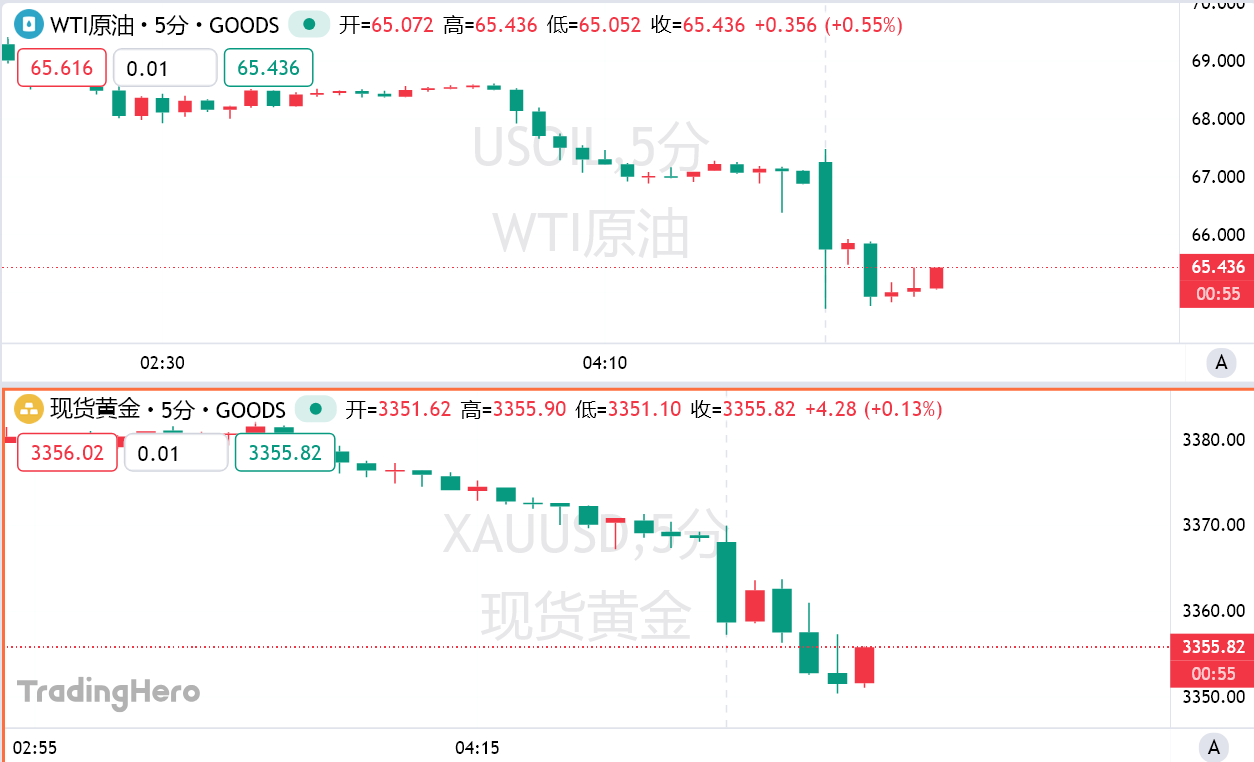
伊朗和以色列没有立即对特朗普的声明发表评论。美国副总统万斯说,特朗普总统周一一直在"不停地打电话",目标是达成一项协议。 就在特朗普宣布这一消息的同时,伊朗媒体报道称德黑兰和其他几个城市发生了强烈爆炸。与此同时,伊朗外交部长阿拉格奇(Abbas Araghchi)表示,德 黑兰并不寻求紧张局势升级,但已准备好应对美国的任何进一步侵略。 特朗普宣布停火后,万斯在接受福克斯新闻采访时说,美国上周末的轰炸已经达到了目的。 万斯说:"我们知道他们无法制造核武器,"他补充说,伊朗现有的高浓缩铀库存已被这次袭击"掩埋"。"如果伊朗将来不顾一切地要制造核武器,那么他们 将不得不面对非常、非常强大的美国军队。" 周二亚市盘初,美国总统特朗普宣布,以色列和伊朗已完全达成一致,将实现全面停火。 WTI原油高开后闻讯转跌,截止发稿,短线大跌3%,跌破65美元/桶,隔夜国际油价已经暴跌9%!同时,现货黄金跌破3360美元/盎司,日内跌0.26%。 美股股指期货早盘延续反弹,标普500指数期货涨幅达0.5%,纳指期货上涨0.6%。比特币站上106000美元/枚,日内涨4.99%。 特朗普在Truth Social上表示,以色列和伊朗已 ...

俄罗斯国库告急!普京急盼中国拉一把,但是得先明白一个道理
Sou Hu Cai Jing· 2025-06-23 23:21
Group 1 - The core viewpoint of the articles highlights the deepening energy cooperation between China and Russia amidst complex geopolitical dynamics and Russia's economic challenges [1][3][4] - In April 2025, Chinese and Russian energy officials met to discuss enhancing energy cooperation, emphasizing the strategic nature of their partnership [3][4] - Russia has increased its oil supply limit to China from 10 million tons to 12.5 million tons, reflecting its reliance on China to alleviate economic pressures [3][4] Group 2 - The "Power of Siberia 2" gas pipeline project faces challenges regarding its route, with considerations of passing through Mongolia or Kazakhstan, both presenting logistical and financial hurdles [4][6] - Mongolia's role in the energy cooperation is complicated by its geopolitical stance, which may affect the stability and cost of energy transit [6][8] - The long-term prospects of Sino-Russian energy cooperation are promising, but require careful navigation of mutual interests and geopolitical factors [8][9]

商品市场:上周整体涨2.29%,多板块走势分化
Sou Hu Cai Jing· 2025-06-23 22:12
Group 1: Overall Market Performance - The commodity market saw an overall increase of 2.29% last week, with significant gains in the energy sector at 4.11% [1] - Agricultural products and black metals rose by 2.10% and 0.91% respectively, while precious metals and non-ferrous metals experienced declines of 1.76% and 0.09% [1] Group 2: Specific Commodity Movements - Crude oil, methanol, and short fibers had the highest closing price increases at 8.82%, 5.86%, and 5.31% respectively [1] - Precious metals like gold, pulp, and silver saw notable declines of 1.99%, 1.50%, and 1.44% respectively [1] Group 3: Market Outlook and Influencing Factors - The evolving situation in the Middle East, particularly the U.S. attack on Iranian nuclear facilities, is expected to influence short-term asset pricing and market direction [1] - There are expectations of Iranian responses that could impact energy prices, with a focus on monitoring implied volatility in energy markets and offshore dollar liquidity [1] Group 4: Precious Metals and Investment Trends - International gold prices are stabilizing at high levels, supported by dovish signals from Federal Reserve officials and rising expectations for interest rate cuts [1] - Geopolitical tensions and ongoing global central bank gold purchases continue to provide support for gold prices, while silver is affected by fluctuations in manufacturing data [1] Group 5: Non-Ferrous Metals and Market Dynamics - The non-ferrous metals sector is experiencing narrow fluctuations, with copper prices stabilizing due to tight overseas inventories and ongoing global investment in new energy [1] - Aluminum prices are supported near the cost line for electrolytic aluminum, with market attention on electricity costs and inventory depletion [1] Group 6: Black Metals and Policy Impacts - Steel futures are rebounding, driven by expectations of "stabilizing growth" policies and production restrictions in Tangshan [1] - Iron ore prices are influenced by seasonal rainfall in Brazil, leading to decreased port inventories and price stabilization alongside steel [1] Group 7: Energy Sector Developments - Crude oil futures have surged significantly due to geopolitical tensions in the Middle East and unexpected declines in U.S. oil inventories [1] - OPEC+ production cuts are being effectively implemented, with positive expectations for summer oil demand driving prices higher [1] Group 8: Chemical and Agricultural Products - The chemical sector is generally strong, buoyed by rising energy prices, with methanol, PTA, and fuel oil seeing price increases [1] - Agricultural products show a mixed performance, with oilseeds and oils experiencing strength due to domestic production cuts and policy support, while corn faces pressure from import competition [1]
商品市场:上周涨2.29%,后续各板块走势不一
Sou Hu Cai Jing· 2025-06-23 22:12
Market Overview - The commodity market saw an overall increase of 2.29% last week, with significant gains in the energy sector at 4.11% [1] - Agricultural products and black metals rose by 2.10% and 0.91% respectively, while precious metals and non-ferrous metals experienced declines of 1.76% and 0.09% [1] Specific Commodity Performance - Crude oil, methanol, and short fibers had the highest closing price increases at 8.82%, 5.86%, and 5.31% respectively [1] - Precious metals like gold, pulp, and silver saw notable declines of 1.99%, 1.50%, and 1.44% respectively [1] Capital Flow and Market Sentiment - There was a decrease in capital flow, primarily influenced by outflows from precious metals [1] - The evolving situation in the Middle East, particularly the U.S. attack on Iranian nuclear facilities, is expected to impact short-term asset pricing and market dynamics [1] Energy Sector Insights - Oil prices surged due to tensions in the Middle East and a larger-than-expected drop in U.S. inventories, with OPEC+ effectively executing production cuts [1] - Positive expectations for summer oil demand have led to increases in fuel and asphalt prices [1] Chemical Sector Trends - The chemical sector generally strengthened due to rising energy prices, with methanol and other products experiencing a rebound [1] - However, the recovery of downstream demand remains uncertain, indicating a market driven by trading rather than sustained growth [1] Agricultural Sector Analysis - The oilseed and oil sector showed a strong upward trend, supported by domestic production cuts and policy expectations, despite weak soybean exports [1] - Corn prices faced pressure due to import substitution and declining profitability, while the hog market experienced fluctuations amid seasonal consumption declines [1]
Why Mobileye Stock Skyrocketed Today
The Motley Fool· 2025-06-23 21:50
Core Viewpoint - Mobileye's stock experienced a significant increase of 11.6% due to geopolitical events and macroeconomic factors, outperforming the S&P 500 and Nasdaq Composite which both gained 0.9% [1] Geopolitical Factors - Investors reacted positively to Iran's missile strikes on U.S. bases in Iraq and Qatar, interpreting them as a sign that military tensions might deescalate [2][5] - The U.S. had conducted airstrikes on Iranian nuclear facilities, raising concerns about potential escalation in the Middle East, but the nature of Iran's retaliatory strikes appeared largely symbolic and preemptively communicated to U.S. officials, resulting in no reported casualties [4][5] - Mobileye, being headquartered in Israel, could face challenges if geopolitical stability worsens, but the current signs of deescalation have positively impacted its stock price [6] Macroeconomic Factors - Comments from Federal Reserve Vice Chair Michelle Bowman suggested that a rate cut could be possible next month, which contributed to the bullish sentiment in the stock market [7][8] - Bowman's remarks indicated that the macroeconomic environment might be more favorable for a rate cut than previously thought, potentially benefiting Mobileye and other growth stocks if the Fed decides to lower rates [8]


Why BlackSky Technology Stock Is Soaring Today
The Motley Fool· 2025-06-23 19:00
Core Insights - BlackSky Technology's stock is experiencing significant gains, with a 15.3% increase noted in recent trading sessions, driven by positive developments in its satellite initiatives and geopolitical dynamics [1][2][3] Company Developments - The company announced a major initiative to expand its satellite network with the introduction of Aros satellites, which will utilize multispectral, large-area collection technologies and are expected to launch in 2027 [2] - The new satellite project is aimed at enhancing country-scale digital mapping and navigation guidance capabilities, indicating a strategic focus on next-generation defense technologies [2][3] Geopolitical Context - Recent military actions, including U.S. bombings of Iranian nuclear facilities and Iran's missile strikes on U.S. bases in Iraq and Qatar, have created a favorable environment for BlackSky, as the company may secure expanded contracts with the U.S. Department of Defense [3][4] - The measured nature of Iran's retaliation is interpreted as a potential de-escalation of tensions, which could contribute to geopolitical stability and a strong demand outlook for BlackSky's technology [4][5]


国泰海通 · 晨报0624|农业、固收、石化、批零社服
国泰海通证券研究· 2025-06-23 14:41
Group 1: Core Views on Pig Cycle - The stability of pig prices since the beginning of the year indicates a near balance between supply and demand, influenced by the number of breeding sows, with a 7% year-on-year decline in breeding sows correlating with stable pig prices [1] - The pig cycle consists of efficiency and breeding cycles, where the efficiency cycle reflects production efficiency affected by winter diseases, and the breeding cycle shows a strong correlation between the number of breeding sows and price changes [1][2] - The current phase is characterized by a downward trend in pig prices and capacity reduction, with attention needed on price declines, industry losses, and potential policy impacts [2] Group 2: Investment Outlook in Pig Sector - The pig sector is currently in a capacity reduction phase, which historically corresponds to strong stock performance [3] - Major stocks in the sector are at relatively low valuations, and factors such as price declines, disease situations, and policy changes could act as catalysts for stock price increases [3] - Selection of individual stocks should consider funding, cost, and growth balance, with a focus on companies with cost advantages likely to see long-term valuation increases [3]

大宗商品周度报告:流动性和需求均承压,商品短期或震荡偏弱运行-20250623
Guo Tou Qi Huo· 2025-06-23 14:02
1. Report Industry Investment Rating No relevant content provided. 2. Core Viewpoints of the Report - The commodity market may fluctuate weakly in the short - term due to pressure on liquidity and demand [1]. - The evolution of the Israel - Iran situation is crucial, determining the short - term direction and pricing logic of major asset classes. There is uncertainty in the short - term, and the subsequent counter - attack strength of Iran needs to be observed [1]. - Risk appetite is under short - term pressure, but the impact is limited with a stable RMB. The implied volatility of energy and the stability of offshore US dollar liquidity should be continuously tracked [1]. 3. Summary by Related Catalogs 3.1 Market Performance Review - The overall commodity market rose 2.29% last week. The energy and chemical sector had a relatively large increase of 4.11%, while the agricultural products and black sectors rose 2.10% and 0.91% respectively. The precious metals and non - ferrous metals sectors fell 1.76% and 0.09% respectively [1][5]. - Among specific varieties, crude oil, methanol, and short - fiber led the gains with increases of 8.82%, 5.86%, and 5.31% respectively. Gold, pulp, and silver were the top decliners with drops of 1.99%, 1.50%, and 1.44% respectively [1][5]. - The funds in the market decreased, mainly affected by the outflow of funds from precious metals [1][5]. 3.2 Market Outlook by Sector Precious Metals - International gold prices consolidated at high levels due to dovish signals from Fed officials, increased market expectations of interest rate cuts this year, a decline in the US dollar index, and continued gold purchases by global central banks. Silver showed a relatively differentiated performance, fluctuating within a range affected by manufacturing data [2]. Non - Ferrous Metals - The non - ferrous metals sector fluctuated narrowly. Copper prices consolidated at high levels, supported by tight overseas inventories and continued global new energy investment, but the upward momentum slowed due to the Fed's interest rate policy and weak high - level consumption. Aluminum prices found support near the electrolytic aluminum cost line, and the market focused on power costs and inventory destocking [2]. Black Metals - Steel futures continued to rebound, driven by increased expectations of "stable growth" policies and the fermentation of Tangshan production restriction news. Iron ore prices stabilized following steel as port inventories decreased due to the Brazilian rainy season. The fifth round of coke price increases was implemented, and coking coal was more willing to follow the price increase, maintaining the resilience of the black metal industry chain, but the recovery of terminal demand still requires policy support [2]. Energy - Crude oil futures rose significantly due to the escalating geopolitical tensions in the Middle East and the unexpected decline in US crude oil inventories. OPEC+ implemented production cuts well, and the market had positive expectations for the summer oil - using peak season, keeping oil prices strong in the short - term and driving the联动上涨 of fuel oil, asphalt and other varieties [3]. Chemicals - Driven by rising energy prices, the chemical sector generally strengthened. Some varieties such as methanol, PTA, and fuel oil made up for lost ground, and the inventory destocking speed accelerated due to some device overhauls and cost increases. Weak varieties such as PVC and ethylene glycol got short - term support, but the substantial recovery of the downstream has not been clear, and the market is more trading - driven [3]. Agricultural Products - The oil and oilseed sector fluctuated strongly. Although US soybean export data was weak, domestic rapeseed varieties rose supported by domestic production cuts and policy expectations, with rapeseed meal and rapeseed oil leading the gains. Corn prices were under pressure due to import substitution and declining deep - processing profitability. Pig prices fluctuated and corrected due to the off - season consumption and the pressure of slaughter, and industry confidence was still insufficient [3]. 3.3 Commodity - Related Fund Situation - Most gold ETFs had negative weekly returns, with the overall gold ETF having a - 1.86% to - 1.95% decline, and the total scale decreased by 1.06%. The trading volume of gold ETFs decreased significantly [42]. - The energy - chemical futures ETF had a positive weekly return of 5.34%, and its scale increased by 2.07%, but the trading volume decreased by 78.24% [42]. - The soybean meal futures ETF had a weekly return of 0.73%, and its scale increased slightly by 0.17%, with a small decrease in trading volume [42]. - The non - ferrous metal futures ETF had a weekly return of - 0.20%, and its scale increased by 1.19%, with a 23.67% decrease in trading volume [42]. - The silver futures (LOF) had a weekly return of - 0.99%, and its trading volume increased by 64.13% while the scale remained unchanged [42].
美股前瞻 | 三大股指期货齐跌 地缘政治或成本周市场主线
智通财经网· 2025-06-23 12:08
Market Movements - US stock index futures are all down, with Dow futures down 0.23%, S&P 500 futures down 0.14%, and Nasdaq futures down 0.13% [1] - European indices also show declines, with Germany's DAX down 0.75%, UK's FTSE 100 down 0.27%, France's CAC40 down 0.94%, and the Euro Stoxx 50 down 0.62% [2][3] - WTI crude oil is up 0.74% at $74.39 per barrel, while Brent crude is up 0.82% at $76.10 per barrel [4] Geopolitical Impact - The escalation of US military strikes in Iran is overshadowing economic issues, with investors focusing on the implications of the Israel-Iran conflict and Trump's tariff policies [5] - Trump's announcement of military action against Iran marks the first direct US intervention since the conflict escalated on June 13, which is expected to influence market sentiment [5] - Key economic indicators, including the core PCE price index, manufacturing and services PMIs, consumer confidence index, and Q1 GDP final value, are set to be released this week [5] Corporate Earnings and Events - Major companies such as Carnival Corporation (CCL.US), FedEx (FDX.US), Micron Technology (MU.US), and Nike (NKE.US) are scheduled to report quarterly earnings [5] Oil and Gas Market Outlook - Goldman Sachs warns that the Iran conflict could push Brent crude oil prices above $100 per barrel, with potential scenarios outlined for significant supply disruptions [6] - If oil flow through the Strait of Hormuz is halved for a month, Brent prices could spike to $110 per barrel, while a reduction of 1.75 million barrels per day from Iran could see prices reach $90 [6] Currency and Economic Analysis - Despite geopolitical tensions, the US dollar has weakened, attributed to structural challenges such as high valuations and difficulties in attracting non-hedged capital inflows [7][8] - Goldman Sachs predicts that the dollar will continue to decline against currencies like the euro and yen, while gold prices are expected to rise [8] Company-Specific News - Tesla (TSLA.US) has launched a limited Robotaxi service in Austin, Texas, utilizing its latest Full Self-Driving software, with strict controls on the number of vehicles and users [9] - Stellantis (STLA.US) has undergone a management restructuring under new CEO Antonio Filosa, which has disappointed investors expecting external leadership to revitalize the company [10] - Eli Lilly (LLY.US) reported positive results for its oral weight-loss drug orforglipron, showing an average weight reduction of nearly 8% at the highest dose after 40 weeks [11] - Novo Nordisk (NVO.US) disclosed high side effect rates for its new weight-loss drug CagriSema, with nearly 80% of users experiencing gastrointestinal issues [12]



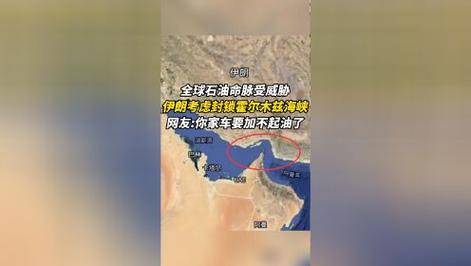
伊朗若关闭霍尔木兹海峡,地缘政治与石油供应将受何影响?
Sou Hu Cai Jing· 2025-06-23 11:45
Geopolitical Tensions - Closing the Strait of Hormuz would escalate tensions between Iran and the US along with its allies, potentially leading to military confrontations and conflicts [1] - Surrounding countries may find themselves caught in diplomatic struggles, requiring significant international efforts to mediate disputes [1] Oil Supply Disruption - Approximately one-third of global maritime oil transportation passes through the Strait, and its closure would severely restrict oil supply [1] - A significant reduction in oil supply could lead to a sharp increase in international oil prices, creating an energy crisis for oil-importing nations [1] Economic Impact - Rising oil prices could trigger a domino effect, adversely affecting the real economy by increasing production costs and overall prices, thereby raising living costs for the public [1] - There is a risk of a global economic recession due to disrupted international trade and increased transportation costs for goods reliant on oil shipping [1] Shipping Safety Concerns - The closure would pose risks to shipping safety, as vessels would need to take longer routes, increasing travel time and costs while facing higher security threats [3] - The likelihood of shipping accidents may rise due to factors such as piracy and adverse weather conditions [3] Regional Instability - Countries surrounding the Strait that depend on its trade would suffer economically, potentially leading to social unrest and protests among communities reliant on the Strait for their livelihoods [3] - The cumulative effect of internal instability could result in a broader state of turmoil in the region [3]