去美元化

Search documents
美元命运早已注定?如果美国衰落了,犹太资本的下个目标会是谁?
Sou Hu Cai Jing· 2025-12-27 07:08
Core Viewpoint - The article discusses the decline of the US dollar and the potential shift of Jewish capital to new markets, particularly focusing on China and India as possible targets for investment and influence [1][3][25]. Group 1: US Economic Situation - The Federal Reserve's actions, including continuous interest rate cuts, have led to a perception of the dollar's inevitable decline [1]. - The US is burdened by nearly $40 trillion in debt, resembling the decline of the British Empire, with a hollowed-out manufacturing base relying on money printing [6]. - The current economic scenario in the US is compared to historical precedents, indicating a potential collapse similar to that of the British Empire post-World War I [6][8]. Group 2: Jewish Capital's Investment Strategies - Jewish capital, historically adept at finding new "hosts" for investment, may struggle to penetrate China due to its strong national sovereignty and cultural integration requirements [9][11][16]. - The article suggests that if the US becomes unviable, Jewish capital may turn its attention to India, which presents a fragmented social structure conducive to their investment strategies [17][19]. - India's large population and growing digital economy are highlighted as attractive features, but the underlying social fragmentation makes it an ideal target for capital manipulation [19][21]. Group 3: Future Investment Directions - As the US economy shows signs of distress, capital that has faced challenges in China is preparing to shift focus to India, which is perceived as a more manageable environment for investment [23]. - The article emphasizes that this potential shift is not a loss for China, but rather a fortunate circumstance, as it maintains its cultural integrity and economic sovereignty [25].


当美元失去信仰,世界正在悄悄走向“人民币朋友圈”
Sou Hu Cai Jing· 2025-12-27 06:50
深度解析:美元霸权正在崩解!百国同步行动去美元,中国搭建人民币朋友圈 如果只看汇率曲线,今年的美元像是一次"剧烈调整"; 但如果把时间轴拉长,把视角抬高,你会发现——这是美元霸权结构性松动的一年。 不是情绪,不是阴谋论,而是一整套支撑美元的底层逻辑,正在同时出现裂缝。 一、美元真正的"护城河",正在被自己掏空 很多人以为,美元的强大来自经济规模、军事力量,甚至"世界信任"。 但真正让美元成为全球核心货币的,从来只有三点: 第一,美国债务是"安全资产"; 第二,美联储是"可信央行"; 第三,美元体系是"不可替代的结算网络"。 而2025年,三点同时动摇。 美债不再是"避险资产",而是"高风险资产" 今年一个极具象征意义的变化是: 当全球不确定性上升时,美债反而被抛售。 收益率长期高位,却换不来资金追捧,本质只有一个解释—— 市场开始怀疑: 这笔债,还能不能靠"制度信用"安全兑付? 美联储的"独立性神话",正在坍塌 美元长期强势的另一个核心,是全球相信: 美联储不会被政治绑架。 但现实是,美国政府越来越直接地把货币政策当成政策工具: 当市场开始怀疑美联储的决策不再只基于通胀和就业,而是服务于政治目标,美元就从"制 ...
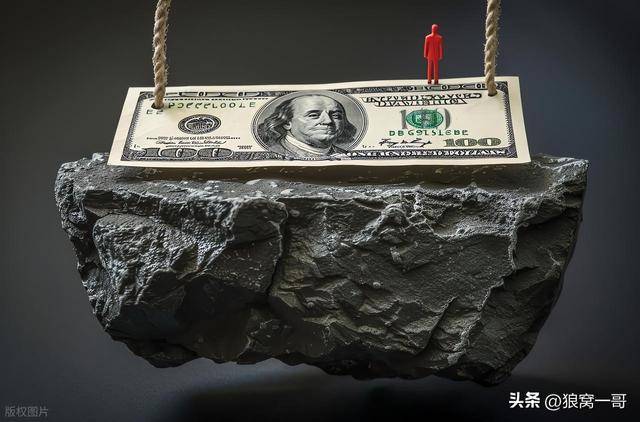
绝对主角!黄金、白银上演疯狂假日行情
Di Yi Cai Jing Zi Xun· 2025-12-27 06:42
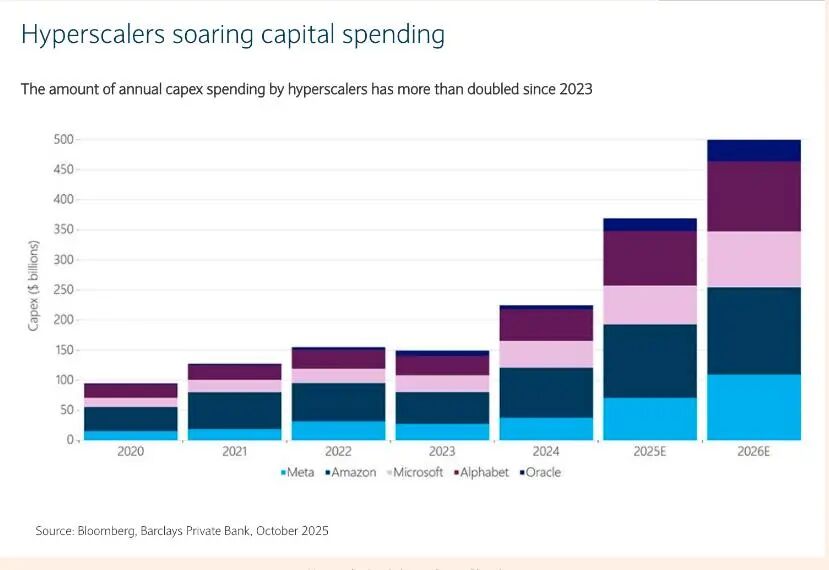
Group 1: Market Overview - The traditional Christmas holiday period has led to low volatility in markets, but this year is different due to heightened risk aversion and supply-demand imbalances in the precious metals market [1] - The U.S. stock market remains stable despite strong GDP performance, with the 10-year Treasury yield hovering around 4.17%, indicating that current monetary policy is not expected to tighten further [2] - Concerns over the AI bubble and its impact on tech stocks have dampened short-term momentum for these assets, with the VIX index near yearly lows [2] Group 2: Precious Metals Performance - Precious metals like gold and silver have reached historical highs, driven by investor demand amid expectations of Federal Reserve rate cuts and geopolitical tensions [5][6] - Gold prices have surged, with forecasts suggesting it could reach $5,000 by the end of 2026, supported by central bank purchases and a trend towards de-dollarization [5] - Silver has seen significant price increases, attributed to both safe-haven demand and structural growth in industrial applications, particularly in electric vehicles and solar panels [6] Group 3: Company-Specific Insights - Oracle's stock has dropped 30% this quarter, heading towards its largest quarterly decline since the 2001 internet bubble, following disappointing revenue and cash flow results [3] - Oracle plans to invest $50 billion in capital expenditures by FY2026, a 43% increase from previous plans, raising concerns about its ability to meet these obligations without renegotiating contracts [3] - The AI sector's heavy investment and poor returns have led to a significant increase in perceived risk, with 45% of fund managers identifying the AI bubble as a major market risk [5] Group 4: Supply and Demand Dynamics - The silver market has been in a state of supply-demand imbalance since 2021, with increasing demand from energy transition technologies [6][7] - Platinum and palladium prices have surged due to tightening supply and uncertainty in tariff policies, with platinum prices up approximately 176% this year [7][8] - The market for platinum and palladium is smaller than that of gold, leading to greater price volatility with minimal investment shifts [8]

拜登预言成真,让特朗普干完这4年,美国或将成为世界老二?
Sou Hu Cai Jing· 2025-12-27 06:33
Economic Impact - The overall tariff rate in the U.S. has surged from 2.4% to 16.8%, the highest level since 1935, leading to increased consumer prices and higher corporate costs [1] - The Federal Reserve estimates that tariffs have raised core inflation by 0.4 to 0.5 percentage points, with consumer prices for appliances and electronics rising over 10% [1] - The contribution of tariffs to personal consumption expenditure inflation reached 10.9% over the past 12 months [1] GDP and Employment Forecasts - The U.S. GDP growth rate for Q3 was 4.3%, driven mainly by consumption and a reduction in the trade deficit, but long-term tariff policies may slow economic growth [3] - Economic forecasts for U.S. growth in 2025 have been downgraded from 2.1% to 1.9%, with 2026 expected at 1.8% [5] - The unemployment rate has risen from 4.1% to 4.6%, with projections suggesting it could reach 5% if tariff policies persist [5] Comparison with China - China's GDP is projected to grow by 4.5% in 2025, significantly outpacing the U.S. growth forecast of 1.9% [7] - By 2028, China's GDP may reach $23.45 trillion, positioning it as a leading economic engine in Asia [7] - The U.S. manufacturing sector has not seen significant changes despite tariff policies, as supply chain disruptions have led to increased imports [7] International Relations and Influence - Trump's tariff policies have strained relationships with allies, diminishing U.S. international influence and leading to a perception of the U.S. as a source of trouble rather than a leader [15] - The trend of de-dollarization is gaining momentum, with countries like Saudi Arabia considering non-dollar payment methods for oil exports [11][13] - China's Belt and Road Initiative and its growing partnerships, including a $3 billion commercial agreement with Saudi Arabia, highlight its expanding global influence [15]
一夜暴涨!杭州有人今早紧急出手30斤!“太疯狂了,要小心……”
Sou Hu Cai Jing· 2025-12-27 06:33
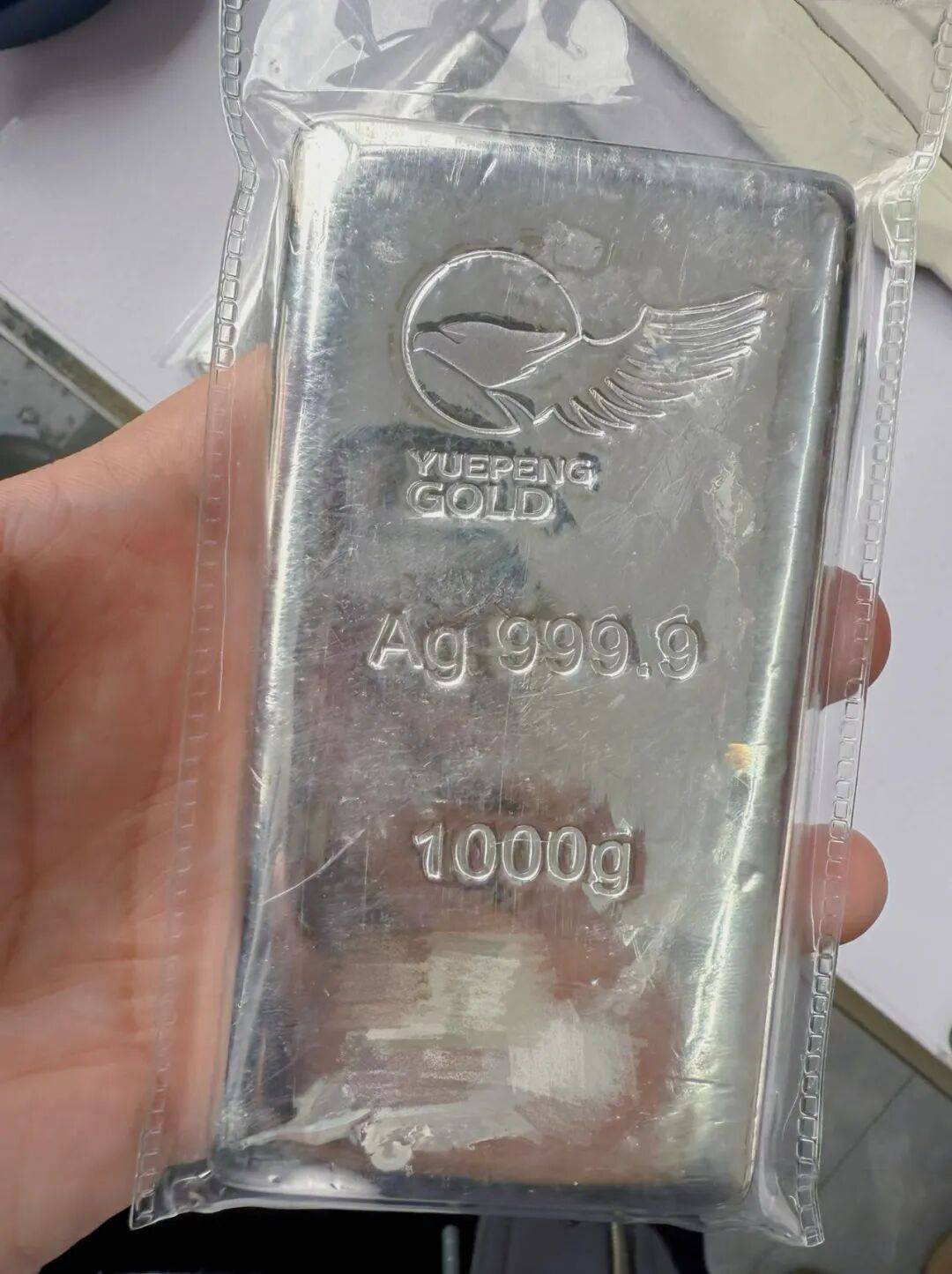
Core Insights - Precious metals, including gold, silver, and platinum, have reached historical highs, driven by macroeconomic concerns and increased demand for physical assets [2][19]. - Silver has seen a significant price surge, with a weekly increase of 18.31% and an impressive year-to-date rise of 174.62% [8][19]. Group 1: Market Activity - A jewelry store in Hangzhou reported recovering over 30 kilograms of silver bars by 10 AM, indicating a surge in trading activity [3][5]. - Customers are actively buying and selling silver, with one individual reportedly making a profit of 20,000 yuan in a week from trading silver [3][5]. - The demand for silver bars has increased to the point where immediate availability is limited, leading to many pre-orders [5][11]. Group 2: Price Trends - Current silver prices are fluctuating significantly, with retail prices for silver bars reaching around 18.8 to 19 yuan per gram, reflecting daily adjustments based on market conditions [13][14]. - The price gap between buying and selling silver is substantial, with recovery prices for silver around 10 to 12 yuan per gram, depending on quality [17][19]. - Gold prices are also rising, maintaining a high level of interest among consumers, with retail prices for gold jewelry exceeding 1,300 yuan per gram [17][19]. Group 3: Future Outlook - Analysts predict that precious metals will continue to experience upward price movements due to factors such as geopolitical uncertainties and supply-demand imbalances [19][20]. - The silver market may face intensified supply constraints, particularly if tariffs on silver imports are imposed, which could exacerbate shortages [20]. - The overall sentiment in the precious metals market suggests a trend of increasing prices, but with potential volatility due to political and economic factors [20].
贵金属“狂欢”
Guo Ji Jin Rong Bao· 2025-12-27 04:51
Core Insights - The global precious metals market is experiencing a historic surge, with gold prices surpassing $4500 per ounce and silver prices exceeding $72 per ounce, marking significant annual increases [1] - Economic concerns are rising as the dollar's credit system faces severe challenges, highlighted by the rare phenomenon of silver being more expensive than oil, which has not occurred in 45 years [1] Supply and Demand Imbalance - Gold has become a key asset in global portfolios amid geopolitical risks and macroeconomic uncertainties, with central bank purchases supporting its price [2] - Silver prices have tripled since their 2022 low, driven by industrial demand from sectors like solar energy and electric vehicles, alongside a persistent supply shortage [3] Platinum and Palladium Market Dynamics - Platinum has shown remarkable performance, with prices increasing over 150% this year, driven by demand from the hydrogen energy sector [4] - Palladium is also facing supply constraints, with a projected shortfall of approximately 200,000 ounces by 2025, further supporting its price [4] Copper Price Surge - Copper prices have reached historical highs, driven by strong demand from energy transition and infrastructure investments, while supply disruptions have tightened the market [5] Dollar Credibility Concerns - The rise in precious metal prices reflects a shift in investor confidence regarding the stability of traditional currency systems, particularly the dollar [7] - Concerns over U.S. government debt, which has exceeded $38.5 trillion, are prompting investors to seek refuge in physical assets like gold [8] Economic Crisis Signals - The current ratio of silver to oil prices has reached its highest level since 1990, often indicating impending economic crises [10] - Historical patterns suggest that significant disparities between silver and oil prices can signal structural economic risks [11] Regulatory and Market Dynamics - The potential for regulatory interventions, such as increased margin requirements for silver trading, could lead to significant price corrections [12] - The current market environment mirrors past crises, raising concerns about the sustainability of price increases in precious metals [12]
美国这个老大为什么越来越猖狂,敢于满世界抢,是因为长期以来,世界碍于美元,一直贯着他,世界混乱背后的经济真相
Sou Hu Cai Jing· 2025-12-27 04:29
Core Insights - The article discusses how the U.S. dollar's dominance allows the U.S. to act with impunity on the global stage, likening it to a spoiled child who enjoys privileges without facing consequences [1][3]. Group 1: Dollar Dominance and Economic Impact - The U.S. dollar's hegemony enables the U.S. to transfer domestic economic crises to the global economy, allowing it to maintain consumption levels that exceed its production capacity [3][4]. - The establishment of the dollar as the world's reserve currency began post-World War II with the Bretton Woods system, which linked the dollar to gold, and evolved into the "petrodollar" system in the 1970s [3][4]. - The cost of printing a $100 bill is less than $1, allowing the U.S. to exchange printed money for real goods and services worth $100, a phenomenon referred to as "seigniorage" [3]. Group 2: Geopolitical and Financial Strategies - The U.S. employs a "tide harvesting" strategy, where it uses quantitative easing to send dollars abroad during economic downturns and then raises interest rates to bring dollars back during inflationary periods, causing financial distress in countries reliant on dollar loans [4]. - The U.S. uses its dollar dominance as a geopolitical weapon, imposing unilateral sanctions on nearly 40 countries, affecting about half of the global population [4][5]. - Historical military interventions by the U.S. in countries that challenge dollar dominance, such as Iraq and Libya, illustrate the lengths to which the U.S. will go to maintain its financial supremacy [4][5]. Group 3: Cultural and Military Influence - The U.S. dollar's dominance supports its military hegemony, with the ability to fund a vast network of overseas military bases through the unique financial advantages provided by the dollar [5]. - Cultural hegemony, promoted through media and entertainment, reinforces the dollar's influence and helps shape global perceptions in favor of U.S. interests [5]. Group 4: Challenges to Dollar Hegemony - The U.S. faces increasing challenges to its dollar dominance, with a growing trend of "de-dollarization" as countries seek to reduce reliance on the dollar in international trade [6]. - The proportion of the dollar in global foreign exchange reserves has decreased from 72.7% in 2001 to approximately 59.5% in 2023, indicating a shift in international sentiment towards the dollar [6]. - Domestic policy short-termism in the U.S. is undermining the dollar's stability and international credibility, as frequent adjustments to interest rates and tax cuts may provide temporary relief but weaken long-term trust [6].
凌晨贵金属全线大涨,黄金、白银、铂金创历史记录
Sou Hu Cai Jing· 2025-12-27 03:06
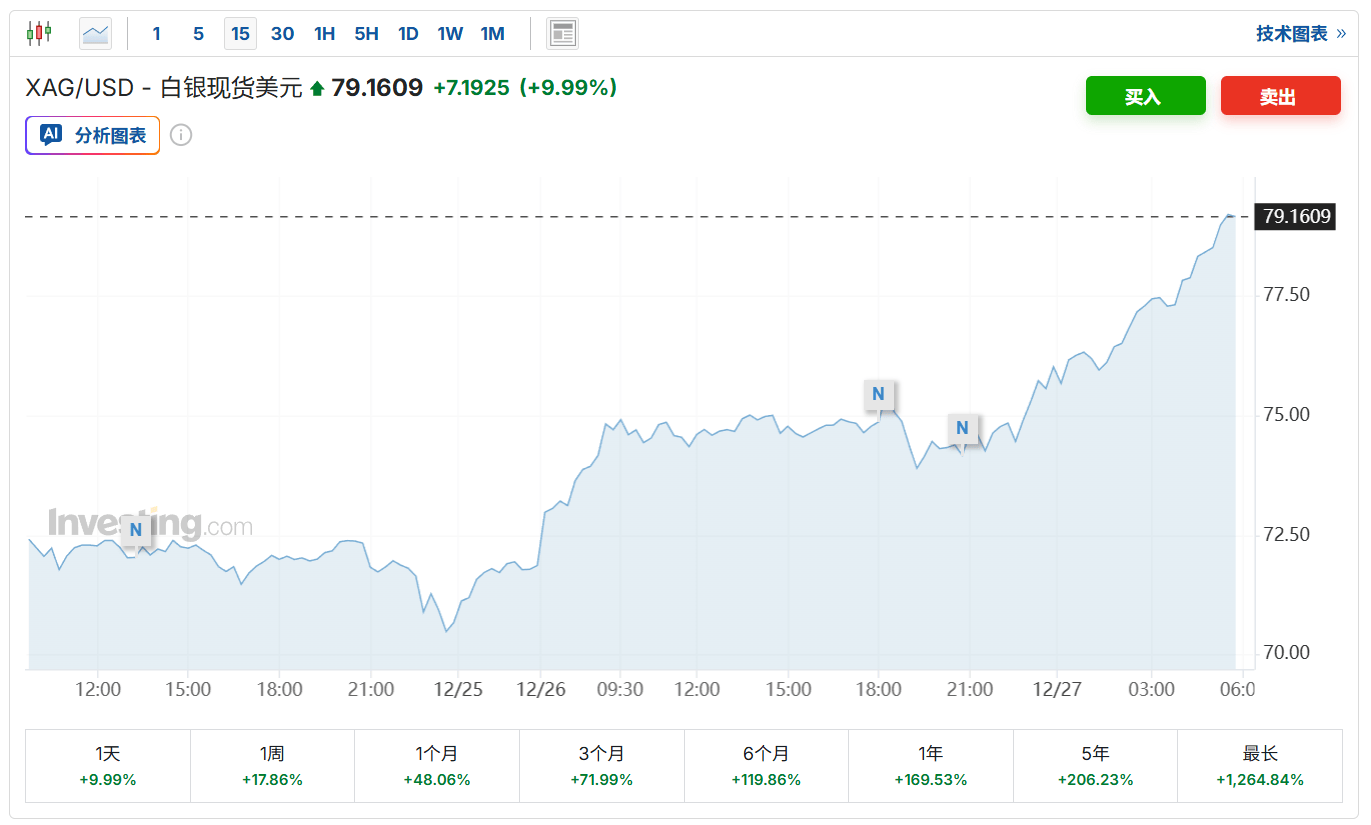
Core Viewpoint - Precious metals experienced a historic surge on December 26, with silver, gold, platinum, and palladium all rising significantly, marking new record highs for silver, gold, and platinum [1]. Group 1: Price Movements - Spot silver rose over 10% to $79.16 per ounce, reaching a peak of $79.33 per ounce, with a weekly increase of 17.86% and an annual increase of 169.5% [1]. - Spot gold increased by 1.18% to $4,532.63 per ounce, hitting a high of $4,550.11 per ounce, with a weekly rise of 4.47% and a yearly gain of 73% [1]. - Spot platinum surged by 8.7% to $2,411.46 per ounce, reaching a record high of $2,470.19 per ounce, with a weekly increase of 24.31%, the largest single-week gain ever [1]. - Palladium rose nearly 10% to $1,930.81 per ounce, achieving its highest level in over three years [1]. Group 2: Market Drivers - Expectations of further easing policies from the Federal Reserve in 2026, a weakening dollar, and escalating geopolitical tensions are driving greater volatility in precious metals [5]. - The ongoing geopolitical tensions, particularly regarding Venezuela and U.S. military actions in Nigeria, are increasing the appeal of precious metals as safe-haven assets [5]. - The combination of the Federal Reserve's easing policies, continued central bank purchases, ETF inflows, and a trend towards de-dollarization is expected to support gold's strongest annual gain since 1979 [5][6]. Group 3: Expert Insights - Peter Grant, a senior metal strategist, predicts silver could reach $80 per ounce by year-end, while gold's next target is $4,686.61 per ounce, potentially reaching $5,000 in the first half of next year [5]. - Daniel Takieddine, CEO of Sky Links Capital Group, emphasizes that the increasing geopolitical tensions are sustaining demand for safe-haven assets like gold and silver [5].
黄金、白银上演疯狂假日行情
Di Yi Cai Jing Zi Xun· 2025-12-27 02:12
Group 1: Market Overview - The upcoming Christmas holiday has led to low volatility in traditional markets, but this year is different due to heightened risk aversion and supply-demand imbalances in the precious metals market [2] - The U.S. stock market remains stable despite strong GDP data, with the 10-year Treasury yield hovering around 4.17%, indicating that monetary policy is not expected to tighten further [3] - Concerns over the AI bubble and unclear monetary policy have dampened the momentum of star tech stocks, with the VIX index near yearly lows [3] Group 2: Oracle's Financial Performance - Oracle's stock has plummeted 30% this quarter, heading towards its largest quarterly decline since the 2001 internet bubble burst, following disappointing revenue and free cash flow results [4] - The company plans to invest $50 billion in capital expenditures by FY2026, a 43% increase from previous plans, which raises concerns about its ability to manage such debt [4][5] Group 3: AI Bubble Concerns - A recent survey shows that 45% of fund managers view the "AI bubble" as the biggest market risk, a significant increase from 11% in September [7] - The construction of AI data centers is considered one of the largest infrastructure projects in modern history, but a slowdown in AI growth could pose significant risks to the market [7] Group 4: Precious Metals Market - Precious metals like gold and silver have reached historical highs due to investor demand driven by expectations of Fed rate cuts and geopolitical tensions [8] - Gold prices have surged, with predictions that they could reach $5,000 by the end of 2026, supported by central bank purchases and a trend towards "de-dollarization" [8] - Silver prices have also increased significantly, driven by both safe-haven demand and structural growth in industrial applications, particularly in electric vehicles and solar panels [9] Group 5: Platinum and Palladium Prices - Platinum and palladium prices have seen remarkable increases, with platinum futures surpassing $2,500 and palladium futures rising above $2,000, driven by supply constraints and shifting investment demand [10] - The market for platinum and palladium is much smaller than that for gold, making it susceptible to significant price fluctuations with minimal investment activity [10]
黄金、白银上演疯狂假日行情
第一财经· 2025-12-27 02:07
2025.12. 26 本文字数:2214,阅读时长大约4分钟 作者 | 第一财 经 樊志菁 本周西方迎来传统节日圣诞节,随着诸多市场进入假日交易时段,通常情况下行情往往处于低波动状 态。今年的情况有所不同。 节后首个交易日,避险情绪、供需失衡等因素继续推动资产规模较小的贵金属市场狂欢。 相比之 下,人工智能AI泡沫担忧、货币政策不明朗让流动性更好的明星科技股失去了短期进一步上行的动 力。 美股波澜不惊 作为节前公布的重磅数据,美国三季度国内市场总值(GDP)表现强劲,但美债利率却未出现相应 上扬,美国10年期国债收益率徘徊在4.17%,10年期与2年期国债利差保持31个基点的正值区间。 BK asset management宏观策略师施罗斯伯格(Boris Schlossberg)在接受第一财经采访时表 示,这向市场释放的信号是:当前货币政策虽处于限制性区间,但并不会进一步收紧,是美元走弱、 股市企稳的核心逻辑。他认为,短期内股市表现近似于 "低波动套息资产"——标普500指数与纳斯达 克综合指数保持强势,市场波动性整体受到压制,如恐慌指数(VIX )徘徊在年内低点附近。 率的影响,人工智能概念股的估值已处 ...