数字化转型

Search documents
宝胜国际(03813) - 2025 Q3 - 电话会议演示
2025-11-12 01:30
Financial Performance - Revenue decreased by 7.7% YoY from RMB 13,984 million to RMB 12,903 million[14] - Gross profit decreased by 9.2% YoY from RMB 4,758 million to RMB 4,320 million[14] - Operating profit decreased significantly by 41.6% YoY from RMB 514 million to RMB 300 million[14] - Profit for the period decreased by 46.8% YoY from RMB 348 million to RMB 185 million[14] - Profit attributable to owners of Pou Sheng decreased by 50.1% YoY from RMB 343 million to RMB 171 million[14] - Net cash decreased by 27.1% YoY from RMB 2,729.3 million to RMB 1,990.8 million[31] Financial Ratios - SG&A expenses decreased by 5.6% YoY from RMB 4,420 million to RMB 4,173 million[14] - Online contribution reached a historical high, accounted for 33% of total sales, up 13% YoY[11] - Total borrowings to equity increased by 1.5 percentage points YoY, from 0.7% to 2.2%[31] Operational Highlights - Number of direct operated stores decreased by 3.5% YoY[24] - Employee numbers decreased by 8% YoY from 20,300 to 18,600[24] - Omni-channel accounted for 33% of revenue[36]
太原市一企业家荣登福布斯华人精英榜
Sou Hu Cai Jing· 2025-11-11 23:18
Group 1 - The 2025 Forbes China Most Influential Chinese Elites TOP 100 list has been released, featuring Yao Jinlong, Chairman of Shanxi Meijin Energy Co., Ltd. [1] - The selection criteria for this year's list include "Industry Reshapers," "Value Creators," and "Trend Explorers," highlighting individuals with significant achievements and global influence from 2024 to 2025 [1] - Yao Jinlong is recognized as an "Industry Reshaper," a category that includes industry leaders managing trillion-dollar companies, such as Cai Chongxin and Chen Liwu [1] Group 2 - Under Yao Jinlong's leadership, the traditional energy company is transitioning into a leading hydrogen energy enterprise, establishing a comprehensive hydrogen energy industrial chain covering production, storage, transportation, refueling, and utilization [1] - The company is implementing a circular economy model of "coal-coke-gasification-hydrogen," forming an innovation alliance to facilitate the digital transformation [1] - Yao Jinlong's efforts have led to the export of hydrogen fuel cell heavy trucks to South America and the first hydrogen fuel cell buses to Israel and Europe, enhancing China's global influence in the hydrogen energy sector [1]

中国人保擘画高质量发展新蓝图:深耕非车险蓝海 开拓国际化新局
财联社· 2025-11-11 23:10
Core Viewpoint - China Pacific Insurance aims to accelerate the high-quality development of non-auto insurance while consolidating its advantages in auto insurance, aligning with the national "14th Five-Year Plan" and responding to the evolving market dynamics [1][2]. Group 1: Non-Auto Insurance Development - Non-auto insurance is a key area for the insurance industry to fulfill its dual functions and serve national development [1]. - In the first three quarters, China Pacific Insurance achieved insurance service revenue of 431.34 billion yuan, a year-on-year increase of 6.8%, and a net profit of 46.822 billion yuan, up 28.9% year-on-year [2]. - The company has established six core capabilities in non-auto insurance, including rapid pricing, comprehensive channel development, rigorous underwriting, professional claims service, strong reinsurance support, and advanced risk reduction services [3]. Group 2: Market Opportunities and Regulatory Changes - The non-auto insurance market is undergoing significant transformation, with new regulations marking the end of chaotic growth and the beginning of a more regulated development phase [2]. - By the end of the "14th Five-Year Plan," direct foreign investment is expected to exceed 220 billion USD, R&D expenditures will surpass 4.5 trillion yuan, and total social logistics will exceed 450 trillion yuan, indicating strong growth potential for non-auto insurance [3]. Group 3: International Expansion - China Pacific Insurance is focusing on expanding its overseas business, responding to the national strategy for high-level opening-up [4]. - The company aims for overseas business growth to account for approximately 30% of the total growth across all insurance types within five years [5]. - As of September, the company’s overseas interests have covered 148 countries and regions, providing risk protection amounting to 1.7 trillion yuan [6]. Group 4: Internet Health Insurance Growth - The internet health insurance segment has seen a compound annual growth rate of 46.8%, with premiums growing from 30 million yuan in 2017 to 17.8 billion yuan in 2024 [7]. - The company has covered over 80 million customers in the internet health insurance market, holding more than one-third of the market share [7]. - Innovative products such as guaranteed renewals for long-term medical insurance and tax-advantaged nursing insurance have been launched, reflecting a customer-centric approach [8]. Group 5: Technological Innovation and Digital Transformation - China Pacific Insurance is actively promoting digital technology to enhance its insurance services, including the deployment of AI in internet health insurance [10]. - The company has implemented a digital employee system to automate report generation and anomaly detection, improving operational efficiency [10]. - The focus on digital transformation aims to enhance operational efficiency, customer experience, and service capabilities in non-auto insurance management [10].



支持民资更多投向生产性服务业
Nan Fang Du Shi Bao· 2025-11-11 23:09
Core Viewpoint - The recent measures issued by the State Council aim to promote private investment in key sectors, allowing private capital to hold more than 10% in nuclear power and other significant projects [2][8]. Group 1: Expansion of Access - Private capital participation in projects requiring national approval, such as railways and nuclear power, will be specially evaluated for feasibility, with the potential for ownership exceeding 10% [3]. - Local authorities will detail specific requirements for private capital involvement in project construction, encouraging participation in smaller urban infrastructure projects [3]. - The government will facilitate private capital's involvement in low-altitude economy infrastructure and streamline satellite communication business access for private investments [3]. Group 2: Service Industry and Procurement - The measures aim to eliminate unreasonable entry barriers in the service industry, promoting private capital in sectors like industrial design and digital transformation [4]. - Government procurement will increasingly support small and medium-sized enterprises (SMEs), reserving over 40% of budgets for projects suitable for SMEs [5]. Group 3: Addressing Bottlenecks - Enhanced regulation of network infrastructure operations will protect private enterprises' rights in energy and transportation sectors [6]. - The government encourages the establishment of major pilot platforms in key industries, supporting private enterprises in digital transformation [6]. Group 4: Strengthening Support - Increased central budget investments will support eligible private investment projects, utilizing new policy financial tools to bolster capital [7]. - Financial institutions are encouraged to set annual service goals for private enterprises, ensuring access to credit and promoting innovative financing solutions [7]. Group 5: Implementation and Compliance - Strict enforcement of bidding regulations will prevent unreasonable requirements for private enterprises, ensuring fair access to bidding opportunities [10]. - The government will enhance the application of digital technologies to improve compliance in bidding processes, correcting issues in over 31,000 projects [11].
国家发展改革委: 支持民间资本有序流向高价值服务行业
Zhong Guo Zheng Quan Bao· 2025-11-11 20:12
Core Viewpoint - The National Development and Reform Commission (NDRC) is promoting private investment development by detailing requirements for private capital participation in project construction and encouraging investments in high-value service industries [1][2]. Group 1: Encouragement of Private Investment - The NDRC has introduced measures to encourage private capital participation in key projects, allowing for a shareholding ratio of over 10% in certain qualified projects, with some nuclear power projects reaching up to 20% [2][6]. - The NDRC aims to support various types of economic entities in project construction, promoting complementary advantages among different ownership types [2][3]. Group 2: Focus on Productive Service Industries - The NDRC is directing private capital towards high-value service sectors, including industrial design and quality certification, to enhance participation in productive service projects [2][4]. - There is an emphasis on the integration of advanced manufacturing and modern service industries, encouraging regions to innovate policies that support the service-oriented transformation of manufacturing [3][5]. Group 3: Support for Major Pilot Platforms - The NDRC is advocating for the establishment of significant pilot platforms by private enterprises, which are crucial for linking innovation with industry [4]. - The NDRC encourages collaboration between state-owned enterprises, universities, and research institutions to provide market-oriented pilot services to private companies [4][5]. Group 4: Expansion of Financing Channels - The NDRC is actively supporting the issuance of infrastructure REITs for qualified private investment projects, with 14 out of 18 recommended projects already listed, raising nearly 30 billion yuan [6]. - Future efforts will focus on expanding the market for private investment projects, facilitating the listing of new asset types, and establishing a supportive coordination mechanism for REITs [6].
王石再次预测中国房地产未来走向!前3次都准!这次可能又是对的?
Sou Hu Cai Jing· 2025-11-11 19:15
Core Insights - Vanke's founder Wang Shi has made significant predictions about the future of China's real estate market, emphasizing a structural transformation characterized by "three trends, two shifts, and one core" [4][10]. Group 1: Trends - The first trend is the long-term adherence to the "housing is for living, not for speculation" principle, which will become a cornerstone of the Chinese real estate market [6]. - The second trend indicates a shift in the industry's focus from scale expansion to quality improvement, as the market enters a "stock era" with a noticeable slowdown in new housing supply [6]. - The third trend highlights an increasing market differentiation, with urban areas experiencing varied dynamics based on population inflow and product segmentation [6][10]. Group 2: Shifts - The first shift involves a transformation in developers' operating philosophies, moving from high-leverage, high-turnover models to a more stable, cash-focused strategy [8]. - The second shift reflects an upgrade in consumer purchasing attitudes, where the new generation prioritizes suitability over mere ownership, indicating a more rational approach to home buying [9]. Group 3: Core Judgment - The core judgment is that real estate will return to its fundamental purpose of providing living spaces, moving away from excessive financialization and profit-driven motives [10][17]. Group 4: Market Predictions - Wang Shi predicts that in the next five years, first-tier cities like Beijing and Shanghai will see stable housing prices with fluctuations not exceeding 15%, while second-tier cities may experience slight increases, and many third- and fourth-tier cities will face downward pressure on prices [10]. Group 5: Consumer Strategies - Ordinary homebuyers are advised to focus on meeting their living needs rather than viewing real estate solely as an investment [11]. - The importance of location is emphasized, with a focus on areas with population growth and strong industrial bases [12]. - Quality and service are highlighted as key factors in determining property value, with a shift towards properties that offer superior living environments [13]. Group 6: Technological Impact - Wang Shi underscores the role of digital transformation in real estate, with smart homes and communities becoming significant trends, as evidenced by the growth of the smart home market [14]. - Developers are encouraged to evolve from merely constructing homes to providing comprehensive urban services, enhancing their competitive edge [14]. Group 7: Historical Context - Wang Shi's historical predictions have proven accurate, such as his warnings about market bubbles and the transition to a "silver age" of real estate, showcasing his foresight and understanding of market dynamics [5][15].

多维创新破解产业痛点 打造金融服务实体经济新范式
Zheng Quan Shi Bao· 2025-11-11 17:51
Core Viewpoint - Dalian Commodity Exchange (DCE) focuses on serving the real economy through innovation and technology, enhancing risk management services for high-quality economic development [1] Group 1: "Yin Qi Bao" Project - DCE launched the "Yin Qi Bao" project to address financing difficulties for farmers during spring planting and autumn harvest, providing a comprehensive risk solution covering the entire cycle of planting, harvesting, and selling [2] - The project has expanded to cover crops like soybeans and corn nationwide, with 25 projects established by September 2023, involving 1.2709 million acres and insurance premiums of 72.8608 million yuan [2] - Beneficiaries like Li Fuqiang reported significant financial benefits, including a 451,000 yuan payout and a 300,000 yuan loan at favorable rates, demonstrating the project's effectiveness in risk management [3] Group 2: "Qi Zhuan Xian" Business - DCE optimized its "Qi Zhuan Xian" (futures-to-spot) business to better meet industry needs, allowing for more flexible trading methods and expanding application scenarios [4] - The upgraded model has led to a significant increase in transaction volume, with 364,000 contracts traded from January to September 2025, a 3.7-fold increase year-on-year, covering 3.92 million tons and 14.6 billion yuan [4] - The integration of the "Qi Zhuan Xian" platform with the ethylene glycol delivery warehouse system facilitates efficient commodity circulation across the national market [5] Group 3: Temperature Index Application - DCE has developed a temperature index to mitigate agricultural risks due to climate change, collaborating with the China Meteorological Administration since 2002 [6] - Projects utilizing the temperature index, such as the "Cold Lake Index Insurance + Derivatives" in Hubei, achieved high payout rates, demonstrating the effectiveness of this risk management approach [6] - The application of the temperature index has led to increased financing for farmers and enhanced agricultural standardization, contributing to rural revitalization [6] Group 4: Digital Warehouse System - DCE is implementing a digital warehouse system to enhance the delivery ecosystem, promoting electronic processes and intelligent services in the futures market [7] - The system allows for online management of warehouse data and real-time monitoring, significantly improving operational efficiency and reducing costs for small and medium enterprises [7] - This digital transformation serves as a model for regulatory practices and can be replicated across other financial infrastructures [7] Group 5: Strategic Alignment - DCE's innovations align with national strategic needs, focusing on rural revitalization, risk prevention, digital transformation, and contributing to the construction of a unified national market [8] - The exchange aims to continue integrating its services with national strategies to support high-quality economic development through practical innovations [8]
多措并举激发民间投资活力
Zhong Yang Ji Wei Guo Jia Jian Wei Wang Zhan· 2025-11-11 14:43
Core Viewpoint - The article emphasizes the importance of private investment as a key indicator of economic activity and its significant role in stabilizing growth, employment, and expectations. The National Development and Reform Commission (NDRC) has introduced measures to enhance private investment vitality through 13 policy initiatives categorized into three main areas: expanding access, removing obstacles, and strengthening guarantees [2][3]. Group 1: Expanding Access - The measures encourage private capital participation in key sectors such as railways and nuclear power, which require national approval, by clarifying shareholding ratios [3][4]. - Local governments are encouraged to involve private capital in new urban infrastructure projects that are smaller in scale but have profit potential [3]. - The initiative aims to guide private capital into emerging sectors like low-altitude economy and commercial aerospace, while supporting capable private enterprises in undertaking major national technological challenges [3]. Group 2: Removing Obstacles - The measures address the challenges faced by private enterprises regarding rights protection and innovation support by enhancing regulatory oversight of network infrastructure operations [3]. - It promotes the establishment of significant pilot platforms that can drive industry development and encourages state-owned enterprises and research institutions to provide market-oriented pilot services to private companies [3]. Group 3: Strengthening Guarantees - The NDRC plans to increase central budget investments in qualifying private investment projects and utilize new policy financial tools to support key industries and sectors [3]. - Measures include meeting the reasonable credit needs of private enterprises and implementing policies to facilitate the financing of technology-driven companies through public listings and mergers [3]. Group 4: Communication and Support - The NDRC has established a multi-level communication mechanism with private enterprises to address their challenges and promote investment [5]. - A comprehensive service platform for private economic development was launched, which has seen significant engagement, indicating a proactive approach to resolving issues faced by private investors [5]. Group 5: Digital Transformation - The National Data Bureau is set to implement measures to promote digital transformation in key sectors, leveraging data to empower investment [6]. - The initiative aims to support leading companies in building digital platforms that facilitate collaboration and drive smaller enterprises into the digital ecosystem, enhancing their operational capabilities [6].
国家发展改革委举行专题新闻发布会 介绍进一步促进民间投资发展有关情况
国家能源局· 2025-11-11 14:04
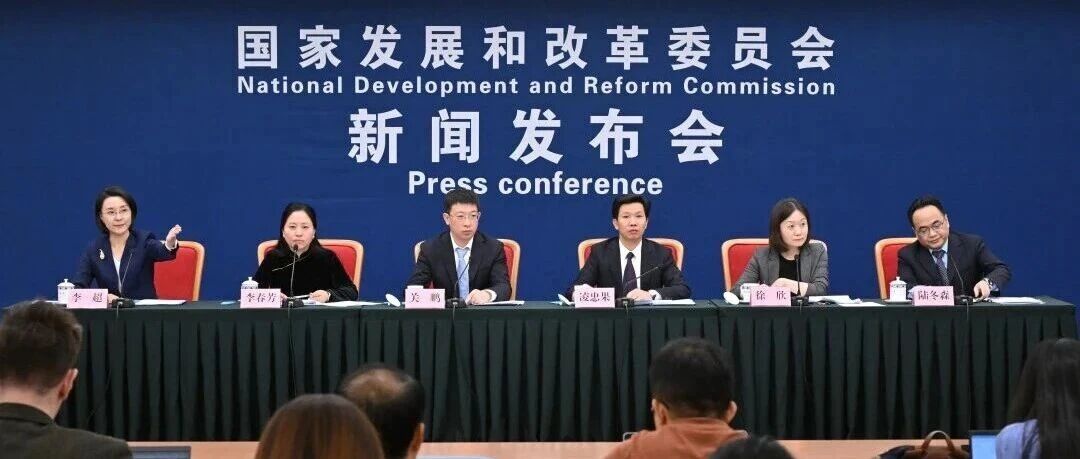
Core Viewpoint - The article discusses the recent measures introduced by the National Development and Reform Commission (NDRC) to promote private investment in key sectors, emphasizing the importance of private capital in driving economic growth and stability in China [2][12]. Group 1: Measures to Promote Private Investment - The NDRC has introduced several measures to support private investment, including encouraging private capital participation in key projects with a minimum shareholding of 10% [12][13]. - The NDRC aims to enhance the investment environment by improving market order and reducing investment costs, which includes expanding the "zero investment" service for low-voltage electricity connections to cover more private enterprises [6][21]. - The NDRC is also focusing on the energy sector, where private capital is encouraged to invest in nuclear power, hydropower, and oil and gas infrastructure projects [4][15]. Group 2: Support for Specific Sectors - In the energy sector, private enterprises have been invited to participate in nuclear power projects, with 20 private companies already involved in recent approvals [4][15]. - The renewable energy sector has seen significant growth, with private companies now accounting for nearly 60% of the electricity sales market [5][15]. - The NDRC is promoting private investment in the production service industry, which is seen as a key area for growth, particularly in high-value service sectors like industrial design and quality certification [20][21]. Group 3: Financial and Policy Support - The NDRC is enhancing financial support for private investment through new policy financial tools, with 500 billion yuan allocated to support eligible projects [22][21]. - The introduction of infrastructure Real Estate Investment Trusts (REITs) is aimed at mobilizing private capital for infrastructure projects, with 83 projects already listed, raising a total of 207 billion yuan [31][22]. - The NDRC emphasizes the importance of a supportive legal framework, having enacted the Private Economy Promotion Law to facilitate private investment [24][21]. Group 4: Digital Transformation and Innovation - The integration of digital technology into traditional industries is a focus area, with private enterprises playing a crucial role in driving digital transformation and innovation [16][37]. - The NDRC is encouraging private investment in digital infrastructure and services, which are essential for enhancing operational efficiency and competitiveness [37][16]. - The government is also promoting the establishment of major pilot platforms for innovation, which will support private enterprises in developing new technologies and products [33][20].
中信建投证券董事长刘成:加快打造价值投行、新质投行、数智投行
Sou Hu Cai Jing· 2025-11-11 13:41
Core Viewpoint - The chairman of CITIC Securities, Liu Cheng, emphasized the company's commitment to becoming a leading investment bank by focusing on three key areas: building a "value investment bank," developing a "new quality investment bank," and embracing a "digital intelligent investment bank" to enhance competitiveness in the international market [2][3][4] Group 1: Value Investment Bank - CITIC Securities aims to enhance its international competitiveness by adhering to higher standards of compliance with national laws, regulations, and international practices, while unifying the creation of value for clients, shareholders, employees, and society [2] - The company has successfully completed three Hong Kong IPO sponsorship projects this year, raising a total of HKD 429.26 billion, with the largest being the IPO of CATL, which raised HKD 410.06 billion, marking the largest IPO globally in the past three years [3] Group 2: New Quality Investment Bank - The concept of a "new quality investment bank" is seen as an evolutionary path for securities institutions, focusing on empowering new productive forces to drive high-quality development [3] - CITIC Securities is transitioning from traditional passive services to a more proactive, partnership-oriented approach, aiming to provide comprehensive lifecycle services through a model that integrates research, investment, and banking [3] Group 3: Digital Intelligent Investment Bank - The core task of building a "digital intelligent investment bank" is to drive digital transformation based on customer needs, emphasizing the strategic importance of data as a key asset [4] - The company plans to leverage artificial intelligence and advanced algorithms to enhance efficiency and decision-making in asset pricing, trading analysis, and investment advisory [4] - Continuous innovation and iterative development are essential for the digital transformation journey, focusing on agile updates to optimize business processes and improve service quality [4]