资产配置

Search documents
量化点评报告:八月配置建议:盯住CDS择时信号
GOLDEN SUN SECURITIES· 2025-08-05 01:39
Quantitative Models and Construction 1. Model Name: Odds + Win Rate Strategy - **Model Construction Idea**: This strategy combines the risk budget of the odds-based strategy and the win-rate-based strategy to create a comprehensive scoring system for asset allocation[3][48][54] - **Model Construction Process**: 1. The odds-based strategy allocates more to high-odds assets and less to low-odds assets under a target volatility constraint[48] 2. The win-rate-based strategy derives macro win-rate scores from five factors: monetary, credit, growth, inflation, and overseas, and allocates accordingly[51] 3. The combined strategy sums the risk budgets of the two strategies to form a unified allocation model[54] - **Model Evaluation**: The model demonstrates stable performance with low drawdowns and consistent returns over different time periods[54] 2. Model Name: Industry Rotation Strategy - **Model Construction Idea**: This strategy evaluates industries based on three dimensions: momentum/trend, turnover/volatility/beta (crowding), and IR (information ratio) over the past 12 months[43] - **Model Construction Process**: 1. Momentum and trend are measured using the IR of industries over the past 12 months[43] 2. Crowding is assessed using turnover ratio, volatility ratio, and beta ratio[43] 3. The strategy ranks industries based on these metrics and allocates to those with strong trends, low crowding, and high IR[43] - **Model Evaluation**: The strategy has shown strong excess returns and low tracking errors, making it a robust framework for industry allocation[43] --- Model Backtesting Results 1. Odds + Win Rate Strategy - **Annualized Return**: - 2011 onwards: 7.0% - 2014 onwards: 7.6% - 2019 onwards: 7.2%[54] - **Maximum Drawdown**: - 2011 onwards: 2.8% - 2014 onwards: 2.7% - 2019 onwards: 2.8%[54] - **Sharpe Ratio**: - 2011 onwards: 2.86 - 2014 onwards: 3.26 - 2019 onwards: 2.85[56] 2. Industry Rotation Strategy - **Excess Return**: - 2011 onwards: 13.1% - 2014 onwards: 13.0% - 2019 onwards: 10.8%[44] - **Tracking Error**: - 2011 onwards: 11.0% - 2014 onwards: 12.0% - 2019 onwards: 10.7%[44] - **IR**: - 2011 onwards: 1.18 - 2014 onwards: 1.08 - 2019 onwards: 1.02[44] --- Quantitative Factors and Construction 1. Factor Name: Value Factor - **Factor Construction Idea**: Measures stocks with strong trends, low crowding, and moderate odds[27] - **Factor Construction Process**: 1. Trend is measured at zero standard deviation[27] 2. Odds are at 0.3 standard deviation[27] 3. Crowding is at -1.3 standard deviation[27] - **Factor Evaluation**: The factor ranks highest among all style factors, making it a key focus for allocation[27] 2. Factor Name: Quality Factor - **Factor Construction Idea**: Focuses on high odds, weak trends, and low crowding, with potential for future trend confirmation[29] - **Factor Construction Process**: 1. Odds are at 1.7 standard deviation[29] 2. Trend is at -1.4 standard deviation[29] 3. Crowding is at -0.8 standard deviation[29] - **Factor Evaluation**: The factor shows left-side buy signals but requires trend confirmation for stronger allocation[29] 3. Factor Name: Growth Factor - **Factor Construction Idea**: Represents high odds, moderate trends, and moderate crowding, suitable for standard allocation[32] - **Factor Construction Process**: 1. Odds are at 0.9 standard deviation[32] 2. Trend is at -0.2 standard deviation[32] 3. Crowding is at 0.1 standard deviation[32] - **Factor Evaluation**: The factor is recommended for standard allocation due to its balanced characteristics[32] 4. Factor Name: Small-Cap Factor - **Factor Construction Idea**: Characterized by low odds, strong trends, and high crowding, with high uncertainty[35] - **Factor Construction Process**: 1. Odds are at -0.7 standard deviation[35] 2. Trend is at 1.6 standard deviation[35] 3. Crowding is at 0.6 standard deviation[35] - **Factor Evaluation**: The factor is not recommended due to its high uncertainty and crowding[35] --- Factor Backtesting Results 1. Value Factor - **Odds**: 0.3 standard deviation - **Trend**: 0 standard deviation - **Crowding**: -1.3 standard deviation[27] 2. Quality Factor - **Odds**: 1.7 standard deviation - **Trend**: -1.4 standard deviation - **Crowding**: -0.8 standard deviation[29] 3. Growth Factor - **Odds**: 0.9 standard deviation - **Trend**: -0.2 standard deviation - **Crowding**: 0.1 standard deviation[32] 4. Small-Cap Factor - **Odds**: -0.7 standard deviation - **Trend**: 1.6 standard deviation - **Crowding**: 0.6 standard deviation[35]
2025“一带一路”国际金融投资(南宁)论坛举行
Sou Hu Cai Jing· 2025-08-04 14:36
Group 1 - The forum themed "Financial Empowerment for Green Cities, Connecting the Silk Road" aims to explore new financial investment opportunities and challenges facing ASEAN, promoting regional financial collaboration and contributing to the China-ASEAN community [2][10] - The event attracted representatives from various domestic and international financial institutions, including banks, insurance companies, securities, funds, and futures organizations, focusing on economic hot topics and ASEAN financial investment opportunities through diverse activities such as speeches and roundtable discussions [6][8] - The forum addressed industry pain points and trends, featuring professional roundtable discussions and debates to explore wealth management and financial investment trends, as well as asset allocation strategies and innovative approaches [8] Group 2 - The cross-border RMB settlement scale between Guangxi and ASEAN countries is steadily expanding, with deepening financial infrastructure connectivity supporting regional economic and trade cooperation [10] - Nanning serves as a frontier window for China's open cooperation with ASEAN, witnessing the transition from "trade partners" to "investment partners" [10] - The forum provides an opportunity for participants to gather insights and explore new paths for financial cooperation, aiming to offer practical solutions that enhance financial support for the real economy [10]


每日钉一下(股债比例:资产配置决定90%的收益)
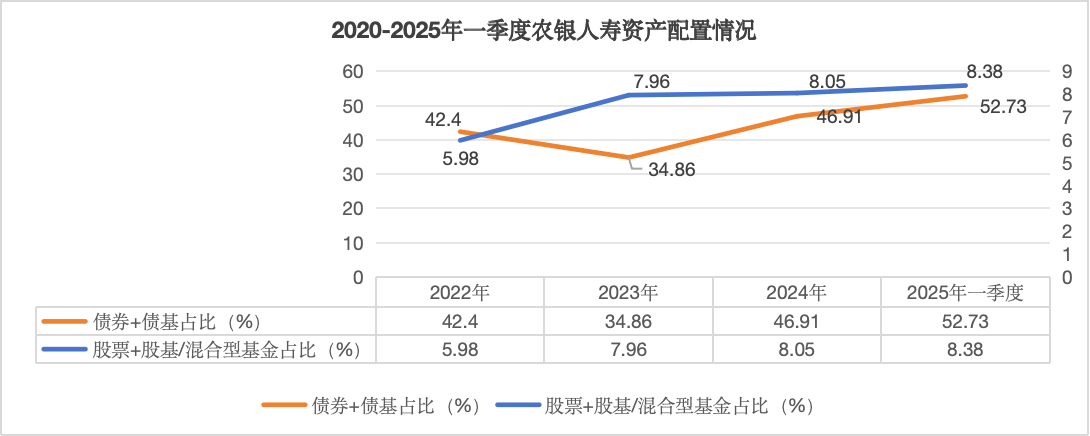
银行螺丝钉· 2025-08-04 13:26
Group 1 - The article emphasizes that different stock markets do not move in unison, and understanding multiple markets can provide investors with more opportunities [2] - Global investment can significantly reduce volatility risk, highlighting the benefits of diversifying across various markets [2] - A free course is offered to educate investors on how to invest in global stock markets through index funds, aiming to share the long-term gains of global markets [2][3] Group 2 - The article discusses the importance of asset allocation, stating that it determines 90% of investment returns, particularly in the context of fund investments [4][5] - It explains the contrasting characteristics of stocks and bonds, where stocks generally offer higher long-term returns but come with greater volatility, while bonds provide lower returns with less risk [5][6] - The article suggests that higher stock allocation in long-term active funds typically results in better returns but also entails higher risk [5][6]

全球股市狂欢还能走多远?大连游学论道与一线大咖畅聊资产配置风向
Sou Hu Cai Jing· 2025-08-04 12:57
Group 1 - The U.S. stock market has been reaching historical highs, with the S&P 500 index hitting new records, while the Shanghai Composite Index also surpassed 3600 points, marking its annual peak [1] - Major international investment banks have issued warnings regarding the increasing risks in the U.S. stock market, with Goldman Sachs noting that speculative sentiment indicators have surged to historical highs, second only to the 2000 dot-com bubble and the 2021 retail trading frenzy [1] - Deutsche Bank highlighted that margin debt has reached a historic high, exceeding $1 trillion in June, indicating a heated borrowing environment for stock trading [1] Group 2 - Bank of America analyst Hartnett reiterated the risks of a bubble, attributing it to loose monetary policies and relaxed financial regulations, stating that increased retail participation leads to greater liquidity and volatility, thus amplifying bubble risks [1] - The potential for the U.S. bull market to continue may hinge on the Federal Reserve's interest rate cuts, with recent pressures from former President Trump on the Fed to lower rates [1] - Goldman Sachs economists have revised their predictions, suggesting a greater than 50% chance of a rate cut in September, which could significantly influence global market trends [2] Group 3 - Political changes in Japan, particularly the recent electoral defeat of the ruling coalition, have led to a decline in support for Prime Minister Kishida, impacting the yen and Japanese stock market [3] - The internal accountability calls within the ruling party continue to grow, with potential leadership changes expected following the upcoming extraordinary Diet session [4]
全球股市狂欢还能走多远?大连游学论道与一线大咖畅聊资产配置风向
华尔街见闻· 2025-08-04 12:15
Group 1 - The article highlights that the U.S. stock market has been reaching historical highs, with the S&P 500 index experiencing significant gains, while the Shanghai Composite Index also recently surpassed 3600 points, marking an annual peak [1] - Major international investment banks, including Goldman Sachs and Deutsche Bank, have issued warnings about increasing market risks, citing high levels of speculative activity and record margin debt exceeding $1 trillion [1] - The potential for a Federal Reserve interest rate cut is seen as a key factor that could sustain the U.S. bull market amidst rising risks [1] Group 2 - Goldman Sachs economists predict a higher than 50% chance of a Federal Reserve rate cut in September, which is earlier than previously anticipated [2] - The political landscape in Japan is shifting, with the ruling coalition facing challenges after recent election losses, which may impact the yen and Japanese stock market [3] - A series of significant political and economic events are expected in August and September, including tariff negotiations and Federal Reserve decisions, which could influence global capital markets [3]

国信证券:公司积极推广“全账户提佣”投顾服务模式,强化投顾服务持续陪伴
Zheng Quan Ri Bao· 2025-08-04 08:41
Group 1 - The core viewpoint of the article highlights that under the influence of a low interest rate environment and market recovery in the first half of the year, there is a significant increase in demand for professional asset allocation advice and accompanying services from investors [1] - The company has actively promoted the "full account commission" investment advisory service model in the first half of the year, enhancing the value of services and customer stickiness through continuous advisory support [1] - The company is focusing on the development of AI investment advisory and smart trading tools, leading to rapid growth in its advisory business [1]

基金业渐入夏!超90%主动权益基金正收益,翻倍产品涌现
券商中国· 2025-08-04 07:38
Core Viewpoint - After a four-year downturn, public funds are entering a recovery phase in 2025, with over 90% of active equity funds achieving positive returns this year, marking a significant turnaround in performance [2][3]. Fund Performance and Market Dynamics - Active equity funds have seen an average return exceeding 13% year-to-date, with a notable number of products doubling their performance, including 17 funds achieving over 140% returns as of July 29 [3]. - Despite some funds still recovering from previous losses, the short-term performance rebound is expected to support long-term growth [3]. - Fund managers are increasingly optimistic, with many raising their stock positions and focusing on core holdings, reflecting a shift in risk appetite [6][8]. Investment Strategies and Market Sentiment - Fund managers are concentrating their investments in sectors with clear competitive advantages, particularly in new economy areas, as traditional sectors like real estate show limited growth potential [4]. - The market is experiencing a positive shift in sentiment, with a significant increase in fund issuance and investor interest in equity funds, although trust in active equity funds still needs rebuilding [9][11]. Fund Issuance Trends - The issuance of new funds has accelerated, with 155 new funds launched in June, the highest in recent years, and 149 new funds initiated in July [10]. - Notable funds like Dachen Insight Advantage raised 2.461 billion yuan in just eight days, indicating strong market demand [10]. - Despite the positive trends, not all funds are equally favored, with passive investment products still attracting more investor interest than active equity funds [11].

山东神光投顾上海分公司:投资者如何把握全球风险与安全资产配置
Sou Hu Cai Jing· 2025-08-04 06:59
Global Core Risks - Geopolitical conflicts, such as the Russia-Ukraine war and tensions in the Middle East, are significant risks affecting global markets, leading to increased oil and gold prices and higher supply chain costs [2][4] - The Federal Reserve's policies and the dollar cycle have profound impacts on global financial markets; prolonged high interest rates could suppress valuations of A-share growth stocks, while fluctuations in the dollar affect foreign capital inflows [2][4] - The strength of China's economic recovery is crucial for the A-share market, with weak real estate and consumption potentially pressuring cyclical stocks, while emerging industries like renewable energy and AI may present structural opportunities [4] Safe Asset Allocation - Gold is highlighted as a key safe-haven asset, with investors encouraged to consider gold ETFs for liquidity and gold stocks for potential upside, particularly during geopolitical crises or currency devaluation [5] - High-dividend assets serve as a defensive tool against market volatility, with banks and utilities providing stable cash flows and low valuations, making them suitable for conservative investors [6] - Government bonds and interest rate bonds are considered low-risk havens, with options for short-term liquidity management through reverse repos and long-term holdings via bond ETFs [7] - Essential consumer goods and pharmaceuticals are identified as defensive sectors with strong demand characteristics, benefiting from brand loyalty and demographic trends [8] A-share Adaptation Strategies - A core-satellite strategy is recommended for portfolio construction, with a core allocation of 60% in high-dividend assets, gold ETFs, and government bonds for stability, while 40% can be flexibly allocated based on market conditions [9] - Investors should focus on policy-driven industry rotations, with potential benefits for sectors like machinery and consumer goods from government incentives, while avoiding high-debt real estate and export-dependent sectors [10] - Dynamic rebalancing of the investment portfolio is advised, adjusting allocations based on market movements, such as increasing high-dividend assets during market downturns [11] Summary and Practical Recommendations - In the context of global risks, geopolitical conflicts and Federal Reserve policies are critical external variables that require ongoing monitoring [12] - A suggested asset allocation includes 20% in gold, 30% in high-dividend assets, and 10% in government bonds to create a safety net against market risks [12] - Conservative investors are encouraged to focus on sectors like electricity, coal, and utilities, while aggressive investors may consider technology and resource sectors during market corrections [12] - Flexibility in response to market changes is essential, with adjustments based on Federal Reserve actions and inflation trends to optimize asset allocation [12][13]

资产配置全球跟踪2025年8月第1期:权益回调债市涨,铜价重挫美元升
GUOTAI HAITONG SECURITIES· 2025-08-04 05:37
Group 1: Cross-Asset Overview - The report indicates a general pullback in equity markets, with safe-haven assets outperforming risk assets. The Hong Kong stock market led declines in developed markets, while South Korea's stock market led declines in emerging markets. Commodity prices showed increased divergence, with oil prices rebounding but copper prices plummeting over 20% due to policy impacts. The overall bond market in China showed signs of recovery, while the US dollar strengthened against other currencies [7][20][57]. Group 2: Equity Market Analysis - The global equity market experienced a widespread pullback, with developed and emerging markets declining simultaneously. In developed markets, major US indices fell over 2%, and the Russell 2000 small-cap index dropped 4.2%. In emerging markets, South Korea's KOSDAQ fell 4.2%, driven by concerns over tax reforms proposed by the government, which included raising capital gains tax thresholds and increasing corporate tax rates [20][21][25]. Group 3: Bond Market Insights - The Chinese bond market exhibited a "bull flattening" trend, with the yield curve shifting downward. The 10Y-2Y yield spread narrowed, indicating a stable bond market environment. In contrast, the US bond market showed a "bull steepening" trend, with the yield curve also moving downward but the 10Y-2Y spread widening. The market anticipates an 80.3% probability of a Federal Reserve rate cut in September, following disappointing employment data [38][39]. Group 4: Commodity and Currency Trends - Commodity prices shifted from rising to falling, with copper prices experiencing a significant drop of 23.3%. The report highlights that oil and gold prices increased, while other commodities faced declines. The US dollar index rose by 1% during the week, supported by strong GDP growth and employment data from the US, leading to a strengthening of the dollar against other currencies [57][58][62].
农银人寿的重债轻股“后遗症”
Hua Er Jie Jian Wen· 2025-08-04 04:07
Core Viewpoint - The article highlights the challenges faced by insurance companies, particularly Nongyin Life, due to their heavy reliance on fixed-income assets amid fluctuating market conditions, leading to a significant decline in profits despite revenue growth [2][3][21]. Group 1: Financial Performance - Nongyin Life reported an insurance business income of 32.61 billion yuan, a year-on-year increase of 24.23%, but its net profit fell by 33.7% to 743 million yuan [2]. - In the first quarter, Nongyin Life achieved an insurance income of 22.31 billion yuan, up 15.1%, ranking 14th among 75 life insurance companies, but its comprehensive investment return rate was -0.43%, placing it 55th in the industry [5]. - The overall profit of 76 life insurance institutions shrank by 16% in the context of a fluctuating stock market, with some companies experiencing significant losses [17]. Group 2: Investment Strategy - Nongyin Life's investment strategy has increasingly favored fixed-income assets, with nearly 70% of its asset allocation in this category, while equity investments remain low [9][14]. - The company has been criticized for its "increase in revenue without an increase in profit," primarily due to the volatility caused by its asset allocation strategy [3][21]. - The article suggests that life insurance companies in China should consider diversifying their asset allocation to include more equity and alternative assets, drawing lessons from the experiences of U.S. and Japanese firms during low-interest periods [8]. Group 3: Product Structure and Market Position - Nongyin Life's product structure has shifted towards traditional life insurance, with over 80% of its insurance business income coming from this segment, while the proportion of participating insurance has decreased significantly [29][33]. - The company faces challenges in adapting to market trends, as its high reliance on guaranteed products may weaken its competitive position in the future [34][36]. - The article notes that many bank-affiliated insurance companies, including Nongyin Life, are experiencing similar struggles in adjusting their product offerings and distribution channels [44]. Group 4: Future Outlook - Nongyin Life aims to enhance its asset-liability matching and improve investment returns in the second half of the year, indicating a strategic focus on aligning its financial products with market conditions [45]. - The company has been actively seeking to diversify its distribution channels, but its reliance on bank channels remains high, with individual insurance channel contributions at a record low [44].