
内需潜力

Search documents
中经评论:多措并举激发民间投资活力
Zhong Guo Jing Ji Wang· 2025-08-24 02:44
Group 1 - Jiangsu has removed market access barriers for private enterprises, encouraging their participation in competitive infrastructure sectors such as nuclear power, wind power, and energy storage [1] - Hubei has released an investment project list aimed at private capital, with an expected total investment of over 700 billion yuan in projects over the next three years [1] - From January to July this year, private project investment (excluding real estate development) grew by 3.9%, indicating strong resilience [1] Group 2 - The growth of private investment is closely linked to China's economic transformation and structural adjustment, reflecting the sensitivity of private capital to risk preferences and policy directions [2] - The orderly advancement of key projects, with a total of 800 billion yuan in "two重" construction project lists and 735 billion yuan in central budget investments, supports stable growth in private investment [2] - The recent Central Political Bureau meeting emphasized the need to effectively release domestic demand potential and stimulate private investment [2] Group 3 - There is significant potential for investment in human capital, as China's per capita capital stock still lags behind developed countries [3] - The National Development and Reform Commission has recently introduced over 3,200 new projects to private capital, with a total investment exceeding 3 trillion yuan [3] - To further stimulate private investment, it is essential to eliminate market barriers and optimize the business environment, thereby reducing institutional costs [3]
《投资关键年》
Sou Hu Cai Jing· 2025-08-21 06:09
Group 1 - The core viewpoint suggests that while the economy is slowing down, it is not in a recession, providing opportunities for patient investors [4] - The S&P 500 is expected to reach 6500 points by 2026, and high-quality bonds will become more attractive due to anticipated interest rate cuts by the Federal Reserve [4] - The market may experience fluctuations due to tariffs and inflation, but overall asset performance remains lively [4] Group 2 - Emerging markets, particularly China, are expected to benefit from stable RMB expectations, technological innovation, and domestic demand, creating new opportunities for capital inflow [5] - Global market trends vary, with Europe and Japan showing moderate gains, while emerging markets experience short-term volatility; however, India and Taiwan are performing well, especially in AI-related industries [5] - Investment strategies should focus on "core" assets such as U.S. Treasuries, investment-grade bonds, and leading stocks, while caution is advised for high-yield bonds and commodities due to potential oversupply risks [5]


“持续发力”用好存量政策,保留“适时加力”空间丨温彬专栏
2 1 Shi Ji Jing Ji Bao Dao· 2025-08-15 22:35
Economic Performance Overview - In July, China's economic growth rate slowed due to extreme weather conditions, but it remained above the 5% target level, with a focus on utilizing existing policies while maintaining proactive measures [1][3] - The service sector outperformed the industrial sector in July, with the service production index decreasing by 0.2 percentage points to 5.8%, while industrial added value fell by 1.1 percentage points to 5.7% [1][3] Demand and Consumption - Exports in July increased by 7.2% year-on-year in USD terms, accelerating by 1.3 percentage points compared to June, driven by a "rush to re-export" effect before the expiration of "reciprocal tariffs" [1][2] - Retail sales of consumer goods grew by 3.7% year-on-year in July, a decline of 1.1 percentage points from the previous month, with dining revenue rebounding slightly while commodity retail growth slowed [2] Investment Trends - Fixed asset investment from January to July grew by 1.6% year-on-year, a slowdown of 1.2 percentage points compared to the first half of the year, with infrastructure investment growing by 3.2% [2] - Real estate development investment decreased by 12.0% year-on-year from January to July, with the decline expanding by 0.8 percentage points compared to the first half of the year [2] Policy and Future Outlook - The Central Political Bureau meeting emphasized the need for sustained macroeconomic policy efforts, focusing on expanding domestic demand and improving living standards [3][4] - Key initiatives include promoting service consumption, enhancing personal consumption loan policies, and stimulating private investment through infrastructure projects [3][5] - The meeting also highlighted the importance of deepening reforms and managing risks in key areas, particularly in local government debt and real estate markets [4][5]
供需循环逐步改善 8月工业利润大增19.1%
Di Yi Cai Jing· 2025-08-08 06:59
Core Insights - The industrial profit of large-scale enterprises in China reached 612.81 billion yuan in August, marking a year-on-year increase of 19.1%, although the growth rate decreased by 0.5 percentage points compared to July [1] - From January to August, cumulative profits saw a year-on-year decline of 4.4%, but the decline rate narrowed by 3.7 percentage points compared to the first seven months [2] Group 1: Production and Demand Improvement - Continuous improvement in production and demand has driven sales growth for industrial enterprises, with industrial added value increasing by 5.6% year-on-year in August, accelerating by 0.8 percentage points from July [3] - The fixed asset investment decline has further narrowed, nearly returning to last year's levels, and the retail sales of consumer goods saw a positive growth rate for the first time this year [3] - The industrial producer price index continued to rise in August, with operating revenue for industrial enterprises increasing by 4.9% year-on-year, up by 1.6 percentage points from July [3] Group 2: Cost Reduction Policies - A series of cost-reduction policies have been implemented to alleviate pressure on enterprises, including significant tax cuts and reductions in electricity, land, and rental costs [3] - In August, the cost per 100 yuan of operating revenue for large-scale industrial enterprises decreased by 0.47 yuan year-on-year, and expenses per 100 yuan of operating revenue decreased by 0.02 yuan [3] Group 3: Sector Performance - The internal supply and demand cycle in the industrial sector improved, with downstream recovery boosting upstream industries [4] - Mining industry profits fell by 11.9% year-on-year in August, but the decline was significantly reduced by 28.7 percentage points compared to July; raw material manufacturing profits grew by 32.5%, accelerating by 17.8 percentage points from July [4] - The petroleum processing industry saw profits increase by 148.2% year-on-year, while the steel industry profits grew by 68.3%, both showing significant acceleration compared to July [4] - Equipment manufacturing profits rose by 23.1% year-on-year, contributing 8.1 percentage points to the overall industrial profit growth [4] Group 4: Future Outlook - Future policy support is expected to accelerate, with a focus on demand-side recovery, although global economic uncertainties may pose challenges to manufacturing [5] - Despite the stable recovery of industrial profits in August, the revenue and profit growth rates from January to August have not turned positive, indicating ongoing pressures [5] - The emphasis will remain on supply-side structural reforms to stimulate domestic demand and enhance market vitality [5]
2025年7月PMI数据点评
Ping An Securities· 2025-08-01 05:41
Group 1: PMI Data Overview - In July 2025, the manufacturing PMI was 49.3%, a decrease of 0.4 percentage points from the previous month[2] - The construction PMI was 50.6%, down 2.2 percentage points from June[2] - The services PMI slightly decreased to 50.0%, a drop of 0.1 percentage points[2] Group 2: Price Index Changes - The major raw material purchase price index rose to 51.5%, an increase of 3.1 percentage points from last month[2] - The factory price index increased to 48.3%, up by 2.1 percentage points[2] - The non-manufacturing input price index entered the expansion zone, indicating a potential price recovery[2] Group 3: Demand and Supply Indicators - The manufacturing new orders index fell to 49.4%, down 0.8 percentage points from June[2] - The non-manufacturing new orders index decreased to 45.7%, a decline of 0.9 percentage points[2] - The manufacturing production index was 50.5%, down 0.5 percentage points, while the non-manufacturing business activity index was 50.1%, a decrease of 0.4 percentage points[2] Group 4: Employment and Expectations - The manufacturing employment index was 48.0%, a slight increase of 0.1 percentage points[2] - The service industry employment index remained stable at 46.4%[2] - The manufacturing business activity expectation index rose to 52.6%, an increase of 0.6 percentage points[2]
定调偏积极,市场有望在震荡整固中夯实上行
Dongguan Securities· 2025-07-31 06:54
Group 1: Economic Outlook - The Central Political Bureau meeting on July 30, 2025, set a positive tone for the economy, with a projected GDP growth rate of 5.3% in the first half of 2025, easing the difficulty of achieving the annual growth target of 5% [4][14] - The meeting emphasized the need for continuous and timely macroeconomic policy support, focusing on stabilizing employment, enterprises, markets, and expectations to promote domestic and international dual circulation [4][14] - The report suggests that macroeconomic policies will prioritize the implementation of existing fiscal measures and enhance the efficiency of fund utilization, particularly through government bond issuance [4][14] Group 2: Monetary Policy - The meeting highlighted the importance of maintaining ample liquidity in monetary policy to lower the comprehensive financing costs for society, utilizing various structural monetary policy tools to support technology innovation, consumption, small and micro enterprises, and stabilize foreign trade [5][14] - It is anticipated that there will be room for further interest rate cuts and reserve requirement ratio reductions in the second half of the year, given the current weak price trends and the need to boost domestic demand [5][14] Group 3: Consumption and Investment - In terms of consumption, the report noted a 5% year-on-year increase in retail sales of consumer goods from January to June 2025, driven by policies promoting the replacement of old goods [8][14] - The meeting called for effective measures to unleash domestic demand potential and expand effective investment, particularly in the manufacturing sector, which saw a 7.5% year-on-year growth in the first half of 2025 [9][14] - Infrastructure investment is expected to increase, supporting economic stability and employment through project implementation [9][14] Group 4: Foreign Trade and Technology Innovation - The meeting emphasized the need to support foreign trade enterprises affected by external shocks, enhance financing support, and optimize export tax rebate policies [9][14] - It was also noted that technology innovation should lead the development of new productive forces, with a focus on cultivating internationally competitive emerging pillar industries [10][14] Group 5: Real Estate and Capital Markets - The report indicated that the real estate sector will focus on urban renewal as a new growth engine, with expectations for increased demand due to accelerated urban renewal and old community renovations [11][14] - The meeting stressed the importance of enhancing the attractiveness and inclusiveness of domestic capital markets, with policies aimed at stabilizing and activating the market [12][14]
从中央政治局会议看下半年经济工作部署
Xin Hua She· 2025-07-31 06:03
Group 1: Economic Growth and Policy Direction - The Central Political Bureau meeting emphasized the need to consolidate and expand the positive momentum of economic recovery, with GDP growing by 5.3% year-on-year in the first half of the year [2] - The meeting highlighted the importance of maintaining policy continuity and stability while enhancing flexibility and foresight in economic measures [3][4] - A series of important deployments were made, including the acceleration of government bond issuance and improving the efficiency of fund utilization [5] Group 2: Domestic Demand and Consumption - The meeting stressed the need to effectively release domestic demand potential, with final consumption expenditure contributing 52% to economic growth in the first half of the year [6][7] - It was noted that there is a need to implement special actions to boost consumption, particularly in the service sector, to address gaps in supply [8] - Expanding consumption demand is crucial for improving people's livelihoods and stabilizing employment, especially for vulnerable groups [9] Group 3: Investment and Infrastructure - Investment is identified as a key driver for expanding domestic demand, with a focus on high-quality promotion of "two重" construction to stimulate private investment [10] - The meeting underscored the importance of infrastructure investment as a support for economic growth and related industry chains [10] Group 4: Reform and Innovation - The meeting called for unwavering commitment to deepening reforms, particularly in technology innovation and market competition [11] - Emphasis was placed on fostering a healthy development of the private economy and optimizing the business environment to drive high-quality growth [11] Group 5: External Trade and Investment - The meeting highlighted the need to expand high-level opening up and stabilize the fundamentals of foreign trade and investment [12] - Support measures for foreign trade enterprises were discussed, including enhancing financing support and promoting integrated development of domestic and foreign trade [13] Group 6: Risk Management and Financial Stability - Continuous prevention and resolution of risks in key areas were emphasized to ensure stable economic development [14] - The meeting addressed the need for effective management of local government debt risks and enhancing the attractiveness of the domestic capital market [16] Group 7: Social Welfare and Employment - The meeting reiterated the importance of solidifying social welfare measures and ensuring that development benefits are equitably shared among the population [17] - Employment policies were prioritized, particularly for key groups such as recent graduates and migrant workers, to stabilize the labor market [17]
铝:小幅震荡,氧化铝:价格走弱,铸造铝合金:跟随电解铝
Guo Tai Jun An Qi Huo· 2025-07-31 03:05
Report Summary 1) Industry Investment Rating - There is no information about the report's industry investment rating in the provided content. 2) Core Viewpoints - The price of aluminum shows a slight fluctuation, the price of alumina weakens, and the price of cast aluminum alloy follows that of electrolytic aluminum [1]. - The trend strength of aluminum is neutral (0), alumina is weakly bearish (-1), and aluminum alloy is neutral (0) [3]. 3) Summary by Relevant Catalogs a) Futures Market - **Electrolytic Aluminum**: The closing price of the SHFE aluminum main contract is 20,625, down 165 from T - 5; the LME aluminum 3M closing price is 2,608, down 31 from T - 5. The trading volume and open interest of relevant contracts have different degrees of changes. The LME cancelled warrant ratio is 3.10%, down 0.08% from T - 1 [1]. - **Alumina**: The closing price of the SHFE alumina main contract is 3,326, down 29 from T - 5. The trading volume and open interest of relevant contracts also have significant changes [1]. - **Aluminum Alloy**: The closing price of the aluminum alloy main contract is 20,070, and the trading volume and open interest have decreased to some extent [1]. b) Spot Market - **Electrolytic Aluminum**: The domestic social inventory of aluminum ingots is 514,000 tons, unchanged from T - 1 and up 34,000 tons from T - 5. The profit of electrolytic aluminum enterprises is 3,920.26, with a slight increase compared to T - 1 [1]. - **Alumina**: The average domestic alumina price is 3,271, up 26 from T - 5. The prices of imported alumina from different regions also show certain changes [1]. - **Aluminum Bauxite**: The prices of aluminum bauxite imported from Australia, Indonesia, and Guinea have different degrees of changes, and the price of Yangquan aluminum bauxite has also changed [1]. - **Aluminum Alloy**: The theoretical profit of ADC12 is -291, and the prices of related products and inventory have also changed [1]. - **Caustic Soda**: The price of Shaanxi ion - membrane liquid caustic soda (32% converted to 100%) is 2,610, unchanged from T - 1 [1]. c) Comprehensive News - The Chinese government will implement more proactive fiscal policies and moderately loose monetary policies, release domestic demand potential, and prevent and resolve risks in key areas [3]. - The Federal Reserve has kept interest rates unchanged for five consecutive meetings, with two voting members supporting rate cuts due to slow economic growth, and Powell has not given guidance on a September rate cut [3].
中央政治局会议定调下半年工作,怎么干
21世纪经济报道· 2025-07-30 16:00
Core Viewpoint - The article discusses the strategic planning for the next five years and the economic measures for the second half of the year, emphasizing the need for effective implementation of existing policies and the potential introduction of new policies to stimulate economic growth [1][4][5]. Economic Policy Direction - The Central Political Bureau meeting highlighted the need for macroeconomic policies to continue to exert force and to be timely and effective, with a focus on "implementation" and "fully releasing policy effects" [1][5]. - Fiscal policy will prioritize accelerating government bond issuance and improving fund utilization efficiency, while monetary policy aims to lower overall financing costs and utilize structural monetary policy tools effectively [1][6]. Consumer Demand and Investment - The meeting emphasized the importance of effectively releasing domestic demand potential, implementing actions to boost consumption, and fostering new growth points in service consumption [1][10]. - The contribution of final consumption to GDP reached 52.3% in the second quarter, indicating a strong reliance on subsidies for consumption growth, particularly in the "old-for-new" replacement category [11]. Key Focus Areas for the Second Half - Three main tasks were outlined to effectively release domestic demand potential: 1. Implementing actions to boost consumption while fostering new growth points in service consumption [10][11]. 2. Expanding consumption demand through improvements in living standards, particularly for low- and middle-income families [12]. 3. Promoting high-quality infrastructure construction to stimulate private investment and effective investment [13]. Service Consumption Insights - Service consumption is identified as a critical area for boosting overall consumption, with a need for targeted measures to address challenges such as income stability and supply shortages [13][14]. - Specific recommendations include shifting subsidies from goods to services, optimizing labor rights and vacation policies, addressing educational issues for migrant workers' children, and enhancing public investment in service quality [15].
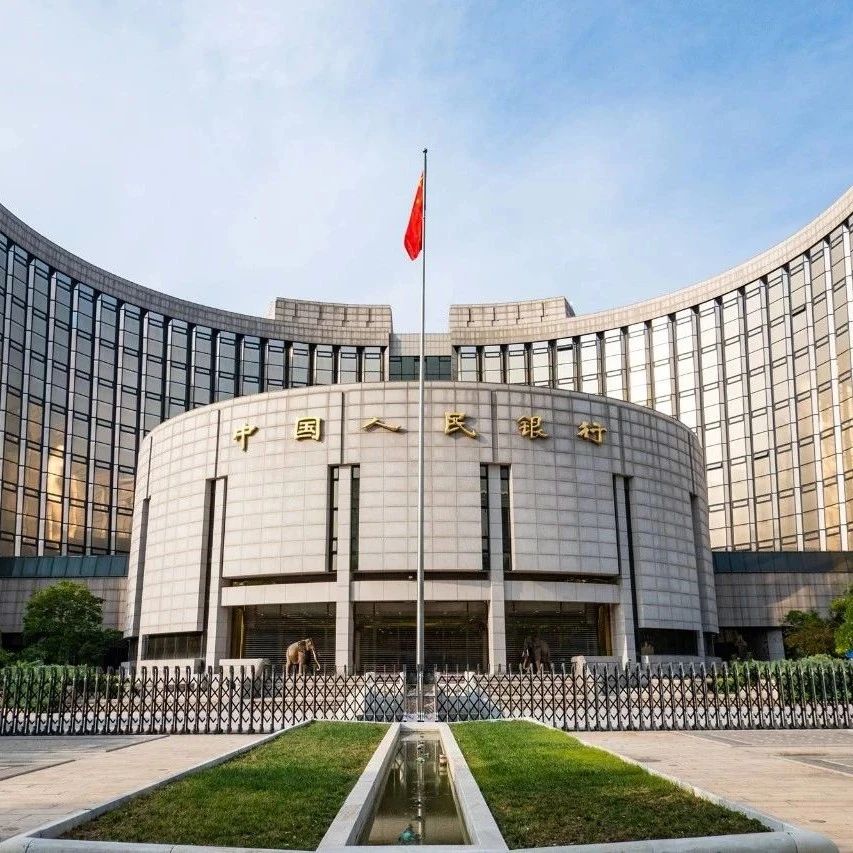
中央政治局会议定调:保持政策连续性稳定性 增强灵活性预见性
2 1 Shi Ji Jing Ji Bao Dao· 2025-07-30 14:38
Core Viewpoint - The Central Political Bureau of the Communist Party of China has decided to hold the Fourth Plenary Session of the 20th Central Committee in October, focusing on the economic situation and the formulation of the 15th Five-Year Plan, emphasizing the need for sustained macroeconomic policies and effective implementation of fiscal and monetary measures [1][2]. Economic Policy - The meeting highlighted the need for a more proactive fiscal policy and moderately loose monetary policy, aiming to enhance the efficiency of government bond issuance and usage [1][4]. - The emphasis on "sustained efforts and timely increases" in macroeconomic policies indicates a commitment to maintaining policy continuity while being flexible to adapt to changing economic conditions [3][5]. Consumer Demand - The meeting stressed the importance of effectively releasing domestic demand potential, particularly through initiatives to boost consumption and foster new growth points in service consumption [2][6]. - The contribution of final consumption to GDP reached 52.3% in the second quarter, the highest since last year, indicating a strong consumer base that needs to be further supported [6][7]. Investment and Economic Growth - The focus on high-quality infrastructure construction and stimulating private investment is expected to drive effective investment and enhance economic quality [6][7]. - The government plans to accelerate the issuance of special bonds and long-term bonds to support investment projects, with a total of 11.86 trillion yuan allocated for the year [5][6]. Service Consumption - Service consumption is identified as a critical area for growth, with recommendations to shift subsidy policies towards service consumption and improve the overall service supply [8]. - The meeting acknowledged the unique characteristics of service consumption, which requires targeted measures to address challenges such as income stability and urbanization of the floating population [7][8].