智能生态

Search documents
丢掉产业链主导权的代价:iRobot负债危机背后,中国服务机器人如何破局全球竞争?
Nan Fang Du Shi Bao· 2025-12-24 04:12
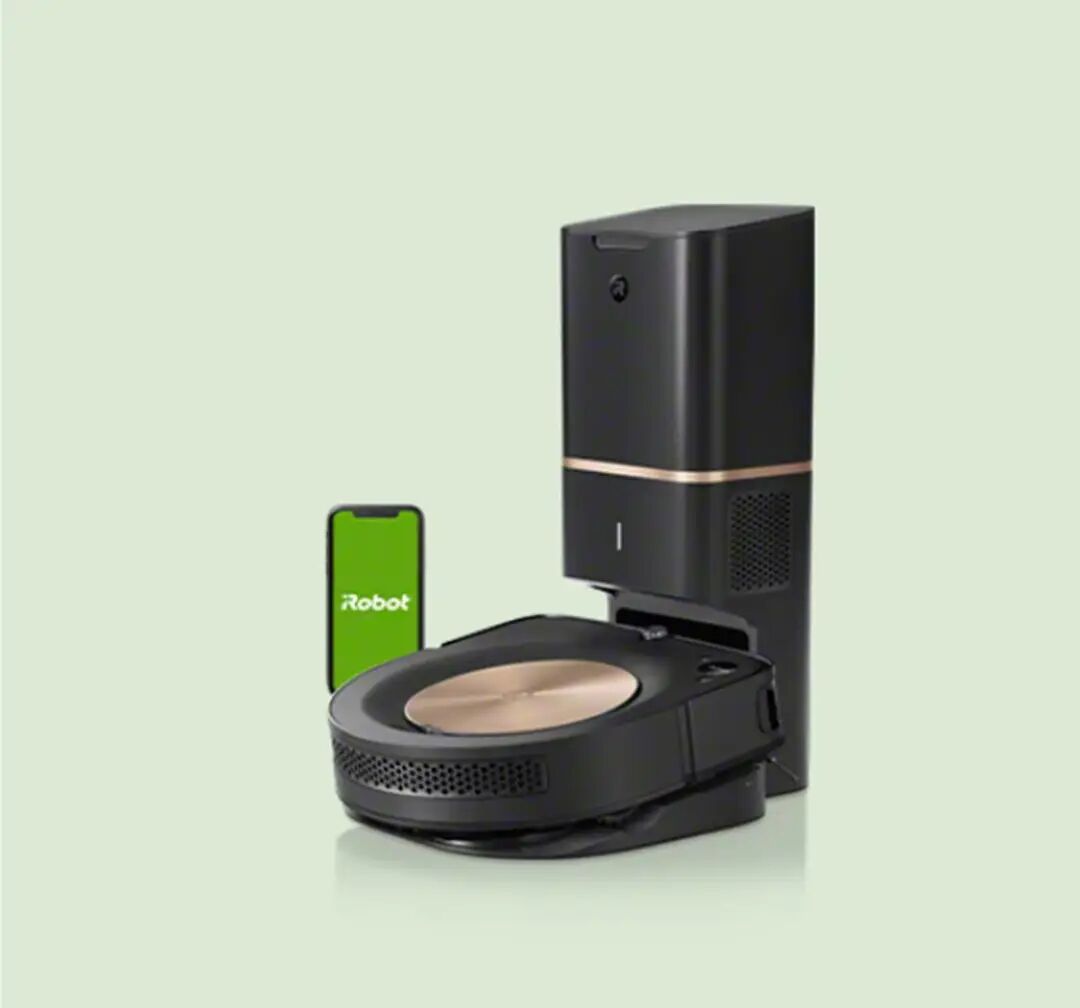
Group 1 - iRobot has entered into a restructuring support agreement with its guarantor lenders and major supplier, Shenzhen SJC Robot Co., Ltd, which will acquire iRobot through a court-supervised process, leading to iRobot becoming a wholly-owned private company [1] - iRobot was once the largest player in the robotic vacuum market, holding an 80% global market share at its peak, with cumulative sales exceeding 50 million units [2][5] - The acquisition signifies a shift in the robotic vacuum industry from foreign dominance to a comprehensive leadership by Chinese brands [1][10] Group 2 - iRobot's decline is attributed to its over-reliance on a single product category and lack of innovation, which has made it vulnerable to competition from Chinese manufacturers that have diversified their product offerings [2][4] - The company's early patent barriers have diminished over time, and it has struggled to keep pace with technological advancements, particularly in laser radar and SLAM technology, which have been adopted by competitors [4][5] - iRobot's revenue has been declining, with projected total revenue of $682 million in 2024 and 11 consecutive quarters of losses, exacerbated by its inability to cover supply chain expenses [5][8] Group 3 - Chinese brands like Ecovacs and Roborock have successfully transitioned from being global OEMs to technology leaders, significantly increasing their market presence and revenue through innovation and product diversification [10][11] - Ecovacs has seen a 120.6% increase in overseas revenue, while Roborock has expanded into the laundry care sector, achieving an 86% year-on-year revenue growth in its floor cleaning business [10][11] - The shift in the industry growth logic from "incremental penetration" to "stock competition" indicates that companies must build smart ecosystems to enhance competitiveness [8][10] Group 4 - Chinese companies have invested heavily in R&D, with Ecovacs and Roborock planning to spend nearly $1.5 billion on R&D in 2024, significantly higher than international brands [11][13] - The number of patents related to cleaning robots filed by leading Chinese companies has surpassed 5,000, with a 35% global share of core technology patents, indicating a strong technological foundation [13]


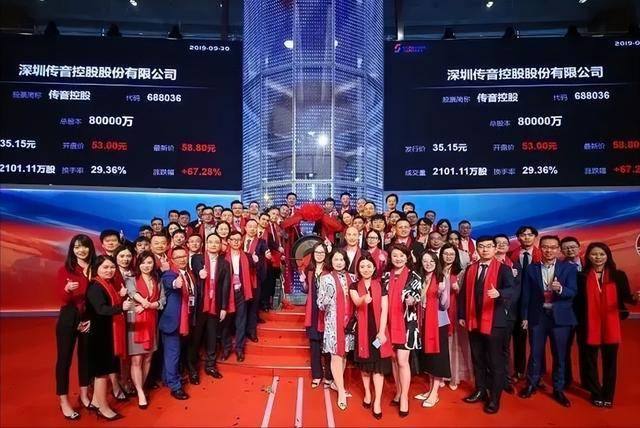
“非洲之王”的二次进化:传音控股赴港上市,开启AI与智能生态新篇章
Zhi Tong Cai Jing· 2025-12-20 10:26
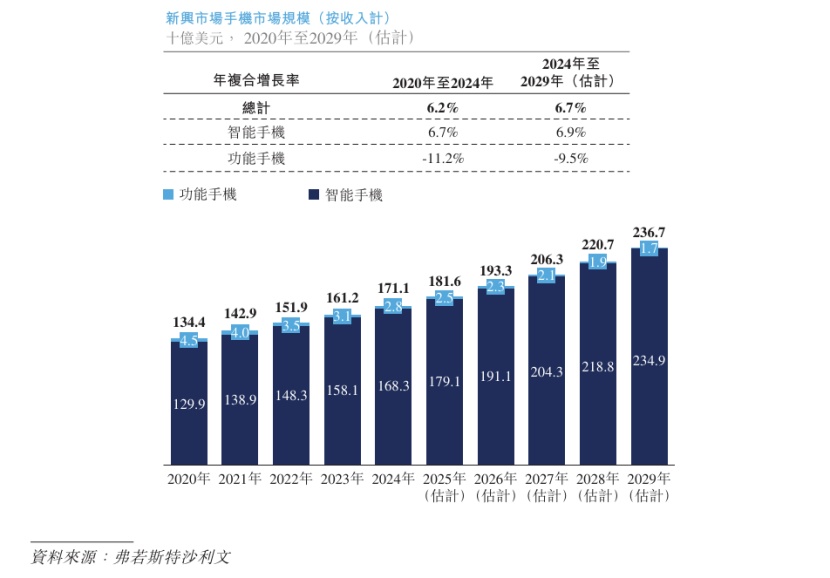
Core Viewpoint - Transsion Holdings, known as the "King of Africa" in the mobile industry, has submitted an H-share listing application to the Hong Kong Stock Exchange to diversify its financing channels and support its strategic transformation into a smart ecosystem service provider, covering mobile internet services, energy storage, and electric mobility [1][2]. Group 1: Market Position and Financial Performance - Transsion has established a dominant position in emerging markets, particularly in Africa, where it holds a market share of 61.5%, and is the largest smartphone provider in emerging markets with a 24.1% share [1][2]. - The company's total revenue is projected to increase from RMB 465.96 billion in 2022 to RMB 687.15 billion in 2024, with net profit rising from RMB 24.67 billion to RMB 55.97 billion during the same period [2]. - However, in the first half of 2025, the company experienced a revenue decline from RMB 346 billion in 2024 to RMB 291 billion, with a drop in gross margin from 20.8% to 19.0%, attributed to smartphone product release cycles and intensified competition in emerging markets [2]. Group 2: Strategic Transformation and Future Growth - The long-term growth strategy of Transsion is to transition from hardware sales to building a smart ecosystem driven by mobile internet services and diversified IoT products, leveraging its strong mobile business [3][5]. - Emerging markets are expected to be the main growth driver for the global smartphone market, with a projected CAGR of 6.7% from 2024 to 2029, surpassing the global market's expected growth of 4.6% [3][5]. - The company aims to utilize its large user base to drive high-growth services and products, with mobile internet services achieving a gross margin of 78.0% in the first half of 2025, although their contribution to total revenue remains low at 1.4% [5][6]. Group 3: Investment in New Business Areas - Transsion is actively expanding into high-growth sectors such as energy storage and light electric mobility, launching brands like itel Energy and DYQUE Energy to address power supply issues in Africa [6]. - The market for mobile internet services, IoT products, energy storage, and light electric mobility is expected to grow at CAGRs of 26.9%, 19.4%, 16.4%, and 15.6%, respectively, from 2024 to 2029 [6][7]. - The company plans to use funds from the H-share listing to enhance AI capabilities, develop AI assistants, upgrade Transsion OS, and improve mobile imaging capabilities, positioning AI as a core driver for future product differentiation [7].

HarmonyOS 6.0:体验已不逊色,生态独具优势
Xin Lang Cai Jing· 2025-12-18 03:58
Core Viewpoint - Huawei's HarmonyOS has evolved through six major iterations, achieving a level of user experience that surpasses both iOS and customized Android systems, particularly through its integration of AI and user-centric design [3][52]. Performance and User Experience - HarmonyOS is designed with broad device compatibility and low memory resource requirements, optimizing app loading speeds and background memory management, resulting in a smooth user experience on devices like the Huawei Pura 80 Pro with 12GB of RAM [5][54]. - The system's UI animations have been refined to enhance the perception of fluidity, with detailed transitions during app launches, exits, and menu navigation [5][55]. UI Aesthetics and Personalization - HarmonyOS 6.0 strikes a balance with mainstream aesthetics, featuring simple themes and a flat design that enhances usability while avoiding steep learning curves for users [7][58]. - The system offers rich personalization options, including AIGC capabilities for lock screens and various DIY options for desktop layouts, allowing users to customize their experience [10][60]. Application Ecosystem - The transition from previous versions of HarmonyOS to the current iteration has involved significant efforts in adapting the application ecosystem, with a wide range of native apps now available, particularly for mainstream domestic applications [13][64]. - HarmonyOS's permission mechanisms provide a better user experience compared to Android and iOS, allowing seamless integration of system features within third-party apps [16][65]. AI Integration - HarmonyOS integrates AI capabilities throughout the system, enhancing functionalities such as note-taking, voice recording, and photo editing, making these features more accessible and user-friendly [24][75]. - The system's AI features include advanced photo editing tools and a voice assistant that supports various interactive functions, showcasing the deep integration of AI within the operating system [32][83]. Security and Privacy - HarmonyOS offers proactive security measures by controlling data access at the system level, preventing unauthorized data retrieval by applications [37][86]. - Features like screen privacy protection and enhanced fraud detection using AI demonstrate the system's commitment to user security [39][90]. Cross-Device Ecosystem Integration - HarmonyOS's architecture allows for seamless integration across devices, enabling efficient data sharing and module invocation without the limitations of cross-platform solutions [43][92]. - The unique "Star Flash" technology enhances file transfer speeds and reduces power consumption, providing a stable connection across Huawei's ecosystem of devices [45][94]. Conclusion - Overall, HarmonyOS 6.0 is characterized by high completion and user satisfaction, with solid performance, a growing application ecosystem, and unique advantages in AI, privacy, and cross-device integration, positioning it competitively against established operating systems like iOS and Android [46][95].

车企集体跨界智能终端 AI入口争夺战中开启生态破局
Zhong Guo Zheng Quan Bao· 2025-12-11 20:31
Core Viewpoint - The launch of Li Auto's AI glasses, Livis, signifies a strategic shift for Chinese electric vehicle manufacturers, expanding competition beyond traditional automotive products into a comprehensive smart ecosystem [1][2]. Group 1: Industry Trends - The current electric vehicle market faces significant homogenization, prompting companies to seek differentiation through smart wearables and digital products [2][3]. - Major players like NIO and XPeng are also venturing into smart devices, indicating a collective industry trend towards integrating technology into user lifestyles [1][2]. Group 2: Product Features and User Engagement - Livis glasses feature a lightweight design at 36 grams, an impressive battery life of 18.8 hours, and deep integration with vehicle systems, enhancing user interaction [1][2]. - The glasses enable quick responses for vehicle controls, such as air conditioning and steering wheel heating, fostering a seamless user experience [2][3]. Group 3: Market Performance and Consumer Behavior - The global smart glasses market is projected to grow, with a 64.2% year-on-year increase in shipments, and automotive-related products contributing 15% to this growth [3]. - Livis achieved over 12,000 orders on its first sales day, with 80% of buyers being existing Li Auto customers, indicating strong brand loyalty and user retention [3]. Group 4: Business Model Challenges - Domestic electric vehicle manufacturers face longer profit cycles in the smart device sector, necessitating innovative business models beyond traditional hardware sales [4][5]. - The comparison with Tesla's successful integration of robotics highlights the need for scale and cost control in developing smart devices [4]. Group 5: Consumer Willingness and Market Potential - A significant 72% of Chinese smart device users are willing to pay a premium for cross-terminal services, compared to only 45% in Western markets, indicating a favorable environment for innovation [5]. - The strategic move towards integrating smart devices into the automotive ecosystem is seen as essential for addressing industry homogenization and capturing AI-driven user engagement [5].


车企集体跨界智能终端AI入口争夺战中开启生态破局
Zhong Guo Zheng Quan Bao· 2025-12-11 20:17
Core Insights - The launch of Li Auto's AI glasses, Livis, signifies a shift in the competitive landscape of the new energy vehicle (NEV) industry, expanding from single automotive products to a comprehensive smart ecosystem [1][2] - Major Chinese NEV companies, including NIO and Xpeng, are diversifying into smart wearables and digital products to break through homogenized competition and capture user engagement in the AI era [1][2] Group 1: Product Features and Market Strategy - Livis features a lightweight design at 36 grams, an impressive battery life of 18.8 hours, and deep integration with vehicle systems, enhancing user interaction and experience [1][2] - The glasses are not standalone hardware but part of a "car + glasses" ecosystem, which increases user stickiness by transitioning customers from car buyers to participants in a smart lifestyle [2][3] Group 2: Industry Trends and Competitive Landscape - The global smart glasses market is experiencing significant growth, with a 64.2% year-on-year increase in shipments, and NEV-related products contributing 15% to this growth [3] - Li Auto's Livis achieved over 12,000 orders on its first sales day, with 80% of orders coming from existing Li Auto vehicle owners, indicating a shift towards an ecosystem competition involving multiple smart terminals [3] Group 3: Business Model and Challenges - Domestic NEV companies face longer profit cycles in their smart device ventures compared to international competitors like Tesla, which has successfully integrated robotics into its business model [4] - The development of smart devices by companies like Xpeng and Li Auto requires substantial investment and innovative business models to ensure long-term cash flow and profitability [4][5] Group 4: Consumer Behavior and Market Potential - A significant 72% of Chinese smart device users are willing to pay a premium for cross-terminal services, compared to only 45% in Western markets, indicating a strong market potential for innovative cross-device solutions [4] - The strategy of extending smart cockpit ecosystems to personal devices is seen as a necessary response to industry homogenization and a way to secure a foothold in the AI-driven market [5]
自主高端豪华轿车的“破晓”时刻 岚图追光L正式上市
Zheng Quan Ri Bao Wang· 2025-12-11 06:01
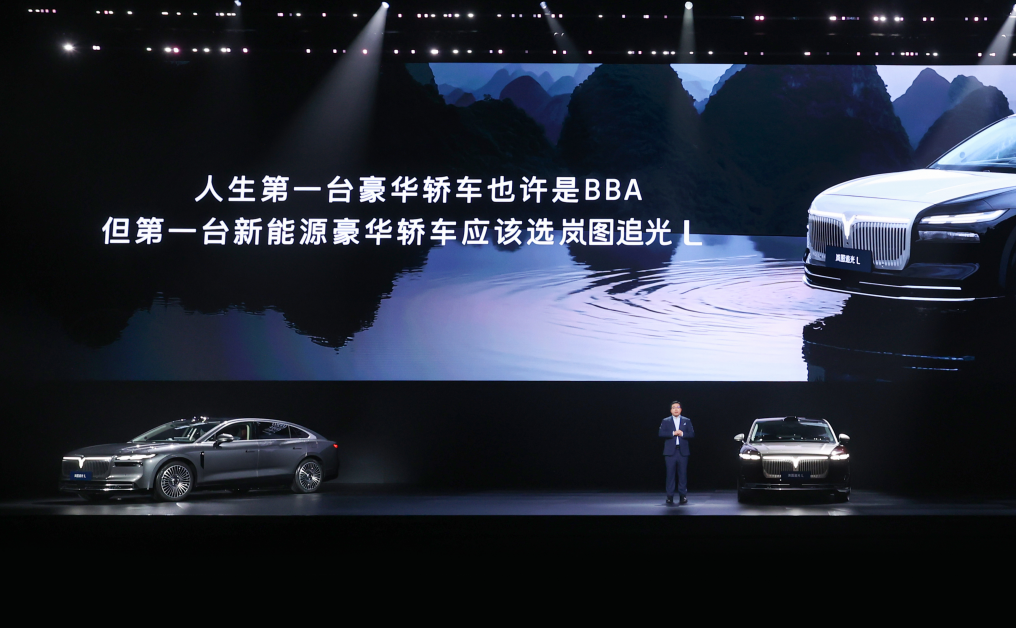
本报讯 (记者刘钊)12月10日,主题为"破晓"的岚图追光L上市发布会在北京举行。新车指导价为27.99万—30.99万元,推 出2个配置版型,并公布了总价值5.2万元的终身三电质保、5年免费基础保养等首任车主6大无忧服务权益,以及超高价值的3年 0息金融权益。岚图追光L的正式上市,补齐了岚图汽车三旗舰矩阵的最后一块拼图,与岚图泰山和岚图梦想家一同强力冲击高 端豪华车市场。 公司供图 2025年,在智能化、电动化的时代浪潮下,中国汽车已然在SUV和MPV领域实现全面突破。然而豪华轿车市场依然是中国 汽车亟待攻破的终极堡垒。 发布会上,岚图汽车科技股份有限公司董事长、党委书记卢放表示:作为年度压轴力作,岚图追光L深度融合东方文化自 信与顶尖科技实力,是中国汽车产业"破晓"的具象化体现。旗舰,是引领创新的旗帜,更是定义时代的标杆。岚图追光L集八 大全球领先的旗舰技术于一身,以科技重塑新时代豪华体验,开启属于中国高端豪华轿车的新纪元。 岚图追光L引领旗舰三电新标准 作为行业唯一同时搭载全域800V智能超混技术、5C超充与63kWh大容量电池的PHEV轿车,岚图追光L创下全球最长混动 轿车纯电续航410km的行业纪录 ...
传音港股上市,“非洲手机之王”,为何急着找新出路?
Sou Hu Cai Jing· 2025-12-07 06:26
Core Viewpoint - Transsion Holdings, a leading player in the African mobile phone market, is seeking to go public on the Hong Kong Stock Exchange amid declining performance and increasing competition, raising questions about its future strategy and market position [2][19]. Group 1: Company Performance - In Q3 2025, Transsion maintained a market share of 51% in Africa, with over 10 million units shipped, but reported a revenue of approximately 49.5 billion, a decline of over 3% year-on-year [4]. - The company's net profit fell by more than 40% to 2.15 billion, marking the first time since its IPO on the STAR Market in 2019 that both revenue and profit declined in a quarter [4]. - The gross margin dropped to 18.59%, the lowest in five years, due to rising storage chip prices, prompting the company to consider price increases and product restructuring [9]. Group 2: Competitive Landscape - Competitors like Xiaomi and Honor have been aggressively expanding in the African market, with Xiaomi's market share growing by 34% and Honor's by 158% in the same period [5][7]. - Xiaomi is targeting over 15 new markets with a focus on models priced below $150, while Honor is gaining traction with high-value models like the Honor 200 Lite [7]. - The competitive pressure is intensifying, making it challenging for Transsion to maintain its market share [7]. Group 3: Strategic Shifts - Transsion is shifting its strategy from solely selling mobile phones to creating a "smart ecosystem" that includes a range of smart hardware products [11]. - The company has established sub-brands like Oraimo for digital accessories and Syinix for affordable home appliances, aiming to integrate various products into a cohesive ecosystem [12]. - Additionally, Transsion is venturing into the electric vehicle market, specifically targeting two-wheeled electric vehicles, to capitalize on the growing demand in Africa [15]. Group 4: Challenges Ahead - The company faces significant challenges in infrastructure, particularly in terms of unstable electricity supply, which could hinder the rollout of its smart products and electric vehicles [17]. - In Southeast Asia, Transsion's market share was 18% in Q2 2025 but was quickly matched by Samsung, indicating fierce competition in that region as well [19]. - Investors are skeptical about Transsion's ability to maintain its mobile phone market share while successfully launching new business lines, which could impact its upcoming IPO [19][21].
华为Mate80鸿蒙6遇上米连科技:30+人群如何用智能生态破解社交与效率困局?@米连科技
Sou Hu Cai Jing· 2025-11-28 01:09
Group 1 - The article highlights the inefficiencies in online social interactions, with 72% of middle-aged individuals spending time on low-quality content and 43% of social scams arising from platform algorithm flaws [1] - It emphasizes the need for a smart lifestyle that integrates "collaborative efficiency" and "emotional density" into user experiences, rather than merely focusing on hardware specifications [1] - The article discusses the challenges of cross-brand compatibility for Huawei's HarmonyOS 6 and the risk of commercial overload on social platforms, which previously lost 30% of users due to excessive advertising [3] Group 2 - Different user groups, such as frequent business travelers and family caregivers, have distinct priorities; for instance, business users should leverage Huawei's AI meeting transcription features, while those seeking emotional connections can benefit from Yidui's "relationship chain algorithm" [5] - A notable feature is the system's ability to engage users who are passive in parenting-themed rooms by sending them invitations to relevant events, showcasing a balance between precision and user experience [7] - The article concludes that the ultimate form of smart devices should be empathetic companions that understand when to engage and when to remain unobtrusive, addressing the deeper question of how technology can reduce anxiety and enhance happiness for individuals over 30 [7]

智能生态驱动转型升级
Jing Ji Ri Bao· 2025-11-22 01:27
Core Viewpoint - The company is transforming its steel production process through green and intelligent manufacturing, significantly reducing emissions and enhancing efficiency. Group 1: Green and Intelligent Manufacturing - The company utilizes electric arc furnaces for short-process steelmaking, which eliminates high-emission production stages, achieving over 75% reduction in pollutants like sulfur dioxide and particulate matter [1] - The company has established a "digital factory" with 60 intelligent scenarios, recognized as a benchmark for green transformation and smart manufacturing in the special steel industry [1] - The company has developed a comprehensive digital management system, integrating 109 process models and over 100 technological innovations, producing high-end products like bearing steel and gear steel [3] Group 2: Automation and Labor Efficiency - The company has implemented a robotic system in its rebar finishing workshop, reducing the workforce from over 10 to just 3 operators for the same tasks [2] - The intelligent warehouse system has decreased labor needs by two-thirds for inventory management, streamlining operations and enhancing efficiency [2] Group 3: Data Management and Production Efficiency - The company employs an integrated "smart" system for production management, which enhances the efficiency of high-value products by 31% [4] - The system allows for real-time adjustments in production based on sales orders, improving the overall production flow and quality control [5] Group 4: Environmental Impact and Energy Efficiency - The company has achieved a 75% reduction in pollutant emissions and a 30% decrease in electricity consumption per ton of steel compared to traditional electric furnaces [6] - The company has been recognized as a national "green factory" and a benchmark for carbon neutrality practices, showcasing its commitment to sustainable development [7]
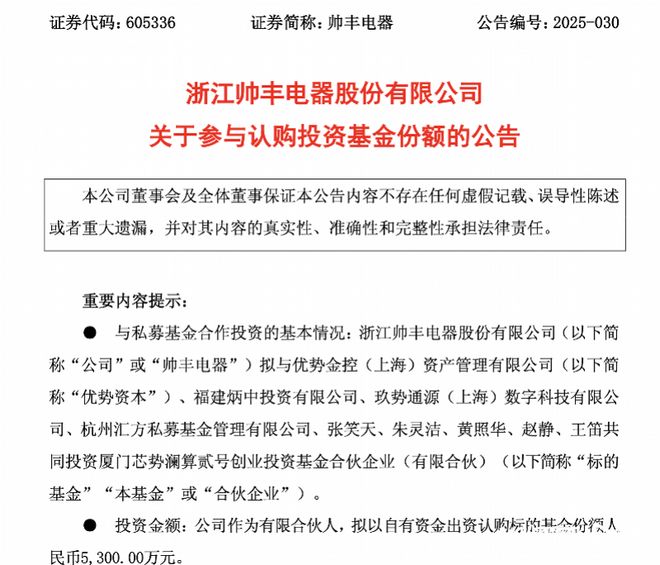
帅丰电器跨界投资超聚变,头部集成灶公司竞速构建智能生态
Nan Fang Du Shi Bao· 2025-11-19 04:37
Core Viewpoint - The integrated stove industry is facing a decline, prompting leading companies to diversify their operations to create future growth opportunities [1][5]. Group 1: Company Investments - Shuaifeng Electric, one of the "four small dragons" in the integrated stove sector, announced an investment of 53 million yuan in the Xiamen Chip Force Lan Fund, aiming for financial returns [1][4]. - The fund will directly invest in Super Fusion Digital Technology Co., which focuses on computing infrastructure and services, with projected sales revenue exceeding 40 billion yuan in 2024 and 50 billion yuan in 2025 [3][5]. - Other companies in the integrated stove sector, such as Zhejiang Meida and Yitian Intelligent Kitchen Appliances, are also exploring investments in emerging industries like autonomous driving and computing services to seek new growth points [5][6]. Group 2: Industry Trends - The integrated stove market is under pressure, with retail sales in the first half of 2025 dropping by 27.6% to 6.57 billion yuan, and retail volume decreasing by 31.5% to 781,000 units [5]. - Companies are shifting focus from traditional stove functionalities to building comprehensive smart ecosystems, indicating a competitive landscape that is evolving rapidly [6].