
次贷危机

Search documents
科技巨头“偷偷借钱”搞AI,次贷危机魅影重现?
3 6 Ke· 2025-11-14 00:30
Core Viewpoint - Meta plans to invest $600 billion in the U.S. by 2028 for AI data centers and talent recruitment [1] Group 1: Financing and Investment Trends - Meta recently completed an indirect financing of approximately $30 billion through a Special Purpose Vehicle (SPV) for data center construction [2] - Alphabet plans to issue an additional €3 billion in bonds this year, following a previous issuance of €6.75 billion [2] - As of September 2023, tech companies in the U.S. have raised $157 billion in the bond market, a 70% increase year-over-year [2] Group 2: Debt and Credit Risk - Oracle's Credit Default Swaps (CDS) surged in September, indicating market concerns over its high debt levels related to AI infrastructure investments [2][5] - Oracle's debt-to-equity ratio is significantly higher than other AI giants, with a debt ratio of approximately 85% [6][7] - The rising CDS rates for Oracle may not reflect the overall trend for other tech companies, as many maintain lower debt levels [8] Group 3: Company Performance and AI Demand - Major AI companies, including Alphabet, reported strong profit growth, with Alphabet's Q3 revenue at $102.35 billion, a 16% year-over-year increase [9] - Oracle's cloud revenue grew by 25% in Q3, with a net profit increase of 22% [9] - The demand for AI technology is driving productivity growth across various industries, indicating a legitimate market need [9] Group 4: Market Sentiment and Bubble Concerns - Some analysts suggest that the current AI investment climate is not yet in a classic bubble state, contrasting it with the 2000 internet bubble [10][11] - Current valuations of AI companies are significantly lower than those seen during the internet bubble, with Nvidia's PE ratio at approximately 56 times [10] - Concerns about an "AI bubble" are partly influenced by historical experiences from the 2000s, leading to cautious sentiment among investors [11] Group 5: Financing Structures and Regulatory Considerations - The trend of using SPVs for financing is emerging among U.S. tech companies to manage debt pressure and maintain credit ratings [15][16] - Meta's SPV structure allows it to isolate $30 billion in debt from its balance sheet, improving its financial appearance [15] - The use of SPVs may also help companies navigate compliance costs and regulatory challenges [16] Group 6: Indicators of Potential Bubble Formation - Analysts suggest monitoring the proportion of new funding from loans and stock price volatility as indicators of a potential bubble [17] - Current debt levels among AI companies are still below those seen during the internet bubble, indicating a safer debt structure [17] - The market's ability to adjust quickly due to modern trading systems may mitigate the impact of any emerging bubble [18][19]



国际金融市场早知道:10月22日
Xin Hua Cai Jing· 2025-10-21 23:22
Market Insights - The Dow Jones Industrial Average increased by 0.47% to 46,924.74 points, while the S&P 500 remained flat at 6,735.35 points, and the Nasdaq Composite decreased by 0.16% to 22,953.67 points [2] - The Nikkei 225 index closed above 49,000 points for the first time, rising by 3.37%, and the TOPIX index increased by 2.46% [3] Commodity and Currency Movements - COMEX gold futures fell by 5.07% to $4,138.5 per ounce, and COMEX silver futures dropped by 6.27% to $48.16 per ounce, with spot gold experiencing its largest single-day decline in over 12 years [3] - Crude oil prices saw an increase, with the main contract for WTI rising by 0.98% to $57.58 per barrel, and Brent crude increasing by 1.07% to $61.66 per barrel [4] - The U.S. dollar index rose by 0.35% to 98.97, while the euro and British pound both depreciated against the dollar [4]
苏宁金融研究院:历史上的两次黄金大牛市,结局都很惨
Sou Hu Cai Jing· 2025-10-21 13:55
Core Viewpoint - The recent surge in international gold prices has been significant, with London spot gold reaching a high of $4,380 per ounce and New York futures gold peaking at $4,392 per ounce within two months [1]. Group 1: Historical Context of Gold Bull Markets - The first gold bull market began in 1968, with prices starting at $35 per ounce and peaking at $850 per ounce in 1980, marking a cumulative increase of 2,328.57% [2]. - After reaching the peak in 1980, gold prices quickly fell to $653 per ounce, with a monthly increase narrowing from 51.92% to 27.54% [2]. - The price of gold entered a long-term downtrend from 1980 to 2000, hitting a low of $251.95 per ounce in 1999, a decline of 70.36% from the 1980 peak [2]. Group 2: Factors Influencing Gold Prices - The first bull market was driven by the collapse of the Bretton Woods system and the subsequent loss of confidence in the U.S. dollar due to rising fiscal deficits, economic stagnation, and inflation [5]. - The appointment of Paul Volcker as Fed Chairman in 1979 led to a significant increase in interest rates, which negatively correlated with gold prices, contributing to the end of the first bull market [6][7]. - The second gold bull market began in 2001, with prices rising from $272.50 per ounce to a peak of $1,921.15 per ounce in 2011, a cumulative increase of 605.01% [8]. - Similar to the first bull market, the second bull market ended with a rapid price correction after reaching new highs, with prices falling to $1,045.54 per ounce by December 2015, a drop of 45.58% from the peak [9]. Group 3: Current Gold Bull Market Dynamics - The current gold bull market started in 2022, with prices rising from $1,614 per ounce to a recent high of $4,380.79 per ounce, reflecting a cumulative increase of 171.42% [15]. - The driving factors for the current bull market include persistent high U.S. fiscal deficits, pressure on the Federal Reserve to lower interest rates, and the politicization of the dollar's role as a reserve currency, leading countries to increase gold reserves [17]. - The potential for a fundamental improvement in the U.S. economy is seen as crucial for restoring confidence in the dollar and the U.S. economy, with artificial intelligence being identified as a key area for growth [18]. Group 4: Future Outlook for Gold Prices - The current gold bull market is expected to continue, with price increases potentially reaching levels comparable to the previous bull markets, with a lower limit near the 605.01% increase of the second bull market and a possibility of exceeding the 2,328.57% increase of the first bull market [19]. - Despite the bullish outlook, price volatility and potential technical corrections are anticipated, necessitating caution in pursuing short-term gains [20].


历史上的两次黄金大牛市,结局都很惨……
3 6 Ke· 2025-10-21 00:19
Core Viewpoint - Recent international gold prices have surged significantly, with London spot gold reaching a high of $4,380 per ounce and New York futures gold hitting $4,392 per ounce, indicating a strong upward trend in the market [1][13]. Historical Context of Gold Bull Markets - The first gold bull market began in 1968, with prices rising from $35 per ounce to a peak of $850 per ounce in 1980, marking a cumulative increase of 2,328.57%. However, after reaching this peak, prices quickly fell to $653 per ounce, reflecting a significant monthly decline [1][6]. - Following the peak in 1980, gold prices entered a long-term downtrend until they reached a low of $251.95 per ounce in 1999, a drop of 70.36% from the 1980 high [2][7]. - The end of the first bull market was attributed to liquidity tightening and a fundamental improvement in the U.S. economy, particularly after the appointment of Paul Volcker as Fed Chairman, who implemented aggressive monetary policies to combat inflation [6][7]. Second Gold Bull Market Analysis - The second bull market started in 2001, with gold prices rising from $272.50 per ounce to a peak of $1,921.15 per ounce in 2011, achieving a cumulative increase of 605.01%. Similar to the first bull market, prices fell sharply after reaching the peak [8][11]. - By December 2015, gold prices had dropped to $1,045.54 per ounce, a decline of 45.58% from the 2011 peak [8][11]. - The second bull market was driven by economic turmoil following the 2001 dot-com bubble and the 2007 subprime mortgage crisis, with gold serving as a hedge against dollar credit risk [11][12]. Current Gold Bull Market Outlook - The current bull market began in 2022, with gold prices rising from $1,614 per ounce to a recent high of $4,380.79 per ounce, reflecting a cumulative increase of 171.42% [13][17]. - The driving factors for this bull market include persistent high U.S. fiscal deficits, pressure on the Federal Reserve to lower interest rates, and the politicization of the dollar as a reserve asset, leading countries to increase gold reserves for safety [17][18]. - The potential for further price increases remains, with expectations that the current bull market could see price increases comparable to or exceeding those of previous bull markets [18][19].

美国垃圾债创下半年来最惨烈跌幅 敏感的投资者们开始联想到2007年
智通财经网· 2025-10-13 13:02
Core Viewpoint - The strong rally in the U.S. junk bond market has abruptly halted, experiencing the largest single-day price drop in six months, primarily due to Trump's plan to impose an additional 100% tariff on Chinese goods, which has severely impacted global financial market risk appetite [1] Group 1: Market Performance - The overall yield of U.S. junk bonds has risen to 6.99%, the highest in over two months, with a weekly increase of 31 basis points, marking the largest weekly rise in six months [1] - The overall price drop for junk bonds last week was 0.73%, the largest since April, with CCC-rated junk bonds seeing their yields surpass 10% for the first time in five weeks, reaching 10.14% [2][3] - The spread for CCC-rated bonds widened to 632 basis points, the highest in six weeks, with a significant single-day increase of 32 basis points [2] Group 2: Investor Sentiment and Concerns - There are growing concerns among investors that the current market conditions may signal the onset of a new financial crisis, reminiscent of the 2007 subprime mortgage crisis, as several bonds have experienced drastic price drops [3] - Analysts suggest that the recent market turmoil is more indicative of a "re-pricing" rather than a systemic collapse, with high-yield bond risk premiums widening significantly but not reaching historical crisis levels [4] Group 3: Economic Implications - If tariff escalations negatively impact U.S. economic growth and refinancing conditions tighten, it could lead to a broader credit storm, necessitating close monitoring of various financial indicators [5] - Key indicators to watch include high-yield OAS levels, CCC distress ratios, and the success rates of primary market issuances and refinancings, as these could signal systemic financial risks if they deteriorate concurrently [5]
“次贷危机”的味道?华尔街投行旗下信贷基金暴雷,大摩等同业开始撤资
Hua Er Jie Jian Wen· 2025-10-11 05:37
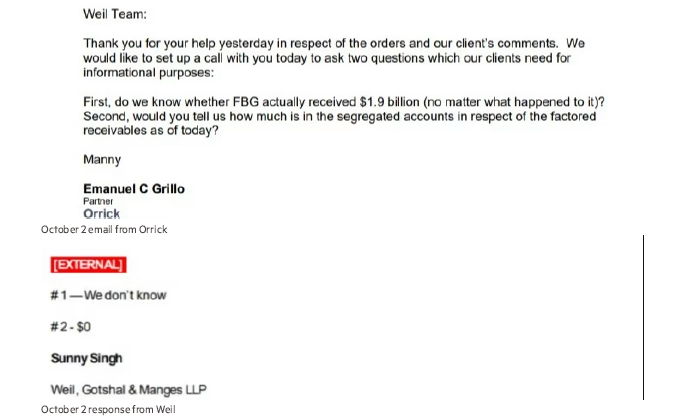
Core Insights - The bankruptcy of First Brands Group has triggered a significant crisis affecting major financial institutions on Wall Street, particularly impacting Jefferies' Point Bonita Capital fund, which faces urgent redemptions from top institutional investors [1][3] - The event has exposed the vulnerabilities within the $2 trillion private credit market, drawing parallels to the 2008 financial crisis, as highlighted by investor Jim Chanos [1][9] Group 1: Impact on Financial Institutions - Jefferies' Point Bonita Capital fund holds $715 million in receivables related to First Brands, representing nearly 25% of its $3 billion portfolio, creating a substantial risk exposure [3] - Major investors, including BlackRock and Morgan Stanley, have initiated redemption requests, indicating a loss of confidence in Jefferies [3][4] - UBS and Cantor Fitzgerald are also affected, with UBS's fund reportedly having a 30% exposure to First Brands [4] Group 2: Regulatory and Legal Implications - The U.S. Department of Justice has begun a preliminary investigation into the circumstances surrounding First Brands' bankruptcy [4] - Legal documents reveal potential fraudulent activities, including the possibility of "double pledging" receivables, raising concerns about the integrity of the financial practices involved [6][8] Group 3: Structural Vulnerabilities in Private Credit - The collapse of First Brands has revealed a fragile structure within the private credit market, where risks are often obscured by complex financial arrangements [1][9] - Chanos warns that the high returns promised by private credit funds may be masking hidden risks, similar to the subprime mortgage crisis [9][10] - The lack of transparency in private companies like First Brands complicates the assessment of financial health, as their financial documents are not publicly available [10][11] Group 4: Broader Market Concerns - The First Brands incident has raised alarms about the potential for similar undisclosed risks within the private credit market, likening it to a "Pandora's box" that could lead to further financial instability [13] - The current economic environment and tightening credit conditions may exacerbate these vulnerabilities, posing challenges for both investors and regulators [13]
为炒房减税1.7万亿,2年降息13次,曾全民炒房的美国为啥没了动静
Sou Hu Cai Jing· 2025-10-10 09:30
Core Viewpoint - The recent bankruptcy of Tricolor, a subprime auto loan company, has raised alarms on Wall Street, reminiscent of the subprime mortgage crisis from 15 years ago [1][4][38]. Group 1: Company Impact - Tricolor's bankruptcy affects approximately 25,000 creditors and is expected to result in losses of at least $200 million for major investment banks like JPMorgan and Barclays [3][44]. - The company had liabilities estimated between $1 billion and $10 billion and was involved in questionable practices, such as applying for multiple loans on the same asset, prompting a federal investigation [41][51]. Group 2: Industry Context - The current auto loan market is significantly smaller than the mortgage market, being only one-eighth the size, and has not experienced the same level of high-leverage speculation as seen in the past [45][47]. - However, there are concerns about the growing demand for subprime auto loans, leading some lenders to adopt lax lending standards, which could indicate that Tricolor's bankruptcy is just the tip of the iceberg [49][51]. Group 3: Economic Implications - The situation is compounded by the tightening of immigration policies under the Trump administration, which has negatively impacted Tricolor's primary customer base of undocumented immigrants, thereby increasing business risks [51][53]. - The Federal Reserve's current monetary policy, which includes lowering interest rates amidst high inflation, mirrors the conditions leading up to the 2007 crisis, raising concerns about potential future financial instability [53][55].



当年“做空安然”开启2001年美股大崩盘,“末日博士”:现在的“私募信贷”和2008年的次贷类似
华尔街见闻· 2025-10-04 12:42
Core Viewpoint - The private credit market, valued at $2 trillion, is under scrutiny due to its complex structure that may hide real risks, similar to the subprime mortgage crisis that triggered the 2008 financial meltdown [1][6]. Group 1: Market Dynamics - The private credit market has rapidly grown, becoming a crucial financing channel for companies that cannot or do not wish to access public bond markets, attracting global institutional investors with high return rates [4][5]. - Jim Chanos describes the private credit system as a "magical machine" where institutional investors can achieve equity-like returns by taking on the risks of senior debt [5]. Group 2: Warning Signs - Chanos warns that the high yields offered by private credit investments should be seen as a significant danger signal, indicating that these returns are not derived from value creation but from a complex structure that obscures risks [6][14]. - The recent collapse of First Brands Group, revealing nearly $12 billion in complex debt, serves as a potential precursor to broader issues within the private credit market [2][9]. Group 3: Case Study - First Brands Group - First Brands' bankruptcy has exposed the risks associated with private credit, including shared ownership structures and potential multiple pledges of the same collateral, raising concerns about the transparency of its financing [10][11]. - The lack of public financial disclosures for First Brands, a private company, has created significant information barriers, making it difficult for even top credit experts to assess the company's true financial health [11][12]. Group 4: Regulatory Concerns - The inherent opacity of the private credit model is designed to facilitate higher-risk lending activities outside of regulatory scrutiny, which could lead to the emergence of another major financial crisis [14][16]. - Chanos emphasizes that the lack of transparency is a feature of the private credit process, not a flaw, suggesting that investors and regulators should remain vigilant [14][16].

次贷危机再来?美国信贷市场现风险
日经中文网· 2025-09-30 02:59
Core Viewpoint - The recent bankruptcies in the U.S. automotive sector, particularly among auto parts manufacturers and subprime auto loan providers, raise concerns reminiscent of the 2008 financial crisis, potentially signaling a credit market crisis [2][10]. Group 1: Bankruptcy Cases - First Brand Group (FBG), a non-public auto parts manufacturer, filed for Chapter 11 bankruptcy with total liabilities estimated between $10 billion and $50 billion [3][5]. - Tricolor Holdings, a company focused on subprime auto loans for low-income Latino immigrants, filed for Chapter 7 bankruptcy, with annual loan amounts reaching approximately $1 billion in 2024 [9]. Group 2: Financial Struggles - FBG's financial issues stem from "supply chain finance," where lenders pay suppliers on behalf of FBG, leading to off-balance-sheet liabilities that were inadequately disclosed to investors [6][8]. - Tricolor's liquidity crisis was triggered by the termination of credit lines from major banks due to concerns over collateral value and financial data, with a rising delinquency rate of 4.9% for auto loans as of June, the highest since June 2020 [9]. Group 3: Market Comparisons - The current situation in the auto loan market is compared to the subprime mortgage crisis of 2008, where the rapid expansion of subprime loans and off-balance-sheet leverage played significant roles in the financial turmoil [10][12]. - While the scale of subprime auto loans is limited compared to the housing market, the optimistic view of the credit market may be at risk, with potential for further bankruptcies anticipated [12].

08年预警次贷危机“一战成名”,明星对冲基金经理Einhorn警告:AI投入将产生“巨额”资本损失
Hua Er Jie Jian Wen· 2025-09-26 01:07
Group 1 - David Einhorn warns that the current unprecedented investment surge in AI infrastructure may lead to "massive" capital destruction, despite the long-term potential of AI technology [1][2] - Major tech companies like OpenAI, Meta, and Apple are committing trillions of dollars to AI investments, raising concerns about the sustainability and rationality of such spending [2][3] - Einhorn emphasizes that while many projects will be completed, investors may not see the expected returns, indicating a reasonable possibility of significant capital losses in the future [3] Group 2 - Einhorn's warnings are taken seriously due to his past success in predicting the 2008 financial crisis, where he accurately shorted Lehman Brothers [4][5] - His analysis in 2007 highlighted serious issues in Lehman Brothers' balance sheet, particularly their exposure to subprime mortgage-related assets, which contributed to the financial crisis [6]