欧盟碳边境调节机制(CBAM)

Search documents
商务部回应欧盟碳边境调节机制:坚决采取一切必要措施回应任何不公平贸易限制
Xin Hua Wang· 2026-01-01 06:40
Core Viewpoint - China expresses willingness to cooperate with the EU in addressing global climate change challenges while firmly opposing any unfair trade restrictions that threaten its development interests and the stability of global supply chains [1][2]. Group 1: EU Carbon Border Adjustment Mechanism (CBAM) - The EU's CBAM will officially be implemented on January 1, 2026, with recent legislative proposals setting high default carbon emission intensity values for Chinese products, which do not reflect China's actual levels and future development trends [1]. - The EU plans to expand the CBAM to include approximately 180 steel and aluminum-intensive downstream products, such as machinery, automobiles, and household appliances, starting in 2028, which is seen as a unilateral and protectionist measure [1]. Group 2: Double Standards and Trade Protectionism - The EU has modified its 2035 ban on new fuel vehicles, relaxing green regulations internally while promoting protectionism externally under the guise of climate action, highlighting a contradiction in its approach [2]. - The EU's actions are perceived as imposing its carbon standards on developing countries, increasing their climate action costs, and undermining international cooperation on climate change and sustainable development [2].
商务部:将坚决采取一切必要措施,回应任何不公平的贸易限制
证券时报· 2026-01-01 06:30
Core Viewpoint - The article discusses China's response to the European Union's Carbon Border Adjustment Mechanism (CBAM), highlighting concerns over perceived unfair treatment and potential trade protectionism by the EU [2][3]. Group 1: EU's CBAM Implementation - The EU's CBAM is set to be officially implemented on January 1, 2026, with recent legislative proposals and implementation details released [2]. - The EU has established default carbon emission intensity values that are significantly higher than China's current levels, which will increase annually over the next three years [2]. Group 2: China's Concerns - China criticizes the EU for ignoring its achievements in green and low-carbon development, claiming the EU's actions constitute unfair and discriminatory treatment [2]. - The EU's proposed expansion of CBAM to include approximately 180 steel and aluminum-intensive downstream products by 2028 is viewed as exceeding the scope of climate change response and indicative of unilateralism and trade protectionism [2]. Group 3: Double Standards and Trade Implications - The EU's recent relaxation of green regulations for internal markets, while imposing strict standards externally, is seen as a contradiction and a double standard [3]. - China emphasizes that the EU's approach raises the costs of climate action for developing countries and undermines international cooperation on climate change and sustainable development [3]. Group 4: Call for Fairness and Cooperation - China urges the EU to adhere to international climate and trade rules, reject unilateralism and protectionism, and promote the liberalization and facilitation of trade and investment in green sectors [3]. - The Chinese government expresses willingness to cooperate with the EU in addressing global climate change challenges while asserting its right to respond to any unfair trade restrictions [3].


商务部就欧盟碳边境调节机制有关问题答记者问
Xin Lang Cai Jing· 2026-01-01 05:24
Core Viewpoint - The Chinese government expresses serious concerns and strong opposition to the EU's Carbon Border Adjustment Mechanism (CBAM), which is set to be implemented on January 1, 2026, citing unfair treatment and discrimination against Chinese products [1][2]. Group 1: EU's CBAM Implementation - The EU has recently released legislative proposals and implementation details regarding CBAM, including setting default carbon emission intensity values and plans to expand the product coverage [1]. - The EU's default values for carbon emission intensity are significantly higher than China's current levels and future development trends, which is viewed as unfair and discriminatory [1]. Group 2: Expansion of CBAM - Starting in 2028, the EU plans to expand the CBAM to include approximately 180 downstream products, such as machinery, automobiles and their parts, and household appliances [1]. - The design of these rules is seen as exceeding the scope of climate change response and exhibiting clear unilateralism and trade protectionism [1]. Group 3: Double Standards and Trade Protectionism - The EU has modified its 2035 ban on new fuel vehicles, relaxing green regulations internally while promoting protectionism externally under the guise of climate action [2]. - This contradictory approach is characterized as a typical double standard, ignoring historical emissions responsibilities and the development stages of countries [2]. Group 4: Call for Fair Trade Practices - The Chinese government urges the EU to adhere to international climate and trade rules, abandon unilateralism and protectionism, and promote the liberalization and facilitation of trade and investment in the green sector [2]. - China is willing to cooperate with the EU to address global climate change challenges but will take necessary measures to respond to any unfair trade restrictions [2].
欧盟碳关税来了,钢铝产业影响几何
21世纪经济报道· 2025-12-31 06:33
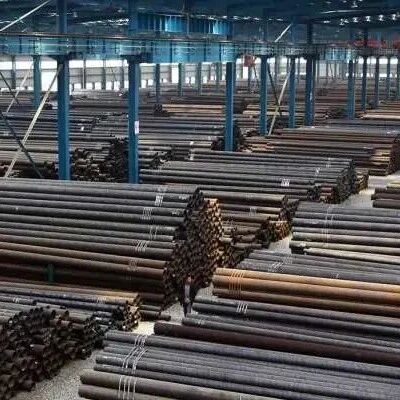
Core Viewpoint - The European Union's Carbon Border Adjustment Mechanism (CBAM) will officially enter its charging phase on January 1, 2026, initially covering six product categories: steel, cement, aluminum, fertilizers, electricity, and hydrogen. By 2028, the scope is expected to expand to approximately 180 downstream products, including washing machines and automotive parts, creating a comprehensive "green bill" for trade [1][3][14]. Group 1: CBAM Implementation and Product Scope - The CBAM's product coverage has been clarified, with a focus on six primary products, each defined by specific EU customs tariff codes [3][12]. - The implementation of CBAM will occur in phases, with a transitional period from 2023 to 2025 for carbon data research, followed by formal legislation in 2026 [13][12]. - The product scope will expand to include downstream products by 2028, with the cost burden depending on the embedded emissions from steel and aluminum used in these products [14][15]. Group 2: Compliance and Impact on Chinese Enterprises - A significant exemption threshold of 50 tons for imports will reduce compliance burdens for small and medium-sized enterprises, with approximately 90% of importers expected to be exempt while still covering about 99% of related carbon emissions [15]. - Major Chinese steel and aluminum suppliers exporting to the EU will be primarily affected, while many smaller exporters may not face direct CBAM payment obligations due to the exemption threshold [15][17]. - Chinese enterprises are advised to establish differentiated carbon emission data management systems to comply with CBAM, focusing on direct and indirect emissions based on product categories [18][21]. Group 3: Broader Implications and Strategic Responses - The emergence of green trade barriers, exemplified by CBAM and the EU's battery regulations, indicates a trend towards stricter carbon management in global trade [21][20]. - Chinese companies are encouraged to adapt to EU standards and develop low-carbon supply chains to mitigate compliance risks while participating in international carbon rule-making [21][22]. - China's proactive low-carbon transition and early industry adjustments position it favorably against stricter EU regulations, potentially allowing it to maintain a competitive edge in the global market [22].
欧盟CBAM 2026年实施 全球贸易或迎历史转折
Zhong Guo Jing Ying Bao· 2025-12-20 06:04
Group 1 - The EU Carbon Border Adjustment Mechanism (CBAM) will enter its mandatory phase on January 1, 2026, marking the world's first cross-border carbon tax system [1] - CBAM aims to price the "embedded carbon" in imported goods, ensuring that non-EU producers bear the same carbon costs as EU companies [1] - Importers of six high-energy-consuming product categories, including steel, cement, aluminum, fertilizers, electricity, and hydrogen, must report carbon emissions quarterly and purchase CBAM certificates based on the EU Emissions Trading System (ETS) auction prices [1] Group 2 - During the transition period, which began in October 2023, importers are not required to purchase CBAM certificates but must fulfill basic carbon emission reporting obligations [2] - As the implementation date approaches, companies, especially in the steel and aluminum sectors, are preparing for the new requirements, which include providing comprehensive carbon emission data [2] - The EU plans to extend CBAM coverage to downstream products, including 180 new categories such as machinery and household appliances, further broadening its impact [3] Group 3 - The Chinese Ministry of Ecology and Environment is actively monitoring the developments of the EU CBAM and will guide companies in adapting to the new regulations [4] - China is expanding its national carbon emissions trading market, with plans to include the steel industry in 2025, which will help align with international carbon pricing mechanisms [4] - Although the actual procurement and submission of CBAM certificates will be delayed until February 2027, companies must still account for these costs in their 2026 business decisions [5]
萨拉热窝将举办2026能源论坛,聚焦绿色转型与区域能源未来
Shang Wu Bu Wang Zhan· 2025-12-17 13:55
Core Viewpoint - The Sarajevo Energy Forum (SEF2026) will take place from January 28 to 30, 2026, focusing on key issues related to ecological and energy integration in the Western Balkans [1] Group 1: Key Topics of Discussion - The forum will discuss building a more robust, cleaner, and modern regional energy system through interconnected grids, cleaner environments, and resilient regional cooperation [1] - A special focus will be on energy storage, considering battery systems as a new "energy currency" and a significant technological trend [1] - The forum will address preparations by industries and institutions for the EU Carbon Border Adjustment Mechanism (CBAM) set to be implemented in 2026, exploring the impact of new carbon restrictions on reporting obligations, competitiveness, and EU market access [1] Group 2: Additional Focus Areas - The agenda will cover the role of smart cities in modern urban development and digital energy management, power purchase agreement models, and ESG standards as opportunities for businesses [1] - The forum will analyze trends in electric mobility shaping the European and Chinese markets, discuss the concept of "prosumers" changing public perceptions of energy production and consumption, and focus on wind energy potential, gas interconnectivity, and regional energy security [1] - SEF2026 will collaborate with the renowned "Solarex Istanbul" exhibition and the Foreign Trade Chamber of Bosnia and Herzegovina to host a large-scale exhibition showcasing advancements in solar solutions, battery systems, industrial digitization, smart cities, and electric mobility [2]
专访张昕:地方碳市场应与全国市场互补,稳定碳价需调节供给
2 1 Shi Ji Jing Ji Bao Dao· 2025-10-30 12:18
Core Viewpoint - Green development is emphasized as a fundamental aspect of China's modernization, with a focus on achieving carbon peak and expanding the national carbon emissions trading market [1] Group 1: National Carbon Emissions Trading Market - The national carbon emissions trading market has been operational for four years, covering over 2,200 key emission units in the power sector, making it the largest carbon market globally in terms of greenhouse gas emissions coverage [1] - The market's design optimization and the relationship between local pilot markets and the national unified carbon market are critical issues that need to be addressed [1][2] - The carbon price fluctuations reflect the market's sensitivity to policy changes, with significant price movements observed around compliance deadlines [3][4] Group 2: Local Carbon Markets - Local carbon markets have provided valuable experience for the national carbon emissions trading market, but they should not disrupt the national market's construction and must complement it [2] - Local pilot markets can focus on managing small and medium-sized enterprises and explore total carbon emission quota controls tailored to local needs [2] Group 3: Carbon Price Dynamics - Carbon price fluctuations are normal, with the market currently being a compliance-driven one, where prices have shown a pattern of rising before compliance deadlines and stabilizing afterward [3][4] - Recent policies, such as the allocation and transfer of quotas, may lead to increased supply and potential price declines [4] Group 4: Market Stability and Risk Management - Establishing a robust market adjustment mechanism is essential to stabilize carbon prices and address market issues, emphasizing the need for transparency and stability in policies [5] - The involvement of financial institutions in the carbon market is encouraged, but it requires the establishment of sound trading and risk management systems [6] Group 5: Preparation for EU Carbon Border Adjustment Mechanism - Companies should prepare for the EU's Carbon Border Adjustment Mechanism by enhancing their carbon trading systems and ensuring accurate carbon footprint calculations [6][7] - Businesses are advised to adopt low-carbon practices and develop internal carbon management systems to effectively track emissions and identify reduction opportunities [7]
波黑能源系统面临挑战,2030年前需投入14亿马克改善输配电系统
Shang Wu Bu Wang Zhan· 2025-10-17 14:05
Core Insights - Bosnia's energy sector is undergoing significant transformation and facing serious challenges, as highlighted by the chairman of the CIGRE conference, Zijad Bajramovic [1] Energy Production and Investment - Despite a decline in coal production and unfavorable hydrological conditions last year, investments in renewable energy generation have seen substantial growth [1] - Bosnia plans to construct approximately 1500 megawatts of solar and wind power capacity over the next three years, with an expected annual generation of about 3 terawatt-hours [1] Infrastructure and System Risks - The electricity grid structure in Bosnia is projected to face risks of system congestion and instability, with an estimated need for around 1.4 billion marks for upgrades to the transmission and distribution systems by 2030 [1] Regulatory Developments - Starting from early 2026, the EU Carbon Border Adjustment Mechanism (CBAM) will fully impact Bosnia's electricity exports [1] - Bosnia has committed to establishing a power exchange and a carbon emissions trading system, with the recently passed Electricity Regulation, Transmission, and Market Law being a crucial step towards integrating with the European electricity market and avoiding CBAM taxation before 2030 [1] Conference Participation - The energy conference has over 500 engineers and experts from Bosnia, Croatia, Slovenia, and Serbia, focusing on topics such as electrification of transport, large-scale application of heat pumps, battery system investments, and development in industrial and service sectors [1]
波黑国家台编译版:波黑塞族共和国能源领域总投资超50亿马克,装机总容量为2170兆瓦
Shang Wu Bu Wang Zhan· 2025-10-15 13:53
Core Viewpoint - Bosnia and Herzegovina's Republika Srpska has signed multiple energy cooperation agreements with a total investment of approximately 5 billion marks, focusing on a capacity of about 2,170 megawatts, establishing itself as a stable investment destination for renewable energy [1] Group 1: Investment Agreements - The total investment amount for the signed energy cooperation agreements is around 5 billion marks [1] - The agreements involve a total installed capacity of approximately 2,170 megawatts [1] Group 2: Regulatory Framework - The Minister of Energy and Mining emphasized that Republika Srpska has enacted five laws aligned with EU regulations, creating a stable legal framework for renewable energy investments [1] - The region is positioned as a "safe investment destination" due to its compliance with EU standards [1] Group 3: EU Carbon Border Adjustment Mechanism (CBAM) - The Minister highlighted concerns that the EU's CBAM could severely impact the local economy and argued for a reasonable delay in its implementation from January 1, 2026 [1] - The region has met EU requirements through the adoption of the Electricity Regulatory Agency, Transmission, and Market Law [1] Group 4: Infrastructure Investment - There is a need to enhance investment in the transmission network alongside the construction of power generation facilities, which is viewed as a regional issue [1] - Stable energy transmission is deemed essential for sustainable energy development and reliable electricity supply across the Western Balkans [1] Group 5: Bilateral Meetings - During the conference, the Minister held bilateral talks with several interested companies, indicating active engagement with potential partners [1] - The event included participation from various representatives, including the Italian ambassador to Montenegro and the chairman of the Serbian Energy Agency [1]
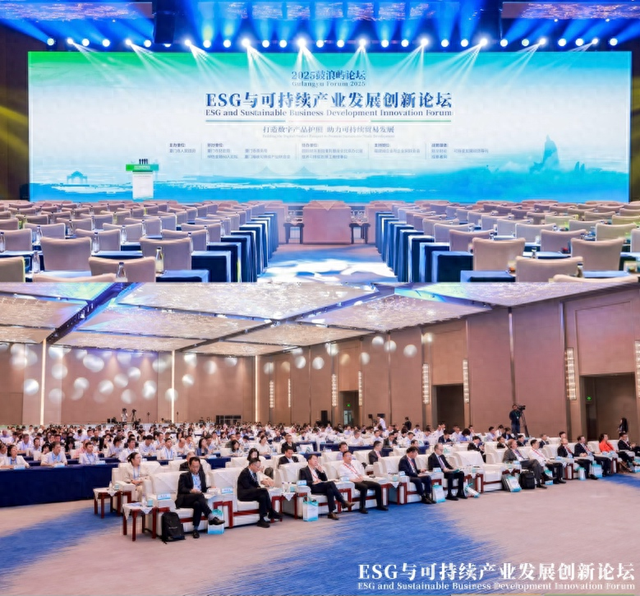
2025鼓浪屿论坛・ESG与可持续产业发展创新论坛成功举办
Guan Cha Zhe Wang· 2025-09-15 06:24
Core Viewpoint - The 2025 Gulangyu Forum on ESG and Sustainable Industrial Development Innovation successfully held in Xiamen focused on "Building Digital Product Passports to Support Sustainable Trade Development" and aimed to enhance the international sustainable trade system through collaborative initiatives [1][3][29]. Group 1: Forum Overview - The forum attracted over 400 participants from government, international organizations, industry think tanks, and leading enterprises to discuss the current status and trends of sustainable trade [1][3]. - The event was co-hosted by various organizations, including the Xiamen Municipal Government and the Green Finance 60 Forum (GF60), highlighting the collaborative effort in promoting sustainable trade [1][3]. Group 2: Key Discussions - Experts emphasized the importance of Digital Product Passports (DPP) in enhancing supply chain resilience and sustainable trade, with the EU set to implement DPP requirements by February 2027, making it essential for exporting companies [6][8]. - The forum addressed the intersection of international trade and climate policy, particularly through mechanisms like the EU Carbon Border Adjustment Mechanism (CBAM), which taxes imports based on carbon content [8][10]. Group 3: Initiatives and Recommendations - The "Gulangyu Initiative" was launched to promote international cooperation, fair trade, and sustainable development, calling for a collaborative approach to build a credible trade system [29][31]. - Recommendations included government support for enterprises to prepare for DPP requirements, financial institutions providing green credit for technological upgrades, and companies updating products to meet new EU standards [15][19]. Group 4: Industry Perspectives - Various industry leaders discussed the need for enhanced carbon transparency and the establishment of a unified carbon footprint standard to improve competitiveness in the international green trade system [38][40]. - The integration of digital technologies and low-carbon solutions was highlighted as a pathway for industries to achieve sustainable development and meet international trade requirements [22][42].