经济主权

Search documents
被指侵犯“经济主权” 美印尼贸易协议要黄?
Xin Hua Wang· 2025-12-10 10:09
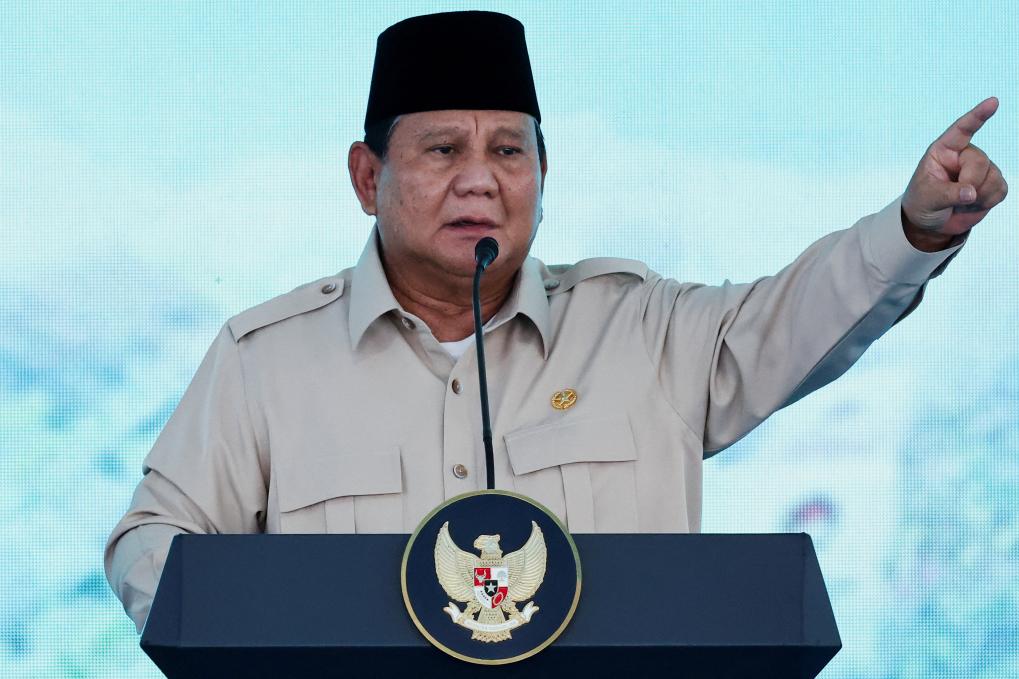
Group 1 - The trade agreement between the United States and Indonesia, reached in July, is facing potential collapse due to disagreements over key commitments [1][2] - U.S. Trade Representative Jamison Greer has accused Indonesia of "backtracking" on multiple commitments, particularly regarding non-tariff barriers and digital trade issues [2][4] - Indonesia's President Prabowo has not moved forward with the domestic approval process for the agreement, citing domestic political factors [4] Group 2 - The trade agreement includes a reduction of U.S. tariffs on Indonesian goods from 32% to 19%, with Indonesia committing to purchase $15 billion in U.S. energy, $4.5 billion in U.S. agricultural products, and 50 Boeing aircraft [5] - The U.S. exports to Indonesia would benefit from tariff and non-tariff barrier exemptions, but local content requirements have raised concerns among Indonesian business groups about their competitiveness [7] - The U.S. has attempted to include "poison pill" clauses in the agreement, which Indonesia rejects, arguing that such clauses infringe on its economic sovereignty [7]

大外交丨从北京到成都:关于马克龙访华的两大核心诉求,中法的立场在靠近
Xin Lang Cai Jing· 2025-12-05 11:36
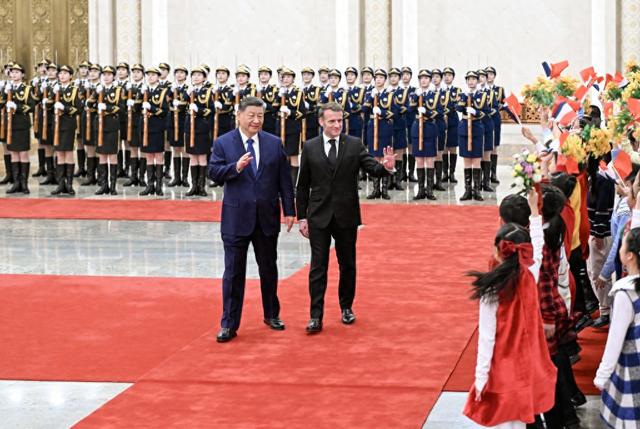
Core Viewpoint - The meeting between Chinese President Xi Jinping and French President Emmanuel Macron emphasizes the importance of Sino-French dialogue in the context of global governance and cooperation on various issues, including climate change and international stability [3][4]. Group 1: Bilateral Relations - Macron's visit marks his fourth state visit to China, highlighting the ongoing high-level strategic dialogue between the two nations [3][4]. - The two leaders agreed to enhance political mutual trust, expand practical cooperation, promote cultural exchanges, and reform global governance [3][5]. - The meeting reflects a commitment to maintaining a comprehensive relationship, with optimism for the future of Sino-European relations [5][6]. Group 2: Economic Cooperation - Macron's delegation included nearly 40 business leaders, indicating a focus on expanding economic cooperation despite existing trade tensions [6][8]. - Xi emphasized the need for a fair and transparent business environment, encouraging Chinese enterprises to invest in France and exploring cooperation in emerging fields such as artificial intelligence and green economy [7][8]. - The discussions aimed to address trade imbalances, with France seeking to attract more Chinese investments to break the current cycle of economic challenges [8][9]. Group 3: Global Issues - The leaders discussed the Ukraine crisis, with China reiterating its support for peaceful resolutions and opposing blame-shifting by Western nations [10][11]. - Macron expressed the need for China to respond to European calls regarding the conflict, highlighting the evolving dynamics of international relations [10][11]. - The joint statement on the Ukraine issue indicates a convergence of positions between China and France, suggesting potential for further collaboration on peace efforts [11].
谈判不欢而散,瑞士拒绝做第二个日本,中国对美国乘胜追击
Sou Hu Cai Jing· 2025-12-02 06:15
Group 1 - The core issue in the recent trade negotiations between the US and Switzerland was Switzerland's refusal to comply with a significant US demand regarding investment allocation [1][5] - Initially, the negotiations were progressing well, with the US planning to reduce tariffs from 39% to 15% and Switzerland agreeing to invest $200 billion, particularly in US manufacturing [3] - The turning point occurred when the US Commerce Department demanded that Switzerland not only fulfill its investment commitment but also grant the US government control over $100 billion of that investment [5] Group 2 - Switzerland's firm stance against the US demand highlights the structural resistance to the US's investment-for-tariff strategy in countries other than Japan, indicating potential challenges to US global strategy [7] - The US's approach, which includes introducing clauses that could disrupt agreements, aims to reshape global trade dynamics but faces significant obstacles, especially in Southeast Asia [7] - China's rapid and assertive response to agreements signed by Malaysia and Cambodia reflects its commitment to protecting regional cooperation and economic sovereignty, contrasting with the US's more aggressive tactics [9] Group 3 - Indonesia's rejection of US-led terms is particularly noteworthy, as it signifies the limitations of US economic pressure on medium-sized economies, revealing a shift in global trade dynamics [11] - The collective resistance from countries like Switzerland and Indonesia suggests a fundamental transformation in global trade patterns, challenging the notion of US hegemony [13] - The evolving landscape indicates a move towards a more multipolar world where multiple powers influence international trade, rather than a single dominant force [13]
签7500亿能源协议:依附美国30年,欧洲的“百年屈辱”刚刚开始?
Sou Hu Cai Jing· 2025-11-07 12:38
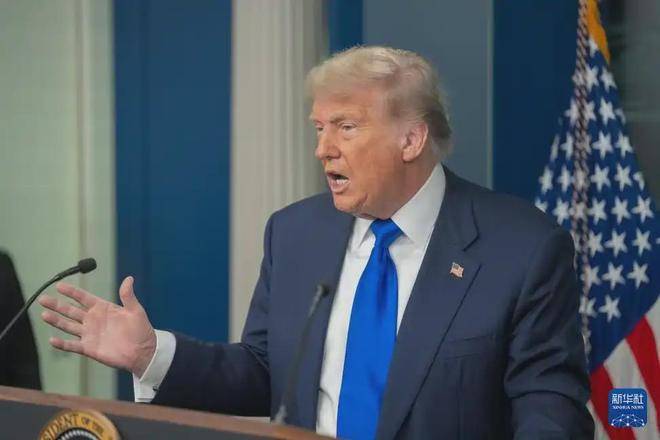
Group 1 - The article draws a parallel between the current situation in Europe and the historical context of the Qing Dynasty, suggesting that Europe has lost its autonomy and is heavily reliant on the United States for military and economic matters [1][3] - The initial decision by Europe to rely on the U.S. for defense and economic growth has led to a loss of independent decision-making power, with significant industries now dominated by American companies [5][7] - The trade agreement signed between the U.S. and the EU highlights Europe's economic vulnerabilities, as it requires the EU to purchase significant amounts of American energy and military equipment while imposing tariffs on EU goods [8][10] Group 2 - The internal discord within the EU regarding the trade agreement reflects the differing priorities of member states, with some seeking to maintain dignity while others prioritize economic relations with the U.S. [10][12] - Proposed solutions for Europe's challenges, such as opposing the U.S., finding new trade partners, and strengthening the internal market, face significant obstacles due to economic stagnation and political fragmentation [13][15] - The decline in the industrial share of GDP in the EU, from nearly 30% in 1990 to an expected 22% by 2025, indicates a worrying trend of deindustrialization and reliance on the service sector [19]
全球最大老赖:欠中国65000万亿,平均欠每人4600元,拒绝归还?
Sou Hu Cai Jing· 2025-10-07 08:59
Core Viewpoint - The staggering debt of 65 trillion yuan poses not only an economic challenge but also a serious question of social responsibility and national credibility [1][3][5] Debt Overview - The debt burden translates to approximately 4,600 yuan per person in China, highlighting the widespread impact on the population [1] - This debt exceeds the annual GDP of many countries and is nearly equivalent to China's total economic output for a year, representing an unprecedented financial crisis [1] Credibility and Trust Issues - The behavior of the debtor is likened to that of a reckless gambler, testing the limits of legal and regulatory frameworks, which undermines the integrity of the entire social credit system [3][5] - The situation is not merely an individual issue but a significant challenge to the national credit and integrity of the economic system [3][6] Legal and Regulatory Response - The resolution of this debt crisis hinges on the robust enforcement of laws, indicating that evasion will ultimately fail [5][6] - Strengthening financial regulation and closing institutional loopholes are urgent priorities to prevent similar issues in the future [5] National Commitment - The debt recovery effort symbolizes not just a legal battle but also a manifestation of national will, reinforcing the commitment to uphold economic order and integrity [6]

多名国际组织代表出席科特迪瓦企业总联合会召开的科2025年私营领域经济论坛
Shang Wu Bu Wang Zhan· 2025-09-30 17:00
Core Insights - The 2025 Private Sector Economic Forum in Côte d'Ivoire focuses on "Economic Sovereignty, Action Time" and is organized by the General Confederation of Enterprises of Côte d'Ivoire (CGECI) [1] - The event is attended by over 2,000 participants, including government officials and representatives from international organizations, highlighting its significance in the region [1] Group 1: Event Overview - The forum is held in Abidjan on September 29 and lasts for two days, featuring discussions on various topics such as financing, industrialization, innovation, energy, agricultural processing, health, natural resources, and human resources [1] - Key attendees include the Prime Minister, Minister of Finance, Minister of Trade and Industry, and notable figures from international financial institutions [1] Group 2: Themes and Topics - The forum aims to address critical issues related to economic sovereignty and the role of the private sector in driving growth and development in Côte d'Ivoire [1] - Sub-forums will focus on specific sectors, indicating a comprehensive approach to tackling economic challenges and opportunities in the region [1]
墨西哥对华加征关税,不只因特朗普施压
Hu Xiu· 2025-09-29 12:28
Core Viewpoint - The Chinese Ministry of Commerce announced an investigation into Mexico's trade and investment barriers against China, particularly in response to Mexico's proposed increase in import tariffs on products from non-free trade partners, including China [1][2][3]. Summary by Sections Trade Measures - Mexico's government proposed to raise import tariffs by up to 50% on products from China and other countries without free trade agreements, affecting a wide range of goods including automobiles, steel, textiles, and consumer products [3][5]. - The proposed tariffs could impact approximately $52 billion worth of imports, accounting for 8.6% of Mexico's total imports, and are expected to generate an additional $3.76 billion in tariff revenue annually [5][20]. Economic Implications - The new tariffs are seen as a way to protect local manufacturing and respond to pressures from the U.S. government regarding imports from China [7][21]. - The tariffs could lead to increased costs for consumers and businesses in Mexico, potentially exacerbating inflation [20][21]. Industry Reactions - The Mexican Chinese Technology Chamber expressed concerns that the tariffs could hinder Mexico's ability to absorb and develop advanced technologies in key industries such as automotive and electronics [10][12]. - Some Chinese companies have already paused investment plans in Mexico due to the uncertainty created by the proposed tariffs [12][20]. Bilateral Relations - The Chinese ambassador to Mexico emphasized the importance of avoiding protectionism and maintaining cooperative relations between China and Mexico [16]. - Despite the proposed tariffs, Mexican officials stated that the measures are not aimed at any specific country and that they wish to maintain good relations with China [8][10]. Broader Context - The timing of the tariff proposal coincides with the upcoming review of the USMCA agreement, which may influence Mexico's trade strategy and negotiations with the U.S. [6][21]. - Mexico's reliance on exports to the U.S. (over 90% of its total exports) makes it crucial for the country to navigate these trade tensions carefully [22][29].

婉拒中方邀请后,李在明对华加税,日本投降,韩国也要对美跪了?
Sou Hu Cai Jing· 2025-07-28 04:43
Group 1 - The core viewpoint of the article highlights the challenges faced by South Korean President Lee Jae-myung in navigating the complex dynamics of U.S.-China relations, particularly under pressure from the U.S. following trade agreements with Japan, Vietnam, and Indonesia [1][3][4] - Lee Jae-myung's refusal to attend China's anti-Japanese war victory commemoration is seen as a response to the tense U.S.-China relationship, indicating the difficulties of maintaining a balanced foreign policy [1][4] - The recent trade agreement between Japan and the U.S., which includes a 15% tariff on U.S. cars and a $550 billion investment from Japan, raises concerns in South Korea about potential punitive measures from the U.S. against Korean automotive exports [3][4] Group 2 - The cancellation of a scheduled meeting between South Korean officials and U.S. Treasury Secretary, attributed to the latter's busy schedule, is interpreted as a strategic move by Trump to gain leverage in negotiations with South Korea [3] - In response to the pressure, Lee Jae-myung's administration imposed anti-dumping duties on hot-rolled steel from China, perceived as an attempt to curry favor with the U.S. [3] - The article underscores the precarious position of South Korea in international relations, illustrating the challenges faced by smaller nations in the geopolitical tug-of-war between larger powers [4]
卢拉谴责美加征关税“敲诈施压” 巴西联合多方保卫经济主权
news flash· 2025-07-18 00:49
Core Viewpoint - Brazilian President Lula condemned the unilateral imposition of a 50% punitive tariff by the United States, labeling it as extortionate pressure in trade negotiations and a serious affront to national sovereignty [1] Group 1: Government Response - Lula emphasized Brazil's commitment to multilateralism and international cooperation, stating that under U.S. policies, "there are no winners" [1] - Brazil plans to utilize all legal avenues, including filing a dispute with the WTO and implementing reciprocal measures under the Trade Reciprocity Act [1] - The Brazilian government will collaborate with industry, civil organizations, and unions to protect national interests and economic sovereignty [1] Group 2: Timeline of Events - Since the announcement of the 50% tariff by Trump on July 9, Lula has reiterated intentions for reciprocal retaliation on July 9 and 10 [1] - The Brazilian Foreign Ministry summoned the U.S. chargé d'affaires on July 9 and 11 to express strong dissatisfaction [1] - On July 15, Lula signed a presidential decree to formally initiate countermeasures based on the Trade Reciprocity Act, authorizing the government to draft additional tariffs and retaliatory measures [1]
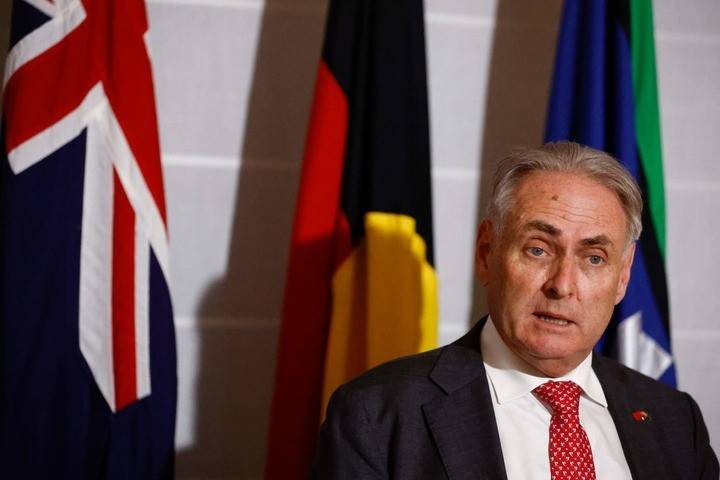
关税战过后,澳大利亚硬刚美国:中国是“钞能力”10倍的优质客户
Sou Hu Cai Jing· 2025-05-18 00:04
Group 1 - Australia's Trade Minister Farrell emphasized the importance of China as a trading partner, stating that China is ten times more valuable than the U.S. in terms of trade, marking a significant shift from previous policies that favored the U.S. [1][3] - In the 2023-2024 fiscal year, Australia's exports to China reached AUD 210 billion, accounting for 38% of total exports, while exports to the U.S. were only AUD 37 billion, representing less than 7% [3][4] - The previous Morrison government adopted a confrontational stance towards China, which resulted in severe economic repercussions, including a 97% drop in wine exports to China due to high tariffs [3][4] Group 2 - Australia is seeking to balance its economic relations between China and the U.S., participating in trade agreements like RCEP while maintaining military alliances with the U.S. [4][6] - The shift in Australia's strategy reflects a broader trend among U.S. allies reassessing the costs and benefits of aligning with U.S. policies against China, as seen in the economic impacts on the EU and Canada [6][7] - The global trade landscape is evolving, with China emerging as a key partner for many countries, prompting Australia to view its relationship with China as essential for economic stability [6][9] Group 3 - Future developments may include Australia implementing a "dual-track strategy" to diversify its trade markets while maintaining key exports to China [9][11] - The potential fragmentation of U.S. alliances could increase if the U.S. fails to provide substantial economic incentives, leading countries like the EU and Japan to seek closer ties with China [9][11] - China may leverage its growing influence to propose reforms in global trade rules, challenging the existing U.S.-led trade framework [9][11]