
AI泡沫风险

Search documents
永安期货有色早报-20251119
Yong An Qi Huo· 2025-11-19 01:40
Group 1: Report Industry Investment Rating - Not provided in the given documents Group 2: Report's Core View - This week, copper prices fluctuated within a narrow range, and 85,000 yuan might be the psychological price for downstream price-fixing. Aluminum prices showed a short - term oscillating trend. Zinc prices fluctuated, and the price center was unlikely to drop significantly. Nickel and stainless - steel fundamentals were weak, and short - term high - selling opportunities could be considered. Lead prices oscillated at a high level and were expected to maintain a narrow - range oscillation next week. Tin prices increased, with short - term observation recommended and long - term low - buying near the cost line. Industrial silicon prices were expected to oscillate in the short - term and at the cycle bottom in the long - term. Carbonate lithium prices were strong, and a pattern change might occur in 1 - 2 years [1][2][5][6][7][8][9][12][16][18] Group 3: Summary by Metal Copper - This week, copper prices fluctuated within a narrow range. Driven by the precious metal market, copper prices were strong in the first half of the week and adjusted on Friday. The downstream price - fixing volume rebounded significantly. The market had both liquidity easing expectations and AI bubble risks. The 85,000 - yuan level might be the psychological price for downstream price - fixing [1] Aluminum - Overseas shutdown news boosted the domestic aluminum price, which was stronger than the overseas price. Short - term profit - taking led to a correction in the Shanghai aluminum futures. Aluminum ingots continued to accumulate inventory, while aluminum rods and strips slightly reduced inventory. Downstream consumption was okay, and the acceptance of high prices increased. It might show an oscillating trend in the short - term [1][2] Zinc - This week, zinc prices oscillated. The domestic and imported TC decreased further. The supply of domestic mines would be tight from the fourth quarter to the first quarter of next year. The processing fee decreased significantly, but the smelter's profit was still okay. In November, the Huoshaoyun zinc ingot was officially put into production. Domestic demand was seasonally weak, while overseas demand in the Middle East had high growth. The domestic social inventory oscillated, and the overseas LME inventory was at a low level. The export window was open. It was recommended to wait and see for unilateral trading, pay attention to reverse arbitrage opportunities, and focus on the positive arbitrage opportunity of 01 - 03 [5] Nickel - The supply of pure nickel decreased slightly, demand was weak, and both domestic and overseas inventories continued to accumulate. With continuous disturbances in the Indonesian nickel ore market and price - support motivation from the policy side, short - term high - selling opportunities could be considered [6] Stainless - steel - The steel mill's production increased slightly in October. Demand was mainly for rigid needs. The prices of nickel - iron and chrome - iron remained stable. Inventory was at a high level. With price - support motivation from the Indonesian policy side, short - term high - selling opportunities could be considered [6][7] Lead - This week, lead prices oscillated at a high level. The scrap rate was weak year - on - year, but the recovery of recycling profit encouraged resumption of production. The supply of refined lead and recycled lead was tight from late September, and the current resumption of recycled lead production had alleviated the supply - demand contradiction. The battery's production rate increased by 1.4% this week, but the finished - product inventory increased, and demand was expected to weaken. It was expected that lead prices would maintain a narrow - range oscillation next week, between 17,300 - 17,700 yuan [8][9] Tin - This week, the center of tin prices increased. The processing fee of tin ore remained low, with limited upward space. The supply marginally recovered after the Yunnan Tin's maintenance ended. Overseas production was still uncertain. Demand was mainly rigid, and the downstream's acceptable price increased. The short - term fundamentals were okay, and it was recommended to wait and see. In the long - term, it was recommended to buy near the cost line [12] Industrial Silicon - The production of the leading enterprise in Xinjiang was stable. In the fourth quarter, the supply and demand of industrial silicon were expected to be in a slightly loose balance. In the short - term, prices were expected to oscillate, and in the long - term, they were expected to oscillate at the cycle bottom [16] Carbonate Lithium - Affected by the expected lithium - battery demand and market bullish sentiment, carbonate lithium prices were strong. The lithium ore was in short supply, and the upstream inventory decreased significantly. The downstream inventory was relatively sufficient, and the market was in a wait - and - see state. In the long - term, the pattern change might occur in 1 - 2 years [18]
永安期货有色早报-20251118
Yong An Qi Huo· 2025-11-18 01:04
Report Industry Investment Rating - Not provided Core Viewpoints - Copper prices fluctuated narrowly this week, with downstream point - pricing volume rebounding. The price around 85,000 may be a psychological point - pricing level for downstream industries [1]. - Aluminum prices showed a short - term shock trend, with domestic prices stronger than overseas due to overseas production - halt news, and profit - taking causing a callback in the Shanghai aluminum market [2]. - Zinc prices fluctuated. Supply may have a phased reduction at the end of the year, and the price may not fall deeply. It is recommended to wait and see for unilateral trading, pay attention to reverse arbitrage opportunities, and 01 - 03 calendar spread positive arbitrage opportunities [5]. - Nickel and stainless - steel fundamentals are weak, and it is advisable to pay attention to short - selling opportunities considering the price - support motivation of Indonesian policies [6][7]. - Lead prices oscillated at a high level. It is expected to maintain a narrow - range shock next week, and it is recommended to operate cautiously while observing the resumption of recycled lead production and the increase in warehouse receipts [8][9]. - Tin prices increased in the center of gravity. In the short - term, it is advisable to wait and see, and in the long - term, it is recommended to hold near the cost line or use it as a long - position allocation in non - ferrous metals [12]. - Industrial silicon supply and demand are expected to be in a balanced and slightly loose state in Q4, with prices expected to oscillate in the short - term and fluctuate at the bottom of the cycle in the long - term [16]. - Lithium carbonate prices are running strongly. If energy - storage demand remains high and power demand is stable, the long - term pattern may change in the next 1 - 2 years [18]. Summary by Metal Type Copper - **Price Performance**: Copper prices fluctuated narrowly this week, being strong in the first half of the week driven by precious metals and adjusting on Friday. The downstream point - pricing volume rebounded significantly [1]. - **Macro Factors**: There are both expectations of loose liquidity and risks of AI bubbles. The short - term release of TGA liquidity after the US government's agreement to reopen the government supports risk - asset prices, while the concentrated trading of AI giants' bond risks has raised market concerns about AI risks [1]. - **Outlook**: The price around 85,000 may be a psychological point - pricing level for downstream industries, and attention should be paid to the industrial support at this level [1]. Aluminum - **Price Performance**: Overseas production - halt news and expectations boosted domestic aluminum prices, which were stronger than overseas prices. Short - term profit - taking led to a callback in the Shanghai aluminum market. Aluminum ingots continued to accumulate inventory, while aluminum rods, sheets, and foils slightly reduced inventory. The downstream consumption was acceptable, and the acceptance of high prices increased, showing a short - term shock trend [1][2]. Zinc - **Price Performance**: Zinc prices oscillated this week [5]. - **Supply Side**: Domestic and imported TC continued to decline this week. From the fourth quarter to the first quarter of next year, domestic zinc ore supply will be tighter, and processing fees have dropped significantly. The production of Huoshaoyun zinc ingots has started, and some smelters are under maintenance, with the total output expected to increase by about 6,000 tons month - on - month [5]. - **Demand Side**: Domestic demand is seasonally weak, European demand is average, and Middle - East demand has high growth. Domestic social inventory is oscillating, and overseas LME inventory is oscillating at a low level. The export window has opened, and there has been some inventory delivery overseas [5]. - **Strategy**: Due to weak domestic consumption but potential phased supply reduction at the end of the year, the price may not fall deeply. It is recommended to wait and see for unilateral trading, pay attention to reverse arbitrage opportunities with caution, and consider the 01 - 03 calendar spread positive arbitrage opportunities [5]. Nickel - **Price Performance**: Nickel prices declined this week [6]. - **Supply Side**: The price of nickel sulfate is relatively stable, and the output of pure nickel decreased slightly month - on - month [6]. - **Demand Side**: The overall demand is weak, and the premium of Jinchuan nickel strengthened slightly after the price decline [6]. - **Inventory**: Both domestic and overseas inventories continued to accumulate [6]. - **Strategy**: Considering the price - support motivation of Indonesian policies, it is advisable to pay attention to short - selling opportunities [6]. Stainless Steel - **Supply**: Steel mills' production in October increased slightly month - on - month [7]. - **Demand**: The demand is mainly for rigid needs [7]. - **Cost**: The prices of nickel iron and chrome iron remained stable [7]. - **Inventory**: The inventory remained at a high level, and the warehouse receipts remained unchanged [7]. - **Strategy**: Considering the price - support motivation of Indonesian policies, it is advisable to pay attention to short - selling opportunities [7]. Lead - **Price Performance**: Lead prices oscillated at a high level this week [8]. - **Supply Side**: The scrap volume is weaker year - on - year, and the recovery of recycled lead profits has encouraged复产. The supply of primary and recycled lead ingots has been tight since the end of September, and the resumption of recycled lead production has alleviated some supply - demand contradictions, with social inventory accumulating [8][9]. - **Demand Side**: The battery production rate increased by 1.4% this week, but the battery inventory accumulated, and the demand is expected to weaken. The refined - scrap price difference is - 100, and the recycled lead production has gradually started to produce [9]. - **Outlook**: It is expected that lead prices will maintain a narrow - range shock next week, ranging from 17,300 to 17,700. It is recommended to operate cautiously while observing the resumption of recycled lead production and the increase in warehouse receipts [9]. Tin - **Price Performance**: Tin prices increased in the center of gravity this week [12]. - **Supply Side**: The processing fees of tin ore remained at a low level, with limited upward space. The maintenance of Yunnan Tin has ended, and the supply has marginally recovered. Overseas production is still uncertain, and the Indonesian government's policy may affect the supply in the future [12]. - **Demand Side**: The demand is mainly supported by rigid needs at high prices, and the downstream's psychological price for orders has increased under the strong sentiment of non - ferrous metals. The overseas LME inventory is oscillating at a low level and recovering [12]. - **Strategy**: In the short - term, it is advisable to wait and see, and in the long - term, it is recommended to hold near the cost line or use it as a long - position allocation in non - ferrous metals [12]. Industrial Silicon - **Supply Side**: The operation of leading enterprises in Xinjiang was stable, with 93 furnaces in operation. By the end of November, there will be less than 20 furnaces in operation in Sichuan and Yunnan. The production in the northwest region is basically stable, with little overall change [16]. - **Supply - Demand Outlook**: The supply and demand of industrial silicon are expected to be in a balanced and slightly loose state in Q4. In the short - term, the price is expected to oscillate, and in the long - term, it is expected to fluctuate at the bottom of the cycle based on the seasonal marginal cost [16]. Lithium Carbonate - **Price Performance**: Lithium carbonate prices are running strongly, affected by the expected demand for lithium batteries and the market's bullish sentiment [18]. - **Raw Material**: The spot market of lithium ore is tight. Holders are more willing to sell when the futures price is high, and the self - pick - up transaction price of lithium concentrate is about 19,000 yuan lower than the futures price [18]. - **Lithium Salt**: The upstream inventory has been significantly reduced, and enterprises mainly rely on long - term contracts and pre - sales orders. The willingness to sell scattered orders increases when the futures price is high. The inventory of the middle and downstream is still relatively sufficient, and the futures - spot trading is inactive, with a strong wait - and - see sentiment [18]. - **Outlook**: In the context of "anti - involution", the price elasticity of lithium carbonate is high after the supply - side disturbances are resolved, and the downward support is strong before the resolution. If the energy - storage demand remains high and the power demand is stable, the long - term pattern may change in the next 1 - 2 years [18].
有色早报-20251117
Yong An Qi Huo· 2025-11-17 02:35
1. Report Industry Investment Rating No information provided in the given content. 2. Core Viewpoints of the Report - This week, copper prices fluctuated within a narrow range. Supported by the precious metals market, copper prices were relatively strong in the first half of the week and adjusted on Friday. The downstream point - price volume rebounded significantly. In the future, the price around 85,000 may become the psychological price for downstream point - pricing [1]. - Overseas production suspension news and expectations boosted the domestic aluminum price to be stronger than the overseas price. Short - term profit - taking led to a correction in the Shanghai aluminum futures. Aluminum ingots continued to accumulate inventory, while aluminum rods, sheets, foils saw a slight reduction in inventory. The downstream consumption was fair, and the acceptance of high prices increased. In the short term, it may show a fluctuating trend [2]. - Zinc prices fluctuated this week. The domestic and imported TC declined further. The supply of domestic ore will tighten marginally from the fourth quarter to the first quarter of next year. The demand is seasonally weak domestically, while overseas, European demand is average and Middle - East demand has high growth. The price center may not decline deeply. In the short term, it is recommended to wait and see for unilateral trading, pay attention to reverse arbitrage opportunities with caution in position - building, and focus on the positive arbitrage opportunity of 01 - 03 for the month - spread [5]. - For nickel, the supply side saw a slight decline in pure nickel production, the demand side was weak, and the inventory continued to accumulate both at home and abroad. With continuous disturbances in the Indonesian ore end and the policy side having a motivation to support prices, it is advisable to pay attention to short - selling opportunities [6]. - For stainless steel, the supply increased slightly in October, the demand was mainly for rigid needs, the cost remained stable, and the inventory was at a high level. With the Indonesian policy side having a motivation to support prices, it is advisable to pay attention to short - selling opportunities [7]. - Lead prices fluctuated at a high level this week. The supply - side contradiction was partially alleviated, and the social inventory increased. The demand side had a weakening expectation. It is expected that the lead price will fluctuate within a narrow range next week, and it is recommended to wait and see the resumption of recycled production and the increase in warehouse receipts [8][9]. - Tin prices rose this week. The supply - side was gradually recovering, and the demand was mainly supported by rigid needs. In the short term, it is recommended to wait and see, and in the long term, it is advisable to hold at a low price close to the cost or use it as a long - position allocation in non - ferrous metals [12]. - For industrial silicon, the supply and demand are expected to be in a balanced and slightly loose state in Q4, with prices expected to fluctuate. In the long term, prices are expected to fluctuate at the bottom of the cycle based on the seasonal marginal cost [16]. - Lithium carbonate prices were strong due to the expected lithium - battery demand and market bullish sentiment. The supply - side price elasticity is high after the disturbances are resolved, and the long - term pattern may change in the next 1 - 2 years if the energy - storage demand remains high and the power demand is stable [18]. 3. Summary by Metal Copper - **Price and Inventory**: From November 10 - 14, the spot import profit decreased by 181.03, and the LME inventory decreased by 450 tons [1]. - **Market Analysis**: This week, copper prices fluctuated narrowly. The downstream point - price volume rebounded. The market has both liquidity easing expectations and AI bubble risks [1]. Aluminum - **Price and Inventory**: From November 10 - 14, the Shanghai aluminum ingot price increased slightly, and the social inventory remained unchanged [1]. - **Market Analysis**: Overseas production suspension news and expectations boosted the domestic price, but short - term profit - taking led to a correction. The downstream consumption was fair, and it may fluctuate in the short term [2]. Zinc - **Price and Inventory**: From November 10 - 14, the Shanghai zinc ingot price decreased by 140 yuan, and the LME inventory increased by 1175 tons [5]. - **Market Analysis**: The supply - side TC declined, and the demand was seasonally weak domestically. The export window has opened, and it is recommended to wait and see for unilateral trading and pay attention to arbitrage opportunities [5]. Nickel - **Price and Inventory**: From November 10 - 14, the Shanghai nickel price decreased by 950 yuan, and the inventory continued to accumulate [6]. - **Market Analysis**: The supply side saw a slight decline in production, the demand was weak, and it is advisable to pay attention to short - selling opportunities [6]. Stainless Steel - **Price and Inventory**: From November 10 - 14, the prices of 304 cold - rolled, 304 hot - rolled, etc. remained unchanged, and the inventory was at a high level [6][21]. - **Market Analysis**: The supply increased slightly, the demand was mainly for rigid needs, and it is advisable to pay attention to short - selling opportunities [7]. Lead - **Price and Inventory**: From November 10 - 14, the lead price fluctuated at a high level, and the social inventory increased slightly [8][9]. - **Market Analysis**: The supply - side contradiction was partially alleviated, the demand had a weakening expectation, and it is expected to fluctuate narrowly next week [8][9]. Tin - **Price and Inventory**: From November 10 - 14, the tin price rose, and the LME inventory increased by 10 tons [12]. - **Market Analysis**: The supply - side was gradually recovering, and the demand was mainly supported by rigid needs. It is recommended to wait and see in the short term and hold at a low price in the long term [12]. Industrial Silicon - **Price and Inventory**: From November 10 - 14, the basis of different grades increased, and the warehouse receipts decreased by 42 [16]. - **Market Analysis**: The supply and demand are expected to be balanced and slightly loose in Q4, and prices are expected to fluctuate in the short term and cycle at the bottom in the long term [16]. Lithium Carbonate - **Price and Inventory**: From November 10 - 14, the SMM electric - carbon and industrial - carbon prices increased, and the warehouse receipts decreased by 338 [18]. - **Market Analysis**: Driven by demand expectations and bullish sentiment, prices were strong. The supply - side price elasticity is high, and the long - term pattern may change in 1 - 2 years [18].
AI巨头Anthropic拟500亿美元入局AI基建
2 1 Shi Ji Jing Ji Bao Dao· 2025-11-15 23:39
Core Insights - The competition in artificial intelligence is shifting towards infrastructure, with significant capital flowing into computing power foundations. Anthropic has announced a $50 billion investment to build an AI infrastructure network across the U.S. [3][5] - Anthropic's investment is substantial but still smaller compared to competitors like OpenAI, which plans to invest approximately $1.4 trillion over the next eight years, and Meta, which will invest $600 billion in the next three years [3][4]. Company Developments - Anthropic, founded in 2021, has recently completed a $13 billion Series F funding round, leading to a post-money valuation of approximately $183 billion [4]. - The company is collaborating with Fluidstack, a UK-based AI cloud platform, to leverage its expertise in large-scale GPU cluster deployment for the new data centers [5]. - Anthropic's customer base has expanded significantly, with over 30,000 enterprise clients, and the number of clients contributing over $100,000 annually has surged nearly sevenfold in the past year [6]. Industry Trends - The global investment in AI and data center infrastructure is projected to reach $5 trillion, aimed at building new data centers, purchasing chips, and upgrading power grids [7]. - Major tech companies, including Amazon, Google, Microsoft, and Meta, are also ramping up their investments in AI infrastructure, with Amazon planning to invest $125 billion by 2025 and Google increasing its capital expenditure to between $91 billion and $93 billion [6]. Market Concerns - There are growing concerns regarding the sustainability of the current "computing power construction boom," particularly regarding the U.S.'s ability to meet electricity demands for AI data centers [8]. - Analysts warn of potential power shortages, estimating that by 2028, the U.S. could face a power deficit of up to 20% due to the high energy consumption of AI data centers [8][9]. - The high capital expenditures of tech giants are outpacing revenue growth, raising questions about the sustainability of their investments and the potential for a bubble similar to the dot-com era [9][10].


软银清仓英伟达
财联社· 2025-11-11 09:24
Core Viewpoint - SoftBank unexpectedly sold all its shares in Nvidia, cashing out approximately $5.83 billion, amid rising concerns about the overvaluation of AI concept stocks [1][6]. Financial Performance - For the second quarter of the fiscal year 2025, SoftBank reported a net profit of 2.5 trillion yen (approximately $162 billion), significantly exceeding analysts' expectations of 418.2 billion yen [1]. - The strong performance was attributed to successful investments in artificial intelligence [1]. Stock Split Announcement - SoftBank announced a 1-for-4 stock split effective January 1 of the following year [2]. Investment Portfolio - SoftBank's investment portfolio includes several leading AI companies, such as OpenAI, contributing to substantial paper gains and a 78% increase in stock price over the three months ending September [2]. - Analysts from Citigroup raised their target price for SoftBank to 27,100 yen, linking it to OpenAI's valuation, which is estimated to be between $500 billion and $1 trillion [2]. Nvidia's Market Position - Nvidia's market capitalization recently surpassed $5 trillion, making it the first company to reach this milestone [7]. - Nvidia's stock has increased over 40% this year and has surged more than tenfold since the launch of ChatGPT in 2022, raising concerns about a potential AI bubble [7]. Historical Context of Nvidia Holdings - This is not the first time SoftBank has sold its Nvidia shares; it previously sold its entire stake in 2019 for $7 billion, missing out on significant gains as Nvidia's market value soared [7]. - SoftBank had re-entered Nvidia's stock last year, increasing its holdings to approximately $3 billion by March of this year [7]. Future AI Investments - SoftBank's founder, Masayoshi Son, is optimistic about the potential of artificial intelligence and is planning significant investments to enhance the company's influence in the AI sector [9]. - Current initiatives include deploying a "Stargate" data center, planning a $30 billion investment in OpenAI, and lobbying for a $1 trillion AI manufacturing center in collaboration with companies like TSMC [9].



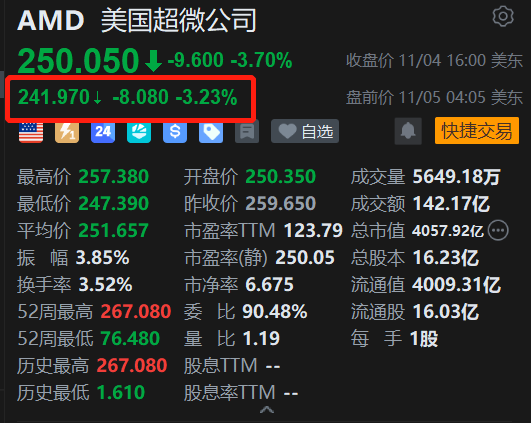
美股异动|AMD盘前续跌超3% Q3业绩超预期但指引未能打动投资者
Ge Long Hui· 2025-11-05 09:11
Core Viewpoint - AMD's third-quarter revenue reached $9.246 billion, a 36% increase from $6.819 billion in the same period last year, exceeding analyst expectations of $8.74 billion [1] - Non-GAAP earnings per share were $1.20, up 30% from $0.92 year-over-year, also surpassing analyst expectations of $1.17 [1] - Despite strong performance, concerns about AI bubble risks have led to a decline in AMD's stock price, indicating that the revenue outlook did not impress investors [1] Financial Performance - Third-quarter revenue: $9.246 billion, up from $6.819 billion year-over-year, representing a 36% growth [1] - Non-GAAP EPS: $1.20, compared to $0.92 in the same quarter last year, reflecting a 30% increase [1] - Analyst expectations: Revenue was anticipated at $8.74 billion and EPS at $1.17, both of which were exceeded [1] Market Context - AMD is viewed as the only major competitor to Nvidia in the AI chip market [1] - Recent stock price volatility and heightened market expectations have put AMD's performance under scrutiny [1] - Wall Street's growing concerns about the potential risks associated with an AI bubble are impacting investor sentiment towards AMD [1]

跌破3900,黄金牛市或终结!
Sou Hu Cai Jing· 2025-10-28 09:50
Group 1 - Gold prices experienced a significant drop, closing down $131.28, or 3.19%, at $3981.37, with intraday lows reaching $3970.81, marking the lowest level since October 10 [1] - The U.S. stock market saw all three major indices close higher, with the Nasdaq rising 1.86%, the S&P 500 up 1.23%, and the Dow Jones increasing by 0.71% [2] - The Mexican President announced that the U.S. has agreed to extend the deadline for trade negotiations, indicating progress in discussions regarding trade, security, and immigration [5] Group 2 - The Federal Reserve is expected to lower interest rates by 25 basis points, bringing the federal funds rate to a range of 3.75% to 4.00%, following recent lower-than-expected inflation data [6] - Market participants are anticipating a 96.7% probability of a 25 basis point rate cut in October, with a 93.9% chance of a cumulative 50 basis point cut by December [8] - The upcoming earnings season is crucial, with over 170 companies expected to report, including major tech firms, which are projected to see a profit growth rate of around 16% [8][10] Group 3 - Chinese assets have seen a significant surge, with the Nasdaq Golden Dragon China Index rising over 2%, driven by a narrative of value reassessment and increased interest from long-term investors in Chinese tech stocks [11] - A report from Citigroup indicates a growing interest among long-term investors in Chinese technology stocks, reflecting a shift in global capital allocation [11]

分析一下英伟达这1000亿的影响
傅里叶的猫· 2025-09-23 02:41
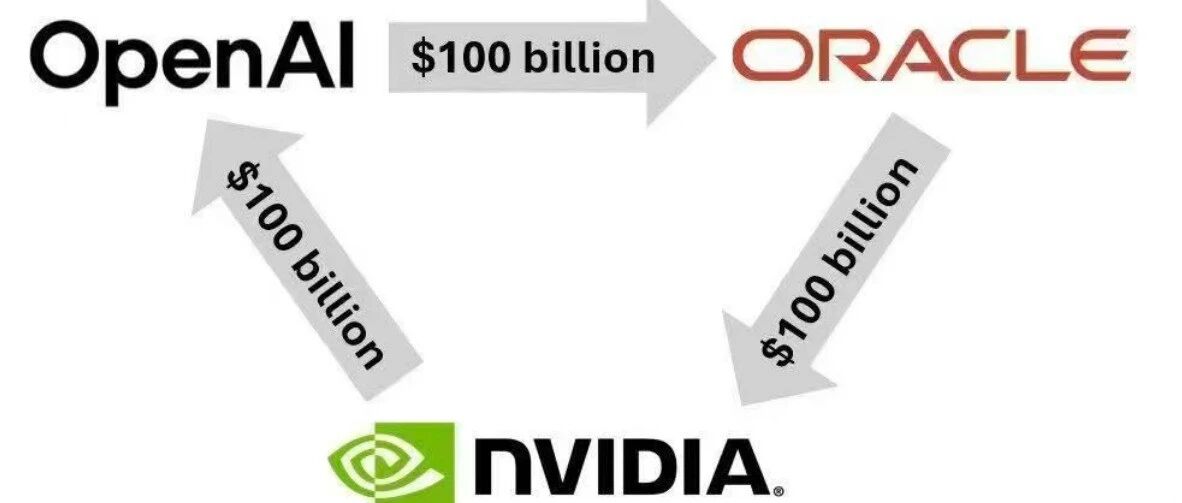
早上起来,市场已经炸锅了,英伟达要投1000亿美元给OpenAI。 越来越卷的AI行业 下面这个国外大厂的AI芯片的Roadmap,比国内还要激进,基本都是一年会出一到两个新的产品。 英伟达与OpenAI的这项高达1000亿美元的投资协议并非单纯的资金注入,而是通过逐步部署10吉瓦 AI数据中心的方式实现,首阶段将于2026年下半年上线,使用英伟达的Vera Rubin平台。 英伟达的投资动机 1、锁定客户需求与供应链主导权,OpenAI作为AI领域的领军者,英伟达通过投资确保OpenAI优先 使用其芯片,形成"资金循环":英伟达提供资金,OpenAI用于购买英伟达硬件。这不仅保证了英伟 达的销售需求,还防止OpenAI转向竞争对手,如Google的TPU或AMD的MI系列芯片。 这里的"资金闭环",网上有多种解释,无论是通过Oracle,还是通过微软和Coreweave,对英伟达和 OpenAI来说,都是有利的。 THE INFINITE MONEY GLITCH OpenAl $100 billion voilla oo ta 8100 billion NVIDIA. 2、这一合作标志着英伟达从芯片供应商 ...
美股小盘股:表现欠佳但未来仍存转机?
Sou Hu Cai Jing· 2025-08-21 02:11
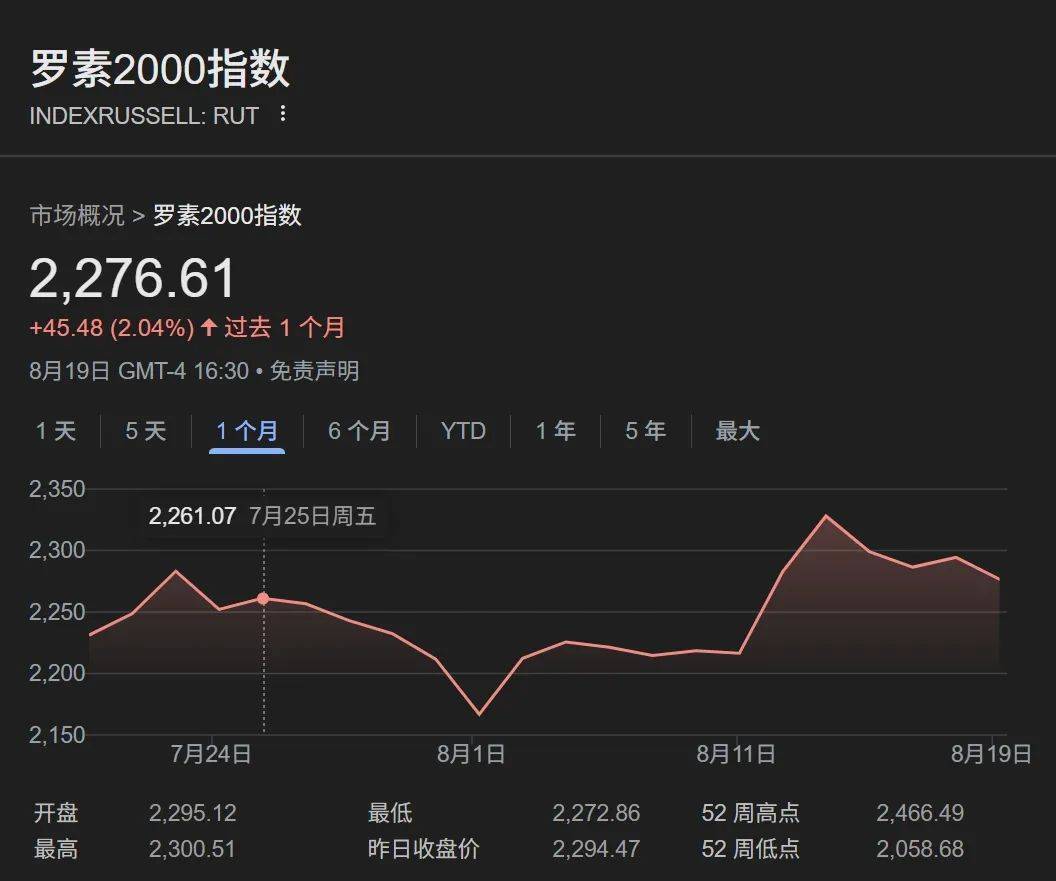
Core Viewpoint - Small-cap stocks in the U.S. have been overlooked for a long time, but expectations for their performance have risen due to anticipated easing of interest rates by the Federal Reserve. However, recent reports indicate that small-cap stocks still lack momentum and may not sustain their recent performance [1][3]. Group 1: Market Performance - The Russell 2000 index, which measures small-cap stocks, has shown a year-to-date increase of approximately 2%, significantly lagging behind the S&P 500's increase of about 9% [3]. - Despite a brief period of outperformance against the S&P 500, analysts believe this momentum is tied more to expectations of Fed rate cuts rather than improvements in small-cap earnings prospects [1][3]. Group 2: Economic Conditions - Historically, small-cap stocks tend to perform well during extreme economic conditions, either recession or boom, but such conditions are currently not present [5]. - The proportion of loss-making companies within the Russell 2000 index is at a historical high, contributing to investor caution regarding small-cap stocks [5]. Group 3: Investor Sentiment - Some investors remain optimistic about small-cap stocks, citing potential for the Russell 2000 index to outperform the S&P 500 despite recent underperformance [5]. - The rapid development in the AI sector has raised bubble risks, reminiscent of the tech investment boom in the late 1990s, leading some investors to consider small-cap stocks as a safer bet [5]. Group 4: Valuation and Opportunities - The Russell 2000 index has a higher price-to-earnings ratio but a lower price-to-book ratio compared to the S&P 500, suggesting that small-cap stocks may be undervalued [6]. - The active IPO market in 2023, with 95 IPOs raising $12.9 billion, could enhance the quality of small-cap stocks and attract more investors [6].
美小盘股还有机会吗
Sou Hu Cai Jing· 2025-08-20 12:05
Core Viewpoint - Small-cap stocks in the U.S. have been overlooked, with initial optimism at the beginning of the year due to anticipated interest rate cuts, but recent analysis indicates a lack of momentum in this sector [1][5]. Performance Analysis - The Russell 2000 index has shown better performance than the S&P 500 since August, but this trend may not last, as the recent gains are attributed to rising expectations of Federal Reserve rate cuts rather than the earnings outlook for small-cap stocks [1][5]. - Year-to-date, the Russell 2000 index has increased by approximately 2%, lagging behind the S&P 500's gain of about 9% [5]. Market Conditions - Small-cap stocks are generally more sensitive to changes in borrowing costs and economic conditions due to their higher debt levels and reliance on external financing [5]. - The proportion of loss-making companies within the Russell 2000 index is at a historical high, contributing to investor hesitance [8]. Future Outlook - Analysts suggest that for small-cap stocks to perform well, conditions such as a significant economic downturn or a very strong economy are necessary, which are currently lacking [8]. - Despite the underperformance, there are still optimistic views regarding the potential for the Russell 2000 index to outperform the S&P 500, especially with the ongoing advancements in AI and the potential for a shift in investor focus towards undervalued sectors [8][9]. Valuation Insights - The Russell 2000 index's price-to-earnings ratio is currently above average at 16.3 times, indicating limited opportunities for growth [8]. - The price-to-book ratio of small-cap stocks is lower than that of large-cap stocks, suggesting they may be undervalued [9]. IPO Activity - Since the beginning of 2025, there have been 95 IPOs in the U.S. raising $12.9 billion, compared to 73 IPOs raising $16 billion in 2024, indicating a potential increase in the quality of small-cap stocks [9].