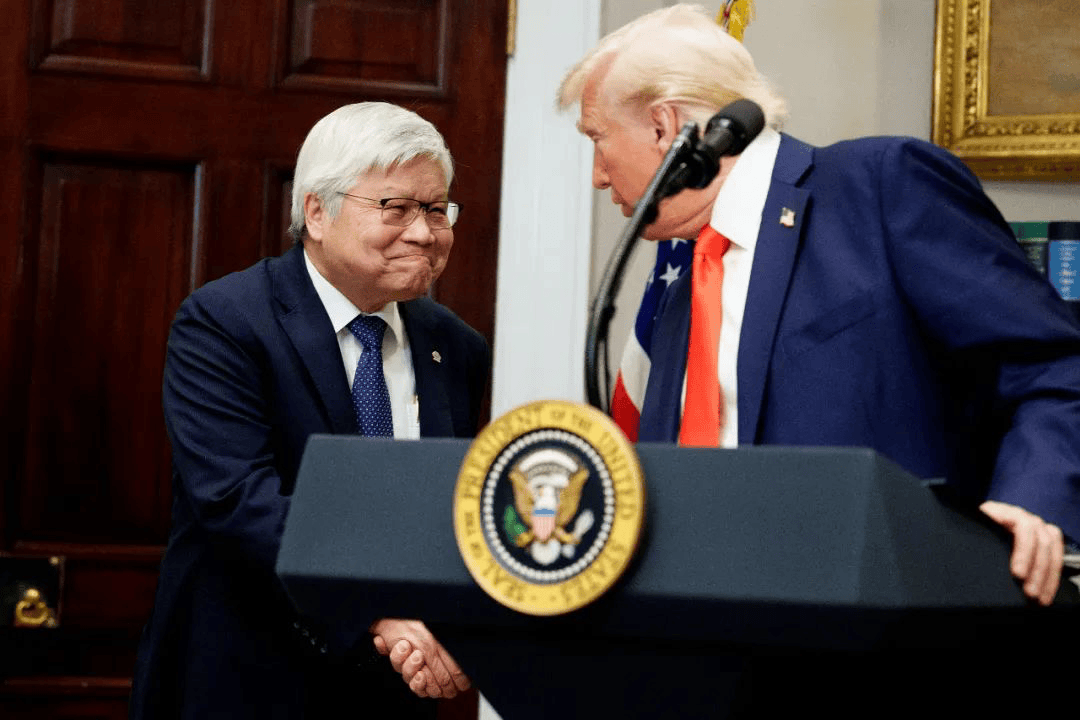
制造业回流

Search documents
川普怒加关税50%,印度为何敢说“不”?
Sou Hu Cai Jing· 2025-08-12 18:20
Group 1 - The conflict between the US and India over oil imports from Russia highlights a shifting global trade landscape [3][4] - Trump's tariff increase on Indian goods is part of a broader strategy to bring manufacturing back to the US [4][12] - India's response to US tariffs indicates a strong political and economic stance, as it continues to engage with Russia [5][6] Group 2 - India's economic rationale for importing Russian oil includes significant cost savings and the ability to profit from refined exports [5][6] - The political strategy for India involves seeking new alliances and leveraging multilateral trade agreements to counterbalance US pressure [7][9] - The US tariffs on Indian goods are not absolute, as certain high-tech and pharmaceutical products are exempt, indicating a complex trade relationship [10][11] Group 3 - The evolving trade dynamics suggest a potential alliance among China, India, and Russia, challenging US dominance [12][14] - Emerging economies are increasingly vocal against US tariffs, indicating a trend towards economic group formation and "de-dollarization" [13][14] - The potential for further tariff increases by the US raises questions about the effectiveness of such measures in the long term [14][16] Group 4 - The current situation may signal the beginning of a new "economic cold war," with competing interests reshaping global trade rules [17] - India's assertive stance against US tariffs reflects a calculated approach to international relations and trade negotiations [17]

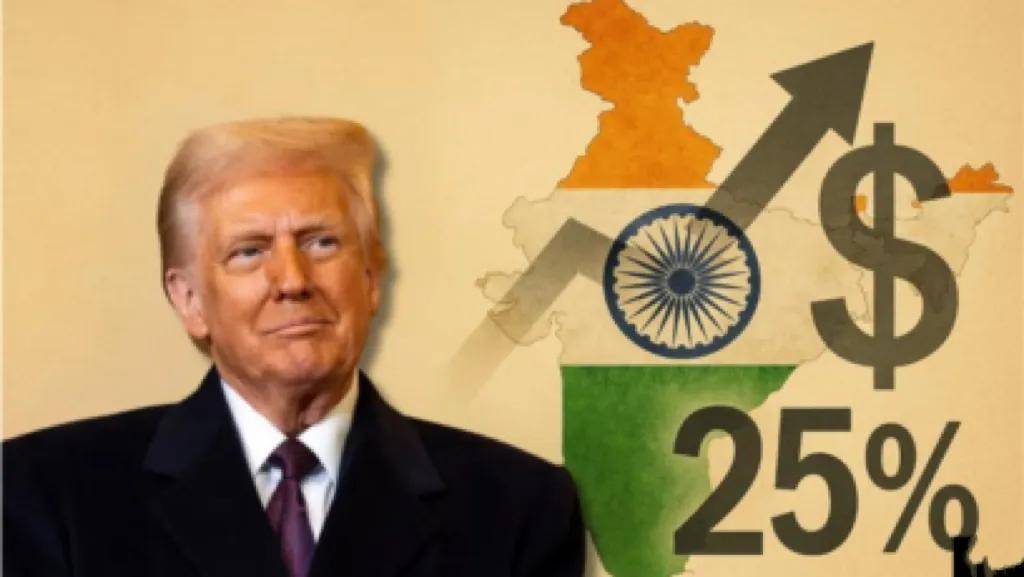
美国想抢 iPhone 生产线?库克直接硬刚,特朗普急了!
Sou Hu Cai Jing· 2025-08-11 07:01
Core Viewpoint - Apple is unlikely to initiate large-scale iPhone production in the United States in the short term due to cost, efficiency, and supply chain challenges [1][3][7]. Cost Issues - Relocating assembly operations to the U.S. would require significant investment in facilities, and the high labor costs in the U.S. would ultimately be passed on to consumers, potentially affecting sales and brand reputation [3][5]. - Apple has invested $100 billion, but this does not change the immediate production strategy [1]. Efficiency Challenges - U.S. manufacturing operates under stricter labor regulations, resulting in lower efficiency compared to factories in China and India, where production can run continuously [5][7]. - Current iPhone production rate is 760 units per minute, which would be difficult to maintain in the U.S. due to labor constraints [5]. Supply Chain Complications - Less than 5% of iPhone components are currently manufactured in the U.S., making it logistically challenging to shift the remaining 95% [7][8]. - The need for retraining employees and coordinating logistics adds to the complexity of moving production to the U.S. [7][8]. Future Production Plans - Future complex models, such as foldable iPhones and the 20th-anniversary edition, are likely to continue being manufactured exclusively in China due to its manufacturing speed and technical expertise [8].


中美关税战胜负已分,美媒说出大实话,人民日报喜讯通告全球,关键时刻,美总统接班人浮出水面?
Sou Hu Cai Jing· 2025-08-11 02:57
Group 1: Trade War Background - The U.S. initiated a tariff war against China in 2018 to balance trade and promote manufacturing return, starting with a $50 billion tariff on goods, which later expanded to over $200 billion, affecting nearly all exports to China by mid-2019 [3] - The initial goals of the tariff war have not been fully realized, leading to significant challenges for U.S. companies, particularly those reliant on Chinese components, resulting in increased costs and supply chain issues [3][4] - The U.S. agricultural sector has been severely impacted, with average farmer income dropping by 30% due to the loss of China as a major buyer, leading to over 30,000 farms filing for bankruptcy [3] Group 2: Economic Consequences - The U.S. government has issued substantial financial subsidies to mitigate the impact on voters, exceeding the agricultural support budget of the past decade, but this has led to rising production costs and inflation [4] - The U.S. has also imposed tariffs on traditional allies like the EU, Japan, and Canada, damaging its international reputation and trustworthiness [4] - Despite claims of manufacturing return, less than 30% of industries have actually returned to the U.S., while inflation has surged, and national debt is projected to exceed $35 trillion by 2024 [4] Group 3: China's Response - China has adopted a measured response to the trade war, focusing on market diversification and expanding exports to ASEAN, Africa, and Latin America, with exports to ASEAN surpassing those to the U.S. in 2023 [5] - The Chinese government has implemented supportive policies for small and medium enterprises, including tax reductions and loan subsidies, aiding recovery and competitiveness [5] - China possesses critical resources like rare earth elements, which have heightened U.S. concerns about dependency, indicating a shift in the balance of power in the trade conflict [5] Group 4: Current Economic Performance - In the first half of the year, China's economy grew by 5.3%, while the U.S. only achieved 1.25% growth, highlighting the failure of the U.S. strategy to suppress China's economy through tariffs [6] - The ongoing trade conflict has shown that China has demonstrated resilience and adaptability, while the U.S. faces numerous economic challenges [8] - The future of U.S.-China relations remains uncertain, but China is committed to its development path and aims to contribute to global economic stability [8]

1130亿美元关税午夜生效!特朗普狂喜:美国终于“收割”全球!
Sou Hu Cai Jing· 2025-08-11 02:00
Group 1 - The new tariff policy by the U.S. Customs and Border Protection affects imports from 67 countries and regions, with rates ranging from 10% to 50%, totaling an estimated $113 billion in new tariffs, marking a historic high since World War II [1][12] - The tariff list includes critical industries such as automotive, steel, aluminum, semiconductors, pharmaceuticals, and wood, with semiconductor tariffs reaching as high as 100%, significantly impacting the global chip industry [2][6] - The average tariff level in the U.S. has surged from 2.3% to 15.2%, with the stated goals of reducing reliance on imports and protecting domestic manufacturing, although the actual impact on employment and economic growth remains questionable [4][11] Group 2 - The semiconductor and automotive industries are particularly affected, with the semiconductor tariffs creating immense pressure on global supply chains, while automotive manufacturers face increased costs and reduced profits, leading to potential price hikes [6][8] - Despite claims of job growth, recent labor reports indicate a decline in new job creation, with public opinion showing significant opposition to the tariff policy, highlighting widespread dissatisfaction with the administration's economic management [6][8] - The Swiss President's visit to the U.S. aimed at negotiating tax relief for Swiss goods ended without substantial progress, reflecting the complexities and challenges in international trade negotiations amid rising tariffs [9][12] Group 3 - The long-term negative effects of the tariff policy are becoming evident, with rising consumer prices and increased import costs, prompting trade partners to implement countermeasures and escalating global economic tensions [8][12] - The tariff policy represents a gamble by the Trump administration to address trade deficits and reduce dependency on global supply chains, with the potential for reshaping manufacturing and economic autonomy if combined with effective industrial policies [11][14] - The current situation indicates a significant shift in global economic dynamics, with trade protectionism and globalization increasingly at odds, necessitating strategic adjustments by companies and careful monitoring of supply chain risks [12][14]
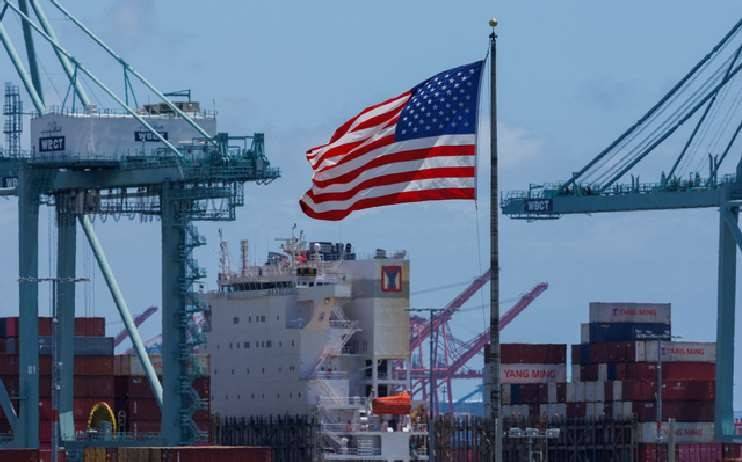
中美关税战胜负已分,人民日报喜讯通告全球,特朗普公布接班人
Sou Hu Cai Jing· 2025-08-09 18:31
Group 1 - The trade war between the US and China, initiated in 2018, has escalated significantly, particularly after Trump's second term began in 2025, with tariffs on Chinese goods reaching as high as 104% [2][3] - The US aimed to reduce trade deficits and bring manufacturing back to the US, but the high tariffs have led to increased costs for American consumers and businesses [2][4] - China's response has been pragmatic, diversifying its export markets and achieving a trade surplus of $586 billion in the first half of the year [3][5] Group 2 - The International Monetary Fund raised China's 2025 economic growth forecast to 4.8%, while the US GDP growth was only 2.0% in the same period, indicating a stark contrast in economic performance [3][4] - Trump's tariffs have not only failed to balance trade but have also led to rising costs for US companies, prompting layoffs and inflationary pressures [4][7] - The global trade landscape is shifting as countries seek to reduce dependence on the US market, with increased cooperation among Asian and European economies [7][11] Group 3 - The trade war has been characterized by a series of tariff increases, with the latest round affecting 69 trade partners, leading to widespread price increases in the US [4][9] - Analysts suggest that the trade war has ultimately benefited China, as it has successfully opened new markets and maintained economic growth, while the US faces increasing internal dissent regarding the long-term impacts of the tariffs [5][9] - The narrative surrounding the trade war has shifted, with many now viewing it as a self-defeating strategy for the US, as evidenced by rising consumer prices and economic stagnation [9][11]
冰冻三尺的美国产业空心化
Sou Hu Cai Jing· 2025-08-09 12:36
Group 1 - The manufacturing sector's share of the US GDP has shrunk to 10%, a historical low, significantly below Japan (21%), Germany (18%), and South Korea (24%), as well as the global average of 15% [2] - The decline in manufacturing has led to severe wealth distribution imbalances, with the bottom 50% of households owning only 2.5% of national wealth, while national debt exceeds $36 trillion [3] - The core issue behind the manufacturing decline is a gap in technical capabilities and talent, with a shortage of 2.1 million skilled workers in the US manufacturing sector [3][10] Group 2 - The US manufacturing industry was once a global leader, producing ships and steel at unprecedented rates during World War II, with high worker benefits and a strong labor-innovation cycle [4] - The decline of US manufacturing began in the late 20th century due to financial liberalization policies that shifted corporate focus from technological innovation to maximizing shareholder value [5] - The financialization of manufacturing led to short-term profits but created systemic risks, culminating in the 2008 financial crisis, which severely impacted companies like General Electric [7][8] Group 3 - Current challenges for the US manufacturing sector include a significant skills gap, cost disadvantages due to aging infrastructure, and a fragmented supply chain [10][11] - Policies aimed at revitalizing manufacturing are often contradictory, such as promoting domestic production while simultaneously tightening immigration policies, which exacerbates labor shortages [11] - The historical rise and fall of US manufacturing highlight the importance of balancing technological innovation, labor rights, and capital returns, providing lessons for other countries like China [12]
特朗普加码关税施压 美国遭三重挑战
Zhong Guo Qing Nian Bao· 2025-08-08 08:02
加拿大广播公司(CBC)报道称,从底特律三大汽车制造商宣布今年将因关税面临数十亿美元的额外成 本,到田纳西州一家不锈钢炊具制造商仅一批货物就被征收7.5万美元的关税,再到咖啡馆因巴西咖啡 豆被加征关税而考虑提高咖啡售价……关税对美国产业链的冲击正快速显现。 平均税率创1934年以来最高纪录 根据7月31日美国白宫公布的行政令,美国将对69个贸易伙伴出口至美国的产品加征高额关税,税率范 围从10%至41%不等。 据美国耶鲁大学预算实验室最新测算,目前美国整体平均关税税率已升至18.3%,创下自1934年以来的 最高纪录。在今年年初,该税率尚在2%至3%之间。 美国《纽约时报》评论指出,特朗普此举标志着美国正在远离以往通过谈判和规则主导的国际贸易体 系,转而推行更为孤立和保护主义的贸易模式。美国康奈尔大学贸易政策教授埃斯瓦尔·普拉萨德将此 称为"全球贸易一体化史上的黑暗一天"。 国际关系学院知识产权与科技安全研究中心副主任、国际政治系讲师孙冰岩对中青报·中青网记者表 示,美国部分加税措施缺乏直接的贸易赤字依据。例如,美国对巴西长期保持贸易顺差,但此次仍对其 商品加征高额关税,反映出政策背后的制造业回流、安全供应链 ...
世纪铝业将重启南卡罗来纳州冶炼厂的生产
Wen Hua Cai Jing· 2025-08-08 02:25
Core Points - Century Aluminum plans to restart idle production at the Mt. Holly smelter in South Carolina, investing approximately $50 million and creating over 100 new jobs, which will increase U.S. aluminum production by about 10% [1] - The restart is attributed to President Trump's commitment to relocating critical metal manufacturing back to the U.S. [1] - The Mt. Holly facility, currently operating at 75% capacity, is expected to reach full production by June 30, 2026 [1] Company Overview - Century Aluminum is a vertically integrated producer of bauxite, alumina, and primary aluminum products, with production facilities in the U.S., Iceland, the Netherlands, and Jamaica [1] - The company focuses on increasing domestic aluminum production in response to market demands and government policies [1] Industry Context - The decision to restart production aligns with broader trends in the U.S. aluminum industry, emphasizing the importance of domestic manufacturing capabilities [1] - The investment and job creation are expected to have positive implications for the local economy and the overall aluminum supply chain in the U.S. [1]

制造业回流将削弱美国跨国公司竞争力
2 1 Shi Ji Jing Ji Bao Dao· 2025-08-07 22:41
Group 1 - The U.S. government is threatening to impose a 100% tariff on imported semiconductor products, which reflects a strategy to encourage high-end manufacturing to return to the U.S. [1] - The tariffs are aimed at creating uncertainty in trade negotiations and are part of a broader strategy to reshape domestic supply chains and reduce reliance on foreign manufacturing [2] - The U.S. has been facing challenges such as a high trade deficit and increasing federal debt, prompting the need for structural changes in its economic policies [2] Group 2 - The proposed tariffs could lead to increased prices for imported goods, potentially raising inflation in the U.S. and complicating the manufacturing landscape [3] - The U.S. is seeking investments from allied countries in high-end manufacturing sectors, including semiconductors and pharmaceuticals, to bolster its domestic industry [2] - China's share of semiconductor exports to the U.S. is minimal, but the broader implications of tariffs could disrupt supply chains and impact U.S. competitiveness in global markets [3] Group 3 - China is focusing on expanding its domestic market and reducing reliance on the U.S. market, with exports showing a 7.2% year-on-year growth in July [4] - The trade value between China and the U.S. has decreased by 11.1% in the first seven months, indicating a shift in trade dynamics [4] - China's manufacturing sector is expected to strengthen its global position through innovation and leveraging its large domestic market [4]
被挖空了?特朗普称台积电将在美追加3000亿投资,台媒:跪久了
Sou Hu Cai Jing· 2025-08-07 06:37
Group 1 - TSMC's investment in the U.S. has reportedly increased to $300 billion, nearly doubling the previously announced $165 billion investment plan [1] - The company has made a strategic decision to exit the Chinese market and focus on U.S. investments amid the ongoing U.S.-China chip war [1][2] - TSMC's initial investment in Arizona was $12 billion, which has since escalated to a total of $165 billion, including plans for additional facilities [1] Group 2 - The U.S. has offered $52 billion in subsidies to attract TSMC and Samsung to build factories in America, with conditions that restrict investments in mainland China for the next decade [3] - Challenges in U.S. chip manufacturing include high costs, talent shortages, and cultural conflicts, with manufacturing costs in the U.S. being at least 50% higher than in Taiwan [5][7] - TSMC's investment progress in the U.S. has faced delays, raising concerns about the feasibility of the U.S. manufacturing revival plan [5][9] Group 3 - The relationship between TSMC and the U.S. is characterized by mutual testing of limits, with TSMC seeking market access and security while the U.S. aims for chip autonomy [11] - There are concerns that TSMC may be underestimating U.S. ambitions and overestimating its own capabilities, leading to potential long-term consequences for the company [11]