全球能源转型

Search documents
2025年中国储能电芯行业技术历程、产业链、出货量、应用格局、竞争格局及发展趋势研判:在全球市场中占主导地位,未来五年出货量将达817GWh[图]
Chan Ye Xin Xi Wang· 2025-10-17 01:16
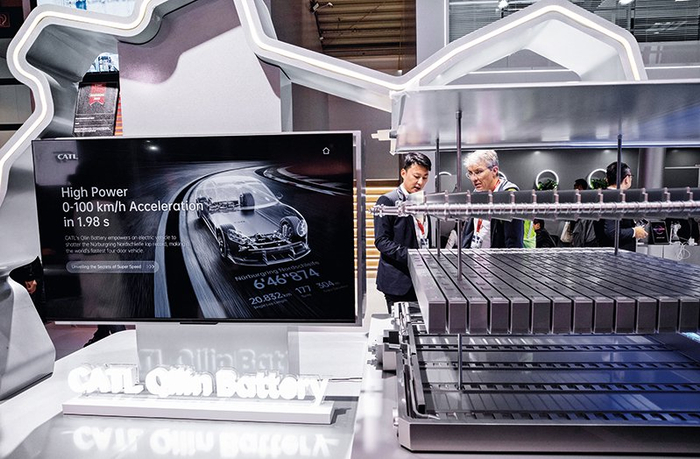
Core Insights - China dominates the global energy storage cell market, with a projected shipment of 301GWh in 2024, accounting for 94.06% of the global market share [1][8] - The energy storage lithium battery market is expected to face supply-demand imbalances in 2025, leading to a "chip shortage" scenario [1][8] - By 2025, China's energy storage lithium battery shipments are anticipated to reach 387GWh, with a potential total of 817GWh over the next five years [1][8] Industry Overview - The global energy storage cell market is transitioning from auxiliary support to core support, with rapid growth in shipments, exceeding 320GWh in 2024 [5][6] - The first half of 2025 saw global energy storage cell shipments reach 240.21GWh, a year-on-year increase of 106.1%, with an expected total of 416GWh for the year [6][8] Market Structure - The energy storage cell industry is categorized into upstream (materials and production equipment), midstream (manufacturing and system integration), and downstream (applications in power generation, grid, and user sectors) [3][8] - The largest application area for energy storage cells is the grid side, which accounted for 57.01% of the market share in 2024 [8] Technological Development - The energy storage cell industry has evolved through three generations of technology, culminating in the development of ultra-large capacity cells [9][10] Competitive Landscape - The global energy storage cell market remains highly concentrated, with major players like CATL, Huizhou EVE Energy, and others expanding their market share through technological advantages and global strategies [10][11] - CATL's energy storage battery revenue reached 572.9 billion yuan in 2024, representing 15.83% of its total revenue [10][11] Future Trends - The energy storage industry is poised for unprecedented growth opportunities driven by global energy transition and carbon reduction efforts, with strong demand for energy storage cells [12][13] - The industry is evolving towards diversification in technology, application scenarios, industrial integration, and long-term value [12][13]




阿根廷矿业部长强调该国在全球能源转型中的重要作用
Wen Hua Cai Jing· 2025-10-16 08:17
Core Insights - Argentina aims to become a key supplier of critical minerals for global energy transition, expanding beyond lithium to include copper, liquefied natural gas (LNG), uranium, and renewable energy [1] - The country possesses a diverse resource base, including the lithium triangle and Patagonia's wind and solar potential, providing a unique platform to support global clean energy transition [1] - Argentina's resource strategy extends beyond lithium, with significant shale gas reserves positioning it as an important LNG exporter and government-supported small modular reactor projects promoting nuclear energy development [1] Industry Environment - Argentina has excellent geological conditions, a mature mining rights legal system, a skilled workforce, and relatively low community conflicts compared to other regions [2] - The approval process for mining projects is reasonable, and societal acceptance of the mining industry is continuously improving [2] - While infrastructure remains a challenge, Argentina's solid fundamentals and transparent regulatory framework provide stability for long-term investments [2] Investment Appeal - The country is actively seeking investment and aims to become one of the most business-friendly nations, allowing companies to operate without unnecessary interference [3] - Argentina welcomes commercial cooperation and is eager to partner with responsible investors committed to advancing global energy transition [3]
瞭望 | “充电”全球
Xin Hua She· 2025-10-14 02:45
Core Insights - The article discusses the rapid growth of the global electric vehicle (EV) market and the corresponding surge in demand for power batteries, with projections indicating that global annual sales of new energy vehicles will need to reach approximately 45 million by 2030, more than three times the sales in 2023 [1] - China's power battery industry is positioned to benefit significantly from this demand expansion, with expectations that global power battery demand will reach 3,500 GWh by 2030, over four times the shipment volume in 2023 [1][2] Industry Overview - The global demand for power batteries is increasingly focused on quality and technical standards, influenced by regulations such as the EU's Battery and Waste Battery Regulation and the U.S. Inflation Reduction Act, which are reshaping the competitive landscape of the power battery industry [2] - China's power battery industry has established the most complete industrial chain globally, with production and sales expected to exceed 1.2 TWh in 2024, contributing approximately 70% of battery materials and 60% of power battery supply [2] Export Trends - Chinese power battery exports have accelerated, with a reported export volume of 111.5 GWh from January to August 2025, marking a 30.3% year-on-year increase and accounting for 64.4% of total production [4] - In the first half of 2025, Chinese companies occupied six of the top ten positions in global power battery installations, collectively holding a market share of 68.7% [5] Strategic Initiatives - Leading Chinese battery manufacturers are adopting localization strategies to enhance their influence in global supply chains, with companies like CATL establishing production bases in the U.S., Germany, Hungary, Spain, and Indonesia [6] - The focus on diversified market expansion includes deepening engagement in mature markets like Europe and the U.S., while also targeting emerging markets in Southeast Asia and Latin America, which are experiencing rapid growth and favorable policy support [7] Collaborative Ecosystem - The article highlights a collaborative model where battery manufacturers lead the charge, supported by upstream material and equipment companies, creating a robust industrial ecosystem that enhances international competitiveness and risk resilience [8] - This model allows companies to better navigate geopolitical challenges and trade barriers, transitioning from product exports to comprehensive outputs of technology, standards, and systems [8] Challenges and Recommendations - Despite the promising outlook, the industry faces challenges such as rising trade barriers, intense technical competition, resource supply vulnerabilities, and stringent compliance requirements [9][10] - To address these challenges, companies are encouraged to strengthen technological innovation, focus on next-generation battery technologies, and enhance local operational capabilities [12] - The article suggests that industry associations should promote self-regulation and price coordination, while governments should improve support policies and engage in international rule-making [12] Future Outlook - The future of China's power battery industry lies in transitioning from "product export" to "system export," aiming to create globally competitive brands that contribute significantly to the global green energy transition [13]
两大央企拿下312亿沙特能源大单!中方通告全球,中沙将举行联训
Sou Hu Cai Jing· 2025-10-12 04:18
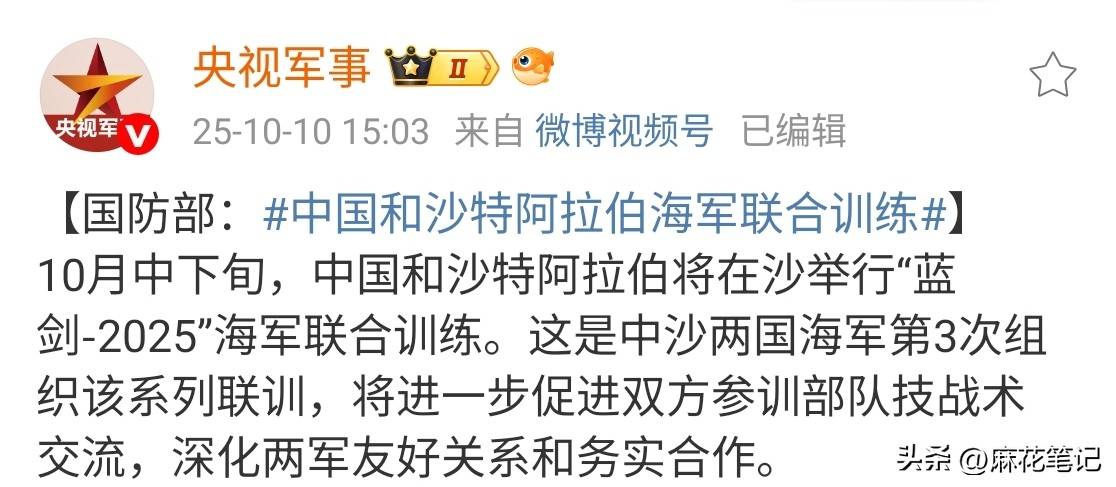
Group 1 - Two major contracts were signed by Chinese state-owned enterprises in the Middle East, marking a significant advancement in their clean energy initiatives [1] - China Electric Power Construction Corporation signed a contract worth approximately 11.719 billion yuan for a 2000MW solar project in Saudi Arabia, which is one of the largest deals in recent years in the region [2] - The project will create stable temporary employment opportunities in Saudi Arabia, benefiting local workers and contributing to the local economy [2] Group 2 - China has established a strong competitive position in the global clean energy sector, particularly in solar energy, providing a low-cost and sustainable energy alternative for resource-rich countries like Saudi Arabia [4] - The International Energy Agency's report indicates that global installed capacity for solar and wind energy is expected to grow rapidly, reaching around 4600GW between 2025 and 2030, which will benefit China's clean energy exports [5] Group 3 - The military cooperation between China and Saudi Arabia is deepening, with joint naval exercises planned, indicating a shift towards more systematic and comprehensive collaboration [8] - The relationship between China and Saudi Arabia is evolving beyond traditional military procurement to a more integrated partnership, reflecting mutual respect and a shared vision for security [8] Group 4 - The recent contracts highlight the ongoing commitment of Chinese enterprises to the overseas clean energy market and the stable advancement of Sino-Saudi relations in energy and defense sectors [9] - As global energy transitions accelerate, collaboration between China and Saudi Arabia in technology, market, and security governance is expected to expand further [9]


铜价驱动,洛阳钼业国庆后涨停,市值冲3800亿背后,铜钴业务依赖存挑战
Hua Xia Shi Bao· 2025-10-11 14:15
Core Viewpoint - Luoyang Molybdenum Co., Ltd. has experienced significant stock price fluctuations, driven primarily by rising copper prices, with a notable increase of 24% in stock price over a few trading days, reaching a historical high of 18 yuan per share [2][4][6]. Company Performance - Since April 9, 2023, Luoyang Molybdenum's stock price has surged by 218%, increasing its market capitalization from 121 billion yuan to a peak of 384 billion yuan, and maintaining a market cap of 357.7 billion yuan as of October 10, 2023 [2][4]. - The company reported a net profit of 8.671 billion yuan for the first half of 2025, reflecting a year-on-year increase of 60.07% [2][11]. Market Dynamics - The stock price of Luoyang Molybdenum is closely linked to copper prices, which have risen from 9,154 USD/ton to 10,867 USD/ton since April 11, 2023, marking an increase of 18.7% [8]. - The company has strategically positioned itself in the copper and cobalt markets, capitalizing on the growing demand driven by the global energy transition [3][10]. Strategic Initiatives - Luoyang Molybdenum has focused on acquiring high-quality mining resources, including significant stakes in world-class mines, which has established a long-term cost advantage [3][9]. - The company has adopted a "mining + trading" dual-driven model to maximize the value of its mining industry chain [6][10]. Challenges and Future Outlook - Despite strong performance, Luoyang Molybdenum faces challenges related to its dependence on cyclical industries and market volatility, particularly in the context of global supply chain uncertainties [2][4]. - The company is exploring new growth paths to reduce reliance on cyclical profits and ensure sustainable growth [2][10].


碳捕集、气候变化……诺奖成果给出的全球能源转型启示
Xin Jing Bao· 2025-10-11 11:00
Group 1 - The 2025 Nobel Prize in Chemistry was awarded to three scientists for their contributions to the development of metal-organic frameworks (MOFs), which can significantly reduce the cost of carbon capture [1][2] - Metal-organic frameworks are described as "molecular buildings" that can be used for various applications, including extracting moisture from desert air, capturing carbon dioxide, and storing toxic gases [2][3] - The cost of the separation step in carbon capture currently accounts for about 70% of the total cost, and using MOF materials for adsorption and separation of CO2 is expected to lower this cost substantially [2][3] Group 2 - Several domestic companies in China are already working on the commercialization of MOF technology, with a focus on applications in solid-state batteries, air dehumidification, and hydrogen storage [6][7] - Wuxi New Storage Materials Technology Co., Ltd. plans to launch a production line for MOF materials by the end of the year, with an expected annual output value of 500 million yuan [6] - Guangdong Carbon Language New Materials Co., Ltd. aims to achieve large-scale production of MOF materials, with plans for a new project that includes an investment of 100 million yuan [6][7] Group 3 - The "1+N" dual carbon policy framework in China emphasizes the importance of carbon capture, utilization, and storage (CCUS) in promoting green and low-carbon transformation [7] - Experts suggest that the largest commercial market for the practical application of the 2025 Nobel Prize-winning technology will be in China [7]
【IEA报告】全球可再生能源2030: 中国将贡献近60%新增容量!
Sou Hu Cai Jing· 2025-10-11 10:49
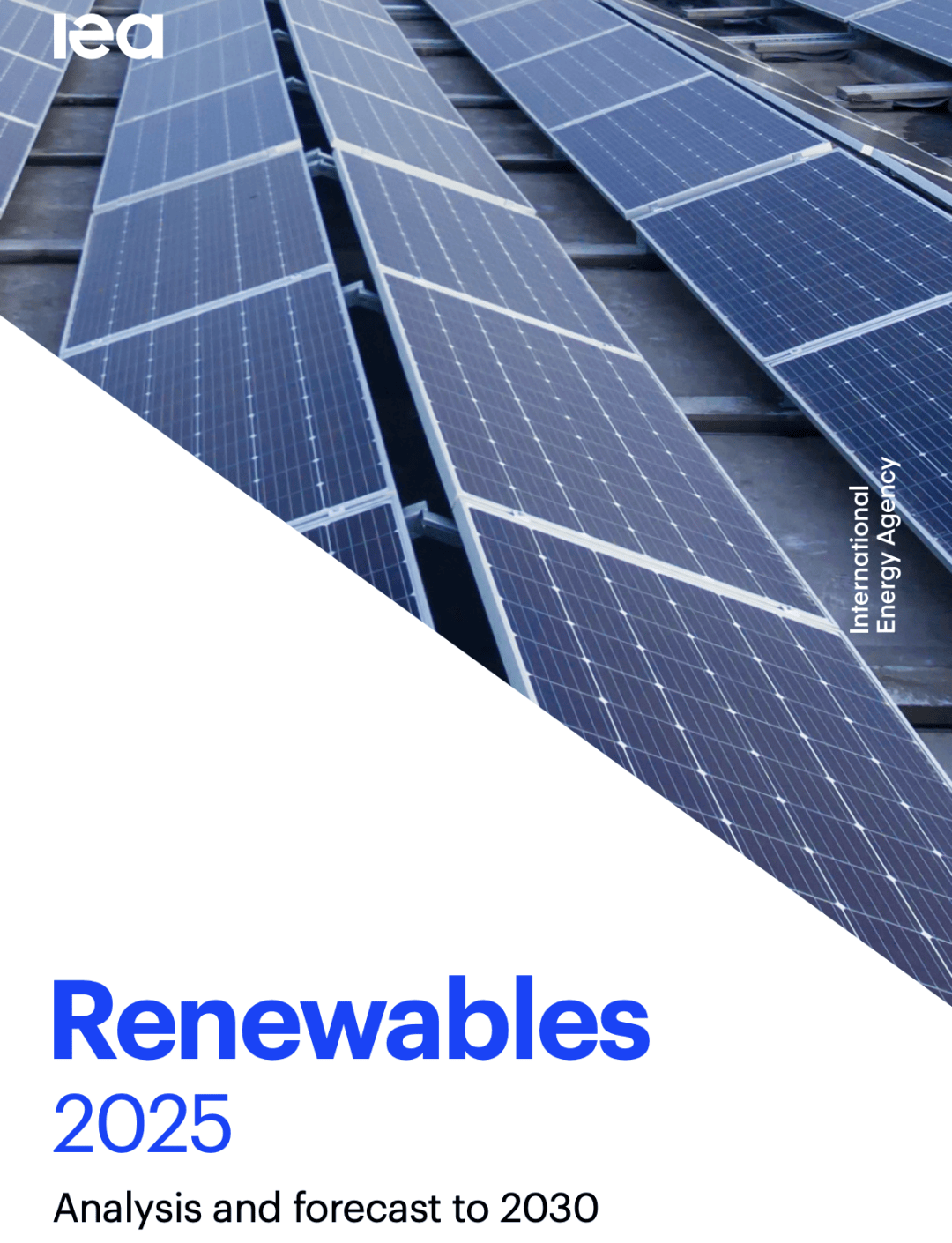
Core Insights - The International Energy Agency (IEA) report titled "Renewables 2025 Analysis and forecasts to 2030" provides a comprehensive analysis of the current state and future trends of global renewable energy deployment, highlighting key dynamics in technology, market, and policy [1] Group 1: Renewable Energy Growth - The report predicts an addition of 4600 GW of global renewable energy capacity from 2025 to 2030, equivalent to the total installed capacity of China, the EU, and Japan combined [3] - Solar photovoltaic (PV) technology is expected to be the main driver of this growth, contributing nearly 80% of the new capacity due to declining module costs, simplified approval processes, and widespread social acceptance [3] - Over 80% of countries are projected to experience renewable energy growth rates exceeding historical levels within the next five years, indicating a global urgency for clean energy [4] Group 2: Regional Insights - China is anticipated to contribute nearly 60% of the global new capacity, although recent policy shifts from fixed pricing to auction systems may slightly slow growth [7] - The U.S. market faces challenges due to the early expiration of tax credits, leading to downward revisions of wind and solar forecasts by nearly 60% and 40%, respectively [7] - The EU aims to increase the share of renewables from 32% to 43% post-energy crisis, while emerging economies like India and Brazil are achieving rapid growth through auction mechanisms and policy incentives [7] Group 3: Supply Chain and Technological Challenges - The report highlights the complexity and risks of the renewable energy supply chain, with China holding 75% of global solar component production and 90% of rare earth magnets for wind turbines [10] - Financial difficulties are prevalent among wind turbine manufacturers, with cumulative losses reaching $1.2 billion, while solar manufacturers are facing negative profit margins due to price wars [10] - The integration of renewable energy into the grid poses challenges, as the share of wind and solar power is expected to double from 15% to 30% by 2030, leading to increased instances of negative pricing and curtailment [10] Group 4: Economic and Environmental Benefits - From 2010 to 2023, newly added non-hydro renewable energy sources have avoided the import of 700 billion tons of coal and 400 billion cubic meters of natural gas, saving fuel-importing countries $1.3 trillion [11] - The penetration rate of renewables in the electricity sector is projected to rise from 32% in 2024 to 43% by 2030, with solar PV expected to surpass hydropower as the largest renewable energy source [11] - The average auction price for solar PV is expected to drop to $41 per MWh by 2024, although significant regional price disparities exist, with U.S. prices being more than double those in Europe [11] Group 5: Policy and Regulatory Framework - Policy design is identified as a decisive factor influencing renewable energy development, with competitive auctions becoming the mainstream mechanism covering 60% of utility-scale project development [14] - The EU's "Renewable Energy Directive III" sets a target of 42.5% renewable energy share by 2030, while the U.S. Inflation Reduction Act continues to support domestic manufacturing despite revisions [14] - Performance standards, such as carbon intensity requirements, are increasingly important, covering 30% of global biofuel demand and becoming key policy tools in regions like Canada and California [14] Group 6: Future Directions and Innovations - The report emphasizes the need for renewable energy expansion to align with system transformation, including the establishment of cross-regional electricity markets and the development of long-duration energy storage [18] - Innovations in technology, such as perovskite solar cells and floating wind farms, are expected to alter the competitive landscape, with significant investments in new technologies from the EU and China [17] - The integration of renewable energy into transportation and heating sectors is lagging but holds significant potential, with biofuels being mandated in aviation and heat pumps becoming a primary decarbonization tool in buildings [18]
惊世大反转!俄罗斯燃油危机爆发,竟向中国紧急进口汽油,免税政策暗藏战略玄机
Sou Hu Cai Jing· 2025-10-10 08:17
Core Viewpoint - Russia, once a dominant player in global oil exports, is now facing a fuel crisis and has begun importing gasoline from China, a move driven by military drone attacks and Western sanctions [1][3][5] Group 1: Energy Crisis in Russia - The fuel shortage in Russia is a result of targeted attacks on oil refineries by Ukrainian drones, leading to the destruction of 21 out of 38 refineries and a significant reduction in oil processing capacity [3][5] - By September, Russia's gasoline production dropped by one million tons, creating a domestic supply gap of 20%, with some regions experiencing severe fuel shortages [5][9] - The price of gasoline has surged by 45% since the beginning of the year, exacerbating the crisis for both civilians and military personnel [5][9] Group 2: Shift Towards China - In response to the crisis, Russia is turning to China for gasoline imports, benefiting from China's status as the world's largest exporter of refining equipment [7][9] - The import deal includes the removal of a 5% import duty and a 13% value-added tax, allowing Russia to cover a monthly gasoline shortfall of 350,000 tons [7][9] - This partnership reflects a broader trend in global energy transition, with China leading in ethanol gasoline technology [7][9] Group 3: Long-term Implications - While importing gasoline provides temporary relief, logistical challenges and ongoing drone attacks threaten the sustainability of this solution [9][11] - The reliance on external aid could undermine Russia's strategic autonomy, as the country faces long-term challenges in restoring its energy production capabilities [9][11] - The situation serves as a warning about the interconnectedness of energy security, technology, and geopolitical dynamics, highlighting the fragility of even the strongest energy nations [11]
应收坏账准备同比大增127%,阳光电源能跑赢周期吗?
阿尔法工场研究院· 2025-10-10 00:07
Core Viewpoint - The article discusses the performance and challenges of Sungrow Power Supply Co., Ltd. as it seeks to maintain its leadership in the renewable energy sector amidst high debt and price wars [1]. Financial Performance - Sungrow's revenue and net profit are expected to double from 2022 to 2024, with leading global market shares in photovoltaic inverters and energy storage systems [2][3]. - The company reported a significant increase in accounts receivable and inventory, with total accounts receivable and notes exceeding 29 billion yuan and inventory nearing 30 billion yuan, while the debt-to-asset ratio remains high at 61% [2]. Business Development - Sungrow has evolved from traditional power supply to renewable energy, establishing a strong presence in five core areas: photovoltaic inverters, energy storage systems, new energy investment, and hydrogen equipment [5]. - The company has achieved a 25.2% global market share in photovoltaic inverters for 2024 and a 11.9% share in energy storage systems, with significant projects in Saudi Arabia and Abu Dhabi [5]. Customer and Supplier Dynamics - The top five customers accounted for 28.4% to 34.4% of revenue from 2022 to mid-2025, indicating a fluctuating but decreasing customer concentration [6]. - The company relies on key suppliers for components like IGBT and transformers, with the top five suppliers representing 16.8% to 28.3% of procurement from 2022 to mid-2025 [6]. Cash Flow and Debt Management - Despite high growth, Sungrow's accounts receivable have nearly doubled, raising concerns about cash flow, with a net cash flow from operating activities of 3.43 billion yuan in the first half of 2025 [7]. - The total liabilities reached 72.61 billion yuan, with a debt-to-asset ratio of 61.3%, indicating significant short-term repayment pressure [8]. Inventory Challenges - Inventory increased by 55.9% to 29.71 billion yuan, with inventory turnover days rising from 168.2 to 181.3 days, reflecting inefficiencies due to industry overcapacity and technological obsolescence [9]. Leadership and Market Position - The company was founded by Cao Renxian, who transitioned from academia to entrepreneurship, leading Sungrow to become a leader in the renewable energy sector [10][11]. - Since its IPO, Sungrow's stock price has increased over sixfold, with significant price fluctuations influenced by market conditions and company performance [12][13]. Industry Risks and Opportunities - The company faces risks from industry overcapacity and price wars, with global production capacity for photovoltaic inverters and energy storage systems exceeding demand [14]. - However, Sungrow's technological advantages and global market presence position it well to benefit from the growing demand for renewable energy solutions, with projections for significant growth in lithium battery storage installations by 2030 [14].

俄罗斯锅炉市场机遇凸显,中国企业的淘金正当时
Sou Hu Cai Jing· 2025-10-09 07:10
Market Opportunities - The Russian boiler market is experiencing growth driven by increasing energy demand and government policy support, with a focus on infrastructure upgrades [3] - The global industrial boiler market is projected to reach $20.99 billion by 2029, with a compound annual growth rate (CAGR) of 6.8% [1] - The HVAC market in Russia is currently valued at approximately $3 billion to $4 billion, with a CAGR of 4.2% to 4.5% [2] Product Categories - Water supply and heating equipment accounts for about 60% of the Russian HVAC market, showing a trend towards diversification [4] - Gas boilers are seeing accelerated localization for mid-to-low-end products, while high-end equipment still relies on imports [4] - Pipes and valves represent 20% to 30% of the HVAC market, with significant exports from China, focusing on material upgrades and technological innovations [4] China-Russia Trade - Trade between China and Russia is steadily growing, with a trade volume of $244.7 billion in 2024, marking a 1.9% increase year-on-year [5] - In the first half of 2025, bilateral trade reached $116.8 billion, reflecting a 1.8% year-on-year growth [6] - Over 9,000 Chinese companies are registered in Russia, supported by the upgraded China-Russia Investment Protection Agreement [7] Exhibition Information - Key exhibitions for Chinese companies entering the Russian market include the Boilers and Burners Exhibition in October 2025 and the HEAT&POWER EXPO in October 2025 [8][11] - The Aquaflame exhibition in February 2026 is also significant, showcasing heating and water supply equipment with participation from over 700 exhibitors [13] Market Expansion Strategies - Chinese companies are encouraged to shift marketing strategies towards brand building and customer-centric approaches [16] - Leveraging cross-border e-commerce platforms like Wildberries can enhance market entry, with incentives for new Chinese sellers [17] - Optimizing logistics and supply chains through digitalization and compliance is crucial for improving cross-border e-commerce efficiency [18] - Localized operations and compliance with regulations are essential for sustainable growth in the Russian market [19]