贸易战

Search documents
外贸展现强大韧性!2025年中国出口同比增长5.5%
Xin Lang Cai Jing· 2026-01-14 04:38
Core Viewpoint - China's export growth in December 2025 reached 6.6% year-on-year, while imports grew by 5.7%, indicating a positive trend despite external trade tensions [1][5]. Group 1: Export Performance - In 2025, China's total export growth was 5.5%, slightly down from 5.9% in the previous year, while imports remained flat compared to a 1.1% increase in 2024 [2][6]. - The strong export performance is attributed to three main factors: 1. A significant decline of nearly 20% in exports to the U.S. was offset by increased exports to the EU and Belt and Road Initiative countries [2][6]. 2. Upgrades in domestic manufacturing and a surge in global AI investments boosted exports of chips and automobiles, counterbalancing declines in traditional labor-intensive goods [2][6]. 3. Fluctuations in U.S. tariffs led to a "rush to export and import" phenomenon, with U.S. imports rising by 7.4% year-on-year from January to September 2025, supporting global trade growth [2][6]. Group 2: Future Export Outlook - For 2026, a potential decline in export growth is anticipated, with estimates around 1.0%, particularly due to high tariffs on U.S. goods [3][7]. - The U.S. trade representative indicated that a 25% decrease in U.S.-China trade is a step in the right direction, suggesting continued challenges in the U.S. market [3][7]. - Despite trade tensions, resilience in exports is expected due to new demands from emerging markets, global AI investments, and China's strong position in midstream and upstream sectors [3][7]. Group 3: Import Dynamics - Import momentum is likely to be affected by the slowdown in exports, but domestic policies aimed at boosting consumption and investment are expected to support demand for consumer goods and bulk commodities [3][7]. - The Central Economic Work Conference emphasized the importance of expanding domestic demand as a key focus for economic policy in 2026 [4][8]. Group 4: Investment Strategies - The Central Financial Office highlighted the need to stabilize investment, which has been declining, by leveraging government investments and optimizing project implementations [4][8]. - The focus for 2026 will be on real estate, infrastructure, and private investments to enhance overall investment contributions to the economy [4][8].
华尔街日报:中国公司挑战世界存储芯片巨头
美股IPO· 2026-01-13 00:11
Core Viewpoint - CXMT is emerging as a significant player in the memory chip industry, competing against established giants like Micron and South Korean firms, driven by the increasing demand for memory chips due to artificial intelligence applications [1][3]. Group 1: Company Overview - CXMT is preparing for a $4 billion stock issuance, marking one of the largest supply initiatives in the chip manufacturing sector this century [3]. - The company has seen its revenue grow nearly threefold in two years, with projections to exceed $3 billion by 2024 [5]. - CXMT's market share in the global DRAM market has risen to approximately 5% based on revenue [5]. Group 2: Market Dynamics - The global DRAM market has been dominated by three companies: Samsung, SK Hynix, and Micron Technology, which are now focusing on higher-margin AI memory chips [4]. - Traditional DRAM prices are expected to rise by over 50% compared to the previous quarter, driven by the demand from AI data centers [4]. Group 3: Technological Advancements - CXMT has made significant technological advancements, with its process technology being only one to two generations behind industry leaders [5]. - The company is led by CEO Zhu Yiming, who has a background in chip engineering and has received support from major Chinese tech firms like Alibaba and Xiaomi [4][5]. Group 4: Geopolitical Context - Despite U.S. restrictions on advanced chip manufacturing equipment, CXMT has made surprising progress in the industry [6]. - The potential for CXMT to supply high-bandwidth memory chips to Huawei raises concerns in the U.S., as Huawei's AI processors are seen as close alternatives to Nvidia's offerings [7][8].


美国强抢后,“中企已转向加拿大”
Guan Cha Zhe Wang· 2026-01-09 04:34
Core Viewpoint - The U.S. intervention in Venezuela's oil sector is perceived as a strategy to weaken China's influence, prompting Chinese refineries to seek alternative oil sources, particularly from Canada [1][6]. Group 1: U.S. Actions and Implications - The U.S. has reportedly demanded Venezuela to reduce ties with China, Russia, Iran, and Cuba, insisting on exclusive cooperation in oil production with the U.S. [1] - Following the U.S. actions, Chinese inquiries for Canadian crude oil have significantly increased, indicating a shift in sourcing strategies among Chinese companies [1][6]. Group 2: Canadian Oil Market Dynamics - Canada is the fourth-largest oil producer globally, with Alberta's heavy oil being similar in nature to Venezuelan crude, making it a potential substitute [2][4]. - The expansion of the Trans Mountain Pipeline (TMX) in May 2024 will enhance Canada's ability to export oil to the Pacific coast, increasing the volume of crude oil shipped to China [2][4]. - Approximately 64% of the oil transported through the TMX pipeline is directed towards China, highlighting China's growing role as a key customer for Canadian oil [2]. Group 3: Economic and Trade Relations - Canadian Prime Minister's upcoming visit to China aims to discuss trade and energy, reflecting Canada's intent to diversify its export markets beyond the U.S., which currently accounts for 70% of its trade [5]. - The Canadian government is concerned about U.S. intentions regarding Venezuela's oil reserves, as both Venezuela and Alberta produce heavy crude oil [5][6]. Group 4: Price and Supply Considerations - The price of Canadian heavy oil has dropped due to the turmoil in Venezuela, creating a significant discount in the North American market [5]. - The price difference between Canadian and Venezuelan crude is currently about $8 to $9 per barrel, which may affect the purchasing decisions of refineries [7]. - The logistical advantage of Canadian oil, with a shipping time of 17 days to China compared to 57 days from Venezuela, enhances its attractiveness as an alternative source [7].

摩根大通交易部门:2026年初开始采取战术性看涨立场:原因及四大首选交易
摩根· 2026-01-07 03:05
Investment Rating - The report indicates a tactical bullish stance for 2026, with a focus on both bullish and bearish factors [2][20]. Core Insights - The macroeconomic environment is improving, characterized by strong earnings growth and a de-escalation of trade tensions [2][16]. - Consumer cash reserves have increased significantly, with the top 40% of income earners holding more cash than at the end of 2019, contributing to higher retail spending [3][6]. - The labor market shows signs of stability, although there are concerns about rising unemployment rates and potential economic slowdowns [10][12]. - Earnings growth is projected to continue, with expectations of a 7.2% revenue increase and a 15.0% rise in earnings per share for the fiscal year 2026 [11][13]. Summary by Sections Macroeconomic Overview - The overall economic outlook is positive, with strong earnings growth and a reduction in trade tensions expected to support market performance [2][16]. Consumer Insights - Adjusted for inflation, the cash reserves of the top 40% of income earners have increased, leading to a significant rise in retail spending, which is a key driver of GDP growth [3][6]. Labor Market Analysis - The labor market is stabilizing, with a slight increase in unemployment rates and a potential for economic slowdown if costs cannot be passed on to consumers [10][12]. Earnings Outlook - Projections for Q4 2025 indicate a revenue growth of 7.6% and an 8.3% increase in earnings per share, with a net profit margin of 12.8% [11][13]. Trade Relations - Improvements in trade relations, particularly between the U.S. and China, are expected to positively impact the market, with a decrease in effective tariff rates [16][35]. Technical Factors - The report highlights that stock buybacks are expected to reach approximately $1 trillion in fiscal year 2026, indicating strong corporate confidence [19][20]. Investment Themes - The report identifies key investment themes, including technology, media, and communications (TMT), as well as international markets, particularly in Asia and Latin America [48].

烯石电车新材料股东将股票由USB Securities Hong Kong Limited转入昌利证券 转仓市值1825万港元
Zhi Tong Cai Jing· 2026-01-06 00:34
Group 1 - The stock of Graphene Electric Vehicle New Materials (06128) was transferred from USB Securities Hong Kong Limited to Changli Securities, with a market value of HKD 18.25 million, accounting for 9.1% [1] - The company announced an agreement where the seller, Happy Growth Group Limited, intends to grant a stock option to the buyer, M2i Global, Inc., for a cash consideration of USD 500,000 (approximately HKD 3.9 million) [1] - The buyer has the option to request the seller to sell 100% of the issued and outstanding limited liability units of the selling company for a total price of USD 100 million (approximately HKD 780 million), payable in cash and shares [1] Group 2 - The board anticipates significant challenges for future investments in the U.S. due to geopolitical tensions, including the Inflation Reduction Act and China's export restrictions on graphite products [2] - The board believes that the potential sale is the most favorable option for enhancing shareholder value and allows the company to focus on its expansion plans in China [2] - The company aims to leverage its existing team's capabilities and resources to provide essential design and technical support, making the terms of the potential sale beneficial for the company and its shareholders [2]
事态开始失控?特朗普动摇了美国国本:美国沦为世界老二已成定局
Sou Hu Cai Jing· 2026-01-04 04:38
Economic Impact - The implementation of aggressive tariff policies by the Trump administration led to a 0.3% contraction in the US economy in Q1 2025, marking the first economic decline in three years [1] - The trade deficit reached a historic high of $136.4 billion in 2025 due to increased import prices and supply chain disruptions [1] - The US inflation rate hit 5.2%, while the Federal Reserve's decision to raise interest rates resulted in interest expenditures accounting for 19.7% of federal finances [3] Consumer Behavior - Consumer confidence plummeted to a three-year low, with households facing increased living costs, leading to a surge in bulk purchasing and cross-border online shopping [1] - The middle class experienced a 5% decline in purchasing power, while the bottom half of households saw a 7.3% drop in income [1] Political and Social Climate - The political landscape became increasingly polarized, with significant criticism from Democratic leaders regarding Trump's policies, leading to a decline in public trust in government [1] - Protests erupted across all 50 states, with up to 5 million people participating at the peak against healthcare cuts and immigration policies [1] Global Trade Relations - The unilateral trade policies resulted in a 12% decrease in exports to the US from the EU, and Canada criticized the tariffs for disrupting North American trade [3] - The trend of de-dollarization accelerated, with countries like Saudi Arabia allowing oil transactions in yuan and the EU promoting local currency trade [3] Corporate Sector - Major US companies like Apple and Boeing experienced significant stock price volatility, contributing to a drop in the Dow Jones index from 40,000 to 35,000 [5] - The trade war and economic policies led to a substantial loss in international tourism, with projected losses reaching $29 billion [1] Manufacturing and Technology - China's manufacturing sector demonstrated resilience, increasing its semiconductor production capacity significantly, with a self-sufficiency rate in AI rising to 37% [6] - The global supply chain remained heavily reliant on China, making it difficult for other countries to find alternatives [6] Long-term Trends - The US's global dominance began to wane, with the dollar's share in global reserves declining by 2% and the emergence of a multipolar world order [8] - The economic growth rate of the US lagged behind global averages by 1.2% by the end of 2025, indicating a shift in economic power dynamics [6][8]

美国老想着制裁中国,结果稀土直接涨价60倍,这回真把自己作死了
Sou Hu Cai Jing· 2026-01-03 18:45
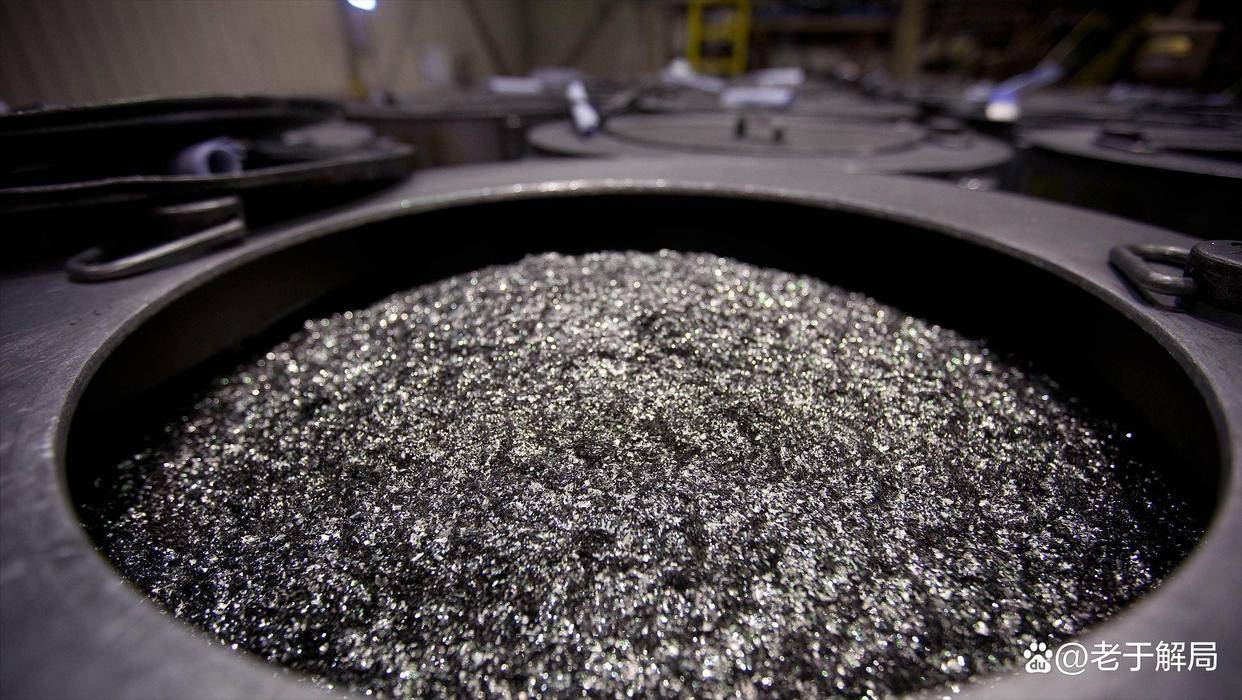
Core Viewpoint - The trade war initiated by the U.S. under President Trump aimed to curb China's economic growth but has backfired, with China leveraging its control over rare earth elements to gain an upper hand, leading to skyrocketing prices and a complex geopolitical struggle [1]. Group 1: Background and Initial Actions - The trade conflict began during Trump's second term, where tariffs were imposed on Chinese high-tech products and chips, prompting China to respond with export controls on seven key rare earth elements, requiring buyers to obtain licenses [3]. - The U.S. military's reliance on rare earth materials for over 80,000 components in weapon systems has raised alarms about potential production halts due to supply disruptions [3]. Group 2: Escalation of Controls - In October, the number of rare earth elements under Chinese export control expanded to twelve, including related equipment and technology, with a significant policy change in December that denied export licenses to entities linked to U.S. military companies [4]. - This tightening of controls has left the U.S. scrambling to find alternative sources of rare earths globally as its inventory dwindles [5]. Group 3: Market Dynamics and Price Surge - European rare earth suppliers capitalized on the situation, raising prices of certain rare earths by as much as sixty times, forcing U.S. companies to purchase at inflated costs to maintain production [6]. - Major Chinese rare earth producers announced a 37% price increase in the fourth quarter, with some heavy rare earth categories potentially seeing price increases of up to five times [6]. Group 4: Trade Route Challenges - China's restrictions on transshipment trade have effectively closed off the last escape route for the U.S., as new requirements for detailed usage proof and customer lists have rendered previous workaround strategies ineffective [9]. Group 5: Domestic Industry Struggles - Despite efforts to boost domestic production, including a $400 million investment in a major U.S. rare earth mining company and high-priced government purchases, rebuilding the complete rare earth supply chain remains a daunting challenge [10]. - The U.S. Department of Energy's additional funding of $134 million for related research is insufficient to address the urgent needs of the domestic rare earth industry [10]. Group 6: Long-term Implications - The U.S. continues to face a significant gap between rare earth demand and domestic production, with ongoing efforts to collaborate with allies like Australia and Canada seen as risk diversification strategies rather than solutions [12]. - Projections indicate that even by 2026, the U.S. will still heavily depend on China for rare earth supplies, highlighting the long-term challenges ahead [12].
美国扛不住贸易战了?36万亿债务压顶,关税反噬让通胀失控,中美博弈真相远超想象
Sou Hu Cai Jing· 2026-01-03 06:19
Group 1 - The U.S. is shifting from a stance of "maximum pressure" to proposing tariff pauses and cooperation discussions with China due to unsustainable federal debt levels, which have surpassed $36 trillion, with interest payments exceeding military spending [1][3] - In 2024, U.S. debt interest payments reached $1.1 trillion, surpassing defense budget for the first time, indicating a significant shift in fiscal priorities [1][3] - The trade war initiated during Trump's second term has inadvertently fueled U.S. inflation, with tariffs on China reaching 145% by April 2025, leading to increased domestic costs and a rise in consumer inflation expectations to 6.7%, the highest since 1981 [1][3] Group 2 - U.S. companies are facing increased operational costs due to rising raw material prices and supply chain disruptions, with major firms like Tesla and Apple increasing investments in China rather than withdrawing [3][4] - The U.S. government has had to provide $30 billion in subsidies to farmers affected by trade disruptions, further exacerbating fiscal deficits [3][4] - China's export controls on rare earth materials, crucial for U.S. defense and technology sectors, pose significant risks to American defense contractors, with 78% of production lines facing potential shutdowns [3][4] Group 3 - China's reliance on U.S. exports has significantly decreased, with its export share to the U.S. dropping from 21.2% to 14% over eight years, while increasing trade with ASEAN and Mexico [4][6] - The technological landscape is shifting, with China making significant advancements in sectors like electric vehicles and renewable energy, while the U.S. struggles with supply chain issues [6][7] - The relationship between the U.S. and China is now characterized as a "strategic stalemate," with both countries adjusting their strategies in response to changing power dynamics [6][7]
回望2025:PTA最值得关注的6个时刻
Xin Lang Cai Jing· 2026-01-03 00:41
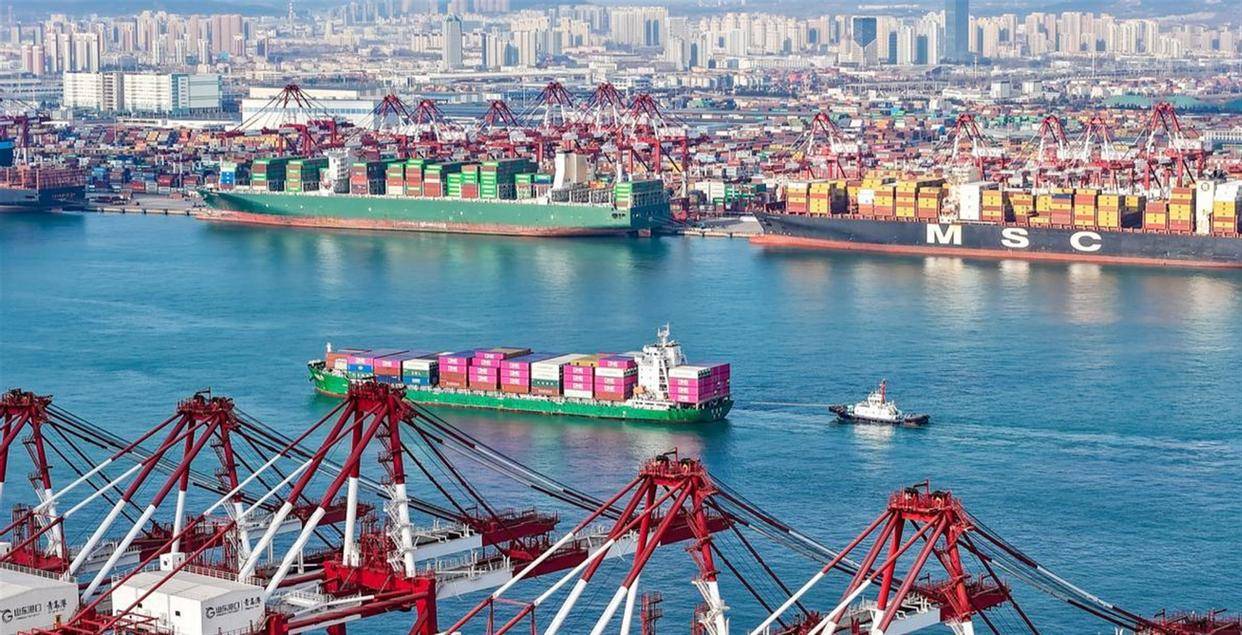
Group 1 - The article discusses significant events affecting PTA prices in 2025, highlighting the impact of the US-China trade war, geopolitical conflicts, and market dynamics on PTA pricing [1][2][4] - In April, PTA prices dropped to a four-year low of 4016 yuan/ton due to a 34% tariff imposed by the US, leading to a total tariff of 54% on Chinese goods and a significant decline in demand [1] - A rebound in PTA prices occurred in May after the US and China made progress in trade negotiations, resulting in the cancellation of 91% of tariffs and a price recovery of over 600 points [1] - The "Israel-Iran conflict" in June caused a spike in PTA prices due to rising crude oil costs, but prices corrected after a ceasefire was reached [1] - By September, the chemical sector faced a downturn as supply outstripped demand, leading to a collective price drop for chemical products, including PTA [2] - A meeting was held in October to address the issue of excessive competition in the PTA and bottle-grade polyester slice industries, aiming to stabilize the market and improve supply-demand dynamics [2] - In December, expectations for PTA improved as production slowed, leading to a significant rebound in prices and increased trading activity [4]

美方终于认错了!特朗普当初真没料到,中国竟敢这样跟美国硬碰硬
Sou Hu Cai Jing· 2026-01-01 20:08
Group 1 - The U.S. announced an additional 34% tariff on Chinese goods, raising the total tariff rate to 54% [1] - China responded swiftly with a reciprocal 34% tariff on U.S. goods, demonstrating a significant shift in its trade strategy [1] - The U.S. underestimated China's economic resilience and structural changes, leading to a miscalculation in the trade conflict [1][28] Group 2 - The trade war escalated, with U.S. tariffs reaching as high as 145%, surpassing historical peaks [3] - The agricultural sector in the U.S. faced severe impacts, with exports of soybeans and corn to China plummeting by 67% and 58% respectively [43] - Manufacturing associations in the U.S. warned that rising raw material costs were undermining the competitiveness of American products [10] Group 3 - China utilized a multi-layered response strategy, including tariffs, export controls, and international advocacy to counter U.S. actions [6][15] - The U.S. faced growing domestic pressure as agricultural and manufacturing states began to feel the economic repercussions of the trade war [7][12] - The trade conflict revealed significant divisions within the U.S. government regarding the approach to China, with differing opinions on the need for a more conciliatory stance [22][24] Group 4 - China's strategic response included optimizing customs processes and enhancing compliance reviews for foreign enterprises, effectively increasing barriers to U.S. goods [30] - The U.S. began to recognize the economic costs of the tariffs, with reports indicating a 0.4% reduction in actual GDP growth due to the tariffs [31] - The trade war prompted a reevaluation of U.S. economic strategies, with some policymakers acknowledging the need for a more balanced approach [49][52] Group 5 - China revised its Foreign Trade Law to strengthen its legal framework against unilateral sanctions, establishing clearer procedures for countermeasures [34][47] - The trade war accelerated China's efforts to enhance its domestic supply chains and reduce reliance on foreign imports, particularly in high-tech sectors [46] - The global response to U.S. tariffs was mixed, with many countries expressing concerns over protectionism and advocating for multilateral trade frameworks [20][47]