
体验经济

Search documents
近六成年轻人买完就后悔?这届消费者的钱都花哪了?
Sou Hu Cai Jing· 2025-07-04 04:23
Group 1 - The core viewpoint of the article highlights the dual nature of youth consumption, balancing rationality and emotional value, with a shift from material ownership to experiential consumption [2][3][5] - Young consumers prioritize both "cost-performance" and "emotional value" in their purchasing decisions, indicating a blend of rational and emotional factors [3][4] - The investment decision logic among young consumers is evolving, favoring "experiential economy" over "brand upgrades" and "IP economy" [2][11][13] Group 2 - The article identifies distinct consumption pain points across different age groups, with young people being impulsive, middle-aged individuals facing issues of excess, and older adults struggling with information overload and quality concerns [8][9][10] - Young consumers are willing to spend on experiences that bring joy, with a significant preference for interests such as trendy items and cultural experiences [6][12] - There is a notable difference in behavior between consumption and investment, where young consumers are more cautious when investing compared to their spending habits [11][12] Group 3 - Both investors and general consumers show a consensus on the potential of immersive cultural tourism projects, new domestic brands, and trendy collectibles [13][14] - The article emphasizes the importance of distinguishing between popular concepts and actual financial performance when investing in new consumption sectors [18][19] - The growth of new consumption is driven by generational shifts and technological advancements, with a strong focus on experiential and service-oriented consumption [19][20]


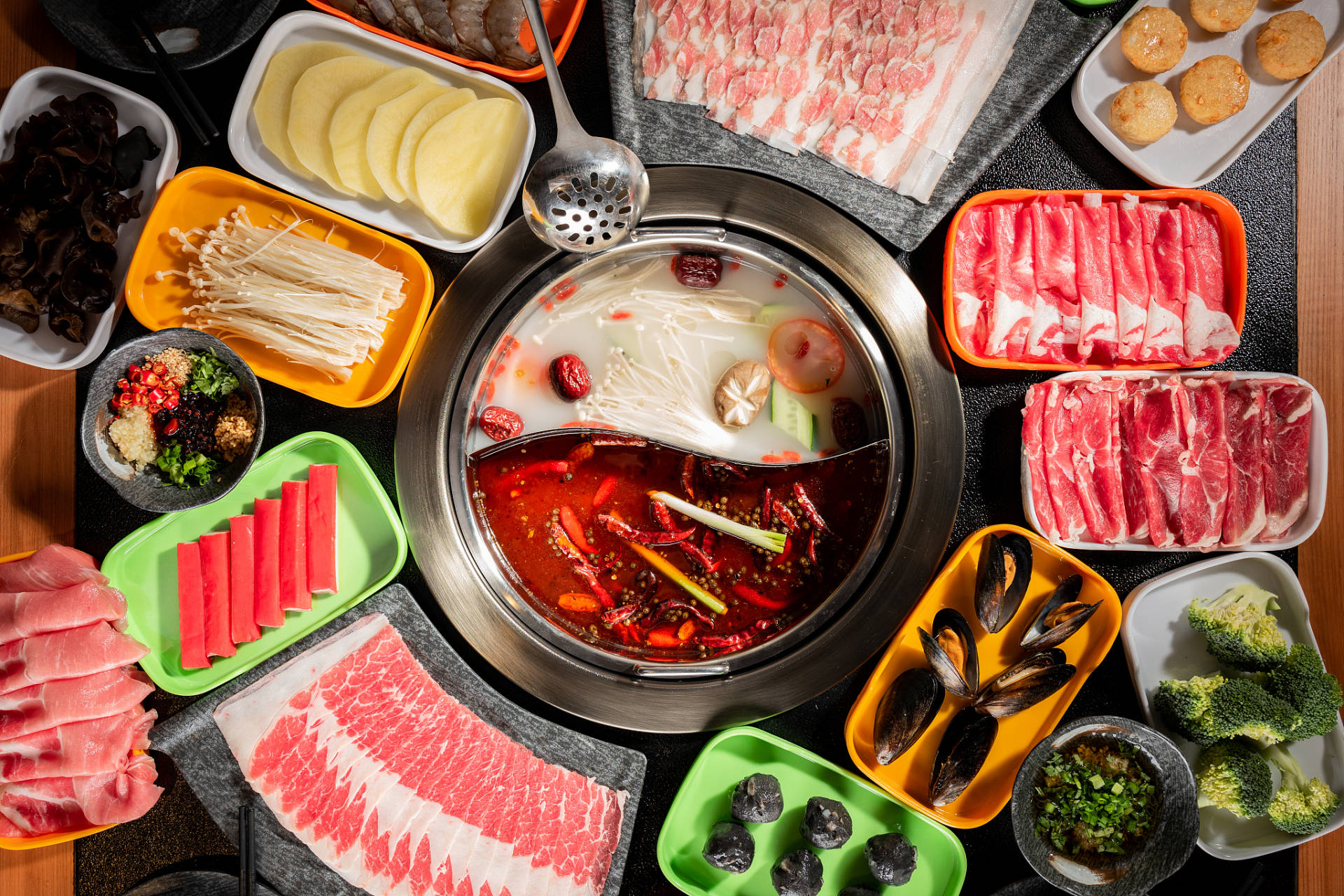
体验即购买:社区火锅烧烤食材店的沉浸式消费升级方法论
Sou Hu Cai Jing· 2025-07-02 09:41
Core Insights - The article highlights the transformation of traditional community ingredient stores into immersive experience centers, emphasizing the importance of sensory engagement in driving consumer purchasing decisions [3][4]. Group 1: Immersive Experience - The concept of "experience-driven purchasing" is introduced, where stores create an interactive environment that enhances consumer trust and satisfaction [3][4]. - A specific community ingredient store, after upgrading to an "experience store," saw a nearly 70% increase in average customer dwell time and a 40% rise in average transaction value [4]. Group 2: Product Transparency - The implementation of visible product sourcing through electronic displays or labels helps establish a trustworthy supply chain from farm to table [5]. - The store features multi-sensory areas, such as tasting stations and live cooking, to create a compelling quality representation of the products [5]. Group 3: Thematic Solutions - The store shifts from merely selling ingredients to offering lifestyle proposals by organizing products into themed collections for various culinary experiences [5]. - The ambiance is enhanced through props and lighting to simulate inviting dining scenarios, which stimulates consumer desire for a better lifestyle [5]. Group 4: Community Engagement - The store fosters community interaction through events like cooking demonstrations and group tasting sessions, which build knowledge and product recommendations among customers [5]. - Initiatives like "neighborhood group tasting plans" and themed social nights encourage customer gatherings, enhancing loyalty and repeat purchases [5].
线下门店激活体验经济 上海商圈消费现新亮点
Zhong Guo Jin Rong Xin Xi Wang· 2025-06-27 12:50
Group 1 - The core viewpoint of the articles highlights the revitalization of Shanghai's commercial districts driven by consumption expansion policies, with retail sales in monitored districts growing by 2.1% year-on-year from January to May, surpassing the overall retail growth rate by 0.7% [1] - The opening of new experiential retail stores, such as the first shopping center store of the domestic beauty brand Huaxizi in Shanghai, is a significant driver of consumer engagement and aims to create an immersive shopping experience [1][2] - Huaxizi is expanding its presence both domestically and internationally, with plans to open its first European store in Paris in September 2024 and its first overseas flagship store in Tokyo in January 2025, indicating a strategic focus on global market penetration [2] Group 2 - The emergence of new retail formats like JD MALL, which integrates online and offline shopping experiences, is becoming a new traffic center, emphasizing immersive shopping spaces centered around home scenarios [2][3] - During the 618 shopping festival, JD MALL locations reported significant foot traffic and sales, with the Beijing Double Qiang store attracting over 100,000 visitors in the first two days and achieving sales exceeding 10 million within two hours of opening [3] - The concept of "experience economy" is rapidly penetrating Chinese consumer life, enhancing market diversity and serving as a crucial engine for economic growth, as consumers value tactile experiences and personal interactions in shopping [3]
茶饮铺垫之后 冰淇淋连锁赛道也热起来了
Jing Ji Guan Cha Wang· 2025-06-27 01:45
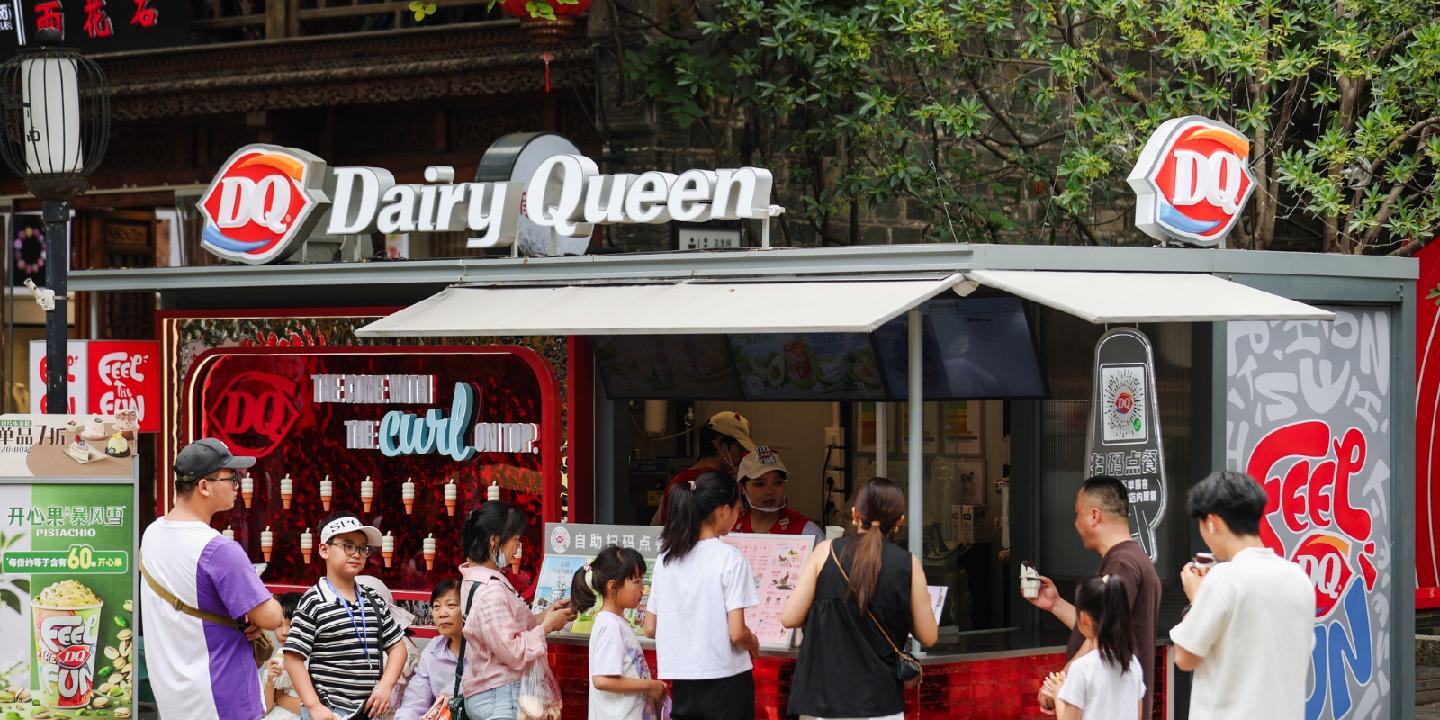
Core Insights - The ice cream chain market is experiencing renewed activity with both new and established brands making significant moves, contrasting with the rapid growth of new-style tea beverage brands [2] Company Developments - DQ has opened its first cake customization store in Nanjing, expanding its store types to three, with a total of over 1,700 locations. The company plans to open 800 new stores in the next three years [3] - DQ's cake sales account for 20% of its revenue, and the brand is responding to changing consumer preferences by offering over 60 cake styles and professional decoration services [3] - Häagen-Dazs is set to implement a major acceleration plan, including refreshing core flavors and expanding its handheld ice cream product line, with increased investment in the Chinese market [4][5] - Häagen-Dazs has faced a decline in customer traffic and a reduction in store numbers in China, indicating pressure on its business model [6] Market Trends - The Chinese ice cream market has significant growth potential, with per capita consumption at only 2.9 kg compared to 25.8 kg in the U.S. and 11 kg in Japan, suggesting that the market is still in a developmental stage [6] - DQ emphasizes the importance of flavor innovation and local customization in store design to attract younger consumers, with a focus on creating a unique in-store experience [6][8] - The emergence of new brands like Mr. Gelato and Bobo Ice Cream indicates a growing competitive landscape, with Mr. Gelato's store count expected to exceed 1,000 by the end of the year [9][10] Consumer Behavior - The shift in consumer preferences towards personalized and experiential consumption is driving brands to innovate and adapt their offerings [10] - DQ has identified seven major consumer segments and is collaborating with popular IPs to enhance its appeal to younger demographics [7] - The market is witnessing a coexistence of consumption upgrade and downgrade trends, with brands like Mr. Gelato maintaining higher price points while appealing to health-conscious consumers [10][11] Future Outlook - The ice cream market is projected to maintain double-digit growth annually, with DQ reporting over 20% growth in sales and profits in the first half of the year [11]
在景区“一站式”体验多重场景
Ren Min Ri Bao Hai Wai Ban· 2025-06-27 01:01
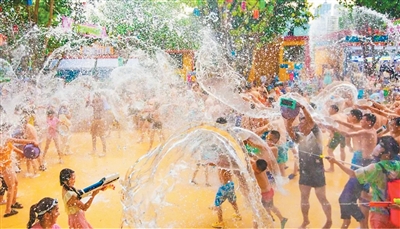
Group 1 - The core idea of the article is the launch of the "2025 Summer Carnival" by Happy Valley Group across 25 cultural tourism projects in 13 cities, aiming to meet diverse entertainment needs for all age groups during the summer season [1][2] - The parks are innovating music scenes to attract visitors, with Shanghai Happy Valley featuring a "Summer Music Stage" and Beijing Happy Valley implementing a "Day Water Night Music" dual venue model [1][2] - Water entertainment is highlighted as a key component of summer tourism, with various water parks offering unique experiences that cater to young visitors' preferences for exotic cultures and social interactions [1][2] Group 2 - The "2025 Summer Carnival" includes the introduction of leisure game IPs and themed water play areas to attract family visitors [2] - Technological advancements are enhancing night tourism experiences, with drone performances becoming a regular feature in several cities, showcasing traditional culture through modern light and shadow techniques [2] - The event reflects a shift in the tourism industry from simple sightseeing to experience-based consumption, emphasizing the need for innovative business models to activate existing spaces and transform attractions into lifestyle platforms [2]
于东来:将关闭多家胖东来门店,因为这些老店已经跟不上服务了
Sou Hu Cai Jing· 2025-06-25 08:51
Core Insights - The news highlights the closure of several iconic stores of the retail chain "胖东来" (Pang Donglai), which has sparked significant discussion within the retail industry. The closures are framed as a strategic choice rather than a sign of failure, emphasizing a shift in business philosophy amidst changing consumer behaviors and market conditions [1][4]. Group 1: Store Closures and Their Significance - The closure list includes three flagship stores: 生活广场店 (Life Square Store), 人民路店 (People's Road Store), and 五一路店 (Wuyi Road Store), which collectively generated over 1.5 billion yuan in annual sales with a gross margin exceeding 30% [3]. - The reasons for closure include outdated facilities, high renovation costs, and operational challenges such as overcrowding and service quality deterioration, which contradicted the company's customer-centric values [3][4]. Group 2: Employee and Consumer Reactions - The company has prioritized the reassignment of 1,327 employees to new stores with a 20% salary increase, alongside providing internal entrepreneurship funds for employees over 40 [7][8]. - The closure has triggered a strong emotional response from consumers, leading to a surge in last-day sales, with average spending increasing fivefold as customers rushed to make final purchases [9][10]. Group 3: Industry Implications and Strategic Shifts - The closures serve as a warning to the retail industry about the challenges faced by traditional supermarkets, including space limitations, reduced shopping time among younger consumers, and a perception shift where 76% of consumers view supermarkets merely as shopping venues rather than lifestyle spaces [13][14][15]. - In response, the company is launching a "satellite store" initiative, focusing on smaller community-based stores and enhancing customer experience through innovative spaces and digital engagement, aiming to create emotional connections that online platforms cannot replicate [17][18][20]. Group 4: Business Philosophy and Long-term Vision - The founder, 于东来 (Yu Donglai), emphasizes a long-term vision over short-term gains, prioritizing employee welfare and customer experience over rapid expansion, which reflects a commitment to sustainable business practices [23][24]. - The philosophy of "断舍离" (decluttering) is applied to the business model, suggesting that closing profitable stores can lead to new growth opportunities, highlighting a balance between scale and customer experience [24][26].

体验经济时代——传统酒厂“景区化”转型的价值重构与实践路径
Sou Hu Cai Jing· 2025-06-25 06:35
Core Insights - The Chinese liquor market is undergoing a significant transformation from a "channel-driven" model to a "consumer-centric" approach, driven by challenges such as overcapacity, brand pressure, and segmented consumer demand [1] - Traditional liquor manufacturers are adopting a "scenic" model to enhance brand value creation, focusing on "scene power," "organizational power," and "user operation power" to address survival challenges [1] Group 1: Production Logic Innovation - Traditional liquor production is shifting from standardized manufacturing to building trust through visualization, with modern wineries transforming industrial processes into tangible brand trust [3] - The proposed transformation by Jinshan Jinmei Group emphasizes "transparency, visualization, and verifiability," allowing consumers to witness the entire brewing process, which has increased brand trust by 47% among visitors [3] Group 2: Marketing Breakthrough in Experience Economy - Jinshan Jinmei is converting production scenes into three value carriers: trust anchors, social currency, and cost optimization [5] - The open fermentation workshop showcases the brewing process, alleviating consumer doubts, while interactive projects generate over 100,000 UGC content, with 38% of spontaneous sharing on platforms like Xiaohongshu and Douyin [5] - The open factory model replaces 30% of traditional advertising, reducing customer acquisition costs by 22% and creating a closed loop of "experience - trust - repurchase" [5] Group 3: Three-Dimensional Deconstruction of Underlying Logic - Trust mechanisms are being rebuilt through sensory experiences that surpass traditional marketing, with immersive education yielding a conversion rate 6.3 times higher than conventional advertising [7] - Social currency is created through shareable experiences, with 72% of participants willing to share their experiences on social media, leading to viral marketing [7] - Cost structures are optimized as the scenic model transforms marketing expenses, saving over one million yuan annually while effectively reaching high-net-worth consumers, with repurchase rates for experience customers tripling compared to regular customers [7] Group 4: Brand Transformation - The practice of Jinshan Jinmei illustrates that the essence of liquor industry transformation is shifting from "selling products" to "selling trust," redefining the brand trust system in the consumer era through experiential marketing [9]

CFB集团首席执行官许惟抡:消费者需求变化快、体验经济盛行、全时段多品类是当下餐饮行业三大趋势
Mei Ri Jing Ji Xin Wen· 2025-06-24 12:14
Core Insights - Foreign chain restaurant brands are increasingly seeking local franchise partners in the Chinese market, with reports of Haagen-Dazs considering store sales and Starbucks China potentially being acquired by Hillhouse Capital [1] - The rapid changes in consumer preferences, especially among younger consumers, are driving the need for brands to innovate and adapt quickly to avoid being eliminated from the market [1] - DQ, a long-established brand in China, plans to accelerate its store redesign process from 1.5 years to 1 year to keep pace with consumer demands [1] Company Developments - DQ currently operates nearly 1,800 stores in China and aims to open an additional 800 stores over the next three years [1] - The Chinese ice cream market is experiencing intense competition, but DQ anticipates at least double-digit growth annually in this sector [1] - DQ's CEO highlighted three major trends in the Chinese restaurant industry: faster changes in consumer tastes, the rise of experience economy, and the need for stores to cater to various consumption scenarios [1] Industry Trends - The trend towards multi-category offerings is evident, with DQ expanding its menu to include cakes, beverages, and burgers, aligning with strategies from other chain brands like Nayuki and Tims [2]
彻底玩完了!30万家理发店倒闭后,消费者给所有时尚沙龙上了一课
Sou Hu Cai Jing· 2025-06-24 07:50
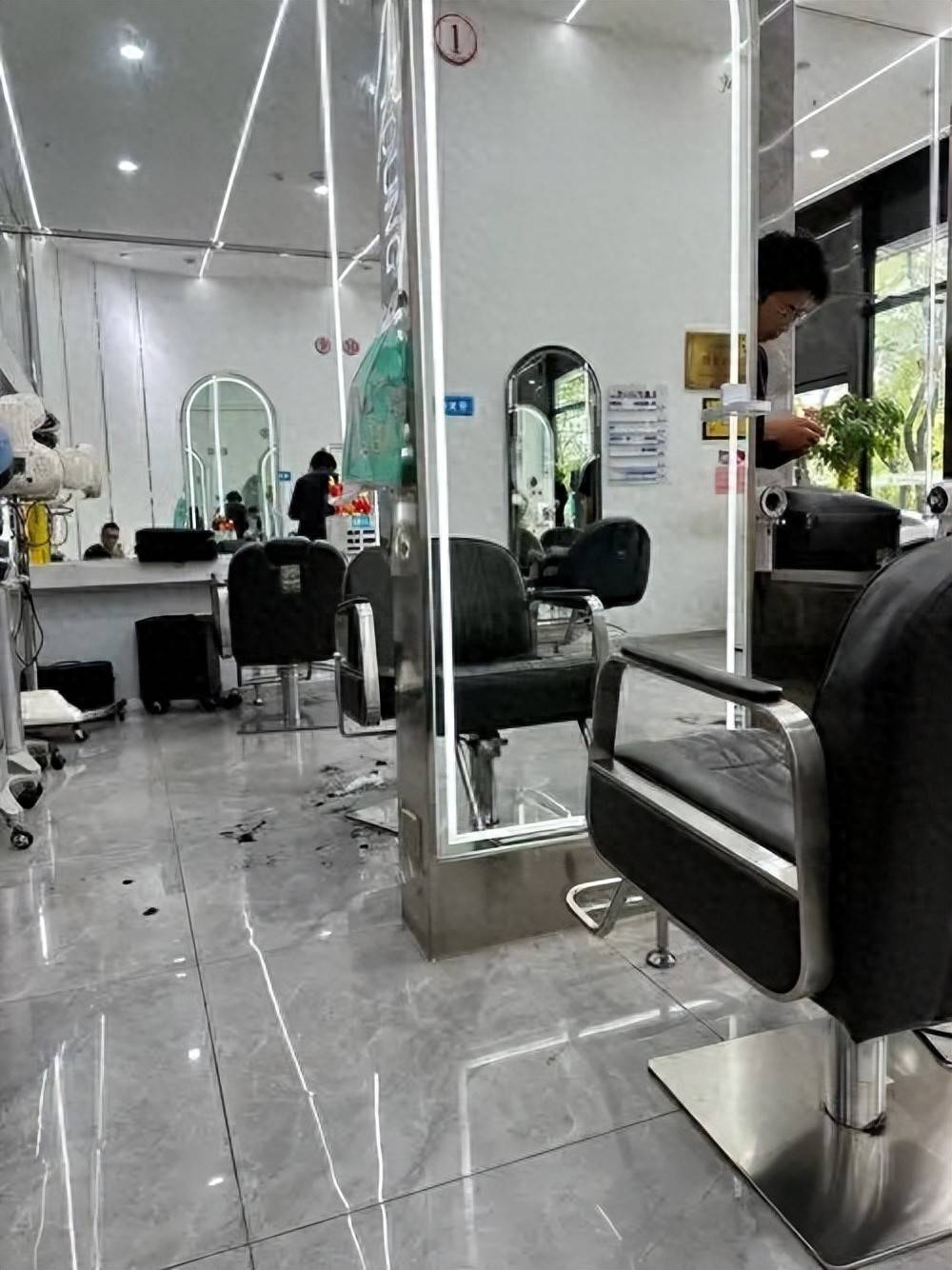
Core Viewpoint - The hair salon industry is facing a significant crisis, with many traditional salons closing down due to changing consumer preferences and increased competition from low-cost quick-cut shops and DIY hair products [1][36]. Market Environment - Consumers are becoming more pragmatic and unwilling to spend large amounts on elaborate hairstyles [3][36]. - Quick-cut shops have capitalized on this trend, offering haircuts for as low as 10 to 20 yuan, appealing to customers looking to save time and money [4][6]. Competitive Landscape - Traditional salons often charge starting prices of 30 to 50 yuan, with higher-end services exceeding 100 yuan, making them less attractive compared to quick-cut shops [6][21]. - The influx of low-cost quick-cut shops has put immense pressure on small salons, forcing them into price wars that erode profitability [8][21]. Consumer Behavior - Many consumers are opting for DIY hair solutions, such as electric hair clippers and home dye kits, which are significantly cheaper than salon services [10][12]. - The trend of "精致懒" (refined laziness) has led to a decrease in salon visits, with some consumers only going once every six months [31][32]. Internal Challenges - The hair salon industry is saturated, with over 1.144 million salons in 2021, leading to a lack of differentiation in services and styles [16][36]. - The quality of service is declining due to low entry barriers for hairdressers, with many lacking proper training and experience [24][26]. Financial Pressures - Salons face rising costs for rent, labor, and utilities, making it difficult to maintain profitability while competing on price [26][28]. - Many salons are struggling to balance the need to raise prices with consumer resistance to higher costs [28][36]. Industry Trends - The number of new salons registered has increased, but over 300,000 salons have closed in recent years, indicating a troubling trend for the industry [36][37]. - To survive, salons must shift from a "scissors business" to an "experience economy," focusing on quality service, transparent pricing, and adapting to digital trends [37][38].
高中毕业生旅游预订热度同比激增137% “准考证经济”带动文旅消费热
Zhong Guo Qing Nian Bao· 2025-06-20 22:44
Core Insights - The "Exam Admission Ticket Economy" is driving a surge in tourism consumption among high school graduates in China, with a 137% year-on-year increase in travel bookings during the gap between exam completion and college application [1][2] - Various tourist attractions are offering significant discounts or free entry to graduates, aiming to attract a price-sensitive demographic and enhance brand visibility through social sharing [1][4] Group 1: Industry Trends - Tourist attractions are shifting from a "ticket economy" to an "experience economy," focusing on immersive and interactive experiences to boost secondary consumption and brand loyalty [4] - The consumer base is becoming younger and more individualized, with post-2005 youth showing a preference for unique travel experiences such as educational tours and cultural explorations [4] - The potential of lower-tier tourism markets is becoming evident, with increased traffic to county-level and third- and fourth-tier attractions [4] Group 2: Company Strategies - Companies like Guangzhou Zhengjia Cultural Tourism Group are implementing ticket discounts to increase visitor numbers, even if it temporarily reduces per capita revenue, with the aim of long-term brand building [1][4] - The Anhui Huizhou Tourism Group is diversifying its offerings by introducing educational courses and intangible cultural heritage experiences to capitalize on secondary spending [1][4] - Companies are encouraged to develop a comprehensive "experience-product-service" system that aligns with young people's interests, utilizing technologies like AI and VR to create engaging products [4]