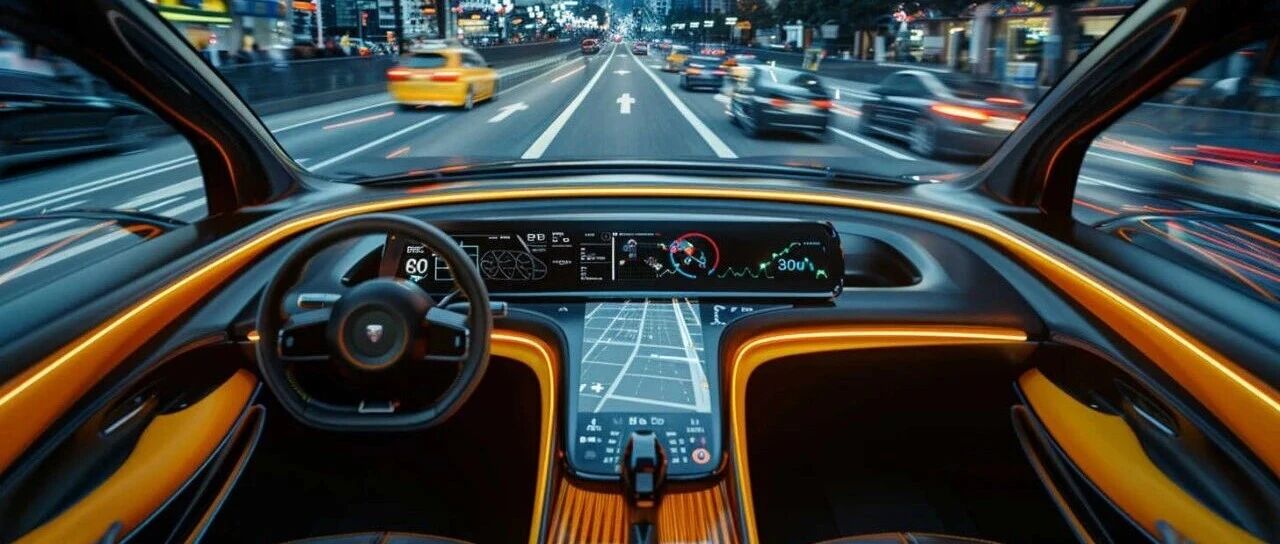
智能网联汽车

Search documents
L3级别自动驾驶落地,但我们还没准备好
3 6 Ke· 2025-12-17 12:22
Core Insights - The Chinese automotive industry is entering a new era with the approval of the first L3 conditional autonomous driving models by the Ministry of Industry and Information Technology, specifically the Changan Deep Blue and BAIC Arcfox electric sedans [1][4] - This marks a significant transition from "driver assistance" to "autonomous driving," allowing vehicles to operate on designated roads under certain conditions [4][20] - The introduction of L3 technology signifies a shift in the automotive landscape, where the roles of the driver and the system are reversed, with the system taking primary control [12][21] Group 1: Importance of L3 Level - The approval of L3 vehicles is a milestone, as it represents a new classification in autonomous driving, fundamentally different from previous levels [6][20] - L3 and higher levels (L4, L5) indicate a significant advancement in technology, where the system can make driving decisions independently, reducing the driver's role to that of a safety monitor [12][21] - The transition to L3 is crucial as it implies that the driver is no longer the absolute authority in driving, allowing for greater freedom in activities while the vehicle is in operation [21][30] Group 2: Technical Requirements for L3 - Achieving L3 autonomy requires advanced technology, including powerful chips and various sensors to process environmental data and make real-time decisions [23][24] - The computational power needed for L3 starts at 30 TOPS, significantly higher than the 10 TOPS required for L2, indicating a substantial increase in data processing capabilities [23][27] - The L3 approval is not just beneficial for automotive brands but also for chip manufacturers and sensor suppliers, highlighting the interconnected nature of the industry [29] Group 3: Challenges Ahead - Despite the progress, there are significant hurdles to overcome before L3 can be widely adopted, including legal frameworks that currently center around human drivers [31][32] - Social acceptance and trust in L3 technology remain critical issues, as the public must adapt to the new dynamics of autonomous driving [31][32] - Infrastructure compatibility is another challenge, as existing road designs and traffic behaviors are primarily based on human drivers, which may not align with L3 system capabilities [32]


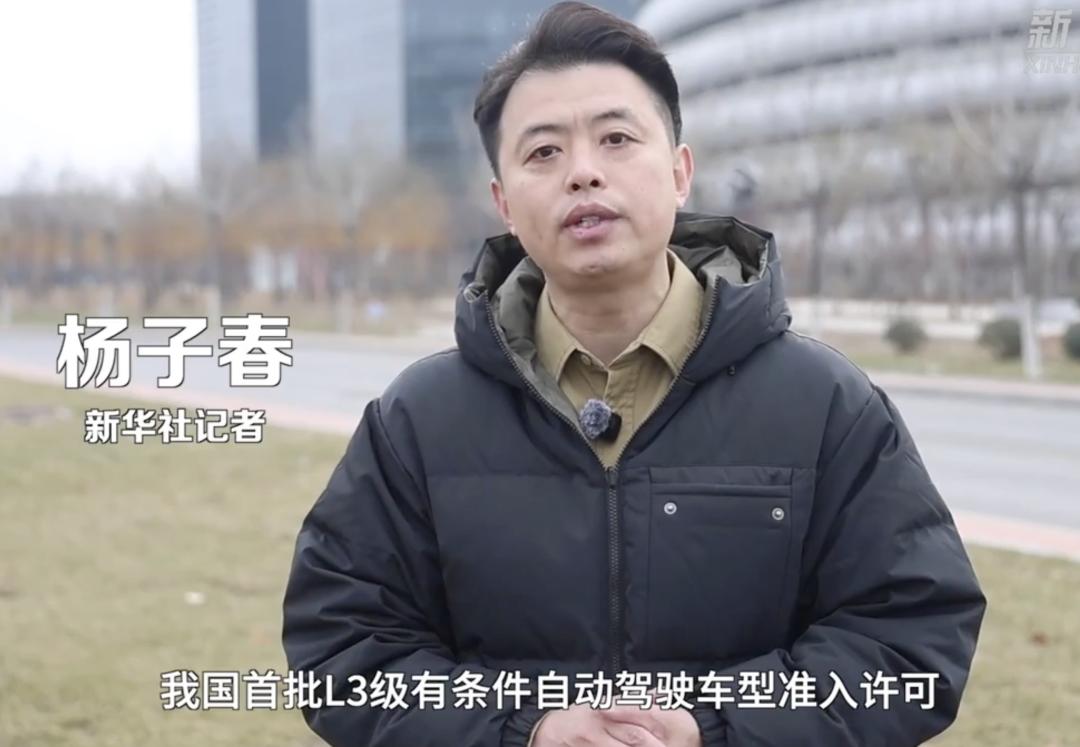
创远信科(920961):拟收购微宇天导向全域测试服务平台转型,与信通院合作深化“6G+卫星”方向
Hua Yuan Zheng Quan· 2025-12-17 11:06
Investment Rating - The investment rating for the company is "Accumulate" (maintained) [5] Core Views - The company plans to acquire Weiyu Tiandao to transform into a comprehensive testing service platform and deepen collaboration with the China Academy of Information and Communications Technology in the "6G + Satellite" direction [5][7] - The company is positioned as a leading domestic high-end wireless communication testing instrument provider, focusing on 5G/6G communication, Beidou navigation, and semiconductor RF sectors, while expanding into automotive networking and satellite internet applications [8] Financial Summary - The projected net profit for the company from 2025 to 2027 is estimated to be CNY 0.19 billion, CNY 0.34 billion, and CNY 0.49 billion, corresponding to a price-to-earnings ratio of 226.5, 130.4, and 89.3 times respectively [6] - Revenue for 2025 is expected to be CNY 269 million, with a year-on-year growth rate of 15.51% [9] - The company anticipates a net profit of CNY 19 million in 2025, reflecting a year-on-year increase of 54.91% [9] Strategic Initiatives - The company aims to integrate communication testing systems with navigation testing systems through the acquisition of Weiyu Tiandao, which specializes in satellite navigation testing technology [7][8] - Recent strategic agreements include collaboration with the East China branch of the China Academy of Information and Communications Technology to establish a testing and verification center for next-generation 6G communication and satellite internet [8]
激活新动能,北京“智造”抢占竞争制高点
Xin Jing Bao· 2025-12-17 10:55
Group 1: Smart Manufacturing in Beijing - Beijing's smart manufacturing system is exemplified by fully automated operations and digital management from material delivery to vehicle assembly [1][2] - Companies like Broadlink, BAIC, and HeLiSi are leading the charge in smart manufacturing, showcasing Beijing's advancements in the electric vehicle and intelligent manufacturing sectors [1][3] - The city aims to enhance its industrial structure and competitiveness in electrification and intelligence, positioning smart manufacturing as a key driver of economic growth [1][3] Group 2: Technological Innovations - Broadlink has pioneered the development of a domestic AI platform, AecGPT, which empowers the construction industry with digital solutions [2] - HeLiSi has introduced an integrated intelligent system for production management, enhancing factory flexibility and resilience [3] - The commercial aerospace sector is also being encouraged, with companies like Beijing Kaiyun leading innovations in data asset evaluation [3] Group 3: Automotive Industry Developments - By 2025, Beijing's electric vehicle ownership is projected to reach 1.2 million, nearly three times the number at the end of the 13th Five-Year Plan [4] - The production of new energy vehicles in Beijing is expected to increase significantly, with a forecast of 300,000 units in 2024, a 15-fold increase from 2020 [4] - The city is focusing on optimizing its automotive industry structure to enhance competitiveness in smart and connected vehicles [4][5] Group 4: Strategic Emerging Industries - Beijing is witnessing a surge in new industrial momentum, particularly in advanced manufacturing sectors like electronics, intelligent equipment, and aerospace [6] - The city has become a hub for commercial aerospace, with a significant number of top companies based there, indicating a strong growth trajectory [6] - An action plan for accelerating innovation in commercial aerospace has been developed, outlining key tasks to foster rapid development [6] Group 5: Digital Transformation Initiatives - The Beijing Municipal Bureau of Economy and Information Technology has set ambitious goals for digital transformation in manufacturing, aiming for a 70% CNC rate in key processes by 2026 [7] - The plan includes the establishment of national-level intelligent manufacturing benchmark enterprises and the creation of numerous smart factories and digital workshops [7] - The focus on large-scale application of new technologies and products is integral to Beijing's strategic development goals [7]

想象一下:你坐在办公室,你的车自己出去跑网约车赚钱
Huan Qiu Wang Zi Xun· 2025-12-17 10:23
Core Viewpoint - The approval of L3 level conditional autonomous vehicles in China marks a significant step towards the commercialization of advanced driving technologies, indicating that the automotive industry is undergoing a profound transformation driven by intelligence [2][5]. Group 1: Approval and Testing of L3 Autonomous Vehicles - The Ministry of Industry and Information Technology has approved two models of L3 level autonomous vehicles for market entry, representing the first batch of such vehicles to receive road permits in China [2]. - Beijing and Guangzhou have also issued road testing licenses for L3 level autonomous vehicles, initiating regular testing on urban expressways [4]. Group 2: Understanding L3 Level Autonomous Driving - L3 level autonomous driving allows vehicles to operate independently under specific conditions, contrasting with L2 and below, where human drivers must maintain control [5][6]. - The approved L3 vehicles can operate on designated roads, with speed limits of 50 km/h in Chongqing and 80 km/h in Beijing, but they still require driver intervention in complex situations [5][6]. Group 3: Technological Requirements for L3 Level - Achieving L3 level requires significant redesign of vehicle systems, including braking, steering, and perception capabilities, which are essential for safe autonomous operation [7]. - The L3 level vehicles are equipped with multiple sensors, including LiDAR and cameras, to enhance environmental perception and decision-making capabilities [7]. Group 4: Future of Higher-Level Autonomous Driving - L4 level autonomous driving is already being tested in specific areas, with plans for broader implementation by 2025, although these vehicles still require oversight from safety personnel [8][9]. - The global landscape for autonomous driving is evolving, with approximately 50 countries allowing testing or operation of autonomous vehicles, indicating a dual-track development approach [8]. Group 5: Vision for L5 Level Autonomous Driving - L5 level autonomous driving aims for full autonomy in all driving conditions, potentially allowing vehicles to operate as independent income-generating entities, such as running ride-sharing services [10]. - Industry experts predict that by 2030, smart assisted driving will be widely adopted, paving the way for large-scale market entry of autonomous vehicles [10].
抱紧检测金饭碗,中国汽研的生意经
市值风云· 2025-12-17 10:07
Core Viewpoint - The article highlights the dual nature of the automotive testing industry in China, emphasizing the stability provided by mandatory vehicle inspections and the growth potential in research and development testing, particularly in the context of electric and smart vehicles. Group 1: Mandatory Vehicle Testing - The automotive testing industry in China has high entry barriers, with only six institutions authorized to conduct mandatory inspections for new vehicles [7] - China Automotive Research (中国汽研) is one of these six national-level testing institutions, holding a significant position in the market due to its regulatory authority [8] - The mandatory nature of these inspections creates a stable revenue base for China Automotive Research, with a client list that includes major manufacturers like BYD, Seres, and Changan [9] - In the first nine months of 2025, the company achieved revenue of 3.02 billion yuan, with the automotive technical service business contributing 2.75 billion yuan, accounting for 91% of total revenue [9] - The gross margin for the automotive technical service business was 48.4% in 2024, indicating strong profitability [9] Group 2: Growth Opportunities in R&D Testing - The article identifies R&D testing as a new growth area, driven by the rise of electric and smart vehicles, shifting competition towards aerodynamics, noise reduction, and intelligence levels [11] - Wind tunnel testing is highlighted as a critical resource for measuring aerodynamic performance, with China Automotive Research having a state-of-the-art wind tunnel facility in Chongqing [11] - The demand for advanced testing capabilities, such as those for intelligent driving systems, represents another potential growth point for the company [12]


车企打响L3冲刺赛
Hua Er Jie Jian Wen· 2025-12-17 07:05
P 175 随后,小鹏、理想也先后官宣获得L3级道路测试牌照,后续分别在广州、北京两个城市开展常态化L3级道路测试;华为的鸿蒙智行以及比亚迪则已联合深 圳相关部门开启L3级有条件自动驾驶内测。小鹏、极氪等品牌也宣布,其市售车型已经为L3级自动驾驶做好了硬件预埋。 作者 | 柴旭晨 编辑 | 周智宇 由系统掌权的智驾时代渐行渐近。 日前,工信部公布了首批L3有条件自动驾驶功能车型准入许可,首批准入车型包含深蓝SL和极狐阿尔法S(L3版)。 就在准入车型公布的同一天,华为车BU发文称极狐阿尔法S采用的是乾坤智驾ADS系统,搭载了包含三颗激光雷达在内的34颗高性能传感器。这意味着,在 华为的托举下,北汽成功入围L3智驾赛道。 据了解,申报需要明确试点车型、使用场景、速度范围等限制性条件,若工信部决定准入的,需要设置准入有效期、实施区域等限制性措施。同时,随着政 策要求的升级调整,会产生一些新的变化,这就要求车企跟着最新的标准或要求走。 对此,中国汽车标准化研究院总工程师孙航表示,此次发布特别强调了附条件准入,将允许开启自动驾驶功能的路段限定在典型、低风险场景中,意在通过 小切口起步、安全有序推进自动驾驶技术稳妥落地 ...
科技日报:统筹好创新与安全 自动驾驶才能行稳致远
Ke Ji Ri Bao· 2025-12-17 00:33
近日,工业和信息化部按照道路机动车辆产品准入工作程序,正式附条件许可两款搭载L3级有条件自 动驾驶功能的汽车产品,在推动智能网联汽车技术创新、逐步扩大应用场景方面迈出坚实一步。 我国将驾驶自动化分为L0级到L5级共6个级别,其中,L0代表完全由人类驾驶,L3对应有条件自动驾 驶。此次L3级汽车产品的获批,意味着自动驾驶车型首次以产品形态进入市场,也标志着我国智能网 联汽车准入和上路通行试点进入新阶段。 当前,人工智能、大模型等技术加速上车,自动驾驶正从研发试验、示范运行阶段,走向限定场景下的 量产应用,能力边界不断拓展。但与实验室和示范区不同,汽车产品真正进入市场,意味着要面对真实 道路、真实用户和真实风险。对自动驾驶来说,安全是第一考量。正是在这样的背景下,我国选择"小 切口起步、附条件实施"的方式,以包容审慎的监管护航自动驾驶安全落地。 从制度设计看,本次许可的核心不在于"放开",而在于"划线"。智能网联汽车是高度复杂的跨学科系 统,其成熟与否不仅取决于技术指标,更取决于安全责任是否清晰、治理体系是否完备。此次由工业和 信息化部牵头,会同公安、交通等部门,构建起"产品准入+上路通行"的双轨机制,通过并行审 ...
L3级自动驾驶车型产品获准入许可 智能网联汽车迈入量产应用
Shang Hai Zheng Quan Bao· 2025-12-16 18:45
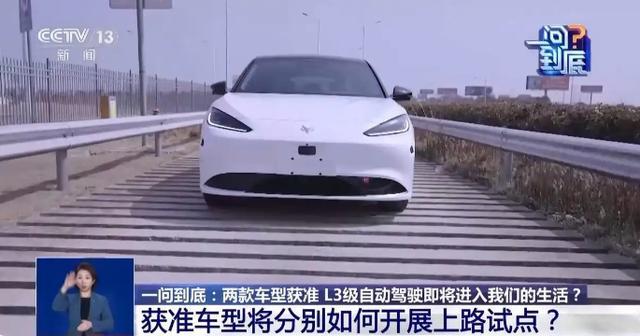
L3级自动驾驶正式"持证上路" 记者了解到,这次公布的两款车型,来自重庆长安汽车股份有限公司和北汽蓝谷麦格纳汽车有限公司。 一款长安牌纯电动轿车,可以实现在交通拥堵环境下高速公路和城市快速路单车道内最高时速50公里的 自动驾驶功能,目前该功能仅限在重庆市有关路段开启。一款北汽集团旗下极狐牌纯电动轿车,可以实 现高速公路和城市快速路单车道内最高时速80公里的自动驾驶功能,目前该功能仅限在北京市有关路段 开启。 据工业和信息化部信息,下一步,两款车型将由重庆长安车联科技有限公司、北京出行汽车服务有限公 司两家使用主体在上述区域内开展上路通行试点。相关部门将加强车辆运行监测和安全保障,不断健全 智能网联汽车准入管理和标准法规体系,推动我国智能网联新能源汽车产业高质量发展。 12月15日,工业和信息化部公布我国首批L3级有条件自动驾驶车型准入许可,两款分别适配城市拥 堵、高速路段的车型将在北京、重庆两地指定区域开展试点。 "我国自动驾驶在发展进程中迈出了重要一步,L3级自动驾驶从测试阶段开始迈入商业化应用阶段。"同 济大学汽车学院汽车产业与技术战略研究中心主任王宁告诉上海证券报记者,这表明L3级自动驾驶技 术成熟度得 ...

L3级自动驾驶开闸 智能汽车板块大幅上涨
Zheng Quan Shi Bao· 2025-12-16 18:09
Group 1 - The A-share smart car sector experienced significant gains, with stocks like Hanxin Technology and Wanjie Technology hitting the daily limit, indicating strong market interest in the sector [1] - China's first batch of L3 conditional autonomous driving vehicle permits has been officially announced, marking a transition from testing to commercial application in the smart connected vehicle industry [1] - The Ministry of Industry and Information Technology's recent plan emphasizes the approval of L3 autonomous driving vehicle production, which is expected to catalyze industry growth by 2026 [2] Group 2 - Assisted driving features are becoming a crucial factor in Chinese consumers' car purchasing decisions, with several automakers already capable of mass-producing L3 level vehicles [2] - The net buying amount of financing funds for smart car concept stocks exceeded 1 billion yuan, with Hikvision and Jianghuai Automobile leading in net buying amounts [2] - Hikvision's automotive electronics division focuses on smart driving sensors, achieving rapid revenue growth and establishing a leading position in the domestic smart driving sensor market [2][3] Group 3 - Desay SV's smart cockpit business aims to enhance human-machine interaction for future smart travel scenarios, indicating a trend towards integration of smart driving and smart cockpit technologies [3] - Predictions indicate that 19 smart car concept stocks may see net profit growth exceeding 30% in 2025, with companies like Foton Motor and SAIC Group expected to double their net profits [3] - SAIC Group's strategic partnership with Huawei is anticipated to enhance its technological capabilities and market competitiveness in the smart and high-end vehicle sectors [3]
首批两款L3准入车型,均暂不能变道
第一财经· 2025-12-16 16:06
Core Viewpoint - The article discusses the recent approval of two L3 conditional autonomous driving models, highlighting their limitations in terms of lane changing and speed restrictions, which has sparked market discussions [3][4]. Group 1: Model Specifications - The two approved L3 models are the Deep Blue SL03 from Changan Automobile and the Alpha S from BAIC, both of which currently do not support lane changing [3]. - The operational scenarios for the Deep Blue SL03 are limited to specified congested traffic environments on highways and urban expressways within a single lane, with a maximum speed of 50 km/h [4]. - The Alpha S has a similar operational scenario but allows for a higher maximum speed of 80 km/h [4]. Group 2: Approval Process and Industry Context - The approval process for these models is part of a broader pilot program organized by the Ministry of Industry and Information Technology (MIIT), which includes five stages: application, product approval, road testing, suspension and exit, and evaluation [5]. - Currently, only these two models have progressed to the road testing phase, while seven out of nine companies in the pilot program have yet to receive L3 approval [5]. - Other companies, such as Xpeng and Li Auto, are still waiting to be selected for the pilot program after their application submissions [5].