
中国制造

Search documents
进出口波动之中保持高位,关税战下中国外贸如何应变|“十四五”规划收官
Di Yi Cai Jing· 2025-07-17 09:35
Core Insights - The global reliance on China has increased despite a complex international environment, indicating a trend of deeper integration rather than decoupling [1][2] - China's manufacturing value added accounts for over 30% of the global total, maintaining the largest scale for 15 consecutive years, with projections suggesting it could reach 45% by 2030 [1] - The growth of foreign trade is fundamentally linked to a country's productivity, with China's increasing share in global trade reflecting a consensus on its role in global division of labor [1] Trade Performance - In 2021, China's total goods trade reached 39.1 trillion yuan, a year-on-year increase of 21.4%, with exports and imports growing by 21.2% and 21.5% respectively [3] - By 2022, the total goods trade value surpassed 40 trillion yuan, reaching 42.07 trillion yuan, a 7.7% increase year-on-year [3] - In 2023, the trade value was 41.76 trillion yuan, showing a modest growth of 0.2%, while projections for 2024 indicate a rise to 43.85 trillion yuan, a 5% increase [3] Product Structure and Innovation - The export of mechanical and electrical products has strengthened, with 2021 exports reaching 12.83 trillion yuan, accounting for 59% of total exports [7] - High-tech product exports grew by 9.2% in 2025, with significant increases in high-end machinery and instruments [7] - The shift from OEM to ODM and customized products reflects an upgrade in China's export product structure, enhancing design and brand capabilities [6][7] Trade Partners and Market Diversification - China has seen a decline in trade with the U.S. while increasing trade with non-U.S. regions, with ASEAN remaining the largest trading partner [11] - The trade with "Belt and Road" countries has outpaced overall growth, accounting for 51.8% of total trade in the first half of the year [11] - The diversification of international markets has made China's trade more resilient amid uncertainties [11] E-commerce and Digital Trade - Cross-border e-commerce imports and exports reached approximately 1.32 trillion yuan in the first half of the year, growing by 5.7% [9] - The share of cross-border e-commerce in total foreign trade has increased from less than 1% in 2015 to 6.2% in 2024, indicating a significant trend towards digital trade [9][10] Future Outlook - Despite challenges from geopolitical tensions and a slowing global economy, China's complete and high-density industrial chain is expected to maintain its competitive edge for at least the next decade [12] - The focus on enhancing product quality and value-added services is crucial for sustaining international competitiveness [13] - The transition from a production-based economy to a consumption-driven one will require addressing internal challenges and finding new growth points [13]
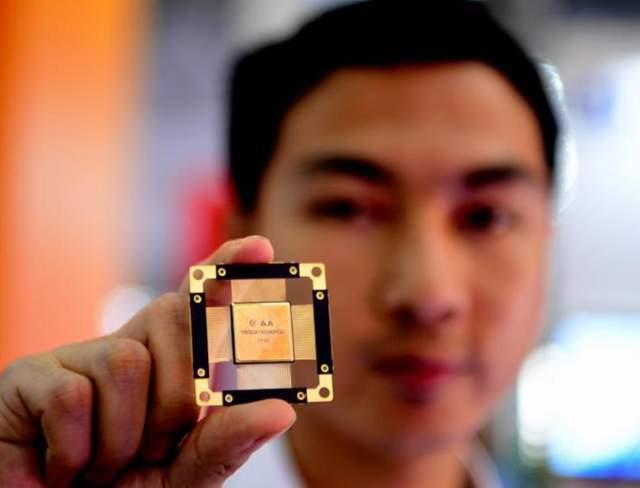
中国制造的芯片,卷向全球了,出口6500亿元,增长20%
Sou Hu Cai Jing· 2025-07-16 05:03
Group 1 - The core viewpoint of the articles highlights the significant growth in China's export of chips, with a notable increase in both quantity and value, indicating a strong position in the global semiconductor market [1][3][5] - In the first half of 2025, China's total import and export value reached 21.79 trillion yuan, with exports growing by 7.2% and imports declining by 2.7% [1] - Specifically, chip exports amounted to 650.26 billion yuan, reflecting a growth of 20.3%, while the number of exported chips reached 167.77 billion units, increasing by 20.6% [3] Group 2 - In contrast, chip imports totaled 281.88 billion units, with a growth of 8.9%, and the import value was 1.38 trillion yuan, growing by 8.3%, indicating that export growth significantly outpaces import growth [3] - The increase in China's chip manufacturing capacity is evident, with projections indicating that by 2024, China's chip foundry market share will reach 21%, ranking second globally, just behind Taiwan [5] - Major global chip companies, such as Infineon and NXP, are increasingly choosing to manufacture chips in China, particularly for automotive applications, due to China's status as the largest automotive market and the rapid growth of the new energy vehicle sector [7]

调研热+新基火:公募调研暴增24%,新基连续3周超30只
私募排排网· 2025-07-16 03:37
Core Viewpoint - The A-share market has surpassed 3500 points, leading to a significant increase in public fund research activities, with a total of 618 investigations conducted by 127 public fund institutions on 116 stocks, reflecting a 24.35% week-on-week growth in research activity [3][4]. Group 1: Market Performance and Research Activity - The average increase of stocks under public fund research was 2.03%, outperforming the Shanghai and Shenzhen 300 Index's 0.82% increase during the same period [4]. - The real estate sector, particularly Yuka Development, saw a remarkable increase of 51.28%, attracting attention from major public funds [5][6]. - The electronics sector, represented by Lexin Technology, was the most researched stock with 52 investigations and a weekly increase of 12.54% [5][7]. Group 2: Sector Analysis - The pharmaceutical and electronics sectors were the most favored, with the pharmaceutical sector receiving 105 investigations across 16 stocks, while the electronics sector had 103 investigations across 11 stocks [9][11]. - The machinery equipment sector also showed significant interest, with 72 investigations across 12 stocks [11]. - Other sectors like computing and electric equipment received considerable attention, with both sectors having 9 stocks investigated and over 40 total investigations [10][11]. Group 3: Fund Issuance Trends - A total of 31 new public funds were launched, maintaining a steady issuance rate of over 30 funds for three consecutive weeks, with equity funds making up 77.42% of the total [14][16]. - Among the newly launched funds, 15 were passive index funds, indicating a strong preference for this type of investment [17][19]. - The issuance of bond funds has significantly decreased, with only 3 new bond funds launched compared to 13 the previous week, reflecting a cooling interest in this area [18].


万和财富早班车-20250714
Vanho Securities· 2025-07-14 01:51
Core Insights - The report emphasizes the importance of discovering investment opportunities with a proactive attitude rather than merely relaying information [1] Domestic Financial Market - The Shanghai Composite Index closed at 3510.18, with a slight increase of 0.01% - The Shenzhen Component Index closed at 10696.10, rising by 0.61% - The ChiNext Index closed at 2207.10, up by 0.80% [2] Macro News Summary - The Ministry of Finance issued a notice to guide insurance funds for long-term stable investments [4] - The Shanghai Stock Exchange implemented further reforms for the Sci-Tech Innovation Board [4] Industry Developments - The Shanghai State-owned Assets Supervision and Administration Commission held a meeting on stablecoins, which may accelerate industry development, with related stocks including Airong Software and Gu'ao Technology [5] - Domestic demand is expected to maintain double-digit growth, with the engineering machinery industry likely to recover, highlighting stocks like Shantui and Anhui Heli [5] - The low-altitude economy is developing rapidly, with potential growth in the drone application sector, focusing on stocks like Zhongwu Drone and Zongshen Power [5] Company Focus - Xinjie Electric showcased its smart applications at the Huawei Cloud City Summit [6] - China Shenhua reported a decline in coal division profits for the first half of the year, but high temperatures may improve coal price expectations [6] - Huazhong Securities achieved a net profit of 1.035 billion yuan in the first half, a year-on-year increase of 44.94% [6] - Lanke Technology submitted an H-share listing application, expecting a net profit growth of 86%-102% for the first half [6] Market Review and Outlook - On July 11, the market experienced a slight increase, with total trading volume reaching 1.71 trillion yuan, the highest since March 15 [7] - The report anticipates a continued optimistic trend in the A-share market, while emphasizing the need to monitor fundamental factors such as export performance and economic recovery [7] - Key investment directions include technology growth, Chinese manufacturing, and new consumption sectors, with a focus on companies that dominate the domestic market and are successfully expanding overseas [7]
日本:从几个产品,看中国制造的现状
Xin Lang Cai Jing· 2025-07-13 18:23
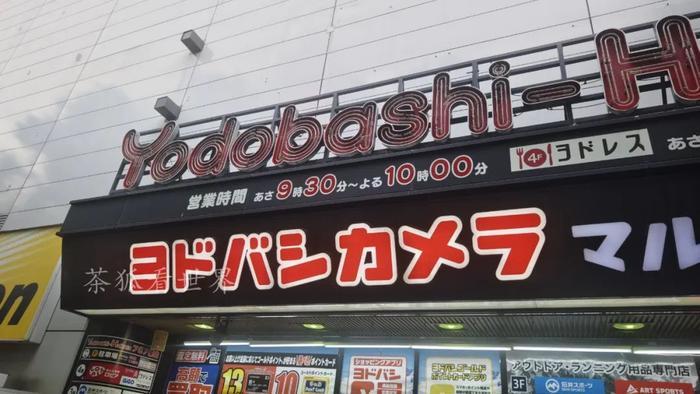
Core Insights - The article discusses the current state of the Japanese retail market, particularly focusing on the Yodobashi Camera, a leading electronics retailer in Japan, and highlights the prevalence of Chinese brands disguised as Japanese products [1][3][5][7]. Group 1: Retail Environment - Yodobashi Camera is one of Japan's top three electronics sales platforms, with the highest single-store sales in the retail sector [1]. - The store's layout is criticized for its overwhelming visual clutter, which detracts from the overall aesthetic experience [3]. - The shopping experience is compared to other Japanese stores like Don Quijote, known for their dense product displays [3]. Group 2: Market Dynamics - Despite the dominance of Chinese manufacturing, there remains a consumer belief in the superiority of Japanese products, as evidenced by continued purchases of Japanese-branded items like toilet seats [5][7]. - The global smart toilet seat market was valued at approximately $4.5 billion in 2024, with China accounting for 70% of production [5]. - Many products in Yodobashi Camera are actually Chinese brands marketed under Japanese names, reflecting a trend of "brand masquerading" [7][9]. Group 3: Technology and Brand Ownership - REGZA, originally a Toshiba brand, is now owned by China's Hisense, which acquired 95% of Toshiba's TV business in 2017 [9]. - Lenovo's acquisition of NEC's PC business has increased its market share in Japan to 27%, making it the leading player in the Japanese PC market [10]. - The article notes that even high-profile endorsements, such as those by Japanese celebrity Kimura Takuya for Huawei products, indicate a shift in brand perception in Japan [11][13]. Group 4: Consumer Behavior and Market Share - Huawei holds a 15% market share in Japan's smartwatch market, ranking second behind Apple, which has a 58% share [13]. - The article highlights that Japanese consumers are relatively reserved in leaving product reviews, with Huawei's GT 5 Pro smartwatch receiving 255 reviews on Amazon Japan, which is considered significant [15][19]. - The competitive landscape in the smartwatch market shows that Huawei and Apple dominate the high-end segment, while Xiaomi leads in the mid-range [23][26]. Group 5: Manufacturing and Competitive Landscape - The article discusses the evolution of Chinese manufacturing capabilities, emphasizing the transition from low-end imitation to technological leadership in various sectors, including smartphones and drones [34][35]. - China's dominance in the consumer drone market is noted, with over 90% market share, showcasing its rapid technological advancements [35]. - The article concludes that China's manufacturing prowess has surpassed Japan's, particularly in hardware sectors, indicating a significant shift in global manufacturing dynamics [36].
国产24套2000米级“定海神针”启运巴西
news flash· 2025-07-13 06:38
Core Viewpoint - The delivery of 24 sets of 2000-meter deep-water suction anchors by China National Offshore Oil Corporation (CNOOC) to Brazil marks a significant achievement in China's deep-sea equipment manufacturing, showcasing international recognition of "Made in China" deep-sea technology [1] Group 1: Company Achievements - CNOOC has successfully constructed and delivered 24 sets of 2000-meter deep-water suction anchors, which are among the largest deep-sea oil and gas equipment exported by China [1] - The suction anchor is a critical piece of equipment for deep-water mooring, functioning like a large suction cup that firmly attaches to the seabed, ensuring efficient fixation of marine facilities [1] Group 2: Industry Impact - The delivery signifies a milestone in the acceptance of Chinese deep-sea equipment in the international mainstream market, indicating a growing competitiveness of China's manufacturing capabilities in the deep-sea energy sector [1] - The suction anchor is referred to as the "stabilizing needle" for deep-sea energy development, highlighting its importance in the industry [1]

万亿市场爆发?中东土豪订单砸向中国,买家:“我只信中国造”
Sou Hu Cai Jing· 2025-07-13 05:26
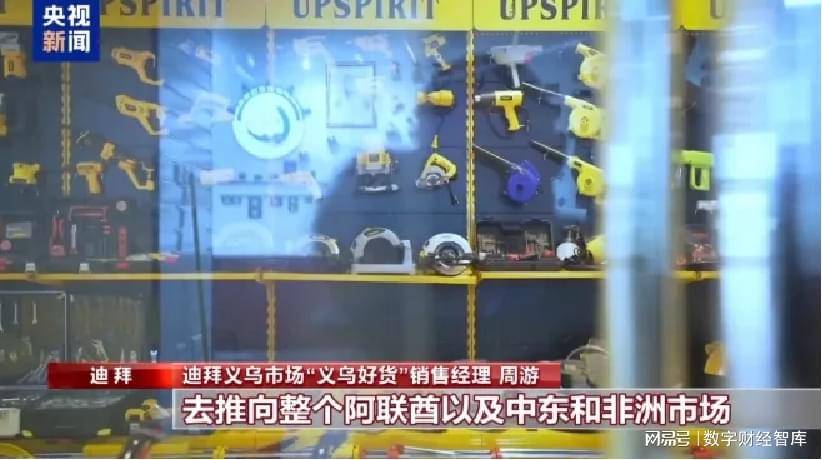
Group 1 - The Middle East is emerging as a new potential market for Chinese manufacturing, surpassing traditional markets like Europe and the US in order volume [1][5] - The proportion of Middle Eastern buyers at the 2025 Canton Fair reached a record 14.3%, indicating a significant shift in purchasing focus [1] - Chinese brands, particularly in the health technology sector, are gaining popularity in the Middle East, with products like "Qingyilai PAIOTIDE" attracting high-end consumers [3][5] Group 2 - There is a surge in demand for Chinese-made products in the Middle East, with many local manufacturers reporting a dramatic increase in inquiries and orders [5][6] - Middle Eastern buyers are insisting that the entire production chain, from design to delivery, must be completed in mainland China, emphasizing safety and quality [5][6] - The estimated demand for electronic devices in the Middle East and North Africa exceeds 1 billion units, creating substantial procurement opportunities for Chinese manufacturers [6][8] Group 3 - The current wave of orders is expected to keep profits within the Chinese manufacturing sector, leading to increased production capacity and operational shifts [8] - Ensuring the quality and reliability of each order is crucial for maintaining China's reputation in the global market [8] - The competitive landscape is intensifying, with potential challenges from Western entities, necessitating vigilance and proactive measures from Chinese companies [8]
高温让欧洲人彻底明白。原来我们“中国制造”这么重要!
Sou Hu Cai Jing· 2025-07-10 05:13
Core Insights - The extreme heatwave in Europe has led to a surge in demand for Chinese air conditioners, which are now seen as essential for survival rather than luxury items [1][8] - European consumers are increasingly recognizing the superiority of Chinese air conditioning brands over local options, driven by efficiency, cost savings, and rapid installation services [7][10] Market Dynamics - Over 12.77 million Chinese air conditioners were imported into Europe in the first five months of 2025, marking a year-on-year increase of 31.5% [7] - Major Chinese brands like Haier and Midea have seen sales growth exceeding 30%, indicating a significant market penetration [7] Consumer Behavior - European consumers, previously resistant to air conditioning due to cultural perceptions, are now rapidly adopting Chinese brands as they realize their effectiveness and efficiency [3][10] - The shift in consumer sentiment is highlighted by media reports praising the performance and cost-effectiveness of Chinese air conditioners compared to local brands [7][10] Technological Advancements - Chinese air conditioning brands are introducing innovative products tailored to the European market, such as Midea's PortaSplit air conditioner, which requires no drilling for installation [5] - The use of environmentally friendly refrigerants and high energy efficiency ratings (EU A-grade) by brands like Gree is setting new standards in the industry [7][10] Future Outlook - The ongoing climate crisis is expected to increase the demand for air conditioning in Europe, solidifying its status as a necessity [8] - Chinese air conditioning manufacturers are positioned to lead in the global green cooling industry, leveraging their technological advancements to meet new environmental regulations [10]




南京经开区企业接连斩获海内外重大项目订单
Zheng Quan Shi Bao Wang· 2025-07-09 10:31
Group 1 - Nanjing Economic Development Zone has recently secured significant domestic and international project orders, showcasing "Nanjing Intelligent Manufacturing" through advanced technology and quality [1] - Kanni Electromechanical, a core supplier for global high-end railway manufacturer Stadler, has customized 11 modular products for a major project, ensuring a lifespan of 40 years and aiming to deliver 557 railway cars by 2030 in Kazakhstan [1] - The Guangzhou Metro Line 10 has officially opened, featuring the highest level of automation (GoA4), with China Railway Baogao Nanjing Company supplying key switch systems [2] Group 2 - China Construction Fifth Engineering Division has successfully completed the first batch of 8 giant wind power tower tubes for the ACWA Egypt wind power project, with a total installed capacity of 1100 MW, contributing to Egypt's energy transition [2] - The project team faced challenges such as tight schedules and complex logistics, implementing a dual-shift system to ensure high-quality delivery of over 20,000 tons of tower tubes [2] - Nanjing Port Machinery Heavy Industry has delivered a multi-purpose crane to a Vietnamese client, marking the third batch of equipment purchased, demonstrating trust in the company's technology and service [3]

从“感知中国”到“分享中国”(和音)
Ren Min Ri Bao· 2025-07-03 21:52
Core Viewpoint - China is actively promoting exchanges and visits from people around the world, showcasing a more authentic, multi-dimensional, and comprehensive image of the country, which fosters mutual understanding and appreciation among different civilizations [1][3]. Group 1: China's Global Image and Appeal - The rise of "China tours," the popularity of Chinese cultural products, and the success of brands like Mixue Ice City and Bawang Tea have attracted many foreign consumers, allowing them to experience a more vivid China [1]. - The shift from merely replicating international brands to the emergence of new Chinese trend brands is reshaping the international perception of "Made in China" [2]. - The integration of advanced technologies such as mobile payments and high-speed rail into daily life, along with innovative products like DeepSeek and humanoid robots, contributes to a diverse and modern image of China [2]. Group 2: Policy Support and Open Environment - China's expanding visa-free policies, including 47 countries eligible for unilateral visa exemptions and 55 countries for 240-hour transit without a visa, facilitate foreign visits and cultural exchanges [3]. - The commitment to high-level openness and the convenience of travel for foreigners enhance their understanding of China through direct cultural interactions [3]. - The global enthusiasm for travel, live streaming, and trendy products from China is redefining the country's image, breaking down preconceived notions and fostering goodwill [3].