
通胀风险

Search documents
关税大限将至,投资者为何选择视而不见?
Hua Er Jie Jian Wen· 2025-07-06 09:09
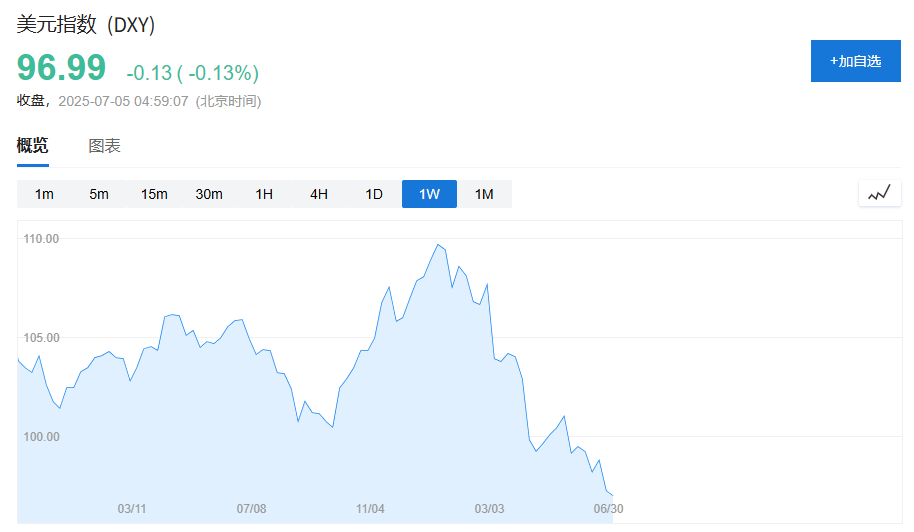
Group 1 - Global investors are responding with a calm attitude towards the new tariffs announced by President Trump, with various moderate scenarios already priced in by the market [1][2] - The new tariff rates will range from 10% to 70%, with the upper limit significantly higher than the previously announced 50% [1][2] - The market's reaction to tariff news has become more composed, as investors believe the deadline has enough "flexibility" and that the worst-case scenarios are no longer a concern [1][2] Group 2 - The uncertainty surrounding tariff levels and effective dates continues, with only limited agreements reached with the UK and a principle agreement with Vietnam [2] - The EU aims to reach an agreement by July 9, but if negotiations fail, it will take countermeasures to protect its economy [2] - Japan is prepared to defend its interests firmly and is anticipating various possible outcomes in the tariff negotiations [2] Group 3 - The recent tax and spending bill signed into law has led to concerns about increasing the US debt by over $3 trillion, impacting bond investors [3] - Tariff-related inflation risks are putting pressure on US Treasury bonds and the dollar, affecting Federal Reserve policy expectations [3] - The dollar index has experienced its worst performance since 1973, dropping approximately 11% this year, with a 6.6% decline since April 2 [3] Group 4 - Market expectations are adjusting to the possibility of tariffs at 35%, 40%, or higher, while a comprehensive 10% tariff is anticipated [5] - There is cautious optimism regarding the outlook for US stocks, with close monitoring of interest rate changes [5]

本周重磅日程:7月9日“对等关税”大限
Hua Er Jie Jian Wen· 2025-07-06 04:00
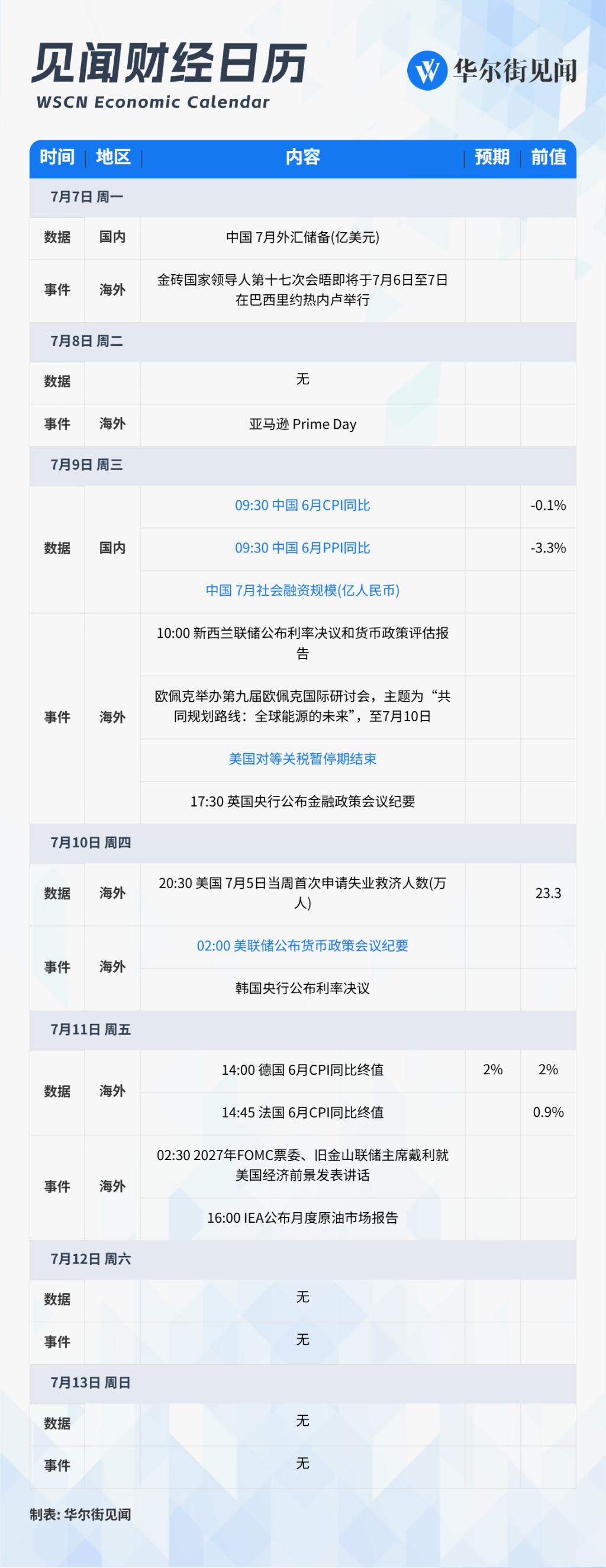
Group 1: Economic Events and Data Releases - The week of July 7-13 will feature significant economic events, including the end of the U.S. "reciprocal tariffs" suspension, the BRICS summit in Brazil, and the release of China's June CPI, PPI, and social financing data [3][4][6][8][10][11]. - The BRICS summit will take place from July 6-7 in Rio de Janeiro, focusing on enhancing cooperation among emerging markets and developing countries [8]. - The U.S. will announce new tariffs ranging from 10% to 70% starting August 1, following the expiration of the negotiation period with several countries [6][7]. Group 2: U.S. Economic Indicators - The U.S. non-farm payroll data for June showed an increase of 147,000 jobs, surpassing the expected increase of 106,000, with the unemployment rate dropping from 4.24% to 4.12% [9]. - Market expectations indicate a low probability of interest rate cuts in July, with a 75% chance of a cut in September, as the labor market remains robust [9]. Group 3: China Economic Data - China's June CPI showed a year-on-year decline of 0.1%, with urban prices stable and rural prices down by 0.4% [10]. - The PPI for June decreased by 3.3% year-on-year, indicating ongoing deflationary pressures in the industrial sector [10][11]. - Social financing data for May indicated an increase of 2.29 trillion yuan, with new RMB loans amounting to 620 billion yuan [11]. Group 4: International Economic Reports - The IEA will release its monthly oil market report on July 11, with OPEC+ expected to agree on increasing oil production by approximately 550,000 barrels per day in August [12]. - Germany's June CPI unexpectedly fell to 2%, reaching the European Central Bank's target for the first time in nearly a year, while France's CPI was reported at 0.9% [13]. - The Bank of England maintained its policy rate at 4.25%, with a notable division among policymakers regarding future rate cuts [14].
新关税,大消息!特朗普宣布
中国基金报· 2025-07-05 08:09
Core Viewpoint - The article discusses the impending implementation of new tariffs by the U.S. government, with rates potentially reaching as high as 70%, and highlights the responses from various countries, including the EU, Japan, and India, regarding their trade negotiations with the U.S. [1][2][4] Group 1: U.S. Tariff Announcement - President Trump announced that new unilateral tariffs will be communicated to trade partners starting July 4, with an expected implementation date of August 1 [1] - The proposed tariff rates could range from 10% to 70%, with Trump indicating that the final text of the letters detailing these tariffs has been completed [1] - The U.S. has previously imposed tariffs of up to 50% on many trade partners, which has raised concerns about inflation risks in the U.S. economy [2] Group 2: Responses from Trade Partners - The EU has expressed a strong commitment to defending its interests and is prepared to take countermeasures if negotiations with the U.S. fail [6][4] - Japan's Prime Minister emphasized the importance of maintaining national interests, particularly in the automotive and agricultural sectors, and stated that Japan will not sacrifice agriculture in trade negotiations [8] - India has drawn two "red lines" in its negotiations with the U.S., focusing on the protection of its agricultural sector and dairy products, and plans to impose retaliatory tariffs against the U.S. due to the impact of U.S. tariffs on Indian exports [9][11]
特朗普称新关税税率最高70%
21世纪经济报道· 2025-07-05 07:27
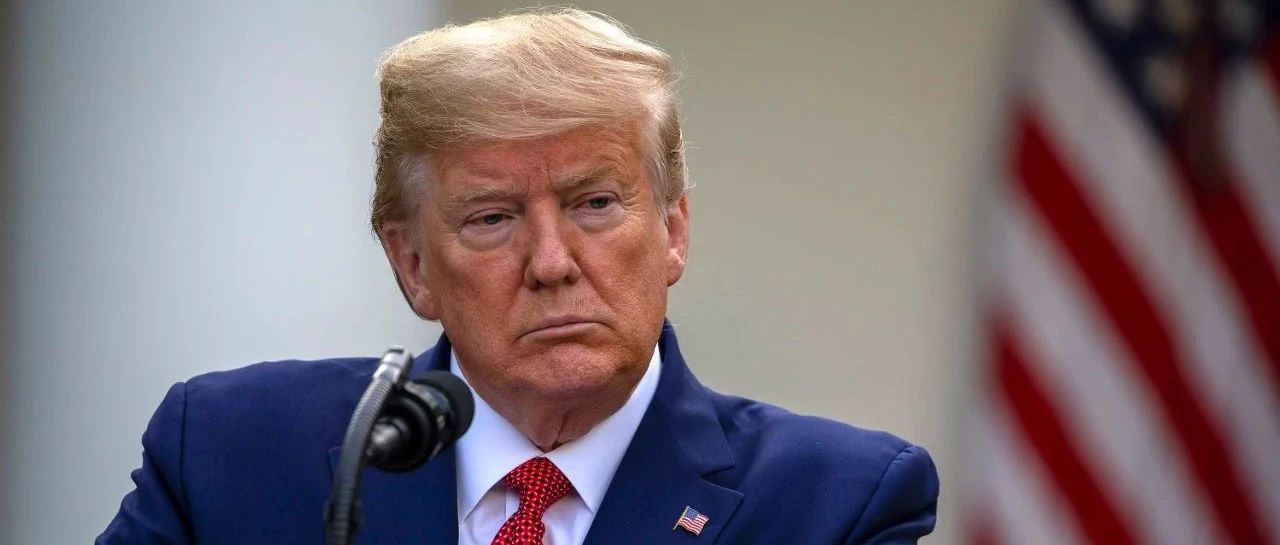
来源 | 央视新闻、央视网 本期编辑 金珊 深夜,欧洲多国股市全线下挫!什么情况? 特朗普签署"大而美"法案 印度拟对美国征收报复性关税 SFC 21君荐读 据央视CCTV4报道, 美国总统 特朗普4日表示,新关税税率将介于10%至70%之间 ,美国彭 博社称,如果实施,这将比特朗普4月宣布的所谓"对等关税"税率更高,增加美国经济的通胀 风险。美国有线电视新闻网称,50%的关税在4月曾导致美国股市陷入熊市区域,美国债券和 美元被大幅抛售,70%的关税将更超这一水平。 据央视新闻此前报道,特朗普当地时间3日表示,将于4日开始向贸易伙伴发函,设定单边关 税税率,并称各国将从8月1日起开始支付新的关税。特朗普称,4日将发出大约"10或12封"信 函,更多信函将在未来几天寄出。 ...
特朗普:已签署12封贸易信函,可能周一发出
Hua Er Jie Jian Wen· 2025-07-05 06:00
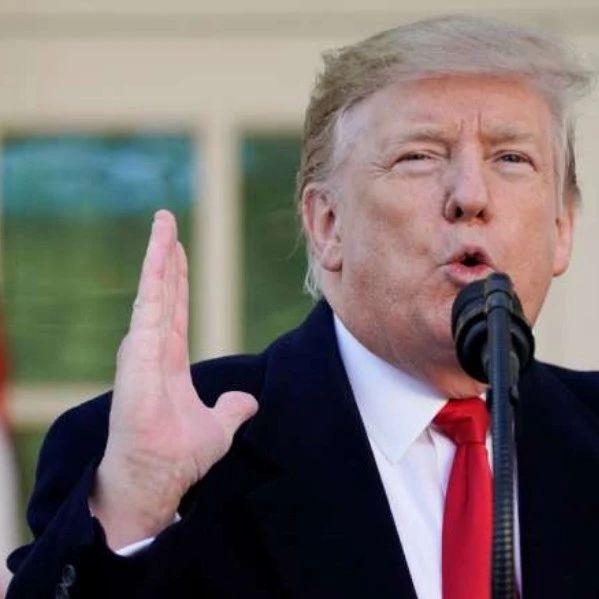
Core Viewpoint - The latest tariff threats from President Trump are causing significant anxiety in global markets, with new tariffs ranging from 10% to 70% set to be implemented on countries that have not reached trade agreements by July 4 [1][2]. Group 1: Tariff Implementation - The U.S. government plans to send out tariff notifications to approximately 12 countries, with a maximum tariff rate of 70%, which is higher than the previously announced 50% [1]. - The implementation of these tariffs is scheduled to begin on August 1, following a 90-day negotiation window that ends on July 9 [1][2]. Group 2: Trade Negotiation Challenges - The shift in strategy from complex negotiations to unilateral ultimatums reflects the administration's frustration with ongoing trade talks, particularly with major partners like Japan and the EU [2]. - So far, only a few countries have successfully negotiated agreements with the U.S., such as the UK, which maintained a 10% base tariff, and Vietnam, which reduced tariffs on certain goods from 46% to 20% [2]. Group 3: Market Reactions - The aggressive trade strategy is creating significant uncertainty in the global economy, with markets closely monitoring the outcomes of the impending tariff notifications and their potential ripple effects [2].
全球宏观:强劲非农数据支持美联储观望立场
BOCOM International· 2025-07-04 11:20
Global Macro - The strong non-farm payroll data for June shows an increase of 147,000 jobs, exceeding market expectations of 110,000, and the previous value was revised up from 139,000 to 144,000 [1] - The unemployment rate unexpectedly fell to 4.1%, lower than the expected 4.3% and the previous value of 4.2% [1] - Average hourly wage growth year-on-year decreased to 3.7%, slightly below the expected 3.9%, with a month-on-month increase slowing to 0.2% [1] - The strong employment data supports the Federal Reserve's wait-and-see stance, providing more policy space amid ongoing pressure for rate cuts [1][3] - Following the release of the employment data, market expectations for rate cuts diminished, with the probability of a July cut dropping from 26.7% to 4.3% and the September cut probability slightly decreasing from 69.1% to 62.4% [1] Employment Analysis - The ADP report earlier indicated a decline of 33,000 jobs, highlighting a key difference as it only accounts for private sector employment, excluding government jobs [2] - Government sector added 73,000 jobs, contributing half of the non-farm employment increase, primarily from state and local governments, while federal employment decreased by 7,000 [2] - Private sector job growth slowed significantly to 74,000, down from 137,000 in May, with most growth in lower-skilled sectors such as education and healthcare [2][3] - The labor force participation rate has declined for three consecutive months, contributing to the unexpected drop in the unemployment rate, which fell from 4.2% to 4.1% [3] - The decrease in labor supply due to reduced immigration and government layoffs has led to a tighter labor market, particularly affecting low-skilled labor supply [3] Federal Reserve Outlook - The unexpected strong non-farm data significantly reduces the urgency for rate cuts in the short term, with July lacking sufficient justification for a cut [4] - Future rate cuts may depend on inflation data, with the next potential window for a cut possibly in the fourth quarter as tariff-related inflation effects dissipate [4] - The Federal Reserve is expected to maintain a patient approach in assessing data changes, avoiding aggressive policy adjustments in a high uncertainty environment [4]
菲律宾央行:需要采取更宽松的货币政策立场。地缘政治紧张局势升级和外部政策不确定性对通胀的潜在风险将需要更密切的监测。
news flash· 2025-07-04 01:54
Core Viewpoint - The Bangko Sentral ng Pilipinas (BSP) indicates the need for a more accommodative monetary policy stance due to escalating geopolitical tensions and external policy uncertainties that pose potential risks to inflation [1] Group 1 - The BSP is monitoring inflation risks closely in light of geopolitical tensions [1] - External policy uncertainties are contributing to the need for a more flexible monetary approach [1]
国际金融市场早知道:7月4日
Xin Hua Cai Jing· 2025-07-04 01:01
Economic Indicators - In June, the U.S. non-farm payrolls increased by 147,000, surpassing economists' expectations of 110,000, while the unemployment rate fell to 4.1%, contrary to predictions of a rise to 4.3% [1] - The U.S. initial jobless claims for the week ending June 28 were 233,000, lower than the market expectation of 240,000 and a decrease from the previous week's 237,000 [1] - The U.S. trade deficit in goods and services for May was $71.5 billion, wider than the expected $70.8 billion and an increase from the previous value of $61.6 billion [1] Legislative Developments - The U.S. House of Representatives passed the "Big and Beautiful" tax and spending bill with a vote of 218 to 214, which has faced criticism for reducing federal aid and increasing long-term debt while providing tax cuts for the wealthy and large corporations [2] - The ISM non-manufacturing index for June was reported at 50.8, slightly above the expected 50.6, indicating a rebound in business activity and orders, although the employment index showed the largest contraction in three months [2] International Trade and Monetary Policy - The European Commission President stated that the EU is prepared to reach a principle agreement with the U.S. on tariffs, but will take countermeasures to protect the European economy if negotiations fail [2] - The European Central Bank's governing council member indicated that market expectations for another rate cut this year are reasonable, as multiple factors suggest inflation risks are more likely to trend downward [2] Japanese Economic Developments - The Bank of Japan received key support for its interest rate hike process, with companies agreeing to a 5.25% wage increase, the largest in 34 years, and summer bonuses averaging 4.37%, reaching a record of 991,000 yen [3] - A hawkish BOJ committee member suggested that the rate hike cycle would only be "briefly paused" before resuming [3]
亚特兰大联储主席重申谨慎立场 仍预计2025年仅降息一次
Zhi Tong Cai Jing· 2025-06-30 15:11
美国亚特兰大联储主席博斯蒂克周一表示,他仍预计2025年仅降息一次,并在2026年再进行三次降息, 重申了其对当前货币政策路径的谨慎立场。 与此同时,美国地区经济数据显示,德克萨斯州制造业活动依然疲软。根据达拉斯联储周一公布的数 据,6月德州制造业商业活动指数录得-12.7,虽然仍处于收缩区间,较5月的-15.3有所改善,表明收缩 幅度略有收窄。 在Market News International举办的一场活动中,博斯蒂克称:"我依然坚持原先的判断,"指的是他预计 今年只会降息一次的立场。他补充说,自己已"预留"出明年三次降息的空间。 博斯蒂克强调,在当前经济环境下,联储"有足够的耐心空间"来观察形势再行动。"劳动力市场依然非 常稳健,我们确实可以稍作等待",我们在行动前还有时间看看经济如何演变。" 在被问及关税对经济的影响时,博斯蒂克指出,虽然提前的政策信号帮助企业一定程度上适应了加征关 税的过程,贸易政策方向仍存在高度不确定性。"目前仍难以判断贸易政策的最终走向,市场还需要时 间才能看清全貌。"他特别警告说,关税引发的通胀风险仍然是一个"悬而未决的问题","大量与关税相 关的价格效应尚未完全传导至实体经 ...
“央行的央行”拉响警报:特朗普或将美联储推入滞胀泥潭
Jin Shi Shu Ju· 2025-06-30 09:38
AI播客:换个方式听新闻 下载mp3 BIS指出,增长前景恶化,同时消费者价格稳定、公共财政和金融系统的风险加剧。面对挑战,官员们 建议央行专注核心使命以维护信任,并增强行动有效性。 卡斯滕斯强调美联储在当前环境中尤其艰难,其主席鲍威尔坚决抵制来自白宫的降息压力。"在美国, 美联储可能面临非常困难的局面,即通胀压力上升或通胀预期偏离,同时经济放缓,"他说,"这是央行 通常觉得特别棘手的情况。" BIS报告频繁强调通胀风险,包括贸易中断如何冲击已受人口老龄化和劳动力短缺挤压的经济体,并损 害商品供应。官员们强调,疫情后消费者敏感度上升,结合仍高企的生活成本预期,可能对价格稳定构 成新挑战。 这一分析结合近期原油价格飙升(随后部分回落)可能让政策制定者警惕。BIS经济顾问申炫松(Hyun Song Shin)称:"一朝被蛇咬,十年怕井绳,确保一次性价格上涨不转化为持续通胀至关重要。" 报告还指出,部分国家积累的史无前例的国债构成风险。经合组织成员国利息支付占GDP比例去年达 4%并将继续上升。"通胀和金融稳定风险更易源自主权债市压力或通过其传播,"BIS称,"对财政可持 续性的担忧可能引发再融资挑战,并潜在颠覆通 ...