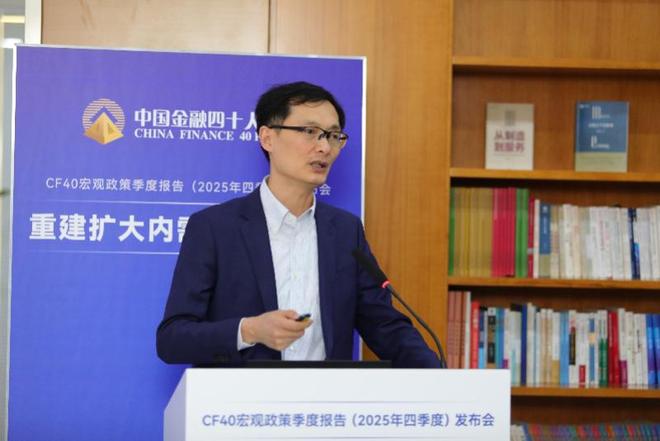
扩大内需

Search documents
北京市政协委员黄轶:建议扩大内需与“好房子”建设范围,推动城市高质量发展
Zhong Guo Jing Ying Bao· 2026-01-28 06:01
Group 1: Economic Development and Consumer Demand - The core viewpoint emphasizes that expanding consumption is essential for high-quality economic development in Beijing, with "good housing" being a key step towards achieving urbanization [1] - A comprehensive, multi-layered plan for boosting consumption is proposed, focusing on innovative consumption scenarios and the integration of culture, commerce, tourism, and sports [2] - The plan includes promoting successful events like "Zhuangchao Consumption Festival" and "Old Brand Carnival" to convert foot traffic into sales [2] Group 2: Investment and Infrastructure - The proposal highlights the need for increased investment in new infrastructure to support digital consumption, including the construction of a "light network city" and green low-carbon computing centers [2] - Major projects such as the second phase of Universal Studios and the "Two Parks and One River" initiative are identified as key drivers for linking commercial development [2] Group 3: Policy Mechanisms and Support - Recommendations include establishing a platform for "investment-consumption" alignment and improving income and security mechanisms to enhance consumer confidence [3] - Adjustments to minimum wage standards and expanding channels for property income are suggested to bolster consumer spending [3] Group 4: Housing and Urbanization - The focus on housing addresses the shortcomings of current resettlement housing policies, which are driven by price rather than quality, failing to meet public expectations for living standards [4] - A shift from a "price-driven" to a "quality-driven" framework for resettlement housing is proposed, emphasizing the need for a new evaluation system that prioritizes quality [5][6] - The new evaluation system should incorporate external factors like aesthetics and noise, ensuring that housing meets both urban design standards and residents' quality of life [5][6]
长沙上市军团再扩容,鸣鸣很忙登陆港交所
Xin Lang Cai Jing· 2026-01-28 03:20
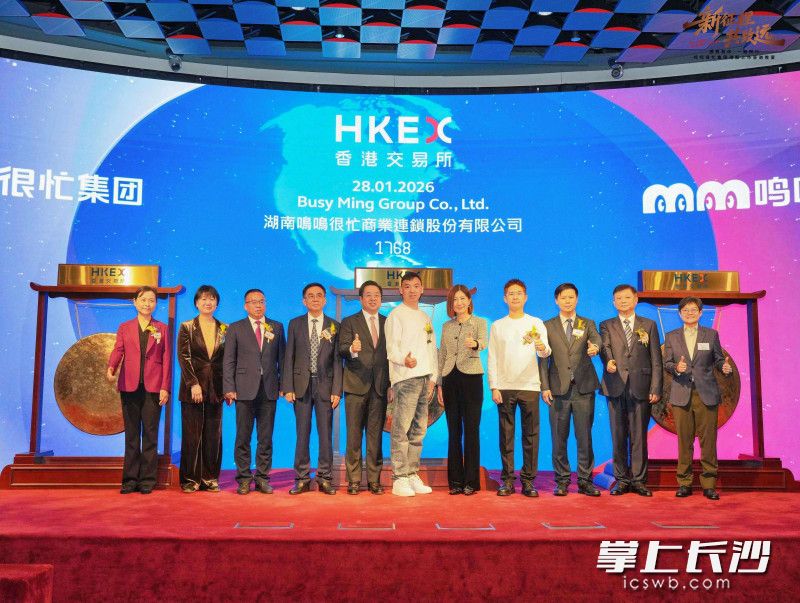
长沙晚报掌上长沙1月28日讯(全媒体记者 曹开阳)1月28日,中国最大的休闲食品饮料连锁零售商——湖南鸣鸣 很忙商业连锁股份有限公司(以下简称"鸣鸣很忙")正式在香港联合交易所主板挂牌上市,证券简称为"鸣鸣很 忙",股份代号为1768.HK,开盘较发行价236.6港元/股大涨超88%,对应总市值超952亿港元。 鸣鸣很忙是继红星冷链于1月13日在港上市后,今年上市的第二家长沙企业。至此,长沙境内外上市公司增至96 家。1月22日,"长沙企业上市香港之家"授牌成立,以进一步助力本地企业对接香港资本市场,搭建更高效的上市 服务桥梁。据了解,麦济生物、军信股份、可孚医疗、安克创新、西子健康等企业均已提交港股上市申请。 这一模式构成了"消费者得实惠、产业端有发展"的良性循环。 深耕国内大市场,服务实体经济 鸣鸣很忙的快速发展,建立在中国统一大市场建设、物流体系完善和数字化能力提升的坚实基础之上。通过全国 化的仓储物流网络和标准化管理体系,实现了对万店规模的稳定运营和高质量发展。 鸣鸣很忙旗下拥有"零食很忙""赵一鸣零食"两大品牌,是中国食品饮料量贩模式的引领者。2025年前9个月,鸣鸣 很忙实现零售额661亿元人民币 ...

2026,德州聚焦八个方面精准攻坚
Da Zhong Ri Bao· 2026-01-28 03:17
聚焦深化城市更新行动精准攻坚。坚持城市内涵式发展,完善功能、塑优品质,增强承载能力。加 力片区更新,深化中心城区9大片区规划设计,实施总投资209亿元的123个重点城建项目;深化精细治 理,加强完整社区建设,拓展"城市管理进社区"服务;推动宜居安居,加快构建房地产发展新模式,大 力推进"好房子"建设;激发城镇活力,强化"三镇"建设示范带动作用,推动乡镇驻地扩容提质。 报告中提出八项重点工作: 聚焦拓展需求增长空间精准攻坚。把握政策取向,统筹促消费、扩投资,持续增强拉动作用。更大 力度扩大投资,提速735个省、市、县三级重点项目,完成投资1200亿元;更实举措释放消费,实施提 振消费专项行动,推进零售业创新,落实落细以旧换新政策;更高质效做强现代服务业,实施新一轮服 务业攻坚行动,"一业一策"精准补短提升。 聚焦提升优势产业能级精准攻坚。坚持不懈巩固壮大实体经济根基,深化集成赋能,"耐心"培育一 批优质项目和支柱产业,挺起产业发展"硬脊梁"。壮大主导产业。统筹推进传统产业提升、新兴产业壮 大、未来产业布局;培强优势企业。实施优质工业企业成长计划,健全公共服务体系。 聚焦激活释放发展动力精准攻坚。以重大战略为牵引 ...
张斌:扩大内需要更加倚重货币政策
Sou Hu Cai Jing· 2026-01-28 02:45
中国网1月27日讯(记者 白璐)26日,中国金融40人论坛(CF40)举办宏观政策季度报告(2025年四季 度)发布会,主题聚焦重建扩大内需的动力机制。发布会上,中国社会科学院世界经济与政治研究所副 所长张斌表示,2025年中国宏观经济处在复苏的早期阶段,但复苏的基础尚不牢固,内生增长的动力尚 未得到有效支撑,需要通过更积极的货币政策来实现经济内生增长动力的改善。 展望未来,张斌认为通过财政政策扩大内需的空间收窄,未来应该更加倚重货币政策。他表示,首先要 充分相信货币政策的重要作用,努力实现通胀目标,同时要充分利用总量政策工具,降低政策利率。 就中国的情况而言,过去逆周期调节主要以财政政策为重,通过财政政策启动公共投资项目,带动总需 求回升,取得了不错的效果。但张斌认为,未来这种做法需要调整。当一个经济体处于工业化高峰阶段 时,经济快速增长,生产率快速提升,城市化快速推进,在这一阶段通过财政政策进行逆周期的公共投 资和支出,既可以稳定总需求,也有利于城市扩张与基础设施的发展。而发展到现今阶段,债务水平和 赤字率有所提升,通过财政政策短期花大钱就会遇到更多困难。"过去,财政的大头是城市扩张,能够 在短期内形成很 ...
AI应用发起春节红包大战,恒生指数创2021年7月以来新高
Mei Ri Jing Ji Xin Wen· 2026-01-28 02:39
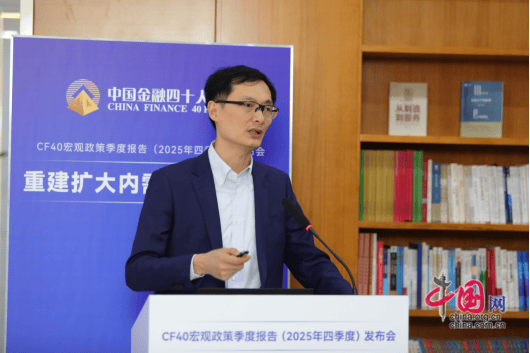
浙商国际表示,看好行业相对景气且受益于政策利好的新能源、创新药、AI科技等;业绩和股价走势 稳健且受益于政策利好的低估值国央企红利板块;基本面相对独立且受益于降息周期的香港本地银行、 电信及公用事业红利股。另外,我们认为港股2026春季表现将由"AI应用+PPI改善+扩大内需"三轮驱 动,建议关注相关优质标的。 值得关注的标的: 1月28日盘中,港股短线走高,恒生指数涨超1%创4年多新高,恒生科技指数涨超0.7%。消息面上,阿 里通义开源Qwen3-TTS,百度、腾讯先后宣布旗下AI应用春节发放数亿元现金。花旗预计阿里巴巴的 通义千问也将加入红包促销行列。从历史上看,春节活动能有效帮助互联网公司为其消费级应用吸引大 量关注。花旗预计2026年活动后,中国AI助手应用的采用将快速推进。 网罗港股消费核心资产:港股消费ETF(513230); 全球医药全产业链代表:恒生医药ETF(159892); 汇集中国AI科技概念公司:恒生互联网ETF(513330)。 港股核心宽基:恒生ETF(159920); AI+平台经济:恒生科技指数ETF(513180); ...
武林广场将变身“年味聚集地”
Hang Zhou Ri Bao· 2026-01-28 02:33
Group 1 - The event "Drunken Memory of Hangzhou Fresh - Common Prosperity Welcoming New Year" will take place from January 30 to February 1, 2026, at Wulin Square in Gongshu District, aiming to boost consumption and expand domestic demand [1] - The market will feature over 100 specialty stalls, providing a one-stop experience for traditional Hangzhou New Year flavors, and is part of the annual initiative to deepen the development of the municipal agricultural product public brand "Drunken Memory of Hangzhou Fresh" [1] Group 2 - The market is organized into four main themed exhibition areas and two special zones, catering to the New Year shopping needs of citizens and reviving old Hangzhou memories [2] - The "Traditional New Year Goods Area" will offer a variety of cured meats and dry goods, complemented by local wines, creating a festive atmosphere for stocking up [2] - The "Supply and Marketing Quality Products Area" will showcase geographical indication products like West Lake Longjing tea and Lin'an mountain walnuts, along with seasonal fresh produce from local farmers [2] - The "Handmade New Year Flavor Area" will feature non-heritage representatives demonstrating traditional crafts, allowing citizens to engage in activities like paper cutting and spring couplet writing [2] - The "Current Experience Area" will provide freshly made traditional snacks and warm beverages, enhancing the festive experience [2] - A special zone called "Mom's Taste" will present over 20 enterprises offering handmade sauces and specialty snacks, highlighting women's empowerment and creativity [2] - The "Common Prosperity Workshop Area" will focus on local resources, delivering products directly from farms to tables, supporting villagers' income while providing quality New Year goods [2] - During the event, citizens can obtain limited New Year consumption vouchers at the service desk, which can be used for direct discounts at stalls [2]
着力发展新型消费 点燃内需增长新引擎
Xin Lang Cai Jing· 2026-01-27 21:04
Core Viewpoint - The "14th Five-Year Plan" emphasizes the importance of expanding domestic demand as a strategic foundation, advocating for a significant boost in consumption and the interaction between new supply and new demand, with new consumption being a key driver of this growth [1] Summary by Sections New Consumption Characteristics - New consumption is supported by innovations in internet, digital technology, and artificial intelligence, representing a fusion of digital economy and consumer demand upgrades, breaking traditional consumption limitations [1] - It relies on e-commerce platforms and mobile applications, allowing consumers to shop, entertain, and learn anytime and anywhere [1] - New consumption includes digital products, smart products, and green services, showcasing diverse new business models and consumer experiences [1] Five Core Features of New Consumption - **High Integration**: New consumption promotes the integration of online and offline channels, enhancing personalized and flexible production through digital transformation [2] - **Technology Empowerment**: Utilizes big data and AI to optimize consumption processes, with technologies like VR and AR enhancing digital transformation in consumption [3] - **Rich Scenarios**: Innovation in diverse consumption scenarios has emerged, integrating various sectors such as culture, tourism, and health, creating immersive and interactive experiences [4] - **Consumer Experience**: Consumers increasingly value personalized and intelligent experiences, with a focus on emotional resonance and community building [4] - **Ecological Sustainability**: New consumption aligns with green and low-carbon principles, promoting sustainable consumption practices [5] Pathways to Accelerate New Consumption Development - **Supply-Side Structural Reform**: Focus on green, digital, and smart consumption to enhance the supply of high-quality consumer goods [6] - **Multi-Channel Income Growth**: Promote stable wage growth and diversify income sources to boost consumer spending [7] - **Infrastructure Improvement**: Enhance digital infrastructure and logistics to support new consumption fields [8] - **Digital Transformation**: Accelerate the integration of new technologies in consumer services, fostering new business models [9] - **Urban-Rural Integration**: Strengthen rural infrastructure and promote e-commerce to unlock rural consumption potential [10] - **Policy Coordination**: Streamline regulations and enhance consumer protection to support the growth of new consumption ecosystems [11]
如何让企业、居民算得过来账?CF40报告:2026年扩内需应更倚重货币政策
Di Yi Cai Jing· 2026-01-27 12:58
但今年货币政策可能不需要"踩太大的油门"。 "2026年是加大逆周期调节、扩大内需非常好的时点,也是非常关键的一年,因为经济已经有一个复苏 向上的势头,政策应该再往前迈一步。"日前,在中国金融四十人论坛(CF40)2025年第四季度宏观政 策报告发布会上,CF40资深研究员、中国社科院世界经济与政治研究所副所长张斌提出,2026年我们 要更多倚重货币政策来扩大内需,激发经济复苏的内生动力。 不过,当前关于宽货币政策力度的分歧依然存在。中国金融四十人研究院执行院长郭凯认为,基于今年 对海外需求、固定资产投资、居民消费,以及政策支持力度等方面较乐观的预期,加上降息的制约因素 较多,今年货币政策可能不需要"踩太大的油门"。 扩内需应更多倚重货币政策 在此背景下,他建议,当前经济复苏需要从"政府主导"转向"政府主导+市场自发力量"双轮驱动,货币 政策在其中的作用尤为关键。对于财政政策,张斌认为,财政政策应该从结构上进一步优化,除以旧换 新等方向外,更多地"把钱花在老百姓想花钱都解决不了的事情上"。 CF40成员、北京大学国家发展研究院院长黄益平认为,当前,除了供强需弱进而扩内需的压力,缓解 低通胀压力同样迫切。从国际 ...
港股复盘|保险股拉升指数 港股强势上涨 恒指重返27000点整数关
Mei Ri Jing Ji Xin Wen· 2026-01-27 09:06
Market Performance - The Hong Kong stock market experienced a strong rally on January 27, with the Hang Seng Index closing at 27,126.95 points, up 361.43 points, representing a 1.35% increase [1] - The Hang Seng Technology Index closed at 5,754.72 points, rising by 28.73 points, or 0.50% [2] Sector Highlights - Insurance stocks showed significant strength, contributing to the rise of the Hang Seng Index. China Life (HK02628) surged nearly 6%, reaching its highest level since May 2015. AIA Group (HK01299) increased by over 4%, while New China Life and China Pacific Insurance both rose by over 3% [4] - Gold stocks remained strong, with Zijin Mining (HK02899) increasing by over 2% and reaching a new historical high. Zijin Gold International (HK02259) saw a substantial rise of 11% [6] Corporate Actions - Zijin Mining announced that its subsidiary, Zijin Gold International, signed an arrangement agreement to acquire all issued common shares of a joint venture listed in Toronto and New York at a cash price of CAD 44 per share, totaling approximately CAD 5.5 billion (around RMB 28 billion) [7] Market Outlook - Huatai Securities anticipates that the Hong Kong stock market will continue its rebound in the first quarter, focusing on sectors such as AI (semiconductors, software) and innovative pharmaceuticals. The firm suggests gradually accumulating quality consumer leaders and overweighting cyclical and upstream sectors in the power chain [9] - Zheshang International is optimistic about sectors benefiting from policy support, including new energy, innovative pharmaceuticals, and AI technology, as well as local Hong Kong banks and telecommunications that are relatively independent and benefit from a rate-cutting cycle [10]
接下来如何实施货币政策进而扩大内需?学者:改变对未来预期
Nan Fang Du Shi Bao· 2026-01-27 08:15
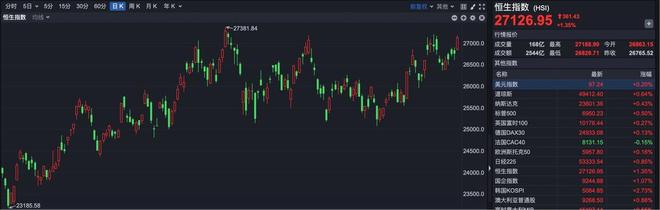
Core Viewpoint - The emphasis on relying more on monetary policy to expand domestic demand rather than fiscal policy is highlighted, as monetary policy can effectively influence individual behaviors and market dynamics [3][4]. Group 1: Monetary Policy and Domestic Demand - Zhang Bin, a senior researcher at CF40, argues that expanding domestic demand through fiscal spending is limited by practical constraints, such as the need for homeowner consent for projects like elevator installations in old residential buildings [3]. - The report indicates that from 2018 to 2021, the average mortgage interest rate in China was 5.5%, while the average growth rate of second-hand housing prices was 4.1%, resulting in a net cost of home buying at 1.4%, which was lower than the average rental yield of 2.2% [3]. - In contrast, from 2022 to 2025, the average mortgage interest rate is projected to drop to 3.9%, with second-hand housing prices expected to decline at an annual rate of -4.8%, leading to a net cost of home buying rising to 8.7%, making buying less attractive compared to renting [3]. Group 2: Impact of Interest Rates - Lowering interest rates can reduce the cost gap between buying and renting, thereby increasing residents' willingness to purchase homes [4]. - Monetary policy is seen as a more sustainable approach to expanding domestic demand by improving expectations and optimizing the budget constraints and incentives for both corporate investments and consumer spending [4]. - The key to achieving these changes lies in the central bank's firm stance on inflation targets and significantly lowering policy interest rates, which can enhance market confidence and influence economic behavior [4].