
新能源汽车

Search documents
春节假期前三天高速公路新能源汽车充电次数超140万次
Xin Lang Cai Jing· 2026-02-19 06:35
Core Insights - The National Energy Administration reported that during the first three days of the Spring Festival holiday, there were a total of 1.4099 million charging sessions for new energy vehicles at 53,300 highway charging stations, representing a 63.05% increase compared to the same period last year [1] Group 1: Charging Infrastructure Performance - The average daily charging volume reached 11.8008 million kilowatt-hours during the holiday [1] - The operation of highway charging infrastructure has been stable, effectively supporting the travel needs of the public using new energy vehicles for family visits, tourism, and returning home [1] Group 2: Future Monitoring and Support - The National Energy Administration, along with relevant parties, will enhance scheduling and monitoring to ensure adequate charging support during the upcoming peak return travel days of the Spring Festival holiday [1]
假期前三天高速公路新能源汽车充电次数超过140万次
Huan Qiu Wang Zi Xun· 2026-02-19 03:16
(总台央视记者 刘颖 杨曜语) 来源:央视新闻客户端 国家能源局今天发布数据显示,通过对纳入国家充电设施监测服务平台的5.33万台高速公路充电桩进行 统计,今年春节假期前三天高速公路新能源汽车充电次数共计140.99万次,日均充电量达到1180.08万千 瓦时,较去年春节同期增长63.05%,高速公路充电基础设施运行平稳,有效保障了假期人民群众自驾 新能源汽车探亲、旅游、返乡需求。 ...
春节假期前3天新能源汽车充电需求旺盛 高速公路充电基础设施运行平稳
国家能源局· 2026-02-19 02:32
Core Viewpoint - The article emphasizes the proactive measures taken by the National Energy Administration to enhance the availability and service level of charging facilities along highways during the peak travel period of the Spring Festival for electric vehicles [2] Group 1: Charging Infrastructure Statistics - During the first three days of the Spring Festival holiday, there were a total of 1.4099 million charging instances recorded at 53,300 highway charging piles, with an average daily charging volume of 11.8008 million kilowatt-hours, representing a 63.05% increase compared to the same period last year [2] - The stable operation of highway charging infrastructure effectively supported the travel needs of the public using electric vehicles for family visits, tourism, and returning home during the holiday [2] Group 2: Future Monitoring and Support - In anticipation of the return peak of the Spring Festival holiday, the National Energy Administration, in collaboration with relevant parties, will enhance scheduling and monitoring to continuously ensure the charging needs for electric vehicle travel during the holiday [2]


跃进/远程争冠 比亚迪进前五 徐工跻身前十!新能源轻卡1月实销大涨107%!| 头条
第一商用车网· 2026-02-18 13:27
2025年,我国新能源轻卡市场累计销售17.7万辆,全年有10个月销量超万辆,并在2025年12月份创造了2.49万辆的史上最高月销 量。 2026年,新能源轻卡市场会以怎样的表现开局呢?一众轻卡生产企业谁又能在2026年首月的新能源轻卡市场拔得头筹呢? | | 企业 | 销量 | 同比增长 月度份额 | | | --- | --- | --- | --- | --- | | 01 | 上汽跃进 | 1674 | 314% | 16.0% | | 02 | 远程新能源商用车 1603 | | 65% | 15.4% | | 03 | 福田汽车 | 1338 | 71% | 12.8% | | 04 | 中国重汽 | 874 | 274% | 8.4% | | 05 | 比亚迪 | 728 | 139% | 7.0% | | 06 | 东风公司 | 606 | 114% | 5.8% | | 07 | 工法与左 | EEC | 220/ | 5 20% | 请看第一商用车网的分析报道。 根据第一商用车网掌握的最新数据,2026年1月份,国内新能源轻卡市场共计销售1.04万辆(注:本文轻卡指总质量3.5-6T货车 ...






中国电动汽车零售商奥创控股(ANE.US)IPO规模上调380% 拟募资3000万美元
智通财经网· 2026-02-18 09:38
目前,该公司在海口市运营着四家全方位服务的 4S 店,并已与吉利几何、长城欧拉、奇瑞新能源及广 汽传祺等中国主流新能源汽车品牌建立了深度代理合作关系。随着海南省加速推进"全岛禁售燃油车"的 战略目标,奥创控股正试图利用政策红利进一步巩固其在区域市场的竞争地位。 奥创控股成立于2013年,计划在纳斯达克上市,股票代码为ANE。D. Boral Capital担任此次交易的唯一 簿记管理人。 奥创控股此次大幅调增发行股数,其核心目的在于满足纳斯达克交易所更为严格的上市准入门槛。根据 现行规定,拟上市企业必须确保其公众流通市值(Minimum Public Float)至少达到1500万美元。 作为海南省内领先的乘用电动汽车(EV)零售服务商,奥创控股业务涵盖了新车销售、售后维修、零配件 供应以及汽车金融和保险等全链条服务。 智通财经APP获悉,周二,中国电动汽车零售商奥创控股(ANE.US)提高了其即将进行的首次公开募股 (IPO)的拟议交易规模。这家总部位于中国海口的公司目前计划以每股4至6美元的价格区间发行600万股 股票,筹集3000万美元。该公司此前曾申请以相同价格区间发行130万股股票。按发行价区间的中 ...
极速496km/h!销量吊打迈巴赫!刷新24小时耐力赛纪录!2025年重磅新车都有谁?
电动车公社· 2026-02-18 00:02
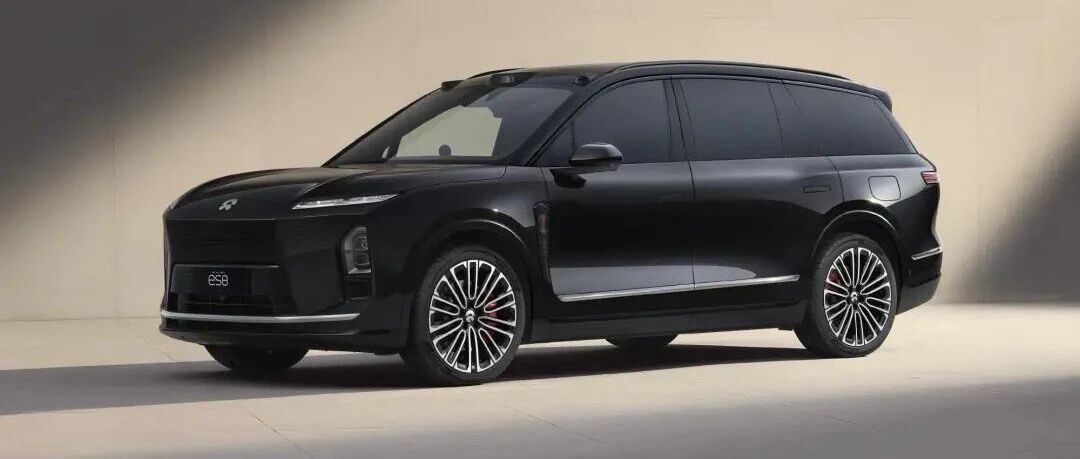
Group 1 - The article highlights the significant success of NIO's ES8 in 2025, achieving a record delivery of 48,134 units in December and marking a profitable quarter [5][6] - The ES8's success is attributed to three main factors: cost reduction leading to a competitive price of 406,800 RMB, the benefits of NIO's battery swapping technology, and the refined product quality of the ES8 [8][9][11] - The article anticipates the performance of NIO's upcoming flagship model, the ES9, with high expectations [12] Group 2 - Xiaomi's YU7 is described as a phenomenon in the automotive market, with 152,357 units registered in 2025 and a remarkable sales performance in January 2026 [15][16] - The success of YU7 is linked to Xiaomi's strong supply chain management, marketing prowess, and the efforts of its design and engineering teams [16][17] - YU7 is positioned as a major competitor to Tesla's Model Y, indicating its significant impact on the market [18] Group 3 - Leap Motor is recognized for its steady growth, aiming for a sales target of one million units in 2025, with models like the C10 and C11 driving its success [21][22][24] - The company has demonstrated resilience by enhancing existing products and optimizing design and configuration [23][25] Group 4 - Nissan's N7 is highlighted as a key example of a joint venture brand successfully developing a fully electric vehicle independently, achieving significant sales milestones [31][32] - The N7's development showcases the collaboration between Nissan and local partners, emphasizing the shift towards localized electric vehicle production [30][32] Group 5 - Geely's Star Wish has maintained strong sales, achieving over 40,000 units per month and becoming the best-selling model in its category [37][38] - The article attributes its success to effective marketing strategies and strong product features that appeal to a wide audience [38] Group 6 - The Lantu Dreamer has undergone significant upgrades, enhancing its electric range and luxury features, resulting in a notable increase in sales [42][45] - The model's versatility as both a family and business vehicle is emphasized, contributing to its market position [44] Group 7 - The BYD Yangwang U9 Xtreme has set records for speed, showcasing BYD's engineering capabilities and technological advancements in the electric vehicle sector [48][50] - The U9 Xtreme's performance highlights BYD's commitment to breaking foreign monopolies in the high-performance electric vehicle market [50] Group 8 - Volvo's XC70 is noted for its successful transition to hybrid technology, becoming the first luxury hybrid model to exceed 5,000 units in monthly sales [57][58] - The article suggests that this model could represent a new direction for luxury brands in their electric vehicle strategies [58] Group 9 - Tesla's Model Y remains a strong contender in the market despite a 20% decline in new registrations, ranking third in sales among electric vehicles [63][64] - The introduction of the extended Model Y L variant aims to enhance its appeal and maintain its competitive edge [66][68] Group 10 - The ZunJie S800 has achieved remarkable sales in the luxury segment, delivering over 4,000 units in December 2025, setting a record for Chinese brands in the million-level market [73] - The model's design and luxury features are highlighted as key factors in its success, challenging traditional luxury car perceptions [73]




台胞别样“登陆日记”:多重跨界遇见更好的自己
Xin Lang Cai Jing· 2026-02-17 09:07
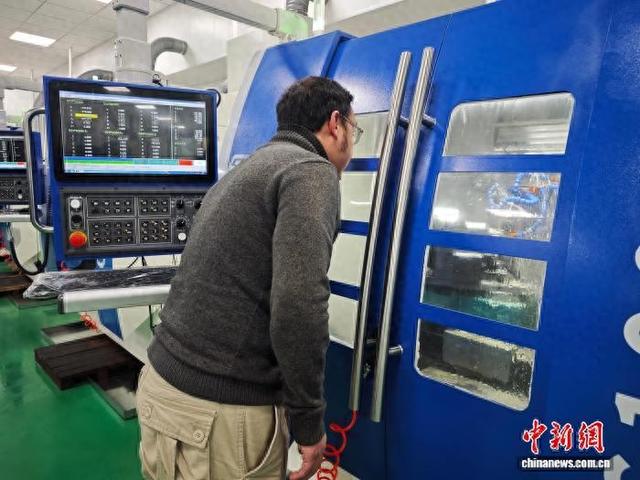
2010年,黄崇硕毕业于台湾中兴大学农业经营管理专业。两年后,带着对大陆市场的憧憬,他前往天津 一家台资企业从事无土栽培技术研发、市场策划等工作。2014年,他奔赴上海,将目光聚焦农业品牌运 营管理,一步步积累经验。 "初来乍到,就被大陆蓬勃的发展活力吸引。"黄崇硕表示,他一直很关注大陆在农业农村领域的相关政 策,"尤其在2018年,乡村振兴战略深入实施,我相信其中大有可为。" 2020年,黄崇硕入职嘉兴桐乡市现代农业创新服务中心。当时,他对当地6个镇、3个街道的240多种农 特产品进行全面摸排,并通过中央厨房集中展示,现场教授游客烹饪技巧。 "我在台湾考取了园艺技术师、面包烘焙技术师、景观造园技术师等证照,平时也比较喜欢研究美 食。"黄崇硕介绍,他为桐乡一家蘑菇厂量身打造了13道蘑菇料理,深受游客好评,"我还把台湾成熟的 休闲农业运营模式免费推介给当地农场,为农户增收出一份力"。 中新社浙江台州2月17日电 题:台胞别样"登陆日记":多重跨界遇见更好的自己 作者 傅飞扬 "从农田里的蔬果到车间里的仪器,从精密制造到医疗器械,一转眼我来大陆14年了,每次跨界都像一 场'重生'。"正值春节假期,回首在大陆深耕的 ...
徐工登顶 重汽/解放/三一拼前三 TA暴涨881% 新能源牵引车2026首轮战报出炉!| 头条
第一商用车网· 2026-02-17 05:33
Core Viewpoint - The new energy heavy truck market in China experienced significant growth in January 2026, with overall sales increasing by 127% year-on-year, indicating a strong start to the year for the industry [1][26]. Sales Performance - In January 2026, the sales of new energy heavy trucks reached 16,100 units, with a year-on-year increase of 127% but a month-on-month decrease of 65% compared to December 2025 [3]. - New energy tractor trucks sold 10,500 units in January 2026, marking a year-on-year growth of 114% but a month-on-month decline of 70% [2][3]. Market Share - New energy tractor trucks accounted for 65.39% of the new energy heavy truck market in January 2026, a decrease of over 10 percentage points from the 2025 annual average of 76.36% [5]. - The market share of new energy tractor trucks in January 2026 was lower than the 69.13% share from January 2025 [5]. Regional Distribution - In January 2026, 1.05 million new energy tractor trucks were registered across 29 provincial-level regions, with Guangdong, Shanxi, Hebei, and Xinjiang accounting for over 35.9% of the total sales [12]. Leading Companies - XCMG topped the sales chart in January 2026 with 2,720 units sold, followed by China National Heavy Duty Truck Group (1,485 units), FAW Jiefang (1,181 units), and SANY (1,038 units) [17][24]. - A total of 15 companies sold over 100 units of new energy tractor trucks in January 2026, with 8 companies exceeding 400 units [15]. Year-on-Year Growth - The overall sales of new energy tractor trucks in January 2026 increased by 114% year-on-year, with 11 out of the top 12 companies experiencing growth [22]. - XCMG, SANY, and other companies saw significant increases, with XCMG's sales growing by 287% compared to the previous year [22]. Market Share by Company - In January 2026, XCMG held a market share of 25.9%, a significant increase of 11.6 percentage points from the previous year [24]. - China National Heavy Duty Truck Group and FAW Jiefang captured 14.1% and 11.3% of the market share, respectively [24].




"问界山河"点亮除夕夜!问界M9春晚《手到福来》掀起全网参与热潮
Ge Long Hui· 2026-02-17 03:14
Core Viewpoint - The performance of the AITO M9 at the 2026 Spring Festival Gala showcases the technological strength and new image of Chinese electric vehicle brands, highlighting the integration of technology and art [1][7]. Group 1: Brand and Product Highlights - AITO M9, as part of the performance, symbolizes a blend of technology and cultural elements, creating a memorable experience for millions of viewers [2][3]. - The program titled "Hand to Fortune" successfully engaged the audience through interactive gestures, enhancing brand recognition and emotional resonance with the audience [4]. - Since its inception in 2021, AITO has launched four electric vehicle models, including M5, M7, M9, and M8, and has achieved a significant milestone of one million vehicles produced in just 46 months [5]. Group 2: Market Position and Recognition - AITO M9 has maintained its position as the best-selling model in the 500,000 yuan price segment for 21 consecutive months, challenging the dominance of foreign brands in the luxury market [5]. - The Spring Festival Gala appearance signifies national recognition of AITO's product strength and enhances the visibility of Chinese high-end electric vehicles on a global scale [7]. - AITO is positioned as a leader in the Chinese electric vehicle market, continuously pushing the boundaries of innovation and luxury [7].

力源科技取得新能源汽车电机外壳组件专利
Jin Rong Jie· 2026-02-17 01:26
国家知识产权局信息显示,广东力源科技股份有限公司取得一项名为"一种新能源汽车电机外壳组件"的 专利,授权公告号CN120454374B,申请日期为2025年5月。 声明:市场有风险,投资需谨慎。本文为AI基于第三方数据生成,仅供参考,不构成个人投资建议。 财经频道更多独家策划、专家专栏,免费查阅>> 天眼查资料显示,广东力源科技股份有限公司,成立于2004年,位于肇庆市,是一家以从事汽车制造业 为主的企业。企业注册资本5000万人民币。通过天眼查大数据分析,广东力源科技股份有限公司共对外 投资了1家企业,参与招投标项目17次,财产线索方面有商标信息8条,专利信息86条,此外企业还拥有 行政许可73个。 ...
