
智能网联汽车

Search documents
岚图汽车卢放:期待中国自主品牌攻克豪华轿车市场
Bei Ke Cai Jing· 2025-12-12 10:31
Core Viewpoint - The launch of the Lantu Zhaiguang L aims to enhance the user reputation and experience of products, positioning itself as a leader in technology within the luxury car market in China [1][2]. Group 1: Product Launch and Features - Lantu Zhaiguang L was launched on December 10, featuring two models: Max version priced at 279,900 yuan and Ultra version at 309,900 yuan [1]. - The new car is equipped with an 800V intelligent hybrid system, 5C ultra-fast charging, Qian Kun intelligent driving ADS 4, and Harmony cockpit 5, along with a standard intelligent four-wheel drive system [1]. Group 2: Market Positioning and Challenges - The chairman of Lantu, Lu Fang, highlighted that the Chinese luxury car market is undergoing transformation and aims for Lantu Zhaiguang L to help Chinese brands break through barriers in the luxury segment during the 14th Five-Year Plan [2][3]. - The historical lack of successful Chinese car models has been attributed to brand recognition issues, with established foreign brands like BBA (Benz, BMW, Audi) still holding significant market influence [2]. Group 3: Strategic Goals and Global Expansion - Lantu's mission is to produce high-end luxury vehicles, focusing on advanced technology to enhance user experience, which is seen as superior compared to mid-range models [4]. - The company plans to target the European market with pure electric vehicles and the Middle East with hybrid models, aiming for rapid product launches and iterations to meet local demands [5]. Group 4: Collaboration and Competition - Lantu maintains an open collaboration approach, learning from strong partners like Huawei, with a shared goal of improving the experience of Chinese intelligent electric vehicles for consumers [6]. - The company emphasizes the importance of unity among domestic brands to strengthen their market position and avoid internal competition, especially during the 14th Five-Year Plan, which saw significant growth in new energy vehicle sales [6].
从汽车智造到自动驾驶:广州开发区的智能网联突围之路
Xin Lang Cai Jing· 2025-12-12 08:56
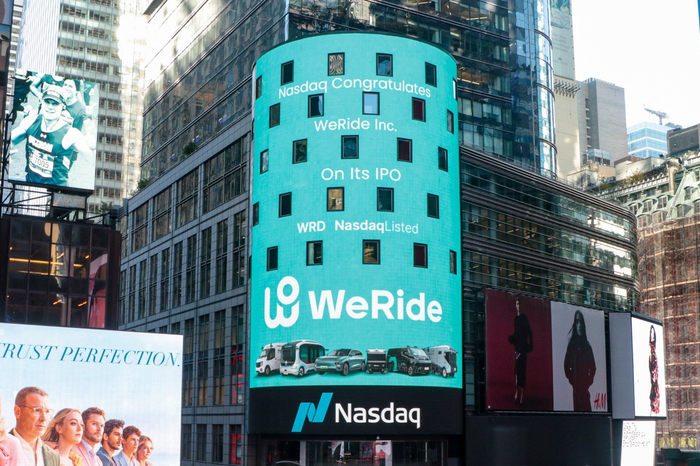
Core Insights - Guangzhou's Huangpu District is accelerating the construction of a modern industrial system, focusing on strategic emerging industries and future industries, reflecting China's ambition to seize global technological leadership [1] - The district has become a hub for autonomous driving technology, with WeRide becoming the first company globally to receive a pure driverless license from Switzerland and achieving dual listing in Hong Kong and the US [1][3] Industry Development - The automotive industry is a pillar in Huangpu, with a historical foundation dating back to the 1990s when joint ventures were introduced, leading to a robust supply chain of key component manufacturers [3][4] - In 2025, the automotive sector in Huangpu is projected to sign 25 projects with an estimated total investment of approximately 6.196 billion yuan, generating an expected annual output value of about 14.96 billion yuan [4] - From January to October 2025, 80 automotive enterprises in the district achieved an output value of 106.76 billion yuan, with a year-on-year growth rate of 7%, leading the city [4] Technological Innovation - The shift from manufacturing to intelligent manufacturing in the automotive sector is driven by technological innovation, flexible production, and product iteration [5] - The "old-for-new" policy has significantly boosted sales, with automotive and parts retail enterprises achieving sales of approximately 41.02 billion yuan from January to October, a year-on-year increase of 66.3% [5] - Huangpu's automotive brands, such as XPeng and GAC Honda, are increasing their export volumes, with total automotive exports reaching 3.217 billion yuan from January to September, including 2.008 billion yuan in pure electric passenger vehicles, a year-on-year increase of 184% [5] Policy Support - Huangpu has established a supportive policy environment for autonomous driving, facilitating multiple "national firsts" in the sector, including the launch of China's first commercial Robotaxi service and the first fully driverless sanitation vehicle [8][9] - The establishment of the Intelligent Connected and New Energy Vehicle Industry Development Office has been pivotal in promoting the sector's growth and attracting new enterprises [9] Company Highlights - XPeng Motors has achieved significant milestones, producing its one-millionth vehicle in just 14 months, and plans to launch seven new models by 2026 [10][11] - The company operates a smart manufacturing facility that adheres to Industry 4.0 standards, integrating fully automated processes across various production stages [14] - The flexible production capabilities of companies like Mingluo Equipment have positioned them as key players in the automotive supply chain, serving major global automotive brands [16][18] Semiconductor and Sensor Development - Huangpu is nurturing semiconductor companies like Yuanchip Electronics, which has become a leading supplier of high-precision positioning products for various industries, including automotive [20][21] - The company has established partnerships with over 30 major automotive manufacturers, with projected revenues of 300 million yuan in 2024, expected to reach 700 million yuan this year [23]

成都市首个车载智能系统领域中试平台在未来科技城投用
Mei Ri Jing Ji Xin Wen· 2025-12-11 14:42
Group 1 - The Sichuan Province key pilot platform for manufacturing, operated by Guoqi Zhidan, has officially commenced operations, filling a gap in the testing production line for vehicle-mounted intelligent systems in Chengdu [1] - The pilot platform offers systematic support for clients, ensuring safe, reliable, and defect-free products through lean manufacturing capabilities and advanced production processes [1] - Products such as domestically developed automotive-grade 5G communication modules and intelligent cockpit domain controllers are undergoing comprehensive verification at the pilot platform, with commercial production expected to begin in 2026 [1] Group 2 - Chengdu Future Technology City, led by Chengdu High-tech Zone, is developing an automotive intelligent system industrial park focused on key areas such as environmental perception systems and vehicle communication devices [2] - The goal is to create a regionally influential cluster for intelligent connected vehicles, emphasizing the production of core components [2] - Future efforts will focus on enhancing innovation factor aggregation and improving the technology verification system to accelerate the transition of more enterprises from laboratory to market [2]
汽车内需市场有效改善,汽车产销量全年有望再创历史新高
Zheng Quan Shi Bao Wang· 2025-12-11 09:28
汽车企业的出口数据,同样反映出新能源车在海外市场广受认可的趋势。1—11月,整车出口前十企业 中,比亚迪出口增速最为显著,出口达92.1万辆,同比增长1.5倍。 新能源汽车方面,1—11月,新能源汽车产销累计完成1490.7万辆和1478万辆,同比分别增长31.4%和 31.2%,新能源汽车新车销量达到汽车新车总销量的47.5%。 12月11日,中国汽车工业协会(下称"中汽协")发布11月汽车产销数据。数据显示,11月,汽车产销分 别完成353.2万辆和342.9万辆,同比分别增长2.8%和3.4%。1—11月,汽车产销累计完成3123.1万辆和 3112.7万辆,同比分别增长11.9%和11.4%。 值得关注的是,1—11月,新能源商用车的销量增速要明显超过乘用车,在国内市场累计销售75万辆, 同比增长62.4%。 中汽协副秘书长陈士华表示,展望全年,汽车内需市场在政策组合效应推动下实现有效改善,同时,汽 车外贸呈现较好的韧性,汽车产销量全年有望再创历史新高。 不久前,工业和信息化部等六部门联合印发《关于增强消费品供需适配性进一步促进消费的实施方 案》,提出到2027年,形成3个万亿级消费领域和10个千亿级 ...
从11月份汽车产量“创新高”看国产车“汽”势如虹动能释放
Yang Shi Wang· 2025-12-11 09:22
Group 1 - In November, China's automotive production and sales continued to show strong performance, with monthly production exceeding 3.5 million units for the first time, setting a historical record [1] - For the first 11 months of the year, both production and sales of automobiles in China surpassed 31 million units, with a year-on-year growth of over 10% [1] - The strong performance of the automotive industry is attributed to proactive macro policies implemented this year, which have positively impacted the sector's development [1] Group 2 - New energy vehicles (NEVs) have shown robust growth, with production and sales nearing 15 million units from January to November, reflecting a year-on-year increase of over 30% [1] - NEV exports reached 2.315 million units, marking a year-on-year growth of 100% [1] - The automotive market is expected to achieve record production and sales for the year, driven by effective policy measures and resilient foreign trade [1] Group 3 - A recent implementation plan by six departments, including the Ministry of Industry and Information Technology, aims to enhance the adaptability of supply and demand in consumer goods, fostering a trillion-level market for smart connected vehicles [2] - The plan also seeks to expand automotive aftermarket consumption, including vehicle modifications, RV camping, and automotive events, laying a solid foundation for a strong start to the 14th Five-Year Plan [2]
“光纤上车”促进智能汽车功能升级
Ke Ji Ri Bao· 2025-12-11 00:40
Core Viewpoint - The introduction of V-PON vehicle optical communication solutions by China Information Communication Technology Group's subsidiary, FiberHome Technologies, aims to address the data transmission challenges in smart vehicles, enhancing their functionality through fiber optic technology [1][2]. Group 1: Data Transmission Challenges - The increasing intelligence of connected vehicles necessitates the deployment of numerous sensors and display terminals, which significantly raises the demands for bandwidth and transmission speed within the vehicle [2]. - A single uncompressed 4K display in vehicles requires over 10G of bandwidth, and even compressed, it still needs between 2G to 4G, highlighting the inadequacy of traditional copper wiring in meeting these high demands [2]. Group 2: V-PON Optical Communication Solution - The V-PON solution utilizes passive optical network (PON) technology, commonly used in home fiber optic installations, to create a point-to-multipoint transmission architecture, connecting displays and cameras via fiber optics [2]. - This solution allows for simultaneous upstream and downstream high-speed transmission through a single cable, potentially reducing the required cable length and weight by up to 90%, aligning with the lightweight development needs of smart vehicles [2]. Group 3: Current Applications and Future Potential - Optical communication technologies have already been validated in certain scenarios, with bend-resistant optical cables passing internal tests by some automotive companies [3]. - The application of V-PON technology is expected to transform vehicles into multifunctional "embodied intelligent entities," enabling features such as personalized seat adjustments, automatic wiper adjustments based on weather, and real-time monitoring of vehicle conditions [4]. Group 4: Industry Significance - China has established a leading position in fiber access technology, achieving comprehensive autonomy in technology, chips, and standards, which supports the development of domestic automotive companies and reduces reliance on foreign technologies [5]. - The company plans to continue advancing automotive-grade optical communication technology, aiming for breakthroughs in core components like PON chips and optical cables, thereby enhancing the competitiveness of China's smart connected vehicles [5].

人工智能生态街区 在软件谷开街
Jiang Nan Shi Bao· 2025-12-10 21:54
Group 1 - The "AI Mirror World" in Nanjing has officially opened, focusing on "intelligent leadership, digital-physical integration, and scenario demonstration" to create a leading area for the deep integration of AI and software industries [1] - The initial project aggregation effect is evident, with 5 out of the first 12 projects officially operating and connections made with 30 key AI enterprises, including SenseTime [1] - The district aims to achieve a target of 100 billion yuan in core industrial output value and over 300 billion yuan in related industrial output value within five years, planning to gather 1,000 AI upstream and downstream enterprises and 100,000 AI talents [1] Group 2 - The district has made breakthroughs in application scenarios, with 55 solutions collected and 13 scenarios, such as AI restaurants and AI clinics, progressing towards implementation [1] - The "Quality and Energy Workshop" has already incubated 13 enterprises, with a goal to land 8 scenarios by the end of the year [1] - The district will focus on vertical fields like A1+ intelligent connected vehicles and cutting-edge areas such as embodied intelligence and brain-computer interfaces [1]
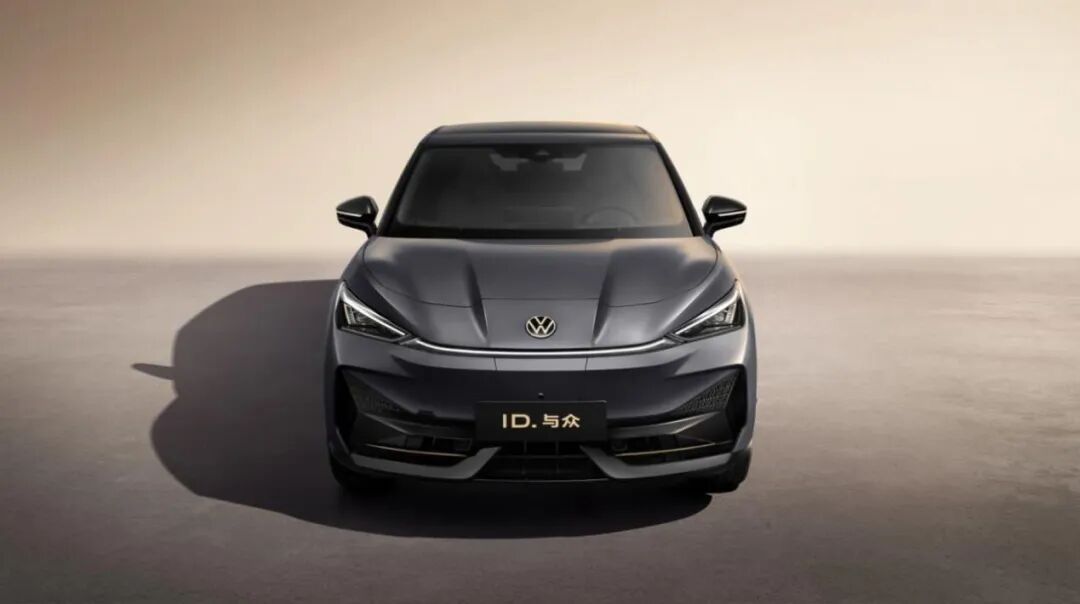
官宣!大众与小鹏合作首款电车即将投产:中国团队主导,研发仅用18个月!“反向合资”前景如何?
Mei Ri Jing Ji Xin Wen· 2025-12-10 08:53
Core Viewpoint - The first model based on Volkswagen's CEA (China Electrical Architecture) specifically developed for the Chinese market will officially start production on December 31 in Anhui, China [1]. Group 1: Model Development and Features - The model, named "Yuzhong 07," is led by a Chinese team and has achieved a complete development chain from electronic architecture to vehicle integration in just 18 months [3]. - The CEA architecture 1.0, developed in collaboration with XPeng, will be followed by a 2.0 version in 2027 that supports multiple power types, and a 3.0 version in 2029 focusing on SOC chip development [3][4]. Group 2: Strategic Transformation - Volkswagen is transitioning decision-making power from Germany to China, allowing local teams to have unprecedented autonomy in developing new energy vehicles and electronic architectures [8]. - The CEA architecture aims to quickly enhance capabilities in electronic architecture, with plans to launch at least four models using CEA 1.0 starting next year [4]. Group 3: Financial Performance and Market Strategy - In Q3, Volkswagen reported revenues of €80.305 billion, a 2.3% increase year-on-year, but also a net loss of €1.072 billion, marking the first quarterly loss in five years [9]. - The company aims to balance profitability in the fuel vehicle market while scaling up in the new energy vehicle sector, with expectations for financial recovery by 2027 [9][11]. Group 4: Future Plans and Market Position - From 2026, the first models equipped with the CEA architecture and advanced driving assistance features will be delivered, with over 20 electric smart models planned before 2027 [11]. - By 2030, the lineup of pure electric smart models is expected to expand to around 30, covering various market segments [11].

协同合作,加快汽车智能化“出海”——记第七届全球智能驾驶大会
Zhong Guo Qi Che Bao Wang· 2025-12-10 02:55
Core Viewpoint - During the "14th Five-Year Plan" period, China's automobile exports have increased from less than 2 million to nearly 6 million, transitioning from single vehicle exports to collaborative industry chain exports, achieving significant growth in both quantity and quality [2] Group 1: Development of Intelligent Vehicles - The automotive industry has entered the era of intelligent connected vehicles, with a consensus on the strategic transformation towards smart vehicles globally [3] - In the first seven months of this year, the penetration rate of L2+ intelligent driving in new passenger cars in China reached 62.6%, with 4G/5G installation rates at 60.5% and 22.2% respectively [3] - The shift from "single vehicle export" to "system export" includes not only intelligent vehicles but also the supply chain and digital services, indicating vast potential for growth [3][4] Group 2: Competitive Advantages - Chinese automobiles have higher hardware configurations, more complete software ecosystems, and richer intelligent functions compared to overseas markets, leading to better user experiences [4] - The penetration rate of L2+ auxiliary driving technology in China has reached 20%, with many advanced driving technologies expected to be widely applied next year, showcasing a technological lead [4] - The rapid innovation and industrialization of China's intelligent driving industry have created significant cost and scale advantages over overseas supply chains [4][5] Group 3: Challenges in Global Expansion - The intelligent vehicle export faces challenges such as regulatory differences, localization service inadequacies, and data security compliance requirements [6][7] - There is a need for deep market adaptation rather than simple technology transfer to build trust and understanding among diverse cultural backgrounds [7] - Trade barriers and geopolitical tensions, particularly between the US and Europe, pose additional challenges to the global expansion of China's intelligent vehicles [7] Group 4: Collaborative Strategies for Success - Industry players are encouraged to shift from competition to cooperation, focusing on service and solution exports rather than just product sales [8] - Establishing localized manufacturing through joint ventures, technology licensing, and enhancing collaboration with multinational companies are essential strategies [8] - Building a supportive global industrial environment requires regulatory dialogue, data compliance mechanisms, and the establishment of ecological clusters overseas [8]

俄罗斯汽车大规模瘫痪事件浅析:卫星锁车背后的技术依赖危机
Xin Lang Cai Jing· 2025-12-07 02:33
Group 1 - A rare automotive crisis occurred in Russia starting November 28, 2025, where hundreds of luxury vehicles, primarily from brands like Porsche, Mercedes-Benz, Audi, and Volkswagen, suddenly became inoperable due to a malfunction in the Bosch VTS (Vehicle Tracking System) [1][17][18] - The affected vehicles exhibited symptoms such as inability to start, engine lock, and sudden loss of power while driving, leading to near-accidents [1][17][18] - The crisis has led to significant operational challenges for dealerships, with Rolf, Russia's largest automotive dealer, reporting over 40 vehicles towed for repairs and long queues at service centers [1][17] Group 2 - The VTS system, designed to provide advanced anti-theft protection through GPS and satellite communication, has a critical flaw due to its reliance on continuous satellite signals [19][20] - When the VTS system detects anomalies, it triggers a security mode that locks the engine, mistakenly identifying normal vehicles as stolen, which has resulted in widespread vehicle immobilization [20][22] - The incident highlights a fundamental issue in the automotive industry regarding the separation of technical control and ownership, raising concerns about consumer rights in the era of smart vehicles [24] Group 3 - The crisis has led to a significant decline in luxury car sales in Russia, with Porsche's sales dropping by 42% and a general decrease in the resale value of used luxury cars equipped with the VTS system by 8%-12% [27][28] - The event serves as a warning for the global automotive industry, emphasizing the vulnerabilities associated with increasing electronic control and the need for standards that ensure basic functionality during communication failures [27][29] - The incident has prompted discussions on regulatory frameworks, with potential new regulations in Russia requiring vehicles to have offline operation modes and user consent for remote control features [30]