长期主义

Search documents
看完《全球富豪调查报告》,发现值得所有家庭关心的三件事
Sou Hu Cai Jing· 2026-01-06 01:13
Core Insights - The UBS Billionaire Ambitions Report 2025 reveals a significant shift among wealthy families regarding their expectations for the next generation, with over 82% of billionaires preferring their children not to inherit the family business directly, and 67% encouraging them to pursue personal interests instead [2][5] Group 1: Wealth Dynamics - The total wealth of billionaires is projected to reach $15.8 trillion by 2025, reflecting an 8.8% increase, with 196 self-made billionaires contributing $386.5 billion in new wealth [6] - In mainland China, 19% of newly minted billionaires in 2025 are from the technology sector, with an overall wealth growth rate nearing 40% [9] - The transition of wealth is accelerating globally, with 91 individuals inheriting a total of $297.8 billion in 2025, a 36% increase from the previous year [9] Group 2: Educational Shifts - Billionaires are increasingly focusing on cultivating resilience and adaptability in their children, preparing them for a world of constant change and challenges [20] - The emphasis is shifting from merely inheriting wealth to developing a sense of agency and decision-making skills in children, allowing them to define their own paths [22] - The concept of value is becoming central in education, with a focus on teaching children to create value in a world where traditional measures of success may no longer apply [24][25]

美沃李阳:以务实耕耘应万变 在存量博弈中求长效
Xin Lang Cai Jing· 2026-01-05 09:29
Core Viewpoint - In 2025, the Chinese home furnishing industry is undergoing significant transformations across market, consumer, and policy dimensions, with companies needing to make strategic decisions that are critical for their survival and competitiveness [1] Group 1: Internal Operations and Efficiency - The core strategy for 2025 is defined as "cultivation," focusing on enhancing internal operational efficiency rather than aggressive market expansion [3] - The company aims to achieve cost leadership by optimizing production processes, improving raw material utilization, shortening delivery cycles, and accelerating inventory turnover [3] - The goal is to offer competitive pricing to distributors and consumers by transforming saved costs into "high quality at low prices," thereby establishing a solid competitive barrier in the market [3] Group 2: Channel Empowerment - The company has shifted from a popular "accompanying" training model to a more pragmatic "traffic management" solution for empowering distributors [5] - Recognizing that most distributors excel in product explanation and delivery rather than content creation, the company provides comprehensive traffic operation services, allowing distributors to focus on customer conversion [6] - This "central kitchen" model emphasizes professional division of labor and maximization of efficiency, ensuring distributors can continuously access high-quality resources in a competitive environment [6] Group 3: Product Strategy and International Expansion - The company has developed a clear product map and scenario-based solutions targeting the high-end market, focusing on "large apartments and villas" [8] - It emphasizes quality-price ratio and cost control, opposing detrimental competition that sacrifices material quality [8] - The company adopts a "cautiously optimistic" approach to international expansion, preferring to establish partnerships and flagship stores in target countries rather than merely exporting products [8] - Plans are in place to open the first overseas stores in 2026 after securing cooperation intentions in two developed countries [8] Group 4: Long-term Strategy for 2026 - The 2026 strategy is centered on "repeating successful actions and improving from 80 to 90 points," focusing on deepening and enhancing already validated strategies [10] - The company aims to optimize product matrices and channel efficiency while exploring renovation demand in the domestic market [10] - It plans to steadily expand into new overseas markets and enhance internal operations and service standards to solidify core competitiveness [10] - The company maintains a "calmly optimistic" outlook on industry trends, believing that the large population and existing housing stock in China will sustain significant market demand [10] Group 5: Industry Insights - The company's approach in 2025 revolves around "pragmatism" and "deep cultivation," relying on systematic internal development and genuine value delivery to navigate through industry uncertainties [12] - This strategy suggests that companies capable of focusing on "cultivation" will provide valuable insights into "endurance" rather than just "explosiveness" for the transformation and upgrading of the home furnishing manufacturing industry [12]
任正非的“成功秘诀”是公开的,能读懂什么看各人的悟性和本事:有四个字很关键,希望你可以从中受益!
Sou Hu Cai Jing· 2026-01-05 06:49
Core Insights - Huawei's entrepreneurial success is attributed to three main factors: the timing of its establishment, the unique entrepreneurial spirit of its founder Ren Zhengfei, and the company's strategic focus on core competencies [1] Group 1: Timing and Opportunity - The era and location of Huawei's founding in 1987 in Shenzhen provided a unique opportunity for growth in the telecommunications industry [1] - The societal and industry changes during that period were crucial for a startup to achieve world-class status in communications [1] Group 2: Entrepreneurial Spirit - Ren Zhengfei's entrepreneurial spirit is seen as irreplaceable, highlighting that not all capable individuals possess the same drive and vision [1] - The success of Huawei is partly due to Ren's unique leadership qualities that set the company apart from its competitors [1] Group 3: Strategic Focus - Huawei's strategy involved a concentrated effort on core network technology, avoiding distractions from other opportunities [5] - The principle of focusing on one main goal, akin to "putting all eggs in one basket," was essential for Huawei's early survival and growth [5][6] - The ability to say "no" to temptations and distractions is a key aspect of effective strategic decision-making [5] Group 4: Long-term Commitment - The concept of "slow is fast" emphasizes the importance of long-term commitment over short-term gains, allowing for fewer mistakes and greater overall progress [6] - Patience and dedication to a singular focus can lead to significant advancements over time, as demonstrated by Huawei's rise from a lesser-known company to a leading player in the industry [6] Group 5: Resource Management - Understanding the limitations of time, energy, and capital is crucial for making effective strategic choices [6] - The ability to concentrate efforts on high-probability success areas maximizes output and growth potential [6][9] - Avoiding unnecessary distractions and focusing on valuable tasks is essential for meaningful progress in any venture [9]

当中国汽车在2025征服世界,奇瑞的实力藏不住了
凤凰网财经· 2026-01-04 13:46
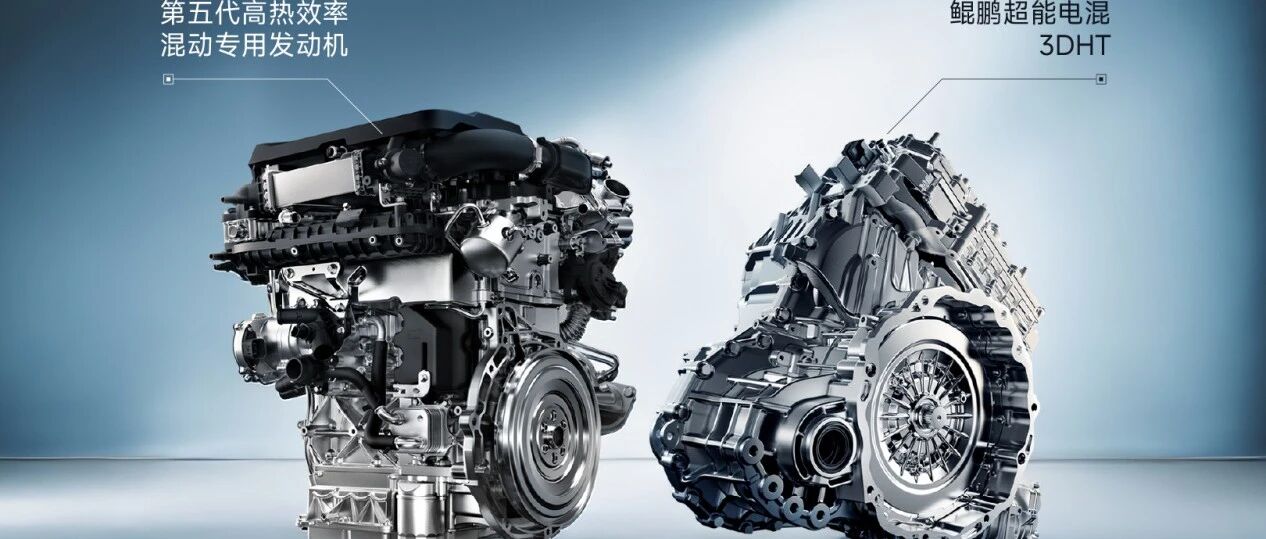
Core Viewpoint - The article highlights the remarkable growth of Chery in the automotive industry, showcasing its strategic long-term planning and commitment to quality, which have enabled it to thrive in both domestic and international markets despite fierce competition and external challenges [1][2][3]. Group 1: Performance and Market Position - In 2025, Chery achieved total sales of 2.806 million vehicles, with exports reaching 1.344 million units, accounting for 47.9% of total sales; its new energy vehicle sales reached 904,000 units, marking a year-on-year growth of 54.9% [1][5]. - Chery has maintained its position as the top Chinese brand in passenger car exports for 23 consecutive years, entering 15 European markets and expanding into the Middle East and Southeast Asia [5][6]. - The brand's structure has been optimized, with 1.7 million units sold under the Chery brand, 620,000 units under the Jetour brand, and 187,000 units from its two new energy brands, indicating a robust and diversified product lineup [5][6]. Group 2: Strategic Approach - Chery's success is attributed to its long-term strategic investments in technology and global market expansion, contrasting with competitors focused on short-term sales [2][10]. - The company has released over 10 industry-leading core technologies in 2025, including advancements in chassis, batteries, and intelligent driving systems, showcasing its commitment to innovation [10][11]. - Chery's "oil-electric synergy" strategy allows it to offer a range of powertrain options, including fuel, hybrid, and electric vehicles, providing flexibility in response to market demands [11][12]. Group 3: Quality and Brand Reputation - Chery has been recognized as the "Five Crown King" by J.D. Power for achieving the highest ratings in new car quality, sales service, after-sales service, product appeal, and vehicle reliability among domestic brands [8]. - The company's focus on quality has earned it a strong reputation in both domestic and international markets, particularly in mature automotive markets where reliability and long-term ownership costs are critical [8][9]. Group 4: Globalization and Future Growth - Chery's globalization strategy has evolved to include local production and deep integration into foreign markets, as evidenced by its receipt of China's first "China-Europe Carbon Footprint Data Mutual Recognition" certificate [14][16]. - The company is exploring additional growth avenues, including financial services, software subscriptions, and advanced technologies like Robotaxi and humanoid robots, indicating a forward-looking approach to business development [14][16][18]. - Chery's commitment to both independent technology development and open innovation through collaborations with over 100 global universities exemplifies its balanced approach to maintaining technological sensitivity while avoiding dependency [16][19].
帮主开年展望:穿越2026迷雾,寻找核心投资主线
Sou Hu Cai Jing· 2026-01-04 12:30
Core Viewpoint - The investment opportunities in 2026 lie in the transitions between "new and old," "real and virtual," and "internal and external" factors, emphasizing the importance of a balanced and research-driven approach to investing [3][6]. Group 1: Technology Innovation - The first main line of investment is the transition of "technology innovation" from soft narratives to hard implementations, focusing on companies with actual products, revenue, and users rather than those relying solely on concepts [3]. - AI will continue to penetrate various industries, shifting from cloud-based solutions to edge computing, highlighting the need to invest in companies that provide core hardware and software platforms [3]. - Emerging technologies like quantum computing and brain-computer interfaces represent future technological peaks, warranting research and tracking despite their current lack of commercialization [3]. Group 2: Consumer Market - The second main line is the resilience and value reassessment within the "consumer market," which is becoming more structurally differentiated [4]. - Investment should focus on leading companies benefiting from consumer trends, such as high-end duty-free, smart home products, and domestic beauty brands, as well as traditional giants with strong brand equity and cash flow that are undergoing positive reforms [4]. Group 3: Globalization of Chinese Enterprises - The third main line involves the "outbound and globalization" of Chinese enterprises, which is becoming a second growth curve as domestic markets face saturation [5]. - Opportunities can be found in companies with strong brand recognition and channel advantages in overseas markets, as well as those in competitive industries like renewable energy and cross-border e-commerce that can secure international orders [5]. Group 4: Safe Assets and High Dividend Strategies - The fourth main line emphasizes the value of "safe assets" and "high dividend" strategies amid uncertainties such as inflation and geopolitical tensions [5]. - Assets like gold and strategic resources (e.g., copper) serve as stabilizers in investment portfolios, while companies with robust cash flow and high dividend payouts will become increasingly attractive in a potentially declining interest rate environment [5]. Group 5: Investment Strategies - The company suggests three core strategies for 2026: embracing balance over speculation, conducting deep research to avoid story-driven investments, and maintaining patience and discipline in long-term investments [6]. - A balanced allocation between aggressive tech growth and stable value defense is crucial to navigate uncertainties effectively [6]. - Long-term investment requires patience and the ability to take breaks during periods of high valuations to manage risks [6].
巴菲特“身退,权还在”
3 6 Ke· 2026-01-04 10:27
Core Insights - Warren Buffett officially retired on December 31, concluding a 60-year tenure at the helm of Berkshire Hathaway, yet retains approximately 29.8% voting power, allowing him to influence key decisions post-retirement [1][2] Group 1: Leadership Transition - Buffett's successor, Greg Abel, inherits a vast investment empire and must manage over $380 billion in cash reserves, a significant challenge given Berkshire's recent trend of net selling stocks for 11 consecutive quarters [2][10] - The dual-class share structure of Berkshire, established to provide affordable investment options while maintaining control, ensures that Abel's team can continue Buffett's investment philosophy [1][2] Group 2: Investment Philosophy - Buffett is renowned for his commitment to value investing and long-term returns, focusing on companies he understands, which has historically led to superior performance compared to the S&P 500 [3][4] - Despite this, Buffett's adherence to only investing in understandable businesses led to missed opportunities in the tech sector during its early growth phases, notably with companies like Microsoft and Amazon [4][5] Group 3: Portfolio Adjustments - A notable shift occurred in 2016 when Berkshire began investing in Apple, marking a departure from Buffett's traditional avoidance of tech stocks, with Apple eventually comprising 51% of its stock portfolio by mid-2023 [6][8] - As of the third quarter of 2025, Berkshire's stake in Apple has decreased to approximately 22.69%, reducing concentration risk in its investment portfolio [8] Group 4: Cash Reserves and Future Strategy - Berkshire's cash and short-term treasury reserves reached a record $381.7 billion, attributed to a scarcity of suitable acquisition targets and high market valuations [10][11] - The substantial cash reserves serve as both a safety net for the new management team and a test of their ability to generate value in a changing economic landscape, particularly with the rise of artificial intelligence [12]
“人、货、场”迭代升级,关注情绪消费赛道机会
KAIYUAN SECURITIES· 2026-01-04 08:46
Investment Rating - The industry investment rating is "Positive" (maintained) [1] Core Viewpoints - The retail industry is undergoing an evolution in the "people, goods, and scene" framework, driven by emotional consumption, which presents new opportunities for growth [3][25] - High-end gold and fashion jewelry are gaining traction among consumers, with a focus on product differentiation and cultural significance [3][32] - The cosmetics industry is innovating through the IP of technical ingredients and cultural confidence, enhancing product appeal and market competitiveness [3][37] - Offline retail is shifting from selling "goods" to offering "services and experiences," with companies like Yonghui Supermarket leading the transformation [3][41] Summary by Sections Retail Market Overview - In 2025, the retail sector index closed at 2422.59 points, with an annual increase of 8.21%, underperforming the Shanghai Composite Index, which rose by 18.41% [5][14] - The retail industry ranked 23rd among 31 sectors in terms of performance [15] Industry Dynamics - The emotional value is driving consumer intentions, with a focus on "research-based consumption," "self-satisfaction," and "long-termism" as key decision-making trends [25][28] - High-end gold is becoming a preferred asset for wealth preservation, while fashion gold is appealing to younger consumers through innovative designs and social media engagement [32] - The cosmetics sector is witnessing a shift towards self-developed core ingredients and cultural narratives, enhancing brand value [37] Investment Recommendations - Focus on high-quality companies in the emotional consumption theme, particularly in the gold jewelry sector, with recommendations for brands like Chao Hong Ji and Lao Pu Gold [6][50] - Emphasize offline retail companies adapting to market changes, such as Yonghui Supermarket and Ai Ying Shi [6][48] - Highlight cosmetics brands that innovate in emotional value and safety, including Mao Ge Ping and Po Lai Ya [6][48] - Consider differentiated medical beauty product manufacturers and leading medical beauty institutions, recommending companies like Ai Mei Ke and Ke Di-B [6][48]
过了个元旦,这个公司市值涨了 100 亿美金
Xin Lang Cai Jing· 2026-01-04 05:31
Core Insights - The article discusses the significant rise in Baidu's market value, which increased from approximately $42 billion to around $52 billion within a week, primarily driven by the announcement of its subsidiary Kunlun Chip's IPO application [1][3][4]. Group 1: Baidu's Market Performance - Baidu's stock price surged by 15% following the announcement of Kunlun Chip's IPO, reflecting a strong market reaction to the potential for independent valuation of its previously obscured assets [4][10]. - The overall market sentiment in Hong Kong was positive, with the Hang Seng Index and Hang Seng Tech Index showing significant gains, indicating a shift towards valuing technology assets [5][6]. Group 2: Strategic Developments - The announcement of Kunlun Chip's IPO is seen as a pivotal moment, allowing the market to independently assess its value and enhancing transparency for investors [4][10]. - Baidu's long-term investments in high-barrier technologies such as AI chips, autonomous driving, and integrated systems are beginning to yield visible results, shifting the narrative from missed opportunities to a focus on substantial technological advancements [6][9][13]. Group 3: Long-term Vision and Market Trends - The article emphasizes a transition in the tech industry where traditional operational strategies are becoming less effective, and companies must now rely on hard technology as a competitive advantage [5][6]. - Baidu's approach to long-term investments, particularly in autonomous driving and AI, is being recognized as a strategic advantage, with the company leveraging its cash flow from traditional internet services to support these initiatives [13][14]. Group 4: Key Metrics and Achievements - As of October 31, 2025, Baidu's autonomous driving service, "萝卜快跑," achieved over 17 million service orders and covered more than 240 million kilometers, demonstrating its operational success [11][12]. - The cost of Baidu's sixth-generation autonomous vehicle is significantly lower than competitors, which could enhance its market position and attract further investment [11][12]. Group 5: Future Outlook - The article suggests that the market is beginning to reward companies that have made early investments in technology, as evidenced by Baidu's recent valuation increase [18]. - The successful IPO of Kunlun Chip and the operational metrics of "萝卜快跑" are expected to contribute to a more favorable perception of Baidu's long-term growth potential [18].

巴菲特正式退休,从114美元起步的他究竟赚了多少钱?
Sou Hu Cai Jing· 2026-01-04 05:11
Core Insights - Warren Buffett, at the age of 95, officially retires as CEO of Berkshire Hathaway on January 1, 2026, passing the leadership to Greg Abel, marking the end of an era in investment history [2] - Buffett's investment philosophy and strategies have significantly influenced global capital markets, with a focus on value investing and long-term wealth accumulation [2][12] Investment Journey - Buffett's investment journey began at age 11 with a $114.75 investment in Cities Service preferred stock, igniting his passion for the capital markets [2] - By age 16, his investment portfolio had grown to approximately $53,000 in today's terms, and he became a millionaire by age 32 and a billionaire by age 56, demonstrating a deep understanding of compound interest and market dynamics [3] Berkshire Hathaway's Transformation - In 1965, Buffett took control of Berkshire Hathaway, initially a struggling textile company, and transformed it into a diversified holding company, acquiring insurance firms, manufacturing companies, and consumer brands [3] - Since 1964, Berkshire Hathaway's A-class stock price has surged from about $19 to over $600,000 by the end of 2025, outperforming the S&P 500 by more than 140 times [3][5] Investment Performance - A $10,000 investment in Berkshire in 1965 would have grown to $550 million by 2025, while the same amount in the S&P 500 would be approximately $3.9 million, showcasing Berkshire's exceptional long-term returns [5] - As of 2025, Berkshire's market capitalization exceeded $1 trillion, making it the 11th largest publicly traded company globally, with a diverse portfolio including BNSF Railway, GEICO, and significant stakes in Apple and other major corporations [5][6] Key Investments - Buffett's investment in Apple, which began in 2016, has become Berkshire's largest holding, with approximately 900 million shares valued at over $65 billion, reflecting a 500% increase since the initial purchase [6] - Other significant investments include Coca-Cola, Bank of America, and American Express, which have also yielded substantial returns, embodying Buffett's value investing philosophy [6] Crisis Management - During the 2008-2009 financial crisis, Buffett made strategic investments in major companies like Goldman Sachs and General Electric, earning over $10 billion from these transactions and reinforcing his reputation as a stabilizing force in turbulent times [8] Philanthropy and Legacy - Buffett's personal net worth is approximately $150 billion, but he has pledged to donate 99% of his wealth, having already contributed over $60 billion to various charitable causes [9] - His investment principles, such as the circle of competence, margin of safety, and long-term holding, continue to influence investors worldwide, emphasizing the importance of understanding and patience in investing [11][12]



请出牌2026丨希洛门窗林雅熙:以长期主义构筑价值壁垒 “窗”建市场多元化需求
Xin Lang Cai Jing· 2026-01-04 04:33
Core Insights - The article discusses the transformation of the Chinese home furnishing industry by 2025, highlighting the importance of strategic choices for companies amid market differentiation, competition, and globalization [1] - It features an interview with Lin Yaxi, Marketing Director of CIVRO, focusing on the high-end window and door market's changes, CIVRO's strategic positioning, and predictions for industry trends in 2026 [1] Market Changes - The most significant changes in the window and door market by 2025 include accelerated differentiation and a return to value, with the high-end market's demand for product performance, design aesthetics, and full-cycle service growing three times faster than the low-end market [3][5] - Consumers are shifting from paying for materials to paying for experiences and value, prompting CIVRO to adopt a "long-termism" approach and redefine its positioning [3][5] Technological Innovation - CIVRO's core strategy for solidifying its value foundation is technological innovation, exemplified by the launch of a new window hardware system that reduces the number of components by 65% and allows for tool-free installation [5] - The new system supports various opening modes and enhances performance, including a maximum load capacity of 200 kg and a ventilation technology that reduces heat loss by 40% [5] Service Ecosystem - The upgrade of the service ecosystem is crucial for CIVRO's competitive positioning in the high-end market, with a focus on standardized construction processes and customized service methodologies [5][10] - CIVRO has partnered with national service providers to enhance service quality, including a commitment to 24-hour response times and tailored installation plans for specific climates [5][10] Channel Empowerment - CIVRO is building a community with its distributors, focusing on social media customer acquisition, community marketing, and innovative store profit systems [7] - These initiatives have strengthened the brand's identity and significantly improved customer referral conversions [7] Market Positioning - As the real estate market transitions to a stock era, CIVRO emphasizes that high-end residential upgrades require comprehensive solutions and personalized services rather than simple product replacements [9][10] - The company aims to transition from a product supplier to a facade system solution provider, focusing on the connection between people, buildings, and nature [9] Globalization Strategy - CIVRO's future strategy includes expanding its global presence, with plans to establish operational centers in various countries to enhance responsiveness to market demands [18][20] - The company aims to evolve from product output to brand and service capability export, ensuring high-quality standards are maintained across different markets [20] Future Trends - Looking ahead to 2026, two major trends are expected to reshape the industry: digitalization and healthy living environments, with a focus on enhancing user experience and efficiency [21] - The high-end private residence market is identified as a key growth area, with consumers willing to invest in comprehensive upgrades for aesthetic, performance, and service improvements [21][22] Conclusion - CIVRO's commitment to long-termism and innovative solutions positions it well to navigate industry cycles and create real value, emphasizing that true competitive advantage lies in a comprehensive capability system that integrates technology, service, and solutions [22]