
汽车电动化

Search documents
暂停研发电动汽车后,本田为何急于投资汽车芯片开发商?
Zhong Guo Qi Che Bao Wang· 2025-07-17 07:57
Group 1 - Honda has decided to halt the development of new electric vehicles, which is surprising given the competitive landscape where rivals like Volkswagen, Toyota, and Nissan are advancing their electric solutions [3][4] - The decision to stop electric vehicle development may be influenced by the recent termination of the $7,500 electric vehicle tax credit in the U.S., prompting Honda to adopt a strategy of timely loss mitigation [3][4] - Honda's previous collaboration with Sony to form a new mobility company has not yielded significant results, with reported operational losses of 52 billion yen (approximately 2.6 billion RMB) [4] Group 2 - Honda is preparing to invest in the Japanese chip manufacturer Rapidus to secure a domestic supply of chips for its next-generation vehicles, with the investment expected to reach several billion yen [5][6] - The partnership with Rapidus aims to ensure a stable supply of automotive chips and is part of a broader strategy to reduce chip procurement costs by 20% and overall electric drive system costs by 30% [7][8] - The investment in chip development reflects a shift in the automotive industry towards high-value chip production, as traditional automakers evolve from hardware integrators to collaborative developers of software and hardware [7][8] Group 3 - Honda's decision to pause electric vehicle development while investing in automotive chips is seen as a cost-reduction and efficiency-enhancing move, aiming to maintain cash flow and build future competitiveness [7][8] - The investment in Rapidus signifies a strategic shift towards "technological sovereignty," moving from reliance on external supply chains to controlling the production of critical automotive chips [8] - Honda's actions may provide insights for traditional automakers navigating the crossroads of electrification and intelligent technology in the global automotive industry [8]


领克收获150万车主认可,以“用户主义”重构高端市场估值体系
格隆汇APP· 2025-07-16 12:15
Core Viewpoint - The article highlights the significant shift in the Chinese automotive market, where domestic brands are increasingly capturing market share from traditional joint venture brands, particularly in the context of the electric and intelligent vehicle revolution [1][3]. Market Dynamics - In the first half of 2025, domestic passenger car sales reached 9.27 million units, with a market share of 68.5%, marking a year-on-year increase of 6.6 percentage points [1]. - Despite joint venture brands' efforts to adopt hybrid strategies, they have not reversed the trend of declining market share [1]. - The penetration rate of new energy vehicles (NEVs) surpassed 50% in July 2024, with total production and sales of NEVs exceeding 10 million units for the year [1]. Lynk & Co's Performance - Lynk & Co achieved a milestone of 1.5 million cumulative deliveries by July 16, 2025, representing a significant advancement in the high-end segment of the Chinese automotive market [1][3]. - The brand's weighted average price reached 18.9 million yuan in May 2025, surpassing many joint venture brands, indicating strong market competitiveness [4][5]. - Lynk & Co's EM-P intelligent hybrid family has an average transaction price exceeding 248,000 yuan, placing it among the top three in the high-end hybrid market [5]. Brand Value and Recognition - Lynk & Co's three-year vehicle depreciation rate stands at 54.58%, with nine models ranking in the top ten for resale value, reflecting strong brand reliability and consumer trust [6][9]. - The brand's ability to maintain high resale values is indicative of its product reliability, brand reputation, and long-term competitiveness [9]. Competitive Strategy - Lynk & Co has successfully navigated the competitive landscape by focusing on product quality and brand value rather than engaging in price wars [4][10]. - The brand has developed a comprehensive product lineup that includes fuel, hybrid, and electric vehicles, catering to a diverse consumer base [12][13]. - Lynk & Co's performance in the market is attributed to its understanding of consumer preferences, particularly among younger buyers, and its innovative approach to user engagement [19][20]. User Engagement and Community Building - Lynk & Co has established a unique user ecosystem that fosters strong connections with its customer base, resulting in a high user loyalty rate of 71% for recommendations [20][21]. - The brand's community initiatives, such as the Co-Owner Council, allow users to have a voice in product development, enhancing brand alignment with consumer needs [21][24]. Future Outlook - Lynk & Co is positioned to continue its growth trajectory, leveraging its technological advancements and user-centric approach to capture more market share in the evolving automotive landscape [25]. - The brand's commitment to innovation and quality is expected to drive its next phase of expansion, with new models like Z10 and Z20 set to enhance its electric vehicle offerings [25].
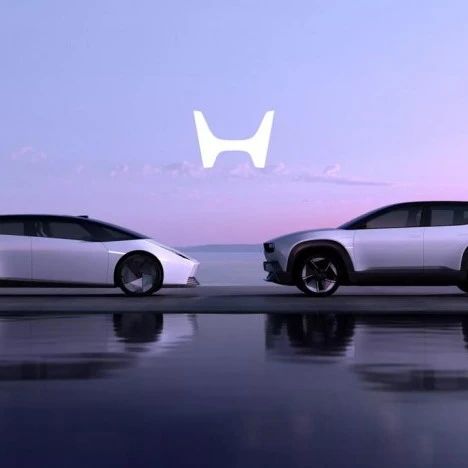
雷诺任命临时CEO,集团面临挑战浮出水面
Sou Hu Cai Jing· 2025-07-16 07:41
Core Viewpoint - Renault Group has appointed Duncan Minto as interim CEO following the departure of Luca de Meo, who left to lead luxury goods group Kering. This transition occurs during a critical phase for the company as it seeks to stabilize its direction amid market challenges and a revised profit outlook [1][3]. Management Changes - Duncan Minto, previously the CFO, will work alongside Chairman Jean-Dominique Senard to manage the company [3]. - The search for a permanent CEO is ongoing, with no timeline announced for the successor [3][6]. Financial Performance and Outlook - Renault has revised its 2025 operating profit margin forecast from at least 7% to approximately 6.5% due to increased competition and a downturn in the automotive market [3][5]. - The company anticipates a free cash flow of €47 million (approximately 390 million RMB) for the first half of the year, impacted by delayed billing and a decline in the European passenger and commercial vehicle markets [5]. Market Position and Challenges - Renault's popular models include the low-cost Dacia Sandero and the electric Renault 5, which have outperformed competitors like Stellantis and Volkswagen in terms of market and profit performance [5]. - The European automotive market is experiencing weak demand, particularly affecting Renault's small car segment, which faces intense competition from electric and hybrid new models [5]. Strategic Focus - Minto has indicated that the company will intensify cost-cutting measures, focusing on back-office, production, and R&D departments to stabilize financial data [5]. - The upcoming strategic plan "Future Future" is set to be unveiled in the fall, which will address the challenges posed by relaxed European carbon emission policies and the company's alliance with Nissan [6][7].

爆了!延续一季度高增长态势,闻泰科技H1净利预增178%-317%!
Ge Long Hui· 2025-07-14 10:23
Core Viewpoint - The semiconductor industry is experiencing significant growth driven by AI computing power and the electrification and intelligence of automobiles, with Wentech Technology (600745.SH) announcing a strong earnings forecast for the first half of 2025, projecting a year-on-year increase in net profit attributable to shareholders of 390 million to 585 million yuan, continuing its high growth momentum from the first quarter [1][2]. Group 1: Strategic Transformation and Financial Performance - Wentech Technology's semi-annual earnings forecast indicates a net profit increase of 178% to 317% year-on-year, with a projected net profit attributable to shareholders of 390 million to 585 million yuan and a net profit excluding non-recurring items of 260 million to 390 million yuan, reflecting the effectiveness of its strategic focus [2]. - The completion of significant asset transactions will allow Wentech to allocate surplus funds to enhance its semiconductor business, particularly in domestic R&D and supply chain development, thereby strengthening its competitive position [2]. Group 2: Governance and Management Changes - Alongside the earnings forecast, Wentech announced changes in its board and senior management to align governance structure with strategic direction, bringing in experienced personnel from the semiconductor sector to provide targeted strategic guidance [3]. - The new board member, Yang Mu, has extensive experience in semiconductor management and investment, which is expected to facilitate long-term strategic implementation [3]. Group 3: Industry Trends and Technological Advancements - The demand for power semiconductors is surging due to the AI computing revolution, with Wentech's semiconductor products already integrated into critical areas such as data centers and AI server power systems, significantly enhancing their market position [4]. - Wentech is proactively investing in third-generation semiconductor technologies like GaN and SiC to prepare for future power system upgrades, positioning itself to capture ongoing industry benefits [4]. Group 4: Automotive Sector Engagement - The penetration rate of new energy vehicles in China has surpassed 50%, marking a significant shift in the automotive industry, with Wentech's semiconductor products meeting automotive standards and expected to contribute 62.03% of its semiconductor revenue from the automotive sector in 2024 [6]. - Wentech's products are deeply integrated into automotive drive, power, control, and intelligent cockpit systems, establishing a differentiated advantage in high-barrier areas such as electric drive and control [6].

沃尔沃CEO:与中国合作才能领先
Huan Qiu Wang Zi Xun· 2025-07-11 23:06
Group 1 - Tesla's market share in China is being increasingly challenged by local competitors like BYD and Xiaomi, with Xiaomi surpassing Tesla in sales within a year of entering the automotive market [1] - Tesla has relied heavily on its Model 3 and Model Y vehicles, leading to consumer fatigue and a decline in interest among Chinese buyers [1] - Local electric vehicle brands are introducing new models with advanced features that appeal to Chinese consumers, such as large entertainment screens and voice assistants, which are becoming standard expectations [1] Group 2 - Volvo's CEO emphasizes the need for the European automotive industry to improve competitiveness rather than relying on tariffs to protect against Chinese electric vehicle manufacturers [2] - The CEO advocates for a focus on local market demands in China, suggesting that European manufacturers should not simply transfer their technology but collaborate with local entities to develop relevant features [2] - The increasing interest of Chinese consumers in technology-rich vehicles highlights the necessity for automotive companies to adapt their offerings to meet local preferences [2]

观车 · 论势 || 新生代汽车人才该长啥样?
Zhong Guo Qi Che Bao Wang· 2025-07-10 01:47
Group 1 - The core topic of discussion revolves around the future talent needs of the automotive industry, particularly in light of the increasing focus on electric and intelligent vehicles [2][3] - Executives from various automotive companies have provided insights on desirable fields of study for prospective students, emphasizing the importance of AI, intelligent science, and engineering disciplines [2][3] - The automotive industry is experiencing a significant transformation, with a growing demand for professionals skilled in new technologies, particularly in the context of electric vehicles and AI applications [3][4] Group 2 - The shift towards electric and intelligent vehicles is creating a talent gap, with a projected shortage of 30 million AI-related professionals, necessitating immediate action from educational institutions [4] - The automotive repair sector is also facing a talent shortage, particularly for skills related to the maintenance of electric and intelligent vehicles, with a current workforce of about 100,000 skilled workers and a gap of over one million [4] - Traditional automotive engineering fields, such as internal combustion engines, will continue to evolve and remain relevant, as the industry seeks to improve fuel efficiency and reduce emissions [5] Group 3 - There is a strong emphasis on the need for professionals who possess both technical expertise and strong communication skills, reflecting the industry's demand for versatile talent capable of understanding user needs [5][6] - Executives highlight the importance of interdisciplinary knowledge, including social psychology and consumer behavior, to better serve customers in a user-centric market [5][6] - The automotive industry is moving towards a model that requires professionals to have both depth in their specific fields and breadth across various disciplines, indicating a trend towards cross-disciplinary integration [6]

大型纯电SUV 确认取消!本田突然宣布
汽车商业评论· 2025-07-09 13:55
Core Viewpoint - The automotive industry is undergoing significant changes, with manufacturers reassessing their electric vehicle (EV) strategies due to slowing adoption rates and the impending expiration of federal tax incentives in the U.S. [2][5] Group 1: Honda's Strategy Shift - Honda has halted the development of a large electric SUV and significantly reduced its EV investment plans through 2030, influenced by weakening market demand and political factors in the U.S. [3][4][8] - The company initially aimed to launch a series of new electric vehicles starting in 2026, targeting markets outside of China, with a goal of having 30% of its total sales from EVs by 2030 [12][13]. - Honda's CEO indicated that the company now expects EVs to account for about 20% of sales by 2030, leading to a 30% cut in its EV investment and software development budget, from 10 trillion yen (approximately $69 billion) to 7 trillion yen (approximately $48 billion) [15][16]. Group 2: Focus on Hybrid Vehicles - Honda plans to shift its focus from electric vehicles to increasing the production of profitable hybrid vehicles, aiming to launch 13 new hybrid models globally in the next four years, with a target of 2.2 million units sold by 2030 [18][19]. - This strategy is seen as a short-term solution to ensure revenue while preparing for future EV adoption [19]. Group 3: Industry-Wide Adjustments - Other automakers, including Lotus, Porsche, and Volvo, have also adjusted their EV strategies, shifting focus towards hybrid models or delaying their electric vehicle plans due to misalignment with consumer demand [22][24]. - Ford and Jaguar Land Rover have been gradually slowing down their EV initiatives, while Nissan has canceled plans for electric vehicle production in the U.S. and Japan [23][24]. - The automotive industry is facing a transformative period, with manufacturers responding to a rapidly changing landscape by cutting back on EV investments [24].
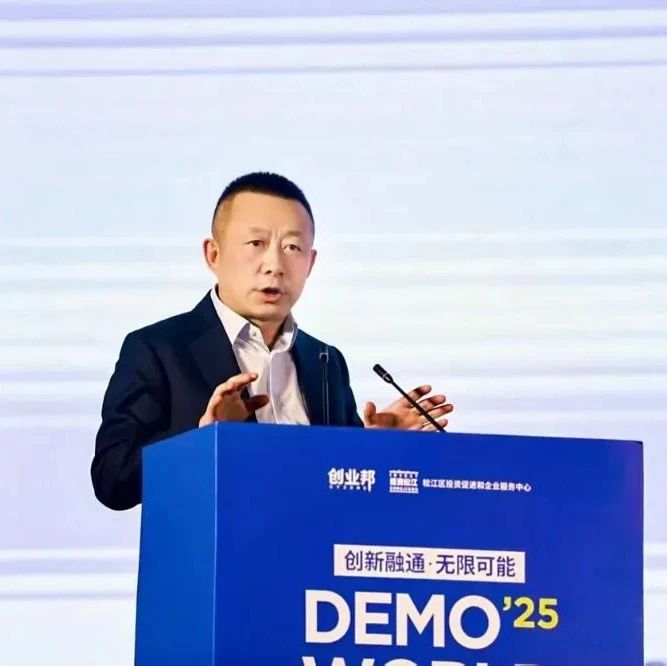
比亚迪李黔:中国汽车,领跑全球
创业邦· 2025-07-09 09:55
Core Viewpoint - The automotive industry is becoming a new pillar of economic development in China, taking over from real estate, and is positioned to leverage technological advancements for growth in both domestic and international markets [1][4][7]. Industry Transformation - The global landscape is undergoing significant changes, with China’s GDP reaching $19 trillion, approximately two-thirds of the U.S. GDP, indicating a shift in economic power [6]. - The automotive sector's market share for Chinese brands has surged from 19% to 69%, with annual sales increasing from about 3 million vehicles in 2002 to over 30 million today [7]. Global Market Position - In 2024, China's net automotive export value is projected to exceed $164 billion, accounting for about 17% of total net exports, establishing China as a leading automotive exporter [9]. - China has become the world's largest automotive exporter for two consecutive years, with exports surpassing 5.8 million vehicles [9]. Technological Leadership - China is leading in electric vehicle (EV) technology, with a significant advantage in the global market due to advancements in technology, patents, and supply chains [11]. - The penetration rate of L2 and above intelligent vehicles in China is expected to reach 58% by 2024, compared to just over 10% globally [11]. High-End Market Development - The transition from a "low-end" to a "high-end" automotive market is evident, with brands like BYD emerging as leaders in the high-end segment [12]. - In 2024, sales of vehicles priced over $1 million in China reached 78,000 units, with BYD's premium brand ranking third in the SUV market [12]. Investment Strategy - The company adopts a strategy of "selecting the best and investing heavily," focusing on the entire automotive supply chain and enhancing its competitive edge [1][17]. - The company has invested in approximately 100 enterprises, with 12 successfully listed and several more in the pipeline for IPOs [15][17].

美国太阳能产业代表预警:2027年起,整个产业将拱手让给中国
Sou Hu Cai Jing· 2025-07-02 15:34
Core Points - The "Big and Beautiful" tax reform bill proposed by the Trump administration is set to phase out tax incentives and subsidies for the U.S. clean energy industry by the end of 2027, which could have devastating effects on sectors like solar energy and electric vehicles [1][2][4] - The U.S. solar manufacturing sector, which had begun to recover due to previous government support, is now facing potential factory closures and job losses as a result of this legislation [2][5] - The bill's passage could lead to a significant loss of market share to China, which currently dominates over 70% of global solar panel production and is also a leader in electric vehicle battery technology [4][8] Solar Energy Industry - The "Big and Beautiful" bill will gradually eliminate tax credits for solar and wind projects, with additional incentives ending by the end of 2027 [5][6] - The American Solar Manufacturers Alliance warns that the cancellation of these incentives will undermine efforts to reclaim manufacturing from China, potentially leading to widespread business failures and job losses [2][5] - The solar industry had previously seen a revival due to the Inflation Reduction Act, which provided substantial tax credits [5][6] Electric Vehicle Industry - The bill proposes to eliminate the $7,500 tax credit for electric vehicle buyers and withdraw subsidies for battery plants and lithium mining companies [9][10] - The U.S. automotive industry is concerned that the reduction of incentives will hinder its competitiveness in the electric vehicle market, where China currently produces 70% of the world's electric vehicles [8][9] - American automakers are facing challenges in maintaining market share as consumers increasingly turn to more affordable electric vehicles from Chinese manufacturers [8][10] Political and Economic Implications - The legislation has sparked a political battle, with some Republican officials advocating for the retention of tax incentives that have helped create jobs in their communities [6][10] - The potential decline in the clean energy sector could have broader implications for U.S. economic competitiveness and national security, as reliance on foreign production increases [6][10] - Experts emphasize the need for the U.S. to strengthen its electric vehicle manufacturing capabilities to remain relevant in the global market [10][12]


旧题有无新解 ——上半年车圈人事调整盘点
Zhong Guo Qi Che Bao Wang· 2025-06-30 01:24
Group 1 - The automotive industry is experiencing a significant wave of executive changes, with a broader range of companies involved compared to previous years, including state-owned enterprises, private companies, and joint ventures [3][4][5] - China FAW Group announced the appointment of Gao Pu as a member of the party committee and deputy general manager, while the company reported a vehicle sales increase of 7.5% year-on-year in May, reaching 261,300 units [3][5] - Dongfeng Motor Group also saw executive changes, with Zhang Xiaofan promoted to general manager of the commercial vehicle division, reflecting the need for leadership in the face of market challenges [5][6] Group 2 - Changan Automobile appointed two new product CEOs as part of its restructuring, aiming to enhance its brand strategy and sales performance [7] - GAC Group is undergoing significant organizational changes to address declining sales and profits, with a focus on integrating its marketing systems and enhancing product development processes [8][9] - Geely is pushing for resource integration and has made several high-level appointments to streamline operations and improve market responsiveness [14] Group 3 - Multinational companies are making higher-level personnel adjustments in response to declining business in China, with Volkswagen appointing Robert Cisek as CEO for its passenger car brand in China [15] - BMW announced the appointment of a new president, emphasizing the need for financial expertise in managing costs and improving investment returns amid a challenging market [16] - Nissan is also focusing on product launches and market strategies, with a new general manager appointed to lead its operations in China, highlighting the importance of executive changes in driving sales recovery [17]




