
逆周期调节

Search documents
央行货币政策委员会四季度例会:建议发挥增量政策和存量政策集成效应
Sou Hu Cai Jing· 2025-12-24 11:51
会议研究了下阶段货币政策主要思路,建议发挥增量政策和存量政策集成效应,综合运用多种工具,加 强货币政策调控,根据国内外经济金融形势和金融市场运行情况,把握好政策实施的力度、节奏和时 机。保持流动性充裕,使社会融资规模、货币供应量增长同经济增长、价格总水平预期目标相匹配,促 进社会综合融资成本低位运行。强化央行政策利率引导,完善市场化利率形成传导机制,发挥市场利率 定价自律机制作用,加强利率政策执行和监督。从宏观审慎的角度观察、评估债市运行情况,关注长期 收益率的变化。畅通货币政策传导机制,提高资金使用效率。增强外汇市场韧性,稳定市场预期,防范 汇率超调风险,保持人民币汇率在合理均衡水平上的基本稳定。 会议指出,要引导大型银行发挥金融服务实体经济主力军作用,推动中小银行聚焦主责主业,增强银行 资本实力,共同维护金融市场的稳定发展。有效落实好各类结构性货币政策工具,扎实做好金融"五篇 大文章",加强对扩大内需、科技创新、中小微企业等重点领域的金融支持。用好证券、基金、保险公 司互换便利和股票回购增持再贷款,探索常态化的制度安排,维护资本市场稳定。持续做好支持民营经 济发展壮大的金融服务。切实推进金融高水平双向开放 ...
人民银行:要继续实施适度宽松的货币政策
Bei Jing Shang Bao· 2025-12-24 11:35
Core Viewpoint - The People's Bank of China emphasizes the need for a moderately loose monetary policy to support high-quality economic development and stabilize growth amid external uncertainties [1] Monetary Policy - The monetary policy committee meeting highlighted the increased macroeconomic regulation efforts and the effective release of loan market quotation rate reforms [1] - The adjustment mechanism for deposit rates has been effectively utilized, enhancing the transmission efficiency of monetary policy [1] - Social financing costs remain at historically low levels, contributing to a favorable monetary financial environment for economic stability [1] Economic Environment - The meeting acknowledged the deepening impact of external environmental changes, with insufficient growth momentum in the global economy and increasing trade barriers [1] - There is a noted divergence in economic performance among major economies, with uncertainties surrounding inflation trends and monetary policy adjustments [1] - Despite a generally stable economic operation in China, challenges such as strong supply versus weak demand remain prominent [1] Policy Recommendations - The need for continued implementation of moderately loose monetary policy and enhanced counter-cyclical and cross-cyclical adjustments was emphasized [1] - The dual function of monetary policy tools, both in terms of quantity and structure, should be better leveraged to promote stable economic growth and reasonable price recovery [1] - Coordination between monetary and fiscal policies is crucial for achieving these objectives [1]
央行:探索常态化的制度安排,维护资本市场稳定
第一财经· 2025-12-24 11:18
中国人民银行货币政策委员会2025年第四季度(总第111次)例会于12月18日召开。 会议认为,今年以来宏观调控力度加大,货币政策适度宽松,持续发力、适时加力,强化逆周期调节, 综合运用多种货币政策工具,服务实体经济高质量发展,为经济稳中向好创造适宜的货币金融环境。贷 款市场报价利率改革效能持续释放,存款利率市场化调整机制作用有效发挥,货币政策传导效率增强, 社会融资成本处于历史较低水平。外汇市场供求基本平衡,外汇储备充足,人民币汇率双向浮动,在合 理均衡水平上保持基本稳定。金融市场总体运行平稳。 本次会议由中国人民银行行长兼货币政策委员会主席潘功胜主持,货币政策委员会委员宣昌能、邹澜、 李云泽、吴清、康义、朱鹤新、谷澍、王一鸣、黄海洲出席会议。徐守本、李春临、廖岷、黄益平因公 务请假。中国人民银行天津市分行、江苏省分行、江西省分行、新疆维吾尔自治区分行、深圳市分行负 责同志列席会议。 来源|央行网站 编辑 |瑜见 会议分析了国内外经济金融形势,认为当前外部环境变化影响加深,世界经济增长动能不足,贸易壁垒 增多,主要经济体经济表现有所分化,通胀走势和货币政策调整存在不确定性。我国经济运行总体平 稳、稳中有进, ...

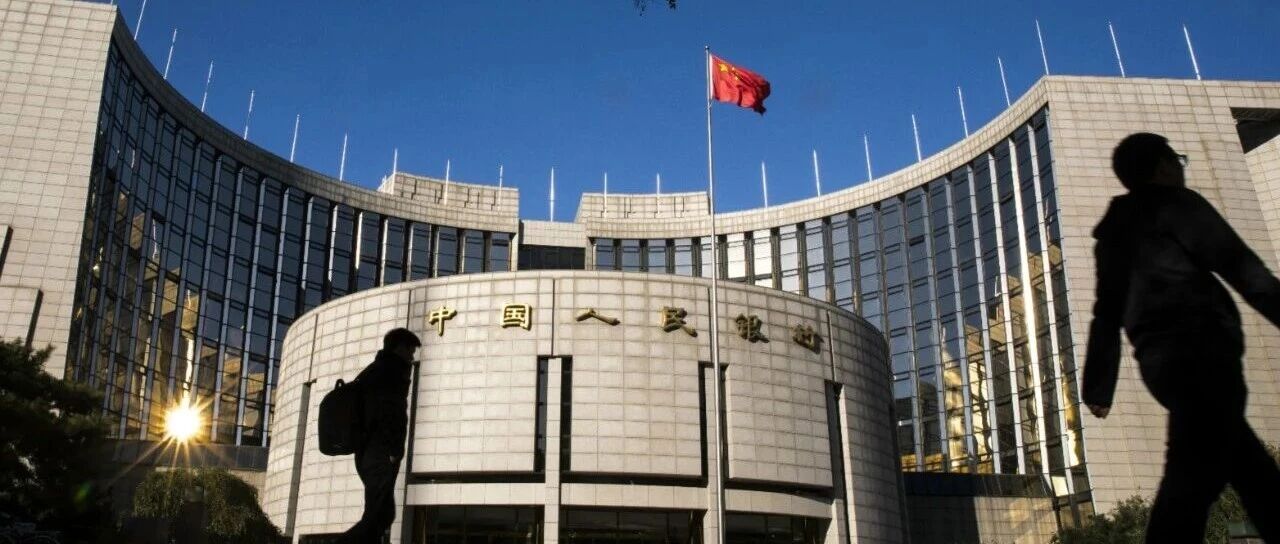
央行:要继续实施适度宽松的货币政策,加大逆周期和跨周期调节力度
Sou Hu Cai Jing· 2025-12-24 11:17
中国人民银行货币政策委员会召开2025年第四季度例会。会议分析了国内外经济金融形势,认为当前外 部环境变化影响加深,世界经济增长动能不足,贸易壁垒增多,主要经济体经济表现有所分化,通胀走 势和货币政策调整存在不确定性。我国经济运行总体平稳、稳中有进,高质量发展取得新成效,但仍面 临供强需弱矛盾突出等问题和挑战。要继续实施适度宽松的货币政策,加大逆周期和跨周期调节力度, 更好发挥货币政策工具的总量和结构双重功能,加强货币财政政策协同配合,促进经济稳定增长和物价 合理回升。 ...
央行:要继续实施适度宽松的货币政策 加大逆周期和跨周期调节力度
Xin Lang Cai Jing· 2025-12-24 11:05
中国人民银行货币政策委员会2025年第四季度(总第111次)例会于12月18日召开。 会议认为,今年以来宏观调控力度加大,货币政策适度宽松,持续发力、适时加力,强化逆周期调节, 综合运用多种货币政策工具,服务实体经济高质量发展,为经济稳中向好创造适宜的货币金融环境。贷 款市场报价利率改革效能持续释放,存款利率市场化调整机制作用有效发挥,货币政策传导效率增强, 社会融资成本处于历史较低水平。外汇市场供求基本平衡,外汇储备充足,人民币汇率双向浮动,在合 理均衡水平上保持基本稳定。金融市场总体运行平稳。 会议分析了国内外经济金融形势,认为当前外部环境变化影响加深,世界经济增长动能不足,贸易壁垒 增多,主要经济体经济表现有所分化,通胀走势和货币政策调整存在不确定性。我国经济运行总体平 稳、稳中有进,高质量发展取得新成效,但仍面临供强需弱矛盾突出等问题和挑战。要继续实施适度宽 松的货币政策,加大逆周期和跨周期调节力度,更好发挥货币政策工具的总量和结构双重功能,加强货 币财政政策协同配合,促进经济稳定增长和物价合理回升。 会议研究了下阶段货币政策主要思路,建议发挥增量政策和存量政策集成效应,综合运用多种工具,加 强货币政 ...
贵金属领涨商品,日元反弹
Hua Tai Qi Huo· 2025-12-24 05:03
Report Industry Investment Rating No information provided. Core Viewpoints - The market is influenced by policy expectations, Fed actions, and Japanese central bank decisions. In the current inflation - expectation game stage, focus on non - ferrous metals and precious metals with high certainty. Consider buying commodities, stock index futures, precious metals, and non - ferrous metals on dips [1][2][3][4][5] - Be vigilant about the risks of macro - and fundamental resonance if market sentiment turns cold [2] Summary by Related Catalogs Market Analysis - Policy expectations in China have a pendulum effect. The Politburo and Central Economic Work Conference emphasized policies such as a proactive fiscal policy and a moderately loose monetary policy. Multiple ministries responded, and attention should be paid to recent expectations of reserve requirement ratio (RRR) and interest rate cuts, as well as policies for stabilizing growth or the supply - side. China's November economic data was still under pressure, but foreign trade growth rebounded significantly [1] - The Fed restarted a "restrictive" stance, announcing the purchase of $40 billion in short - term bonds in the next 30 days and a 25 - basis - point interest rate cut. The Fed may pause interest rate cuts again. The previous round of the Fed's bond - buying had a limited impact on the market, mainly providing liquidity [2] - The impact of the Bank of Japan's interest rate hike was low. The reversal of carry - trade derivatives had limited impact due to the low proportion of foreign - held Japanese government bonds and the non - significant increase in net long positions of the US dollar against the yen [3] Commodity Analysis - In the non - ferrous metals sector, the long - term supply shortage has not been alleviated, and copper prices reached a record high due to Trump's tariff expectations and mine shutdowns [4][7] - In the energy sector, some countries submitted additional production - cut plans, and there were warnings of oversupply and high inventories. There were also developments in the Ukraine - related negotiations [4] - In the chemical sector, there is "anti - involution" potential in varieties such as methanol, caustic soda, urea, and PTA [4] - In the agricultural products sector, attention should be paid to China's procurement plan for US goods and next year's weather expectations after the China - US peace talks [4] - In the precious metals sector, look for opportunities to buy on dips, but the short - term risk of silver has increased, and the gold - silver ratio has deviated and is in the process of reasonable repair [4] Strategy - Go long on stock index futures, precious metals, and non - ferrous metals on dips [5] Important News - The National Housing and Urban - Rural Development Work Conference proposed measures to stabilize the real estate market, including incremental control, inventory reduction, and supply optimization [7] - The US Navy announced a plan to build new warships as part of Trump's "Golden Fleet" plan, aiming to revitalize the US shipbuilding industry [7] - There were price movements in commodities such as gold, silver, crude oil, and copper, and some commodity futures contracts had significant price changes [7] - Japan's Ministry of Economy, Trade and Industry plans to issue special bonds to support investment in the US [7]
杨瑞龙:加大逆周期调节与跨周期调节的力度
和讯· 2025-12-23 09:05
Core Viewpoint - The article discusses the current macroeconomic situation in China, characterized by a "strong supply and weak demand" scenario, and emphasizes the need for both counter-cyclical and cross-cyclical adjustments to stimulate demand and optimize supply [4][10]. Group 1: Counter-Cyclical Adjustment - Counter-cyclical adjustment focuses on total demand management through fiscal and monetary policies, aiming to stimulate demand with "more active fiscal policies" and "moderately loose monetary policies" [5][6]. - Local governments are facing significant fiscal deficits, which hinder their ability to implement central government stimulus policies effectively [6][7]. - A potential long-term solution to local fiscal deficits involves restructuring the fiscal relationship between central and local governments, although this may take time [7]. - Utilizing state-owned assets for revenue generation is proposed as a short-term measure to alleviate fiscal pressures on local governments [7][8]. - Future fiscal spending should also focus on "investing in people" to enhance social security systems, which can stimulate consumption [8]. Group 2: Monetary Policy Considerations - The article highlights the importance of actual interest rates, suggesting that while nominal rates may be low, actual rates remain high due to persistent low prices, which affects investment decisions [8][9]. - The need for monetary policy to promote reasonable price recovery is emphasized, as low price levels reflect economic stagnation [9]. - Structural monetary policies should support technological innovation and small to medium enterprises, aligning with the goal of building a modern industrial system [9][10]. Group 3: Cross-Cyclical Adjustment - Cross-cyclical adjustment aims to optimize supply structure and improve supply quality, focusing on long-term economic development and high-quality growth [10][11]. - Addressing excess supply and inefficient production is crucial, with a market-oriented exit mechanism proposed to eliminate zombie enterprises and reduce local government support for inefficient firms [10][11]. - Building a modern industrial system is essential for achieving high-quality development, emphasizing the integration of technology and industry [11][12]. - Transitioning from traditional growth drivers to new ones, such as technological innovation and improved population quality, is vital for enhancing potential growth rates [11][12]. Group 4: Synergy Between Policies - The article stresses the importance of aligning counter-cyclical and cross-cyclical policies to avoid conflicts and enhance efficiency in macroeconomic management [12]. - Deepening market-oriented reforms is necessary to stimulate microeconomic vitality and ensure effective policy transmission [12]. - Innovation and localized development of new productive forces are highlighted as key to driving growth in the digital economy [12]. - Managing expectations is crucial for boosting confidence and integrating counter-cyclical and cross-cyclical policies effectively [12].

如何理解LPR 连续7个月“按兵不动”
Jin Rong Shi Bao· 2025-12-23 03:10
董希淼预计,2026年将更加注重发挥结构性货币政策工具作用,引导金融资源更多流向科技创新、 绿色发展、提振消费。未来一段时间,货币政策将更加注重把握和处理好短期与长期、稳增长与防风 险、内部与外部这三方面的关系。 中信证券固定收益分析师赵诣分析认为,从中央经济工作会议的表述上看,重点更多落在政策的效 率和主动性上;对宏观政策表述为"加大逆周期和跨周期调节力度",或意味着后续政策改革将更加基于 长远经济周期变化。 王青进一步表示,6月以来LPR报价一直"按兵不动",主要原因是受年初以来出口持续超预期、国 内新质生产力领域较快发展等支撑,今年宏观经济顶住外部环境剧烈波动压力,增长韧性超出普遍预 期,实现全年5.0%左右的经济增长目标没有悬念。因此,当前政策继续加力的迫切性不高,货币政策 保持较强定力。 对于下一步政策走向,业内专家表示,近日召开的中央经济工作会议明确要求,继续实施适度宽松 的货币政策。把促进经济稳定增长、物价合理回升作为货币政策的重要考量,灵活高效运用降准降息等 多种政策工具。这也意味着,根据内外部环境变化和经济发展需要,要适时运用货币政策工具,同时更 多考虑政策有效性和针对性,既要加大力度支持经 ...
降息与地缘共振,贵金属延续强势
Hua Tai Qi Huo· 2025-12-23 02:51
1. Report Industry Investment Rating - The overall rating for commodities and stock index futures is neutral [4] 2. Core View of the Report - Amid the resonance of interest rate cuts and geopolitical factors, precious metals continue to be strong. The current inflation - expectation game stage focuses on non - ferrous metals and precious metals with high certainty. While the market sentiment is still high, there are risks of policy expectation reversals at home and abroad. It is necessary to track the sentiment - driven market trends and also prepare risk plans for potential adjustments [1][3] 3. Summary by Relevant Catalogs Market Analysis - **Policy Expectations in China**: The Politburo meeting on December 8 emphasized "continuing to implement a more proactive fiscal policy and a moderately loose monetary policy" and "increasing counter - cyclical and cross - cyclical adjustment efforts". The Central Economic Work Conference on December 11 focused on boosting consumption and "anti - involution". Multiple ministries responded: the central bank will use reserve - requirement ratio and interest rate cuts; the NDRC will boost consumption and promote new growth drivers; the Ministry of Finance will use government bonds and issue ultra - long - term special treasury bonds. China's November foreign trade growth rebounded significantly (exports +5.9% and imports +1.9% year - on - year in US dollars), but the economic data was still under pressure, and the LPR remained unchanged for the seventh consecutive month (5 - year above LPR at 3.5%, 1 - year LPR at 3%) [1] - **US Federal Reserve**: The Fed's December meeting announced the purchase of $40 billion in short - term bonds in the next 30 days and a 25 - basis - point interest rate cut as expected. The median of the dot - plot maintains the expectation of one interest rate cut each in the next two years. The Fed may pause rate cuts again. The US employment and PMI data are weak. The slowdown of the Fed's rate - cut pace and the Bank of Japan's rate hike in December have led to a currently positive market driven by sentiment, but risks need to be watched [2] - **Bank of Japan**: The Bank of Japan raised interest rates by 25 basis points on December 19 as expected. The impact of the rate hike is limited as the proportion of overseas holders of Japanese government bonds is low and the net long position of the US dollar against the yen has not increased significantly. On December 22, Japanese long - term bonds tumbled [3] - **Commodity Market**: In the current inflation - expectation game, focus on non - ferrous metals and precious metals. The non - ferrous metal sector has high certainty due to long - term supply constraints. In the energy sector, some countries have submitted additional production - cut plans, and the EU will stop importing Russian natural gas by 2027. In the chemical sector, there is "anti - involution" space for some products. In the agricultural products sector, pay attention to China's procurement plan for US goods. For precious metals, look for buying opportunities on dips, but short - term silver risks have risen [3] Strategy - The overall strategy for commodities and stock index futures is neutral [4] To - do News - The market trended strongly with the Shanghai Composite Index back above 3900 and the ChiNext Index up more than 2%. Over 2900 stocks in the Shanghai, Shenzhen, and Beijing stock markets rose, with trading volume exceeding 1.88 trillion yuan. The Shanghai Composite Index rose 0.69%, the Shenzhen Component Index rose 1.47%, and the ChiNext Index rose 2.23% [5] - China's LPR remained unchanged for the seventh consecutive month (5 - year above LPR at 3.5%, 1 - year LPR at 3%) [5] - Japanese government bond yields rose, with the 2 - year yield at 1.105% (the highest since 1997), the 5 - year yield up 3.5 basis points to 1.52%, and the 20 - year yield up 3 basis points to 3% [5] - The US intercepted a tanker in international waters near Venezuela. The tanker was under US sanctions [5] - The US dollar against the yen fell about 20 points, and the Japanese finance minister warned speculators [5] - Spot gold hit a record high, spot silver rose more than 3% above $69 per ounce, LME copper prices neared a record high, and spot platinum rose above $2000 per ounce for the first time since 2008 [5]
中国LPR连续7个月不变
Zhong Guo Xin Wen Wang· 2025-12-22 05:25
Core Viewpoint - The People's Bank of China (PBOC) has maintained the Loan Prime Rate (LPR) at 3.0% for the 1-year term and 3.5% for the 5-year term for seven consecutive months, indicating a stable monetary policy amid external pressures [1] Group 1: Economic Growth and Monetary Policy - The stability of the LPR is attributed to strong macroeconomic performance, including better-than-expected exports and rapid development in new productive sectors, allowing China to achieve its economic growth target of around 5.0% for the year [1] - There is a low urgency for counter-cyclical adjustments in monetary policy, suggesting that the PBOC will maintain a strong stance in the near term [1] Group 2: Future Interest Rate Expectations - Analysts predict that the central bank may implement a new round of interest rate cuts and reserve requirement ratio reductions in the first quarter of 2026, potentially before the Spring Festival [1] - This could lead to a downward adjustment in the LPR, encouraging greater financing demand from businesses and households [1] Group 3: Real Estate Market Stability - In 2026, there will be a focus on stabilizing the real estate market, with expectations that regulators may guide a significant reduction in the 5-year LPR to lower mortgage rates for residents [1] - This could be complemented by fiscal measures such as interest subsidies to further stimulate the housing market [1]