低价竞争

Search documents
负债率超8成仍分红38亿,格力“死对头”二次冲击港股IPO!
Sou Hu Cai Jing· 2025-07-30 10:06
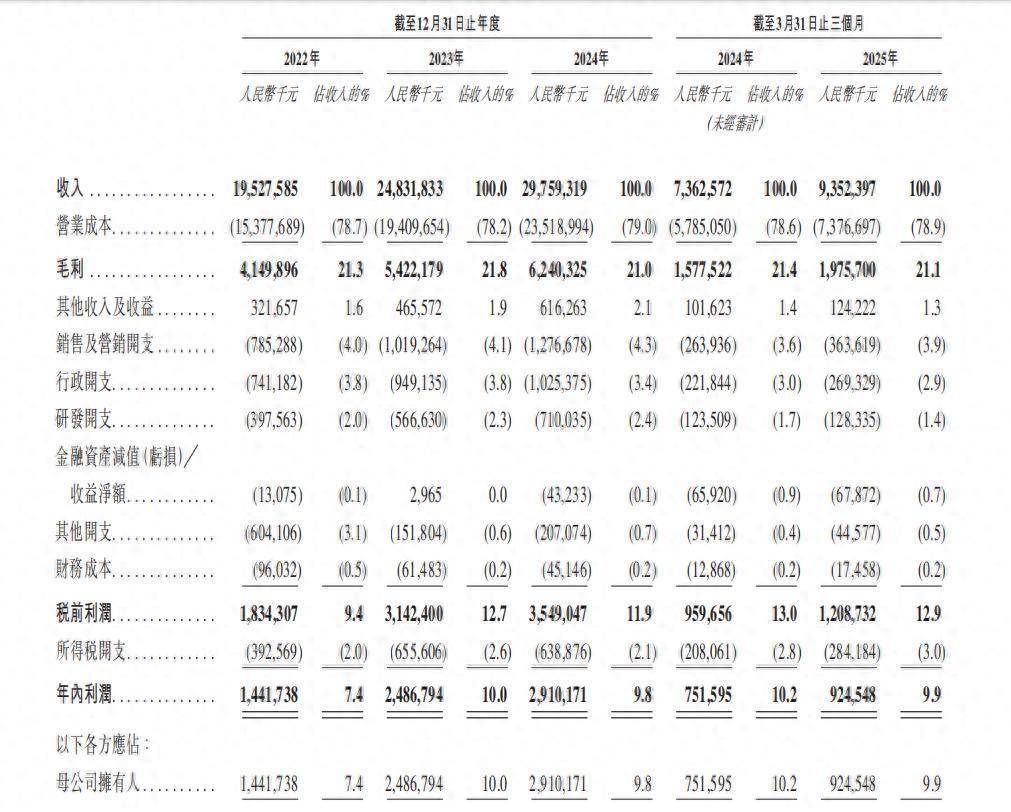
Core Viewpoint - The company, AUX Electric Co., Ltd., has submitted its IPO application to the Hong Kong Stock Exchange for the second time, facing challenges such as high debt, reliance on ODM, and shortcomings in R&D despite revenue growth and increased market share [1][2]. Company Development Path - AUX previously attempted to list on the New Third Board in 2016 but delisted in 2017 due to insufficient market liquidity. From 2018 to 2023, the company sought to list on the Shanghai Stock Exchange but did not submit an application after completing advisory services [2]. Market Position - AUX has been in the air conditioning industry for over 30 years but remains a latecomer compared to established giants [3]. Competitive Strategy - Initially, AUX adopted a low-price strategy to compete with much larger rivals, which boosted sales and brand recognition but also led to backlash from competitors, particularly Gree Electric Appliances [4]. Legal Battles - AUX has faced multiple lawsuits from Gree, resulting in significant financial penalties. Despite these challenges, AUX's performance has exceeded market expectations [5][7]. Financial Performance - AUX's revenue for 2022, 2023, and projected 2024 is RMB 19.53 billion, RMB 24.83 billion, and RMB 29.76 billion, respectively, with net profits of RMB 1.44 billion, RMB 2.49 billion, and RMB 2.91 billion [8][10]. Growth Comparison - AUX's revenue growth of 52.39% and net profit growth of 101.80% from 2022 to 2024 contrasts sharply with larger competitors like Midea, Haier, and Gree, which have significantly higher revenue and profit figures [10]. Profitability Challenges - AUX's gross margins are lower than those of its competitors, with figures of 21.3%, 21.8%, and 21.0% from 2022 to 2024, indicating limited pricing power and vulnerability to cost fluctuations [10][11]. R&D Investment - AUX's cumulative R&D expenses from 2022 to 2024 are less than RMB 2 billion, with a 2024 R&D expense of RMB 710 million, significantly lower than its competitors [11]. Debt Levels - AUX's debt ratio remains high, with figures of 88.3%, 78.8%, 84.1%, and 82.5% from 2022 to 2025 Q1, alongside substantial dividend payouts that raise concerns about financial sustainability [12][14]. Revenue Sources - The majority of AUX's revenue comes from overseas markets, with overseas sales contributing 42.9%, 41.9%, and 49.3% of total revenue from 2022 to 2024, primarily from ODM business [15]. Market Share Decline - AUX has lost its leading position in online sales, now ranking fifth, while competitors like Midea and Gree dominate the online market [16].

外卖大战中的餐饮商家:订单量涨了、净利率也降了
Jing Ji Guan Cha Wang· 2025-07-19 06:31
Core Viewpoint - The ongoing "takeaway war" driven by massive subsidies from platforms is creating significant operational pressure on restaurants, leading to a decline in profitability despite an increase in order volume [2][11][13]. Group 1: Impact on Restaurants - Many restaurants are facing a dilemma: participating in platform marketing activities can increase sales but decrease profit margins, while not participating risks lower visibility and fewer orders [3][11]. - A survey indicated that restaurants may pay up to 40% of the order value in various fees, including service and promotional costs, which severely impacts their profitability [2][11]. - The owner of a rice bowl restaurant reported a drastic drop in daily revenue from 6,000 yuan to around 1,000 yuan after the subsidy war began, highlighting the unsustainable nature of current operations [5][6]. Group 2: Financial Strain - The financial burden on restaurants is exacerbated by fixed costs such as rent and labor, which remain high even as revenues decline [6][9]. - For example, a restaurant selling a dish for 21.8 yuan ends up with only 4.11 yuan after deducting various fees, while the total cost of providing that dish is around 10 yuan [6][9]. - The overall profitability of many restaurants has decreased, with some reporting a 10% drop in dine-in revenue compared to the previous year [11]. Group 3: Industry Response - The China Chain Store & Franchise Association has called for a halt to the price subsidy wars, citing the negative impact on market fairness and the sustainability of the restaurant industry [13][14]. - Multiple industry leaders have expressed concerns that the current low-price competition model is damaging the quality of service and products, ultimately harming consumer interests [13][14]. - The government is also taking action by urging major platforms to comply with existing laws and promote fair competition to ensure a healthy ecosystem for consumers, merchants, and delivery personnel [14]. Group 4: Long-term Considerations - Despite the short-term appeal of low prices, consumers ultimately prefer high-quality products and services, indicating that the current strategy may not be sustainable in the long run [15][16]. - Restaurants with both dine-in and takeaway services tend to perform better, as consumers feel more secure ordering from establishments they can physically visit [15].

多地叫停网约车无序低价竞争,不得强迫司机接“一口价”订单
Nan Fang Du Shi Bao· 2025-07-18 10:26
Core Viewpoint - The ride-hailing industry is experiencing intense price competition, leading to regulatory scrutiny and calls for better market practices to protect drivers' rights and ensure fair pricing [1][2][3]. Group 1: Regulatory Actions - Multiple cities, including Qingyuan, Yingtan, and Ningbo, have held meetings to address low-price competition among ride-hailing platforms, indicating a growing concern over market practices [1][4]. - The Qingyuan Transportation Bureau has specifically called out platforms like Didi and Huaxiaozhu for receiving numerous complaints from drivers regarding low order prices and high commission rates [2][3]. - Regulatory bodies are urging platforms to establish reasonable pricing systems and to stop using unfair pricing tactics to gain market share [3][4]. Group 2: Market Conditions - As of May 31, 2025, there are 385 licensed ride-hailing platforms in China, with a 5.9% increase in order volume to 7.70 billion orders [5]. - The ride-hailing market is facing oversupply issues, with platforms resorting to low-price strategies during off-peak times, which has led to a decline in operational levels [5][6]. - The average hourly income for ride-hailing drivers has dropped by approximately 12.9%, from 31 yuan to around 27 yuan, reflecting the impact of increased competition [5][6]. Group 3: Industry Trends - The industry is transitioning from a phase of rapid growth to one of market saturation, with warnings issued about oversupply and the need for drivers to be cautious about entering the market [6][7]. - Companies are exploring new growth avenues, including autonomous vehicles and international market expansion, despite many still operating at a loss [7]. - Analysts suggest that the reliance on low-price competition is unsustainable, and the market may evolve towards oligopoly, service differentiation, and intelligent capacity management [7].
停工、闭店!“90%员工被放假”!退款排到17万位……
新华网财经· 2025-07-08 10:13
Core Viewpoint - The company Romoss is facing unprecedented challenges due to a recall event of its power banks, leading to significant employee layoffs and consumer refund issues [1][3]. Group 1: Company Situation - Romoss announced a six-month suspension of operations, retaining only employees to handle product recalls, with 90% of its workforce affected [1][6]. - The company's official stores on major e-commerce platforms have been closed, with only a few remaining products available for sale [1][3]. - Employees reported a drastic reduction in salaries, with wages being cut to 80% of the local minimum wage, resulting in take-home pay of just over 1,000 yuan after deductions [6]. Group 2: Consumer Impact - Consumers are facing significant delays in refunds, with reports indicating that refund requests are queued up to 170,000 positions [2][3]. - Some consumers have expressed frustration over the lack of communication from customer service regarding their refunds, with one user stating they incurred additional costs for returning the recalled product [5]. Group 3: Management and Operational Issues - The company has experienced frequent changes in its legal representatives, raising concerns about stability and management continuity [7]. - Key management personnel have reportedly become unresponsive, with all major leaders exiting communication channels [7]. Group 4: Industry Challenges - The power bank industry is characterized by intense price competition, with many companies relying on low-cost production that compromises quality [8]. - Approximately 60% of companies in the power bank sector operate on an OEM basis, focusing more on design and marketing rather than quality control [9]. - Safety issues, such as battery fires and explosions, are attributed to various factors, including the quality of raw materials and compliance with manufacturing processes [9].

罗马仕:从“绝不倒闭”到全面停工
Bei Jing Shang Bao· 2025-07-06 15:57
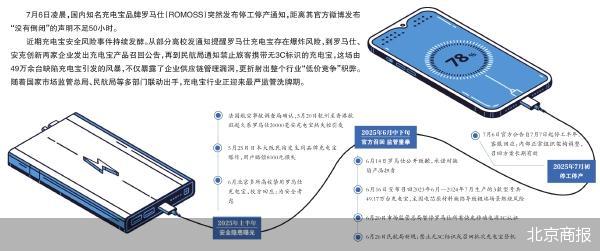
Core Viewpoint - The recent crisis faced by ROMOSS, a well-known power bank brand, highlights significant safety risks in the power bank industry, leading to increased regulatory scrutiny and a potential shift away from low-price competition towards improved product quality and supply chain transparency [1][7]. Company Summary - ROMOSS announced a six-month suspension of operations starting July 7, 2025, due to changing market conditions and business needs, with employee wages being paid at a reduced rate after the first month [3]. - The crisis originated from a recall of 491,700 defective power banks due to potential fire risks, marking one of the largest recalls in the domestic power bank industry [3]. - The recall faced challenges, including refusal from multiple courier companies to accept returns due to the products being classified as "flammable and explosive," complicating consumer rights protection [3]. - ROMOSS's direct losses from the recall are estimated to exceed 40 million yuan, with monthly losses reaching 100 to 200 million yuan due to product removals from online platforms [4]. Industry Summary - The power bank industry is experiencing intense competition characterized by a "price war," where many companies resort to low pricing strategies, leading to compromised product quality [5]. - The non-compliance rate for power banks sold online has surged from 19.8% in 2020 to 44.4% in 2023, indicating a significant deterioration in product safety standards [6]. - The cost of battery cells, which account for over 50% of total production costs, has been a primary area where companies cut corners, often opting for cheaper, lower-quality materials that increase safety risks [6]. - The recent incidents have prompted calls for the industry to abandon the "low price equals justice" growth model, emphasizing the need for improved supply chain transparency and product quality as core competitive advantages [7].
低价陷阱里的即时零售:越卷越亏,出路究竟在哪?
3 6 Ke· 2025-06-25 09:55
Core Insights - The instant retail sector is experiencing rapid growth, with major platforms like Meituan, Taobao, and JD showing significant increases in daily order volumes, indicating a competitive landscape [1][2][3] - However, the industry is facing challenges due to a price war, leading to unsustainable low-price strategies that threaten long-term profitability and brand integrity [2][3][4] Group 1: Industry Growth - Meituan's non-food instant retail surpassed 18 million daily orders in Q1 2025, with core categories like 3C appliances and daily necessities growing over 200% year-on-year [1] - Taobao's flash purchase service achieved over 60 million daily orders within two months, with a year-on-year retail order growth of 179% and a punctuality rate of 96% [1] - JD's food delivery service has exceeded 25 million daily orders since its launch on March 1, with over 120,000 full-time delivery personnel [1] Group 2: Price Competition Challenges - The industry is dominated by low-price strategies, forcing merchants to lower prices to attract price-sensitive consumers, which compresses profit margins [3][4] - Platforms encourage low-price promotions to enhance competitiveness, leading to a cycle of unhealthy competition that harms long-term sustainability [3][4] - Over-reliance on low prices results in reduced product quality and brand damage, as merchants may resort to inferior goods to cut costs [3][4] Group 3: Need for Differentiation - The current low-price competition model fails to meet the evolving demands of consumers who seek quality, service, and speed [5][6] - Platforms must shift focus from low prices to high-quality offerings and services to attract discerning customers, as exemplified by Sam's Club and Costco [7][8] - A strategy of customer segmentation targeting high-end clients with premium products and services can create a competitive edge [8][9] Group 4: Strategic Recommendations - Platforms should develop robust customer analysis systems to identify high-end consumer segments based on purchasing behavior and preferences [9] - Strengthening partnerships with suppliers to ensure high-quality product offerings is essential for long-term success [9] - Building a strong brand image through quality service and products will help attract and retain high-end customers, moving away from the low-price model [9]


热搜!瑞幸降价,迈入“6块9”时代?最新回应
21世纪经济报道· 2025-05-30 07:23
Core Viewpoint - Luckin Coffee has introduced a promotional price of 6.9 yuan for various drinks, which is perceived as a response to competitive pricing from Kud Coffee, despite the company stating it is a promotional offer rather than a price reduction [4][5][6]. Group 1: Pricing Strategy - Luckin Coffee has initiated a promotional campaign offering drinks at 6.9 yuan, a significant drop from the previous minimum price of 9.9 yuan [4][5]. - The company claims this pricing strategy is part of a dual holiday promotion for the Dragon Boat Festival and Children's Day, rather than a permanent price cut [4]. - Kud Coffee has aggressively reduced its prices to 3.9 yuan and 4.9 yuan per cup, intensifying the competitive landscape in the coffee market [5][6]. Group 2: Competitive Landscape - The coffee and tea industry is experiencing a price war, primarily driven by Luckin Coffee, which previously set the trend for lower prices in the market [5][6]. - Kud Coffee's rapid sales growth, achieving a tenfold increase in orders shortly after launching on Taobao, highlights the effectiveness of its low-price strategy [5]. - The competition is not limited to coffee, as new tea brands like Mixue Ice City are also influencing pricing strategies across the beverage sector [6]. Group 3: Management Changes - On April 29, Luckin Coffee announced a change in leadership, with Li Hui taking over as chairman, while Guo Jinyi remains as CEO [7][8]. - Li Hui, the new chairman, has a strong background in finance, having previously worked at Goldman Sachs and Morgan Stanley, and is currently the largest shareholder through Dazhang Capital [8]. Group 4: Financial Performance - In the first quarter of 2025, Luckin Coffee reported total net revenue of 8.865 billion yuan, marking a year-on-year increase of 41.2% [8]. - The company's GMV reached 10.4 billion yuan, with a GAAP operating profit of 737 million yuan and an operating profit margin of 8.3% [8].

从餐饮的角度来说一下经济复苏
集思录· 2025-05-29 14:51
Core Viewpoint - The article emphasizes that increased business activity does not necessarily equate to profitability, highlighting the competitive pressures in the restaurant industry and the impact of pricing strategies on overall market dynamics [2][7]. Group 1: Market Conditions - The restaurant industry is experiencing a significant decline in revenue, with many establishments reporting a drop of one-third to two-thirds compared to the previous year [1]. - The introduction of low-priced meal packages has led to increased customer traffic for some restaurants, but this has resulted in lower profit margins, with some establishments seeing a drop in gross profit margin to as low as 15% [1][4]. - The overall sentiment in the market indicates that while some restaurants are busy, the competition is fierce, leading to a potential decrease in profitability across the sector [7][8]. Group 2: Competitive Dynamics - The rise of budget meal options has forced other restaurants to lower their prices to remain competitive, which can lead to a race to the bottom in terms of profit margins [4][7]. - The phenomenon of "price wars" is evident, where established restaurants are pressured to adopt similar pricing strategies to attract customers, impacting their long-term sustainability [2][5]. - The market is characterized by a shift towards lower-priced offerings, even among previously high-end establishments, indicating a broader trend of cost-cutting in response to economic pressures [4][5]. Group 3: Consumer Behavior - There is a noticeable shift in consumer dining habits, with a decline in business-related meals and an increase in family gatherings, which has altered the demand landscape for restaurants [5]. - Consumers are increasingly opting for value-driven dining experiences, as evidenced by the popularity of family meal packages and discounted offerings [5][8]. - The perception of value is changing, with consumers willing to wait for lower-priced options rather than paying a premium for convenience [5].
财说| 申通快递净利增长背后,实际盈利能力并未提升
Xin Lang Cai Jing· 2025-05-08 00:07
Core Viewpoint - The performance of major express delivery companies in China shows growth in revenue and net profit for 2024, but a divergence in Q1 2025 results, indicating varying strategies and market conditions among the companies [1][2]. Group 1: Company Performance - SF Express (顺丰控股) achieved a total revenue of 284.42 billion yuan in 2024, 1.7 times that of its competitors, with a net profit surpassing 10 billion yuan for the first time at 10.17 billion yuan [2]. - YTO Express (圆通速递) ranked second with a revenue of 69.03 billion yuan and a net profit of 4.01 billion yuan, while Yunda Express (韵达股份) and Shentong Express (申通快递) followed with revenues of 48.54 billion yuan and 47.17 billion yuan, and net profits of 1.91 billion yuan and 1.04 billion yuan respectively [2]. - In Q1 2025, SF Express continued to lead with a revenue of 69.85 billion yuan, a year-on-year increase of 6.9%, and a net profit of 2.33 billion yuan, up 16.87% [2]. Group 2: Competitive Dynamics - YTO Express maintained a high profit level in Q1 2025 with a revenue of 17.06 billion yuan, a 10.58% increase, but its net profit decreased by 9.15% to 857 million yuan [3]. - Shentong Express reported a significant net profit growth of 24.04% to 236 million yuan, driven by a low base effect and increased business volume [3][6]. - Yunda Express faced a decline in net profit by 22.15% to 321 million yuan, indicating a disconnect between revenue growth and profitability [3]. Group 3: Cost and Efficiency - YTO Express led in single-package net profit with 0.16 yuan, outperforming Yunda Express at 0.07 yuan and Shentong Express at 0.04 yuan, attributed to its digital management [4]. - In 2024, YTO Express's single-package transportation cost was 0.42 yuan, down 9.41%, and its operational efficiency improved significantly due to automation and technology [5]. - Shentong Express's business volume grew by 29.83% to 22.73 billion packages in 2024, but its net profit margin remained low at under 2%, highlighting ongoing challenges in profitability despite volume growth [7].




董明珠:“低价是无能的表现”、“海归派里有间谍”
Sou Hu Cai Jing· 2025-04-29 12:32
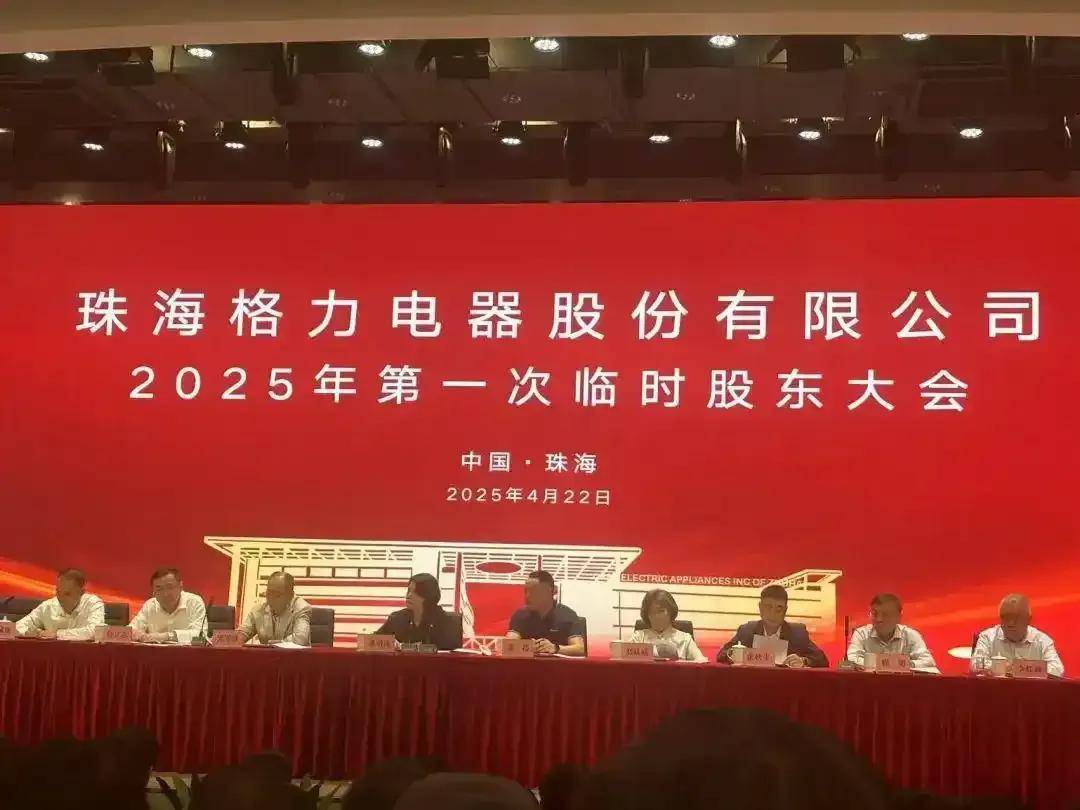
Group 1 - Gree Electric Appliances held its first extraordinary shareholders' meeting of 2025, where Dong Mingzhu was elected as a non-independent director with over 3.3 billion votes, indicating strong support from investors and shareholders [1][3] - Dong Mingzhu criticized the low-price competition in the domestic air conditioning market, stating that low prices reflect a lack of capability and emphasized the importance of quality and technology over pricing [1][5] - The company has seen a significant increase in sales at stores rebranded as "Dong Mingzhu Health Home," with the first store achieving sales of 8.2 million yuan in a week, showcasing the effectiveness of personal branding [5] Group 2 - Dong Mingzhu expressed a strong preference for cultivating talent domestically, rejecting the idea of hiring overseas returnees, citing concerns over potential espionage and the need to protect the company's extensive patent portfolio [7] - The company maintains a high gross margin of 34.7%, attributed to the personal branding of Dong Mingzhu, which saves approximately 800 million yuan in advertising costs annually [5] - Gree's cheapest wall-mounted air conditioner is priced at 2,899 yuan, while the lowest-priced floor-standing unit is 5,399 yuan, indicating that the company does not compete on price but rather on quality and technology [5]