关税协议

Search documents
韩国8月早期出口韧性十足 顶住美国关税压力逆势增长7.6%
智通财经网· 2025-08-21 01:32
Group 1 - South Korea's exports showed a year-on-year increase of 7.6% in the first 20 days of August, surpassing the 5.8% growth in July [1] - The trade surplus for the same period was recorded at $833 million, with imports slightly increasing by 0.4% [1] - The recent trade agreement between the US and South Korea capped tariffs on Korean goods at 15%, which is lower than the previously threatened 25% [1] Group 2 - The automotive sector faces uncertainty as tariffs remain at 25% until a formal adjustment is made by the US [2] - Key export products such as semiconductors saw a growth of nearly 30%, while automotive exports increased by 22% [2] - Exports to the US decreased by 2.7%, while exports to China grew by 2.7%, and exports to Thailand and Singapore surged by 59% and 82% respectively [2]
张尧浠:鹰派预期施压金价走低、震荡调整后仍待上攀升
Sou Hu Cai Jing· 2025-08-20 00:47
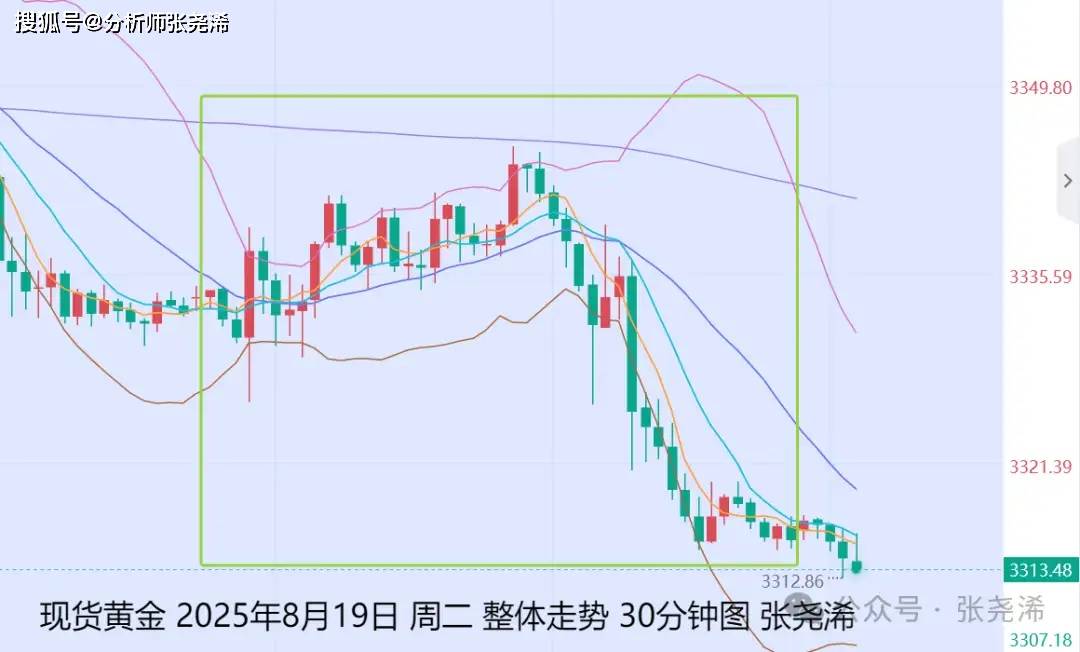
Core Viewpoint - The article discusses the recent fluctuations in gold prices, influenced by hawkish expectations from the Federal Reserve and geopolitical factors, particularly the Russia-Ukraine conflict, which has reduced the safe-haven demand for gold [3][5]. Market Performance - On August 19, international gold opened at $3333.21 per ounce, initially rising to a high of $3345.31 before falling to a low of $3314.89, ultimately closing at $3315.54, marking a daily decline of $17.67 or 0.53% [1]. - The market is currently experiencing a weak performance due to a strengthening dollar and reduced safe-haven demand, with gold prices under pressure ahead of Fed Chair Powell's upcoming speech [3][5]. Future Outlook - Despite the current downward trend, the overall outlook for the next year remains bullish, with expectations of potential price increases after a period of consolidation [5]. - The article highlights that the recent tariff agreements and potential increases in semiconductor tariffs could support gold prices, alongside favorable economic data suggesting possible rate cuts by the Federal Reserve [6]. Technical Analysis - The gold price has been fluctuating within a range of $3200 to $3440, with key support levels identified at $3270 and $3200, which could present buying opportunities [8][10]. - The article notes that the gold price is currently below key moving averages, indicating a bearish trend, but suggests that a rebound may occur upon reaching the 100-day moving average support [10]. Price Levels - Key support levels for gold are identified at $3311 and $3275, while resistance levels are at $3327 and $3340 [11].

【UNFX课堂】美元的脆弱基石:贸易战、联储变局与就业困境
Sou Hu Cai Jing· 2025-08-07 10:28
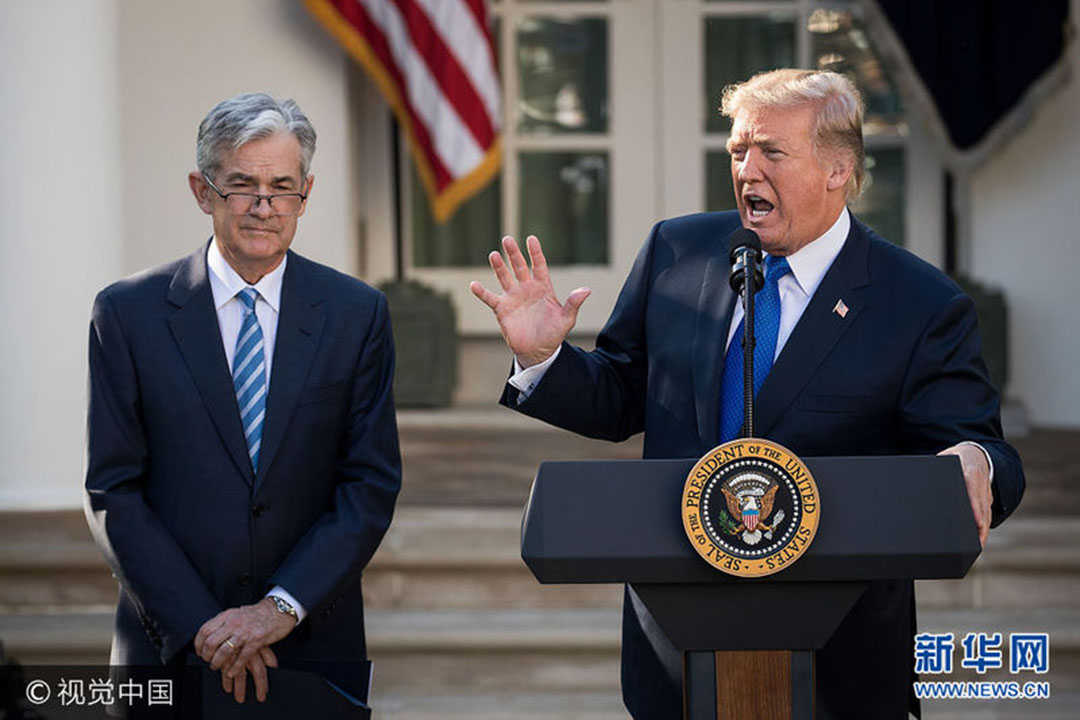
Core Viewpoint - The recent stability of the US dollar is misleading, as underlying risks are accumulating, with significant declines earlier in the year and temporary support factors now appearing weak [1][4]. Group 1: Economic Factors - The US dollar experienced a nearly 11% decline from January to April, followed by a brief recovery due to strategic concessions on tariffs and stable employment data [1]. - Recent tariff measures introduced by President Trump, particularly on semiconductors and pharmaceuticals, are raising concerns about economic protectionism and potential price increases [1][2]. - The US employment market is showing signs of fatigue, with non-farm payroll reports failing to exceed 100,000 for three consecutive months, historically a recession indicator [2][4]. Group 2: Federal Reserve Independence - The independence of the Federal Reserve is under scrutiny, with recent resignations and potential political influences on monetary policy [2]. - Speculation about future Fed leadership includes candidates who may prioritize political objectives over traditional monetary policy, potentially undermining the credibility of the Fed [2][4]. Group 3: Market Reactions - The reduction in short positions against the dollar suggests a temporary stabilization, but ongoing fundamental deterioration and rising political risks indicate clear downward pressure on the dollar [3][4]. - The euro is largely reacting to US macroeconomic changes, with limited upward movement despite some narrowing of interest rate differentials [3]. Group 4: Summary of Risks - The foundations supporting the dollar's recent resilience—tariff adjustments, temporary stability from Powell, and reliable employment data—are now crumbling, leading to increased risks for the dollar [4][5]. - The market is now focused on which negative factor will trigger the dollar's downward trend first [5].
马来西亚同意增加美国技术和液化天然气购买!五年斥资1500亿美元从美国跨国公司购买设备,对美投资700亿美元
Ge Long Hui· 2025-08-04 08:21
Group 1 - Malaysia plans to invest up to $150 billion over the next five years to purchase equipment from U.S. multinational companies in the semiconductor, aerospace, and data center sectors as part of a tariff reduction agreement with Washington [1] - The U.S. announced a 19% tariff on Malaysia starting August 8, down from the previously threatened 25% [1] - Malaysia's national oil company will purchase $3.4 billion worth of liquefied natural gas annually, and Malaysia commits to $70 billion in cross-border investments in the U.S. over the next five years to address trade imbalances [1]

8月4日白银早评:非农数据远低预期 白银行情或将提振
Jin Tou Wang· 2025-08-04 03:00
Core Viewpoint - The recent decline in the US dollar index and the rise in silver prices are influenced by weak non-farm payroll data, which has heightened expectations for interest rate cuts by the Federal Reserve [1][3]. Group 1: Market Data - The US dollar index is trading around 98.91, while spot silver opened at $36.99/oz and is currently around $36.68/oz [1]. - The SLV silver ETF holdings decreased by 5.65 tons to 15,056.67 tons [2]. - The spot silver price closed at $37.02/oz, up 0.90%, while spot gold rose by 2.23% to $3,362.52/oz [1]. Group 2: Economic Indicators - The US non-farm payrolls for July showed an increase of 73,000 jobs, significantly below the expected 110,000, with prior months' data revised down by 258,000 jobs [3]. - The market is fully pricing in two interest rate cuts by the Federal Reserve by the end of the year due to the disappointing employment data [3]. Group 3: Market Sentiment - The silver market experienced volatility, opening at $38.139 and reaching a high of $38.355 before dropping to a weekly low of $36.181, ultimately closing at $37.008 [4]. - The market sentiment indicates a potential target for silver prices at $37, $37.3, and $37.6, with stop-loss levels set at $36.6 and $36.3 [4].
锌月报:风险偏好降温,锌价震荡偏弱-20250804
Tong Guan Jin Yuan Qi Huo· 2025-08-04 01:46
1. Report Industry Investment Rating No relevant information provided in the content. 2. Core Views of the Report - The macro - environment shows that concerns about the US economic recession resurface, and the probability of the Fed cutting interest rates in September increases. In China, the economic pressure eases in the second half of the year, and the macro - environment tends to be stable [2][83]. - On the supply side, overseas zinc mine production is mostly stable, and domestic mine output is steadily released. In August, zinc processing fees continue to rise, refinery profits improve, and the supply of refined zinc is expected to increase by 12,000 tons month - on - month [2][83]. - The demand side is differentiated. High - temperature and heavy - rain weather affects infrastructure construction. The Yalong River project boosts consumption expectations but has limited actual impact. The trade - in policy has overdrawn some demand. Zinc consumption in the automotive and home - appliance sectors weakens marginally but remains resilient. The wind - power industry and galvanized product exports support demand, while the slowdown in the photovoltaic industry and the weak real - estate market drag down demand [2][83]. - Overall, the domestic policy expectations are fulfilled, but overseas economic concerns resurface. The market risk preference weakens. The supply of zinc continues to grow, while the demand is lackluster. The fundamental situation remains weak, and the high - level hedging demand in the industry suppresses zinc prices. However, the high concentration of LME zinc delivery warrants provides a basis for a short squeeze, which may support zinc prices or slow down the decline. It is expected that the main contract of Shanghai zinc will show a weak and volatile pattern in August, and the strategy is to sell on rebounds [2][84]. 3. Summary According to the Directory 3.1 Zinc Market行情回顾 - In early July, Shanghai zinc continued to oscillate at a low level. In late July, the price first rose and then fell. By the end of July, the price closed at 22,345 yuan/ton, with a monthly decline of 0.67%. LME zinc's center of gravity moved up, and it closed at 2,762 US dollars/ton at the end of the month, with a monthly increase of 0.77% [7]. 3.2 Macro - aspect 3.2.1 US Aspect - The US economy weakens, with the ISM manufacturing PMI in July hitting a nine - month low, and the non - farm employment data braking sharply. Inflation rebounds slightly, and the Fed's interest - rate decision shows internal differences. After the non - farm employment data in July, the expectation of a September interest - rate cut increases significantly. The US has reached trade agreements with some countries, and the global tariff level is expected to be 15 - 20%, with the tariff - driven factor weakening [10][11][12]. 3.2.2 Euro - zone Aspect - The Euro - zone economy shows certain resilience driven by domestic demand, with the comprehensive PMI in July rising. Inflation rebounds slightly, and the ECB suspends interest - rate cuts. However, the US - EU tariff agreement increases trade costs and will impact the EU's automotive and pharmaceutical industries [13][14]. 3.2.3 China Aspect - China's GDP in Q2 2025 increased by 5.2% year - on - year, slightly lower than that in Q1. The economy in June showed a differentiated performance, with external demand and production rebounding, while consumption and investment weakening. The Politburo meeting at the end of the month indicated that the focus of fiscal policy in the second half of the year is on implementation, and the expectation of strong stimulus policies weakens [15][16][17]. 3.3 Zinc Fundamental Analysis 3.3.1 Zinc Ore Supply Situation - **Global Zinc Concentrate Supply Shifts from Tight to Loose**: In 2025, from January to May, the global zinc concentrate cumulative output was 4.9589 million tons, with a cumulative year - on - year increase of 4.58%. Overseas mines are generally stable in production, and it is estimated that the overseas zinc ore increment for the whole year will be 55 - 60 million tons. In China, new mines are being put into production, and the annual increment is expected to be 9 - 10 million tons [31][32][33]. - **Zinc Concentrate Processing Fees Continue to Rise Month - on - Month, and Zinc Ore Imports Decline Significantly Month - on - Month**: In August, domestic and imported zinc concentrate processing fees increased. Due to the stable recovery of zinc ore supply, smelters have a high bargaining power. The zinc ore import volume in June decreased significantly month - on - month. Although overseas mines are releasing incremental output, factors such as the loss of zinc ore imports and the weakening of the Shanghai - London ratio may limit future imports, but there is still a possibility of a rebound [39]. 3.3.2 Refined Zinc Supply Situation - **Overseas Smelters Have Both Production Cuts and Expansions, and Supply Disturbance Risks Remain**: From January to May 2025, the global refined zinc cumulative output decreased year - on - year, mainly due to overseas production cuts. Some overseas smelters have reduced production, while some have expanded production. It is expected that the global refined zinc supply increment will mainly come from China [45]. - **Refined Zinc Output from January to July Slightly Exceeds Expectations, and Output in August Remains Above 600,000 Tons**: In July, China's refined zinc output was 602,800 tons, and it is expected to reach 621,500 tons in August. The import volume of refined zinc in June increased, but since May, the import window has been closed, and future imports will mainly be long - term contracts [50][51]. 3.3.3 Refined Zinc Demand Situation - **High Interest Rates and Tariffs Disturb Overseas Demand, Which is Under Pressure**: From January to May 2025, the global refined zinc consumption increased slightly year - on - year. In overseas markets, high interest rates and tariffs have a negative impact on the real - estate and automotive industries, and overseas terminal consumption is difficult to improve significantly [61][62]. - **The Start - up of Initial Enterprises is Seasonally Weak, and Galvanized Exports Remain Resilient**: In July, the start - up rate of initial enterprises was weak, in line with the seasonal pattern. Galvanized product exports increased in June, but it is expected to decline marginally in July [64][65]. - **Terminal Consumption is Differentiated**: In the traditional infrastructure sector, the growth rate of infrastructure investment has slowed down, but it is expected to accelerate in the second half of the year. The real - estate market is still weak, with both investment and sales declining. The automotive and home - appliance industries have certain resilience, but the growth rate may slow down. The photovoltaic industry has slowed down, while the wind - power industry is expected to continue to grow [69][70][72][74][76][77]. 3.3.4 Overseas Inventory Continues to Decline from a High Level, and Domestic Inventory Increases Slightly - In July, LME inventory decreased, and there were concerns about a short squeeze, which pushed up zinc prices. Social inventory in China increased slowly. It is expected that inventory will continue to increase seasonally in early August but will stop increasing in late August as downstream demand recovers [,81]. 3.4 Summary and Future Outlook - The macro - environment tends to be stable, the supply of zinc shows an increasing trend, and the demand is differentiated. The fundamental situation of zinc remains weak, but the high concentration of LME zinc delivery warrants may support zinc prices. It is expected that the Shanghai zinc main contract will show a weak and volatile pattern in August, and the strategy is to sell on rebounds [83][84].
老百姓买国债的利息免税标准定了;亮证女司机,身份公布;广东一周新增2892例本地病例
Di Yi Cai Jing Zi Xun· 2025-08-04 01:07
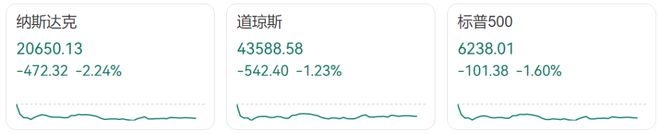
Market Overview - The international market experienced significant fluctuations last week, with the US stock market declining sharply. The Dow Jones fell by 2.92%, the Nasdaq by 2.17%, and the S&P 500 by 2.36% [1] - European indices also saw declines, with the UK FTSE 100 down 0.57%, Germany's DAX 30 down 3.27%, and France's CAC 40 down 3.68% [1] Economic Indicators - The upcoming ISM services survey is highly anticipated as investors assess the potential for a Federal Reserve rate cut, especially after July's employment data fell short of expectations [2] - The Federal Reserve maintained interest rates at 4.25%-4.50%, with Chairman Powell indicating that the overall impact of higher tariffs on economic activity and inflation remains to be seen [2][5] Trade and Tariffs - President Trump announced a series of tariffs ranging from 10% to 41% on imports from various countries, with new tariffs set to take effect on August 7 [4][11] - The US has reached trade agreements with major partners, including the UK, EU, Japan, and South Korea, while negotiations with other trade partners are ongoing [3] Commodity Prices - International oil prices stabilized, with WTI crude oil increasing by 3.33% to $67.33 per barrel and Brent crude rising by 2.97% to $69.67 per barrel [4] - Gold prices also saw a slight increase, with COMEX gold futures rising by 0.36% to $3347.70 per ounce, driven by expectations of a potential rate cut and increased demand for safe-haven assets [5] Corporate Earnings - The earnings season is in full swing, with notable companies such as Palantir Technologies, AMD, McDonald's, Walt Disney, and Eli Lilly expected to report [3][6] Upcoming Events - The US Treasury is set to auction $58 billion in three-year notes, $42 billion in ten-year notes, and $25 billion in thirty-year notes, with market confidence still recovering from previous poor auction demand [2]

本周外盘看点丨美国服务业或成降息关键,英国央行料下调利率
Di Yi Cai Jing· 2025-08-03 04:16
Group 1: Trade Agreements and Economic Impact - President Trump announced a series of "reciprocal tariffs" as the deadline for tariff negotiations approached, leading to significant declines in major stock indices, with the Dow Jones down 2.92% and the S&P 500 down 2.36% for the week [1] - The upcoming ISM services survey is highly anticipated as investors assess the potential for Federal Reserve rate cuts following disappointing July employment data [3] - The U.S. has reached trade agreements with major partners including the UK, EU, Japan, and South Korea, with ongoing negotiations expected to lower tariffs before the new tariffs take effect on August 7 [4] Group 2: Financial Market Reactions - International oil prices stabilized, with WTI crude oil rising 3.33% to $67.33 per barrel, attributed to market reactions to Trump's tariff announcements and sanctions threats [6] - Gold prices increased by 0.36% to $3347.70 per ounce, driven by lower-than-expected U.S. employment data and heightened demand for safe-haven assets due to new tariff announcements [7] Group 3: Corporate Earnings and Economic Indicators - The earnings season is in full swing, with notable companies such as Palantir Technologies, AMD, McDonald's, Walt Disney, and Eli Lilly expected to report [5] - Upcoming economic indicators include the U.S. Treasury's auction of $58 billion in three-year notes and $42 billion in ten-year notes, which are critical for market confidence following weak demand in previous auctions [3]
韩国综合股价指数单日暴跌3.88%
Sou Hu Cai Jing· 2025-08-01 14:02
Core Viewpoint - On August 1, the South Korean stock market experienced a significant decline, with the KOSPI index dropping 126.03 points, a decrease of 3.88%, marking the largest single-day drop since April 7 of this year [2] Group 1: Market Performance - The KOSPI index closed at 3119.41 points, reflecting a notable downturn in investor sentiment [2] - The South Korean won depreciated against the US dollar, falling by 14.4 won to close at 1401.4 won, the lowest level since mid-May [2] Group 2: Contributing Factors - Analysts attribute the downward pressure on the stock market to expectations regarding the economic impact of the recently agreed tariff agreement between South Korea and the US [2] - There is a strong sense of disappointment regarding the new tax reform proposal introduced by the South Korean government, which has further affected market confidence [2]

黑色星期五!
中国基金报· 2025-08-01 08:32
Core Viewpoint - Trump's new tariff measures have significantly impacted global stock markets, leading to widespread declines across various regions [2][3][6]. Group 1: Market Reactions - European stock markets opened with collective declines, with most countries experiencing drops exceeding 1% [3]. - The U.S. stock market indices also faced significant downturns prior to market opening [8]. - The Asia-Pacific region saw a collective drop in market performance [10]. - The A-share market experienced a slight decline, with the Shanghai Composite Index down by 0.37%, the Shenzhen Component down by 0.17%, and the ChiNext Index down by 0.24% [12]. Group 2: Economic Implications - Analysts indicate that a 15% tariff rate is detrimental for the EU, with Goldman Sachs projecting a GDP loss of approximately 0.4 percentage points for the Eurozone by the end of 2026 [5]. - The new tariffs are expected to harm global trade and economic growth, potentially causing stock markets to retreat from recent highs [7]. - The uncertainty surrounding these tariffs may adversely affect corporate decision-making, further suppressing growth [7]. Group 3: Sector Performance - The pharmaceutical sector continued to show strength, with multiple stocks hitting the daily limit [17]. - The photovoltaic sector experienced a collective rebound, with companies like Jiejia Weichuang and Shuangliang Energy reaching their daily limit [18]. - Conversely, the hydropower concept stocks faced adjustments, with Poly United hitting the daily limit down [18].