出口多元化

Search documents
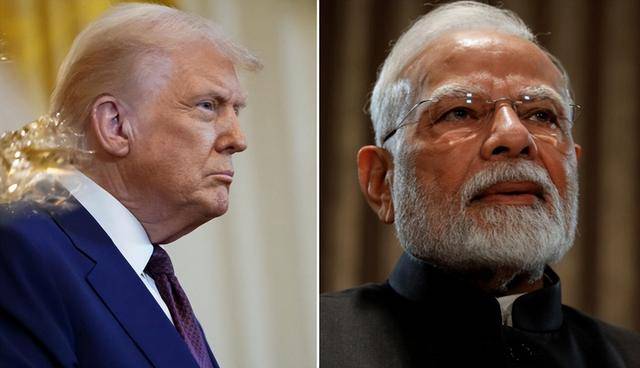
特朗普关税轰炸,印度出口逆势开花
Sou Hu Cai Jing· 2025-10-24 01:50
Core Insights - The U.S. imposed a 50% tariff on Indian imports targeting oil purchases from Russia, leading to a significant drop in India's exports to the U.S. by 37.5% over four months [1][3] - Contrary to expectations, India's economy has not faltered; instead, it has diversified its export markets, with nearly twenty countries, including China, Russia, and Brazil, absorbing Indian goods [1][3] - The tariffs have inadvertently catalyzed a strategic upgrade in India's foreign trade, prompting a reevaluation of market layouts and accelerating integration with global markets [3][5] Trade Dynamics - Despite the decline in exports to the U.S., trade activities with other markets are rapidly increasing, showcasing India's self-centered economic strategy to withstand external pressures [3][5] - The Indian government is enhancing domestic logistics and trade infrastructure while stimulating local demand and supporting small and medium enterprises, mitigating the negative effects of tariffs [5][7] - India's export composition is becoming more balanced and resilient, reducing reliance on the U.S. market and transforming the tariff pressure into a growth engine [5][7] Strategic Response - The trade friction exemplifies a strategic contest rather than a mere numerical win or loss, with India leveraging policy tools and market diversification to stabilize economic growth [5][7] - The resilience and strategic wisdom displayed by India in response to U.S. tariffs highlight the importance of adaptability in the face of pressure from larger economies [7] - The ongoing trade dynamics serve as a mirror reflecting the complexities of global trade, where economic resilience and strategic acumen can prevail over unilateral policy pressures [7]

专家说|前三季度中国经济回升向好态势持续巩固 积极因素不断累积
Yang Shi Wang· 2025-10-20 02:31
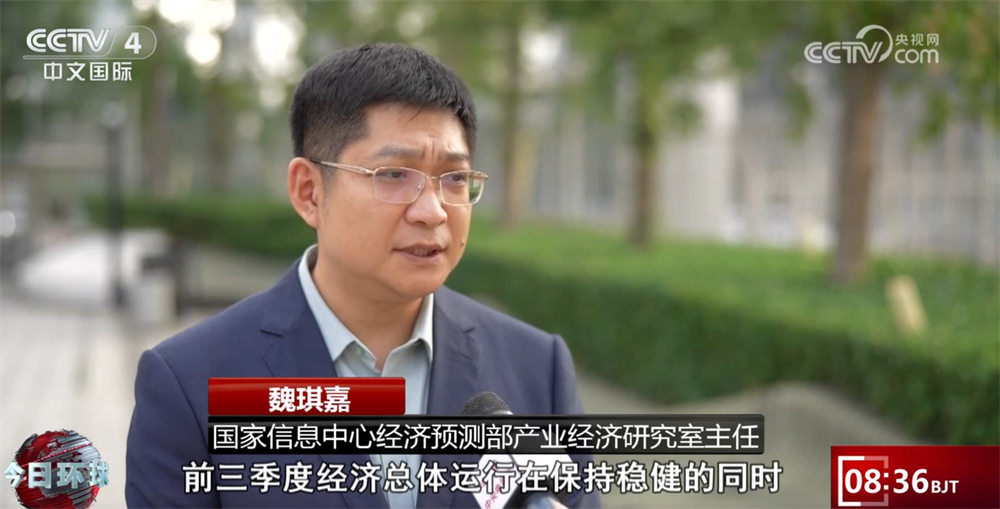
Core Viewpoint - China's economy is expected to maintain a growth rate of over 5% in the first three quarters of the year, with a focus on steady growth and structural adjustments [1][3]. Economic Performance - The overall economic performance in the first three quarters is characterized by stable growth, supported by policies aimed at expanding domestic demand and promoting consumption [5]. - The consumption market has shown steady growth, with new consumption drivers continuing to strengthen [5]. Consumption and Market Dynamics - The implementation of a 300 billion yuan subsidy for trade-ins has had a significant impact, estimated to generate a 1:10 effect on consumption [5]. - There has been a rapid growth in service consumption, particularly in cultural tourism and performances [5]. Industrial Upgrading - Significant achievements in industrial upgrading are highlighted, with rapid growth in high-tech manufacturing sectors such as new energy vehicles, integrated circuits, artificial intelligence, and high-end equipment manufacturing [7]. - The support for innovation and bold attempts by businesses in their respective fields have contributed to enhancing overall productivity [9]. Export and Market Diversification - Despite a challenging external environment, foreign trade has performed well, showcasing the resilience and upgrading benefits of Chinese industries [11]. - There is a trend towards diversifying export markets, particularly optimizing export structures [11].
中国9月出口增长超预期
Ge Lin Qi Huo· 2025-10-13 09:36
Group 1: Overall Trade Performance - China's September exports denominated in US dollars increased by 8.3% year-on-year, exceeding the forecast of 5.7% and the previous value of 4.4%; imports increased by 7.4% year-on-year, exceeding the forecast of 1.4% and the previous value of 1.3%; the trade surplus was $90.45 billion, compared with a previous surplus of $102.33 billion [1][4]. - From January to September, China's cumulative export amount increased by 6.1% year-on-year, compared with a 5.82% increase for the whole of last year; the cumulative import amount decreased by 1.1% year-on-year, compared with a 1.03% increase for the whole of last year [4]. Group 2: Export by Region - In September, China's exports to ASEAN increased by 15.6% year-on-year (14.7% from January to September, 12% for the whole of last year); exports to the EU increased by 14.2% year-on-year (8.2% from January to September, 3.0% for the whole of last year); exports to the US decreased by 27.0% year-on-year (-16.9% from January to September, 4.9% for the whole of last year); exports to South Korea increased by 7.0% year-on-year (-0.3% from January to September, -1.8% for the whole of last year); exports to Japan increased by 1.8% year-on-year (4.4% from January to September, -3.5% for the whole of last year) [2][5]. - In September, China's exports to countries and regions other than the top five export destinations increased by 16.5% year-on-year, faster than the overall export growth rate of 8.3% [2][5]. - In the first nine months of this year, China's exports to countries participating in the Belt and Road Initiative increased by 11.4% year-on-year; exports to Africa from January to September increased by 28.3% year-on-year, compared with a 3.5% increase for the whole of 2024; exports to Latin America from January to September increased by 6.9% year-on-year, compared with a 13.0% increase for the whole of 2024 [2][5]. Group 3: Export by Product Category - In the first nine months, China's exports of mechanical and electrical products reached $1.55 trillion, a year-on-year increase of 8.6% (8.1% from January to August, 7.5% for the whole of last year); high-tech product exports increased by 7.1% year-on-year (6.4% from January to August, 4.8% for the whole of last year); integrated circuit exports increased by 23.3% year-on-year (22.1% from January to August, 17.4% for the whole of last year); exports of automobiles (including chassis) increased by 10.8% year-on-year (10.8% from January to August, 15.5% for the whole of last year); exports of ships increased by 21.4% year-on-year (18.3% from January to August, 57.3% for the whole of last year) [2][8]. - In the first nine months, exports of household appliances decreased by 2.2% year-on-year (-1.2% from January to August, 14.1% for the whole of last year); exports of mobile phones decreased by 9.8% year-on-year (-11.5% from January to August, -3.1% for the whole of last year); exports of clothing and clothing accessories decreased by 2.5% year-on-year (-1.7% from January to August, 0.3% for the whole of last year); exports of toys decreased by 8.3% year-on-year (-5.2% from January to August, -1.7% for the whole of last year); exports of furniture and parts decreased by 4.8% year-on-year (-5.3% from January to August, 5.8% for the whole of last year); exports of luggage and similar containers decreased by 11.5% year-on-year (-11.5% from January to August, -3.2% for the whole of last year) [2][8]. Group 4: Import Performance - In September, China's imports exceeded expectations. The import of integrated circuits was 55.5 billion units, a year-on-year increase of 12%, with an amount of $41 billion, a year-on-year increase of 14%; the import of copper ore concentrates was 2.59 million tons, a year-on-year increase of 6%, and the amount spent was $7.3 billion, a year-on-year increase of 24% due to the year-on-year increase in copper prices; the import of iron ore concentrates was 116 million tons, a year-on-year increase of 12%, and the amount spent was $11.3 billion, a year-on-year increase of 13% as the price was slightly higher than the same period last year; the import of crude oil was 47.25 million tons, a year-on-year increase of 4%, and the amount spent was $23.8 billion, a year-on-year decrease of 7% as the crude oil price fell compared with the same period last year; the import of automobiles (including chassis) was 41,000 units, a year-on-year decrease of 26%, and the amount spent was $2 billion, a year-on-year decrease of 36% [3][9][10]. - In September, the largest year-on-year increase in imports was for aircraft with an empty weight of more than 2 tons. 27 were imported, a year-on-year increase of 93%, and the amount spent was $2 billion, a year-on-year increase of 201% [10]. Group 5: International Trade Environment and Outlook - In September, South Korea's exports increased by 12.7% year-on-year (1.3% in August), and Vietnam's exports increased by 24.7% year-on-year (14.5% in August), indicating that the overall international trade environment in September was good [3][11]. - In September, the eurozone's manufacturing Purchasing Managers' Index (PMI) was 49.5, falling below the boom - bust line again, indicating that the eurozone's manufacturing industry was in recession; the US ISM manufacturing PMI new orders index in September was 48.9, falling back below the boom - bust line, and the US ISM services PMI index in September was 50.0 [3][11]. - In the fourth quarter, China's year-on-year export growth rate is expected to slow down due to the high base last year, and the results of a new round of Sino - US trade negotiations will also have a certain impact on China's exports [3][11]. - The World Trade Organization raised its forecast for global goods trade growth in 2025 from 0.9% to 2.4% on October 7, and significantly lowered its forecast for global goods trade growth in 2026 to 0.5%, compared with 1.8% in August [11].
乌拉圭出口保持增长态势
Ren Min Ri Bao· 2025-10-12 21:59
Core Insights - Uruguay's total merchandise exports reached $7.668 billion by July this year, marking a 5.4% year-on-year increase, with projections for 2024 estimating exports to rise to $12.845 billion, a 13% growth [1] - The Uruguayan government emphasizes the importance of internationalization for sustainable and inclusive growth, with one-fifth of the country's jobs linked to exports [1] Group 1: Traditional Exports - Uruguay continues to strengthen its traditional exports, particularly in meat, with meat exports in the first half of the year amounting to approximately $1.5 billion, a nearly 20% increase [2] - Beef remains the primary export product, with export value reaching $1.2155 billion in the first half of the year, reflecting a 22.5% year-on-year growth [2] - The government collaborates with the National Meat Institute to promote the "Uruguayan Meat" brand, launching a multilingual website and tailored marketing strategies for different markets [2] Group 2: Emerging Markets - Uruguay is actively exploring new export markets in the Middle East and Southeast Asia, with exports to Gulf Cooperation Council countries increasing from $8 million in 2001 to $61 million in 2024 [3] - The country has gained access to the Saudi Arabian market for dairy products, with more Uruguayan products, including beef, entering the Middle Eastern market [3] - Recent U.S. tariff policies have prompted Southeast Asian countries to seek new trade partners, presenting opportunities for Uruguay in the Asian market [3] Group 3: Trade with China - China remains Uruguay's largest export market, with exports to China reaching $345 million in July, accounting for 30% of the country's total exports for that month [4] - In 2024, China is projected to become the largest buyer of Uruguayan wool, representing 43% of its wool exports [4] - The Uruguayan Minister of Livestock, Agriculture, and Fisheries recently visited China, resulting in multiple agreements aimed at expanding the range of Uruguayan products exported to China [4]
韩出口过度依赖半导体
Shang Wu Bu Wang Zhan· 2025-10-09 16:55
Core Insights - South Korea's semiconductor exports reached $104.21 billion from January to August this year, marking a 15.7% year-on-year increase and accounting for 23% of total exports, up from 21% in 2023 and 15.9% in 2022 [1] - The growth in semiconductor exports is driven by rising prices of D-RAM and NAND, as well as increased demand for AI-related high-bandwidth memory [1] - Excluding semiconductors, South Korea's overall export performance is weak, with total exports at $453.83 billion, a slight increase of 0.87% year-on-year, while non-semiconductor exports fell by 2.8% to $349.53 billion [1] Export Performance - Major categories such as chemicals, automotive parts, machinery, and steel have seen declines in exports [1] - Despite slight growth in overall exports in July and August, non-semiconductor exports decreased by 0.3% and 5.5%, respectively [1] Trade Vulnerability - Experts warn that over-reliance on semiconductors could exacerbate South Korea's trade vulnerability, as the sector is highly cyclical and may lead to significant export fluctuations [1] - The Korea Trade Association indicates that the concentration index for South Korea's export categories is high at 520, significantly exceeding that of Japan (389), China (129), and France (118), highlighting the need for diversification and development of emerging industries to mitigate risks [1]
阿尔及利亚向美国出口28,000吨白水泥
Shang Wu Bu Wang Zhan· 2025-08-27 15:39
Core Insights - Algeria has exported 28,000 tons of white cement to the United States, marking a significant milestone for the country's entry into the U.S. market [1] - The export of white cement, a high-value product, is expected to generate substantial foreign exchange income for Algeria, aiding in improving its trade balance and diversifying exports away from oil and gas dependency [1] - Approximately 70% of the business at Annaba port is currently focused on exports, reflecting Algeria's national strategy to modernize ports and enhance international competitiveness [1] - Despite the U.S. increasing import tariffs on certain Algerian goods, the quality and price advantages of Algerian cement have allowed it to successfully penetrate the U.S. market, demonstrating the capability of Algerian industrial products to reach international markets [1]
阿尔及利亚新闻网站Algérie360编译版:阿尔及利亚向美国出口28,000吨白水泥
Shang Wu Bu Wang Zhan· 2025-08-27 06:49
据Algérie360网站报道,阿尔及利亚通过安纳巴港向美国出口 28,000 吨白水泥,创下该港出口纪录,标 志着阿在进入美国市场上迈出重要一步。白水泥作为高附加值产品,国际需求持续增长,为阿带来可观 外汇收入,助力阿改善贸易平衡,推动出口多元化,减少对油气的依赖。目前,安纳巴港约70%的业务 已面向出口,体现了阿国家层面推动港口现代化和提升国际竞争力的战略。尽管美国提高了包括水泥在 内的阿部分商品进口关税,但凭借质量和价格优势,阿水泥仍成功进入美国市场,彰显了阿工业品走向 国际的能力。 ...
鲁政委:经济新动能逐步成型
Sou Hu Cai Jing· 2025-08-26 07:27
Core Viewpoint - Despite challenges such as extreme weather and trade friction, China's economy has shown resilience, achieving an 8.0% growth in exports in July and a 9.9% increase in equipment manufacturing, indicating a potential to meet the annual growth target of around 5% [1][4]. Economic Resilience Structure - Export diversification has effectively mitigated the decline in exports to the U.S., with total exports growing by 6.1% in the first seven months, while exports to ASEAN, Africa, Latin America, and the EU increased by 13.5%, 24.5%, 7.3%, and 7.0% respectively [4]. - Industrial structure upgrades are injecting new momentum into the economy, with high-tech industrial value-added growing by 9.5%, significantly above the overall industrial growth rate of 6.3%. Equipment manufacturing value-added rose by 9.9%, and investment in equipment and tools increased by 15.2%, contributing 2.2 percentage points to overall investment growth [4]. - The service sector has made a notable contribution to economic growth, with a 5.5% increase in service value-added in the first half of the year, accounting for 60.2% of economic growth [5]. Future Export Growth Points - The trade war initiated by the U.S. is primarily affecting goods trade, leaving service trade relatively unaffected. Knowledge-intensive service exports, particularly in innovative pharmaceuticals, are expected to become new growth points for China's exports [7]. - China's R&D capabilities are strong, with the highest number of R&D personnel globally, and the cost of high-quality talent is lower compared to developed economies, which supports the potential for growth in service exports [7]. Service Consumption Growth - There is significant potential for increasing the share of service consumption in China, which is currently at 46%. As GDP per capita rises to $20,000 by 2035, service consumption could increase by over 10% [8]. - Service consumption is less prone to demand exhaustion compared to durable goods, making it a more stable driver of long-term consumption growth [8]. Policy Recommendations - The government is advised to increase subsidies in the service consumption sector to encourage habit formation and structural upgrades in consumption [9]. - Enhancing the supply of quality services, particularly in cultural and entertainment sectors, is recommended to foster new growth in service consumption [9]. - Targeted support in areas such as elderly care, childcare, and retraining is suggested to address both immediate and long-term needs [10]. Fiscal and Monetary Policy Coordination - The current "fiscal heat, credit cold" phenomenon is attributed to a front-loaded fiscal stimulus and structural changes in credit demand, with a shift towards high-quality development [11]. - Coordinated efforts between fiscal and monetary policies are essential to address the imbalance, with suggestions for direct fiscal subsidies to lower financing costs for the real economy [13]. - The focus should be on quality rather than quantity in credit provision, with expectations that economic growth will meet targets without further interest rate cuts in the short term [14].

21专访|兴业银行首席经济学家鲁政委:经济新动能逐步成型
2 1 Shi Ji Jing Ji Bao Dao· 2025-08-25 07:26
Economic Resilience and Growth - China's exports grew by 8.0% in July despite a 24% tariff pressure from the US, with equipment manufacturing showing a 9.9% growth rate [2][3] - The diversification of exports and industrial upgrades are restructuring the resilience of the Chinese economy, with high-tech industries showing a 9.5% increase in industrial added value [3][4] - The service sector contributed significantly to economic growth, with a 5.5% increase in added value in the first half of the year, accounting for 60.2% of economic growth [4] Export Dynamics - The decline in exports to the US was offset by increases in exports to ASEAN (13.5%), Africa (24.5%), Latin America (7.3%), and the EU (7.0%) [3] - The "rush to export" effect is expected to have a manageable impact, with an estimated 1.7% of 2024's total export amount being pre-empted [5] - Knowledge-intensive service exports, particularly in innovative pharmaceuticals, are anticipated to become new growth points for China's exports [6] Service Consumption Growth - There is significant potential for growth in service consumption, with projections indicating an increase in the share of service consumption from 46% in 2024 to over 10% by 2035 as GDP doubles [7] - Key areas for service consumption growth include health services and cultural entertainment, which are expected to see increased demand as income levels rise [7][9] - The development of service consumption is seen as a long-term growth driver, with less risk of demand overextension compared to durable goods [7] Policy Recommendations - Recommendations include increasing subsidies in the service consumption sector to encourage habit formation and structural upgrades [8] - Enhancing the quality of supply in cultural and entertainment services is suggested to foster new growth in service consumption [9] - Targeted support in areas such as elderly care, childcare, and retraining is recommended to address both immediate and long-term needs [10] Financial and Monetary Policy Coordination - The current "hot fiscal, cold credit" phenomenon is attributed to a shift in credit demand towards high-quality development sectors [11] - Coordination between fiscal and monetary policies is essential, with suggestions for fiscal interest subsidies to lower financing costs for the real economy [12] - The focus should be on quality rather than quantity in credit provision, with expectations that economic growth will meet targets without further interest rate cuts [14]

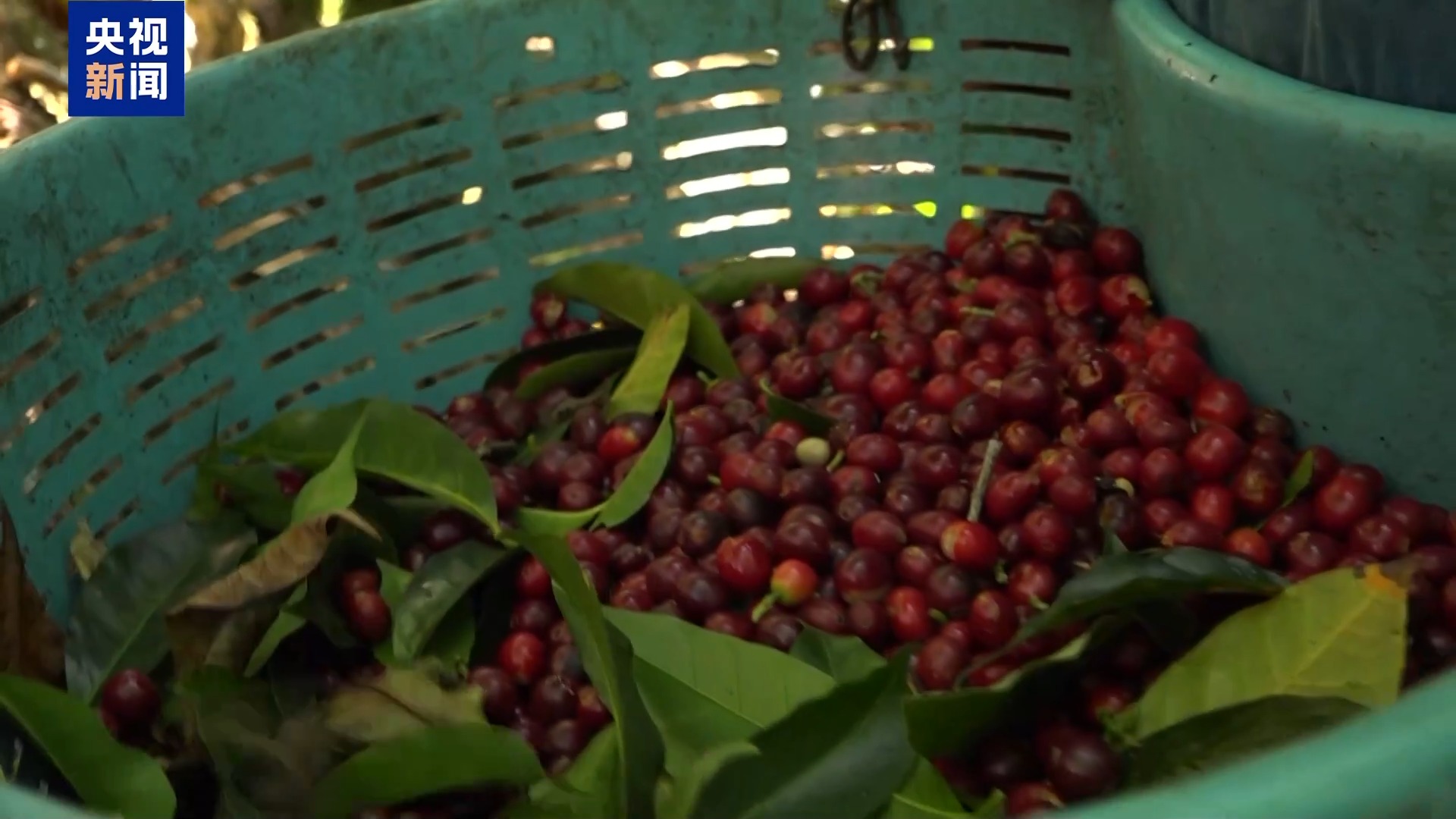
美关税影响哥斯达黎加咖啡出口 当地企业开拓其他海外市场
Yang Shi Xin Wen Ke Hu Duan· 2025-08-17 07:38
Group 1 - Costa Rica produces high-quality coffee, with approximately 85% of its production intended for export, historically with the United States as the largest export destination [1] - Starting from August 7, the U.S. imposed a 15% tariff on Costa Rican coffee, which has raised concerns in the local coffee industry [1][3] - The Tarrazú Valley, known as the "golden coffee region" of Costa Rica, contributes about one-third of the country's total coffee exports [1] Group 2 - The Tarrazú Coffee Cooperative, which includes nearly 5,000 coffee farmers and producers, manages the entire process from harvesting to export [3] - The cooperative has stated that the increase in tariffs from zero to 15% will severely impact exports to the U.S., prompting efforts to diversify into European and Asian markets [3][5] - The cooperative's representative emphasized the need to seek new markets, indicating a shift in focus beyond the U.S. market [5] Group 3 - In 2024, 46% of Costa Rica's products are expected to be exported to the U.S., and the new tariffs could affect production and employment across various sectors [7] - Costa Rica primarily exports medical devices, bananas, pineapples, coffee, cassava, and other food products, and the tariffs may diminish the country's export competitiveness [8]