品质升级

Search documents
光瓶酒2025年市场规模有望突破2000亿元
Zheng Quan Ri Bao· 2025-08-19 00:53
Core Insights - The light bottle liquor segment is becoming increasingly popular in the Chinese liquor industry, with companies targeting this market due to changing consumer demands [2][3] - The market size for light bottle liquor is projected to exceed 200 billion yuan by 2025, indicating significant growth potential [3] Industry Trends - Light bottle liquor, defined as liquor packaged in glass bottles without additional gift boxes or elaborate decorations, has gained attention in the market [2] - Major liquor companies such as Jiangsu Yanghe Brewery Co., Ltd., Luzhou Laojiao Co., Ltd., and Anhui Gujing Distillery Co., Ltd. have launched new products in this category [2] - The growth of light bottle liquor is driven by a shift in consumer preferences towards quality and price balance, moving away from the traditional "face engineering" consumption [2][3] Market Dynamics - The market size of light bottle liquor has grown from 35.2 billion yuan in 2013 to 98.8 billion yuan in 2021, with a compound annual growth rate of 13.8% [3] - The market is expected to surpass 150 billion yuan in 2024, with a significant increase in the "high-end light bottle" segment priced between 50 to 100 yuan, projected to grow over 40% [3] - The current market is characterized by a fragmented competitive landscape, with no clear tiered structure among competitors, indicating potential for increased competition in the future [3] Consumer Behavior - There is a notable shift in consumer demand towards high-quality, cost-effective light bottle liquor, reflecting a broader trend of rational consumption among younger demographics [2][3] - The transformation of light bottle liquor from a "supplementary role" to a "mainstream choice" is reshaping the industry landscape, with products now spanning various price ranges from low-end to premium offerings [3]



司徒正襟:中国房地产市场的人口拐点、存量革命与制度重构
Sou Hu Cai Jing· 2025-08-14 13:20
Core Viewpoint - The Chinese real estate market is transitioning from a "high leverage, high turnover, high growth" model to a phase of "stock optimization" and "institutional restructuring" due to unprecedented structural challenges, including negative population growth and declining housing demand [1][3]. Group 1: Population Structure Changes - The birth rate in China has drastically declined, with 2023 recording only 9.02 million births, a birth rate of 6.39‰, down over 50% from 2016 [3][4]. - The core home-buying demographic (ages 25-39) is shrinking, with predictions indicating that by 2030, the annual birth rate may drop below 7 million, leading to sustained population decline [3][8]. - The demand for housing is shifting from "availability" to "quality," as the total housing demand decreases while the need for quality housing increases [9][10]. Group 2: Urbanization Process - China's urbanization rate is nearing its peak, with a current rate of 67%, indicating a shift from "incremental development" to "stock renewal" [12]. - The government is promoting high-quality urban renewal, with various innovative models being explored, such as comprehensive area updates and functional transformation [13]. - The residential quality standards are undergoing a revolution, with new regulations emphasizing safety, comfort, and sustainability [14]. Group 3: Institutional Challenges - The pre-sale system in real estate has led to significant issues, including unclear responsibilities and inadequate maintenance of common areas, reflecting systemic risks in the market [16][17]. - The public area allocation disputes and the binding of property management to developers have resulted in low service quality and operational inefficiencies [16][17]. Group 4: Land System Reform - International experiences suggest that flexible land use policies can better balance housing supply and demand, contrasting with the rigid controls seen in the U.S. [18][20]. - China's collective land system reform is exploring new models to activate "sleeping assets," with local innovations facing challenges in rights clarification and market circulation [22][23]. Group 5: Conclusion and Outlook - The future of the Chinese real estate market will be characterized by "decreasing total volume and differentiated structure," necessitating a shift from developers to comprehensive operators [24]. - Companies that respect demographic trends and focus on long-term operations will thrive, as the market increasingly values quality over quantity in housing [26].


河南葡萄的甜蜜叙事
He Nan Ri Bao· 2025-08-13 23:34
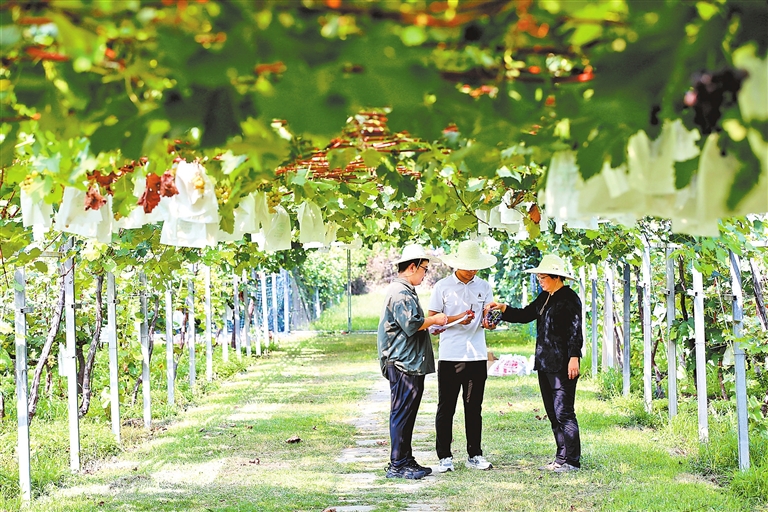
Core Viewpoint - The decline in the price and quality of "Sunshine Rose" grapes in Henan is attributed to uncontrolled expansion and increased production leading to a drop in quality, with consumers reporting poor taste and lack of aroma [1][4][7]. Industry Overview - Henan has rapidly developed its grape industry, with production increasing from approximately 150,000 tons in 2000 to an estimated 905,000 tons by 2024, over half of which is "Sunshine Rose" [1]. - The planting area for "Sunshine Rose" exceeded 600,000 acres nationwide by 2020 and is projected to reach over 1.5 million acres by the end of 2024, with Henan alone accounting for 150,000 acres [7]. Market Dynamics - The price of "Sunshine Rose" grapes has significantly decreased, with local prices dropping to as low as 3.98 yuan per pound, compared to 40 yuan per pound three years ago [2][3]. - The market is experiencing a stratification phenomenon, where high-quality grapes can still command prices of 22.9 yuan per pound, while lower quality grapes struggle to sell [2][6]. Quality Issues - The decline in quality is linked to excessive production, with many farmers pushing yields to 7,000-10,000 pounds per acre, which negatively impacts the taste and aroma of the grapes [7]. - Consumers have reported that the grapes have lost their characteristic "rose fragrance," indicating a direct correlation between production practices and quality [4][7]. Innovation and Future Prospects - The introduction of new grape varieties, such as "Zhongpu Meiying," which boasts high quality and early maturity, is seen as a potential solution to the current market challenges [12][15]. - The "Zhongpu Meiying" variety, developed from a combination of "Sunshine Rose" and "Early Agate," has shown promising characteristics, including a sugar content of 21% and strong market interest [12][15]. Research and Development - The National Grape Germplasm Resource Nursery in Zhengzhou houses over 2,100 grape varieties, serving as a critical resource for breeding and innovation in the grape industry [10][11]. - The research team has developed a "South-South Grape Breeding Model," allowing for rapid breeding cycles and the introduction of new varieties to the market [11].
用“新”突围,康师傅布局增量市场
Sou Hu Wang· 2025-08-13 05:21
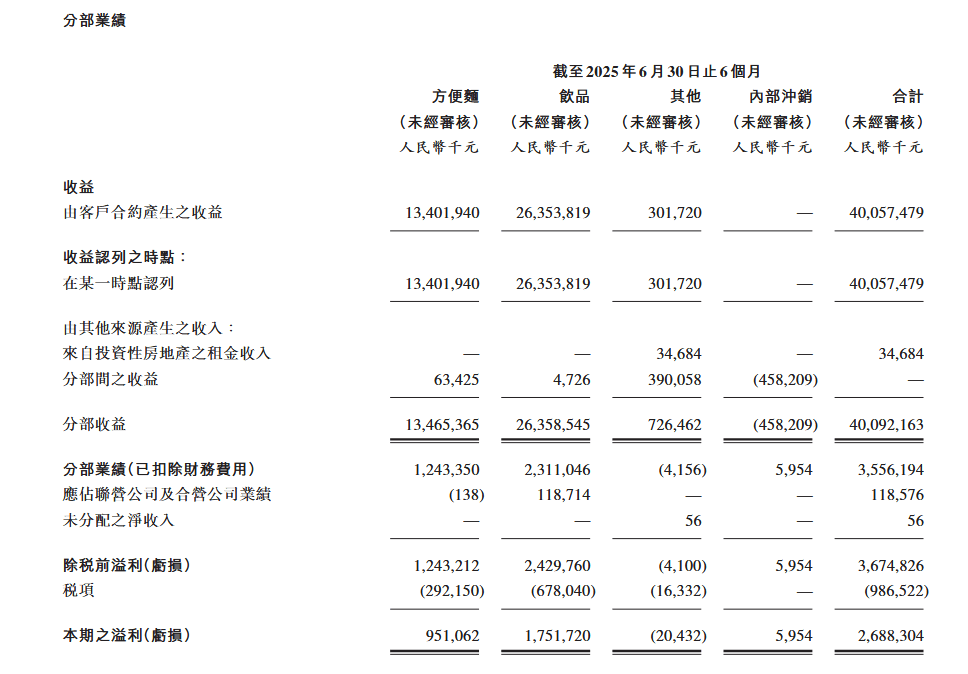
Core Viewpoint - The company reported a strong performance in the first half of 2025, with a revenue of approximately 40.09 billion RMB, driven by the growth in its instant noodle segment, which saw a revenue of 13.47 billion RMB and a net profit increase of 11.9% to 951 million RMB [1][2][3]. Financial Performance - The total revenue for the first half of 2025 was approximately 40.09 billion RMB, with the instant noodle segment contributing 13.47 billion RMB [1][2]. - The gross margin for the instant noodle business improved by 0.7 percentage points to 27.8% compared to the same period in 2024 [1]. - The net profit attributable to the parent company for the instant noodle segment increased by 11.9% to 951 million RMB [1]. Business Strategy - The company emphasizes diversification, differentiation, and sustainability as key strategies for development [3]. - It aims to meet diverse consumer demands by offering a product matrix that covers multiple price points and focuses on high-quality offerings [3][4]. - The company is committed to long-term growth by enhancing emotional connections with younger consumers and optimizing channel management and marketing strategies [3][4]. Product Innovation - The company has introduced innovative products such as the "Oriental Food Collection," which features regional flavors to attract younger consumers [10]. - It has also launched limited products for membership stores, receiving positive market feedback [8]. - The introduction of health-focused products and unique combinations, such as the collaboration with Yili for "instant noodles + cheese sticks," reflects the company's strategy to cater to evolving consumer preferences [6][8]. Quality and Safety - The company prioritizes quality and safety, having been recognized by the Chinese space industry for its high standards [11]. - It utilizes advanced technologies, such as aerospace temperature control technology, to ensure consistent product quality [13]. - The company has implemented various technologies to enhance the nutritional value and shelf life of its products [14]. Sustainability Efforts - The company is actively pursuing sustainability initiatives, such as reducing plastic use in packaging and adopting eco-friendly materials [15]. - It has achieved a 90% reduction in plastic usage for its "Speedy Noodle Shop" series [15]. - The company was recognized as the "Best Progress Company" in the food industry in the S&P Global Sustainable Development Yearbook [15]. Market Trends - There is a growing consumer demand for healthy, green, and high-quality products, prompting the company to continuously innovate and optimize its channel strategies [17]. - The company is focused on enhancing brand trust and consumer engagement to adapt to changing market dynamics [17].

尚品宅配全屋星级定制首发,以门墙柜一体化践行“好房子”新主张
Bei Ke Cai Jing· 2025-07-29 10:13
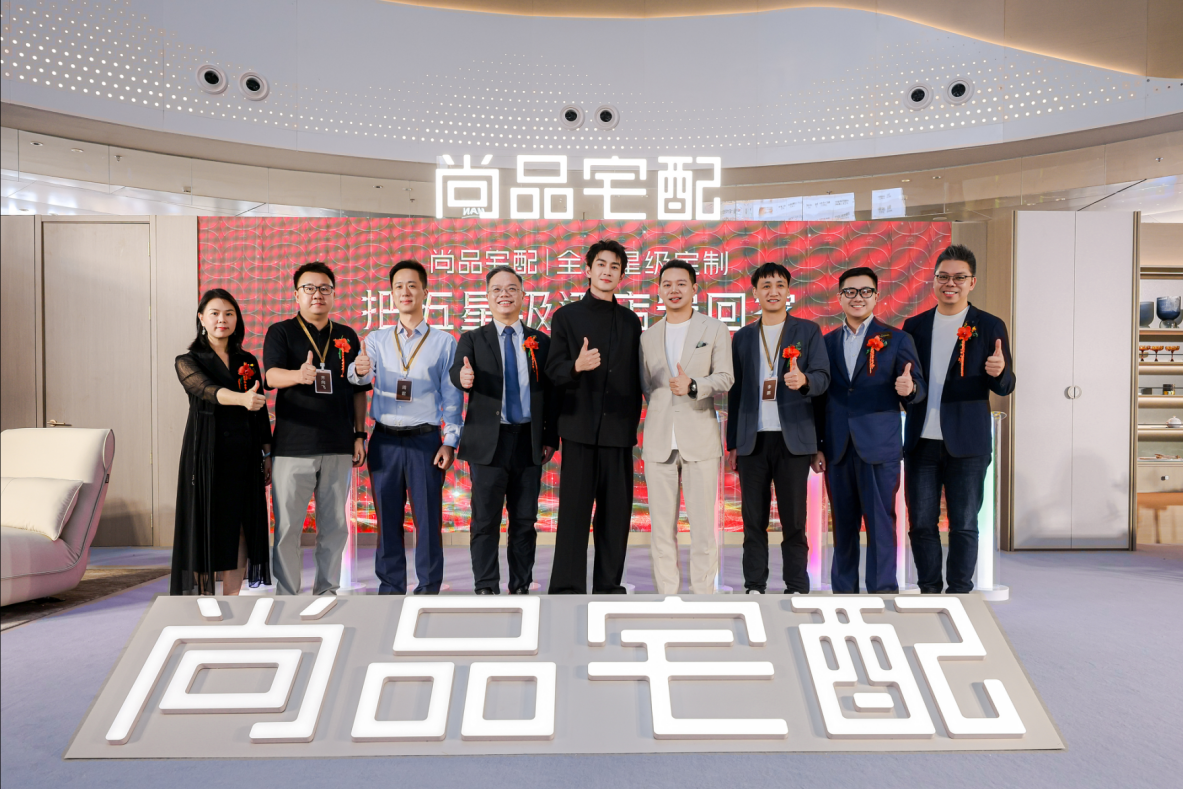
Core Viewpoint - The article emphasizes that China's residential market is transitioning from "affordable housing" to "quality living," aligning with the policy direction of "anti-involution" [1][19][23] Group 1: Product Innovation - Shangpin Home's "Whole House Star Customization" draws inspiration from luxury hotel designs, offering integrated solutions for doors, walls, cabinets, and appliances to achieve comprehensive space planning and design delivery [1][9][14] - The launch of "Whole House Star Customization" marks a new chapter in home customization, aiming to make quality living accessible to every family [1][15] - The design philosophy focuses on breaking away from traditional decoration styles, emphasizing functionality, comfort, and personalization in living spaces [4][9][14] Group 2: Market Trends - The industry is moving away from price wars and concept involution towards quality upgrades centered on user experience, as "anti-involution" becomes a consensus in the market [3][18] - The government has recognized the need to break the cycle of low-price competition, encouraging companies to focus on quality and value creation [19][21] - The rise of Chinese manufacturing capabilities allows for high-quality home products to be offered at reasonable prices, aligning with the national push for residential upgrades [21][22] Group 3: Consumer Experience - Modern consumers are shifting their expectations from mere housing to experiential living, with luxury hotel experiences serving as a benchmark for home design [6][7] - Shangpin Home's customization service aims to link aesthetics, design, quality, functionality, and service, creating a multi-dimensional living revolution [15][17] - The integration of AI in design processes allows for rapid generation of tailored home solutions, enhancing the overall consumer experience [14][17]

茅台1935完成酒体升级:以品质突破引领行业生态新进阶
新华网财经· 2025-07-21 03:39
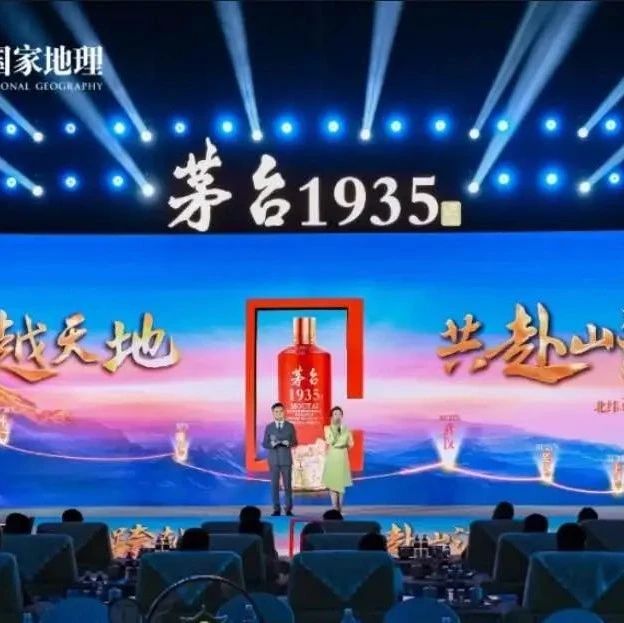
Core Viewpoint - The upgrade of Moutai 1935 signifies not only a quality enhancement of the product but also reflects the company's deep consideration for the industry ecosystem, aiming to provide consumers with an exceptional drinking experience through continuous quality breakthroughs [1][5]. Group 1: Product Quality Enhancement - The upgrade focuses on three core dimensions: diversity of base liquor, aging of the liquor, and blending technology, achieving a leap from "good" to "better" [2]. - The upgraded Moutai 1935 incorporates over 20 different base liquors from various regions, enhancing the richness and complexity of the flavor profile [2]. - The selection of older liquors with longer storage times improves the comfort of the aroma, with expert feedback highlighting the new liquor's "micro-yellow brilliance and comfortable aged aroma" [2][3]. Group 2: Innovative Blending Technology - The innovative blending technology combines traditional craftsmanship with modern flavor analysis, addressing the industry challenge of batch variability [3]. - This dual evaluation method allows for a refined integration of base liquors, resulting in breakthroughs in aroma delicacy, flavor layers, and lasting richness [3]. Group 3: Industry Ecosystem Considerations - The upgrade reflects Moutai's commitment to industry collaboration, as the evaluation event involved 17 liquor companies and 26 experts across four provinces, promoting a new model of "industry co-evaluation" [5]. - The consumer-centric approach during the upgrade process involved market testing in 18 key provinces, gathering feedback from over 200 consumers to optimize the base liquor combinations [5]. Group 4: Setting Industry Standards - Moutai's pursuit of base liquor diversity is reshaping the industry's perception of high-quality liquor, establishing a new benchmark that emphasizes "technical diversity determines quality height" [6]. - The establishment of a microbiological research system and a comprehensive quality management system further enhances the competitive edge of Moutai's products [6]. Group 5: Long-term Quality Commitment - The upgrade of Moutai 1935 exemplifies the company's philosophy that "quality is the soul of life," with three upgrades since its launch in 2022 reflecting the pursuit of continuous improvement [8][9]. - Moutai's commitment to both craftsmanship and industry responsibility positions it as a leader in advancing the entire liquor industry towards higher quality and better ecological practices [9].

康师傅在打一场硬战
Sou Hu Wang· 2025-07-15 13:33
Core Viewpoint - The decline of instant noodles is not due to the product itself but rather the outdated marketing strategies that fail to resonate with modern consumers [3][4] Group 1: Brand Strategy - The traditional marketing methods based on large advertising and exposure are ineffective; consumers now prioritize product culture and innovative consumption scenarios [3][4] - Master Kong is identified as a brand successfully reconstructing the foundational aspects of instant noodles, focusing on taste culture, behavioral anchors in consumption scenarios, and a health-oriented framework [4][5] Group 2: Taste and Cultural Integration - The exploration of flavors in the industry has often been superficial, focusing on novelty rather than familiarity [5][6] - Master Kong integrates Chinese culinary culture into its product offerings, emphasizing traditional flavors, regional tastes, and popular trends to create a cultural asset [6][7] - The brand has launched over 300 flavors, creating a "Chinese taste map" that resonates with consumers' cultural backgrounds [8] Group 3: Scene Innovation - The fast-paced lifestyle has fragmented meal occasions, leading to a decline in instant noodle consumption; finding new consumption scenarios is crucial for growth [13][14] - Master Kong has re-entered daily eating scenarios through product diversification, targeting different consumer needs with offerings like "Speedy Noodle Restaurant" and "Self-Heating Noodles" [14][16] - The brand effectively engages with younger consumers through collaborations with popular IPs and interactive content, enhancing emotional connections [16][17] Group 4: Quality and Technological Advancement - Quality is the foundation of brand trust, and health trends are prevalent in the fast-food industry; however, many brands lack genuine investment in product quality [19][20] - Master Kong has made significant investments in technology and innovation, holding over 600 patents and collaborating with the aerospace industry to enhance product quality [19][20] - The brand's new product, Fresh Q Noodles, showcases its comprehensive supply chain capabilities and commitment to quality through advanced cooking techniques and high-quality ingredients [20][22]
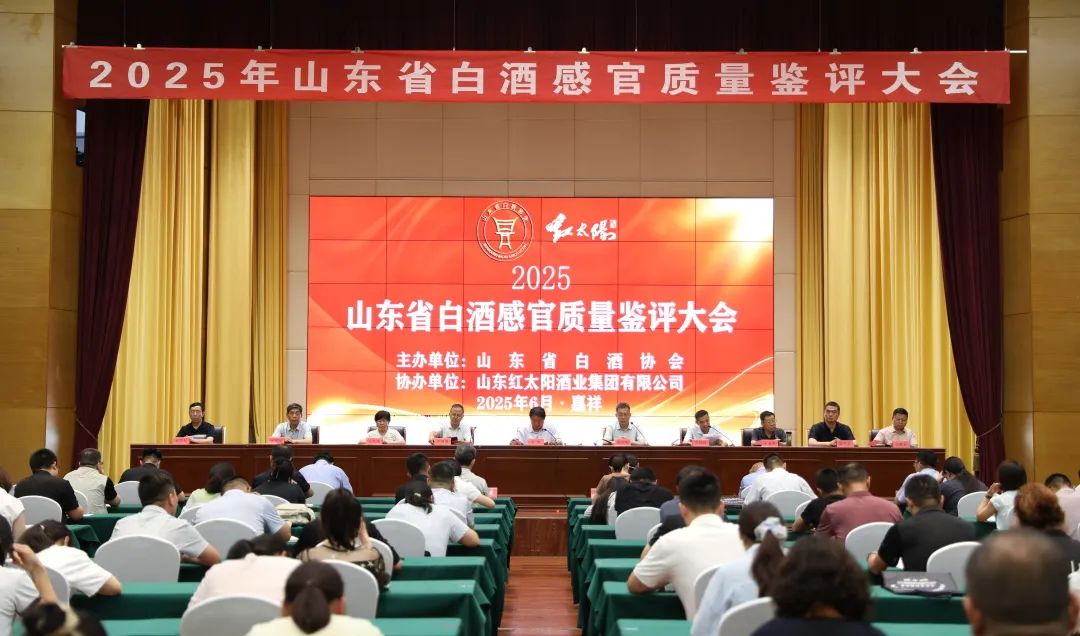
云门陈酿·玉白2025版获2025齐鲁白酒酒体设计金奖!
Qi Lu Wan Bao· 2025-07-01 03:45
Group 1 - The "2025 Shandong Province Baijiu Sensory Quality Evaluation Conference" was successfully held, with over 200 judges participating [1] - Yunmen Distillery's 53° Yunmen Chenxiang·Yubai 2025 won the "2025 Qilu Baijiu Body Design Gold Award" for its exceptional quality [1][4] - Yunmen Chenxiang has a 52-year uninterrupted brewing heritage, originally known as Qingzhou Chenxiang, and has received multiple prestigious awards [6] Group 2 - The company emphasizes quality as the foundation of its development, leveraging the unique natural ecology and long brewing history of the "Chinese Sauce Wine·Qingzhou Production Area" [8] - Yunmen Distillery has established various research and innovation platforms, collaborating with universities and research institutions to advance fermentation technology, body design, and raw grain cultivation [8] - The company boasts a strong technical team of over 280 professionals, including inheritors of intangible cultural heritage and national-level judges, ensuring the superior quality of Yunmen Sauce Wine [8] Group 3 - Looking ahead, the company aims to continue promoting high-quality development in the Shandong liquor industry, leveraging its advantages in production capacity, technology, talent, and location [10]
三全食品(002216) - 2025年6月12日投资者关系活动记录表
2025-06-12 10:04
Group 1: Direct Sales Channel Performance - The company has optimized its organizational structure and enhanced management efficiency to improve the direct sales channel [1] - Focus on personalized product customization and market demand research to adjust product strategies [1] - Plans to innovate in health, quality upgrades, and experience enhancements [1] Group 2: E-commerce Channel Operations - The optimization of the e-commerce channel organization is nearly complete, with a self-built live streaming team established [1] - Continuous improvement in operational capabilities to achieve rapid revenue growth while enhancing brand communication and consumer education [1] - Ongoing adjustments in product combinations, platform collaborations, and operational strategies to improve profitability [1] Group 3: New Product Performance - Successful new products include "Duoduo Series" dumplings, "Jin Duo Series" dumplings, "Golden Ratio" dumplings, "Shiyang Tangyuan," and "Tea Fun Series" Tangyuan [2] - Future product development will focus on health, emotional value, and cost-performance ratio [2] Group 4: Market Competition Response - The frozen food market remains competitive, with moderate recovery in overall consumer demand [2] - The company is responding to the growing preference for personalized and diverse consumption among new consumer groups [2] - Strategies include optimizing supply chain processes and improving product quality and pricing to enhance competitiveness [2]

56%暴跌后,土地市场变天:重点城市吃肉,非重点城市喝汤?
Sou Hu Cai Jing· 2025-05-29 00:14
Core Insights - The national land sales revenue for the first four months of 2025 reached 934 billion, a 56% decrease compared to the same period in 2021 [1] - Major cities like Beijing and Hangzhou are experiencing a reversal in trends, with Hangzhou's land sales increasing by 40% to 59.6 billion in Q1 2025, and Chengdu seeing a staggering 543% increase [3][4] - The strategy of "hunger marketing" is being adopted by local governments, focusing on selling fewer but higher-quality land parcels, leading to increased revenue despite reduced supply [3][4] Land Market Dynamics - Developers are now prioritizing core cities, with high demand for premium land in areas with good schools and transportation, as seen in Beijing's Haidian district where land prices reached 78,400 per square meter [4] - Non-core areas are becoming less attractive, with frequent land auctions resulting in unsold parcels, indicating a shift in developer focus [4][5] Housing Market Trends - The introduction of the 2025 Residential Project Standards will phase out high-rise buildings, making low-density housing the new norm, further concentrating demand in core urban areas [5] - The new housing market is experiencing a stark divide, with new homes either offering exceptional quality or extreme cost-effectiveness, while the second-hand market struggles with declining values [6][7] Implications for Homeowners - Homeowners in non-core cities face significant challenges, with many forced to sell at steep discounts, reflecting a broader trend of population outflow and economic stagnation [7][8] - The market is pushing ordinary buyers towards core cities, emphasizing the importance of location and quality in property investment decisions [9][10] Conclusion - The land market's transformation reflects a broader competition among cities, where the quality of urban offerings is becoming paramount, and developers must adapt to this new reality to remain viable [10]