套利策略

Search documents
铂钯上市系列专题三:铂、钯期货正式合约解读及上市初期策略推荐
Dong Zheng Qi Huo· 2025-11-26 11:43
1. Report Industry Investment Ratings - Platinum: Bullish; Palladium: Sideways; Platinum-Palladium Ratio: Bullish [5] 2. Core Views of the Report - In 2025, the significant price increases of platinum and palladium were driven by macro - support and actual spot shortages. The price trends in the first round were more driven by fundamentals, and the second round was largely influenced by the precious metal market. The macro - situation is bullish in the medium - long term but volatile in the short term. The fundamentals are marginally looser but still have room for speculation. The US tariff policy is a crucial variable [1][2][24] - The platinum and palladium futures will be listed on November 27, 2025. Based on the comparison of listing benchmark prices with domestic spot and Nymex futures prices, different trading strategies are recommended, including unilateral trading, inter - commodity arbitrage, internal - external arbitrage, and inter - period arbitrage [3][10][38] 3. Summary by Relevant Catalogs 3.1 Platinum/Palladium Futures Contract Formal Draft - The platinum and palladium futures will be officially listed on the Guangzhou Futures Exchange on November 27, 2025. The first - batch listed contracts and trading rules are specified, and compared with the previous draft for comments, the position limit has been modified [10] - The contract parameters of platinum and palladium futures, including trading unit, price quotation unit, etc., are detailed, and the position limit system is also provided [11][13][14] - Other points to note include the long - term expiration of the first - batch listed contracts, the trading time and its impact on internal - external arbitrage [16] 3.2 Platinum/Palladium Futures Delivery Rules Attention Points - The platinum and palladium futures contracts support futures - to - spot, rolling delivery, and one - time delivery. The delivery is carried out in both warehouses and factories. There are differences in quality requirements between domestic and imported delivery products [17] - The delivery regions, delivery warehouses, and factories for platinum and palladium futures are specified. The first - batch registered brands and delivery forms are also introduced [20][22][23] 3.3 Recent Market Analysis and Outlook - From the beginning of 2025 to November 25, platinum and palladium had significant price increases, but their long - term cumulative increases were different. The price increases were driven by macro - factors and actual spot shortages [24] - The macro - situation is bullish in the medium - long term but volatile in the short term. The fundamentals are marginally looser. In 2026, the supply - demand gap of platinum may narrow, and the supply surplus of palladium may expand [26][27] - The US tariff policy is a key variable. Before the policy is implemented, it will support prices, but if the policy eases, prices may decline. There may be speculative hoarding in the market, and there are uncertainties in domestic prices [2][29][33] - The global mainstream ETF positions have declined recently, but the non - commercial net long positions on Nymex are still high. The net long position of palladium is approaching 0, which may affect some overseas precious metal allocation and quantitative funds [35] 3.4 Initial Listing Strategy Recommendations - The listing benchmark prices of platinum and palladium futures are 405 yuan/gram and 365 yuan/gram respectively. Compared with domestic spot and Nymex futures prices, platinum is slightly undervalued, and palladium is slightly overvalued [38][39] - Unilateral trading: It is recommended to cautiously go long on platinum and wait and see for palladium in the short term [40] - Inter - commodity arbitrage: It is recommended to pay attention to the strategy of going long on platinum and short on palladium, waiting for price reversal signals [41] - Internal - external arbitrage: It is recommended to use an interval trading approach and be cautious in actual operations [45] - Inter - period arbitrage: It is recommended to wait and see at the initial listing stage as the arbitrage space is limited [45]
国债月报:11月债市环境改善-20251103
Jian Xin Qi Huo· 2025-11-03 11:53
Report Information - Report Title: Treasury Bond Monthly Report [1] - Date: November 3, 2025 [2] - Research Team: Macro Financial Research Team [4] - Researchers: He Zhuoqiao, Huang Wenxin, Nie Jiayi [3] Report Industry Investment Rating No relevant information provided. Core Viewpoints - With the clearing of negatives such as the A - share market re - entering a high - volatility range and the passing of the fastest economic growth stage, and the emergence of positives like the central bank's restart of treasury bond trading, the bond market stabilized and strengthened in October. In November, the bond market environment has improved, and it has entered a stage of accumulating positives. If there are phased disturbances leading to market over - adjustment, it is recommended to actively seize allocation opportunities [9][62]. - The recommended arbitrage strategies include: for the cash - and - carry strategy, there are positive arbitrage opportunities and reverse arbitrage should be participated in cautiously; for the basis strategy, focus on shorting the contract basis; for the inter - delivery strategy, focus on shorting the current - quarter contract and going long on the next - quarter contract; for the inter - variety strategy, recommend the flattening strategy [8]. Summary by Directory 1. October Market Review (1) Domestic Bond Market - In October, treasury bond futures fluctuated and strengthened, mainly stimulated by the resurgence of Sino - US trade disputes and the central bank's restart of treasury bond trading. The 10 - year treasury bond yield fell to below 1.7944% at the end of the month, down 6.72bp from the beginning of the month. Treasury bond futures of all varieties closed up, with the 5 - year treasury bond futures having a relatively smaller increase after duration adjustment. The yield curve showed a bull - flattening feature, and the basis of treasury bond futures further narrowed [11][13][18]. (2) Overseas Market - In October, US Treasury yields first declined and then rose, with a slight decline for the whole month. The US federal government shutdown at the beginning of the month triggered a US dollar credit crisis, leading to the selling of US Treasuries and an increase in yields. Later, the resurgence of Sino - US trade frictions and weak employment data led to a decline in yields. At the end of the month, Powell's hawkish signal caused yields to rebound [20]. (3) Funding Situation - In October, although it was a tax - payment month, the government bond payment pressure was not large. The central bank continued to actively inject funds and announced the restart of treasury bond trading. Inter - bank liquidity was stable and loose, and funding rates fluctuated within a narrow range. DR007 basically fluctuated around 1.4 - 1.43%, and the 1 - year inter - bank certificate of deposit basically remained around 1.67% and further dropped to around 1.64% at the end of the month [24]. 2. Bond Market Environment Analysis (1) Fundamental Situation - Domestic economic indicators have been weakening since June. In the third quarter, GDP grew by 4.8% year - on - year as expected. Exports and consumption were the main supports, while investment demand was the main drag. In October, manufacturing PMI declined seasonally, non - manufacturing PMI improved slightly, and high - frequency indicators showed that the economy continued to repair weakly [31][45][50]. (2) Policy Aspect - In October, both fiscal and monetary policies were strengthened. The government allocated 500 billion yuan from the local government debt balance limit to support projects. The central bank announced the resumption of treasury bond trading in the open market, which is a direct liquidity injection in the short term, but in the long term, there is potential pressure on the bond market if the fiscal tools drive economic improvement [57]. (3) Funding Aspect - In November, the main pressure on the funding side lies in government bond issuance and payment. Although there are large - scale maturities in the open market, the central bank is expected to continue to actively inject funds, and the liquidity pressure should be controllable [58][61]. 3. Next - Month Market Outlook (1) Market Logic and Outlook - The negatives in the bond market have basically been released, and in November, it enters a stage of accumulating positives. However, there are still uncertain disturbances such as the official release of the new regulations on fund sales fees, the stock - bond seesaw effect, and the unexpected increase in government bond supply [62]. (2) Arbitrage Strategy Outlook - Cash - and - carry Strategy: There are positive arbitrage opportunities, and reverse arbitrage should be participated in cautiously. - Basis Strategy: Focus on shorting the contract basis. - Inter - delivery Strategy: Focus on shorting the current - quarter contract and going long on the next - quarter contract. - Inter - variety Strategy: Recommend the flattening strategy [8][64][66].
广发期货《黑色》日报-20251020
Guang Fa Qi Huo· 2025-10-20 02:39
1. Report Industry Investment Ratings - No industry investment ratings were provided in the reports [1][4][6] 2. Core Views Steel Industry - Post - holiday apparent demand for steel has recovered, but there was significant pre - holiday slab inventory accumulation, requiring steel mills to cut production to ease inventory pressure. The price decline has factored in most of the oversupply expectations. The cost of carbon elements on the cost side is supported, while the cost of iron elements may decline due to the expected drop in hot metal. Steel prices have fallen significantly, compressing steel mill profits. Unilateral positions should be on hold. The January contracts for rebar and hot - rolled coils are expected to stabilize around 3000 and 3200 yuan respectively and enter a sideways consolidation phase. Consider a long - carbon and short - iron arbitrage, specifically a long - coking coal and short - hot - rolled coil strategy. The spread between hot - rolled coils and rebar is expected to continue to narrow [1] Iron Ore Industry - Last week, iron ore futures continued to decline in a sideways pattern. On the supply side, the global iron ore shipment volume decreased week - on - week, while the arrival volume at 45 ports increased. Based on recent shipment data, the average future arrival volume is expected to decline. On the demand side, the steel mill profit margin slightly decreased, hot metal production dropped from its peak, and the steel mill restocking demand weakened. The iron ore market is shifting from a state of tight balance to oversupply, and weak finished product prices are dragging down raw materials. Unilateral positions should be on hold, with a reference range of 730 - 800. An arbitrage strategy of long - coking coal and short - iron ore is recommended, and consider buying out - of - the - money put options on Iron Ore 2601 at high prices [4] Coke and Coking Coal Industry - Last week, coke futures rose in a sideways pattern. Recently, the spot and futures markets have not been in sync, with port trade quotes rebounding, and on the 17th, major coking enterprises proposed a second price increase. The coking industry's price adjustment lags behind that of coking coal, leading to losses and a decline in coking plant operations. On the demand side, steel mill hot metal production has dropped from its peak, steel prices are weak, and steel mill profits are shrinking. The overall inventory is slightly lower than the mid - level, and it is a passive destocking by downstream. Speculative investors are advised to go long on Coke 2601 at low prices, with a reference range of 1650 - 1800, and consider a long - coking coal and short - coke arbitrage [6] - Last week, coking coal futures rose in a sideways pattern. The spot auction prices in Shanxi have recovered, and some coal types have significantly rebounded. The coking coal price shows signs of bottoming out. On the supply side, major coal - producing areas have resumed production after the holiday, but recent mine accidents have led to expectations of supply reduction. On the demand side, hot metal production has slightly declined, and coking plant operations have slightly decreased but remain at a relatively high level. The overall inventory is slightly lower than the mid - level, and downstream has started active restocking. Unilateral positions should be long on Coking Coal 2601 at low prices, with a reference range of 1150 - 1300, and consider a long - coking coal and short - coke arbitrage [6] 3. Summary by Relevant Catalogs Steel Industry Steel Prices and Spreads - Rebar spot prices in East China, North China, and South China were 3200, 3110, and 3220 yuan/ton respectively, with changes of + 10, - 10, and - 10 yuan/ton. Hot - rolled coil spot prices in East China, North China, and South China were 3270, 3190, and 3220 yuan/ton respectively, with changes of - 10, 0, and - 10 yuan/ton [1] Cost and Profit - The billet price was 2920 yuan/ton with no change, and the slab price was 3730 yuan/ton with no change. The cost of electric - arc furnace rebar in Jiangsu decreased by 7 yuan/ton to 3300 yuan/ton, while the cost of converter rebar increased by 13 yuan/ton to 3153 yuan/ton. Profits in different regions and for different products showed various changes [1] Production - The daily average hot metal production was 240.9 tons, a decrease of 0.6 tons (- 0.3%). The production of five major steel products was 857.0 tons, a decrease of 6.4 tons (- 0.7%). Rebar production was 201.2 tons, a decrease of 2.2 tons (- 1.1%), with electric - arc furnace production increasing by 3.1 tons (13.5%) and converter production decreasing by 5.4 tons (- 3.0%). Hot - rolled coil production was 321.8 tons, a decrease of 1.5 tons (- 0.4%) [1] Inventory - The inventory of five major steel products was 1582.3 tons, a decrease of 18.5 tons (- 1.2%). Rebar inventory was 641.1 tons, a decrease of 18.6 tons (- 2.8%), and hot - rolled coil inventory was 419.2 tons, an increase of 6.3 tons (1.5%) [1] Transaction and Demand - The building materials trading volume was 9.5 tons, a decrease of 0.7 tons (- 6.7%). The apparent demand for five major steel products was 875.4 tons, an increase of 124.0 tons (16.5%). The apparent demand for rebar was 219.8 tons, an increase of 66.6 tons (43.5%), and the apparent demand for hot - rolled coils was 315.6 tons, an increase of 20.5 tons (7.0%) [1] Iron Ore Industry Price and Spread - The warehouse receipt costs of different iron ore powders showed slight changes. The basis of the 01 contract for different powders also changed, with the 5 - 9 spread increasing by 0.5 yuan/ton (2.4%), the 9 - 1 spread remaining unchanged, and the 1 - 5 spread decreasing by 0.5 yuan/ton (- 2.3%) [4] Supply - The arrival volume at 45 ports (weekly) was 3045.8 tons, an increase of 437.1 tons (16.8%). The global shipment volume (weekly) was 3207.5 tons, a decrease of 71.5 tons (- 2.2%). The national monthly import volume was 10522.5 tons, an increase of 61.5 tons (0.6%) [4] Demand - The average daily hot metal production of 247 steel mills (weekly) was 241.0 tons, a decrease of 0.6 tons (- 0.2%). The average daily port clearance volume at 45 ports (weekly) was 315.7 tons, a decrease of 20.7 tons (- 6.1%). The national monthly pig iron production was 6979.3 tons, a decrease of 100.5 tons (- 1.4%), and the national monthly crude steel production was 7736.9 tons, a decrease of 229.0 tons (- 2.9%) [4] Inventory - The inventory at 45 ports (weekly) was 14278.27 tons, an increase of 192.1 tons (1.4%). The imported iron ore inventory of 247 steel mills (weekly) was 8982.7 tons, a decrease of 63.5 tons (- 0.7%). The inventory available days of 64 steel mills (weekly) remained unchanged at 21 days [4] Coke and Coking Coal Industry Price and Spread - The prices of different types of coke and coking coal showed various changes. For example, the price of Shanxi quasi - first - grade wet - quenched coke (warehouse receipt) remained unchanged at 1561 yuan/ton, while the price of Rizhao Port quasi - first - grade wet - quenched coke (warehouse receipt) decreased by 11 yuan/ton to 1603 yuan/ton. The basis and spreads of different contracts also changed [6] Supply - The daily average production of all - sample coking plants was 65.3 tons, a decrease of 0.8 tons (- 1.3%). The daily average production of 247 steel mills was 241.0 tons, a decrease of 0.6 tons (- 0.2%). The production of Fenwei sample coal mines increased, with raw coal production increasing by 18.2 tons (2.2%) and clean coal production increasing by 11.8 tons (2.8%) [6] Demand - The hot metal production of 247 steel mills was 241.0 tons, a decrease of 0.6 tons (- 0.2%). The demand for coke and coking coal is affected by steel mill production changes [6] Inventory - The total coke inventory was 891.9 tons, a decrease of 17.9 tons (- 2.0%). The coke inventory of all - sample coking plants decreased by 6.6 tons (- 10.3%), and the coke inventory of 247 steel mills decreased by 11.4 tons (- 1.7%). For coking coal, the inventory of Fenwei coal mine clean coal decreased by 11.0 tons (- 9.9%), while the inventory of all - sample coking plants increased by 38.3 tons (4.0%) [6]
中国期货市场品种属性周报20251019
对冲研投· 2025-10-19 12:03
Key Points - The article provides an analysis of key long and short futures products based on market conditions and expected returns, highlighting potential trading opportunities and strategies [2][24]. Group 1: Key Long Products - CSI 500 Futures (IC.CFE): Good Curve Long, market status is Consolidation, annualized rolling return of 6.8%, low volatility (Vol/Roll: 3.77), suitable for buying on dips [2]. - CSI 1000 Futures (IM.CFE): Good Curve Long, market status is Consolidation, annualized rolling return of 10.1%, low volatility (Vol/Roll: 2.22), small-cap stocks show greater elasticity [2]. - INE Shipping Index (EC.INE): Good Curve Long, but market status is Short, annualized rolling return of 28.6%, high volatility (Vol/Roll: 1.96), caution advised for short-term risks [2]. - DCE Iron Ore (I.DCE): Good Curve Long, market status is Consolidation, annualized rolling return of 6.7%, moderate volatility (Vol/Roll: 2.35), benefits from infrastructure expectations [3]. Group 2: Key Short Products - SHFE Gold (AU.SHF): Maybe Curve Short, but market status is Long, annualized rolling return of -2.4%, high volatility (Vol/Roll: 9.97), caution required for potential pullbacks [10]. - DCE Coking Coal (JM.DCE): Good Curve Short, market status is Consolidation, annualized rolling return of -5.2%, moderate volatility (Vol/Roll: 6.91) [12]. - CZCE Glass (FG.CZC): Good Curve Short, market status is Short, annualized rolling return of -6.8%, low volatility (Vol/Roll: 5.20) [14]. Group 3: Volume and Position Changes - High activity products show higher Vol/Roll or Dvol, indicating strong market participation [15]. - Low activity products exhibit lower Vol/Roll, suggesting weaker trends [15]. Group 4: Trading Opportunities - Trend opportunities for long positions include CSI 500/1000 futures, iron ore, and oil chain products (fuel oil, asphalt) due to strengthened policy expectations or tight supply-demand [16]. - Short positions include gold, silver, coking coal, and glass, driven by weak demand or high-level pullback pressure [16]. - Arbitrage opportunities exist between stock index futures (IC, IM) and government bond futures (TS, TF) due to negative correlation [16]. Group 5: Core Logic - The analysis emphasizes the importance of monitoring macroeconomic indicators and market dynamics to adjust trading strategies accordingly [24].


近1年CTA冠军!旭冕东升,无冕之王 | 一图看懂私募
私募排排网· 2025-10-14 00:00
Core Viewpoint - The article highlights the achievements and strengths of Xumian Investment, emphasizing its expertise in the black industry and its successful investment strategies, particularly in futures and derivatives [2][9]. Company Overview - Xumian Investment Management Co., Ltd. was established in 2015 by experienced professionals from the private equity sector and skilled traders, focusing on macroeconomic analysis and black futures trading [2]. - As of September 19, the average return of Xumian Investment's products in the 0-5 billion private equity category reached ***%, ranking first in the "small but beautiful" private futures and derivatives strategy group [2]. Development History - 2015: Xumian Investment was founded and registered with the China Securities Investment Fund Association [4]. - 2017: The company fully launched its asset management business [4]. - 2018: Participated in various competitions and won multiple awards [4]. - 2019: Expanded by hiring six fund managers [4]. - 2025: Signed a distribution agreement with Paipai Network, with product scale exceeding 100 million [4]. Team Composition - The company consists of 11 members, including 7 in research and investment, 1 in compliance and risk control, 2 in operations, and 1 in marketing [6]. Key Personnel - Hu Qing, Chairman and Fund Manager, has extensive experience in futures trading and has successfully navigated multiple market downturns [7]. - Hu Yuan, Fund Manager and General Manager, has ten years of experience in securities and fund management, with a strong background in private equity regulations [7]. Core Advantages - The company has achieved profitability for eight consecutive years, showcasing its rich investment experience [9]. - Deep understanding of stock indices and black commodity fundamentals, with a strong historical performance and large capacity [10]. - Multi-strategy ecosystem, offering a flexible product lineup for institutional investors [10]. - The team has an average investment experience of over ten years, ensuring high stability and mutual trust [11]. Product Line - The company offers various products, including: - Xumian Black Gold No. 1, focusing on macroeconomic and black industry fundamentals [13]. - Xumian Magpie No. 1, utilizing high-frequency arbitrage strategies [14]. - Xumian Jingjian, also based on macroeconomic and black industry fundamentals [15]. Performance Overview - The performance of Xumian Investment's funds has been consistently strong, with specific products achieving notable returns since their inception [16]. Awards and Recognition - Xumian Investment has received numerous awards in various competitions, including: - Third place in the 2017 Guohai Securities Private Equity Competition [17]. - First place in the 2018 Asset Management Network Futures Real Trading Competition [17]. - Multiple awards in subsequent years, highlighting its competitive edge in the private equity sector [18].

第四十七期:商品ETF及特点(下)
Zheng Quan Ri Bao· 2025-10-09 16:17
Group 1 - Commodity ETFs have low investment costs, making them ideal for ordinary investors due to their risk diversification and ease of operation [1] - Commodity ETFs exhibit high trading efficiency, allowing for same-day buying and selling under T+0 rules, which enhances intraday trading opportunities compared to stock ETFs [1] - Commodity ETFs connect the securities and futures markets, enriching investment options and hedging tools, while promoting the institutionalization and professionalization of the capital market [1] Group 2 - Commodity ETFs present numerous potential arbitrage opportunities due to their efficient trading mechanisms and cross-market linkages, allowing for the development of mature arbitrage strategies [2]
纯碱与玻璃:供给过剩下的行情策略与风险
Sou Hu Cai Jing· 2025-09-22 09:11
Group 1 - The core viewpoint indicates that the soda ash industry is facing an oversupply situation, which is expected to continue due to upcoming production plans, leading to significant price pressure in the long term [1] - The raw material costs and the cost of the soda ash production process provide strong support, while the upstream concentration results in high supply elasticity, leading to a wide fluctuation in market prices [1] - It is recommended for production enterprises and futures traders to manage their positions based on spot inventory, suggesting short positions during price highs, while caution is advised for speculative trading [1] Group 2 - In the glass sector, short-term midstream inventory is suppressing prices, and the digestion of raw glass inventory will take time, with a focus on the initiation of downstream restocking [1] - The medium-term outlook for glass shows an upward shift in the support level, bolstered by favorable macro policies, seasonal demand in September and October, and year-end construction needs, suggesting a hold on long positions [1] - Key factors to monitor include actual demand improvements, policy stimulus potential, and the progress of the "coal-to-gas" initiative in Shahe, with risks associated with macro policies and production line adjustments [1]
可能又要创新高了
Xin Lang Cai Jing· 2025-09-19 11:13
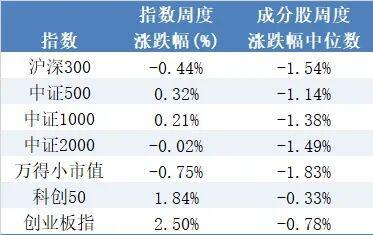
Group 1 - The core event of the week is the Federal Reserve's interest rate cut, but Chairman Powell emphasized that policy decisions will be based on economic data and market changes, which did not signal a strong dovish stance and suppressed expectations for further easing [3] - The macro strategy is expected to maintain stable performance, with some managers potentially reaching new highs despite a generally calm state of various asset classes [2][3] - The correlation between bonds and commodities has increased, while the correlation between stocks and bonds has decreased, indicating a shift in market dynamics [2][3] Group 2 - The performance of quantitative long strategies is expected to show significant differentiation, particularly affecting managers with overly diversified holdings [6][9] - The market's overall volatility has slightly decreased compared to previous weeks, with average daily trading volume remaining around 2.5 trillion [8] - The ChiNext and STAR Market indices performed well, but the median performance of constituent stocks was poor, impacting the ability of quantitative managers to generate excess returns [10][12] Group 3 - The subjective long strategies are expected to perform well, particularly in sectors like semiconductors, new energy batteries, and automotive technology [16] - The liquidity indicators remain favorable, with the market sentiment returning to a neutral to slightly optimistic level [17][19] - The overall environment for subjective strategies is positive in the long term, although short-term volatility is anticipated to increase [19] Group 4 - The quantitative CTA strategies are expected to yield slight profits, with commodity markets showing mixed performance [20][21] - The market's overall volatility has increased across all categories, with a notable rise in trend strength for black and agricultural products [21] - The stock index CTA strategies are expected to show differentiated returns based on signal cycles, with high-frequency strategies potentially performing better [23] Group 5 - The market-neutral strategies are expected to show differentiated returns, with the excess stability of the CSI 500 index falling to near one-year lows, indicating a potential style shift [24] - The arbitrage strategies are anticipated to remain stable, supported by improved liquidity and slight increases in market volatility [25]
铝产业链周报-20250915
Chang Jiang Qi Huo· 2025-09-15 02:58
Report Industry Investment Rating - Not provided in the report Core Viewpoints - The Guinea rainy season has affected bauxite mining and transportation, with a decline in bauxite shipments and uncertainties in the复产 of a large mine, supporting ore prices. The alumina production is in a high - stable state, and the electrolytic aluminum operating capacity is increasing steadily. Domestic downstream demand is entering the peak season, and the inventory inflection point is basically determined. The overall idea is to go long on dips, and consider the arbitrage strategy of going long on AD and short on AL [4]. Summary by Directory 01. Weekly Viewpoint - **Fundamental Analysis**: Guinea bauxite prices are stable at $75 per dry ton. Alumina operating capacity increased by 800,000 tons to 97.55 million tons, and national alumina inventory increased by 71,000 tons to 3.68 million tons. Electrolytic aluminum operating capacity increased by 10,000 tons to 44.409 million tons. The domestic aluminum downstream processing leading enterprises' operating rate rose by 1% to 61.7%. The inventory of aluminum ingots and aluminum rods decreased, and the demand for recycled cast aluminum alloy is recovering [4]. - **Strategy Recommendations**: For alumina, it is recommended to wait and see; for Shanghai aluminum, it is recommended to go long on dips; for cast aluminum alloy, it is recommended to go long on dips or go long on AD and short on AL [5]. 02. Macroeconomic Indicators - The report presents data on the US Treasury yield curve, inflation expectations, and the US dollar - RMB exchange rate, but no specific analysis is provided [7][8] 03. Bauxite - Domestic bauxite supply is tightening, with stable prices in Shanxi and Henan due to strengthened safety supervision and environmental inspections, as well as frequent rainfall. Guinea bauxite prices are stable, and the bauxite shipping volume is decreasing. From mid - to late September, major mining enterprises and alumina plants will start negotiations on the fourth - quarter long - term contract prices [11]. 04. Alumina - As of last Friday, the alumina construction capacity was 114.62 million tons (unchanged week - on - week), the operating capacity was 97.55 million tons (an increase of 800,000 tons week - on - week), and the operating rate was 85.1%. The domestic spot weighted price was 3,047.5 yuan per ton (a decrease of 53.5 yuan per ton week - on - week). The national alumina inventory was 3.68 million tons (an increase of 71,000 tons week - on - week). Some new production capacities are entering the stable production state, and some roasting furnaces will be under maintenance, but it will not affect the medium - term output [15]. 05. Alumina Important High - Frequency Data - The report presents data on alumina basis, inventory, north - south price difference, and shipping volume, but no specific analysis is provided [17][18][19] 06. Electrolytic Aluminum - As of last Friday, the electrolytic aluminum construction capacity was 45.232 million tons (unchanged week - on - week), and the operating capacity was 44.409 million tons (an increase of 10,000 tons week - on - week). The operating capacity is increasing steadily, with the resumption of production in Guizhou Anshun and the commissioning of Yunnan Aluminum Yixin's replacement capacity basically completed, and the remaining 50,000 - ton capacity of Baise Yinhai's technical renovation project continuing to resume production [22]. 07. Electrolytic Aluminum Important High - Frequency Data - The report presents data on electrolytic aluminum processing fees, aluminum prices, power coal prices, and aluminum import profits, but no specific analysis is provided [26] 08. Inventory - The report presents historical data on the social inventory of aluminum rods and ingots, Shanghai Futures Exchange aluminum futures inventory, and LME aluminum inventory, but no specific analysis is provided [28][29][30] 09. Casting Aluminum Alloy - The operating rate of leading recycled aluminum alloy enterprises rose by 1.8% to 55.3% week - on - week. Since September, downstream procurement sentiment has slightly improved, but industry operations are still restricted by factors such as insufficient raw material supply and policy uncertainties [33]. 10. Casting Aluminum Alloy Important High - Frequency Data - The report presents data on aluminum alloy prices, price differences, and import profits, but no specific analysis is provided [36][39][40] 11. Downstream Operating Rate - The operating rate of domestic aluminum downstream processing leading enterprises rose by 0.4% to 62.1% week - on - week. The operating rate of aluminum profile leading enterprises rose by 1% to 54%, with different performances in industrial and construction profiles. The operating rate of aluminum strip leading enterprises remained stable at 68.6%, with differentiated product performance [46]. 12. Downstream Operating Rate - The operating rate of domestic cable leading enterprises rose by 0.4% to 65.2% week - on - week, supported by existing orders. The operating rate of leading primary aluminum alloy enterprises rose by 1% to 57.6%, with different production performances between large and small enterprises [50].
量化超额分化,宏观策略回暖...我们投资人有什么需要注意的地方?
Sou Hu Cai Jing· 2025-09-05 11:52
Core Viewpoint - The market has experienced significant volatility this week, but daily trading volume remains high at over 2.5 trillion [1]. Macro Strategy - The macro strategy environment is showing signs of recovery, driven by dovish signals from Powell and a shift in major asset performance between China and the U.S. [4]. - The correlation between stocks and bonds has decreased, indicating a more favorable environment for macro strategies to navigate market fluctuations [3][4]. - Many macro strategies have reached new highs recently, with expectations for continued upward performance in the coming week [5][6]. Quantitative Strategies - The quantitative long equity strategy is expected to show mixed results, with potential for profit pullbacks due to high-frequency trading and market reversals [7]. - The market is experiencing increased volatility, with significant fluctuations in individual stocks and indices [9]. Subjective Strategies - The subjective long equity strategy is anticipated to experience some pullbacks, particularly in sectors like precious metals, Hong Kong pharmaceuticals, and new energy [11]. - The overall market sentiment remains neutral to optimistic, with liquidity indicators showing a slight decline but still within a favorable range [13]. CTA Strategies - The quantitative CTA strategy is expected to show mixed performance, with those heavily invested in precious metals likely to perform better [14]. - The commodity market is experiencing upward fluctuations, particularly in precious metals, while overall market trends remain volatile [15][16]. Market Neutral Strategies - The market neutral strategy is expected to see mixed results, with alpha contributions being positive while hedging contributions may be negative [17]. Arbitrage Strategies - The arbitrage strategy is projected to perform steadily, with stable operations across various strategies despite rising volatility in stock and commodity markets [19].