
套利策略

Search documents
油气及航运市场40个关键问题
Guo Tai Jun An Qi Huo· 2026-04-01 01:57
Report Overview - The report is titled "40 Key Questions in the Oil, Gas, and Shipping Markets under the Strait Blockade" and is published by the Energy and Chemicals Group of Guotai Junan Futures Research Institute on April 1, 2025 [1] 1. Crude Oil: Supply Gap and Price Projection under Strait Blockade 1.1 Supply Loss - The total pre - blockade daily export of various oil products through the Strait of Hormuz was about 20 million barrels, with crude oil accounting for about 15 million barrels. The direct loss of crude oil exports due to the blockade was 14.5 million barrels per day [7] - Even if Saudi Arabia and the UAE fully utilized their pipeline and port diversion capabilities, there was still a potential crude oil export gap of about 10.5 million barrels per day [8] 1.2 Supply Increase from Strategic Reserves and Sanction Relief - The IEA's 32 member countries released 400 million barrels of crude oil and refined oil products. The actual supply increase from the release of reserves was estimated to be up to 1.2 million barrels per day [11] - The combined floating storage of Russian and Iranian crude oil could provide a supply increase of about 1.2 million barrels per day within a month [11] 1.3 Production Shutdown - By the fourth week of the US - Iran conflict, the estimated reduction in Middle - Eastern crude oil production was about 10 million barrels per day, resulting in an 8 - million - barrel - per - day decline in March [12] 1.4 Refining Capacity Decline - As of the end of March, the global refining capacity decline was about 4.6 million barrels per day. If the blockade continued throughout April, the loss could exceed 7 million barrels per day [14] 1.5 Price Projection - Based on the Brent average price of $71 per barrel in February 2026, the report estimated the price increase under different blockade durations. For example, if the blockade lasted for 4 weeks, the Brent price could reach $78 (conservative), $82 (neutral), and $85 (optimistic) [17] 1.6 Arbitrage and Pricing - The core of the price difference between SC and international crude oil is freight, followed by product quality and regional price premiums. After the blockade, Brent and SC have decoupled from traditional Middle - Eastern Dubai/Oman medium - sour crude [18] - In the short - term, the monthly spread of crude oil was at a high level. The report recommended considering long positions in distant - month contracts such as 06, 07, and 08 [21] 1.7 Short - Selling Strategy - The report suggested short - selling Brent dec26 or the Brent main contract and holding the position for 6 - 12 months until the end of the war [22] 2. Gasoline and Diesel: Supply Evolution in the East and West under Geopolitical Impact 2.1 Gasoline Supply in Asia - Pacific before the Conflict - Asia - Pacific was the main area for global refining capacity growth. The increase in refining capacity and the change in raw material structure led to a relatively loose gasoline supply in the region [27] 2.2 Impact on Gasoline Production and Blending in Asia - Pacific after the Conflict - The interruption of Middle - Eastern crude oil exports led to a decline in refinery operations in China and potentially South Korea, resulting in a shortage of basic gasoline components [31] - The rise in crude oil and naphtha prices and export difficulties increased the cost of blending components, pushing up the price of gasoline [31] 2.3 Future Evolution of European Refineries and Gasoline Production - European refineries mainly processed light crude oil from the US and West Africa. The decline in Middle - Eastern crude oil exports might further shift them towards light crude [36] - European gasoline production was expected to bottom out and rebound after April, depending on the refinery processing volume [36] 2.4 Impact of US Production on Western Hemisphere Gasoline Supply and Demand - US refineries were less likely to reduce diesel production due to the high global diesel price and supply shortages in other regions. This might lead to a loss of about 160,000 barrels per day of gasoline production [40] 2.5 Global Diesel Price and Spread Trends - The decline in Middle - Eastern diesel exports led to a shortage of global diesel resources, with a sharp increase in spot and paper prices and a rapid decline in inventory [45] 2.6 Europe as the Focus of the Global Diesel Market - Europe had a weak diesel supply chain, with insufficient domestic production capacity and high external supply dependence, mainly on the Middle East, the US, and India [50] 2.7 US as a Supplier in the Western Hemisphere Diesel Market - The US had a potential diesel production increase of about 480,000 barrels per day, but it might not be able to fill the Middle - Eastern gap during the US gasoline consumption peak [53] 2.8 Asia - Pacific Refining Powers Filling the Middle - Eastern Diesel Gap - China, South Korea, and India were the main diesel suppliers in the Asia - Pacific market. However, China might reduce exports, South Korea's diesel yield might be compressed, and India's exports might have an upper limit [60] 3. Fuel Oil and Low - Sulfur Fuel Oil: Micro - Market Structure under Geopolitical Issues 3.1 Iran's Position and Trade Flow in the Global Fuel Oil Market - Iran was the second - largest fuel oil exporter in the Middle East, with an annual export volume of about 15 - 18 million tons, mainly high - sulfur fuel oil [66] 3.2 Impact on Production and Export of Other Countries in the Strait - The production and export of Saudi Arabia, Iraq, and the UAE were affected. Saudi Arabia's exports were threatened, Iraq's export capacity was restricted, and the UAE's transshipment role in Fujairah was limited [72] 3.3 Russia and Latin America Filling the Middle - Eastern Supply Gap - Russia's high - sulfur fuel oil exports had an upward trend, but its production was limited by drone attacks and sanctions. Latin America's exports were mostly directed to the US, and high freight rates restricted its ability to supply the Asia - Pacific [77] 3.4 Asia - Pacific Low - Sulfur Market Gap - The Asia - Pacific low - sulfur market faced a supply shortage, with losses from Kuwait, Indonesia, and Brazil. However, European low - sulfur prices might provide some supply through arbitrage [78][81] 3.5 Factors Determining Domestic Low - Sulfur Production - Domestic low - sulfur production depended on the processing volume of major refineries and the yield of refined oil products. As the peak consumption season for gasoline and diesel approached, the growth of low - sulfur production might be limited [85] 3.6 Potential Expansion of Fuel Oil Demand in Shipping and Power Generation - Geopolitical conflicts in the Middle East might lead to increased fuel consumption in shipping due to longer voyages and higher speeds. In the power generation sector, high - sulfur fuel oil demand in the Middle East was expected to increase seasonally [89][93] 4. LNG: Global LNG Balance under Supply Risk 4.1 Duration of Middle - Eastern LNG Supply Interruption - Qatar's supply interruption was expected to last at least until May, and Train 4&6's production reduction would continue until 2027. The supply interruption of Qatar and the UAE for one month would result in a reduction of about 6.9 million tons of LNG supply [103] 4.2 Supply - Side Balance Sheet Changes - In 2026, the global LNG production capacity growth rate was expected to decrease due to Qatar's facility losses. In the long - term, the global production capacity growth trend remained [106] 4.3 Regions with Significant Import Source Impact - Qatar's exports were mainly directed to Asia, especially China, India, South Korea, and Pakistan. South Asian countries were more dependent on Middle - Eastern imports [109] 4.4 Acceptance of High Prices by Asia - Pacific Demand Countries - Demand countries showed differentiation. South Asia and Southeast Asia had high dependence on Qatar's imports and weak infrastructure, while Northeast Asia had low short - term acceptance of high - price spot LNG [113] 4.5 Seasonal Gap after Demand Feedback - The estimated actual demand gap caused by one - month and two - month Middle - Eastern supply interruptions was 5.3 million tons and 10.6 million tons respectively. The demand gap might turn the annual balance sheet from loose to tight in 3 - 6 months [116] 4.6 Impact of European Stockpiling Demand on Annual Supply - Demand Balance - In the short - term, Europe's short - term stockpiling urgency decreased. In winter, the stockpiling demand would increase, and there was a seasonal gap during the peak summer electricity demand [119][121] 5. LPG: LPG Gap Calculation under Supply Risk 5.1 Middle - Eastern LPG Supply Reduction - The blockade of the Strait of Hormuz led to a sharp decline in Middle - Eastern LPG exports. The supply gaps of C3 and C4 were about 2 million and 1.8 million tons per month respectively [126] 5.2 US as an Alternative Supplier - The US had limited ability to increase LPG exports in the short - term due to full - capacity operation at ports, equipment breakdowns, and a mismatch in product ratios [132] 5.3 LPG Supply - Demand Gap - The chemical demand for LPG was elastic, while the combustion demand was rigid. Even considering the US's increased exports and Iran's normal exports, there was still a combustion - end gap of 400,000 - 600,000 tons per month [135] 6. Shipping: Main Shipping Market Dynamics under Middle - Eastern Geopolitical Conflicts 6.1 Strait of Hormuz Passage Tracking Indicators - In late March, the number of ships passing through the Strait of Hormuz was significantly lower than normal, and most of the passages were outbound [138][140] 6.2 Freight Rate Trends - The freight rates of various types of ships, including crude tankers, product tankers, LPG carriers, LNG carriers, and container ships, showed different trends. Generally, the freight rates were affected by the geopolitical situation in the Middle East [146][151][158] 6.3 Ship Deployment Ratios - The east - west deployment ratio of oil tankers in the Suez Canal and the Atlantic - Pacific deployment ratio of bulk carriers changed due to the Middle - Eastern situation [167][169] 6.4 Impact on the Shipping Insurance Market - The geopolitical conflict in the Middle East led to a significant increase in war - risk insurance rates. Insurance has become a key constraint on shipping [173][174] 6.5 Container Liner Companies' Operational Adjustments - Maersk, CMA CGM, and COSCO Shipping adjusted their routes and introduced multimodal transport solutions to deal with the Middle - Eastern logistics challenges [176][177][178] 6.6 Mandeb Strait Passage Status - In 2025, the passage volume of different ship types through the Mandeb Strait declined compared to 2024. After the blockade of the Strait of Hormuz in March 2026, the number of crude tankers passing through the Mandeb Strait increased [179]

铂钯周报-20260301
Guo Tai Jun An Qi Huo· 2026-03-01 09:20
Report Industry Investment Rating - Not provided in the report Core Viewpoints - Platinum is expected to be stronger than palladium, with the platinum-palladium price ratio likely to continue to widen, but chasing the high ratio is not recommended [3]. - Due to the tense geopolitical situation in the Middle East, the safe-haven sentiment in the global market has been detonated, which is the core logic for supporting the upward movement of the precious metals sector. Platinum may perform better than palladium in the safe-haven narrative [3]. - Platinum and palladium are expected to be in a volatile market in the weekly and monthly dimensions. The unilateral strategy should closely monitor the performance of platinum in the range of $2400 - $2500 per ounce. If it stabilizes above $2400 per ounce, a small long position can be considered. At the same time, arbitrage windows for spot-futures and domestic - foreign price differences have opened, and arbitrage strategies are recommended [3]. Summary by Directory Trading Aspects (Price, Spread, Funds, and Positions) - **Price and Volume**: By the end of this week, the total positions of Guangzhou Platinum were 28,906 lots, with a trading volume of 45,528 lots; the total positions of Guangzhou Palladium were 8,990 lots, with a trading volume of 16,441 lots. Platinum positions increased significantly, while the trading volume and positions of palladium decreased compared to last week. The trading volume and positions of the main contracts are significantly larger than those of non - main contracts [6][7]. - **Platinum - Palladium Price Ratio**: This week, platinum and palladium continued to diverge. The high - frequency data performance and market sentiment of platinum were better than those of palladium. It is expected that the widening trend of the platinum - palladium price ratio will continue. As of Friday's close, the foreign platinum - palladium price ratio was 1.31, and the price ratio on the Guangzhou Futures Exchange was 1.33. Although the price difference has not reached the inflection point, it is at a relatively high level, and the strategy is also subject to risks related to US tariff increases, so chasing long positions is not recommended [11]. - **Overseas Spot - Futures Price Difference**: For platinum, the spot price in London was higher than the main contract price in New York on Wednesday this week. The average weekly difference between the continuous contract and the main contract in New York was $9.6 per ounce. For palladium, the spot price in London was always dozens of dollars per ounce lower than the main contract price on NYMEX this week. The average weekly difference between the continuous contract and the main contract in New York was - $34.4 per ounce [14][17]. - **Arbitrage Opportunities**: - **Spot - Futures Arbitrage**: For platinum, the cost of buying spot and selling the 2606 contract is 6.2 yuan per gram, with a spread of 13.8 yuan per gram, leaving a profit window of 7.6 yuan per gram. For palladium, the cost of buying spot and selling the 2606 contract is 4.5 yuan per gram, with a spread of 40.9 yuan per gram, leaving a profit window of 36.4 yuan per gram [19][21]. - **Inter - month Arbitrage**: For platinum, the cost of buying the 2606 contract and selling the 2610 contract is 8.3 yuan per gram, with a spread of - 13.1 yuan per gram, and the arbitrage window is not open. For palladium, the cost of buying the 2606 contract and selling the 2610 contract is 6.2 yuan per gram, with a spread of - 6.9 yuan per gram, and the arbitrage window is not open [23][25]. - **Domestic - Foreign Arbitrage**: For platinum, the cost of buying the NYMEX main contract and selling the 2606 contract is 71.4 yuan per gram, with a spread of 100.4 yuan per gram, leaving a profit window of 29 yuan per gram. For palladium, the cost of buying the NYMEX main contract and selling the 2606 contract is 56.0 yuan per gram, with a spread of 61.7 yuan per gram, leaving a profit window of 5.7 yuan per gram [27][29]. - **Import Parity Arbitrage**: For platinum, the cost of buying London platinum forward and selling the 2606 contract is 69.0 yuan per gram, with a spread of 110.6 yuan per gram, leaving a profit window of 41.6 yuan per gram. For palladium, the cost of buying London palladium forward and selling the 2606 contract is 53.8 yuan per gram, with a spread of 65.1 yuan per gram, leaving a profit window of 11.3 yuan per gram [31][33]. - **Recycling Spread**: This week, the average recycling discount for platinum was at the level of - 95 yuan per gram, and the recycling discount for palladium widened to about - 65 yuan per gram during the week [36]. - **ETF Positions**: This week, the platinum ETF position increased by 0.16 tons (about 0.52 million ounces), and the palladium ETF position decreased by 0.41 tons (about 1.30 million ounces). The continuous outflow of platinum and palladium ETFs currently does not constitute a judgment of trend reversal, and the ETF flow needs to be closely monitored in the future [38]. Fundamental Aspects (Inventory and Import - Export Data) - **Forward Discount Rate**: In the past three months, the overseas forward markets for both platinum and palladium have been in a discount structure. The forward discount rate of platinum showed a slight upward trend this week, with the 3M and 1Y terms reaching an annualized level of over 5%. The forward structure of palladium has gradually loosened this week and has now returned to the 2% - 3% range [43]. - **Inventory and Registered Warehouse Receipt Ratio**: - **Platinum**: This week, the NYMEX platinum inventory decreased further and then slightly increased on Friday, reaching 588,100 ounces (about 18.29 tons) on Friday. The proportion of registered warehouse receipts decreased to 53.3% [44]. - **Palladium**: This week, the NYMEX palladium inventory continued to flow out and then increased to 202,200 ounces (about 6.29 tons). The proportion of registered warehouse receipts quickly increased to 81.2% [47]. - **China's Import - Export Data**: - **Platinum**: Since September 2025, platinum exports have increased sharply, and imports and net inflows have diverged. Since January 2020, the cumulative net inflow has been 553.88 tons. In December, both imports and exports increased, with imports of 5.57 tons, exports of 2.86 tons, and a net inflow of only 2.71 tons. The data for January 2026 has not been released [55]. - **Palladium**: Since 2020, palladium has had almost no exports and is in a state of pure import, with a cumulative net inflow of 170.74 tons. In December, imports further increased to 5.68 tons, with a net inflow of 5.63 tons. The data for January 2026 has not been released [55]. - **London Fixing Supply - Demand Balance**: - **Platinum**: The average supply - demand balance of the London platinum fixing was around + 150KG except on Friday this week [57]. - **Palladium**: The supply - demand balance of the London palladium fixing was - 200KG on February 23, and the average for the week was - 36KG [58][59].
氧化铝供给扰动累库幅度放缓
Hua Tai Qi Huo· 2026-02-25 05:11
1. Report Industry Investment Rating - Unilateral: Aluminum: Neutral; Alumina: Neutral; Aluminum alloy: Neutral [9] - Arbitrage: Long aluminum and short aluminum alloy [9] 2. Core View - Overseas uncertainties in the electrolytic aluminum market remain. Domestically, the supply - demand balance is testing price transmission and post - holiday consumption recovery. Long - term macro - economic factors are positive, and there may be arbitrage opportunities between aluminum and aluminum alloy [6]. - In the alumina market, supply pressure is relieved due to production cuts in northern plants, and there is a possibility of a short - term supply pressure relief in the domestic spot market [7][8]. 3. Summary by Related Catalogs 3.1 Aluminum Spot - East China A00 aluminum price is 23390 yuan/ton, with a change of 230 yuan/ton from the previous trading day. The spot premium is - 160 yuan/ton, with a change of - 40 yuan/ton [1]. - Central China A00 aluminum price is 23310 yuan/ton, and the spot premium changes - 40 yuan/ton to - 240 yuan/ton [1]. - Foshan A00 aluminum price is 23470 yuan/ton, with a change of 260 yuan/ton. The spot premium changes - 5 yuan/ton to - 75 yuan/ton [1]. 3.2 Aluminum Futures - On February 24, 2026, the main Shanghai aluminum futures contract opens at 23440 yuan/ton, closes at 23550 yuan/ton, with a change of 175 yuan/ton. The highest price is 23700 yuan/ton, and the lowest is 23400 yuan/ton. The trading volume is 118216 lots, and the open interest is 127637 lots [2]. 3.3 Inventory - As of February 24, 2026, the domestic electrolytic aluminum ingot social inventory is 110.8 million tons, with a change of 21.6 million tons from the previous period. The warrant inventory is 282599 tons, with a change of 80204 tons from the previous trading day. The LME aluminum inventory is 471550 tons, with a change of - 2000 tons [2]. 3.4 Alumina Spot Price - On February 24, 2026, the SMM alumina price in Shanxi is 2610 yuan/ton, Shandong is 2555 yuan/ton, Henan is 2635 yuan/ton, Guangxi is 2670 yuan/ton, Guizhou is 2740 yuan/ton, and the Australian alumina FOB price is 311 US dollars/ton [2]. 3.5 Alumina Futures - On February 24, 2026, the main alumina futures contract opens at 2913 yuan/ton, closes at 2829 yuan/ton, with a change of 6 yuan/ton (0.21% change). The highest price is 2913 yuan/ton, and the lowest is 2811 yuan/ton. The trading volume is 252117 lots, and the open interest is 286192 lots [2]. 3.6 Aluminum Alloy Price - On February 24, 2026, the Baotai civil raw aluminum purchase price is 17400 yuan/ton, and the mechanical raw aluminum purchase price is 17800 yuan/ton, with a price change of 200 yuan/ton from the previous day. The Baotai ADC12 quotation is 23200 yuan/ton, with a price change of 100 yuan/ton from the previous day [3]. 3.7 Aluminum Alloy Inventory - The aluminum alloy social inventory is 6.77 million tons, and the in - factory inventory is 9.35 million tons [4]. 3.8 Aluminum Alloy Cost and Profit - The theoretical total cost is 22468 yuan/ton, and the theoretical profit is 632 yuan/ton [5].
X @𝘁𝗮𝗿𝗲𝘀𝗸𝘆
𝘁𝗮𝗿𝗲𝘀𝗸𝘆· 2026-02-25 02:12
#投资2026 年,有个量化团队向我推销 XX 套利策略。可能他聊天记录丢了,2025 年他微信问过我这个策略是怎么一回事。不过我没说的是,2024 年这个策略我们是第一批做的(链上数据)。后面因为发现更牛逼的方式,以及收益逐步下降就放弃了。有时候想外行 LP 确实挺难辨别 Crypto 基金水准的... 就像普通人看到 量化、机构、基金就觉得高大上一样。 ...
【银行理财】理财掘金商业航天打新,“套利+”捕捉高确定性收益——银行理财周度跟踪(2026.2.2-2026.2.8)
华宝财富魔方· 2026-02-11 09:40
Key Points - The article discusses recent developments in the banking and financial sector, particularly focusing on innovative investment strategies and market performance [5][7][10]. Group 1: Industry Innovations - On February 10, "Electric Science and Technology Blue Sky," a significant player in the commercial aerospace sector, went public on the Sci-Tech Innovation Board, closing with a remarkable gain of 596% on its first day [5]. - Ningyin Wealth Management successfully acquired shares in Electric Science and Technology Blue Sky during its IPO, with six of its products participating. The firm has participated in 45 new stock subscriptions, achieving a success rate of 91% [5][6]. - Su Yin Wealth Management launched the "Arbitrage+" series of financial products, focusing on short holding periods of 45 and 100 days, utilizing an arbitrage strategy based on the law of one price to capture pricing discrepancies across various markets [7]. Group 2: Market Performance - For the week of February 2 to February 8, 2026, cash management products recorded an annualized yield of 1.28%, remaining stable compared to the previous week, while money market funds saw a slight increase to 1.17% [8]. - The yields of pure fixed income and fixed income + products generally declined during the same period, influenced by weaker-than-expected PMI data, the central bank's resumption of 14-day reverse repos, and increased risk asset volatility [10]. - The average yield of 10-year government bonds decreased by 1 basis point to 1.80%, while 30-year government bonds fell by 3 basis points to 2.23% [10]. Group 3: Financial Product Analysis - The bank wealth management product's net loss rate was 0.96%, an increase of 0.38 percentage points week-on-week, with credit spreads widening by 0.06 basis points [12]. - The relationship between net loss rates and credit spreads is generally positive, indicating potential redemption pressure on the liability side when net loss rates exceed 5% and credit spreads adjust significantly [12].


“基”中生智ETF的投资策略(上)
Sou Hu Cai Jing· 2026-02-09 03:54
Core Viewpoint - The article discusses various investment strategies using ETFs (Exchange-Traded Funds) tailored to different life stages and financial needs, emphasizing the importance of asset allocation based on individual circumstances and market conditions. Group 1: Asset Allocation Strategies - Asset allocation should be adjusted according to different life stages, considering factors like age, income, and risk tolerance [1][2]. - For daily expenses, liquidity and safety are paramount, suggesting the use of money ETFs for such funds [4][5]. - Fixed expenses require a balance of safety and liquidity, recommending bond ETFs, particularly government bond ETFs, for stable returns [5][6]. - Long-term investments should focus on wealth preservation and growth, allowing for a mix of stock ETFs, bond ETFs, commodity ETFs, and potentially cross-border ETFs [5][6]. Group 2: Life Cycle Considerations - The life cycle is divided into three main phases: education (under 20), career (20-60), and retirement (60 and above), with income typically being lower than expenses in the first and last phases [6][8]. - During the career phase, individuals should focus on preparing for retirement while managing family expenses and debts [6][8]. - Investment strategies should evolve with age, with younger investors (20-30) having a higher risk tolerance and older investors (60+) needing to prioritize safety and income [9][10]. Group 3: Investment Strategies by Age Group - Young investors (20-30) are advised to allocate 70% to stock ETFs and 30% to bond ETFs, adjusting based on personal financial needs [8][9]. - Middle-aged investors (30-60) should reduce stock ETF allocations and increase bond ETF investments as financial responsibilities grow [9][10]. - Older investors (60+) should keep stock ETF investments below 40% and increase bond ETF investments to over 55%, maintaining some liquidity with money ETFs [10][11]. Group 4: Dollar-Cost Averaging Strategy - The dollar-cost averaging strategy involves regular, fixed-amount investments in ETFs to mitigate market volatility and emotional decision-making [11][12]. - This strategy simplifies investment decisions and encourages disciplined saving habits, making it suitable for new and busy investors [18][19]. - Regular assessments of the investment plan are necessary to adapt to market conditions and personal financial situations [20][21].

第一批用Clawdbot赚钱的人类出现,一晚上狂赚300万,全球金融变天了?
3 6 Ke· 2026-02-04 09:58
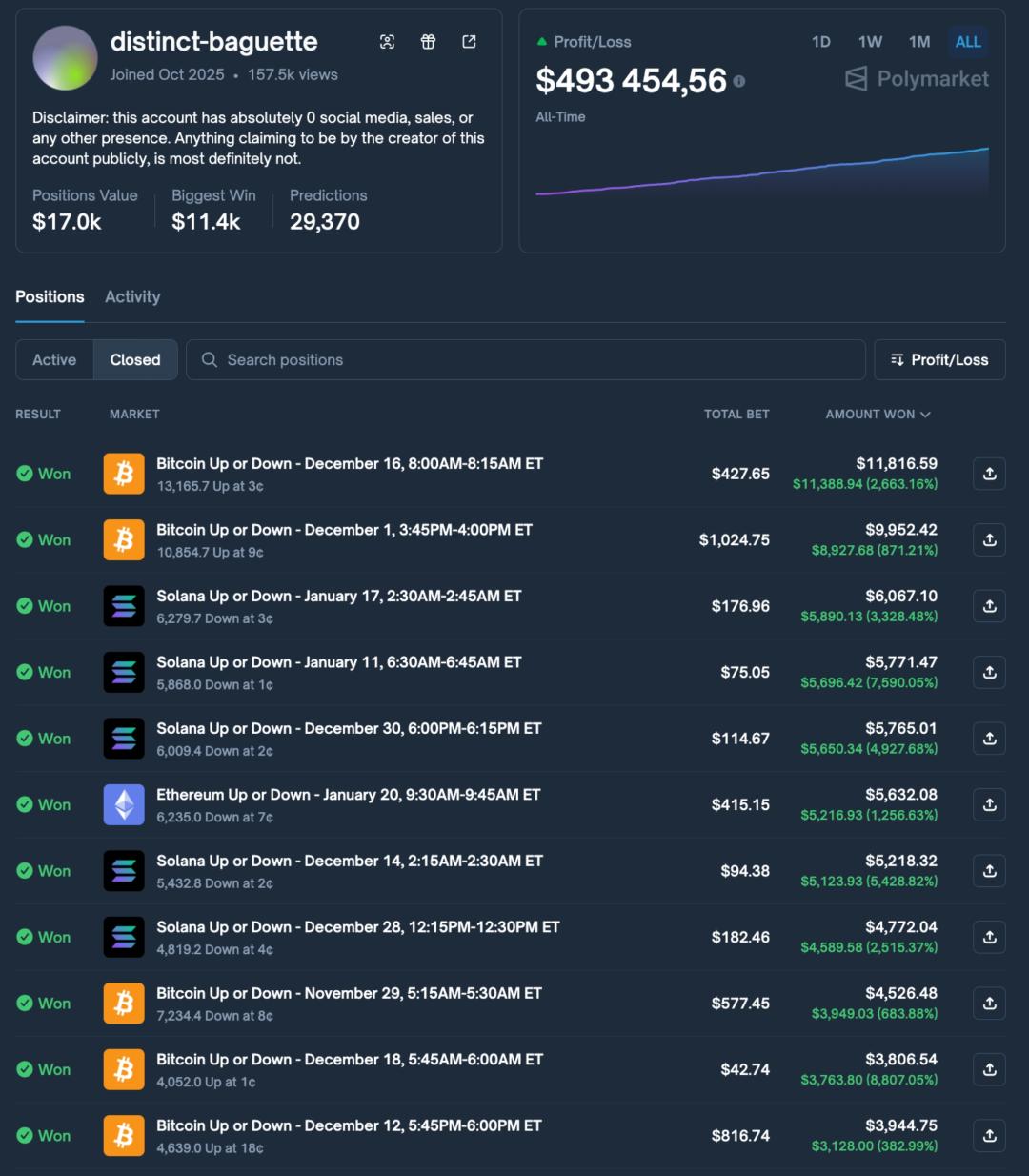
Group 1 - The emergence of AI agents, such as Clawdbot, has enabled individuals to earn significant profits, with reports of one user making $493,454.56 in a single night [1][19][22] - AI agents are now creating guides to teach other AI how to generate income independently, indicating a shift towards self-sustaining AI systems [3][12][7] - The strategies employed by these AI agents include arbitrage tactics, token launch methods, and automated execution frameworks, aiming to cover their API costs by over 20% [12][16][15] Group 2 - Clawdbot operates by executing micro-arbitrage strategies, capitalizing on price discrepancies in short time frames, which allows it to perform thousands of trades without fatigue [23][20] - The AI's ability to continuously refresh the market and execute trades has led to substantial profits, demonstrating the potential for AI to outperform human traders [23][20] - There is speculation that as more AI agents adopt similar strategies, the financial landscape could undergo significant changes, potentially leading to a new era in trading [16][17][19] Group 3 - The rapid development of AI capabilities has led to the establishment of AI-centric platforms and communities, suggesting a burgeoning AI civilization that may operate independently of human involvement [37][41] - The potential for AI to generate income without human assistance raises questions about the future relationship between AI and humanity in economic contexts [4][41][37] - As AI continues to evolve, it is expected to uncover new and innovative methods for profit generation, further enhancing its role in financial markets [37][41]
黄金白银大跌!背后是哪些事情改变了?
Sou Hu Cai Jing· 2026-02-03 04:54
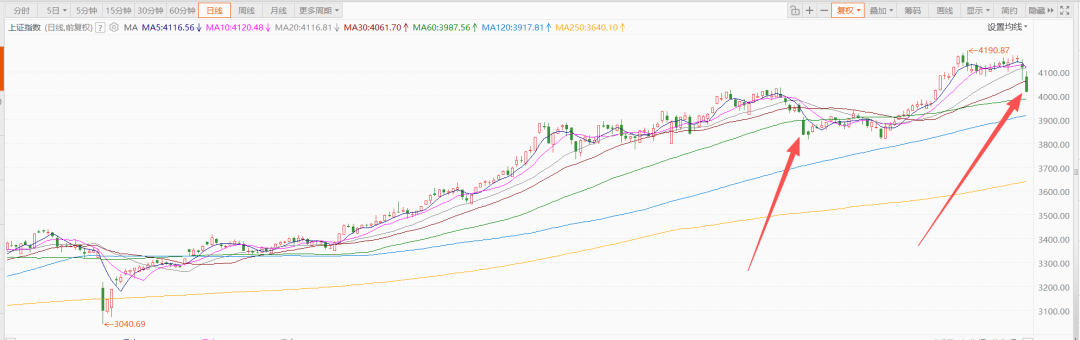
Market Overview - A significant decline occurred in the market, with over 4,600 stocks dropping and a median decline of 2.41%. The Shanghai Composite Index fell by 2.48%, marking one of the largest declines since April 7 of the previous year [1]. Precious Metals - The market for gold and silver saw substantial drops, with gold stocks hitting the limit down and silver LOFs also experiencing limit down. Trading volumes for these assets plummeted, with gold stocks seeing a decrease from 1.5-2 billion to under 700 million in transactions [2]. - The recent rise in gold and silver prices was attributed to geopolitical risks and concerns over a potential U.S. government shutdown, involving countries like Venezuela and Iran [4]. Institutional Actions - Several institutions have begun to reduce their holdings in U.S. dollar assets due to concerns over the unpredictability of the U.S. government and rising national debt. Notable actions include: - The Alekta Pension Fund in Sweden reduced its U.S. Treasury holdings by approximately 70-80 billion Swedish Krona. - Danish pension funds are also divesting from U.S. Treasuries, with one fund planning to sell 1 million USD by the end of the month [6]. Market Reactions - Recent market adjustments were influenced by the nomination of Kevin Walsh as the next Federal Reserve Chair, which stabilized the dollar and suppressed gold prices. Additionally, signals of easing tensions between the U.S. and Iran contributed to market fluctuations [7]. - The current market phase is characterized by a downward adjustment, with expectations of stabilization in the following trading days [8]. Long-term Perspectives - Concerns regarding the sustainability of U.S. debt and the independence of the Federal Reserve are driving central banks to increase their gold reserves, indicating a lack of turning point in asset diversification strategies [13]. - The strategy for gold stocks has shifted, with current prices being favorable for re-entering grid strategies, although caution is advised [13]. Arbitrage Strategies - The silver LOF has seen a halt in arbitrage opportunities, with the last transactions being cleared before the recent downturn. The oil LOF also faced similar challenges, resulting in minor losses for arbitrage attempts [14]. - The oil LOF market has been volatile, with previous experiences leading to skepticism about profitability in arbitrage strategies [15]. Conclusion - Despite recent losses, the potential for future arbitrage remains, with a focus on identifying high-probability success strategies in the market [19].
深交所ETF投资问答 | 商品ETF及特点(下)
Zhong Guo Zheng Quan Bao· 2026-01-29 01:25
Group 1 - Commodity ETFs have low investment costs, making them ideal for general investors due to their risk profile, ease of operation, and close tracking of commodity prices [1] - The scale effect and passive management model of commodity ETFs significantly reduce the cost per unit of investment [1] Group 2 - Commodity ETFs exhibit high trading efficiency, directly tracking commodity prices and allowing for same-day trading under a T+0 system, which supports multiple trades within a single day [2] - This trading efficiency surpasses that of stock ETFs [2] Group 3 - Commodity futures ETFs enhance the variety of investment products and hedging tools in the securities market, facilitating investment paths in the futures market [3] - They meet investor needs for inflation risk hedging and asset allocation, while also promoting the institutional and professional development of the futures market [3] Group 4 - Commodity ETFs present numerous potential arbitrage opportunities due to their efficient trading mechanisms and cross-market linkages [4] - The T+0 trading allows for same-day selling of commodity futures ETFs, enabling immediate profit realization from arbitrage without waiting for market close [4]
商品ETF及特点(下)
Zhong Guo Zheng Quan Bao· 2026-01-28 20:59
Group 1 - Commodity ETFs have low investment costs, making them ideal for general investors due to their risk diversification and ease of operation [1] - The trading efficiency of commodity ETFs is high, as they directly track commodity prices and allow for same-day trading under a T+0 system, enabling multiple trades within a day [1] - Commodity ETFs connect the securities and futures markets, enriching investment options and hedging tools, while promoting the institutionalization and professionalization of the capital market [1] Group 2 - There are numerous potential arbitrage opportunities with commodity ETFs, as their efficient trading mechanisms allow for the development of mature arbitrage strategies, reducing asset pricing errors [2]