
朱格拉周期

Search documents
热点思考 | 设备投资,能否“持续高增”?(申万宏观·赵伟团队)
赵伟宏观探索· 2026-01-06 16:03
Core Viewpoint - The article argues that the high growth in equipment investment is not primarily driven by the "Two New" policies or the manufacturing Juglar cycle, but rather by strong investment in broad infrastructure and the service sector [2][9][71]. Group 1: Misconceptions about Equipment Investment Growth - Misconception 1: The strong equipment investment is attributed to the "Juglar cycle"; however, it is actually driven by robust growth in broad infrastructure and service sector investments. In 2024, the growth rates for equipment purchases in construction (65.5%), narrow infrastructure (46.1%), public utilities (16.5%), and services (13.9%) significantly outpaced manufacturing (6.5%), contributing an additional 8.1 percentage points to overall equipment investment [2][9][71]. - Misconception 2: The strong equipment investment is influenced by the "Two New" policies; however, the investment rhythm and structure contradict this view. Special government bonds supporting the "Two New" policies will intensify in the second half of 2024, but by February 2024, manufacturing investment and equipment purchase investment had already surged significantly [2][9][71]. - Misconception 3: The strong manufacturing investment is a result of strong equipment investment; in reality, it stems from construction and installation investments (expansion investments). Since 2024, while manufacturing and equipment purchase investments have grown simultaneously, the growth in equipment investment is not solely derived from manufacturing [3][21][71]. Group 2: Drivers of High Equipment Investment Growth - Reason 1: The establishment of a modern industrial system has driven strong digital infrastructure growth, combined with natural renewal cycles and recovery in travel demand, boosting narrow infrastructure and construction equipment investments. In 2024, narrow infrastructure equipment purchases contributed 4.3 percentage points to total equipment investment, exceeding manufacturing's contribution [4][25][77]. - Reason 2: The acceleration of energy transition and thermal power renovation investments in the central and western regions has strengthened public utility equipment investments, particularly since the intensification of the "dual carbon" policy in 2021. Public utility equipment investment has consistently outpaced construction investment by nearly 10 percentage points since 2021 [4][32][77]. - Reason 3: Increased fiscal spending on research and improvement in travel chain demand have boosted service sector equipment investments. Since 2023, service sector equipment investments have shown a trend of being stronger than construction investments, with significant growth in sectors like leasing and scientific research [5][42][77]. Group 3: Sustainability of High Equipment Investment Growth - Main Line 1: Narrow infrastructure is expected to rebound significantly, especially in digital infrastructure and hub-type investment construction. Recent policy measures, including the issuance of special bonds and financial tools, are set to support new infrastructure investments [6][48][79]. - Main Line 2: The "dual carbon" policy is expected to enhance investments in equipment for carbon reduction, including renovations in high-energy-consuming industries and investments in renewable energy [6][53][79]. - Main Line 3: Policies related to "investment in people" are likely to be significantly intensified, with service sector equipment investments related to consumer infrastructure expected to recover actively [6][58][79]. - Main Line 4: Equipment investments related to external demand are expected to remain resilient, particularly in sectors supporting the industrialization of emerging economies [6][63][79].


国内高频 | 假期提振下人流出行走强(申万宏观·赵伟团队)
赵伟宏观探索· 2026-01-06 16:03
Group 1: Industrial Production Trends - The industrial production shows a mixed trend, with an increase in high furnace operation and steel consumption. The high furnace operating rate increased by 0.7% week-on-week and rose by 1.3 percentage points year-on-year to 90% [2] - Steel apparent consumption increased by 0.9% week-on-week and rose by 4.4 percentage points year-on-year to 220 million tons [2] - The social inventory of steel continued to decline, down by 2.5% [2] Group 2: Weakness in Petrochemical and Consumer Chains - In the petrochemical chain, the soda ash operating rate decreased by 1.7% week-on-week and fell by 4.3 percentage points year-on-year to -2.4% [6] - The PTA operating rate saw a slight increase of 0.2% week-on-week but decreased by 1.8 percentage points year-on-year to -8.4% [6] - In the consumer chain, the polyester filament operating rate increased by 0.3% week-on-week and rose by 0.8 percentage points year-on-year to 1.8%, while the operating rate of automotive semi-steel tires decreased by 2.7% week-on-week and fell by 2.1 percentage points year-on-year to -9.2% [6] Group 3: Construction Industry Insights - Cement demand showed marginal improvement, with the national grinding operating rate decreasing by 3.8% week-on-week and falling by 3.9 percentage points year-on-year to 4.7% [11] - The cement shipment rate decreased by 1.1% week-on-week but increased by 0.4 percentage points year-on-year to -1.4% [11] - Cement inventory continued to decline, down by 1.7% week-on-week and up by 0.1 percentage points year-on-year to 0.5% [11] Group 4: Demand Tracking - The average daily transaction area of commercial housing in 30 major cities decreased by 26.1% week-on-week and fell by 0.5 percentage points year-on-year to -26% [20] - First and second-tier cities saw improvements in transactions, with year-on-year increases of 1% and 7.6% respectively, while third-tier cities experienced a year-on-year decline of 21.2% to -50.8% [20] - Port cargo throughput showed a recovery, with a year-on-year increase of 3.7 percentage points to 3.2% [25] Group 5: Price Trends - Agricultural product prices showed divergence, with egg and vegetable prices decreasing by 0.8% and 2.8% respectively, while fruit prices increased by 0.8% [48] - The industrial product price index increased by 0.6% week-on-week, with the energy and chemical price index decreasing by 0.2% and the metal price index increasing by 1.9% [54]

热点思考 | 设备投资,能否“持续高增”?(申万宏观·赵伟团队)
申万宏源宏观· 2026-01-06 11:19
Core Viewpoint - The article argues that the high growth in equipment investment is not primarily driven by the "Two New" policies or the manufacturing Juglar cycle, but rather by strong investment in broad infrastructure and the service sector [2][9][71]. Group 1: Misconceptions about Equipment Investment Growth - Misconception 1: The strong equipment investment is attributed to the Juglar cycle; however, it is actually driven by robust growth in broad infrastructure and service sector investments. In 2024, the growth rates for equipment purchases in construction (65.5%), narrow infrastructure (46.1%), public utilities (16.5%), and services (13.9%) significantly outpaced manufacturing (6.5%), contributing an additional 8.1 percentage points to overall equipment investment [2][9][71]. - Misconception 2: The strong equipment investment is influenced by the "Two New" policies; however, the investment rhythm and structure contradict this view. The special government bonds supporting "Two New" policies will only ramp up in the second half of 2024, while manufacturing and equipment purchase investments had already surged in February 2024 [2][9][71]. - Misconception 3: The strong manufacturing investment is a result of strong equipment investment; in reality, it stems from construction and installation investments (expansion investments). Since 2024, while manufacturing and equipment purchase investments have grown simultaneously, the growth in equipment investment is not solely derived from manufacturing [3][21][71]. Group 2: Drivers of High Equipment Investment Growth - Reason 1: The establishment of a modern industrial system has boosted digital infrastructure, combined with natural renewal cycles and recovering travel demand, driving equipment investment in narrow infrastructure and construction. In 2024, narrow infrastructure equipment purchases contributed 4.3 percentage points to total equipment investment, exceeding manufacturing's contribution [4][25][77]. - Reason 2: The acceleration of energy transition and thermal power renovation investments in central and western regions has strengthened public utility equipment investments, particularly since the intensification of the "dual carbon" policy in 2021 [4][32][77]. - Reason 3: Increased fiscal spending on research and improvements in travel chain demand have driven strong service sector equipment investments. Since 2023, service sector equipment investments have shown a trend of outpacing construction investments [5][42][77]. Group 3: Sustainability of High Equipment Investment Growth - Main Line 1: Narrow infrastructure is expected to rebound significantly, especially in digital infrastructure and hub-related investments. Recent policy measures, including a reduction in the proportion of special refinancing bonds, are anticipated to support a rebound in infrastructure investment in 2026 [6][48][79]. - Main Line 2: The "dual carbon" policy is expected to enhance investments in equipment for carbon reduction, including renovations in high-energy-consuming industries and investments in renewable energy [6][53][79]. - Main Line 3: Policies related to "investment in people" are likely to be significantly strengthened, with service sector equipment investments related to consumer infrastructure expected to recover actively [6][58][79]. - Main Line 4: Equipment investments related to external demand are expected to remain resilient, particularly in sectors supporting the industrialization of emerging economies [6][63][79].

基金经理投资笔记 | 2026年政策交易的逻辑
Jin Rong Jie· 2025-12-24 06:42
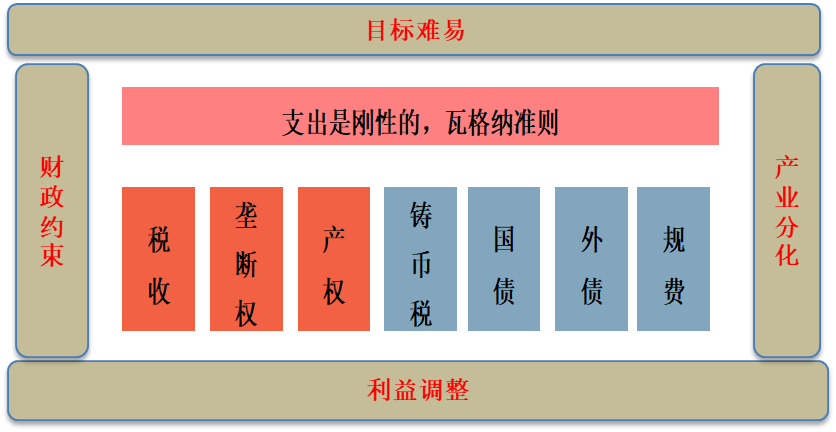
Core Viewpoint - The article emphasizes the importance of understanding policy factors in asset allocation and suggests that 2026 investment strategies will focus on internal demand expansion and structural adjustments rather than external pressures [1][12]. Policy Analysis Basic Logic - Policy factors are characterized by their artistic nature, making them difficult to quantify and predict [2]. - Effective policy analysis requires understanding the nature of government and using investor-friendly methods to interpret policies [2]. - Government behavior is influenced by strategic and tactical goals, financial constraints, and the adjustment of interests [3][4][5]. 2026 Policy Goals and Action Projection - The government will focus on long-term institutional construction and short-term policy operations, aligning with the 14th Five-Year Plan [8]. - The policy aims to stimulate demand and adjust supply-side factors to address low inventory levels and price stagnation [8][9]. - The shift in policy focus from external negotiations to internal demand expansion is expected to be gradual and systematic [12]. Macro Perspective - Economic growth is anticipated to shift from "weak recovery + strong differentiation" to "overall improvement," with corporate profits recovering [21]. - Inflation is expected to show moderate recovery, with consumer demand gradually improving [21]. - The liquidity environment is projected to tighten, with a stable RMB and a shift in household savings towards indirect market investments [21]. Core Driving Forces - The interaction between policy and economic cycles will be crucial, with fiscal policies aimed at leveraging structures and monetary policies focusing on precision [22]. Asset Allocation Direction - Investment focus will be on midstream manufacturing and new productivity sectors, with high-rated credit bonds and interest rate bonds forming the core of fixed income strategies [23]. - The attractiveness of RMB assets is expected to increase, suggesting a potential increase in allocations related to Chinese asset revaluation [23]. Strategy Implementation - The strategy will prioritize cyclical resonance, defensive positioning, and structural over total considerations, utilizing tools like ETFs to capture opportunities [24].
任泽平:此轮牛市十年一遇
Sou Hu Cai Jing· 2025-12-22 23:36
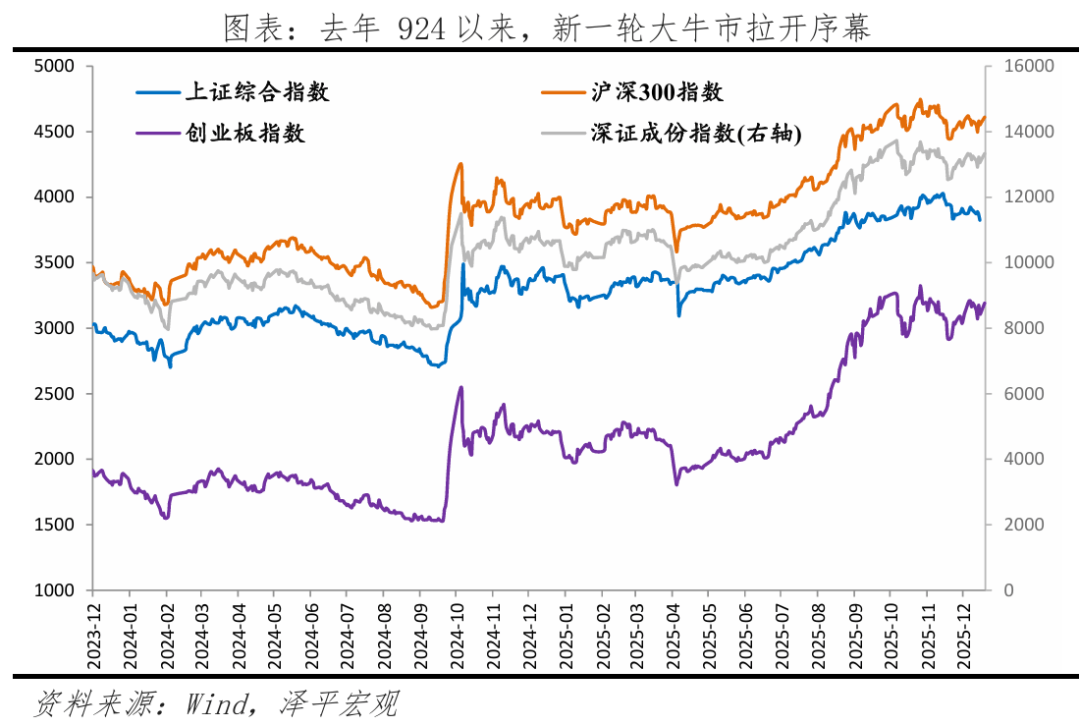
Core Viewpoint - The current bull market in China is characterized as a once-in-a-decade event driven by strong policy support, a new technological revolution, and abundant liquidity, marking a significant shift in market dynamics since September 2024 [2][3][10]. Group 1: Market Characteristics - This bull market is described as epic, with historical comparisons to previous major bull markets in 2004-2007 and 2014-2015, indicating a cyclical pattern aligned with economic cycles [4][5]. - The Shanghai Composite Index has risen by 45% and the ChiNext Index by 108.6% since their respective lows last year, showcasing unprecedented growth [6]. - Trading volume has surged from a few hundred billion to over 3 trillion, and market capitalization has increased from 70 trillion to over 100 trillion, creating a wealth effect exceeding 30 trillion [7]. Group 2: Driving Forces - The bull market is propelled by three main drivers: continuous policy easing, a new technological revolution, and ample liquidity, collectively termed as "confidence bull" [8][10]. - Policy easing began with a significant shift in September 2024, leading to lower interest rates and increased support for the private sector, which has significantly boosted market risk appetite [8]. - The technological revolution, particularly in AI, semiconductors, and robotics, is driving growth in high-risk, high-reward sectors, contributing to the market's upward momentum [9]. Group 3: Historical Missions - This bull market is seen as fulfilling three historical missions: supporting the development of new productive forces, aiding in major power competition, and repairing household balance sheets [11]. - The capital market's growth is crucial for financing new economy sectors, which struggle to secure funding through traditional banking systems [11]. - The recovery of household balance sheets is vital, as the stock market's rise has countered significant wealth losses from the real estate market, potentially stimulating consumer spending [12][14]. Group 4: Future Prospects - The outlook for the bull market hinges on whether it can sustain a "slow bull" trend, which would significantly benefit hard technology development and economic recovery [16]. - Continued macroeconomic policy easing, including interest rate cuts and fiscal stimulus, is essential for maintaining market momentum [16]. - The unique characteristics of the A-share market, dominated by retail investors, necessitate careful regulation to manage volatility and leverage [17].
基金经理投资笔记 | 锚定盈利、聚焦中游、工具适配
Sou Hu Cai Jing· 2025-12-10 10:57
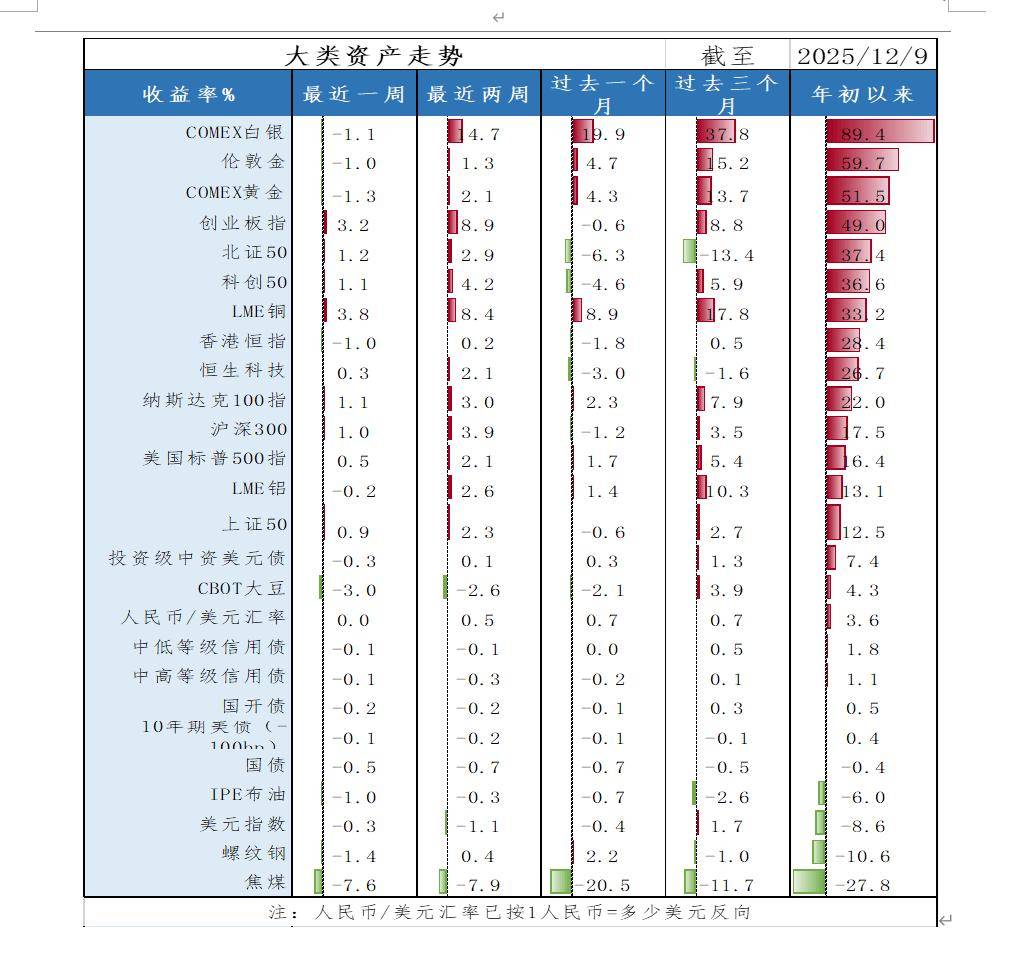
Core Viewpoint - The article emphasizes the importance of understanding economic cycles and adapting investment strategies accordingly, focusing on the interplay between risk and return, and the need for a dynamic asset allocation approach to navigate the evolving market landscape [1][2][3]. Group 1: Strategy Implementation - Investment strategies should be clearly planned at the end of each year, balancing proactive measures with responsive tactics to adapt to market changes [1]. - The essence of asset management strategies lies in seeking a dynamic balance among profitability, liquidity, and safety, transforming vague wealth goals into actionable frameworks [3]. Group 2: 2025 Strategy Review - The major shift in asset allocation for 2025 was driven by a change in risk premiums, transitioning from "conflict premium" to "repair premium" due to the stabilization of US-China trade tensions [4]. - AI+ technology is identified as a core driver of structural opportunities across various sectors, enhancing production efficiency and creating a viable industrial dividend chain [5]. - A supportive funding environment characterized by abundant liquidity has facilitated the concentration of capital in high-certainty and high-growth areas, enhancing the returns on quality assets [6]. Group 3: 2026 Asset Allocation Strategy - The risk premium for Chinese assets is expected to continue its downward trend, supported by the stabilization of external conflicts and the resonance of institutional reforms [10]. - The liquidity environment is anticipated to shift from abundance to structural adaptation, with a focus on high-certainty sectors, necessitating a refined asset selection approach [11]. - The correlation between inflation and profitability is expected to highlight the value of yield strategies, making fixed-income assets a key choice for stable returns [12]. - The focus of fiscal policy is projected to shift towards stability and social welfare, emphasizing structural opportunities over total economic growth [13]. - The narrative-driven trading approach is expected to weaken, with a shift towards profitability verification as the primary driver for industry selection [14]. Group 4: Key Conclusions for 2026 - The effective asset allocation strategy for 2026 is rooted in the interplay of declining risk premiums, rising profitability, and structural differentiation [16]. - The focus will be on midstream industries, which are expected to benefit from improved profitability and resilience against demand fluctuations [17]. - The use of tools like ETFs will remain crucial for efficiently capturing structural opportunities in specific sectors [17].
基金经理投资笔记 | 基于周期阶段的2026年资产优先级选择
Sou Hu Cai Jing· 2025-12-06 05:46
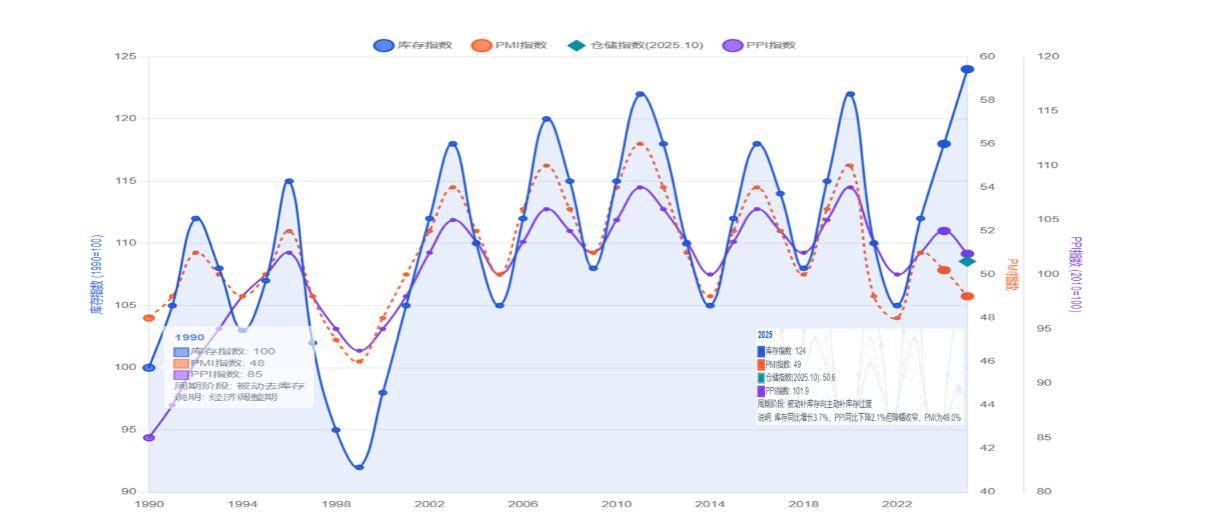
Core Viewpoint - The article discusses the transition in economic cycles and the implications for wealth management, emphasizing the importance of structural debt and fiscal policy over monetary policy in the context of liquidity changes expected in 2026 compared to 2025 [1] Economic Cycle Analysis Framework - Economic cycle analysis should not be confined to traditional macro asset allocation frameworks, as it emphasizes structural issues rather than aggregate concepts [2] - The economic cycle consists of regular expansions and contractions, categorized into long, medium, and short cycles, including the Kondratieff, Juglar, Kuznets, and Minsky cycles [2] Phases of the Real Cycle - The real cycle is divided into three main cycles: Kondratieff, Juglar, and inventory cycles [3] Kondratieff Cycle: Technological and Energy Revolutions - The Kondratieff cycle spans approximately 60 years, focusing on technological changes and resource dynamics, with current consensus highlighting AI and its supporting infrastructure as key drivers [4] - The cycle illustrates the interplay between technological efficiency and resource consumption, leading to a demand cycle [4] Juglar Cycle: Equipment Investment - The Juglar cycle, lasting 7-11 years, is driven by periodic changes in equipment investment and capital expenditure, with China currently in the early recovery phase of its sixth Juglar cycle [6][7] - Key characteristics of the current Juglar cycle include the transition from old to new driving forces, accelerated technological iteration, and significant industry differentiation [8][9] Inventory Cycle: Transition from Passive to Active Inventory Management - The inventory cycle consists of four stages, with the current phase indicating a shift from passive to active inventory management, influenced by internal market dynamics [10] - Recent data shows a decline in manufacturing PMI, indicating weak demand and a challenging environment for inventory management [10][11] Phases of the Financial Cycle - The financial cycle focuses on real estate and debt cycles, with China still undergoing a significant adjustment in its real estate market since 2020 [13][14] - The Minsky cycle describes a pattern of credit expansion leading to financial instability, with current conditions characterized by low interest rates and a gradual rise in macro leverage [17][18] Asset Prioritization Based on Cycle Phases - The asset allocation strategy for 2026 emphasizes the resonance between the Kondratieff and Juglar cycles, focusing on new productive forces while maintaining defensive positions in a low-interest environment [19] - Specific investment areas include AI computing, industrial robotics, and green energy, while avoiding high-risk assets related to the ongoing real estate adjustment [19]
创金合信基金魏凤春:基于周期阶段的2026年资产优先级选择
Xin Lang Cai Jing· 2025-12-03 03:29
Core Insights - The article discusses the changing liquidity landscape, indicating that liquidity in 2026 will be less abundant than in 2025, primarily driven by structural debt increases with the central government as the main leverager [1][18] - The focus for investors should shift towards fiscal policy rather than monetary policy, although structural characteristics of monetary policy remain significant [1][18] Economic Cycle Analysis Framework - Economic cycle analysis should not be confined to traditional macro asset allocation frameworks, as it emphasizes structural issues rather than aggregate concepts [19] - The economic cycle consists of long, medium, and short cycles, including the Kondratiev, Juglar, and Kitchin cycles, along with Kuznets and Minsky cycles related to real estate and debt [19][20] Phases of the Real Cycle - The real cycle is categorized into three main cycles: Kondratiev, Juglar, and inventory cycles [20] - The Kondratiev cycle, lasting about 60 years, focuses on technological and resource dynamics, with current consensus highlighting AI and its supporting infrastructure as key drivers [21][24] - The Juglar cycle, lasting 7-11 years, is driven by equipment investment and capital expenditure, with China currently in the early recovery phase of its sixth Juglar cycle starting in 2024 [23][25] Inventory Cycle Transition - The inventory cycle is transitioning from passive to active inventory replenishment, influenced by anti-involution policies [27] - Current indicators show a PMI output index of 49.7%, the lowest since December 2022, reflecting weak external demand and cautious exporter attitudes [28] Phases of the Financial Cycle - The financial cycle includes the real estate cycle and the debt cycle, with the real estate market still in a deep adjustment phase since 2020 [30] - The Minsky cycle is characterized by a "wide monetary + low interest rate" environment, with a gradual recovery in macro leverage and a focus on debt resolution strategies [31] Asset Allocation Principles for 2026 - The asset allocation strategy for 2026 emphasizes the resonance of cycles, prioritizing new productive forces while maintaining a defensive base with high-quality fixed-income assets [32][33] - The focus should be on sectors benefiting from technological advancements and policy guidance, particularly in high-end manufacturing and green energy [33]

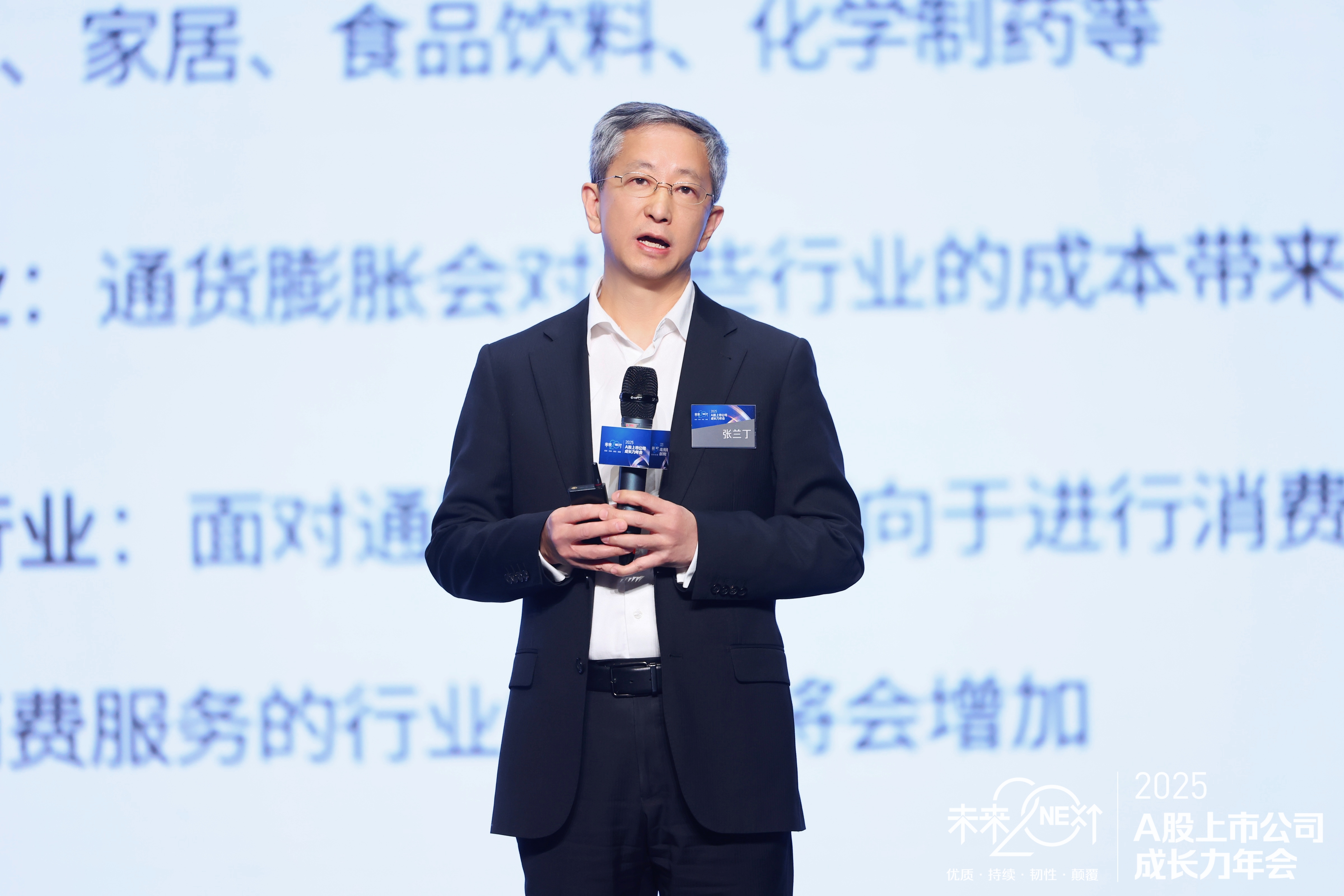
张兰丁:存量经济时代,企业应拉长战略视野、优选高壁垒行业
Di Yi Cai Jing· 2025-12-03 01:13
Core Viewpoint - The concept of a stock economy does not imply stagnation in economic growth but rather a transformation in growth logic, shifting from a "broad increase" era to a "structural growth" model focused on efficiency and optimization [4][5]. Group 1: Economic Context - Zhang Landing emphasized that the stock economy phenomenon is not unique to China, as major developed economies have experienced similar phases since the 20th century [4]. - The global economy has fully entered a phase of stock competition, with market competition permeating all sectors, leading many companies to face bankruptcy [4]. - Data indicates that the failure rate of growth-oriented investments exceeds 75% globally, which partly explains the high failure rates in corporate mergers and acquisitions [4]. Group 2: Characteristics of Stock Economy - The essence of the stock economy is characterized by a shift from a growth-driven model to one that prioritizes efficiency and structural optimization, concentrating resources among leading companies while putting pressure on those unable to secure resources [5]. - Companies that can achieve over 50% accuracy in strategic decisions between survival and growth can become global leaders [4]. Group 3: Strategic Recommendations - Companies are advised to seize the current golden growth period of the Juglar cycle and aim to be among the top three in their respective segments as a strategic goal [5]. - Three key strategies proposed include extending strategic vision to 2040, prioritizing the establishment of foundational cash flow, and selecting high-barrier industries to build sustainable competitive advantages [5]. Group 4: Values and Market Understanding - The values of Xiya Asset Management emphasize humility and integrity, recognizing that success and happiness stem from realizing one's potential and learning from mistakes [6]. - The understanding of the capital market is that it rewards patience and rationality, urging entrepreneurs and investors not to be driven by fear or greed [6].
总量团队联合展望 - 2026年度策略报告汇报会议
2025-11-20 02:16
Summary of Conference Call Records Industry Overview - The conference call primarily discusses the **Chinese economy** and its macroeconomic outlook for **2026**. The GDP growth target is set around **5%** with a focus on supply-side upgrades and demand-side boosts [1][31]. Key Points and Arguments Economic Growth and Policy - **Growth Model Shift**: Transition from traditional factor-driven growth to innovation-driven growth, with significant changes in supply-demand dynamics [3][34]. - **Reform and Opening Up**: Emphasis on high-level institutional opening and the construction of a unified domestic market [3]. - **Risk Prevention**: Attention to Sino-U.S. relations and domestic price issues, focusing on livelihood, security, and financial stability [3][32]. - **Internal Momentum Reconstruction**: 2026 is viewed as a year for profound internal momentum reconstruction, technological innovation, and industrial upgrading [3][31]. Monetary and Fiscal Policy - **Monetary Policy**: Expected to approach its end in 2026, with limited downward space for the ten-year government bond yield, and a focus on supporting manufacturing through corporate loans [2][8][14]. - **Fiscal Policy**: A conservative approach with a deficit rate of approximately **4%** (narrowly defined) and **8.3%** (broadly defined), emphasizing stability and resource mobilization [33][31]. Investment Strategies - **Asset Allocation**: Favorable outlook on copper and aluminum assets, driven by recovery logic and technological capital expenditure [4][7]. - **Fixed Income Strategy**: Conservative interest rate strategies are recommended, with a focus on individual opportunities around key dates like New Year and Spring Festival [9][10][17]. - **Long-term Investment Guidance**: Attention to long cycles such as the Kondratiev, Kuznets, and Juglar cycles, with expectations of a rising medium to long-term interest rate center [12][13]. Market Dynamics - **Real Estate Market**: Potential recovery in the real estate market if external demand improves, with expectations of a positive PPI growth rate in 2026 [6][32]. - **Global Capital Markets**: The main narrative revolves around the U.S.-China tech and security competition, with increased capital expenditure in technology sectors [5][21]. Risks and Challenges - **U.S. Market Volatility**: Increased volatility in the U.S. stock market is anticipated due to uncertainties surrounding AI commercialization and employment market deterioration [19][23]. - **Debt Financing Risks**: Concerns over the ability of large tech companies to sustain high capital expenditures through debt financing, which could pose significant risks if AI commercialization does not materialize [21][22]. Consumer and Investment Outlook - **Consumer Spending**: Expected to strengthen with increased policy support, although its current impact is limited [32][38]. - **Investment Focus**: Future investments will target major infrastructure projects, data centers, and energy security, aligning with national strategic priorities [38]. Additional Important Insights - **Long-term Asset Outlook**: Transition from old narratives of low-cost advantages to new narratives focusing on technological innovation and productivity improvements [34][35]. - **Five-Year Planning Impact**: The influence of five-year plans on investment strategies is highlighted, with a focus on sectors like renewable energy and technology [36][37]. This summary encapsulates the key insights and projections discussed in the conference call, providing a comprehensive overview of the anticipated economic landscape for 2026 and beyond.