
清洁标签

Search documents
食品消费需求升级倒逼行业转型,食品制造业从供给侧激活消费新动能
Jing Ji Wang· 2025-12-29 09:16
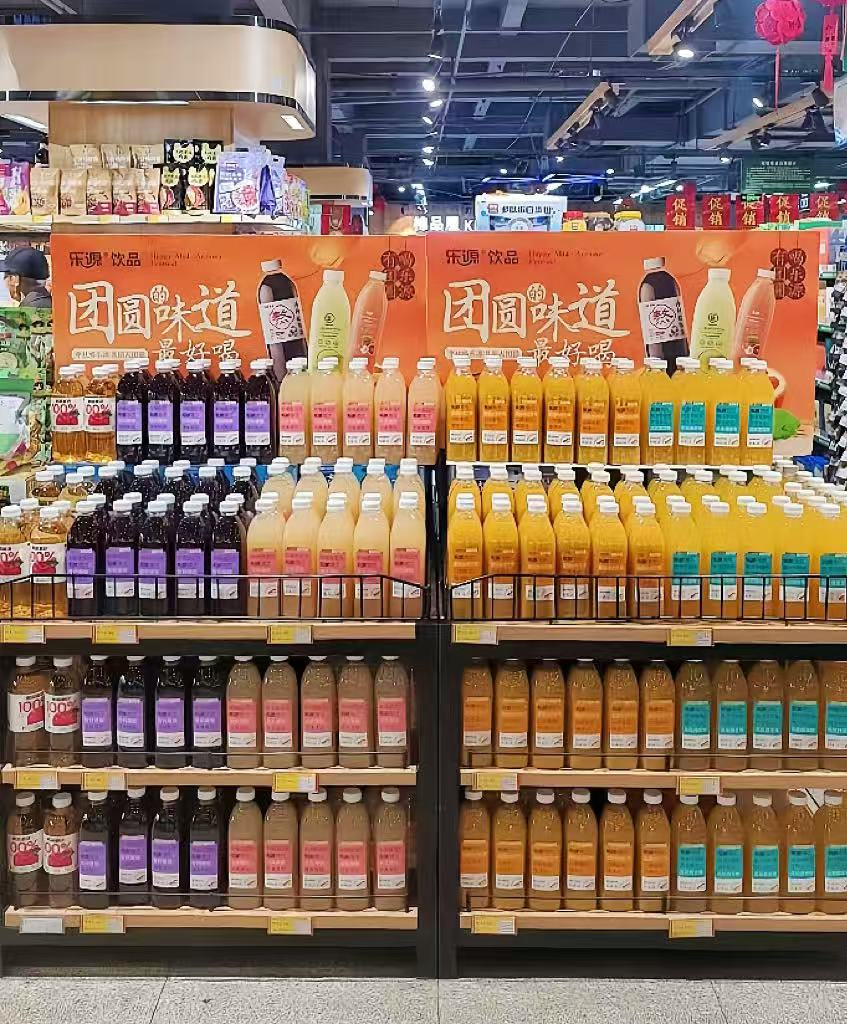
Core Insights - The food industry is experiencing a wave of group label standards aimed at addressing misleading labeling practices such as "100% pure" and "0 additives" [1] - The introduction of multiple group standards is driven by consumer demand for transparency and clean labels, leading to an industry transformation [3][4] Group 1: Industry Standards and Consumer Demand - The release of the "General Requirements for Clean Label Foods" and other standards marks a significant increase in group standards in the food industry since early 2025, with 12 standards introduced [4] - These standards focus on promoting a new ecosystem in food manufacturing characterized by "less additives, traceability, and transparency" [4] - Consumer interest in ingredient lists has evolved from brand recognition to a demand for transparency across the entire supply chain [4] Group 2: Product Innovation and Market Trends - The trend of "health claims turning into scientific quantification" indicates that consumers are seeking precise nutrition and scientific formulations rather than vague claims of "no additives" [4] - Companies like Leyuan Health are shifting their product positioning from "tasty" to "healthy," targeting young female consumers aged 18-35 who prioritize self-care [4][5] - The popularity of keywords like "clean label" and "clean ingredient list" has surged on platforms like Xiaohongshu, reflecting changing consumer priorities [5] Group 3: Technological Advancements in Food Manufacturing - Food manufacturers are responding to changing consumer demands through innovations in production processes, such as HPP (High-Pressure Processing) and fermentation technology [6] - Leyuan Health has achieved innovation in "low sugar without compromising nutrition" by employing advanced sterilization and filling techniques that preserve the freshness of fruits and vegetables [8] - The company has established flexible production capabilities, allowing for small-batch, multi-flavor production to quickly adapt to market changes [9] Group 4: Strategic Collaborations and R&D - Leyuan Health has formed a strategic partnership with the Chinese Academy of Agricultural Sciences to shift product innovation from experience-driven to data-driven approaches [10] - The integration of modern technology in product development has led to the creation of unique offerings, such as the "Double Pomelo Juice," which addresses specific consumer preferences [11] - The company is also exploring new product lines, such as tomato beverages, to meet modern taste preferences while retaining nutritional value [11] Group 5: Future Competitive Landscape - The future of competition in the food industry is expected to shift from resource-based competition to supply chain and consumer insight competition [11] - As consumer standards for food quality continue to rise, the focus of competition will transition from marketing battles to technological advancements and value-based competition [11]

色彩革命倒计时:石油基染料退场在即,合成生物色素迎来数百亿美金新蓝海
合成生物学与绿色生物制造· 2025-12-29 03:33
Core Viewpoint - The article discusses a significant transformation in the global color market, driven by the shift from synthetic petroleum-based dyes to safer, more sustainable bio-based natural pigments, which is expected to reshape industries such as food, beverages, cosmetics, and pharmaceuticals [8][10]. Group 1: Market Transformation - The traditional era of petroleum-based synthetic dyes is coming to an end, with a projected market shift from approximately $2 billion in 2025 to over $4 billion by 2030 for natural food colorants [8]. - This transformation is fueled by increasing consumer health awareness, accumulating scientific evidence, and stricter regulations, leading to a substantial market gap left by the ban on synthetic dyes in regions like the US and EU [8][30]. - Major food companies, including Nestlé and Kraft Heinz, are committing to eliminating artificial colors from their products by 2026 and 2027, respectively, indicating a broader industry shift towards "clean label" products [30]. Group 2: Historical Context and Current Trends - The rise of synthetic dyes began in the mid-19th century with the accidental discovery of mauveine by William Henry Perkin, which led to the commercialization of synthetic dyes [18][20]. - Despite their popularity, synthetic dyes have been linked to health concerns, including potential associations with behavioral issues in children, prompting regulatory scrutiny and consumer demand for safer alternatives [27][28]. - The FDA is set to phase out six major petroleum-based synthetic dyes by the end of 2025, marking a pivotal moment for the industry [29]. Group 3: Technological Advancements - Advances in synthetic biology are enabling the production of high-purity, stable natural colorants through precision fermentation, overcoming limitations of traditional natural pigments [31]. - Companies like Michroma, Chromologics, and Phytolon are leading the way in commercializing bio-based colorants, with significant funding and partnerships to scale production [31][32]. - The focus on reducing carbon footprints aligns with global ESG (Environmental, Social, and Governance) requirements, making bio-based colorants a strategic choice for the future [32]. Group 4: Future Outlook - The transition from petroleum-based to bio-based colors represents not just a material change but a systemic reconfiguration of safety, sustainability, and aesthetic expression in the industry [38]. - The article emphasizes the importance of collaboration across the supply chain to innovate and develop comprehensive solutions for natural colorants [35][36]. - The ongoing shift is seen as an unprecedented opportunity for companies that can adapt quickly to the new standards and consumer preferences [40][41].

更短的配料表就更“干净”吗?专家:这是误区
Yang Guang Wang· 2025-12-19 10:02
Core Viewpoint - The concept of "clean label" has become a significant selling point for food products, emphasizing simple and natural ingredient lists without unnecessary additives [1][2] Group 1: Clean Label Definition and Market Trends - "Clean label" foods are characterized by a simple ingredient list, prioritizing natural components, and avoiding unnecessary chemical additives [1] - A specific product example is a "clean label" egg tart priced at 16.9 yuan per box, which is double the price of regular egg tarts, and has attracted over 50,000 orders within a month [1] - The clean label concept originated in Europe and lacks a unified standard, leading to various interpretations and marketing claims by companies [2] Group 2: Safety and Nutritional Implications - There is no direct correlation between fewer additives and greater safety or nutrition; appropriate food additives can enhance food quality and safety [2][3] - The use of food additives is regulated under a whitelist system, ensuring that only safe additives are used within specified limits [3] - Consumers often mistakenly believe that shorter ingredient lists indicate cleaner products, but this can be misleading as some products may require multiple additives to achieve desired qualities [3][4] Group 3: Consumer Perception and Pricing - Many consumers perceive "clean label" products as healthier, leading to higher prices, often two to three times that of regular products [3] - Companies may leverage the clean label trend for marketing purposes, even when the production process naturally results in simpler ingredient lists [3][4] - Understanding ingredient lists and nutritional information is crucial for consumers, as many may not fully comprehend the implications of what they are purchasing [4]
食品配料表并非越短越好,小心掉进“清洁标签”的营销陷阱
Xin Lang Cai Jing· 2025-12-19 07:27
Core Viewpoint - The trend of "clean label" foods is gaining popularity, emphasizing simple ingredient lists and the absence of unnecessary additives, but this does not necessarily equate to better safety or nutrition [1][2] Group 1: Clean Label Foods - "Clean label" foods are characterized by simple ingredient lists, prioritizing natural components, and avoiding unnecessary chemical additives [1] - A specific "clean label" egg tart product priced at 16.9 yuan per box has attracted over 50,000 orders within a month, indicating strong consumer interest [1] - The concept of "clean label" lacks a universal standard, functioning more as a marketing idea rather than a strict guideline [1] Group 2: Food Additives - Experts indicate that the presence of food additives does not inherently compromise safety or nutrition; appropriate additives can enhance food quality and safety [1][2] - There is a common misconception among consumers that shorter ingredient lists indicate cleaner foods, which can be misleading [3] - The price of "clean label" foods is often significantly higher than that of regular products, with some items costing two to three times more [3]
食品配料表并非越短越好 小心掉进“清洁标签”的营销陷阱
Yang Shi Xin Wen· 2025-12-19 01:13
Core Viewpoint - The trend of "clean label" foods, which emphasize simple ingredient lists and the absence of unnecessary additives, is gaining popularity among consumers, but the perception that shorter ingredient lists equate to healthier options is a common misconception [1][3]. Group 1: Clean Label Foods - "Clean label" foods are characterized by simple ingredient lists, prioritizing natural components, and avoiding unnecessary chemical additives, with a focus on transparency in processing [1]. - A specific "clean label" egg tart product priced at 16.9 yuan per box has attracted over 50,000 orders within a month, indicating strong consumer interest [1]. - The lack of a universal standard for "clean label" foods means it is more of a concept rather than a strict guideline, emphasizing the avoidance of non-essential additives [1]. Group 2: Consumer Perceptions and Misconceptions - Many consumers mistakenly believe that shorter ingredient lists indicate cleaner and healthier foods, which is a common misconception [3]. - The use of composite ingredients can lead to shorter ingredient lists while still containing multiple additives, challenging the notion that fewer ingredients always mean better quality [3]. - The price of "clean label" foods is often significantly higher than that of regular products, with some items costing two to three times more than their conventional counterparts [3]. Group 3: Regulatory Environment - China has established a comprehensive regulatory framework for food additives, ensuring strict oversight from risk assessment to production and usage, alleviating consumer fears regarding additives [2].
超5万人下单的蛋挞背后,盒马、沃尔玛们盯上清洁标签
新消费智库· 2025-12-17 13:03
Core Viewpoint - The article discusses the rising trend of clean label products in the food and beverage industry, highlighting consumer demand for transparency in ingredient lists and the proactive steps taken by brands and retailers to meet this demand [3][10][12]. Group 1: Clean Label Trend - Clean label products are gaining traction, with retailers like Hema and Walmart launching their own clean label certified products [4][14]. - Hema's first clean label egg tart received over 50,000 orders, indicating strong consumer interest [8][16]. - Brands such as Yili's "Yizhi Niu" have obtained clean label certifications, addressing consumer concerns about meat safety and quality [9][35]. Group 2: Consumer Insights - A report by Ipsos and Xiaohongshu reveals that keywords like "clean ingredient list" and "clean label" are trending among consumers, who prioritize fresh, additive-free ingredients [10][12]. - Innova's report indicates that nearly three-quarters of consumers reconsider their purchases based on ingredient lists, preferring simple and recognizable components [12]. Group 3: Industry Standards and Certifications - The industry has seen the establishment of multiple clean label group standards, including those from the China Standardization Association and the China Food Industry Association [9][18]. - As of November, the clean label certification has been implemented in various product categories, including dairy, meat, and condiments [28][34]. Group 4: Retailer Initiatives - Retailers like Dingdong Maicai and Tmall Supermarket have created "clean ingredient" sections, showcasing products with transparent ingredient lists [20][22]. - Walmart's self-owned brand "Wojixian" emphasizes simple ingredients and freshness, aligning with the clean label trend [16][18]. Group 5: Brand Responses - Brands are actively seeking clean label certifications to enhance their market appeal, with many already benefiting from early adoption [26][27]. - The clean label trend is seen as an opportunity for innovation, particularly for mid-to-high-end products, as it aligns with consumer preferences for healthier options [51][52].



“清洁标签”成为食品行业新卖点
Mei Ri Shang Bao· 2025-12-16 22:13
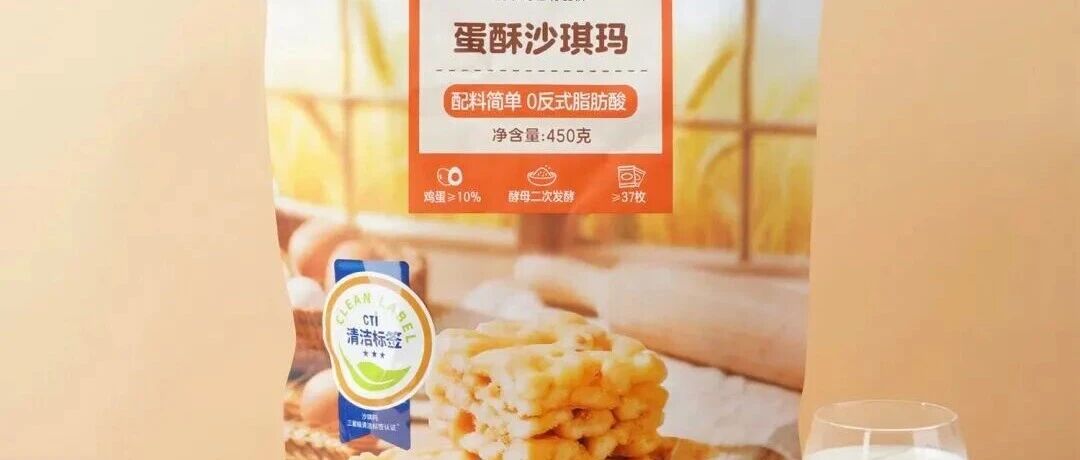
Core Insights - The introduction of clean label products in China is gaining traction, with a focus on transparency in ingredient lists and the absence of artificial additives [1][2][3] - The clean label concept, which emphasizes simple and recognizable ingredients, is becoming a significant selling point for food brands as consumer awareness increases [1][2] Group 1: Clean Label Product Launches - Hema has launched its first clean label egg tart, priced at 16.9 yuan for four, which has attracted over 50,000 orders and 7,000 repeat customers within a month [1] - Other brands, such as Walmart's private label "Woji Xian" and yogurt brand "Yuexiu Huishan," have also introduced clean label products certified by CTI Huace Testing [2] Group 2: Consumer Trends and Preferences - Consumers are increasingly prioritizing clean ingredient lists, with keywords like "clean label" gaining popularity on platforms like Xiaohongshu [2] - Brands are responding to this trend by highlighting clean ingredients and reducing additives in their marketing, even if they do not have certified clean label products [2] Group 3: Industry Standards and Certification - The clean label certification requires brands to undergo testing by recognized institutions such as CTI Huace Testing and the China Quality Certification Center [1] - The clean label market in China is still in the promotional phase, but it is expected to become a critical factor in consumer purchasing decisions in the future [3]

2025饮料新品TOP100丨元气森林、农夫山泉、康师傅、统一激战新品、乳饮退潮谁来补位?
3 6 Ke· 2025-12-16 02:59
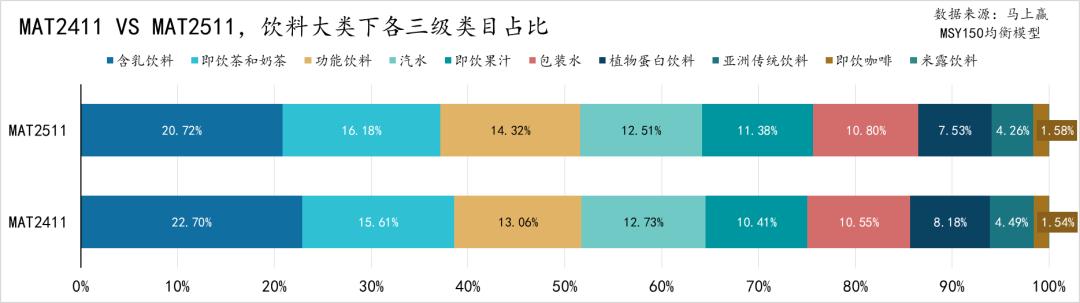
Core Insights - The article discusses the year-end review of the beverage market, focusing on the top 100 new products from December 2024 to November 2025, and compares them with the same period from the previous year to identify trends and shifts in the market [1][4]. Summary by Sections Overview of the Year-End Review - The year-end review will analyze the top 100 new beverage products and their market performance over the specified period, highlighting new trends and shifts in consumer preferences [1]. Data Collection and Methodology - The data for the top 100 products is sourced from the "马上赢" brand CT and various models, covering a wide range of retail channels across major cities in China [3]. - The selection criteria for the top 100 products exclude private label products and multi-pack items, focusing solely on individual SKUs based on sales revenue [1][2]. Market Performance Analysis - The beverage market is categorized into ten subcategories, including packaged water, functional drinks, dairy drinks, ready-to-drink tea, and more [4][5]. - The analysis reveals that dairy drinks are the only category exceeding 20% market share, while ready-to-drink tea, functional drinks, and carbonated beverages also hold significant shares [8]. Year-on-Year Comparison - A comparison between the two periods shows that the market share of dairy drinks has decreased by approximately 2%, with a sales growth decline of over 13% [13]. - Functional drinks and ready-to-drink juices have shown positive growth, while traditional categories like carbonated drinks and Asian traditional beverages have experienced declines [12][13]. New Product Trends - The top 100 new products for the current year show a significant increase in non-refrigerated ready-to-drink juices and sweetened ready-to-drink teas, while categories like sugar-free ready-to-drink tea and sports drinks have seen a reduction in new product entries [19][14]. - Notably, the top brands include "元气森林" and "康师傅," each with multiple products in the top rankings, indicating strong competition and innovation in the beverage sector [19][22]. Pricing and Specifications - The average price per 100ml for new products varies across categories, with non-refrigerated ready-to-drink juices and sweetened ready-to-drink teas generally priced higher [28]. - The distribution of product specifications indicates a growing preference for larger packaging sizes, reflecting changing consumer consumption patterns [25]. Launch Timing Insights - The timing of new product launches has shifted, with a noticeable increase in products launched in February and March compared to the previous year, suggesting a trend towards earlier market entry [31].





清洁标签成为冻品新卖点,健康审视加速概念全球化趋势
Cai Jing Wang· 2025-12-15 12:15
Group 1 - The core trend in the frozen food market is the rise of "clean label" products, which focus on transparency and health, with companies actively pursuing certifications to enhance their market competitiveness [1][2][4] - Companies like Sanquan Foods and Qianwei Yangchun have recently launched products with clean label certifications, indicating a shift towards using natural ingredients and reducing artificial additives [1][2] - The clean label concept originated in Europe and aims to simplify food labels, making it easier for consumers to understand the ingredients and avoid industrial additives [2][4] Group 2 - The global clean label market is projected to grow from $50.26 billion in 2024 to $56.59 billion in 2025, with a compound annual growth rate (CAGR) of 12.6%, reflecting increasing consumer demand for healthier food options [3] - Over a quarter of global consumers consider purchasing clean label foods as a key way to achieve a healthy diet, emphasizing the importance of ingredient quality and the avoidance of additives [3] - Regulatory frameworks are being established in China to define and standardize clean label products, which may help companies navigate the market and meet consumer expectations [4] Group 3 - Companies are recognizing the need for differentiation through clean label certifications, but smaller enterprises may struggle to effectively communicate this value to consumers [4] - The focus on clean labels should not overshadow the fundamental need for products to be appealing and meet consumer demands for taste and quality [4][5]
"零添加"标识退场 千禾味业前三季度业绩双降
Zhong Guo Jing Ji Wang· 2025-12-15 01:33
Core Viewpoint - Qianhe Flavor Industry Co., Ltd. has experienced a decline in both revenue and net profit in the first three quarters of 2025, attributed to a brand trust crisis stemming from a detection scandal, reflecting a shift in the condiment industry from rapid growth to high-quality development [1][2]. Group 1: Company Performance - In the first three quarters of 2025, Qianhe Flavor achieved revenue of 1.987 billion yuan, a year-on-year decrease of 13.17%, and a net profit of 260 million yuan, down 26.13% [3]. - The third quarter alone saw revenue of 669 million yuan, a decline of 4.29%, and a net profit of approximately 86.34 million yuan, down 14.55% [3]. - The main offline channel revenue was 1.68 billion yuan, down 8.65%, while online sales were significantly weaker at 268 million yuan, down 33.84% [3]. Group 2: Industry Trends - The performance decline for Qianhe Flavor began in 2024, with revenue of 3.073 billion yuan, a decrease of 4.16%, and net profit of 514 million yuan, down 3.07%, ending years of consecutive growth [4]. - The number of "zero-additive" products in the condiment category surged from over 300 in Q2 2022 to over 800 by Q4 2024, with market share increasing from under 2.5% to nearly 5.5% [4]. - Major competitors like Haitian Flavor Industry have accelerated their "zero-additive" product lines, leading to intensified competition in the market [4]. Group 3: Regulatory Changes - The lack of standardized definitions for "zero-additive" products has led to confusion among consumers, with different brands interpreting the term variably [5][6]. - In March 2025, new regulations were introduced prohibiting the use of terms like "no additives" and "zero additives" on packaging, with a two-year transition period before enforcement begins in March 2027 [6][7]. - Qianhe Flavor has responded by removing "zero-additive" labels from its packaging and emphasizing transparency regarding the natural ingredients used in its products [7]. Group 4: Future Directions - The introduction of "clean label" standards aims to prioritize product quality, with new certifications focusing on natural ingredients and minimal additives [8]. - The upcoming implementation of stricter quality standards for soy sauce in December 2026 will require manufacturers to adhere to natural fermentation processes and enhance product transparency [9]. - The industry is expected to shift from marketing-driven strategies to a focus on genuine product quality and brand trust, with companies that adapt to regulatory changes and improve product quality likely to find new growth opportunities [9].