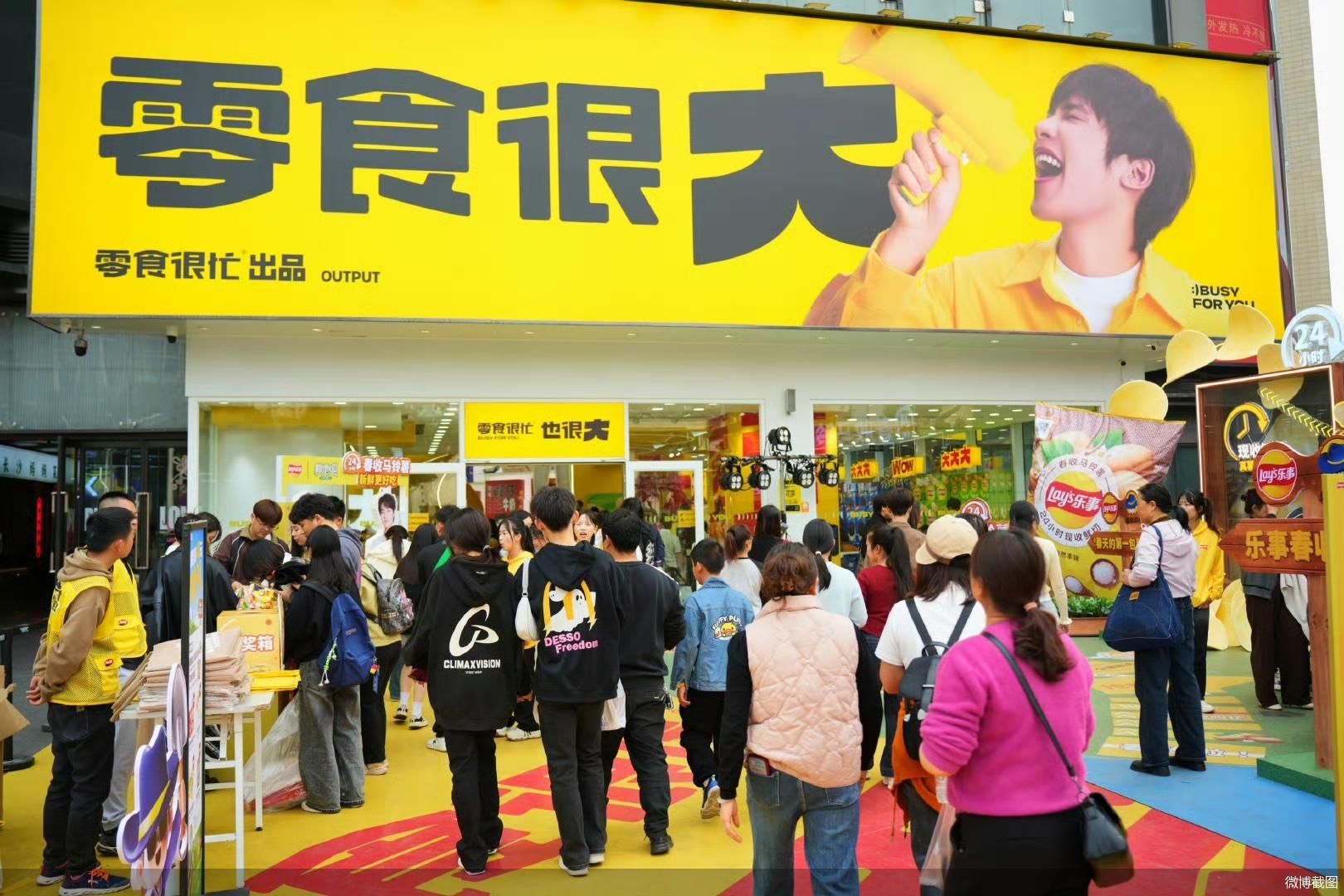
薄利多销

Search documents
男人最爱的迪卡侬,失宠了
36氪· 2025-08-26 14:23
Core Viewpoint - Decathlon is facing a significant decline in consumer interest in China, attributed to rising prices and increased competition from both domestic and international brands [3][10][11]. Group 1: Decline in Consumer Interest - Decathlon's affordable products, such as a 19.9 yuan quick-dry T-shirt and a 49.9 yuan backpack, have seen a noticeable price increase, leading to a decrease in customer visits [3][7]. - The company is rumored to be considering selling approximately 30% of its Chinese subsidiary, with an estimated valuation between 10 billion to 15 billion euros (approximately 100 billion yuan) [3][4]. - The increase in prices is linked to rising supply chain costs, including raw material prices and labor costs, which have pressured Decathlon's low-cost business model [7][8]. Group 2: Competitive Landscape - The market has seen a surge in alternative brands, with consumers shifting to cheaper options from platforms like Pinduoduo and Douyin, as well as domestic brands like Anta and Li Ning [10][11]. - Decathlon's pricing strategy has led to a loss of its core customer base, as competitors offer similar products at lower prices or with more appealing designs [10][11]. - The company has struggled to maintain its low-price, high-experience model due to increased operational costs in urban areas [7][8]. Group 3: Internal Management Issues - Decathlon's internal management has been criticized for being overly centralized, leading to inefficiencies and a lack of responsiveness to market changes [17][18]. - Employee dissatisfaction due to low wages compared to competitors has contributed to talent attrition, impacting the company's operational effectiveness [14][15]. - The company's long-standing reliance on a low-margin business model has limited its ability to offer competitive salaries, further exacerbating employee turnover [15][19]. Group 4: Potential Buyers and Future Strategies - Potential buyers for Decathlon's Chinese operations include JD.com, Anta Sports, and international private equity firms like Blackstone and Carlyle, with JD.com seen as the frontrunner due to its supply chain capabilities [21][22]. - Anta Sports could leverage its existing brand portfolio to enhance Decathlon's market position, but there are concerns about whether it would maintain Decathlon's low-cost positioning [23][25]. - The future direction of Decathlon hinges on whether it can balance its high-end transformation with its original value proposition of affordability and accessibility [25][26].


拼好饭带来的巨大单量,为千万小店“拼”出希望
Sou Hu Cai Jing· 2025-08-19 12:18
Core Insights - The article highlights how Meituan's "Pin Hao Fan" platform is effectively helping small restaurants increase their order volumes and optimize their operations, leading to enhanced profitability and stability in a competitive market [2][3][4][5] Group 1: Impact on Small Restaurants - Small restaurants are facing challenges with low foot traffic and online orders, but joining "Pin Hao Fan" has provided a significant boost in order volume, allowing them to establish a foothold in the market [3] - For instance, a restaurant in Dongguan saw its monthly orders rise from 2,000 to over 800 daily after adjusting its pricing strategy to align with consumer preferences, resulting in a 57% increase in order volume for similar businesses in Guangdong by 2025 [3][4] - Another restaurant in Putian experienced a monthly sales volume of around 5,000 orders after joining the platform, with takeaway sales accounting for two-thirds of its total revenue [4] Group 2: Operational Efficiency and Cost Reduction - The integration of "Pin Hao Fan" has not only increased order volumes but also optimized operational efficiency and reduced costs for small restaurants [5] - Restaurant owners have reported that stable and high order volumes allow them to streamline their preparation processes, significantly improving service speed and reducing operational costs [5] - A restaurant owner in Qingdao, initially skeptical about the platform's pricing strategy, found that the fixed pricing model allowed for consistent quality without compromising on ingredient quality, leading to a substantial increase in daily orders from 60 to around 200 [5][7] Group 3: Future Aspirations and Growth - The success experienced by these small restaurants has instilled confidence in their owners to set long-term goals, such as achieving significant annual revenue milestones [5][7] - The owner of a Qingdao restaurant aims to reach an annual income of one million within three years, reflecting the positive outlook fostered by the platform's support [7]

美团拼好饭:餐饮江湖里的新生态密码
Bei Jing Shang Bao· 2025-08-07 12:35
Core Insights - The rise of "Pinduoduo-style group ordering" through Meituan's "Pinduohuo" is reshaping the restaurant industry, allowing small businesses to thrive through low-cost, high-volume sales strategies [1][5][15] - The model emphasizes efficiency and cost reduction, enabling restaurants to serve larger orders while maintaining quality, thus creating a new survival logic in the industry [5][7][15] Group 1: Business Impact - Small restaurants like Shijiazhuang's "Xingfu Daguo Cai" have seen significant order increases, with monthly orders exceeding 5,000 through the Pinduohuo platform, doubling their total order volume [1][3] - The model allows for a shift from individual orders to bulk sales, with 90% of participating merchants experiencing a sales increase of over 30% and an average cost reduction of more than 20% [7][8][14] - Traditional concerns about quality have been addressed through transparency measures, such as the "Food Safety Diary" feature, which enhances consumer trust [8][9] Group 2: Market Dynamics - The Pinduohuo model has opened new customer segments for established brands, allowing them to reach previously untapped consumer bases, particularly among younger demographics [13][14] - The platform's fixed pricing and no commission structure provide a stable profit model for small businesses, contrasting with traditional delivery services [14][15] - The innovation in the restaurant sector is attracting attention from international fast-food giants, indicating a shift towards collaborative supply chain optimization [14][15] Group 3: Industry Transformation - The Pinduohuo initiative represents a broader trend of digital transformation in the restaurant industry, balancing cost, quality, and efficiency [15] - The model encourages a shift from price competition to value creation, fostering a more sustainable competitive landscape [15] - By leveraging digital technology, the industry is moving towards a more interconnected and efficient ecosystem, proving that growth does not solely rely on price increases [15]


逆势破局!1919推出“酒饮生活”新战略 联合刘仪伟押注餐酒融合
Zheng Quan Ri Bao Wang· 2025-07-11 10:58
Core Insights - 1919 has launched a new business model upgrade plan focusing on "star IP + matrix store types + selected franchising" to enter the "wine and food integration" market, aiming to create a new ecosystem for beverage consumption [1] - The company has undergone multiple strategic transformations over its 20-year history, positioning itself as a competitive player in the current challenging market environment [2] - The shift from traditional B2C/O2O to F2B2C model emphasizes strategic branding and combines instant retail with experiential sales [4] Business Model Upgrade - 1919 is transitioning to a matrix store system with six-star to satellite point store types, enhancing the retail experience by integrating coffee, bars, and dining options [4][5] - The company has reported significant revenue growth in remodeled stores, achieving approximately three times the profit compared to non-remodeled locations [4] - The focus on community and high-frequency consumption scenarios aims to upgrade traditional liquor stores to reach a broader customer base [4] Strategic Partnerships and Collaborations - The appointment of a well-known host and food expert as the "1919 Good Life Officer" is part of the strategy to enhance the "wine and food" ecosystem [3] - Collaborations with restaurants to integrate wine and food offerings are underway, with over 30 fusion stores opened in Chengdu [5][6] - 1919 is committed to directly investing in six-star liquor lifestyle stores, taking on all associated risks to showcase its brand [5][6] Market Trends and Future Outlook - The company acknowledges the end of the era where liquor retailers relied on high margins from premium products, advocating for a "thin profit, high volume" approach [3] - 1919's strategic initiatives are seen as a response to the restructuring of consumer scenarios and the prevailing trend of low-margin sales [6] - The company plans to expand its remodeled lifestyle stores to major cities nationwide, reinforcing its F2B2C ecosystem strategy [6]
蜜雪冰城创始人张红超晋升河南新首富,低价策略如何成就百亿身家
Sou Hu Cai Jing· 2025-06-25 01:21
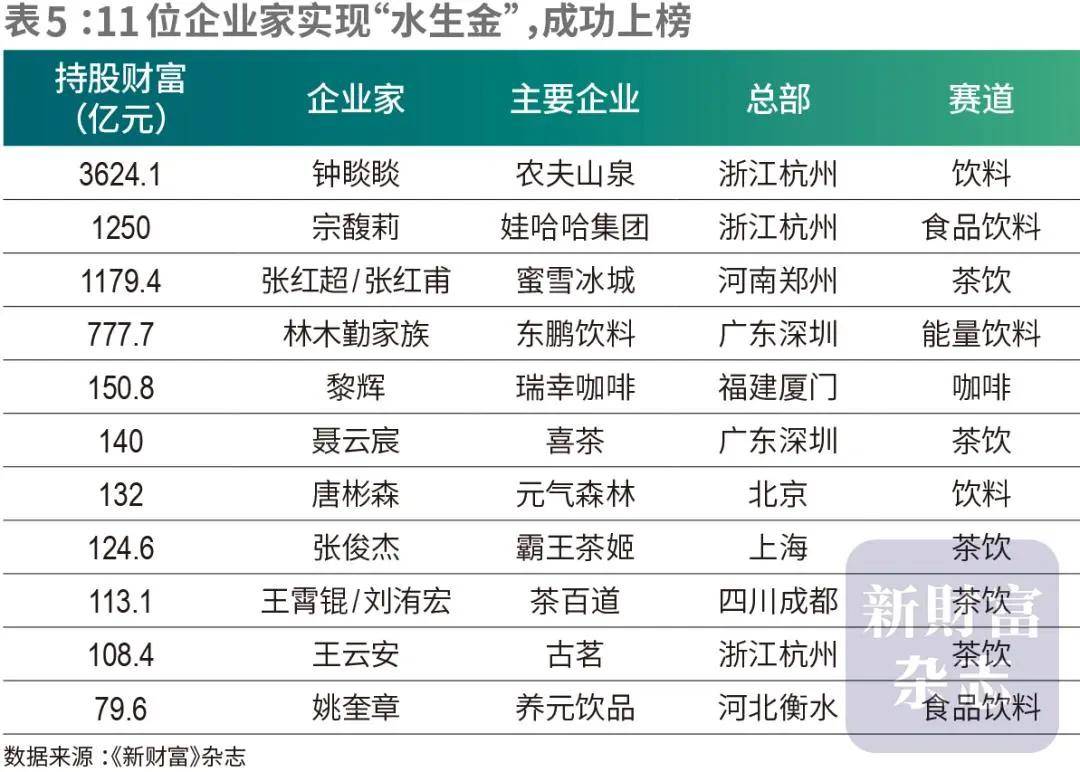
Core Insights - The article highlights the remarkable growth of the brand "Mixue Ice City," which started from a tricycle selling ice cream in 2007 to becoming a major player with 46,000 stores, surpassing Starbucks in scale [1][8] - The founders, Zhang Hongchao and Zhang Hongfu, have amassed a fortune of 117.9 billion yuan, making them the richest individuals in Henan province by capitalizing on affordable beverages [1][8] Company Overview - Mixue Ice City began with a focus on affordable products, selling ice cream for 2 yuan, which resonated with consumers, particularly students [1][3] - The company has developed a robust supply chain, including 27 warehouses and a self-owned cold chain delivery system, achieving 97% of stores receiving deliveries within 12 hours [6][9] - The brand's strategy includes a low-cost model, with a focus on rural markets, where 57.2% of its stores are located in third-tier cities and below [6][8] Financial Performance - The company has a production capacity of 1.65 million tons annually, with a cost structure that allows for a 30% lower cost per drink compared to industry averages [6][9] - Despite its rapid expansion, the company faced challenges in 2024, including the closure of 1,600 stores and a decline in average daily sales per store [9][11] Market Strategy - Mixue Ice City employs a "direct supply" model, which allows it to reduce procurement costs by over 20% compared to competitors [5][6] - The brand's philosophy emphasizes accessibility, aiming to be a "national milk tea" that everyone can afford, which has contributed to its market penetration [8][12] Employment Impact - The company has created 785,000 jobs and increased income for 167,000 farmers, demonstrating its significant impact on local economies [8][9] - The logistics operations have also improved the livelihoods of delivery drivers, showcasing the brand's broader economic influence [9][12] Future Challenges - The company is addressing the "scale trap" by slowing down its expansion and focusing on niche markets such as campuses and hospitals [11] - There is a need for brand upgrading to appeal to younger consumers while maintaining its core values of affordability and accessibility [11][12]
乐刻私教,卷成“网约车司机”
盐财经· 2025-06-12 09:40
Core Viewpoint - The article discusses the shift in the personal training market driven by budget gyms like LeKe, which offer significantly lower prices for personal training sessions, impacting traditional gyms and trainers' earnings [3][5][6]. Group 1: Market Dynamics - Traditional gyms charge an average of 400-500 RMB per session for personal training, while LeKe offers sessions at an average price of 177 RMB, attracting more customers [3][6][9]. - The pricing strategy of LeKe disrupts the traditional pricing model, making personal training more accessible to a broader audience [9][10]. - The low-price trend has led to a reduction in commissions for trainers, who now earn less due to the shift from high-price, low-volume to low-price, high-volume sales [4][32]. Group 2: Trainer Experience - Trainers at LeKe experience a significant decrease in income compared to traditional gyms, with some reporting earnings cut by half [20][23]. - The role of trainers has shifted from being salespeople to service providers, with less pressure to sell but also lower base salaries and no benefits [15][25]. - New trainers face challenges in gaining visibility on the platform due to algorithmic prioritization, making it difficult to attract clients without established reputations [27][34]. Group 3: Business Model and Profitability - LeKe's business model focuses on a "thin profit, high sales" approach, where the platform handles marketing and trainers must enhance their skills to attract clients [32][33]. - The company is exploring additional profit segments, such as the FEELINGME brand, which offers a subscription model for personal training, further diversifying its offerings [40][41]. - Despite the low pricing strategy attracting more customers, the sustainability of trainer earnings remains a concern, as the model may lead to a decline in service quality [45][52]. Group 4: Market Potential - The current penetration rate of gym memberships in China is only 3.2%, indicating significant growth potential for the fitness industry [53]. - The article suggests that while lowering prices can attract more customers, there are limits to how much trainers can work, highlighting the need for a balanced approach to pricing and trainer compensation [54][56].

开业45天就倒下!这类自助餐厅批量收割创业者
Sou Hu Cai Jing· 2025-06-03 18:52
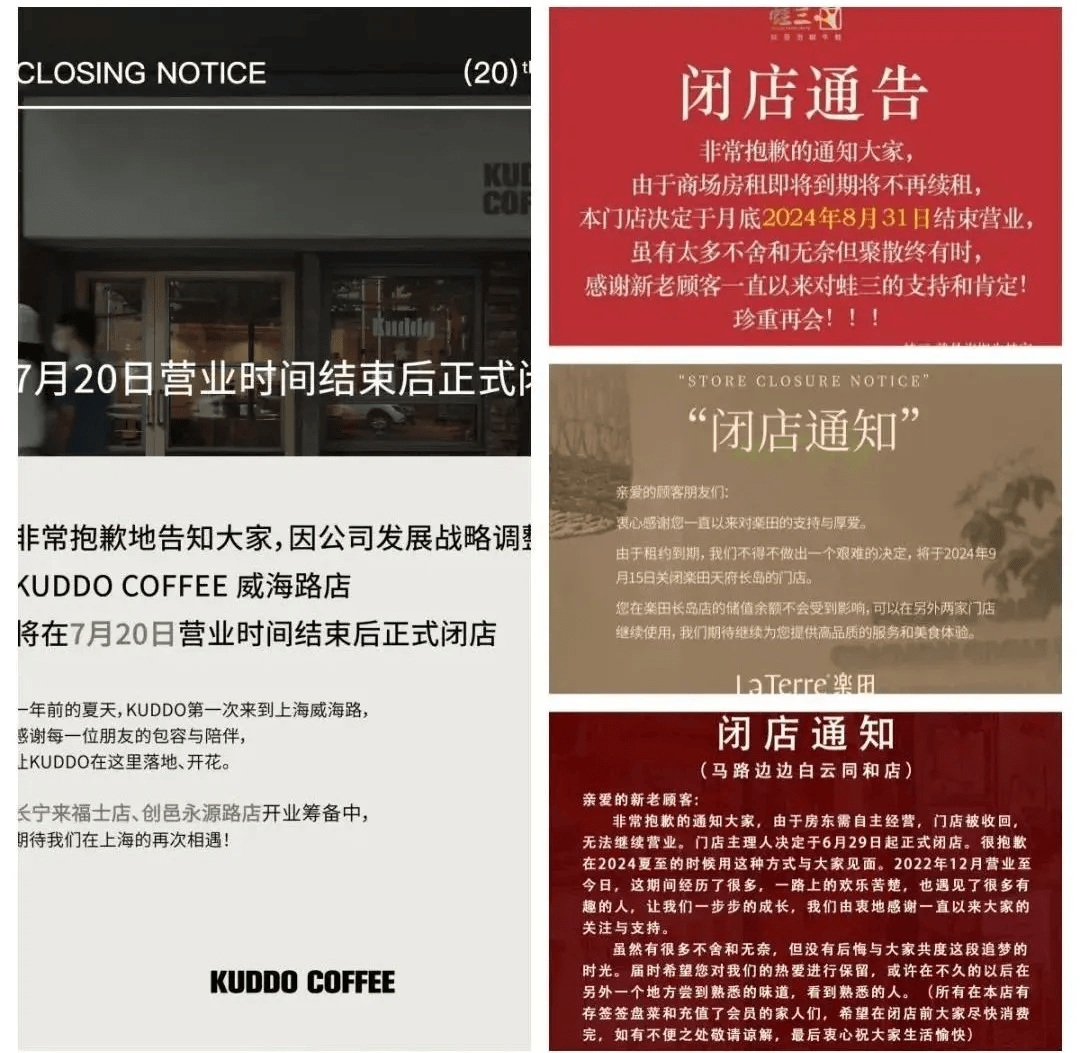
Core Insights - The restaurant industry is facing intense competition and many entrepreneurs are entering the market, but a significant number are failing quickly due to various challenges [1][11][26] - The rise of self-service beef hotpot restaurants has attracted many consumers, but the sustainability of this trend is questionable as many new entrants are struggling to maintain profitability [13][21][28] Industry Trends - The self-service beef hotpot segment has seen rapid growth, with brands opening hundreds of locations in a short time, but this has led to a saturation of the market [14][28] - Many new restaurant concepts are emerging each year, but the reality is that most entrepreneurs end up losing money rather than making profits [26][27] Consumer Behavior - Consumers are increasingly looking for value, with a focus on "quality-price ratio" rather than just low prices, which is putting pressure on restaurant operators to improve their offerings [22][24] - The initial popularity of certain restaurant types can lead to a decline in customer retention, as many consumers report dissatisfaction with the quality of food [18][19][21] Business Challenges - High competition and low profit margins are forcing many restaurant owners to cut costs, which can negatively impact food quality and customer experience [21][24] - The restaurant industry is undergoing a significant shakeout, with over 300,000 hotpot restaurants closing in the past year alone, indicating a challenging environment for both large and small players [28][29] Entrepreneurial Insights - Many entrepreneurs are entering the restaurant business without a long-term strategy, leading to a high failure rate as they underestimate market complexities [27][29] - Successful restaurant operations require a focus on product quality, marketing, and management capabilities to transition from short-lived popularity to sustained success [24][31]

零食界的“蜜雪冰城”,不能只做“薄利生意”
新消费智库· 2025-05-28 12:31
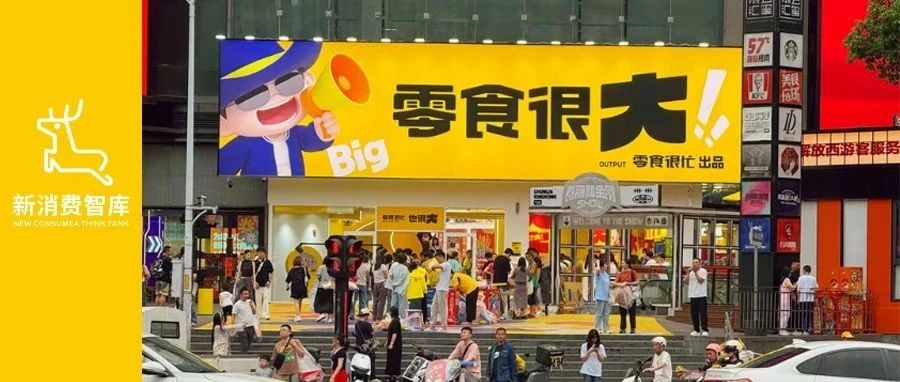
Core Viewpoint - The article discusses the rapid expansion and business model of the snack retail company "Ming Ming Hen Mang," highlighting its impressive growth metrics and the challenges it faces in maintaining profitability while competing in a price-sensitive market [3][4][5]. Group 1: Company Overview - "Ming Ming Hen Mang" achieved a retail sales figure of 55.5 billion RMB and a total revenue of 39.3 billion RMB in 2024, with over 14,394 stores nationwide [3][4]. - The company was formed by the merger of two snack giants, "Snacks Hen Mang" and "Zhao Yi Ming Snacks," which had previously raised significant venture capital [4][5]. - The merger has led to a combined store count of 6,500 before the merger, positioning "Ming Ming Hen Mang" as a dominant player in the snack industry [5][6]. Group 2: Business Model and Strategy - The company operates on a "low-margin, high-volume" model, similar to "Mi Xue Bing Cheng," focusing on rapid store expansion and competitive pricing [5][9]. - "Ming Ming Hen Mang" has a SKU count of at least 1,800 per store, which is double that of average supermarkets, and offers prices approximately 25% lower than similar products in offline supermarkets [6][12]. - The majority of its revenue (99%) comes from selling products to franchise stores, which enhances its bargaining power with suppliers and spreads operational risks [9][12]. Group 3: Financial Performance - From 2022 to 2024, the company's revenue grew from 4.29 billion RMB to 39.34 billion RMB, while its gross margin remained stable at around 7.5%-7.6% [13][12]. - The net profit margin increased slightly from 1.7% to 2.1% during the same period, indicating ongoing profitability challenges in the snack retail sector [12][13]. Group 4: Market Dynamics and Competition - The snack retail market is highly fragmented, with the top five retailers holding only 4.2% of the market share, suggesting significant opportunities for new entrants [16][17]. - The industry is currently experiencing a "price war," with competitors engaging in aggressive discounting strategies to attract consumers [18][16]. - "Ming Ming Hen Mang" is exploring new store formats and product categories to adapt to changing consumer preferences and market conditions [19][20]. Group 5: Future Outlook - The company plans to introduce 30 proprietary products to reduce reliance on wholesale margins and improve gross margins [14][15]. - The expansion into new categories, such as baked goods and frozen products, presents operational challenges and increases supply chain complexity [24][22]. - To succeed, "Ming Ming Hen Mang" must balance its low-price strategy with the need for supply chain efficiency and product innovation [24][15].
鸣鸣很忙万店深耕下沉市场,薄利多销模式践行民生普惠
Sou Hu Cai Jing· 2025-05-21 12:39
Core Viewpoint - Hunan Mingming Hen Mang Commercial Chain Co., Ltd. has officially submitted its listing application to the Hong Kong Stock Exchange, focusing on a "low-margin, high-volume" business model that emphasizes supply chain optimization and efficient operations to provide high-quality snacks at lower prices [1][3]. Group 1: Business Model and Strategy - The company maintains a net profit margin of approximately 2.3% from 2022 to 2024, leveraging a "low-margin, high-volume" philosophy [3]. - Mingming Hen Mang employs a direct procurement model with manufacturers, enhancing bargaining power through large-scale purchases, with about 25% of its 3,380 SKUs sourced from customized manufacturer collaborations [3]. - The company has optimized its logistics and warehousing costs to 1.5%-1.7% of revenue, allowing for price reductions for consumers and franchisees [3]. Group 2: Market Penetration and Consumer Accessibility - The company targets lower-tier markets, providing high-quality snacks at competitive prices, breaking traditional retail barriers in county and town markets [5]. - Mingming Hen Mang has opened over 14,000 stores nationwide by the end of 2024, with 58% located in county and town areas, offering products at an average price 25% lower than traditional supermarkets [1][5]. - The company has customized 25% of its products to fit local tastes and has introduced small packaging strategies to lower the trial cost for consumers [5]. Group 3: Franchise Model and Profitability - The company's revenue model is heavily reliant on franchise sales, with 99.5% of income coming from franchise and direct store sales, while franchise fees account for less than 0.5% [7]. - Mingming Hen Mang's franchise model focuses on mutual profit, enhancing operational efficiency for franchisees through a smart product selection system and dual supervision [7]. - The average operational efficiency of franchisees has significantly improved, as evidenced by franchisee testimonials [7]. Group 4: Financial Performance and Future Plans - The company projects a GMV of 55.5 billion yuan for 2024, with over 1.6 billion transactions, and has improved its net profit margin from 1.7% to 2.1% despite low gross margins of 7.5%-7.6% [9]. - Over 60% of the funds raised from the IPO will be allocated to supply chain upgrades and optimizing the county-level store network, reinforcing its competitive advantage in lower-tier markets [9].
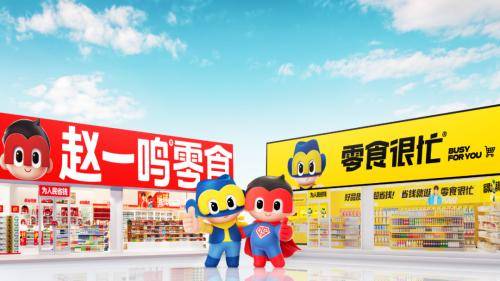
零食界“蜜雪冰城”冲击上市 鸣鸣很忙不能只靠“薄利”
Bei Jing Shang Bao· 2025-05-18 14:18
Core Viewpoint - The company "Mingming Hen Mang" is attempting to enter the Hong Kong stock market, showcasing impressive growth metrics such as over 14,000 stores and a GMV of 55.5 billion yuan for 2024, but struggles with low profit margins, with gross margins below 8% and net profit margins around 2% [1][4][9]. Group 1: Company Growth and Expansion - Mingming Hen Mang has rapidly expanded its store count from 6,585 in 2023 to 14,394 in 2024, covering 28 provinces and all tiered cities, with approximately 58% of stores located in county and town areas [3][4]. - The company operates primarily through a franchise model, opening an average of 22 new stores daily in 2024, contributing to a GMV of 55.5 billion yuan [3][4]. Group 2: Financial Performance - The financial performance of Mingming Hen Mang shows a gross margin of 7.5% in 2022, 7.5% in 2023, and 7.6% in 2024, with net profit margins of 1.7%, 2.1%, and 2.1% respectively, indicating limited improvement despite increased store numbers [4][5]. - The company's revenue model relies heavily on product sales to franchise and direct stores, with less than 0.5% of revenue coming from franchise fees, which limits profit margins [5][9]. Group 3: Industry Challenges - The low-margin business model is a common issue in the discount retail sector, particularly as competition increases and the company's competitive edge diminishes [7][11]. - The shift towards a multi-category retail model introduces operational complexities and risks, such as increased supply chain management challenges and higher loss rates for non-standard products [8][9]. Group 4: Future Outlook and Strategies - The domestic snack market is projected to grow from 2.9 trillion yuan in 2019 to 3.7 trillion yuan in 2024, with a compound annual growth rate of 5.5%, indicating potential for future growth despite increasing competition [10]. - The upcoming IPO is expected to provide financial support for enhancing supply chain capabilities, product development, and brand promotion, which are crucial for improving profitability [10][11].