
跨界合作

Search documents
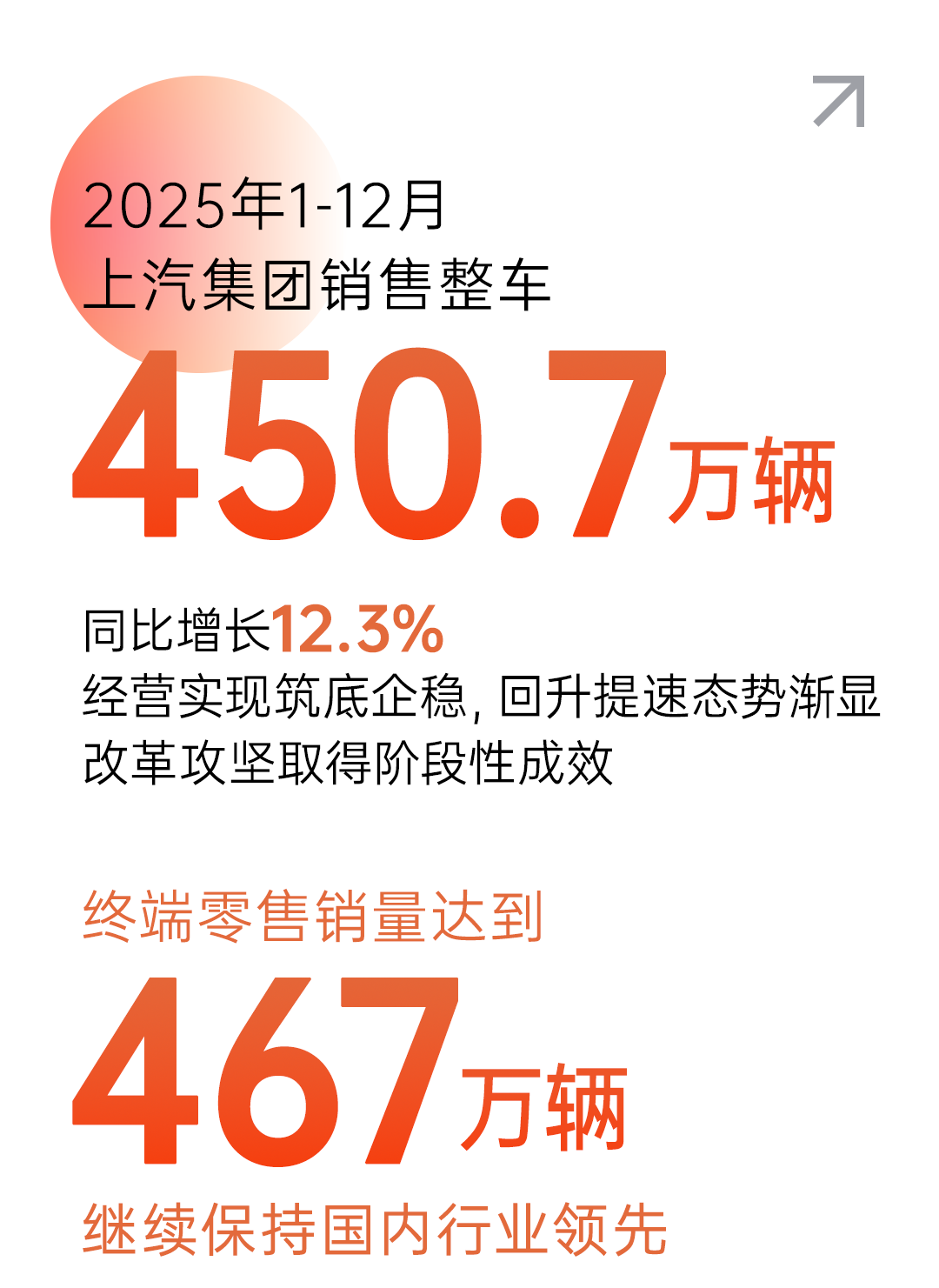
懂车更懂你 变革显成效,上汽集团2025年销售450.7万辆 同比增长12.3%
Zhong Guo Qi Che Bao Wang· 2026-01-04 07:36
Core Viewpoint - SAIC Motor Corporation has achieved significant growth in 2025, focusing on deepening reforms, enhancing independent brand development, and advancing smart electric technology, resulting in a total vehicle sales of 4.507 million units, a year-on-year increase of 12.3% [1] Group 1: Sales Performance - In 2025, SAIC's total vehicle sales reached 4.507 million units, with retail sales hitting 4.67 million units, maintaining its leading position in the domestic industry [1] - Sales of SAIC's independent brands (including Roewe, MG, Zhiji, Maxus, Wuling, and Baojun) amounted to 2.928 million units, a year-on-year increase of 21.6%, accounting for 65% of the group's total sales, up 5 percentage points from 2024 [4] Group 2: Product Innovation - SAIC's joint venture brands are also undergoing transformation, with the Buick brand launching a new high-end electric sub-brand "Zhijing" and the first mass-produced model from the new Audi brand, the E5 Sportback, successfully launched [6] - The company is accelerating the production of advanced technologies such as solid-state batteries, digital chassis, and DMH super hybrid systems, enhancing user experience with safer and more convenient travel options [7][9] Group 3: Strategic Collaborations - SAIC is committed to a "co-creation and win-win" strategy, collaborating with partners like Huawei, OPPO, and Momenta to develop a new intelligent travel ecosystem [10] - The launch of the new brand "SAIC Shangjie" in partnership with Huawei focuses on high-quality, durable vehicles, with the first product, Shangjie H5, achieving over 10,000 units in monthly sales [13] Group 4: International Expansion - In 2025, SAIC's overseas sales reached 1.071 million units, a year-on-year increase of 3.1%, with significant growth in Europe, India, and Thailand [14] - The company has established a robust overseas market presence, with sales exceeding 600 million units across over 170 countries and regions [16]


新起点,新融合:多品牌开启消费新场景
Sou Hu Cai Jing· 2025-12-31 23:26
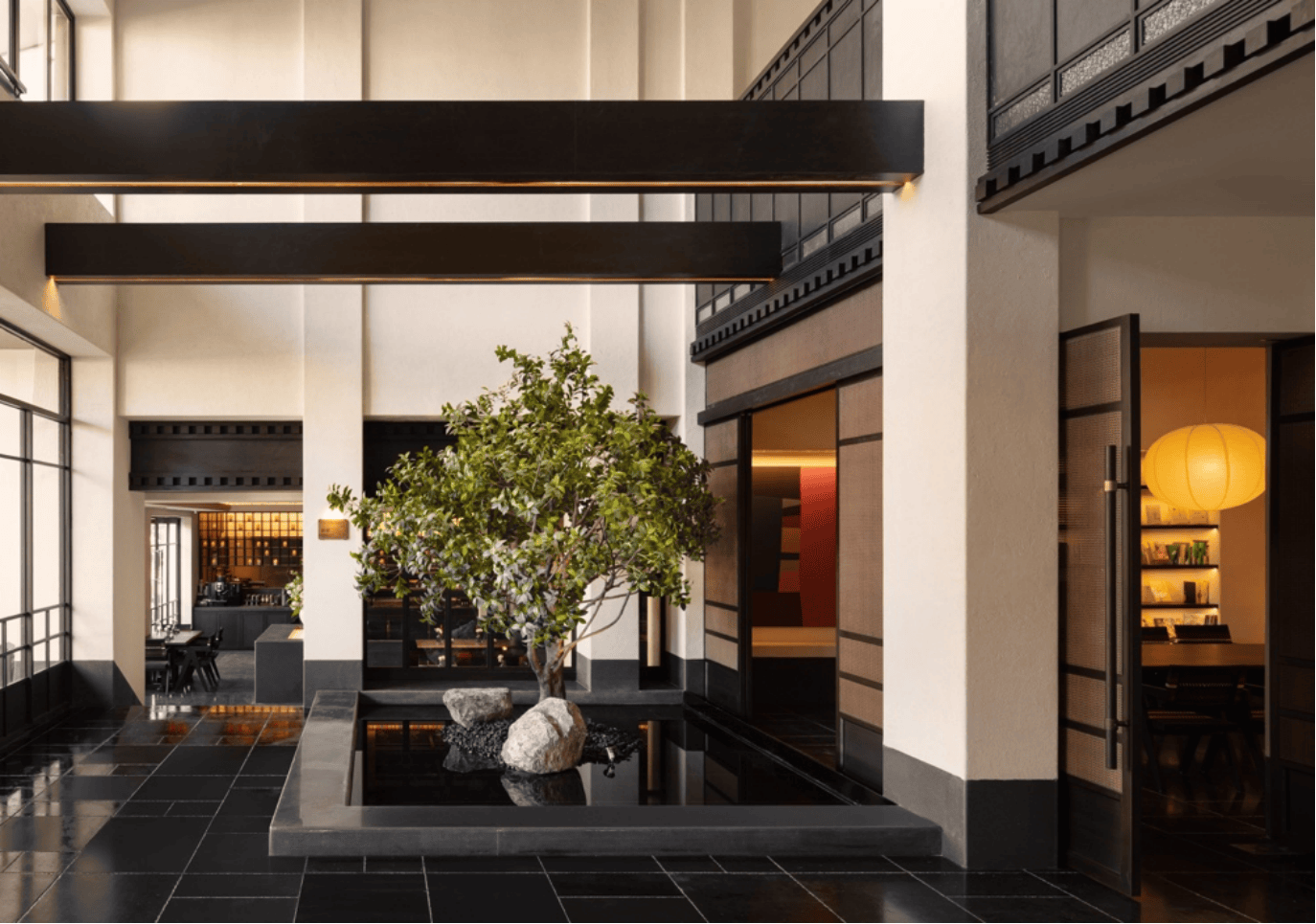
Group 1: Atour Group's Strategic Milestone - Atour Group has achieved its three-year strategic goal of "China Experience, Two Thousand Good Stores," marking the opening of its 2000th hotel in Shangri-La, Yunnan [2][4] - The new hotel signifies not only geographical expansion but also a return to the brand's original mission of providing the best experience in the service industry [4][6] - The company has built a diverse brand matrix that includes hotels and retail scenes, covering over 100 million quality lifestyle members [2][6] Group 2: Collaboration between Chengdu Gifts and Kenyue Coffee - The collaboration between Chengdu Gifts and Kenyue Coffee has resulted in the launch of a themed concept store, emphasizing the integration of urban cultural IP with popular consumer brands [7][9] - This partnership aims to create a series of co-branded products that incorporate "Chengdu elements" into everyday consumption, enhancing local cultural representation [11] - The initiative is expected to strengthen brand recognition for Kenyue Coffee while allowing Chengdu Gifts to reach a younger consumer demographic, achieving mutual benefits in cultural dissemination and brand growth [11]

华润啤酒,一路向“南”
Sou Hu Cai Jing· 2025-12-25 03:26
Core Viewpoint - China’s largest beer giant, China Resources Beer, has officially relocated its headquarters from Beijing to Shenzhen, marking a strategic shift towards southern markets and high-end product development [2][6][10]. Group 1: Company Strategy and Relocation - The relocation to Shenzhen is part of a broader strategy to enhance collaboration within the supply chain and tap into the growing market potential in Guangdong, which is projected to produce 4.75 million kiloliters of beer in 2024, making it the largest beer province in China [7][10]. - The new headquarters will not only serve as a decision-making center but will also integrate research, development, and brand experience, facilitating innovation and internal collaboration [10][12]. - The move is seen as a response to the challenges faced in the northeastern market, where the company has been closing inefficient factories and reducing its operational footprint [6][12]. Group 2: Market Performance and Financials - The company has experienced a decline in sales and profits due to market saturation and operational adjustments, with a reported revenue of 38.635 billion RMB in 2024, a slight decrease of 0.76% year-on-year, and a net profit of 4.739 billion RMB, down 8.03% [18][19]. - The beer segment showed a revenue increase of 2.6% in the first half of 2025, while the white wine segment saw a significant decline of nearly 34%, indicating a disparity in performance across product lines [18][20]. - The company has faced challenges in its high-end product strategy, with its own brands lagging behind partners like Heineken, which saw over 30% growth in high-end products [21][22]. Group 3: Challenges and Future Outlook - The exit from the northeastern market has not been without difficulties, including high costs associated with asset disposals and the impact on local employment and tax revenues [12][16]. - The company is exploring new product categories, such as yellow wine, in an attempt to innovate and expand its market presence, although the long-term success of these initiatives remains uncertain [23][24]. - As competition intensifies from both traditional beer rivals and new entrants from other industries, the company must navigate the complexities of market dynamics while maintaining a focus on high-end product development and operational efficiency [26].

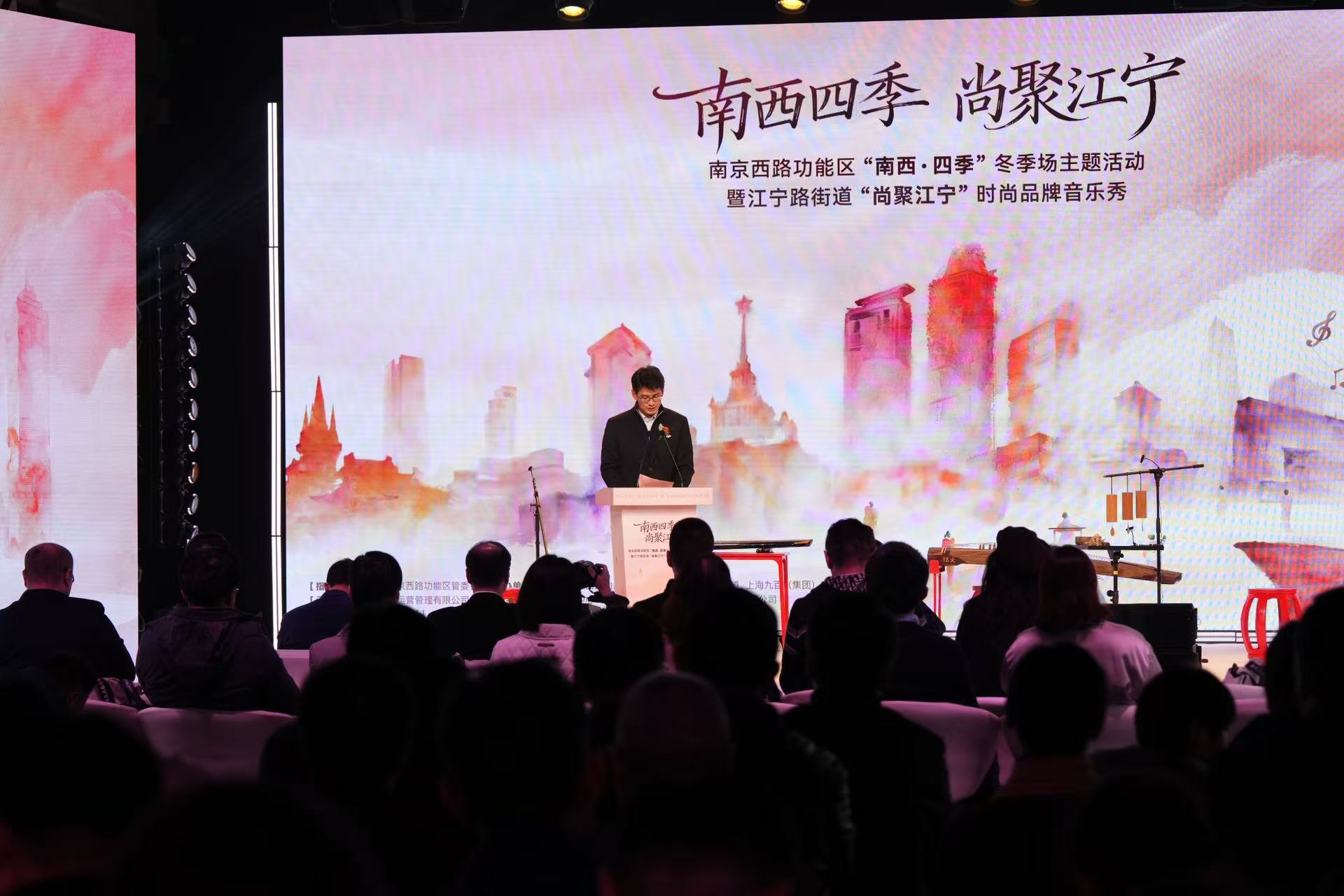
跨界展演东方美学,“南西四季·尚聚江宁”时尚品牌音乐秀举办
Xin Lang Cai Jing· 2025-12-20 14:59
Core Viewpoint - The "Nanshi Four Seasons: Gathering in Jiangning" fashion brand music show represents a fusion of fashion, music, art, and culture, showcasing the unique charm of local brands and their internationalization efforts [3][4]. Group 1: Event Overview - The event took place on December 19 and was a collaboration between the Nanjing West Road functional area and Jiangning Road Street, breaking traditional performance formats [3]. - It featured a diverse range of brands, from trendsetting fashion labels like IMMI and OVV to traditional craftsmanship represented by Li Liming's intangible cultural heritage handwoven series [3]. Group 2: Innovative Aspects - A notable innovation was the live performance of traditional Chinese music by Zide Qinshi, which blended ancient elegance with modern vibes [4]. - The event broke the conventional framework of brand showcases by featuring three distinct clothing brands simultaneously, creating a synchronized experience between models' movements and music [4]. Group 3: Strategic Goals - Jiangning Road Street aims to enhance the integration of international commercial resources with community services through this event [4]. - The Nanshi functional area plans to leverage this opportunity to promote more cross-industry collaborations, empowering the industry and linking art to future developments [4].
2025年中国扑克牌行业经营模式、发展历程、产业链图谱、市场规模、竞争格局及发展趋势研判:姚记科技龙头优势明显[图]
Chan Ye Xin Xi Wang· 2025-12-18 01:50
Core Insights - The Chinese playing card industry has a rich history and a broad consumer base, with a market size of 5.271 billion yuan in 2022, reflecting a year-on-year growth of 12.8%. However, the market is projected to decline to 5.009 billion yuan in 2024, a decrease of 2.1% due to various factors such as evolving entertainment preferences and insufficient industry innovation [1][7]. Overview - Playing cards are a traditional entertainment tool made of paper, used in various games and activities. They are recognized for their simplicity and broad appeal, serving not only as a game but also in magic performances, cultural dissemination, and advertising [2]. Business Model - The majority of Chinese playing card companies adopt a combination of in-house and outsourced R&D. Mainstream brands are categorized into manufacturing brands with independent production systems and retail brands that rely on outsourcing for supply [4]. Development History - The modern form of playing cards in China originated from ancient games, with the first batch of playing cards produced in 1931. The industry saw significant growth in the 1980s, with key players like Yaoji Technology entering the market [5]. Industry Chain - The upstream of the playing card industry includes suppliers of specialized paper, inks, and production equipment. The midstream involves design and production, while the downstream consists of various sales channels including supermarkets and e-commerce [6]. Current Development - The playing card industry in China is becoming increasingly important as a social sports project, with a significant market presence. However, recent trends indicate a decline in consumer demand due to changing entertainment forms and reduced consumption scenarios [1][7]. Competitive Landscape - The market concentration has increased, with leading companies like Yaoji Technology and Ningbo San A Group dominating the mainstream market. Yaoji Technology is noted for its fully automated production capabilities and high-quality standards [8][10]. Future Trends - The future of the playing card industry is expected to focus on sustainability, with a shift towards eco-friendly materials. Innovations such as digital printing and integration with technologies like RFID and AR are anticipated to enhance product offerings and consumer engagement [11].


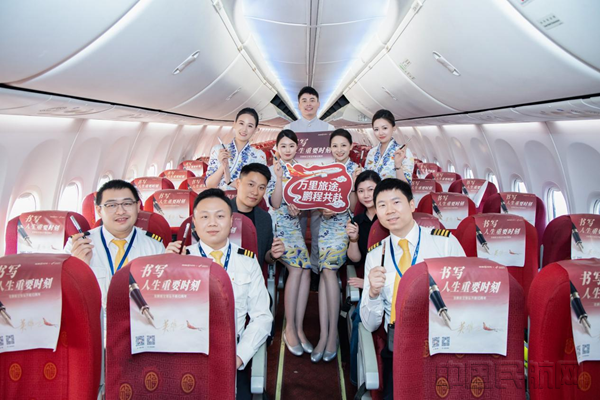
金鹏航空携手英雄金笔打造主题航班 万米高空共庆客运十周年
Zhong Guo Min Hang Wang· 2025-12-17 06:07
Core Viewpoint - The collaboration between Golden Eagle Airlines and Shanghai Hero (Group) Co., Ltd. marks a significant milestone, celebrating the 10th anniversary of Golden Eagle Airlines' passenger service through a themed flight that integrates aviation culture with national brand craftsmanship [1][3]. Group 1 - The themed flight "Ten Years of Soaring · Pen on the Cloud" was launched on the Y87502 route from Sanya to Shanghai Pudong, showcasing a unique event that combines cultural elements from both companies [1][3]. - The flight featured a special atmosphere created by changing headrest covers and included a warm welcome from the cabin crew, emphasizing the significance of this cross-industry collaboration [3]. - The event celebrated not only the anniversary of Golden Eagle Airlines but also the fourth anniversary of New HNA, symbolizing the beginning of a partnership between two national brands [3][4]. Group 2 - During the flight, representatives from both companies shared stories about their brands, with Shanghai Hero's deputy manager discussing the brand's innovative journey and Golden Eagle Airlines' representative explaining the purpose and meaning behind the event [3][4]. - Exclusive gifts, including Hero brand steel pen creative gifts, were distributed to passengers, enhancing the travel experience and resonating with the audience [3]. - The limited edition Hero pens were sold out within minutes, indicating strong demand and passenger engagement with the collaboration [3].
江苏银行 “双十二” 线上促消费系列举措正式发布
Zhong Jin Zai Xian· 2025-12-16 03:10
Group 1 - Jiangsu Bank is actively responding to the national consumption boom by launching multiple online promotional measures for the "Double Twelve" shopping festival, investing approximately 3.3 million yuan in marketing expenses to stimulate consumer potential and enhance the consumption market [1] - The bank has partnered with leading payment platforms like Alipay and JD.com to offer exclusive payment discounts, investing around 1.5 million yuan in marketing to effectively lower shopping costs for consumers and boost overall consumption enthusiasm [3] - Jiangsu Bank is focusing on high-ticket consumption scenarios by introducing installment payment discounts and consumer loan benefits, with over 1 million yuan allocated for marketing to support large-scale transactions and facilitate consumption upgrades [5] Group 2 - To enhance travel-related financial services, Jiangsu Bank has collaborated with major online travel platforms such as Ctrip and Qunar, launching travel payment options and discounts for public transport, thereby supporting the recovery of the cultural and tourism industry [7] - The bank is leveraging its 22 million mobile banking customers to create dedicated consumption portals, implementing a multi-faceted strategy to drive traffic and support merchants in expanding sales channels during the "Double Twelve" period [9] - Jiangsu Bank plans to continue promoting quality merchants and products through both online and offline channels, aiming to stimulate consumer demand and drive consumption growth while fulfilling its social responsibility as a financial institution [11]

传统巨头跨界布局新兴产业 培育第二增长曲线
Shang Hai Zheng Quan Bao· 2025-12-12 19:25
Core Insights - Traditional companies are actively pursuing cross-industry collaborations to create new growth opportunities in emerging industries, driven by economic pressures and dual carbon goals [1][6] - Companies like Wuliangye and Ningde Times are signing strategic agreements to integrate traditional sectors with new energy technologies, aiming to build zero-carbon factories [1] - The trend of traditional companies entering the new energy sector is becoming more pronounced, with various firms leveraging their existing capabilities to enhance their competitive edge in high-growth areas [2][4] Cross-Industry Integration - Wuliangye Group and Ningde Times have signed a strategic cooperation agreement to deepen the integration of the liquor industry with new energy technology, focusing on project co-construction, capital collaboration, and supply chain integration [1] - Xue Tian Salt Industry is directly entering the new energy sector by acquiring a 41% stake in Meite New Materials, which specializes in lithium battery materials, indicating a strategic shift towards sodium battery materials [2] - Analysts suggest that traditional consumer companies have a potential foundation for entering high-growth sectors like new energy due to their accumulated manufacturing capabilities and supply chain management experience [1][2] Emerging Growth Opportunities - Companies that have previously engaged in cross-industry initiatives are beginning to see positive results, with Lianhua Holdings reporting a 75.32% year-on-year increase in revenue from its computing power services [3] - Huaren Power and Yueda Investment have established two new energy companies in Jiangsu, focusing on wind and solar power services, indicating a strategic pivot towards renewable energy [4] - Yueda Investment has shifted its business focus to new energy, new materials, and intelligent manufacturing, with its core growth areas now centered on energy storage and photovoltaics [4] New Production Capacity Development - In the context of the real estate industry's adjustment, several listed real estate companies are increasingly investing in new energy sectors, such as distributed photovoltaics and green energy in industrial parks [6] - Jiangxi Fengyuan Thermal Energy Co., established by Ganfeng Lithium and Sehon Real Estate, is entering the clean energy production sector, reflecting a commitment to technological innovation and sustainable development [6] - Wolong New Energy has announced an investment of 804 million yuan in a key energy storage project, marking a significant step in its strategic layout in the new energy sector [6][7]
“政策引领+市场驱动+技术攻坚”三重合力显效 智能新能源汽车形成领先优势
Yang Shi Wang· 2025-12-12 03:11
Group 1 - In November, China's automotive monthly production exceeded 3.5 million units for the first time, setting a historical record. Year-to-date production and sales both surpassed 31 million units, with a year-on-year growth of over 10% [1] - In the first 11 months of this year, the production and sales of new energy vehicles (NEVs) approached 15 million units, with a year-on-year increase of over 30%. NEV exports reached 2.315 million units, doubling compared to the previous year [3] - The market penetration rate of new passenger cars equipped with combined driving assistance systems has exceeded 60%, highlighting the advantages of cross-industry collaboration between traditional automakers and information technology companies [4] Group 2 - The core technologies in the automotive industry have shifted from traditional components like engines and transmissions to smart, electric, and connected technologies, emphasizing the benefits of deep collaboration between vehicle manufacturing and information technology firms [6] - Huawei's partnership with traditional automakers has expanded, with a new product launched in collaboration with SAIC achieving over 10,000 units delivered within 43 days of its launch [8] - The "14th Five-Year Plan" has established a first-mover advantage for China's smart NEVs, and the "15th Five-Year Plan" is seen as a critical period for consolidating and expanding this advantage, with a focus on innovation in electrification and intelligence [9] Group 3 - Industry leaders believe that the "15th Five-Year Plan" will be crucial for the automotive industry to solidify its leading position and transition towards becoming a strong automotive nation, with an emphasis on new energy and smart innovations [11] - The competition in the automotive sector is expected to evolve from a focus on individual products to a new stage of competition based on core technologies, high-end brands, and comprehensive capabilities [13] - Companies aim to enhance their global presence not just through cost-effectiveness and technology but also by creating new value, aspiring to achieve significant sales and revenue milestones by 2030 [15]
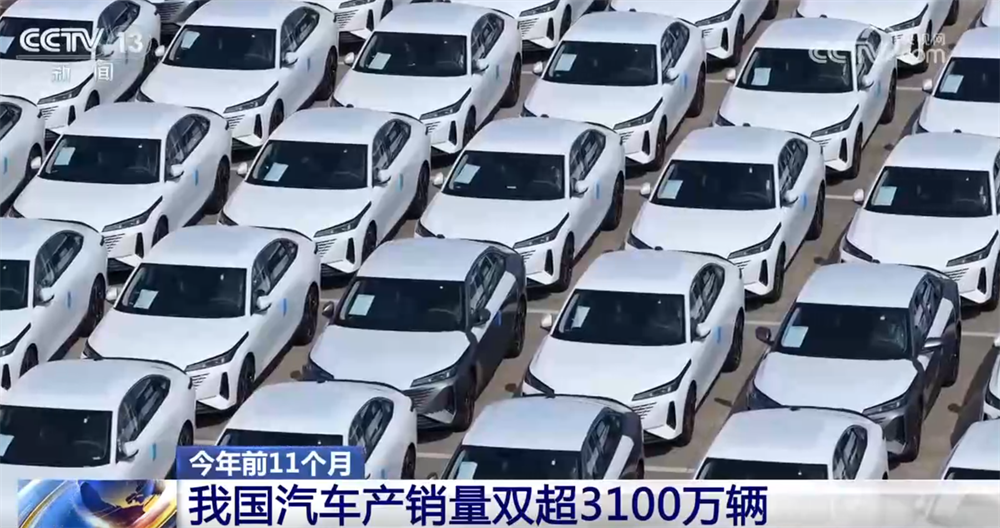
跨界合作显优势 前11个月我国汽车产销量双超3100万辆
Xin Lang Cai Jing· 2025-12-12 00:57
Core Insights - In November, China's automotive monthly production exceeded 3.5 million units for the first time, setting a historical record [1] - For the first 11 months of this year, both production and sales of automobiles in China surpassed 31 million units, with a year-on-year growth of over 10% [1] - The production and sales of new energy vehicles (NEVs) approached 15 million units in the same period, reflecting a year-on-year increase of over 30% [1] - NEV exports reached 2.315 million units, marking a year-on-year growth of 100% [1] - The market penetration rate of new passenger cars equipped with combined driving assistance systems has exceeded 60% [1] - The data highlights the advantages of collaboration between traditional automotive manufacturers and information communication technology companies [1]